

The Evolution of Slow Cooking in the Modern Home
The slow cooker, a staple of American kitchens since the 1970s, has undergone a resurgence in popularity over the past decade. Initially designed for long-simmering stews and roasts, modern iterations—such as the Crock Pot Kitchen Sink Casserole—demonstrate the appliance’s versatility. By integrating starch (potatoes and rice), protein (ground beef), and vegetables (carrots and mushrooms) into a single unit, home cooks are effectively reducing food waste while simplifying the evening meal process.
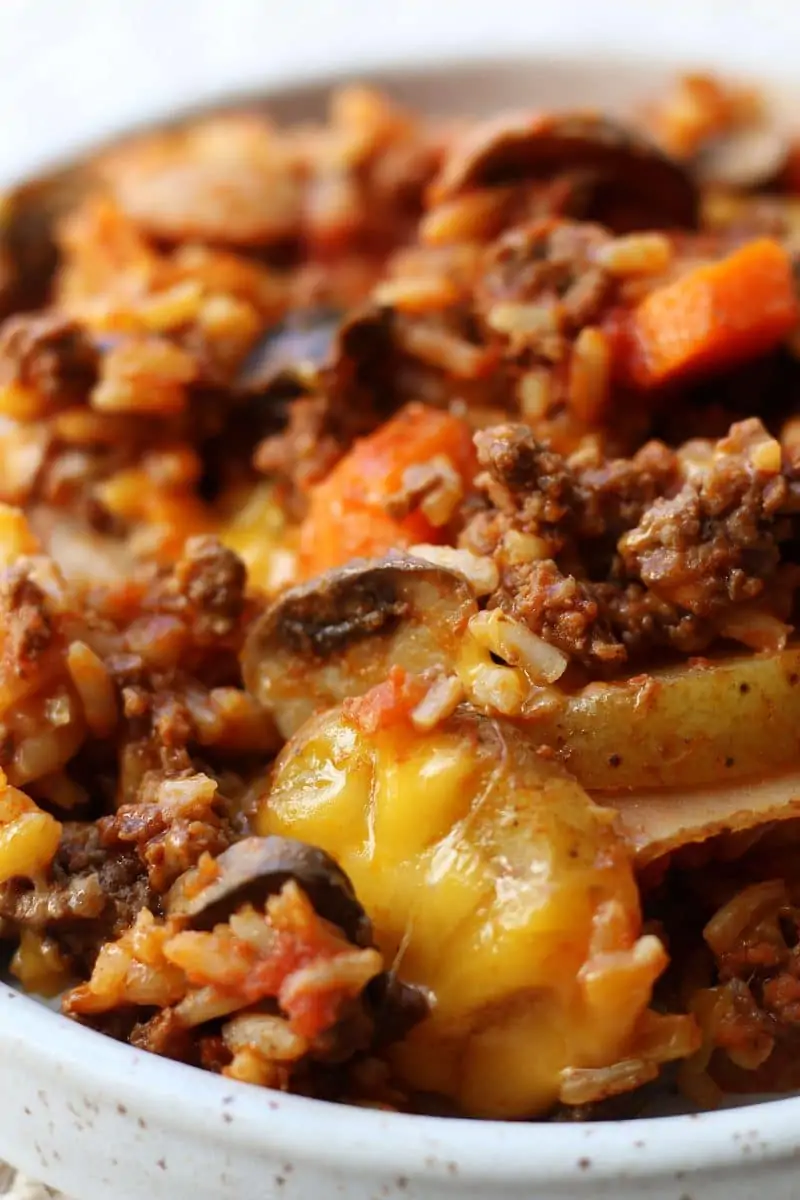
Data from recent culinary trends suggests that households are increasingly prioritizing "dump-and-go" meals. This methodology reduces the reliance on processed pre-packaged dinners, allowing for a more controlled nutritional profile while maintaining the convenience of minimal intervention. The "Kitchen Sink" concept, a culinary term referring to the inclusion of diverse, available ingredients, has become a practical solution for families aiming to clear out vegetable drawers and pantry remainders at the end of the week.
Ingredients and Nutritional Composition
The core of the Kitchen Sink Casserole relies on a balanced macronutrient profile. One pound of ground beef provides the foundational protein, which is then extended by the addition of complex carbohydrates through potatoes and rice. Mushrooms and carrots add essential fiber and micronutrients, creating a meal that is both calorie-dense and nutritionally rounded.
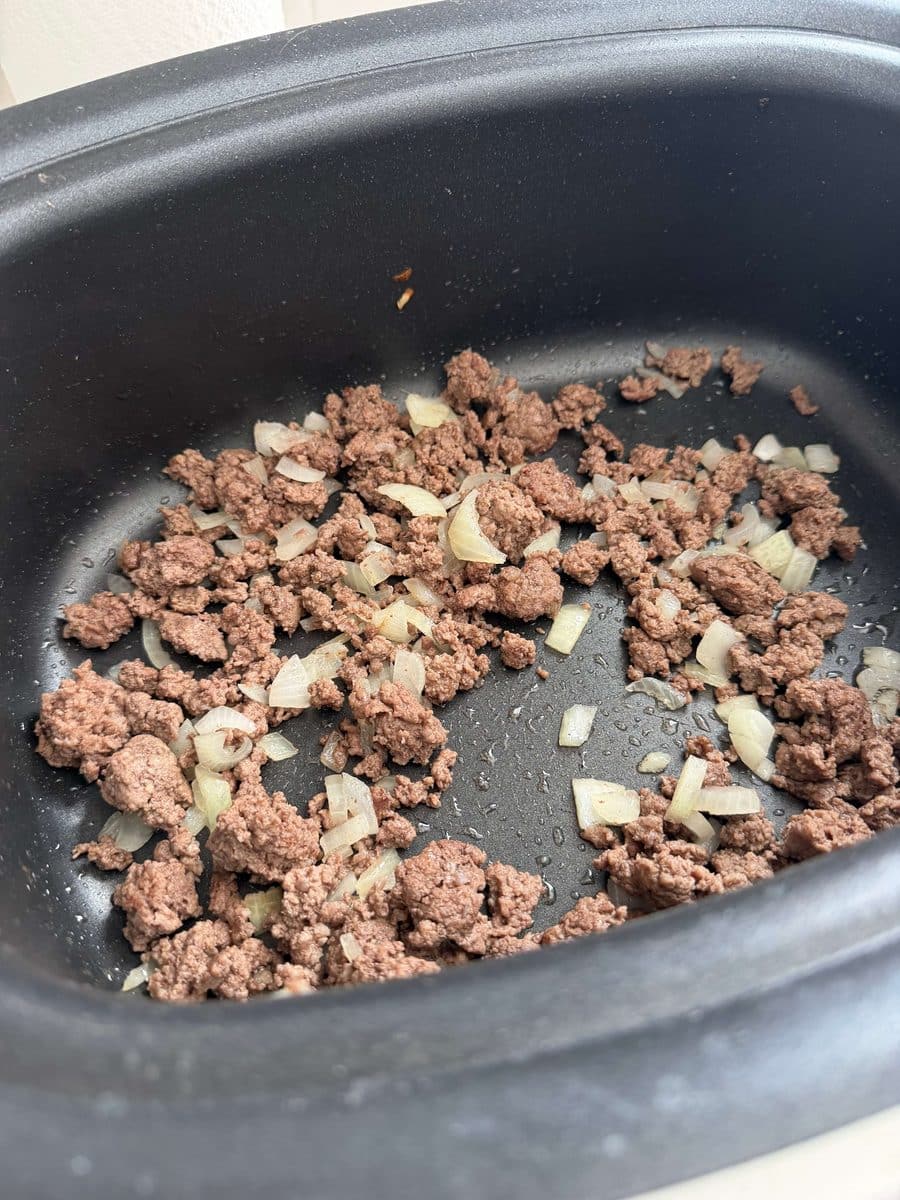
The preparation process is straightforward but requires adherence to proper sequencing to ensure all components reach optimal texture. The ground beef and onions are browned first, either on a traditional stovetop or in a modern multi-cooker with a sauté function. This step is critical; it facilitates the Maillard reaction, which is essential for developing the savory depth of flavor required for a long-duration cook. The addition of steak sauce, onion powder, garlic powder, and seasoned salt acts as the flavor architecture, bridging the gap between the various textures of the vegetables and the meat.
Chronological Preparation and Execution
The successful execution of this dish follows a specific timeline designed to harmonize the cooking rates of diverse ingredients.
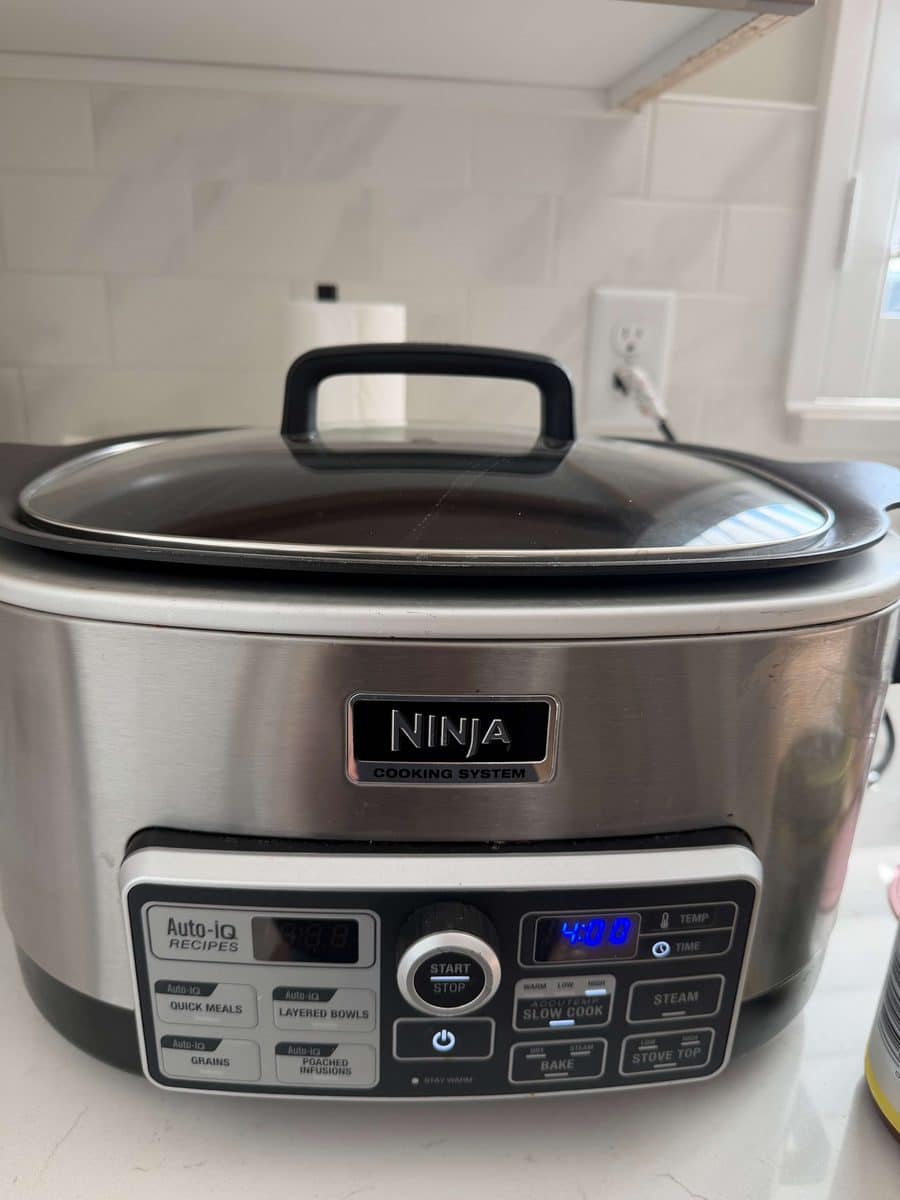
- Preparation Phase (0–15 minutes): The beef is browned with diced onions to remove excess fat. Seasonings are incorporated at this stage to ensure the protein is fully flavored before the addition of liquid components.
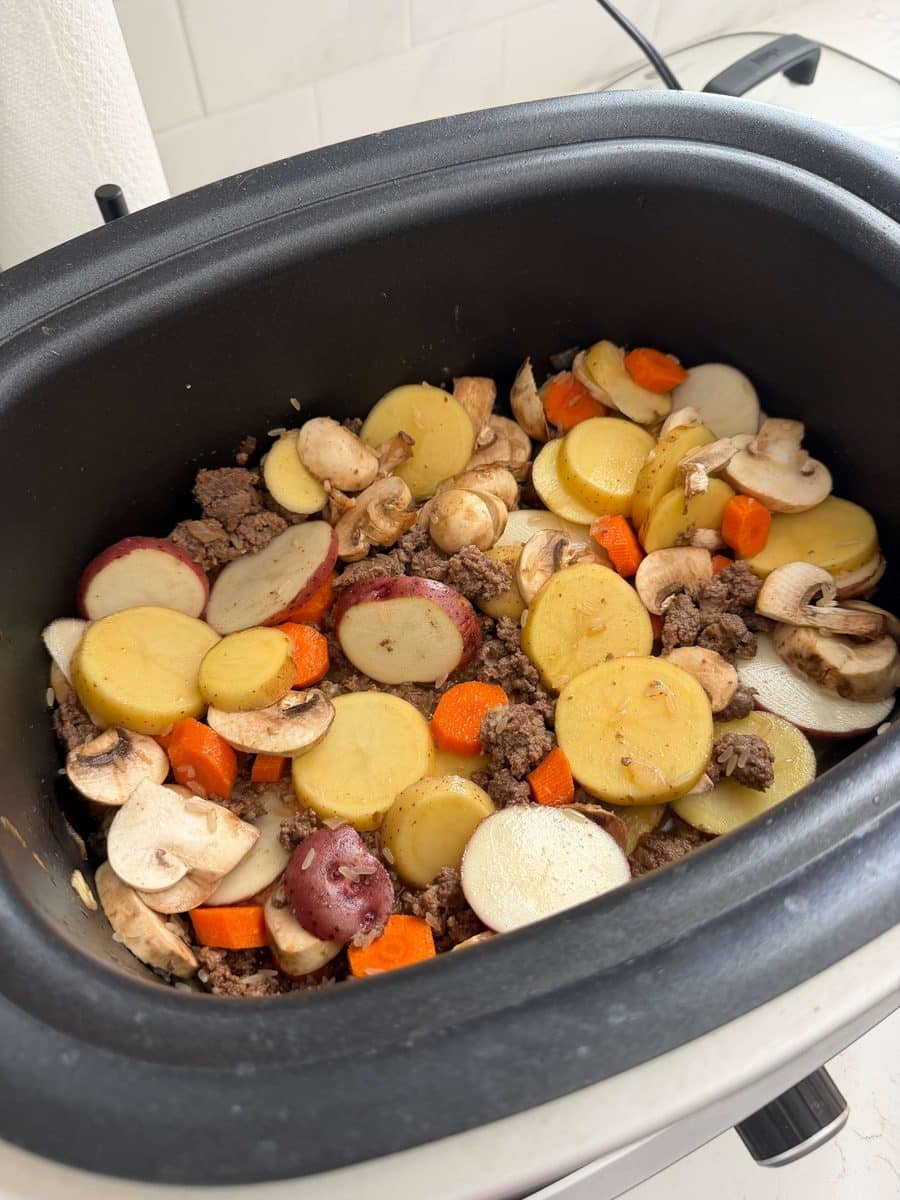
- Assembly Phase (15–20 minutes): Raw potatoes, carrots, and mushrooms are combined with rice and broth in the slow cooker. The liquid-to-solid ratio is vital here, as the rice must absorb the seasoned broth to reach a tender, fluffy state without becoming overly mushy or scorched.
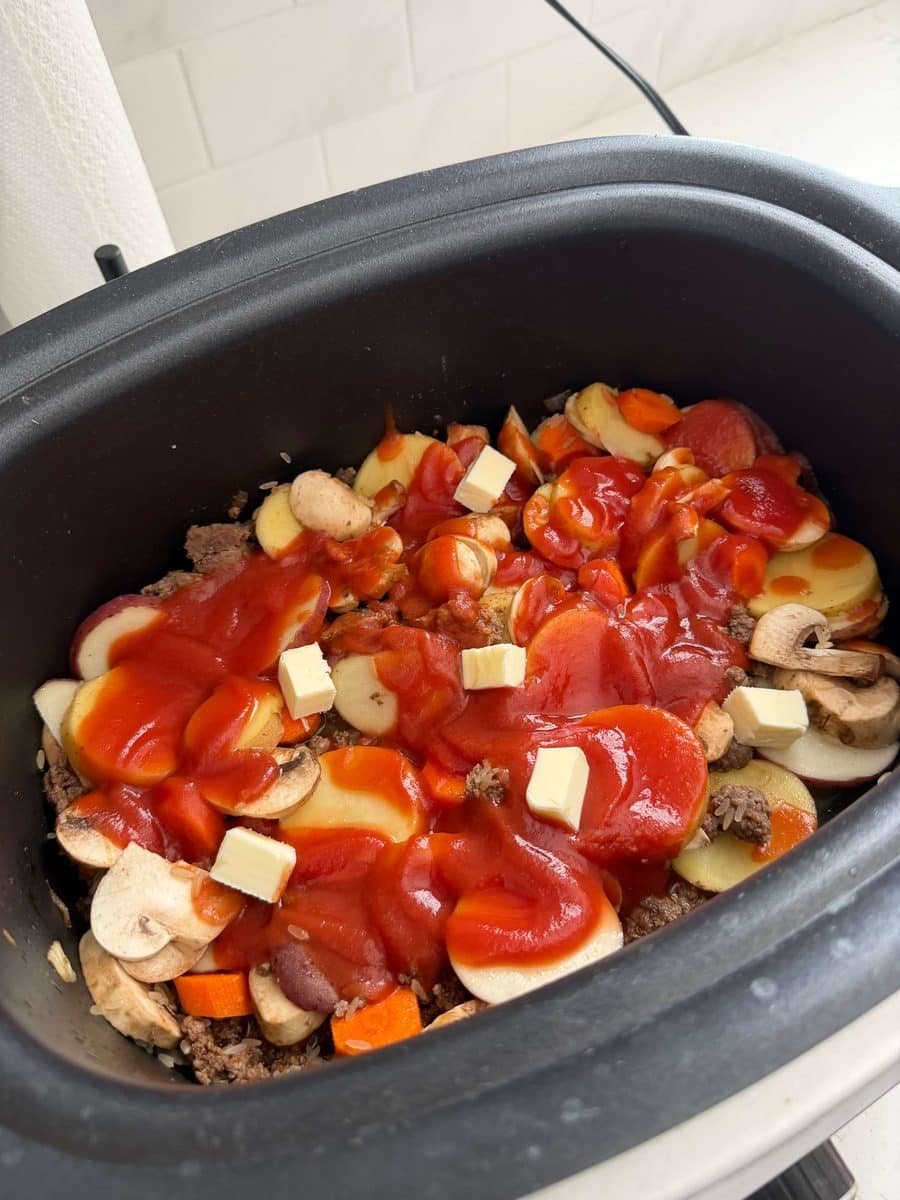
- Refinement (20–25 minutes): Tomato sauce is poured over the top, acting as a acidic base that tenderizes the vegetables and provides a vibrant color and flavor profile. Butter is placed in small, distributed portions on the surface to ensure even fat distribution as it melts downward.
- Slow Cooking Phase (2–3 hours on high heat): This is the critical window where the starches gelatinize and the vegetables soften. Because this is a high-heat application, the cooking time is relatively brief compared to traditional 8-hour slow cooker recipes, making it a viable option for late-afternoon preparation.
- Finishing Phase: Once the potatoes and rice are cooked through, the final touch involves incorporating cheddar cheese. The residual heat is sufficient to melt the cheese without requiring further cooking, preserving the integrity of the dairy.
Analysis of Household Economic Impact
From an economic standpoint, the Kitchen Sink Casserole is a highly efficient model for family budgeting. By utilizing a single pound of ground beef to feed multiple people, the dish lowers the cost-per-serving significantly compared to individual protein portions. Furthermore, the inclusion of root vegetables and rice—both of which are shelf-stable or have long refrigeration lives—minimizes the risk of spoilage.
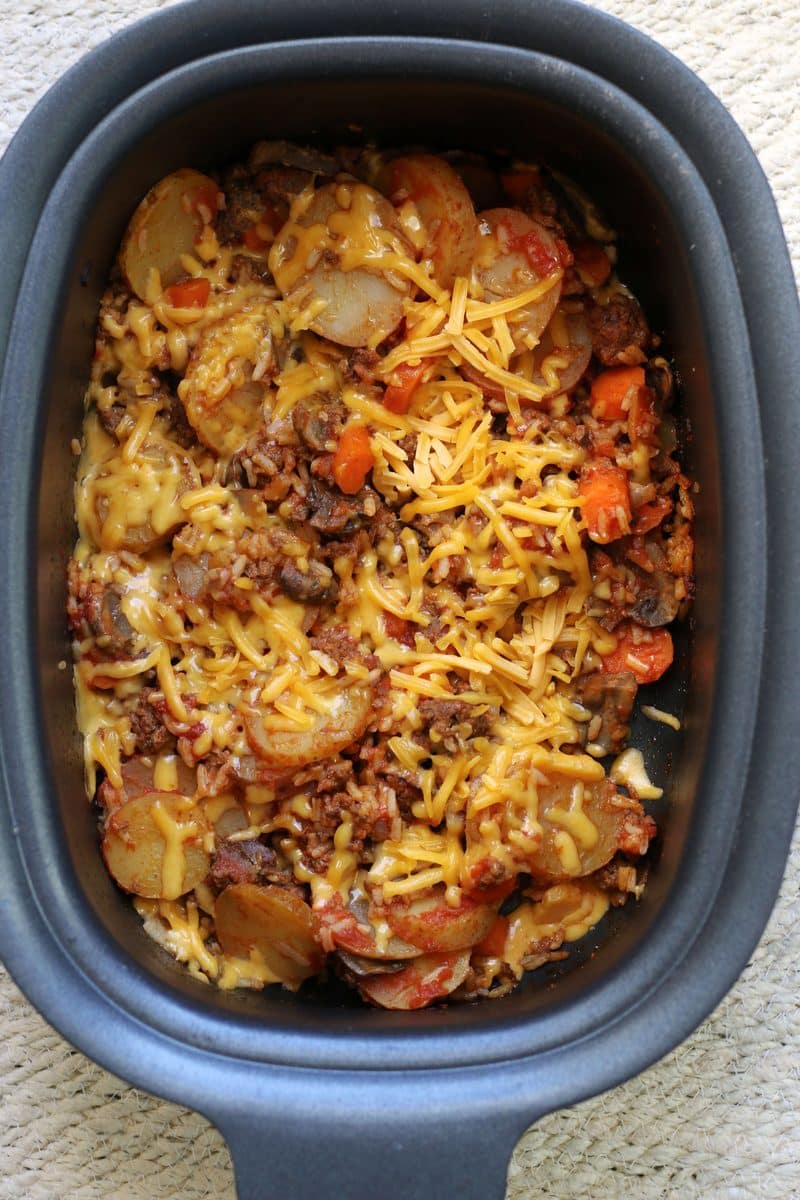
Market researchers have observed that during periods of economic volatility, families tend to favor "casserole-style" meals. These dishes provide a sense of satiety and comfort while allowing for the incorporation of whatever vegetables are currently in season or on sale. The ability to substitute ingredients—such as swapping mushrooms for bell peppers or using different varieties of potatoes—further enhances the adaptability of the recipe, making it a flexible asset for low-waste meal planning.

Technical Considerations for the Modern Cook
Modern slow cookers often come equipped with advanced features, such as programmable timers and dual-function inserts that allow for searing on a stovetop. The use of such technology in this recipe is a major advancement, as it eliminates the need for extra pans and cleanup. According to culinary experts, the move toward "one-pot" cooking is driven by the modern consumer’s desire to spend less time in the kitchen without sacrificing the quality of a home-cooked meal.

However, there are technical challenges to be mindful of. The moisture level must be carefully monitored; too much liquid will result in a soup-like consistency, while too little will cause the rice to remain crunchy. The recommendation to "salt and pepper to taste" at the end of the cooking process is not merely a suggestion but a necessary final adjustment to balance the acidity of the tomato sauce and the richness of the melted cheese.

Broader Culinary Implications
The enduring popularity of the slow cooker—and recipes like this one—reflects a shift in cultural attitudes toward home dining. The "Kitchen Sink" ethos promotes the idea that cooking does not require a rigid, chef-driven adherence to expensive or obscure ingredients. Instead, it encourages the creative use of available inventory.

This approach has significant implications for food waste reduction. By treating the slow cooker as an aggregator for "odds and ends," home cooks are effectively participating in a circular economy within their own homes. The reduction in individual servings of meat and the increase in vegetable and grain intake align with contemporary nutritional advice, which suggests that plant-forward diets are beneficial for both personal health and environmental sustainability.

Conclusion: The Future of the Family Casserole
As we look toward the future of domestic food preparation, the Crock Pot Kitchen Sink Casserole stands out as a quintessential example of functional cooking. It is a dish that does not aim for culinary pretension but rather for reliability, nutrition, and efficiency. Whether it is being prepared for a busy weeknight dinner or as a method to clear the refrigerator, the recipe serves as a reminder that the most effective meals are often those that bring together diverse ingredients into a harmonious, comforting whole.

By utilizing the unique environment of a slow cooker, home cooks can continue to elevate the status of the "casserole" from a dated concept to a modern necessity. The key remains in the balance of ingredients, the proper management of heat, and the willingness to adapt the recipe to the specific resources available in the pantry. As technology continues to improve the capabilities of kitchen appliances, we can expect to see even more innovative, high-efficiency recipes that follow the principles demonstrated here: simplicity, sustainability, and the fundamental goal of feeding a family well.
