
Historical Context and Culinary Origins
The term "Pulehu" is rooted in Native Hawaiian terminology, specifically referring to a method of cooking food directly over hot coals or embers. Traditionally, Pulehu chicken was a staple of Hawaiian family gatherings, utilizing the smoky infusion created by drippings hitting the fire to flavor the meat. While the historical iteration relied exclusively on open-flame charcoal or kiawe wood pits, the modern adaptation highlighted here—a fusion of oven-baked techniques—prioritizes accessibility without sacrificing the signature flavor profile of the original dish.
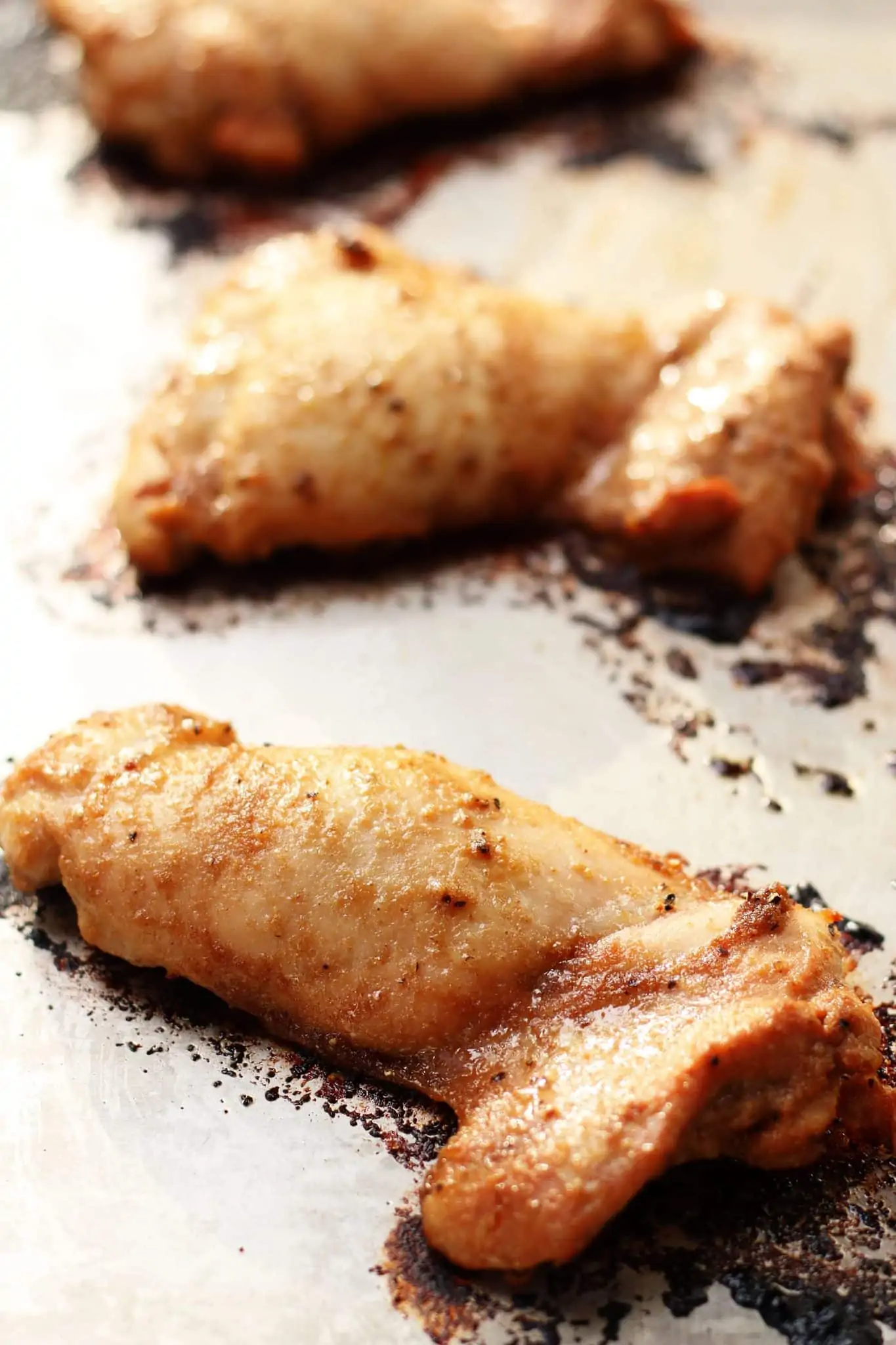
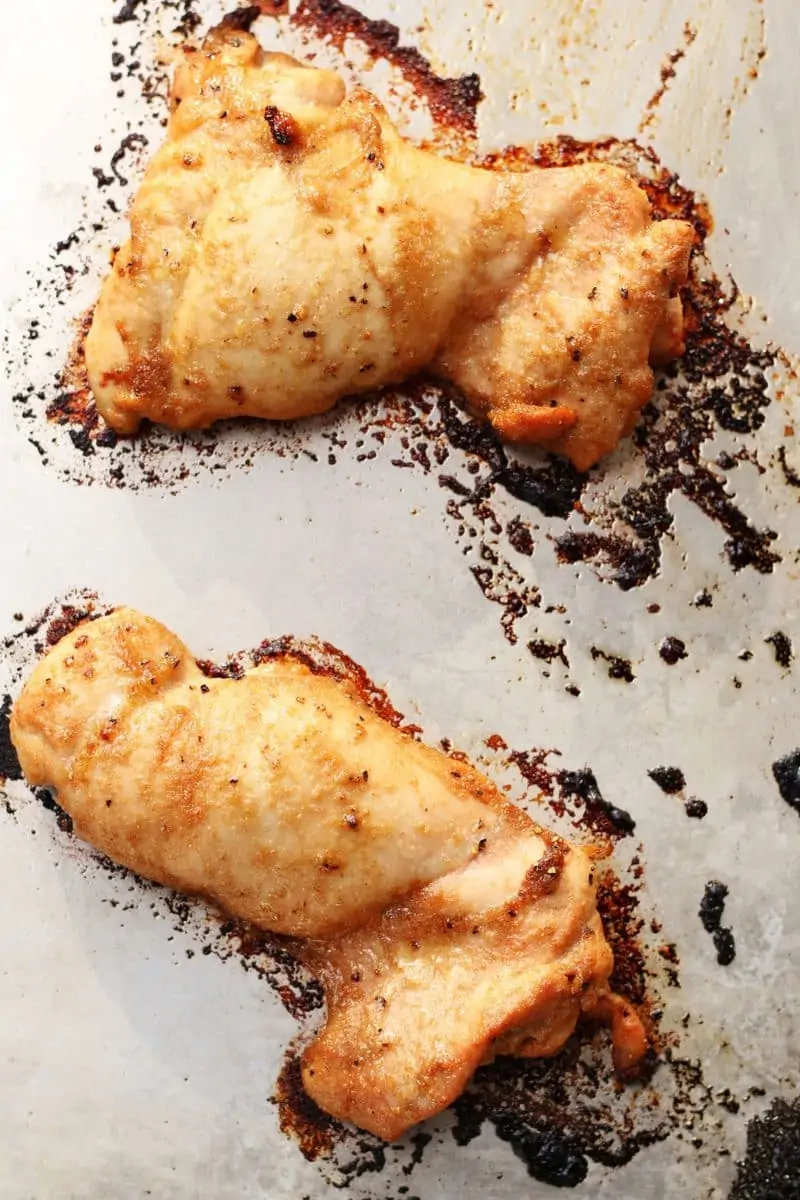
The transition from open-pit roasting to convection-based oven baking reflects a broader trend in home gastronomy: the effort to replicate "outdoor" flavor profiles in indoor environments. By utilizing a high-heat roasting method, typically at 425°F, chefs can mimic the searing effects of a charcoal grill, ensuring the chicken retains a succulent interior while achieving a slightly caramelized exterior.
Composition and Flavor Dynamics
The success of Pulehu chicken relies on the chemical interaction between its marinade ingredients and the protein structure of the chicken thigh. Thighs are preferred over breasts in this recipe due to their higher fat content, which prevents the meat from drying out during the intense heat of the baking process.
- Soy Sauce: Provides the essential umami base and sodium content necessary for flavor depth.
- Sesame Oil: Acts as a high-aromatic fat source, adding a nutty, toasted finish that is a hallmark of Pacific Rim cuisine.
- Garlic and Ginger: Function as the aromatic foundation, balancing the saltiness of the soy sauce with pungent, earthy notes.
- Lemon Juice: Introduces acidity, which serves to tenderize the muscle fibers of the chicken over the mandatory two-hour marination period.
- Brown Sugar: Facilitates the Maillard reaction, allowing the exterior of the chicken to darken and caramelize at high temperatures, which creates the "smoky" perception even in an oven setting.
Procedural Standards for Preparation
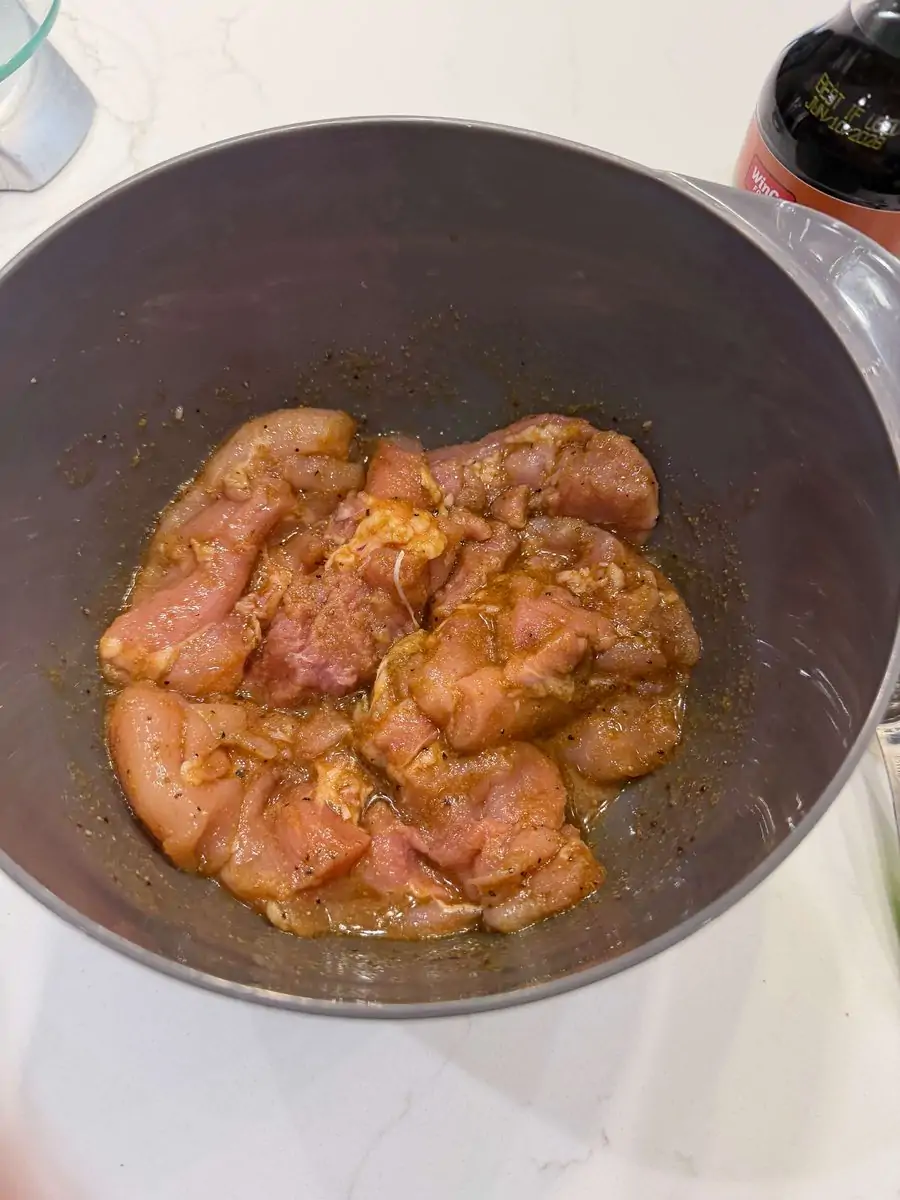
The standard operating procedure for preparing this dish requires a minimum of two hours of refrigeration, though culinary experts suggest that extending the marinade period up to 24 hours can significantly improve the penetration of flavors into the connective tissue of the chicken thighs.
Preparation follows a strict chronological order:
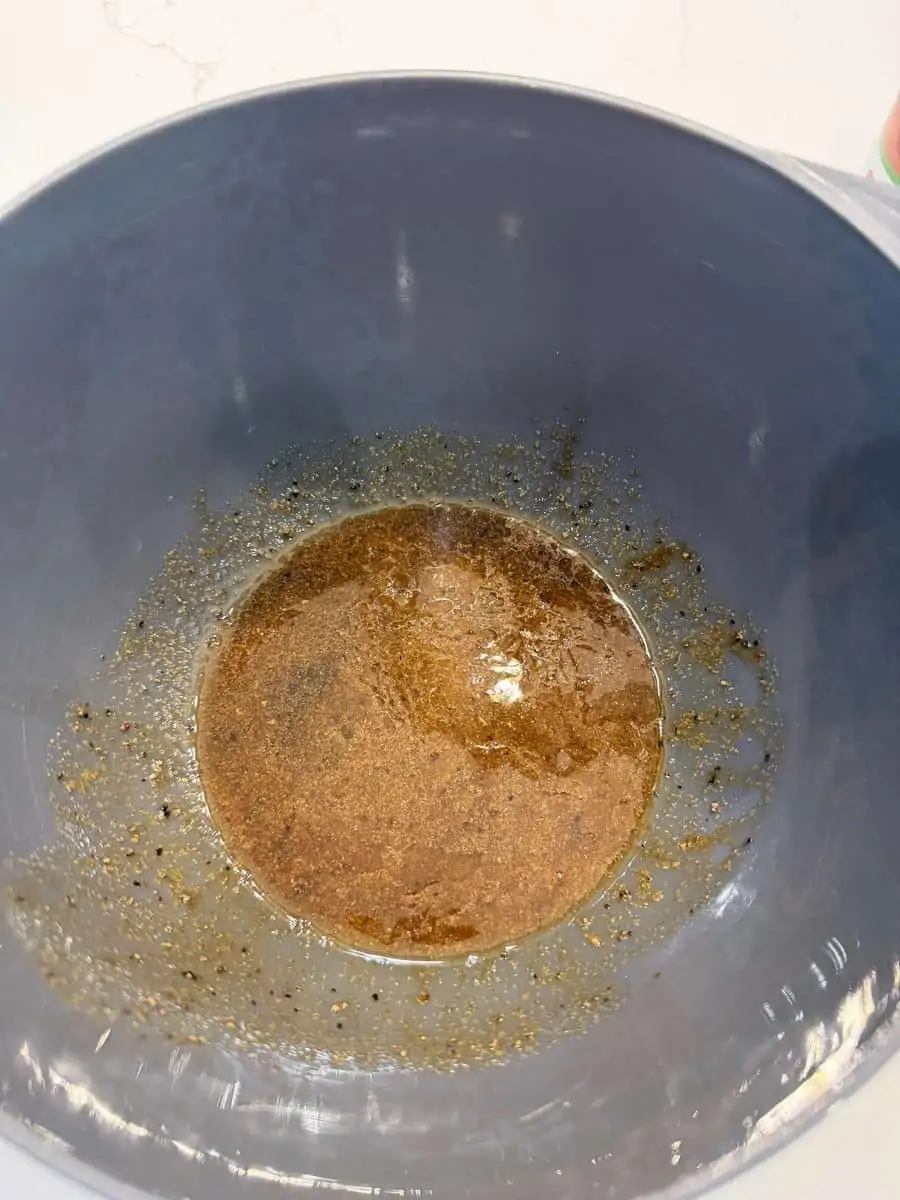
- Emulsification: The marinade must be whisked into a homogenous mixture to ensure consistent flavor distribution.
- Infusion: The chicken is submerged and covered to prevent oxidation, allowing the acidic components of the lemon juice to break down proteins.
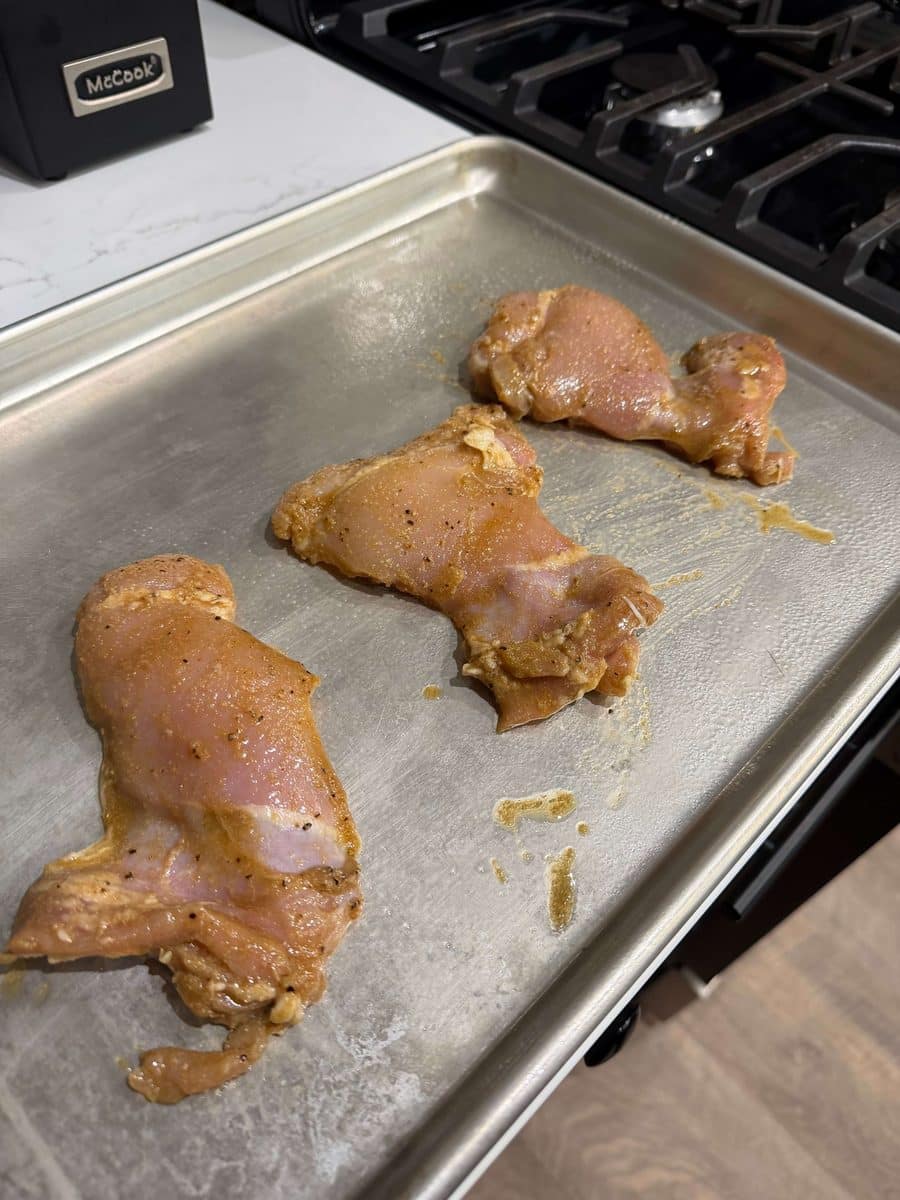
- Thermal Processing: The oven must be preheated to 425°F. Utilizing foil on a baking sheet is recommended to manage the high sugar content of the marinade, which can burn and adhere to the pan surface if left unprotected.
- Monitoring: The chicken must reach an internal temperature of 165°F to ensure food safety standards are met, as verified by a calibrated meat thermometer.
Comparative Analysis: Baking vs. Grilling
While the current trend favors the oven-baked variant, traditionalists maintain that the grilling method remains superior for authentic flavor. Data suggests that grilling at 425°F—requiring approximately 5 to 7 minutes per side—provides a more distinct char than oven roasting. However, the oven-baked method offers significant logistical advantages, including consistent heat control and the ability to prepare large quantities simultaneously, making it a more practical solution for high-volume meal preparation.
Nutritional and Economic Implications
From an economic perspective, chicken thighs remain one of the most cost-effective sources of high-quality animal protein in the retail market. Incorporating recipes like Pulehu chicken into a weekly meal rotation provides a cost-efficient strategy for families seeking to minimize food waste. The versatility of the leftovers—which can be repurposed for salads, grain bowls, or wraps—aligns with contemporary "zero-waste" culinary movements.
Nutritionally, the dish offers a high protein density, though it is important to monitor the sodium content inherent in soy sauce-based marinades. Health-conscious consumers are encouraged to use low-sodium soy sauce or to adjust the marinade-to-meat ratio to maintain a balanced dietary profile.
Culinary Adaptations and Substitutions
The adaptability of the Pulehu recipe allows for various dietary modifications. For instance, the use of chicken breasts as a substitute for thighs is a common request. However, due to the leaner nature of breast meat, practitioners must be careful to avoid overcooking. Pounding the breasts to a uniform thickness is a critical step in ensuring that the protein cooks evenly, preventing the edges from drying out before the center reaches the required temperature.
Furthermore, for those seeking a gluten-free alternative, the substitution of tamari for standard soy sauce is a standard industry practice that preserves the integrity of the dish without compromising its allergen-friendly status.
Industry Trends and Consumer Reception
The resurgence of regional Pacific Island dishes in the mainland United States has been bolstered by the accessibility of global ingredients in local supermarkets. Pulehu chicken has gained traction not only as a dinner entree but as a subject of interest in the "meal prep" community. Digital platforms and recipe databases have noted an increase in search traffic for "Hawaiian-inspired" home cooking, indicating a shift toward globalizing the home menu.
The inclusion of this dish in the broader canon of "easy dinner" recipes highlights a consumer demand for high-flavor, low-complexity meals. As lifestyles become increasingly time-constrained, the two-hour marination window—which is significantly shorter than many overnight marinades—positions Pulehu chicken as a "bridge" recipe, suitable for both weeknight convenience and weekend entertaining.
Conclusion and Future Outlook
The transformation of the Pulehu technique from a localized cultural practice to a globally recognized home-cooking staple serves as a testament to the enduring appeal of sweet-and-savory flavor profiles. By balancing the acidity of lemon with the depth of soy and the sweetness of brown sugar, the dish achieves a sophisticated complexity that belies its simplicity. As home chefs continue to seek ways to elevate their standard repertoire, the Pulehu method stands out as a reliable, scalable, and culturally resonant option that honors its origins while embracing modern culinary technology. Whether prepared on a backyard grill or in a standard residential oven, the core components of the dish—patience in the marination, precision in the temperature, and respect for the ingredient—remain the fundamental pillars of its success.
