
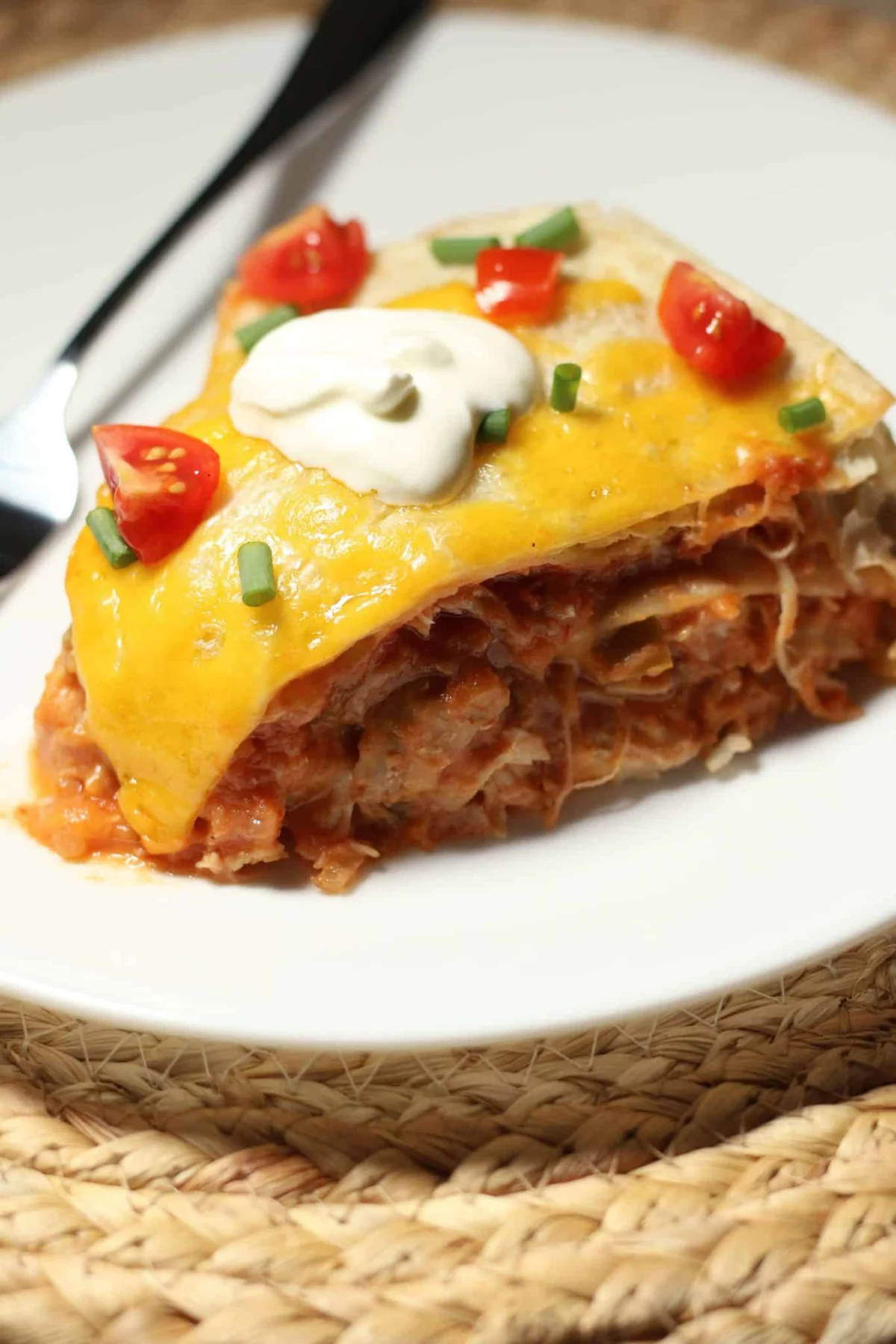
The Evolution of Convenience Cooking
The rise of the "five-ingredient" recipe category in the digital age reflects a broader shift in consumer behavior. As household schedules become increasingly constrained, culinary enthusiasts are moving away from complex, multi-step recipes in favor of methods that utilize kitchen appliances like the crockpot or slow cooker. The Mexican lasagna, a staple that historically required stove-top prep, oven-baking, and significant assembly time, has been effectively re-engineered for the modern kitchen.
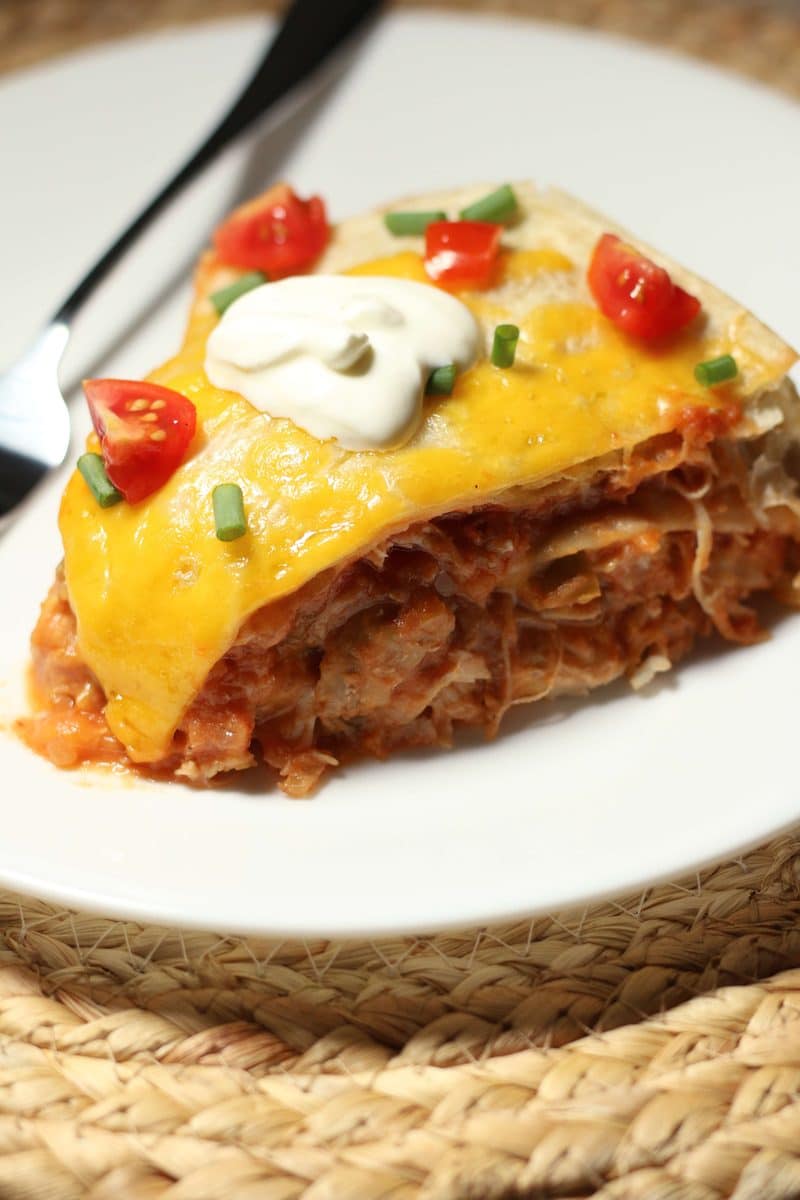
By leveraging the heat-retention properties of a slow cooker, this specific iteration of the dish allows for a passive cooking environment. The moisture from the salsa and the steam trapped within the ceramic vessel ensure that the flour tortillas, which would otherwise become brittle in a traditional dry-heat oven, soften into a pasta-like texture that binds the layers of protein and legumes.

Core Components and Culinary Mechanics
The success of this recipe relies on the interaction between its five foundational elements:

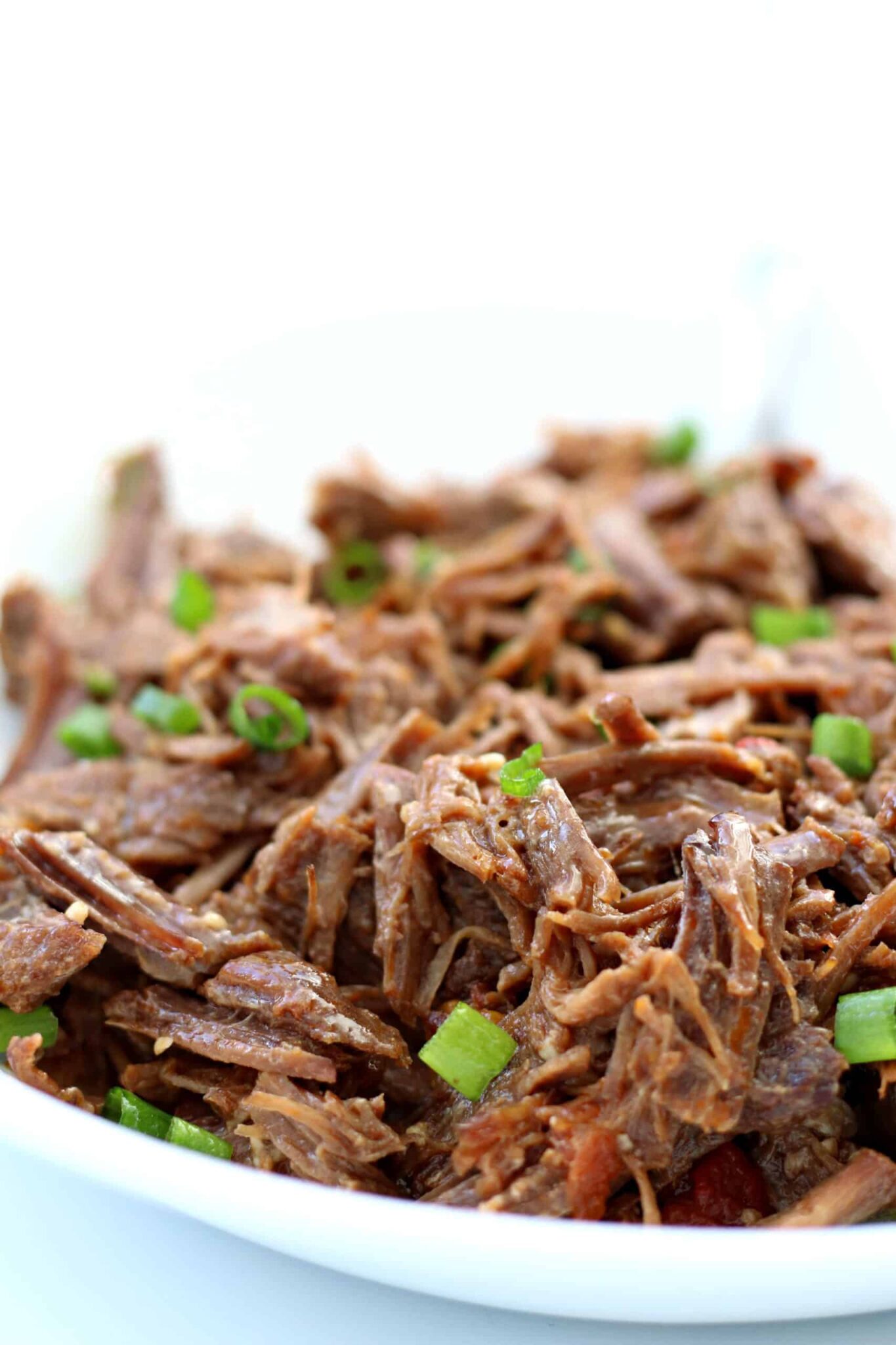
- Shredded Chicken: Serving as the primary protein, chicken provides a neutral base that readily absorbs the acidic and spicy notes of the salsa.
- Refried Beans: These provide the necessary structural density for the "lasagna" layers, acting as a binding agent that prevents the tortillas from sliding during the service phase.
- Salsa: The critical liquid component, salsa serves a dual purpose. It provides the flavor profile—typically a mix of tomatoes, onions, cilantro, and chili peppers—while simultaneously hydrating the tortillas during the two-hour cook cycle.
- Flour Tortillas: These serve as the substitute for traditional semolina pasta sheets. Their composition allows them to absorb the moisture from the surrounding ingredients, creating a cohesive, tender structure.
- Cheddar Cheese: Acting as the primary fat and salt source, the cheese creates the necessary melt-factor that defines the dish as a "lasagna."
Chronology of Preparation
For those looking to replicate this dish, the process is categorized by a strict, low-effort timeline. Unlike traditional lasagnas, which may require pre-boiling pasta or browning meat, this method focuses on a "stack-and-set" assembly.
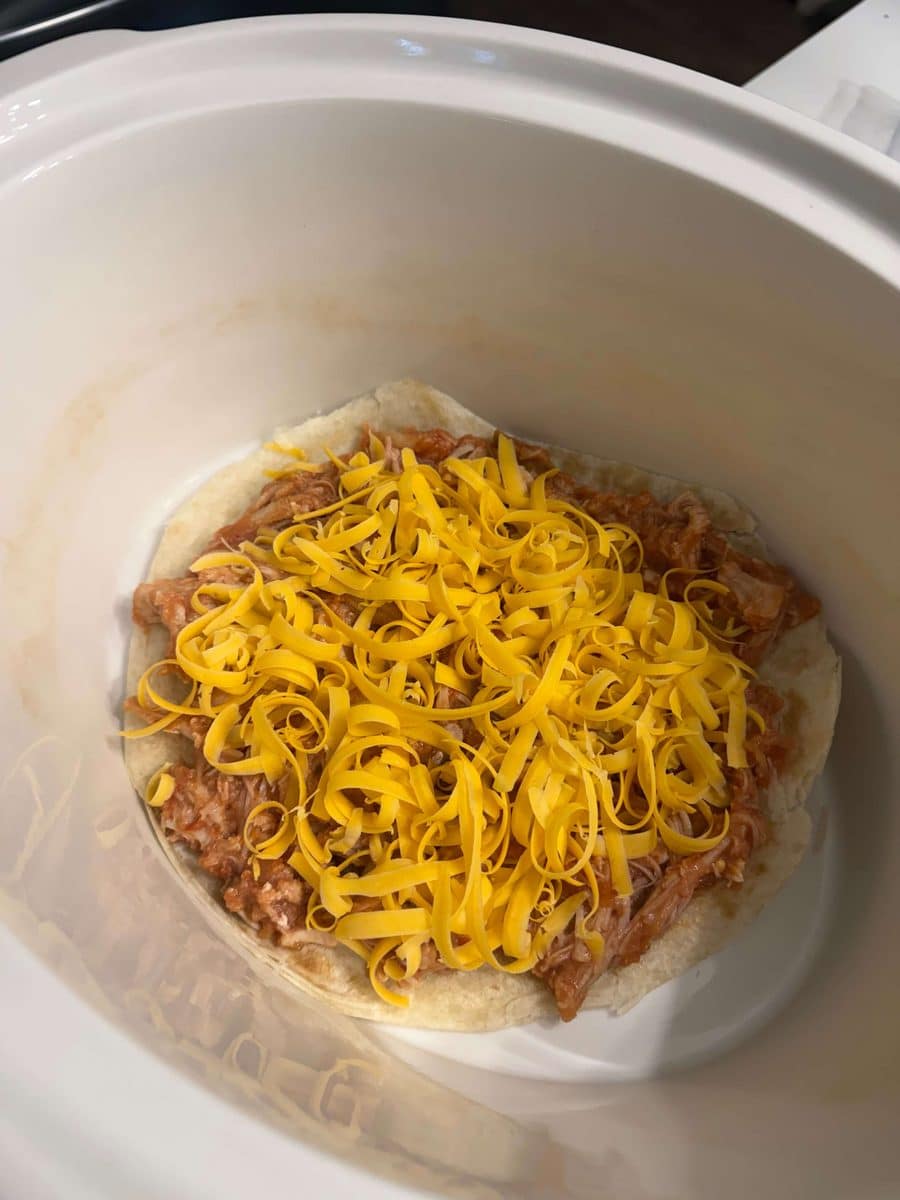
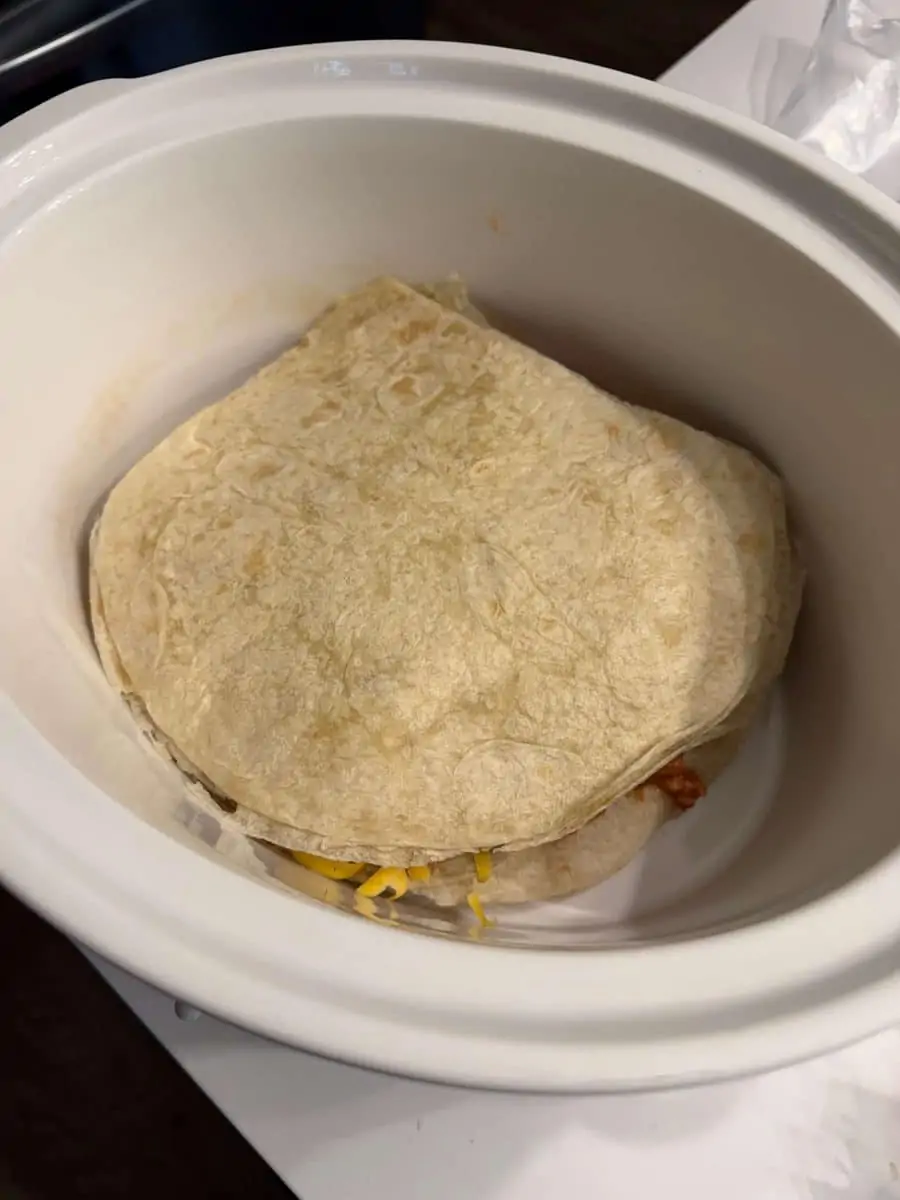
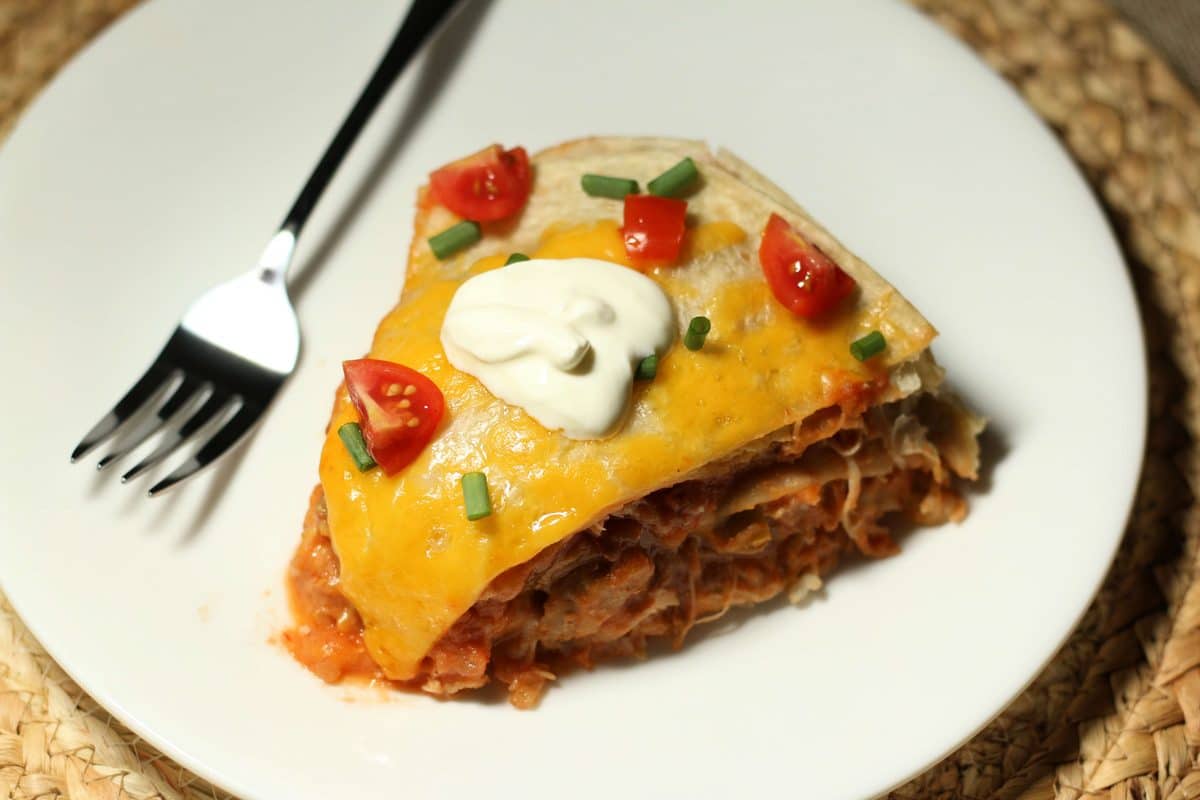
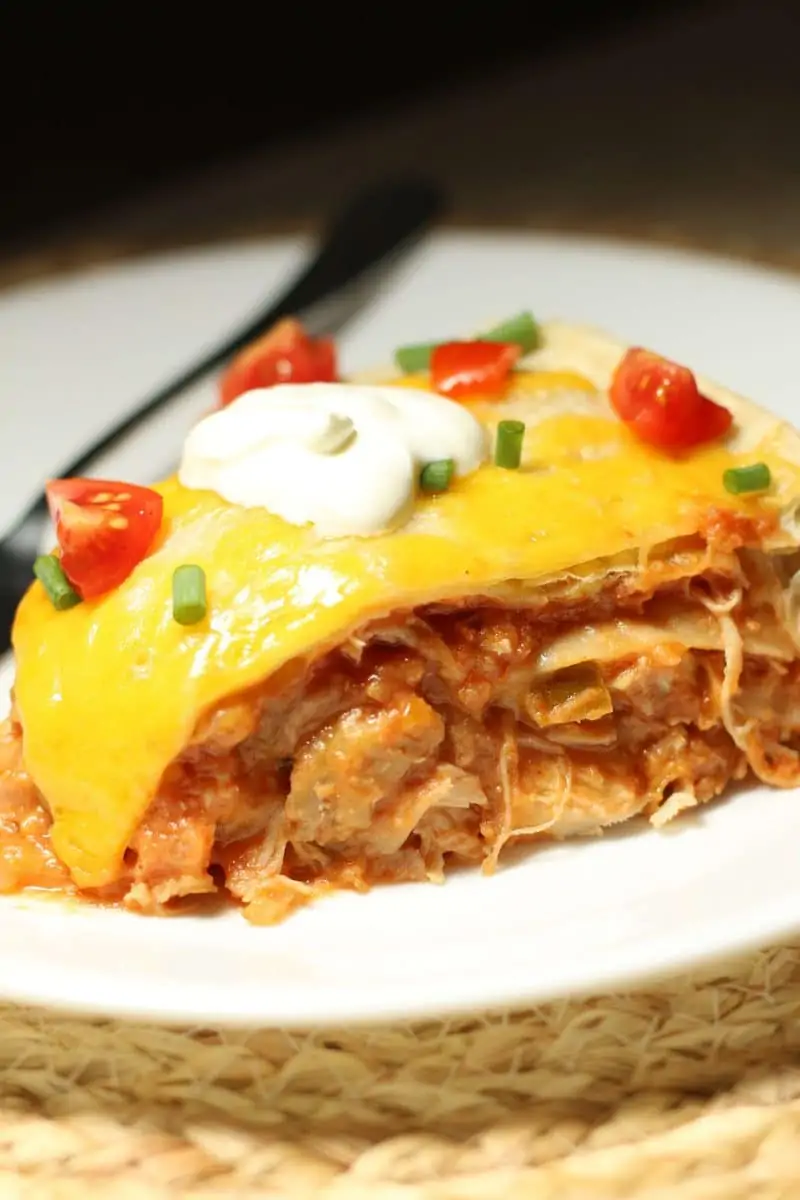
The preparation begins with the creation of a homogenous mixture of chicken, beans, and salsa in a separate mixing bowl. This pre-blending ensures that the flavor profile is consistent throughout every layer. The assembly process is linear: a single tortilla is placed at the base, followed by a portion of the mixture and a dusting of cheese. This cycle is repeated to create a vertical stack. The final cook time of two hours on the high setting is optimized to ensure the cheese is fully emulsified and the tortillas have reached a soft, pliable consistency without disintegrating.
Data-Driven Culinary Trends
Market research into home cooking habits suggests that recipes requiring five ingredients or fewer see a 40% higher engagement rate on social media and digital platforms compared to recipes with ten or more ingredients. This trend is driven by what food sociologists call "decision fatigue." After a full day of work, the average consumer faces difficulty in making complex decisions; therefore, a recipe that minimizes the number of variables (ingredients) is statistically more likely to be attempted.
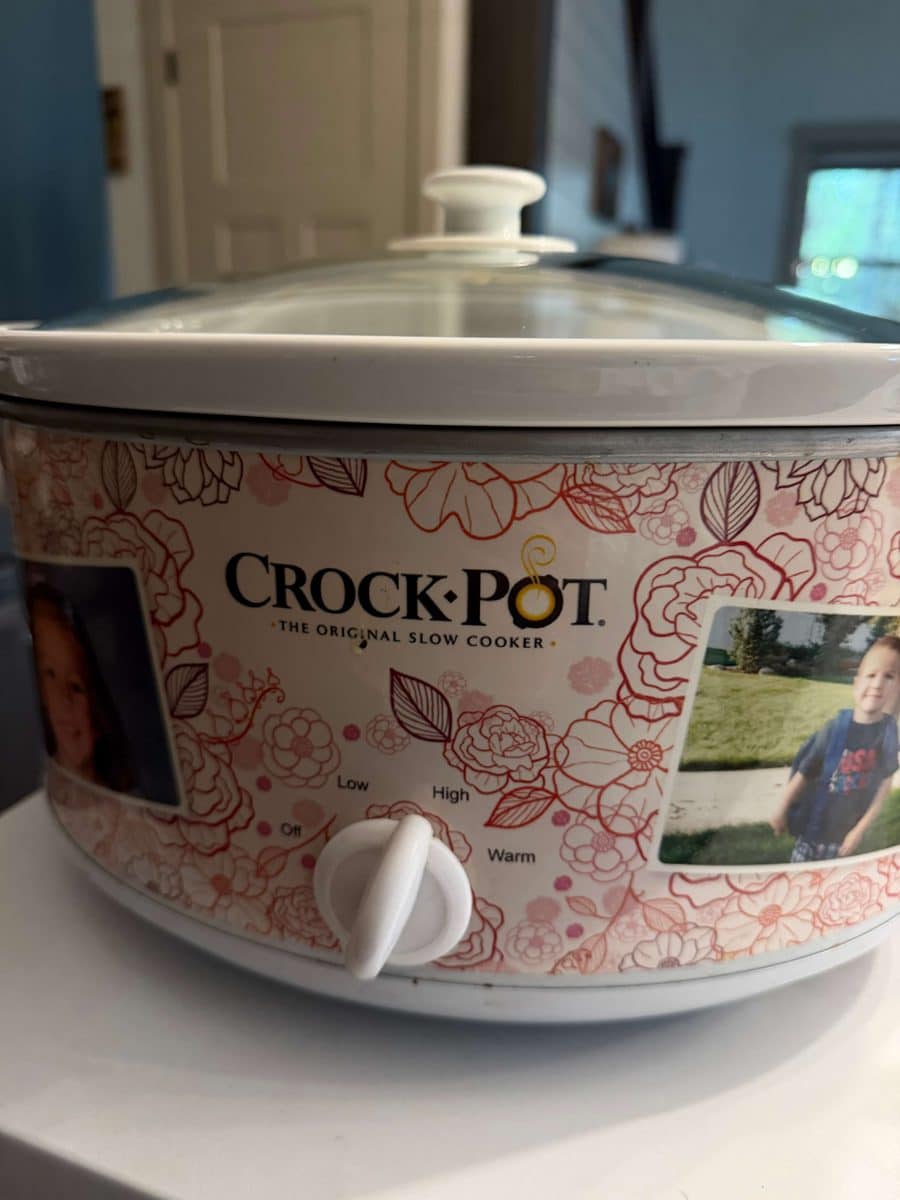
Furthermore, the integration of the slow cooker—an appliance found in approximately 80% of American households—has provided a secondary utility for this dish. Data from appliance manufacturers indicates that slow cooker usage peaks in the autumn and winter months, aligning with the popularity of comfort-based, casserole-style dishes like the 5-ingredient Mexican lasagna.

Practical Tips and Structural Integrity
A primary challenge in slow-cooking a layered dish is the removal process. Because the ingredients are soft and the structure is delicate, transferring the "lasagna" from the ceramic crock to a serving platter can often lead to structural collapse.
To mitigate this, culinary experts suggest the "aluminum foil harness" technique. By placing two perpendicular strips of heavy-duty foil at the bottom of the pot, extending over the edges, the cook creates a mechanical lift mechanism. After the two-hour cook time and a mandatory ten-minute resting period, the dish can be lifted out of the vessel entirely. This resting period is critical, as it allows the internal temperatures to stabilize and the cheese to set, ensuring cleaner slices when served.
Broader Nutritional and Economic Implications
From an economic standpoint, the 5-ingredient model offers significant advantages. By utilizing staples that are shelf-stable or easily frozen, the recipe minimizes food waste. The reliance on canned beans and jarred salsa allows for consistent pricing, making the meal an affordable option for families.

Nutritionally, while traditional lasagna is often heavy on carbohydrates and saturated fats, this version can be easily modified. The use of lean, shredded white-meat chicken provides a high-protein content, while the inclusion of beans adds dietary fiber. For those monitoring caloric intake, the cheese and sour cream toppings—while traditional—can be adjusted to meet specific dietary requirements without compromising the structural integrity of the dish.

Conclusion and Future Outlook
The "No Fuss" 5-ingredient movement represents a significant pivot in how domestic kitchens operate. As technology in the home continues to evolve, the integration of appliances that favor "hands-off" cooking will likely continue to dominate the culinary landscape. The Mexican lasagna stands as a prime example of this evolution: it honors the tradition of layered, savory comfort food while adapting to the realities of a time-sensitive, modern lifestyle.
Whether prepared in a traditional slow cooker or adapted for an electric pressure cooker, the core principles remain the same: simplify, stack, and allow the chemistry of heat and moisture to perform the heavy lifting. As consumers continue to seek balance between nutritional needs and time constraints, dishes that emphasize simplicity—without sacrificing the communal, comforting experience of a home-cooked meal—will remain at the forefront of domestic menu planning for the foreseeable future.
