
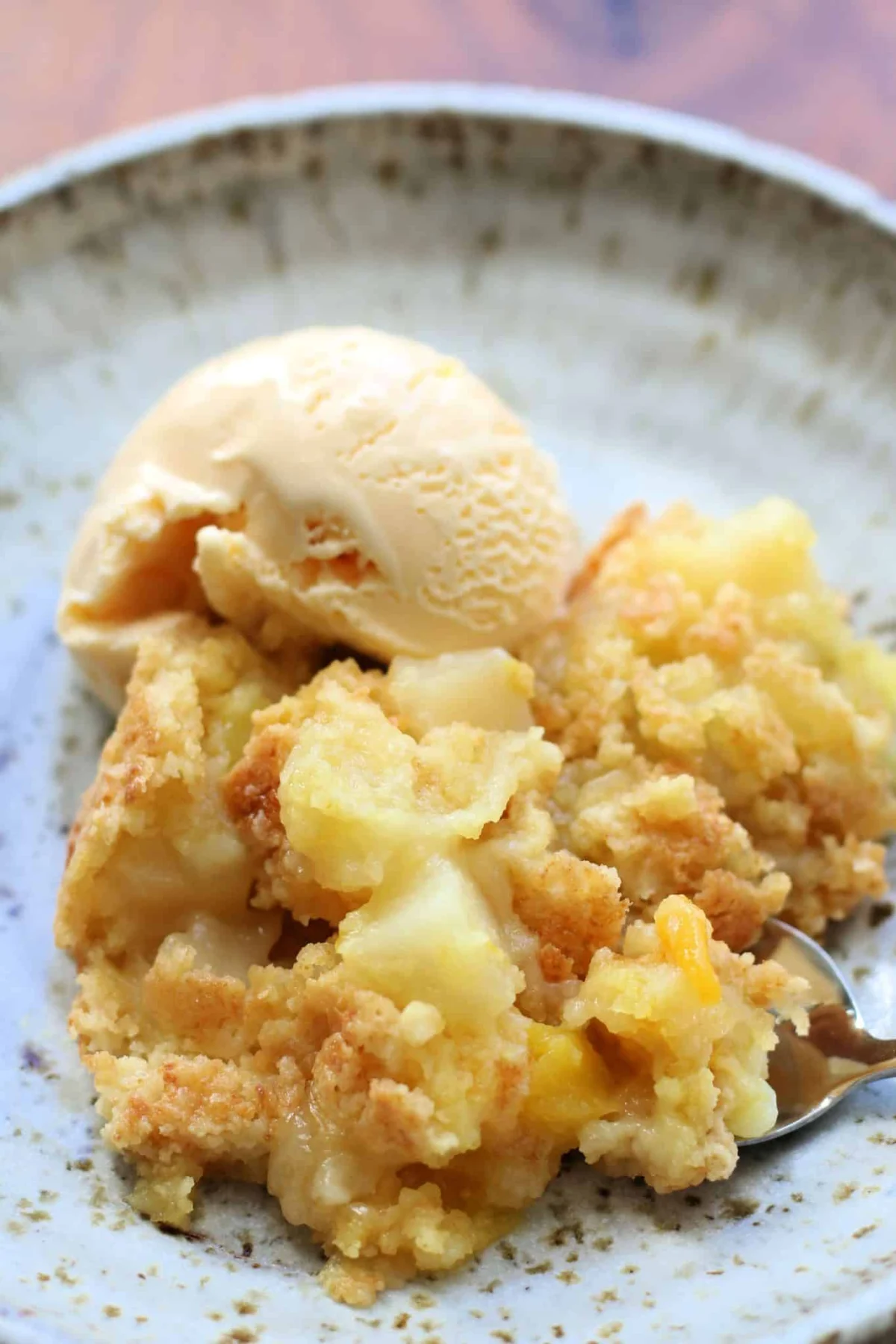
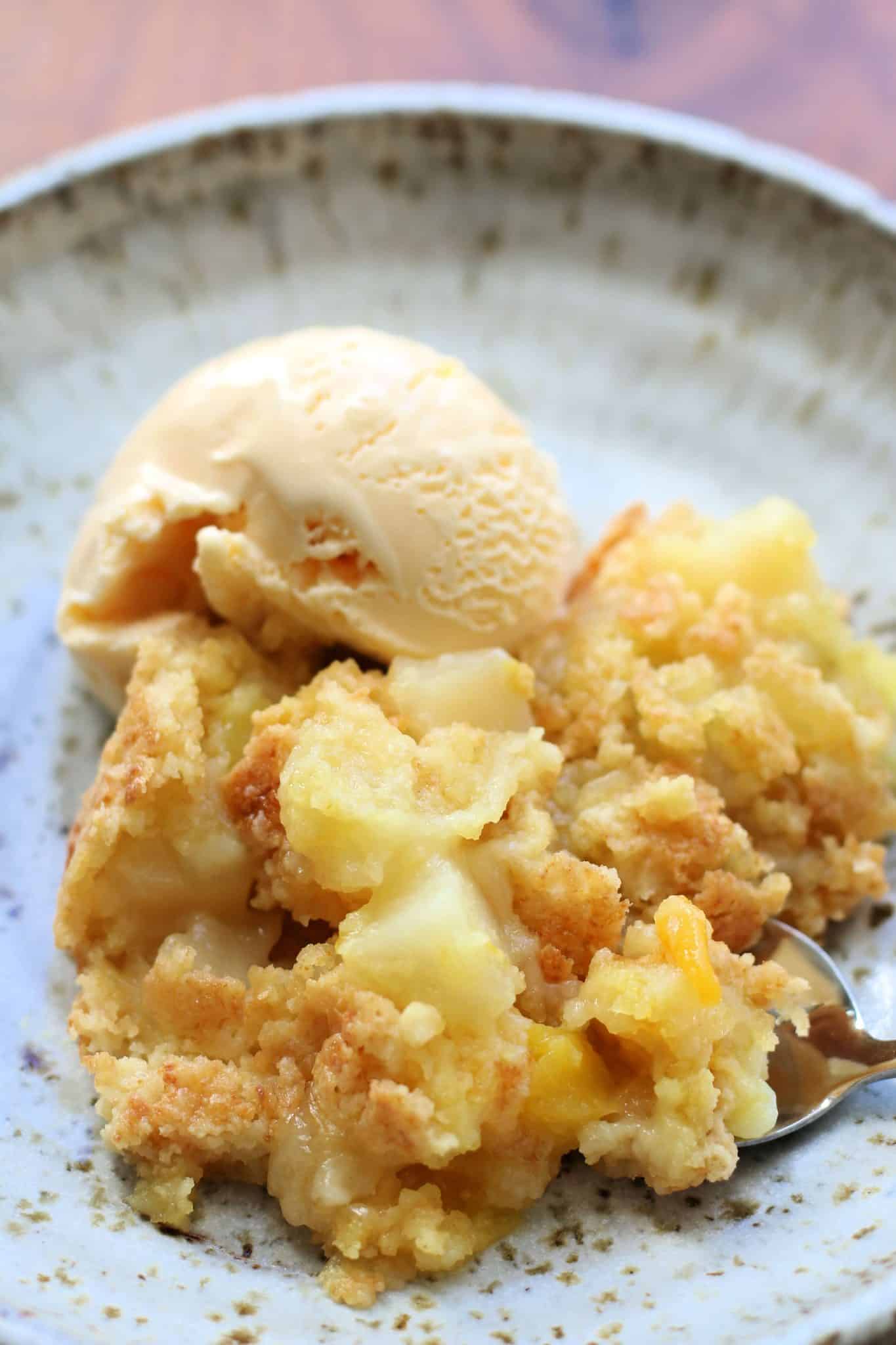
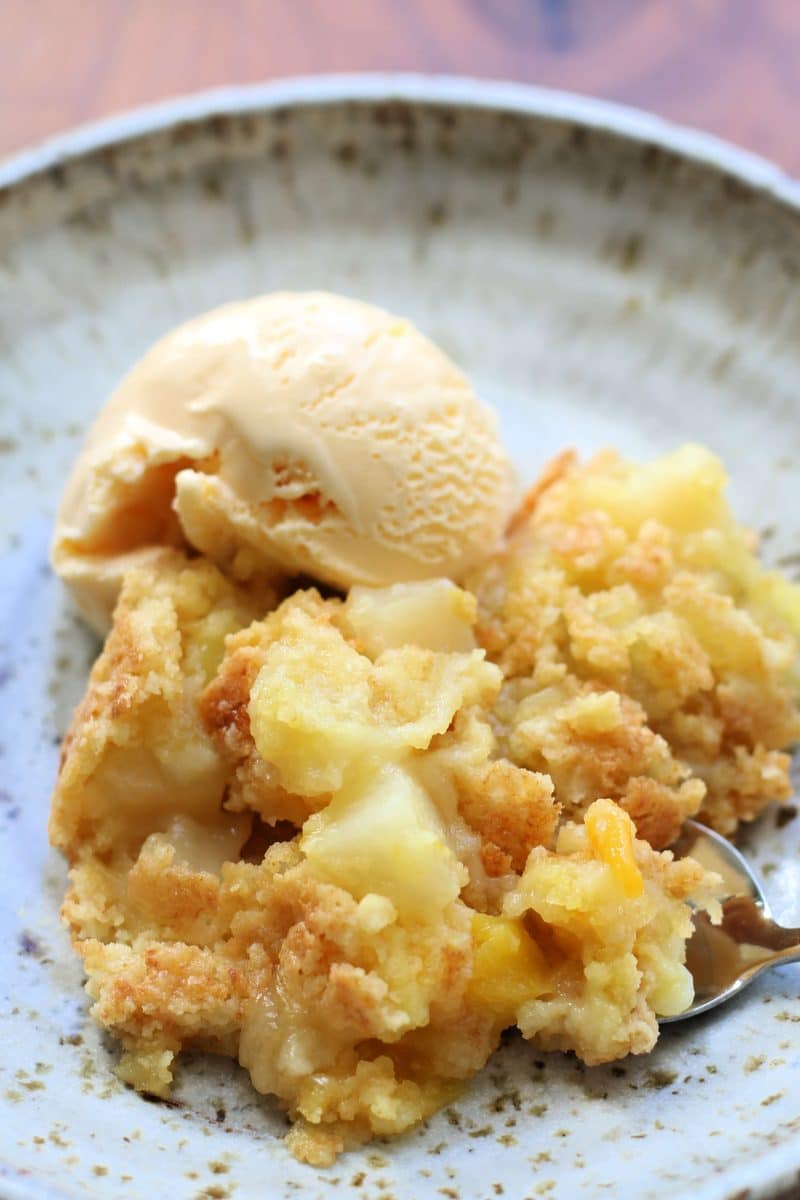
The culinary landscape of American home cooking has long been defined by its ability to marry convenience with comfort, and few recipes embody this ethos as effectively as the aptly named 3 Ingredient Special. Attributed to the cultural icon and entertainer Dolly Parton, this dessert—frequently compared to the "Cuppa Cuppa Cake" featured in the 1989 film Steel Magnolias—has seen a resurgence in popularity due to its reliance on pantry staples and minimal preparation time. The dish, which consists of canned fruit cocktail, a standard box of yellow cake mix, and butter, represents a growing trend in domestic food preparation that prioritizes accessibility without sacrificing traditional flavor profiles.
The Evolution of Convenience Baking
The history of the "dump cake," of which the 3 Ingredient Special is a primary iteration, dates back to the mid-20th century. During the post-World War II era, the proliferation of pre-packaged convenience foods transformed the American kitchen. As cake mixes became a household staple, home cooks began experimenting with ways to bypass complex baking techniques, leading to the development of recipes that required little more than layering ingredients in a pan.
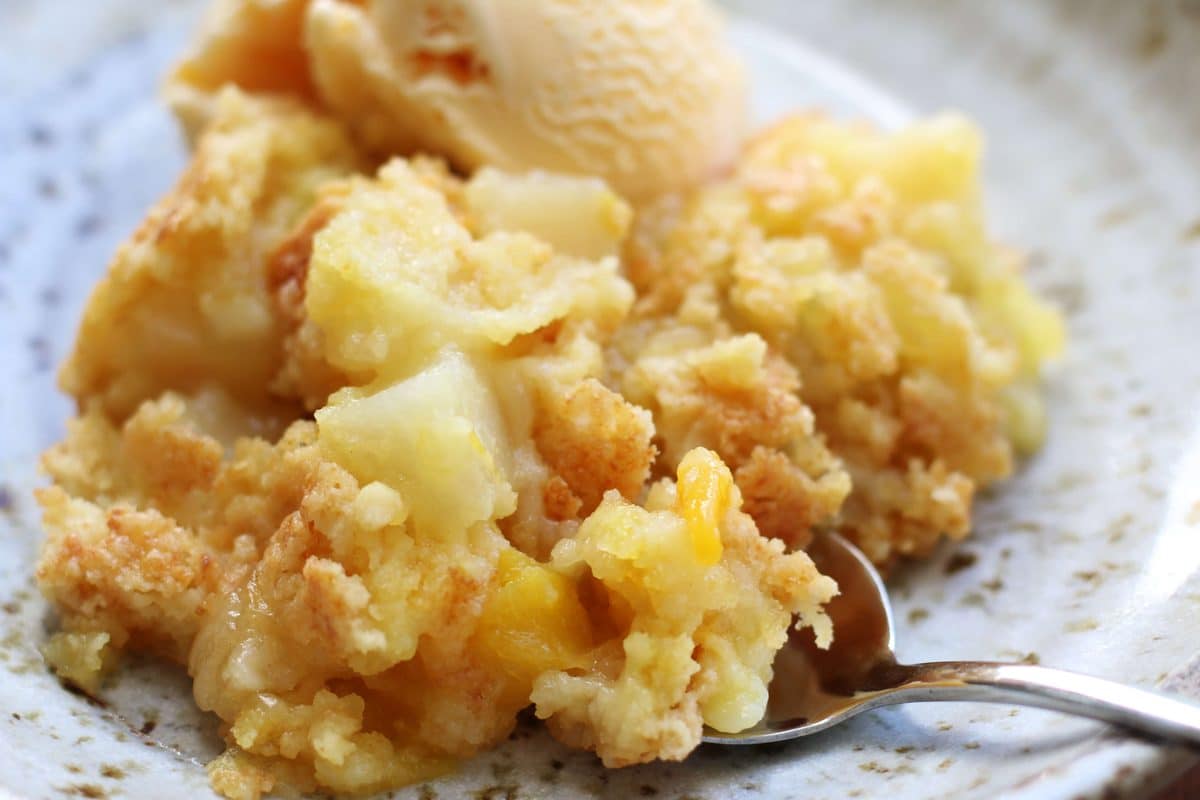
The 3 Ingredient Special is a descendant of these mid-century shortcuts. By utilizing the liquid inherent in canned fruit cocktail to hydrate the dry cake mix, the recipe creates a cobbler-like consistency that requires no eggs, oil, or water. The butter, when sliced and placed atop the dry mixture, melts during the baking process to create a golden, caramelized crust. This mechanical simplicity has solidified the recipe’s place in regional Southern American cooking, where it is often served at community gatherings, potlucks, and family dinners.
Nutritional and Economic Context
From an economic perspective, the 3 Ingredient Special reflects the cost-conscious nature of American home economics. According to data from the Bureau of Labor Statistics regarding grocery price indices, the cost of shelf-stable canned fruits and boxed baking mixes remains significantly lower than that of fresh produce and scratch-made dessert ingredients. For families managing rising food costs, the ability to produce a large-format dessert for a nominal price—often estimated at under $10 for a 9×13 inch pan—provides a viable solution for feeding larger groups.
Nutritionally, the dish is categorized as an indulgence. A standard serving contains high levels of processed sugars from the canned syrup and cake mix. While food scientists often note that these recipes lack the complex nutritional profile of whole-food desserts, they serve a specific role in American culinary culture: the "comfort food" category, which is often associated with psychological well-being and social bonding.
Comparative Methodology: Oven vs. Slow Cooker
The versatility of the 3 Ingredient Special is one of its most cited benefits, particularly regarding its adaptability to different cooking appliances. In a standard oven, the recipe relies on convection heat to create a crisp top layer, usually requiring 50 to 60 minutes at 350°F.
In contrast, the slow cooker method—a practice that has gained traction with the rise of modern countertop appliances—alters the texture of the dish. By cooking on a low, consistent heat for an extended duration, the fruit and cake mix meld into a more pudding-like consistency. This distinction highlights the adaptability of the recipe; it is not merely a set of instructions, but a framework that can be modified based on the available equipment and the desired end-product texture.
Cultural Significance and Celebrity Influence
The association of this recipe with Dolly Parton is significant. Parton, who has long been a symbol of Southern hospitality, has frequently shared her affinity for simple, home-style cooking. Her brand, which includes collaborations with major food manufacturers and her own line of baking mixes, emphasizes a connection to her Appalachian roots. When a recipe is linked to a public figure of her stature, it gains a level of cultural validation that standard internet recipes often lack.
The "Cuppa Cuppa" lineage, popularized by the character Truvy Jones in Steel Magnolias, serves as the recipe’s cultural anchor. The film, which explores themes of friendship and resilience in the South, solidified the idea that baking should be a quick, communal act rather than a labor-intensive chore. This narrative has allowed the 3 Ingredient Special to transcend its humble origins, becoming a staple in modern digital media, where "dump-and-go" recipes frequently garner millions of impressions on social platforms.
Industry Implications: The Rise of Minimalist Cooking
The popularity of this dish signals a broader shift in the culinary industry. As consumers face increasingly busy schedules, the demand for "minimalist" cooking—defined as recipes requiring five ingredients or fewer—has surged. Major food retailers and content creators have responded by prioritizing these recipes in their editorial calendars.
Analysts at food industry research firms suggest that this trend is not merely a fad but a response to the "time-poverty" experienced by modern households. The 3 Ingredient Special provides a sense of accomplishment for the cook—the act of creating a warm, finished dessert—without the barrier to entry of complex techniques. This shift is driving innovation in packaging, with manufacturers now creating "all-in-one" baking kits that mimic the simplicity of the 3 Ingredient Special.
Standard Preparation Protocol
To maintain consistency in this classic preparation, the following procedure is generally recommended by culinary practitioners:
- Preparation: Ensure the oven is preheated to 350°F (175°C). For the 9×13 inch pan, apply a high-quality non-stick spray to prevent the fruit sugars from adhering to the metal surface.
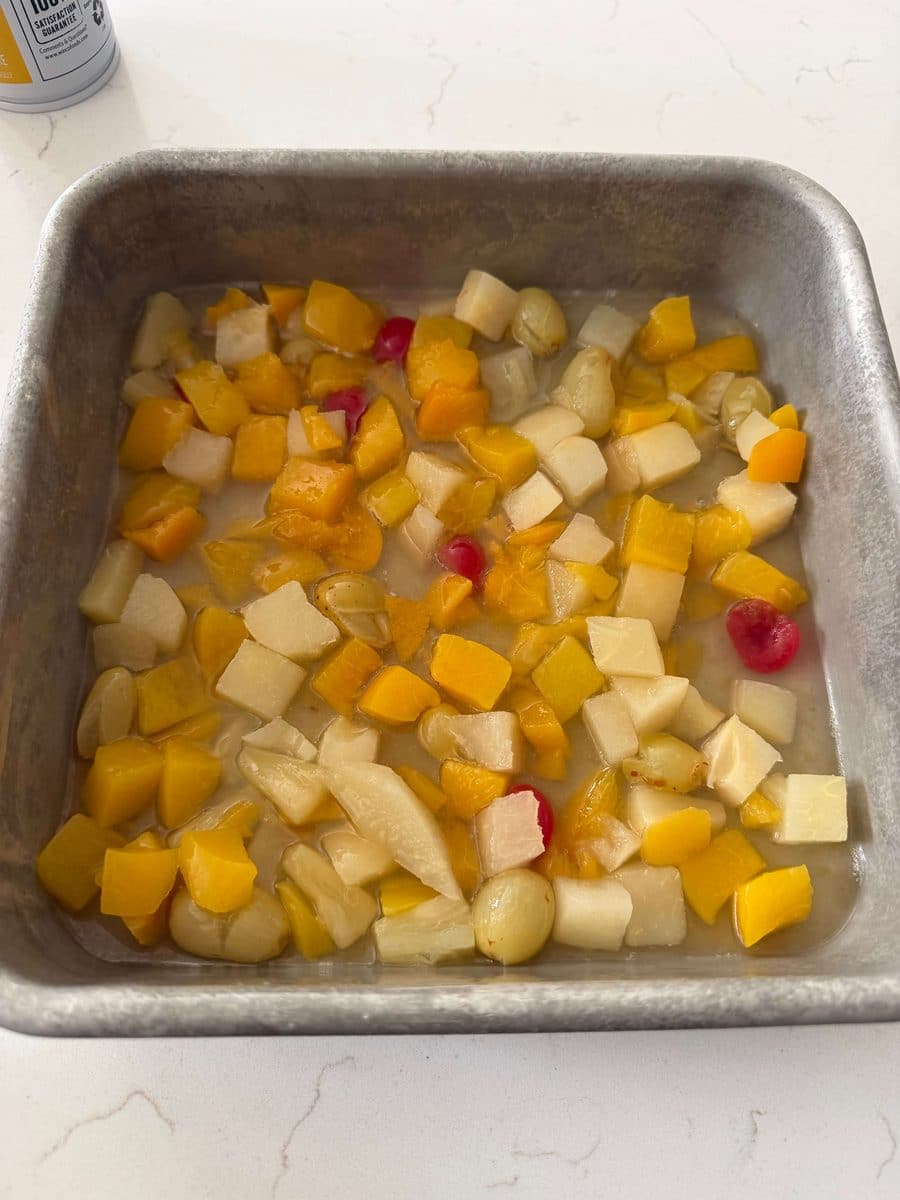
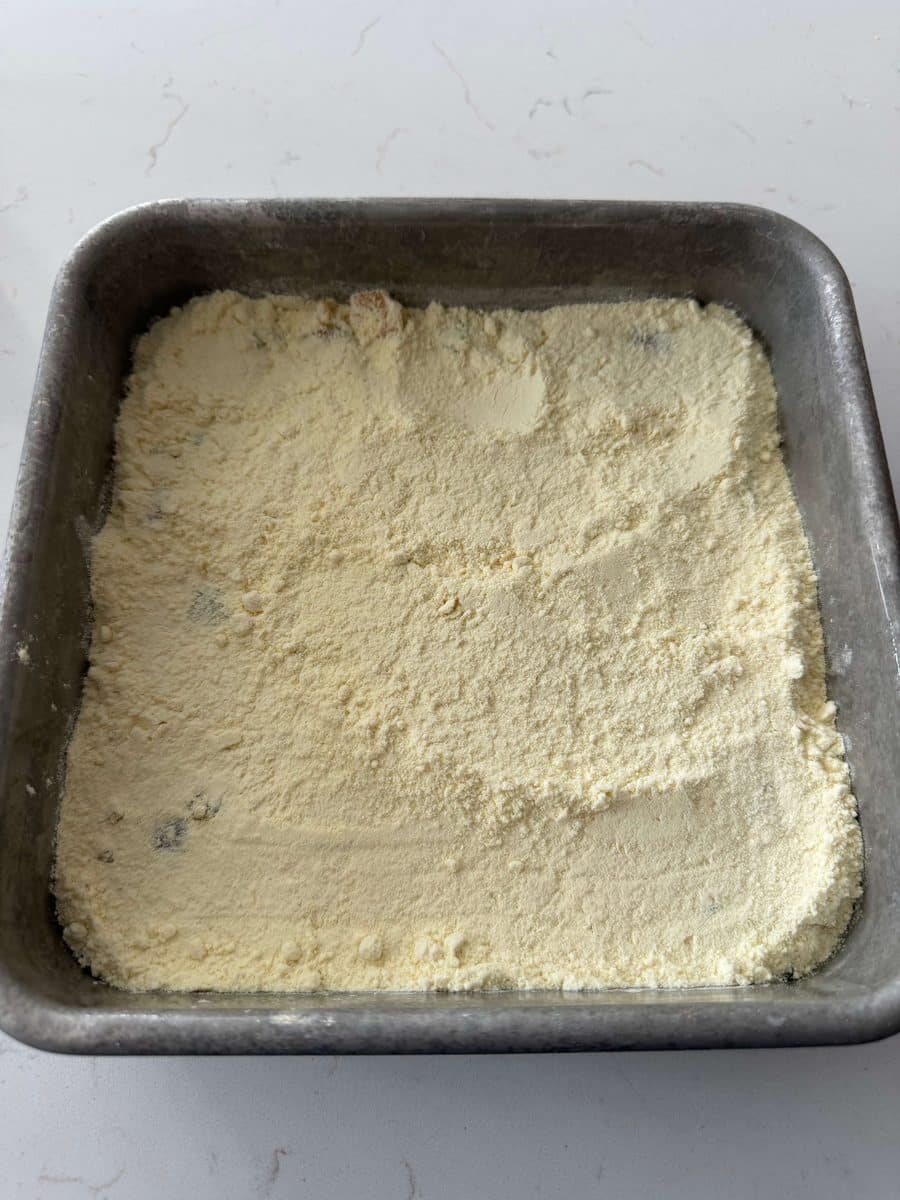
- Layering: The fruit cocktail should be distributed evenly across the bottom of the pan. It is critical to include the liquid from the can, as this provides the necessary moisture to hydrate the starch in the cake mix.
- Application: The yellow cake mix must be spread in a uniform layer. Any clumps in the dry mix should be broken up with a fork to ensure even baking.
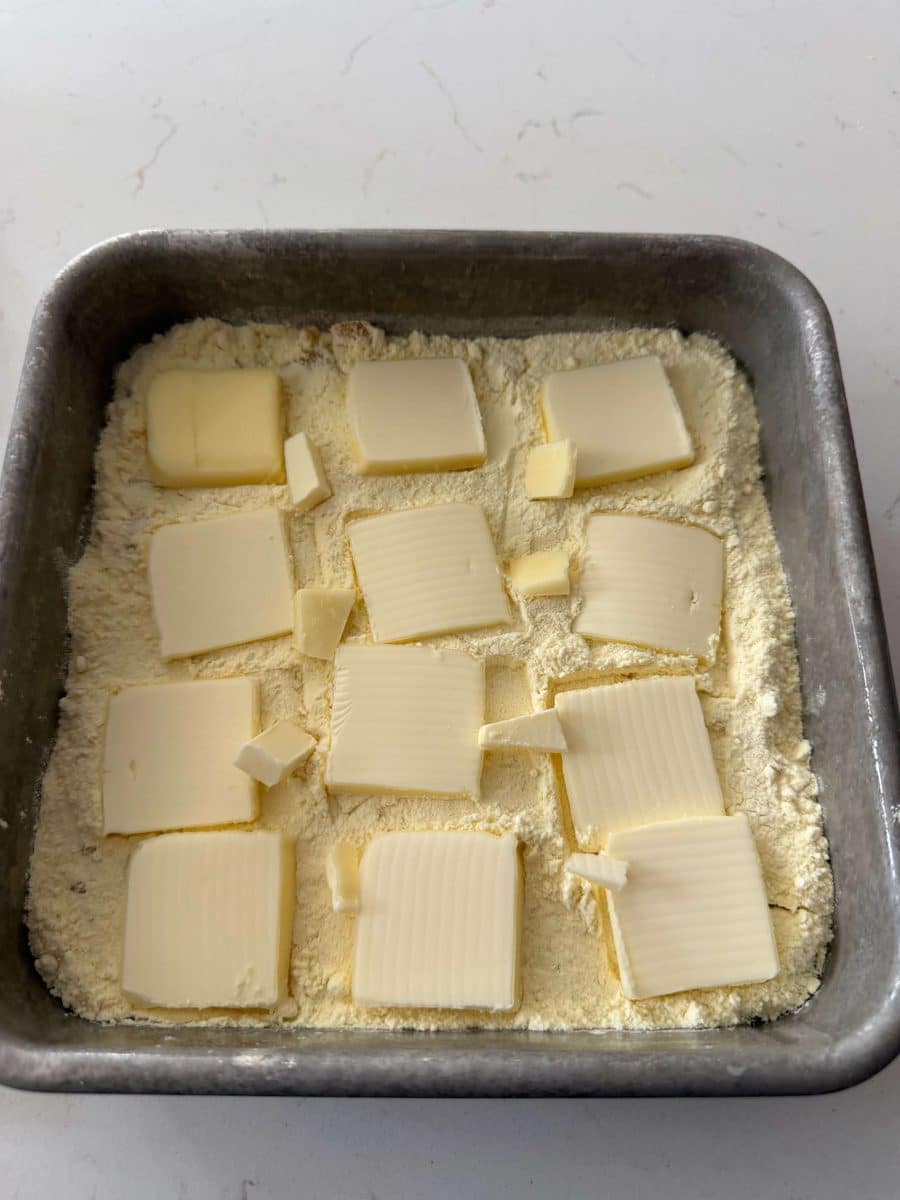
- Fat Distribution: The butter should be thinly sliced. Placing these slices at equal intervals across the surface is essential; as the butter melts, it acts as a self-basting agent, wetting the dry mix below it.
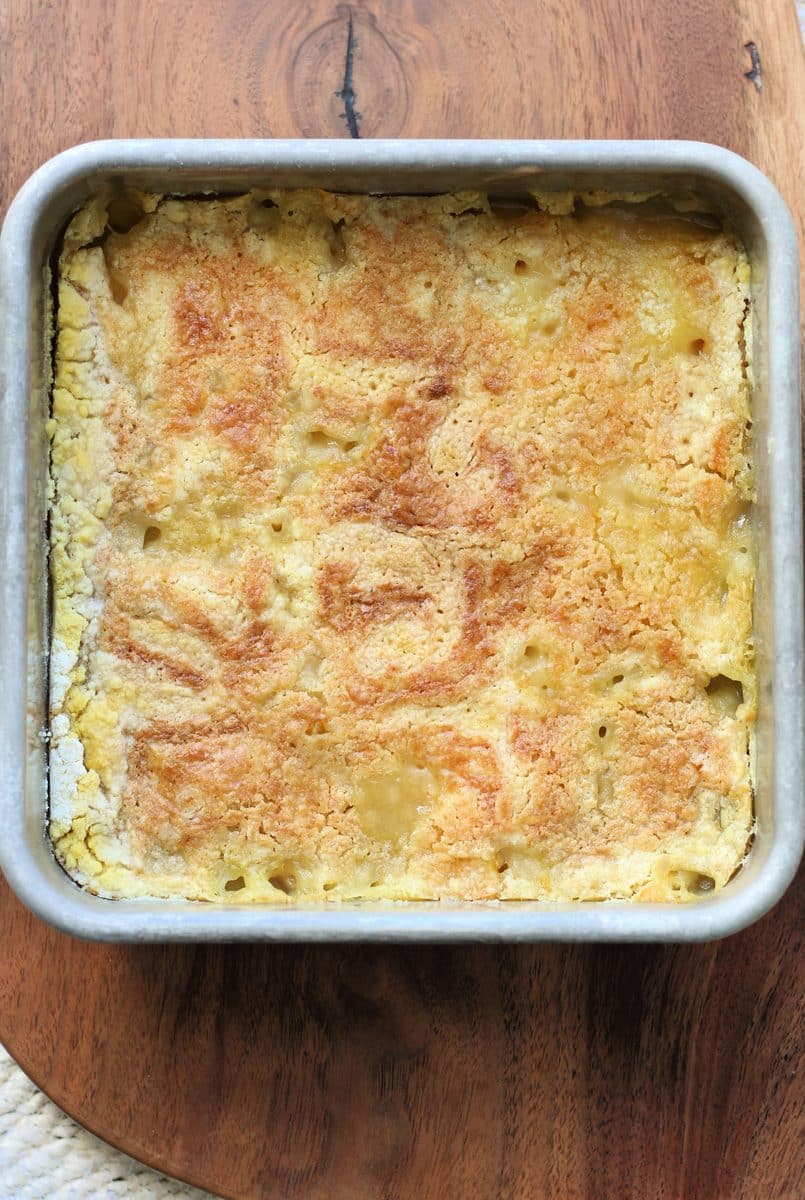
- Finishing: The dessert is considered done when the top has achieved a golden brown color and the fruit mixture is bubbling along the edges of the pan.
Future Outlook and Sustainability
As the industry moves toward more sustainable practices, the reliance on canned goods and boxed mixes is being scrutinized for its environmental impact. While these products have long shelf lives—reducing food waste at the retail level—the environmental cost of aluminum and plastic packaging remains a concern.
Despite this, the enduring nature of the 3 Ingredient Special suggests that its cultural value outweighs these concerns for many consumers. Its ability to serve as a bridge between generations, and its role as an accessible, low-barrier entry into the act of baking, ensures that it will remain a staple in American homes for the foreseeable future. The recipe serves as a reminder that in the culinary arts, complexity is not always a prerequisite for quality, and that the most enduring recipes are often those that bring people together with the least amount of effort.
Conclusion
The 3 Ingredient Special is a testament to the ingenuity of the American kitchen. By leveraging the chemistry of convenience products, it creates a dessert that is consistently palatable and universally replicable. Whether prepared in a traditional oven for a crisp finish or a slow cooker for a soft, pudding-like texture, the dish serves its primary purpose: providing a comforting, high-reward culinary experience that is accessible to all, regardless of skill level. As culinary trends continue to shift toward speed and simplicity, the legacy of this simple, three-component dessert remains secure, anchored by its deep roots in Southern culture and its status as a quintessential comfort food.
