
The Evolution of Convenience Cooking
The modern slow cooker, a staple in household kitchens since its commercial debut in the 1970s, has undergone a resurgence in popularity. Once primarily associated with long-simmered stews and roasts, the appliance is now the centerpiece of the "dump-and-go" movement—a culinary strategy that prioritizes minimal prep time without sacrificing quality. The Honey Balsamic Meatball recipe epitomizes this trend. By utilizing frozen meatballs as a base, the recipe mitigates the labor-intensive process of seasoning, forming, and searing fresh proteins, instead focusing on the chemistry of the glaze.
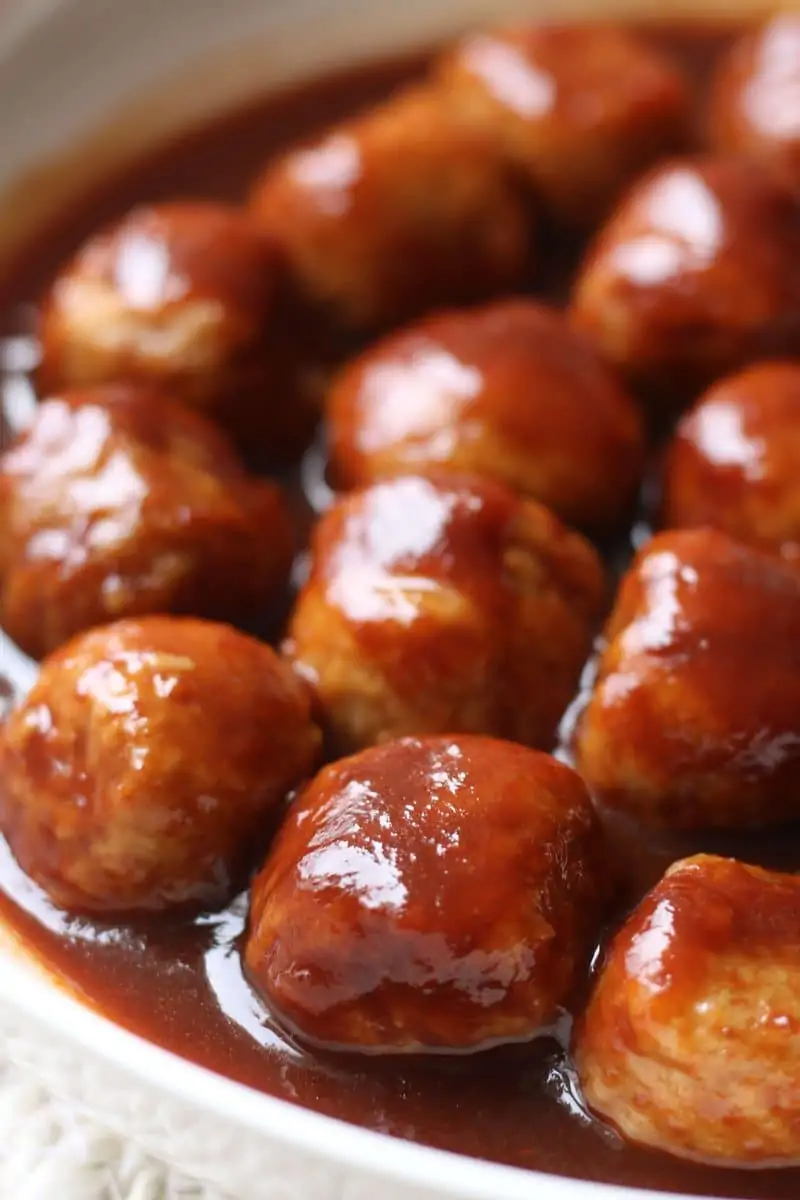
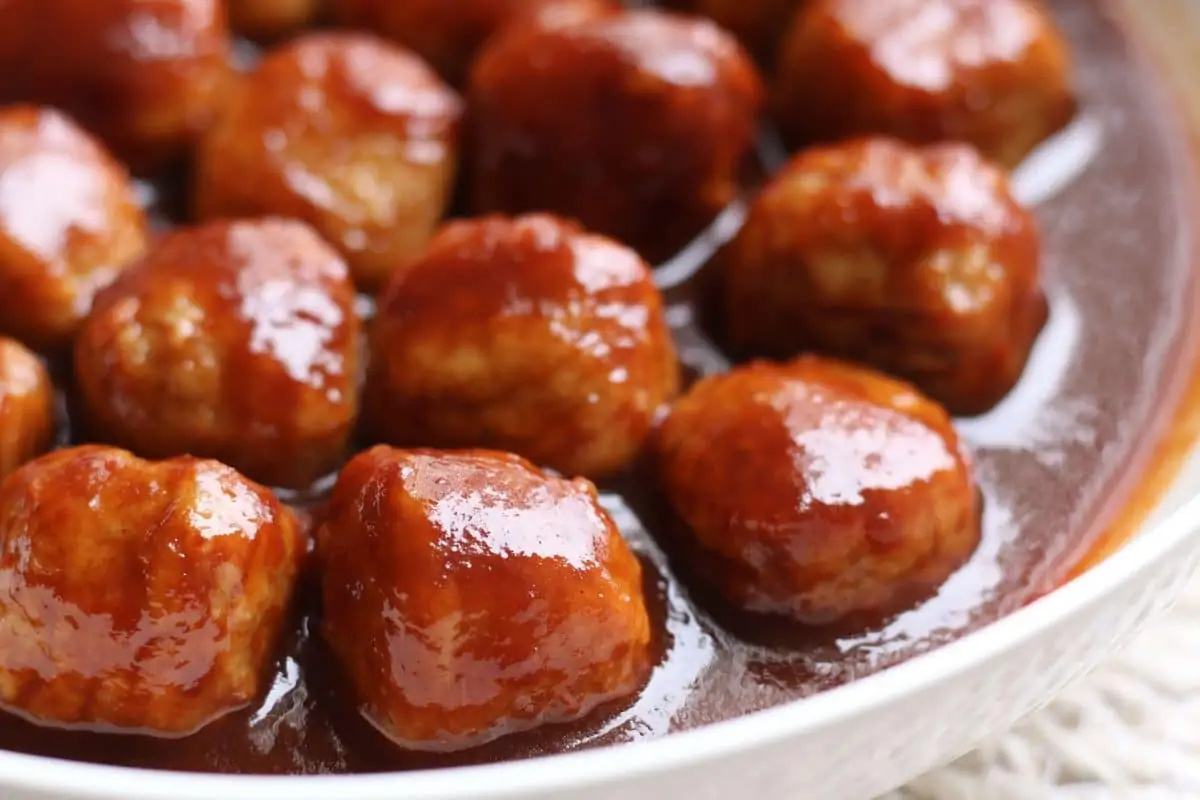
The sauce, a reduction of honey, balsamic vinegar, and ketchup, functions as a study in balance. The balsamic vinegar provides an acidic profile that cuts through the fat of the meat, while the honey introduces a natural sweetness that caramelizes under the sustained heat of the slow cooker. Ketchup, acting as a binder and a flavor bridge, adds body to the sauce, ensuring it adheres effectively to the meatballs during the cooking cycle.
Chronology of Preparation
The preparation process is categorized by its brevity, requiring less than five minutes of active labor. The methodology follows a strictly linear sequence:
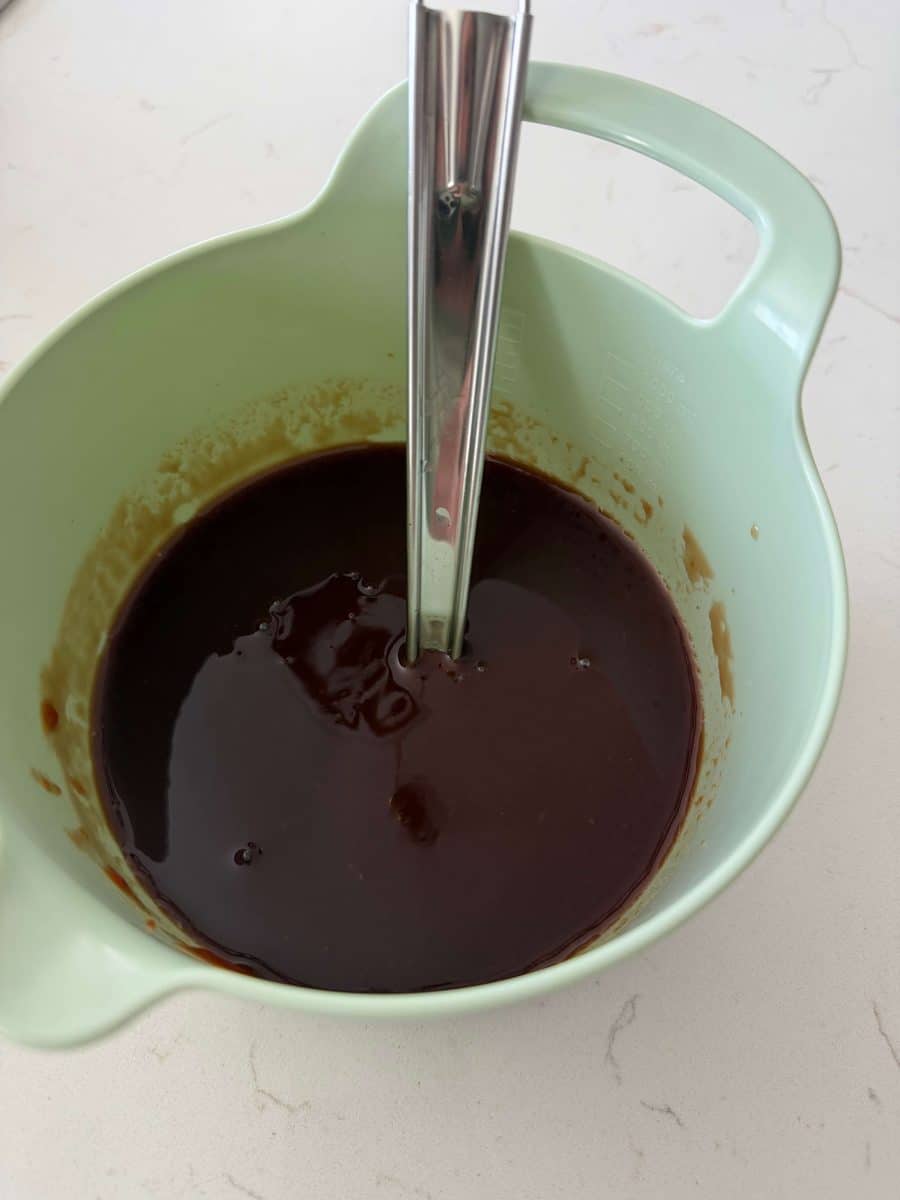
- Preparation of the Emulsion: The process begins with the integration of the three primary liquid components—honey, balsamic vinegar, and ketchup—along with a measured amount of water to ensure proper viscosity. These are whisked in a secondary vessel to ensure the sugars and acids are thoroughly emulsified before being introduced to the cooking chamber.
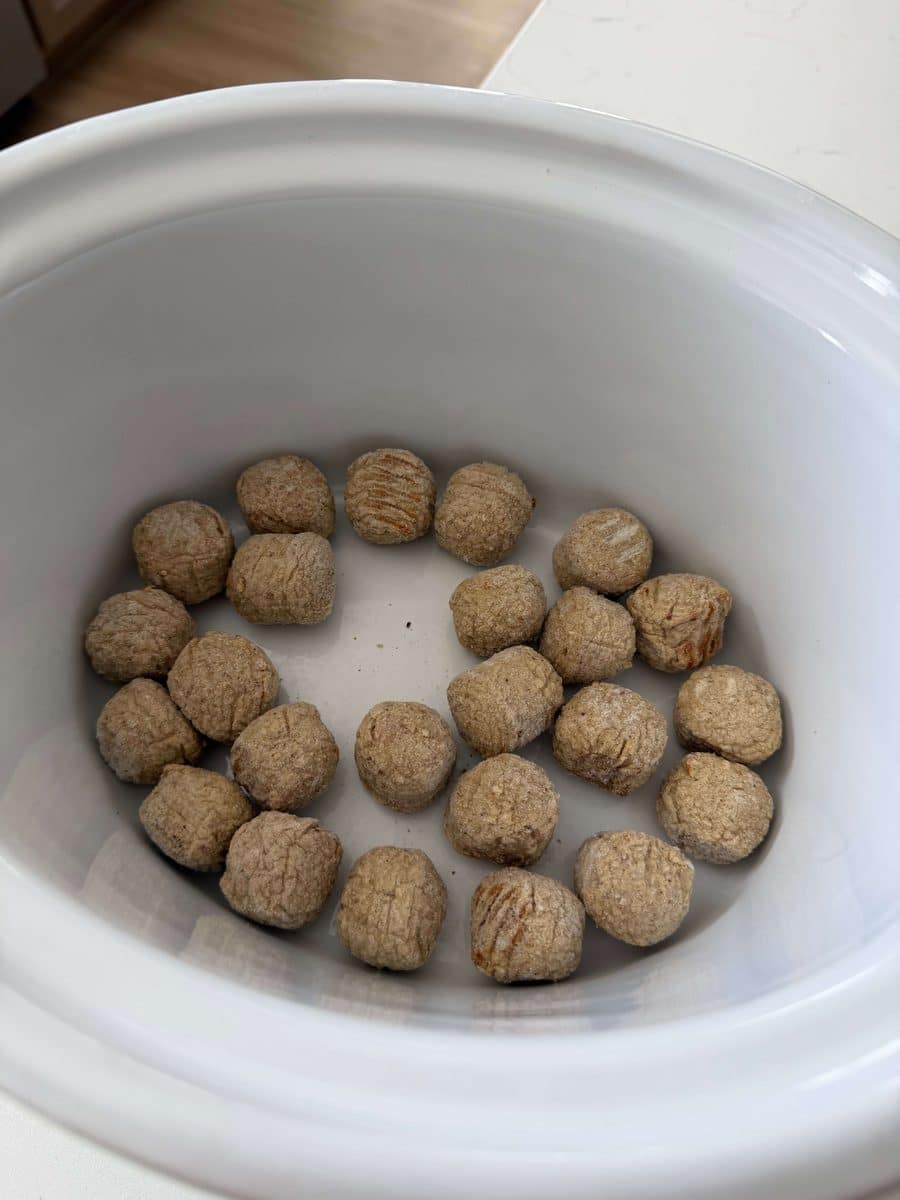
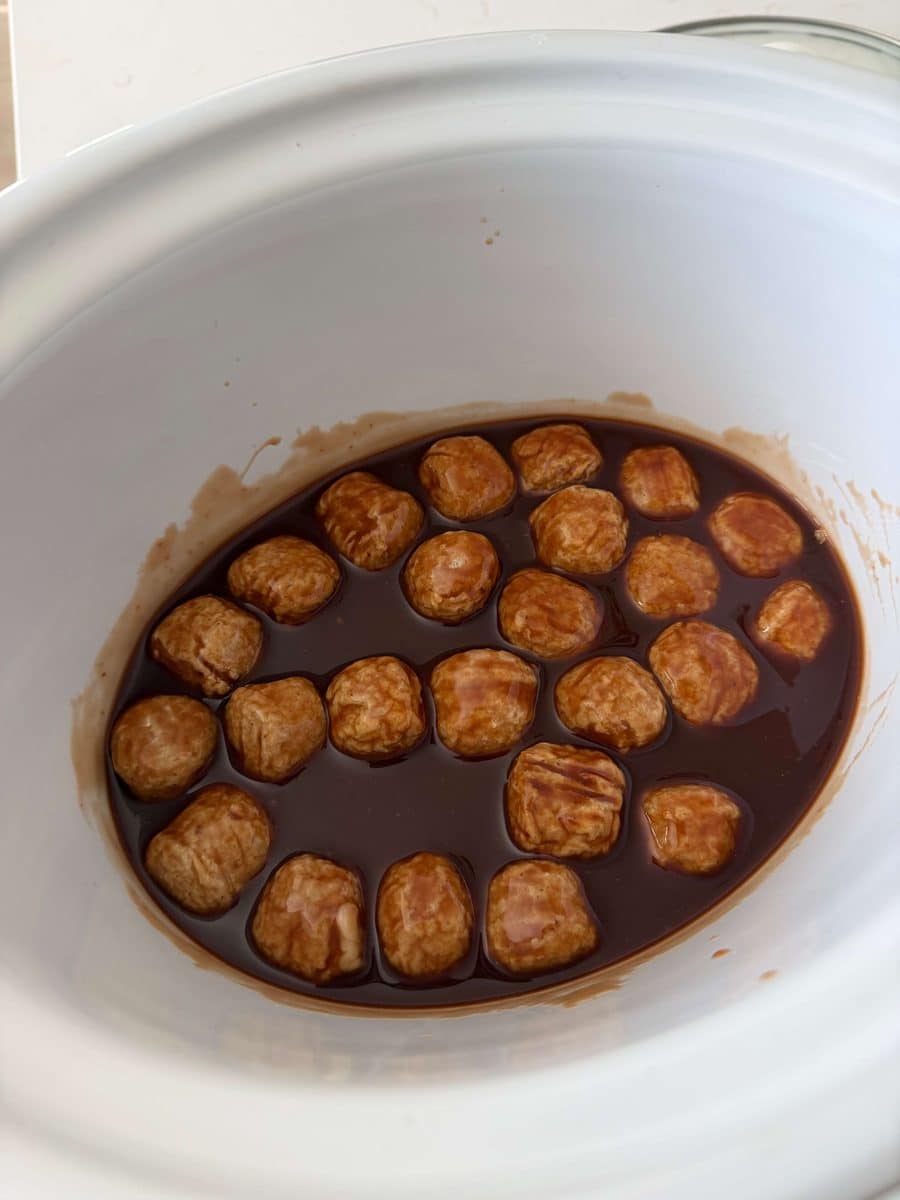
- Introduction of Proteins: Frozen meatballs are transferred into the slow cooker basin. Because these meatballs are typically pre-cooked during the industrial freezing process, the slow cooker acts primarily as a heating and infusion vessel rather than a primary cooking device for the raw protein.
- The Infusion Phase: The prepared sauce is poured over the meatballs. A critical aspect of this step is the distribution of the sauce; ensuring complete coverage prevents the meatballs from drying out during the heating cycle and facilitates even flavor absorption.
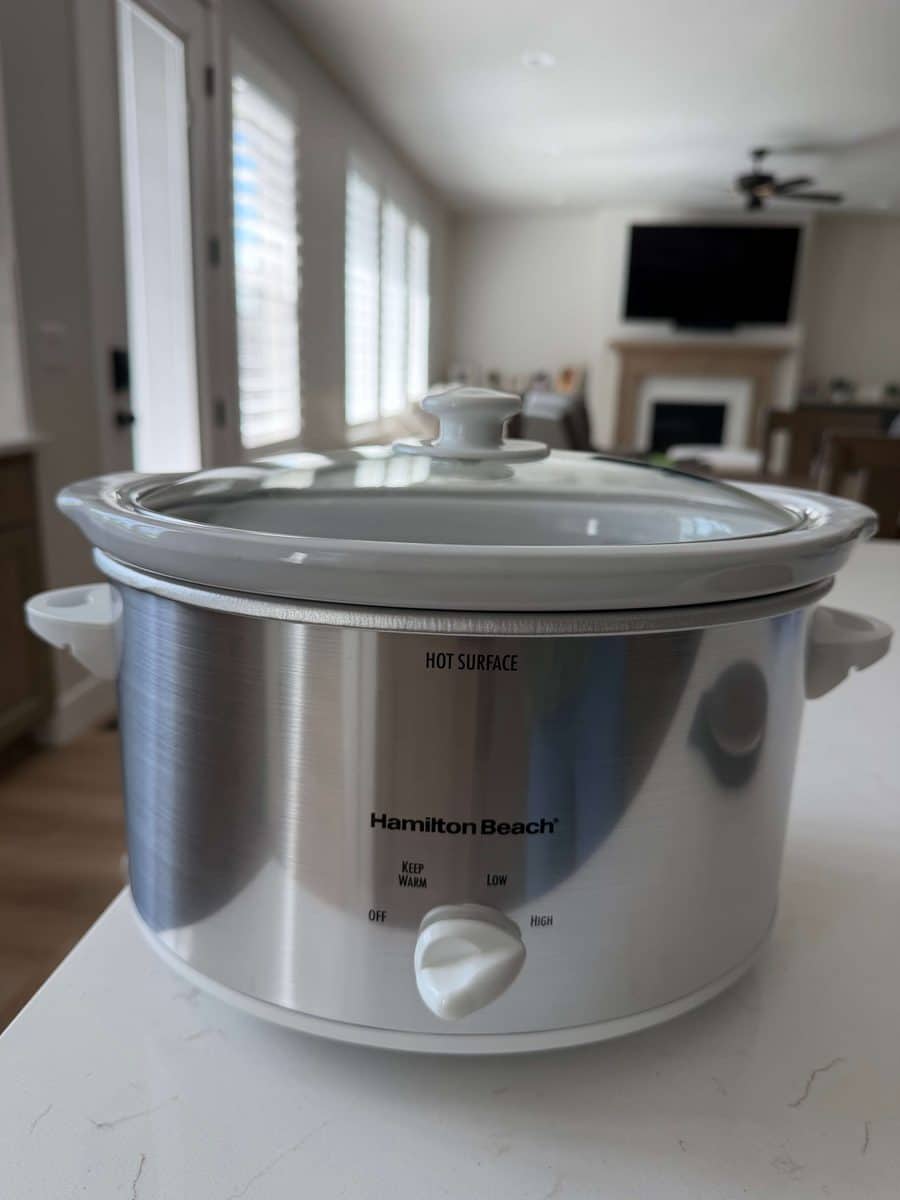
- The Thermal Cycle: The slow cooker is set to its "High" heat setting. The optimal duration for this phase is 90 minutes. This timeline is sufficient to reach an internal temperature that ensures food safety while preventing the over-reduction of the sauce, which could lead to bitterness.
- Service and Maintenance: Upon completion of the initial cycle, the unit is transitioned to the "Warm" setting. This allows the dish to remain at a stable serving temperature for extended periods, a feature that makes the recipe particularly suitable for social gatherings and catered events.
Nutritional Context and Ingredient Selection
While the recipe is lauded for its simplicity, the nutritional profile of the dish is heavily dependent on the quality of the selected ingredients. Industrial frozen meatballs can vary significantly in their sodium and filler content. Health-conscious consumers are increasingly opting for turkey or plant-based protein alternatives, which are fully compatible with the honey-balsamic glaze.
Balsamic vinegar, a traditional product of the Modena region of Italy, contributes more than just acidity. Its complex flavor profile, developed through years of aging in wooden barrels, adds a layer of depth that elevates the dish above traditional "grape jelly" or barbecue-based counterparts. Honey, serving as the primary sweetening agent, offers a superior glycemic response compared to refined white sugar, though it remains a concentrated source of carbohydrates. The integration of these ingredients creates a savory-sweet profile that aligns with current consumer preferences for "gourmet-adjacent" home cooking.
Broader Economic and Lifestyle Implications
The rise of such recipes reflects broader socioeconomic changes. As households face increasing time constraints due to professional and personal obligations, the kitchen has become a site of optimization. The "4-ingredient" model reduces the cognitive load associated with meal planning, lowering the barrier to entry for novice cooks.
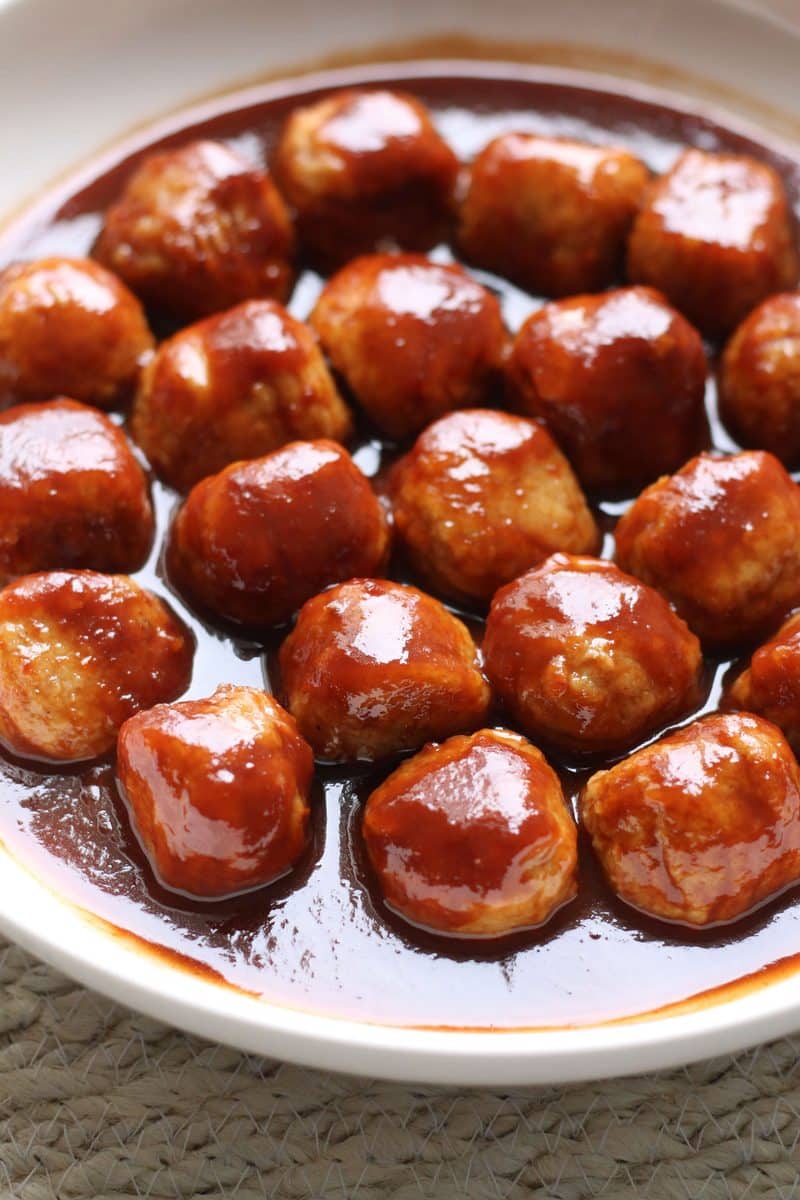
Furthermore, the adaptability of this dish—serving it either as a high-protein appetizer or a component of a larger meal alongside starches like mashed potatoes—provides consumers with a high degree of versatility. The ability to transition between these roles is a key factor in the recipe’s longevity and popularity.
Market data suggests that home cooks are increasingly seeking "low-effort, high-reward" recipes. The success of the Honey Balsamic Meatball demonstrates that when ingredients are high-quality, the complexity of a dish is not strictly correlated with the number of components used. Instead, the focus shifts to the interaction between flavors and the efficiency of the cooking medium.

Professional Perspectives
Culinary experts often note that the "sweet and tangy" flavor profile is a cornerstone of global cuisine, appearing in variations ranging from Asian-inspired sticky glazes to Mediterranean reductions. By localizing this flavor profile within the context of a standard American slow cooker, the recipe bridges the gap between traditional home-style cooking and modern flavor expectations.

Industry analysts observe that the proliferation of such recipes on digital platforms is driven by the demand for "searchable, filterable" content. The ability to categorize recipes by dietary needs—such as gluten-free or low-carb—has turned the modern recipe index into a sophisticated database. This digital evolution ensures that even a simple four-ingredient recipe can reach a global audience, provided it meets the criteria of being both accessible and palatable to a broad demographic.

Conclusion: The Future of Simplified Gastronomy
The Slow Cooker Honey Balsamic Meatball is more than a simple appetizer; it is a testament to the power of efficient culinary design. By stripping away non-essential components and focusing on the core synergy of three key ingredients, the recipe delivers a consistent and reliable result. As home cooking continues to evolve in response to technological advancements and time-sensitive lifestyles, the success of this dish serves as a blueprint for the future of domestic meal preparation. The emphasis remains on quality, accessibility, and the effective use of modern appliances to deliver restaurant-quality flavors in a domestic setting. Whether served at a formal event or as a standard weeknight dinner, the dish maintains its relevance through its perfect marriage of simplicity and sophisticated taste.
