
Culinary Context and Evolution of the Slow Cooker
The slow cooker, or Crockpot, has evolved from a niche kitchen gadget in the 1970s into a staple of the modern American household. According to recent kitchen appliance market reports, over 80% of U.S. households own a slow cooker, with usage trends shifting toward versatile, multi-course meal preparation. The Slow Cooker Smashed Potato Bake reflects this shift by moving away from traditional boiling or oven roasting, which often require significant active labor and energy consumption.
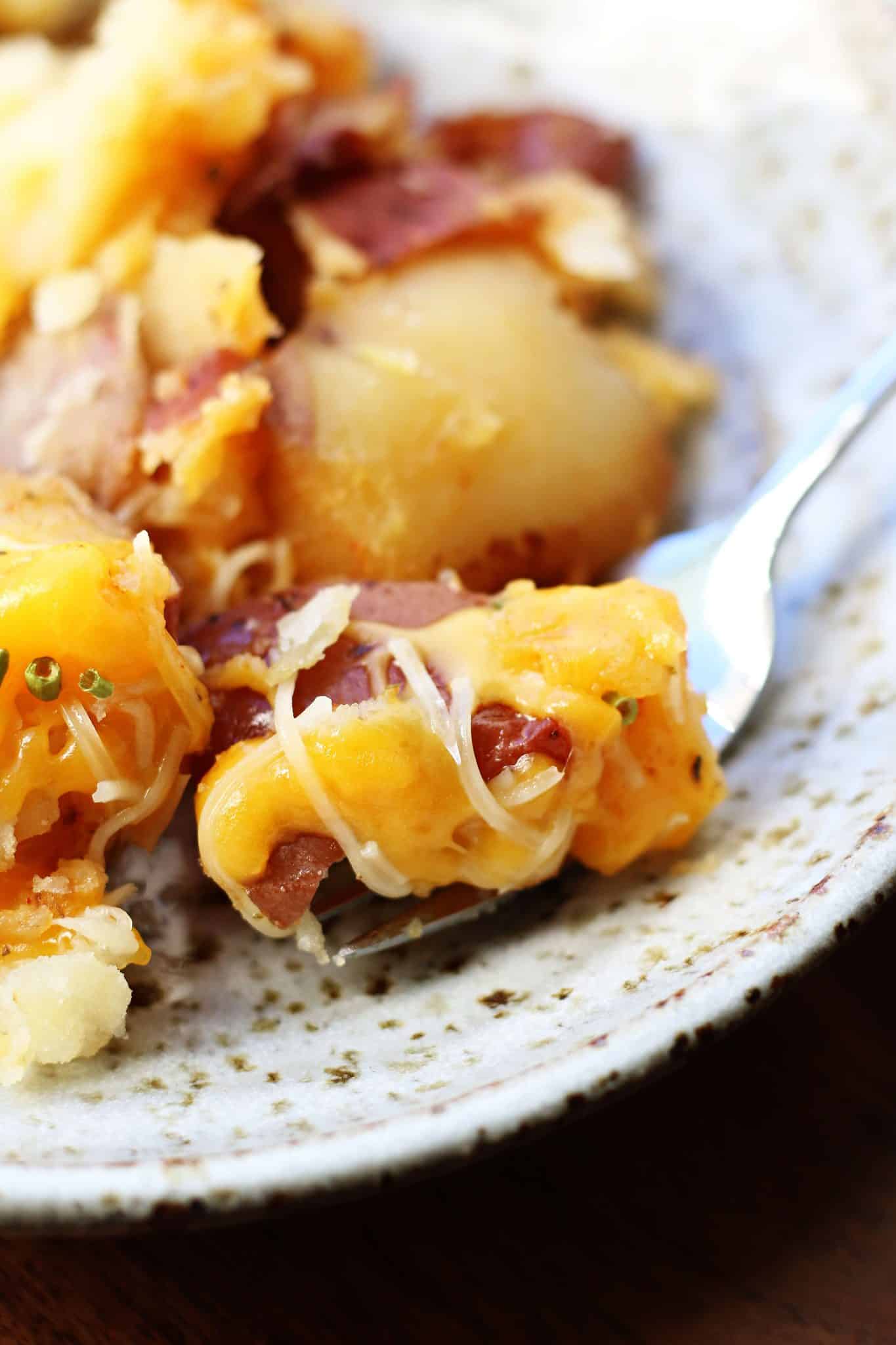
The specific technique of "smashing" potatoes—pressing them after they have reached a tender state—has gained popularity in professional and home kitchens alike. This technique increases the surface area of the potato, allowing for greater absorption of flavor profiles, such as garlic, butter, and dried herbs, while providing a textural contrast between the soft interior and the slightly charred or dense exterior. By adapting this for the slow cooker, home cooks can achieve a "roast-like" quality without the need for high-heat convection.
Nutritional Profile and Preparation Logic
Red potatoes are nutritionally dense, offering significant levels of potassium, Vitamin C, and complex carbohydrates. Unlike starchy Russet potatoes, red potatoes contain higher amounts of amylopectin, which prevents them from disintegrating during the long, low-heat cycle of a slow cooker.
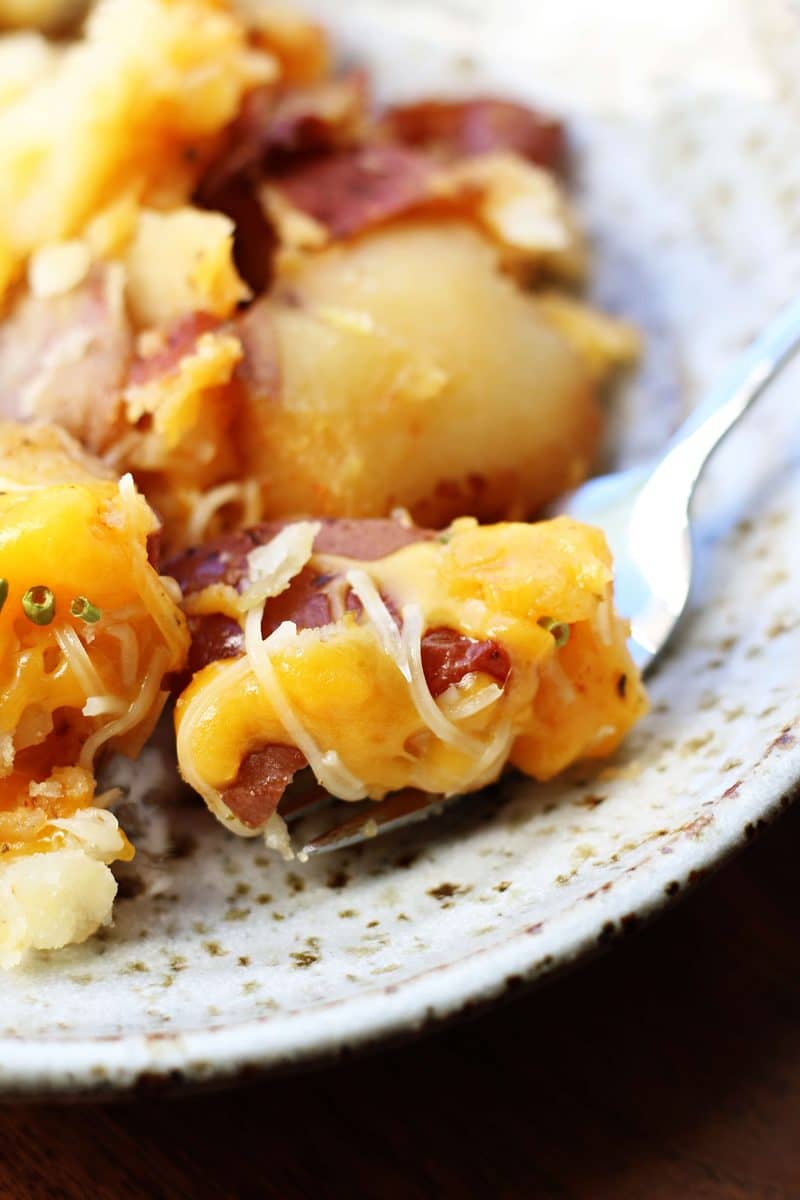
The preparation process involves three distinct phases:
- Preparation and Infusion: The potatoes are cleaned and quartered, retaining their skins to preserve fiber content and maintain structural integrity. They are then tossed in a mixture of butter, oil, garlic, salt, pepper, paprika, and Italian seasoning. The inclusion of oil alongside butter serves a functional purpose; it raises the smoke point of the fats, ensuring that the butter does not burn during the extended cooking cycle.
- Slow-Cooking Cycle: The potatoes are placed over a small amount of broth. This liquid creates a steam environment, ensuring that the potatoes are cooked evenly without drying out. The high-heat setting for 2–3 hours is essential to reach the required internal temperature for softening the cellular structure of the tuber.
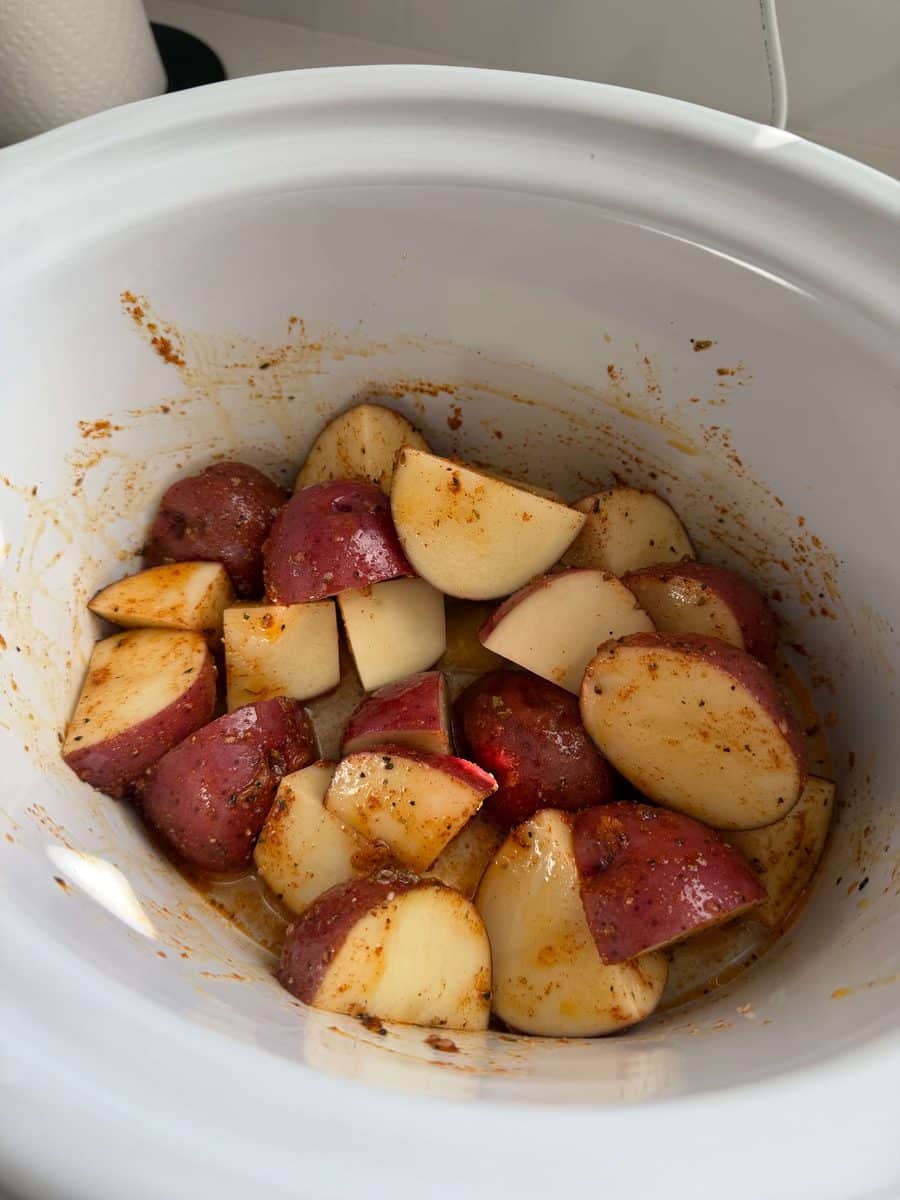
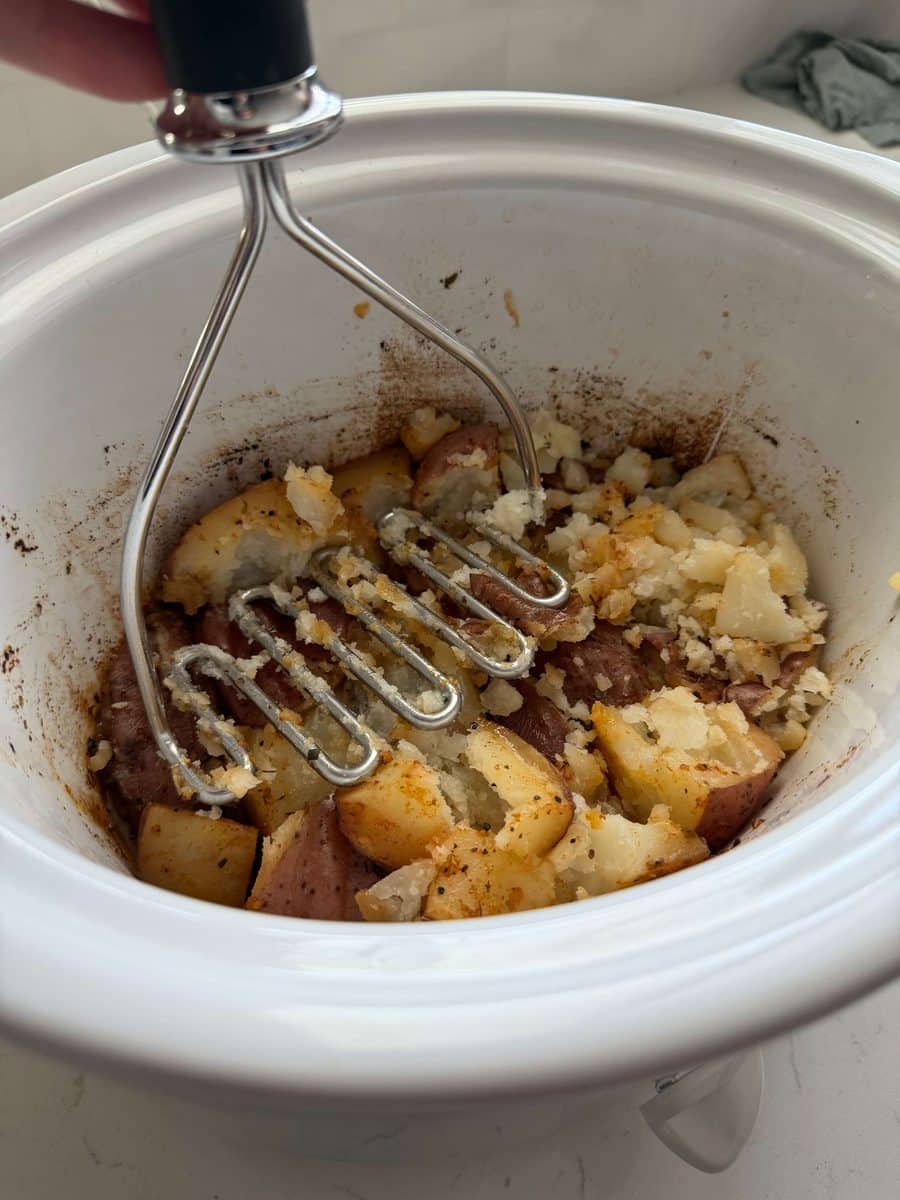
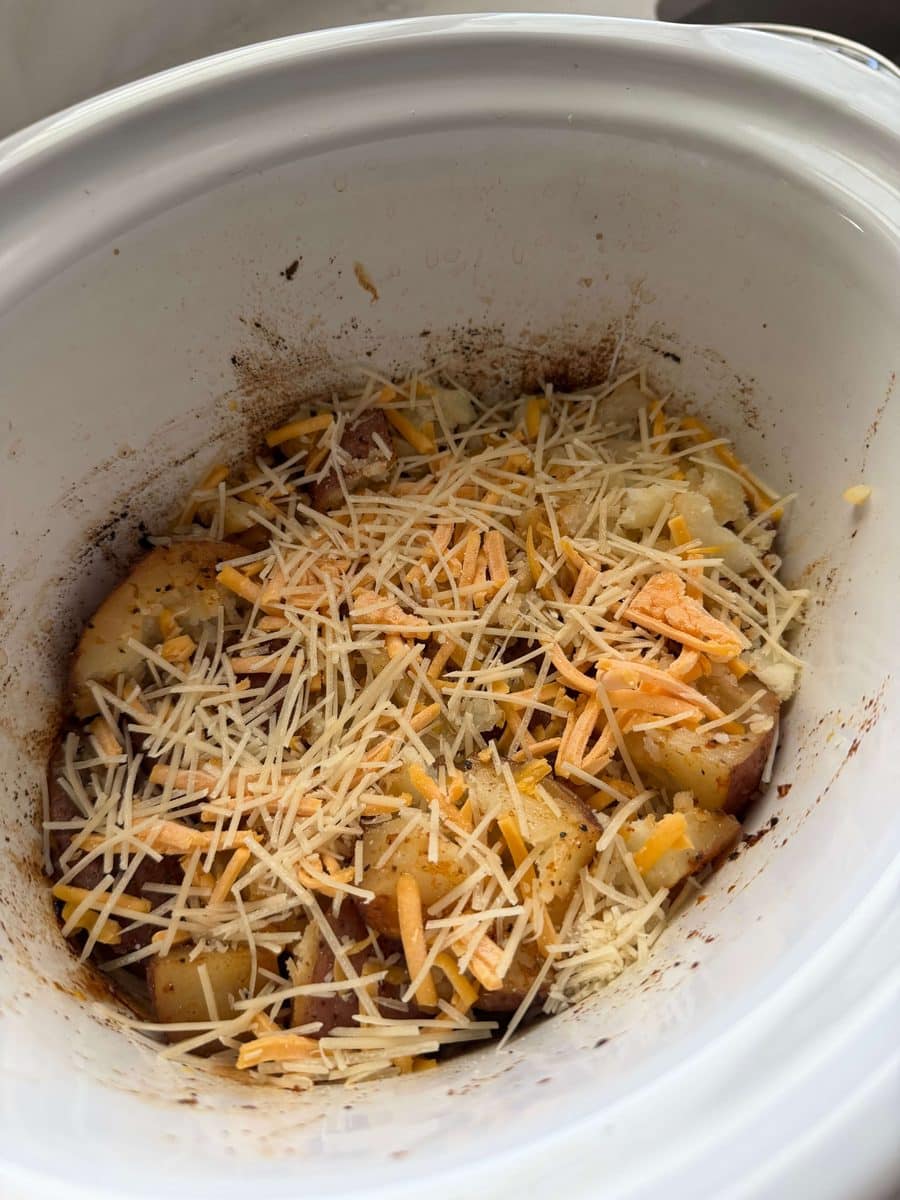
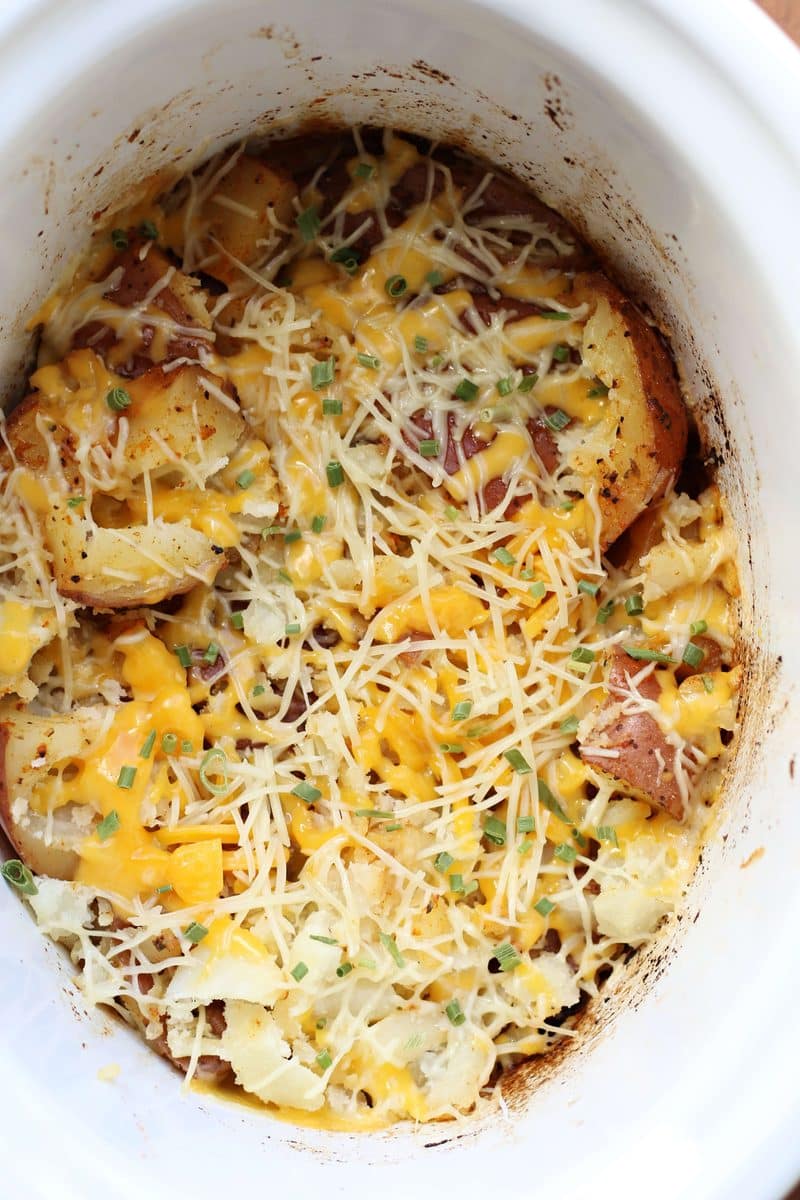
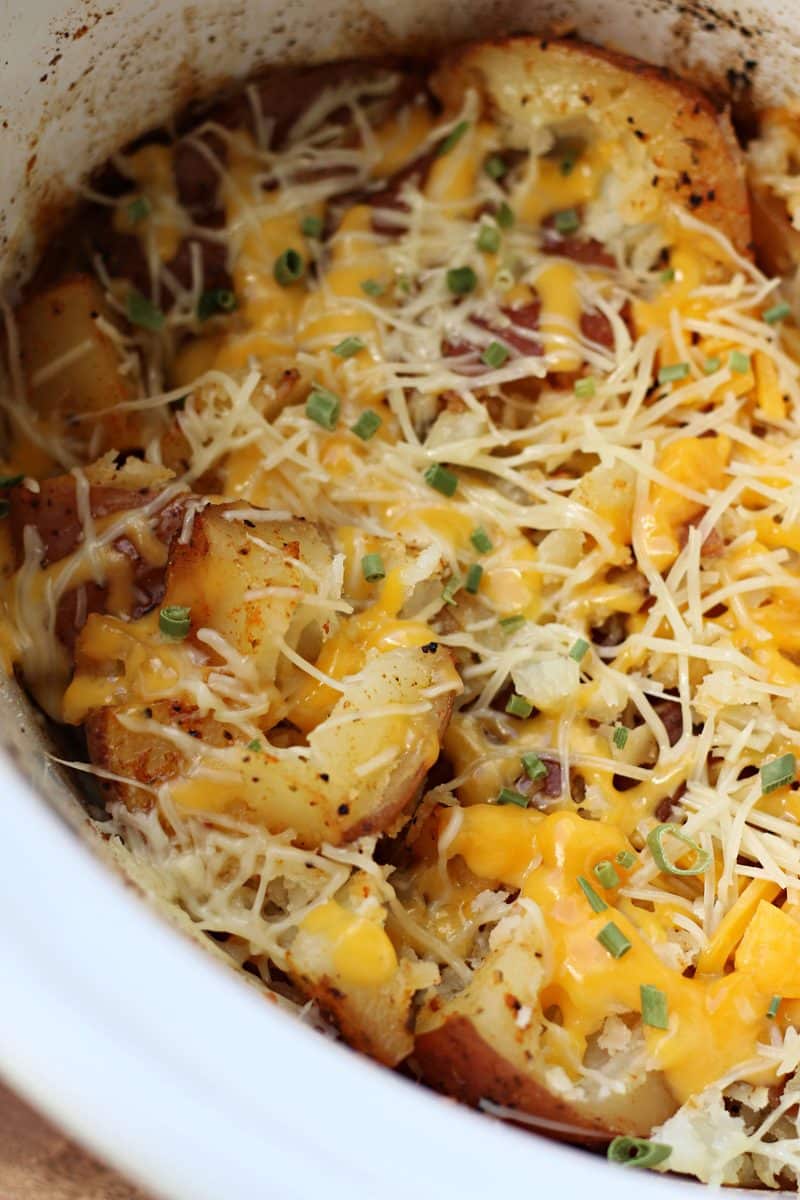
- The Smashing and Finishing Phase: Once tender, the potatoes are pressed with a masher. This action releases steam and creates pockets for the cheese mixture. The addition of cheddar and Parmesan provides a balanced flavor profile: the cheddar offers a sharp, melting quality, while the Parmesan contributes a savory, umami-rich finish.
Chronology of the Recipe Development
While traditional smashed potato recipes have existed for decades, the integration into slow-cooker methodology has been refined significantly over the last five years. Food technologists and home economists have identified that the specific timing—two to three hours on high—is the "sweet spot" for achieving tenderness without turning the potatoes into a mash.
The inclusion of the oven-baked alternative as an secondary instruction highlights a growing consumer demand for appliance flexibility. Whether utilizing a slow cooker for energy efficiency or an oven for traditional browning, the recipe serves as a template for versatile meal planning. Historical analysis of similar recipes indicates that this dish began to appear in digital archives and culinary blogs around 2022, coinciding with a surge in interest for "one-pot" meals that minimize cleanup time.
Comparative Analysis: Slow Cooker vs. Traditional Methods
The shift toward using a slow cooker for potato dishes is supported by a growing body of data regarding energy efficiency and nutritional retention. When boiling potatoes, significant amounts of water-soluble vitamins (such as Vitamin C and B-complex vitamins) are leached into the cooking water and discarded. In the Slow Cooker Smashed Potato Bake method, the minimal liquid used means that the nutrients are largely contained within the dish, either absorbed by the potato or remaining in the light sauce at the bottom of the pot.
Furthermore, the "hands-off" nature of this cooking style aligns with current labor trends. As household schedules become increasingly constrained, the ability to prepare a side dish that requires minimal monitoring has become a significant factor in recipe popularity.
Broader Culinary Implications
The popularity of this dish represents a broader trend in home cooking: the "fusion" of techniques. By combining the slow-cooker braising method with the classic "smashed" technique, the dish bridges the gap between boiled potatoes and roasted potatoes. This hybrid approach has been embraced by food influencers and cookbook authors who prioritize efficiency without sacrificing sensory appeal.
From an economic perspective, the reliance on potatoes—a staple crop—makes this dish an affordable option for families. The ability to use standard pantry staples like dried herbs, garlic powder, and basic cheeses ensures that the cost per serving remains low, even as inflation impacts grocery prices.
Expert Perspectives and Home Cooking Strategies
Culinary educators often emphasize that the success of a smashed potato bake relies heavily on the quality of the seasoning blend. The combination of garlic powder, onion powder, and paprika serves as a "dry rub" that adheres to the potato skin, creating a savory crust that mimics the effect of a Maillard reaction, which is otherwise difficult to achieve in a moisture-heavy slow cooker environment.
Dietitians, meanwhile, note that the inclusion of cheese and fats, while adding to the caloric density, makes the potatoes a more satiating side dish. By serving these alongside lean proteins like chicken or grilled fish, the dish creates a balanced plate. The practice of using leftovers for subsequent meals—such as the aforementioned combination with salsa and cottage cheese—demonstrates the versatility of the dish, positioning it as a foundational recipe for meal prep enthusiasts.
Future Outlook for Appliance-Based Cooking
As kitchen technology continues to advance, the methods used to prepare dishes like this are likely to become even more automated. Sensors within modern smart slow cookers are already beginning to monitor moisture levels and internal temperatures, potentially eliminating the need for manual "smashing" checks in the future. However, for now, the tactile element of the recipe—the physical act of smashing the potatoes—remains a key part of the cooking experience, offering a sensory engagement that keeps home cooking relevant in an age of prepared meals.
The Slow Cooker Smashed Potato Bake stands as an example of how simple, humble ingredients can be elevated through thoughtful preparation. By leveraging the specific physics of the slow cooker, home cooks can produce a dish that is consistent, flavorful, and adaptable to various dietary preferences, ensuring its place as a standard entry in the modern kitchen repertoire.
