
The Rise of Dump-and-Go Culinary Methods
The popularity of "dump-and-go" recipes, a category into which this BBQ Chicken Soup falls, has seen a marked increase over the past decade. Market analysis of kitchen appliance usage indicates that consumers are increasingly prioritizing recipes that require fewer than 15 minutes of active preparation. The methodology behind this soup centers on the elimination of complex chopping or sautéing steps, relying instead on the pressure-cooking capabilities of modern appliances to tenderize proteins and marry complex flavor profiles.
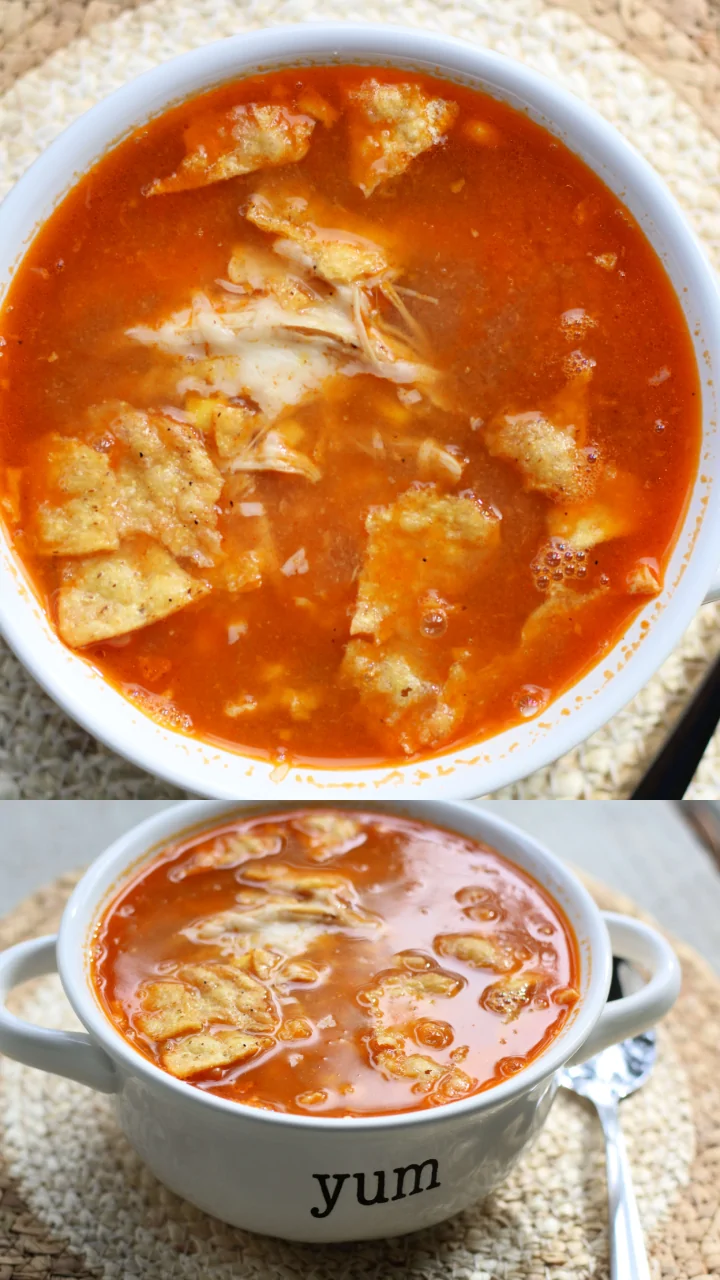
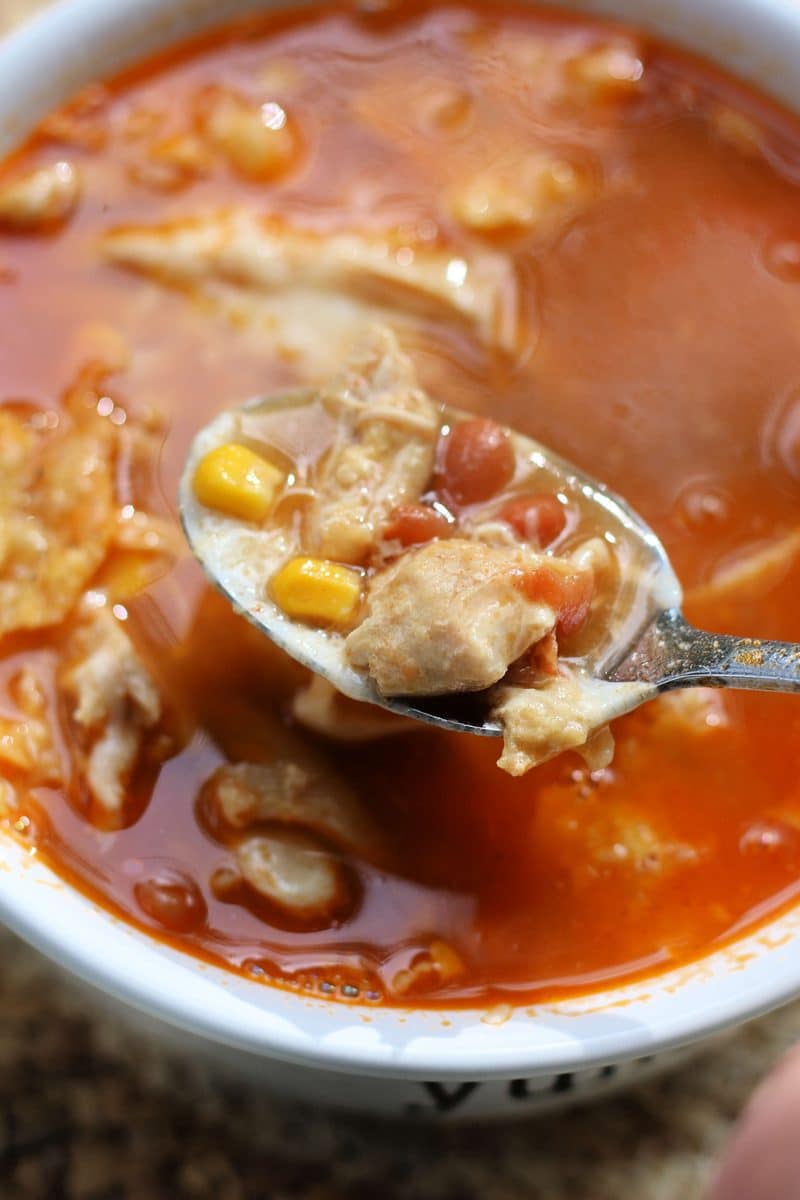
The dish functions as a cross-cultural fusion, drawing inspiration from the flavor components of barbecue chicken pizza—a staple in American fast-casual dining. By balancing the acidity of barbecue sauce with the savory depth of ranch-style beans and the natural sweetness of corn, the recipe achieves a balanced flavor profile that appeals to a wide demographic.
Chronology and Preparation Protocols
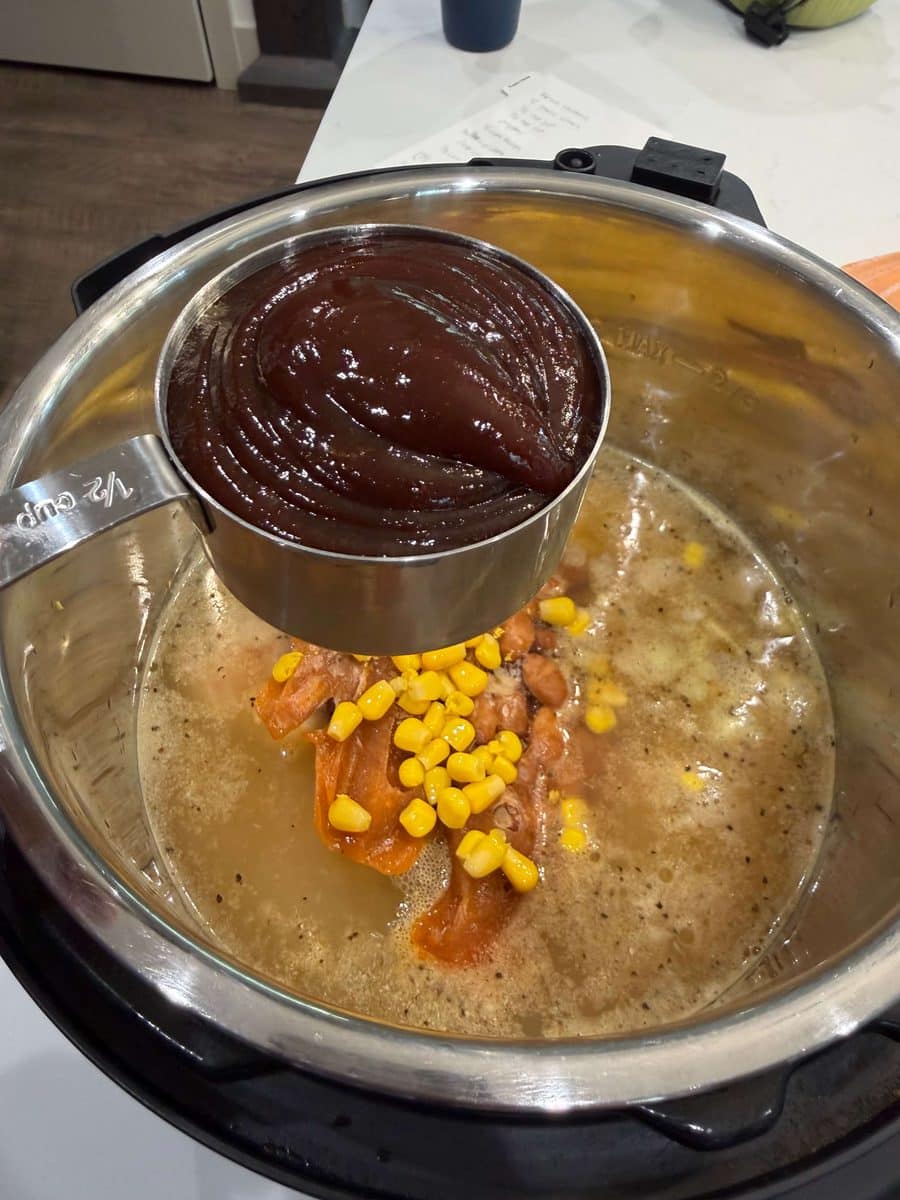
The preparation process is optimized for efficiency. When utilizing an Instant Pot, the protocol involves a direct layering of ingredients. The foundational elements—boneless, skinless chicken thighs (approximately 24 ounces), minced garlic, garlic powder, onion powder, and black pepper—are combined with 3.5 cups of chicken broth and 0.5 cups of barbecue sauce. The addition of canned corn and ranch-style beans adds both fiber and texture.
The cooking cycle follows a strictly timed sequence:
- Sealing: Ingredients are placed in the pressure cooker and secured with a lid set to the "sealing" position.
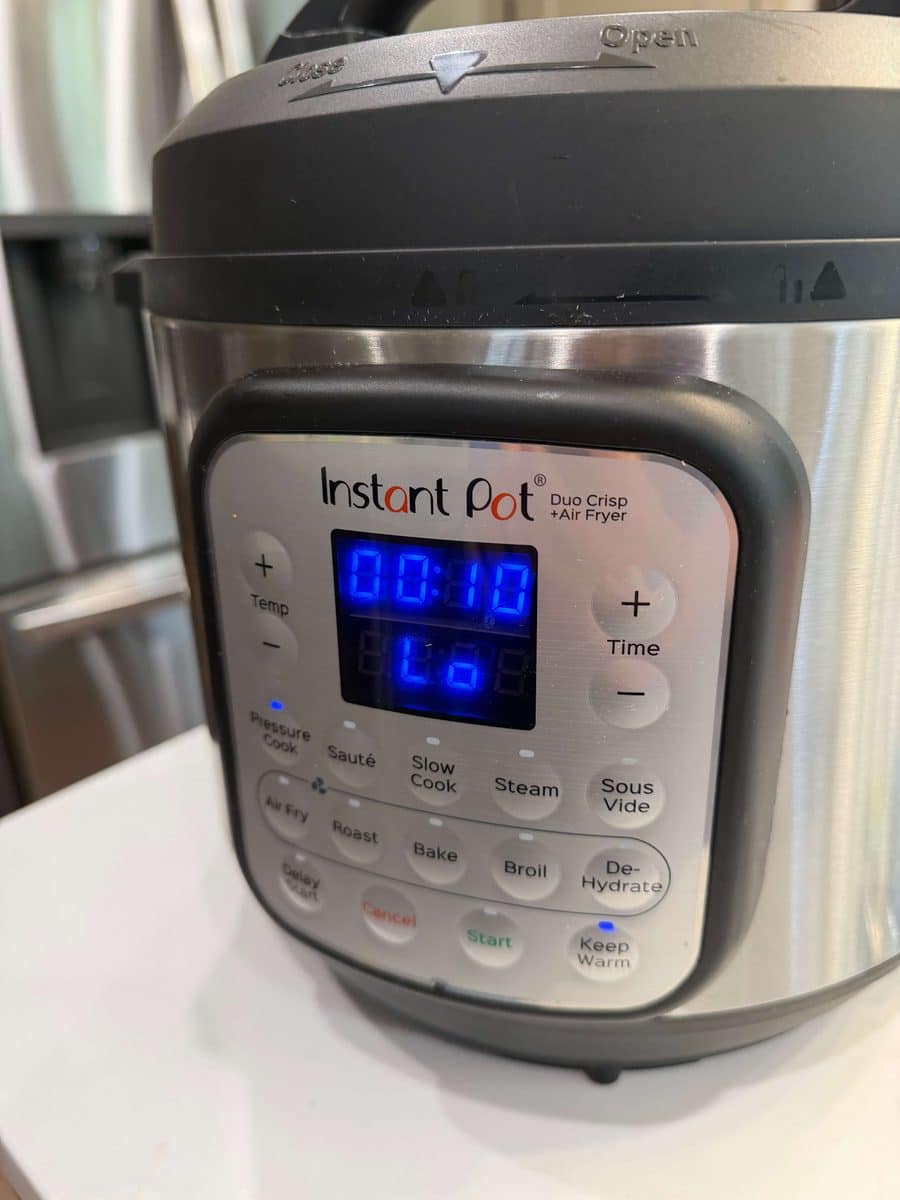
- Pressure Application: The unit is set to the "Soup" or "Low Pressure" function for 10 minutes.
- Natural Release: A mandatory 5-minute waiting period allows for the gradual release of pressure, which is critical for ensuring the chicken reaches the optimal shredding consistency.
- Final Integration: The valve is moved to "venting" to release any remaining steam before the lid is removed, allowing for the final step: shredding the tenderized chicken directly within the pot to incorporate the concentrated cooking liquid.
Nutritional and Ingredient Composition
From a nutritional perspective, this recipe utilizes chicken thighs, which offer a higher fat content and more flavor than breasts, ensuring the meat remains succulent during the pressure-cooking process. Ranch-style beans provide a unique seasoning profile that includes chili powder, onion, and garlic, which serves as a flavor multiplier for the base of the soup.
The substitution landscape for this recipe is broad. Dietary analysts note that the dish can easily be adapted for different needs:
- Gluten-Free Modifications: Ensuring the barbecue sauce and broth used are certified gluten-free is the primary requirement for celiac-friendly variations.
- Vegetable Inclusions: The addition of diced red onion or fresh cilantro at the point of service is recommended by culinary experts to provide a fresh, aromatic contrast to the rich, smoky barbecue base.
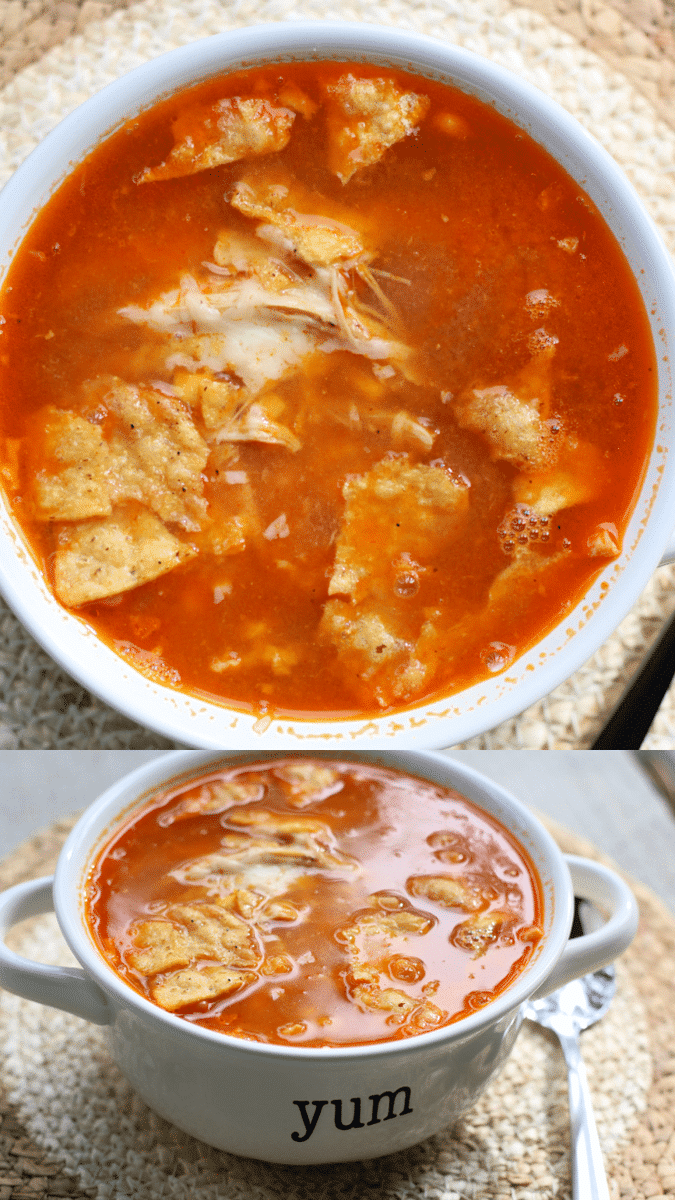
- Topping Variations: The traditional addition of mozzarella cheese and crunchy tortilla chips provides a necessary textural contrast, mirroring the crust and cheese elements of a traditional barbecue pizza.
Broader Impact on Home Cooking Trends
The emergence of recipes like this BBQ Chicken Soup reflects a broader shift in the culinary industry, where the focus has transitioned from elaborate technique-based cooking to "appliance-centric" preparation. Manufacturers of pressure cookers and slow cookers have observed that the primary barrier to home cooking is the perception of time commitment. By simplifying the prep process—even allowing for the use of frozen chicken without prior thawing—this recipe effectively lowers the barrier to entry for novice cooks.
Industry data suggests that the "one-pot" meal category is currently one of the most searched segments in digital food media. This shift is not merely a matter of convenience; it is a response to the economic pressures of dining out. By utilizing cost-effective protein sources like chicken thighs and shelf-stable pantry items like canned beans and corn, this dish provides a high-protein meal at a significantly lower cost-per-serving than comparable restaurant options.
Analytical Observations
Critics of high-pressure cooking occasionally point to the risk of uneven flavor penetration, yet this specific recipe mitigates those concerns through the use of barbecue sauce as a marinade-style base. The high sugar content in standard barbecue sauces acts as a glazing agent once the pressure is released and the liquid is stirred, resulting in a cohesive sauce that coats the shredded protein thoroughly.
Furthermore, the integration of tortilla chips serves a dual purpose. Beyond adding crunch, the corn-based chips introduce a subtle toasted flavor that complements the smoke profile of the barbecue sauce. This technique is consistent with professional culinary practices where a garnish is used to introduce a missing element—in this case, crispiness—to a soft, stewed dish.
Considerations for Long-Term Storage and Scaling
For households looking to manage their food waste, this soup serves as an ideal candidate for meal prep. The nature of the ingredients—specifically the beans and the shredded chicken—allows the dish to maintain its structural integrity during reheating. Culinary safety guidelines suggest that such soups can be safely stored in airtight containers for up to four days in a refrigerator or up to three months in a freezer. When reheating, the addition of fresh tortilla chips at the time of serving is essential to maintain the desired texture, as pre-adding chips will cause them to lose their crunch.
Conclusion: A Staple for the Modern Kitchen
As the demand for quick, healthy, and flavorful home-cooked meals continues to grow, recipes that prioritize efficiency without sacrificing depth of flavor will remain essential. The BBQ Chicken Soup is a prime example of this trend, successfully merging the ease of "dump-and-go" preparation with the complex, comforting flavors of classic American cuisine. Whether served as a weeknight dinner or prepared in advance for a busy schedule, the dish demonstrates how modern appliances can be leveraged to simplify the culinary experience while maintaining high standards of quality and nutrition. The continued evolution of these recipes will likely focus on even greater ingredient flexibility, allowing cooks to customize the flavor profile to match regional preferences while maintaining the core, high-efficiency structure that makes this dish a standout in modern home cooking.
