
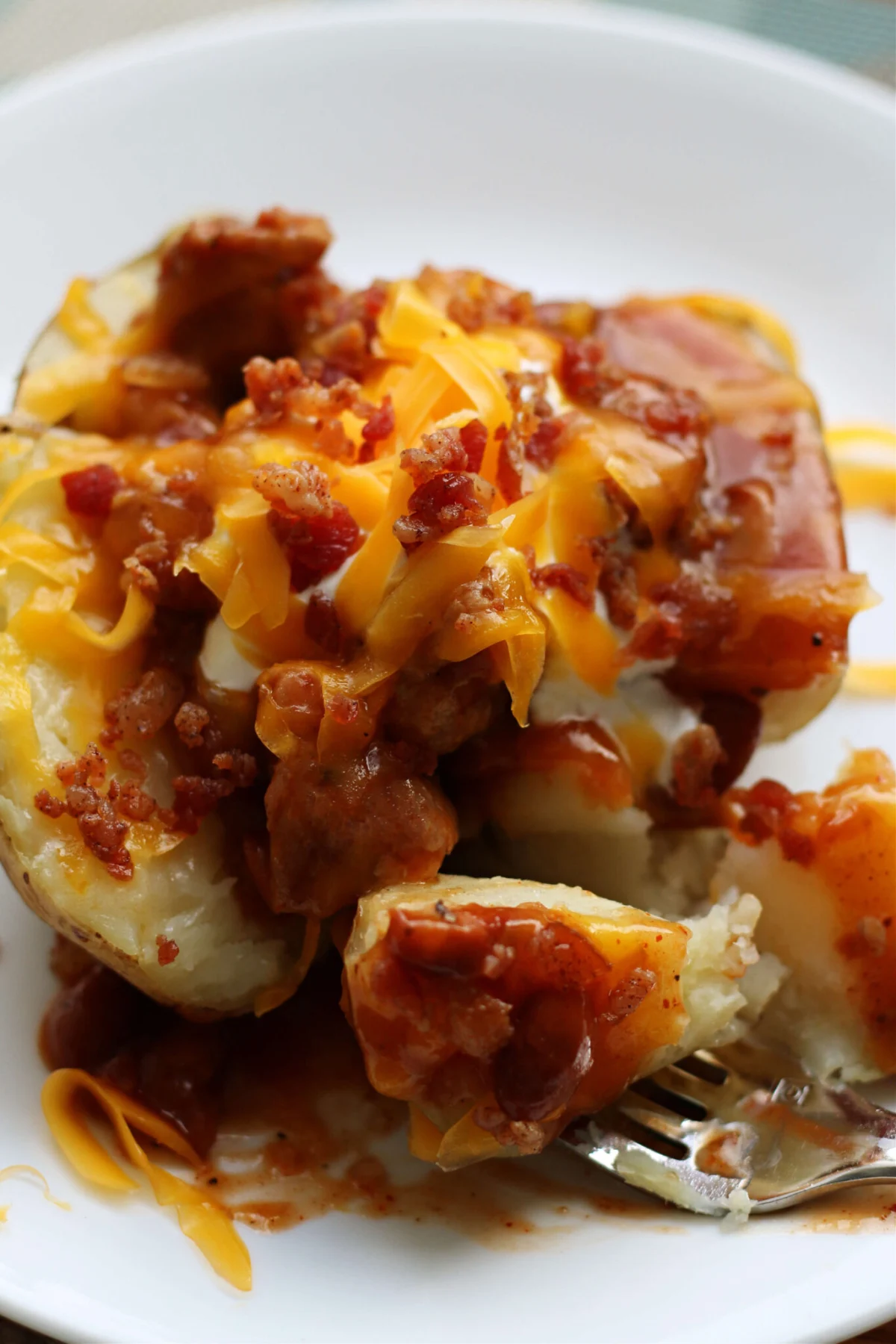
The rise of high-pressure cooking appliances, such as the Instant Pot, has fundamentally altered the landscape of domestic food preparation, shifting the paradigm from long-simmering methods to rapid, nutrient-dense meal production. Among the latest developments in this space is the emergence of "Homestyle Cowboy Beef & Rice Heaven," a one-pot dish that integrates staple pantry ingredients—smoked sausage, pork and beans, corn, bacon, and cheddar cheese—into a cohesive, savory profile. This development reflects a broader consumer trend favoring convenience, meal-prep efficiency, and the utilization of shelf-stable goods.
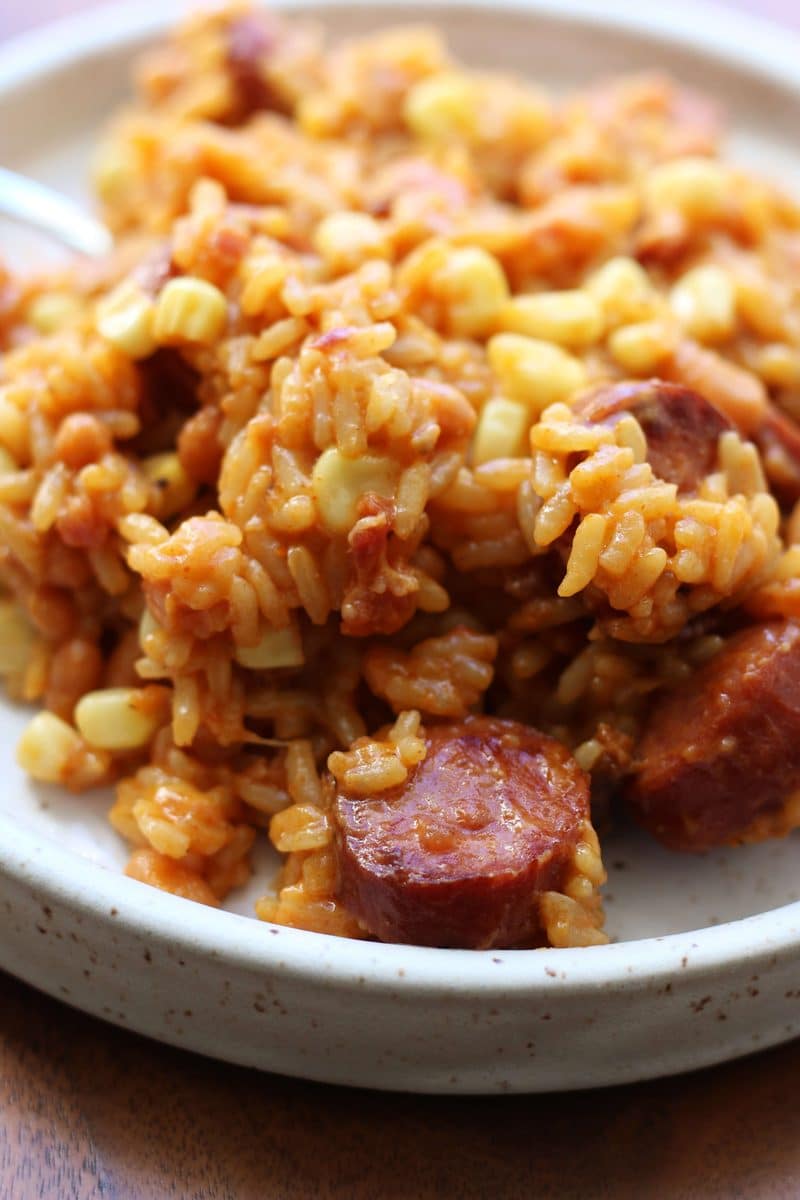
The Evolution of One-Pot Pressure Cooking
Pressure cooking, a method that dates back to the 17th century with Denis Papin’s "steam digester," has undergone a significant resurgence in the 21st century. Industry data suggests that the integration of programmable multi-cookers into North American households has increased by nearly 30% over the last decade. The primary driver for this adoption is the demand for "dump-and-go" recipes that reduce the active labor time required for home-cooked meals.
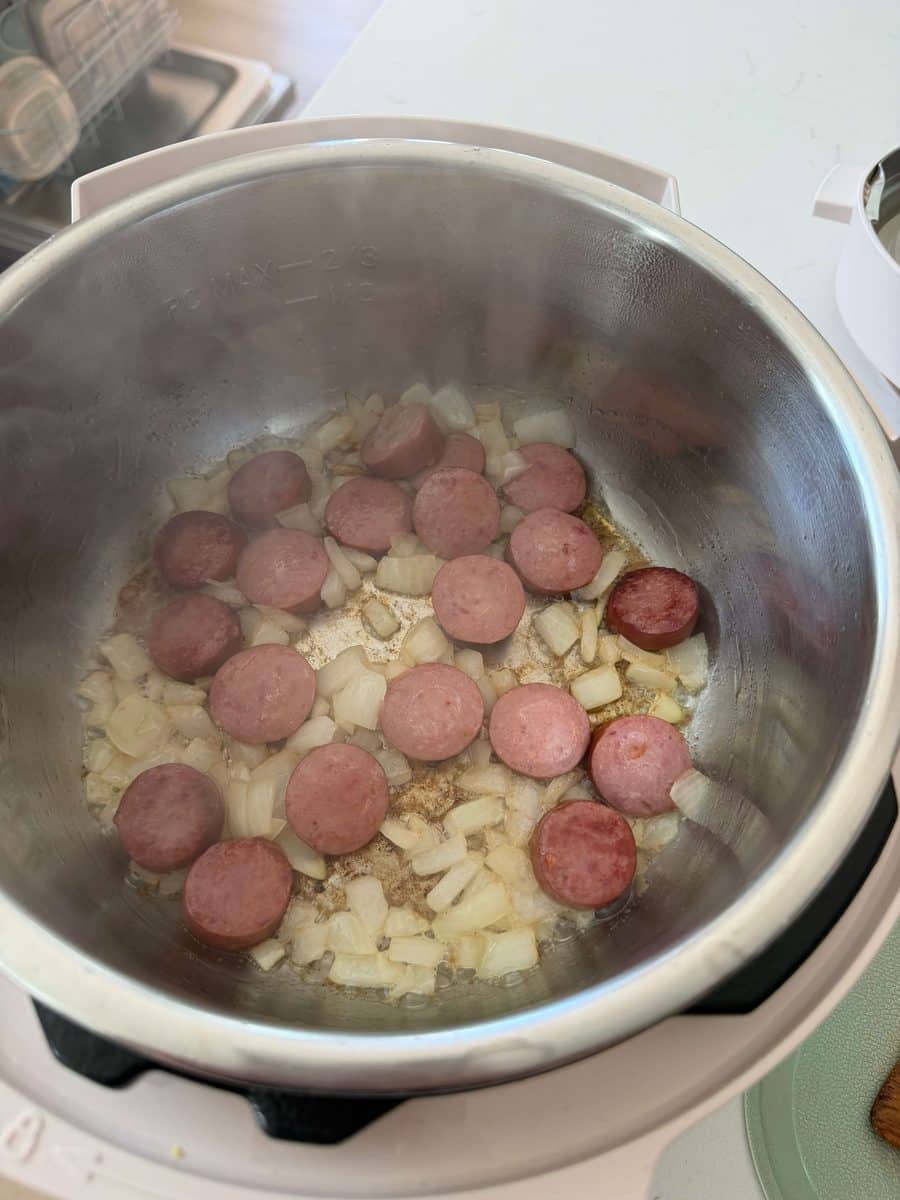
The "Cowboy" culinary category typically refers to recipes inspired by the American frontier, characterized by high-protein content, hearty legumes, and smoky flavor profiles. The adaptation of these traditional, fire-side recipes into a high-pressure format allows for the rapid infusion of seasonings—such as chili powder, smoked paprika, and Worcestershire sauce—into rice and proteins, a process that historically required hours of heat application.

Chronology of Preparation and Culinary Methodology
The preparation of this specific dish follows a strict procedural sequence designed to maximize flavor extraction while ensuring structural integrity of the ingredients:
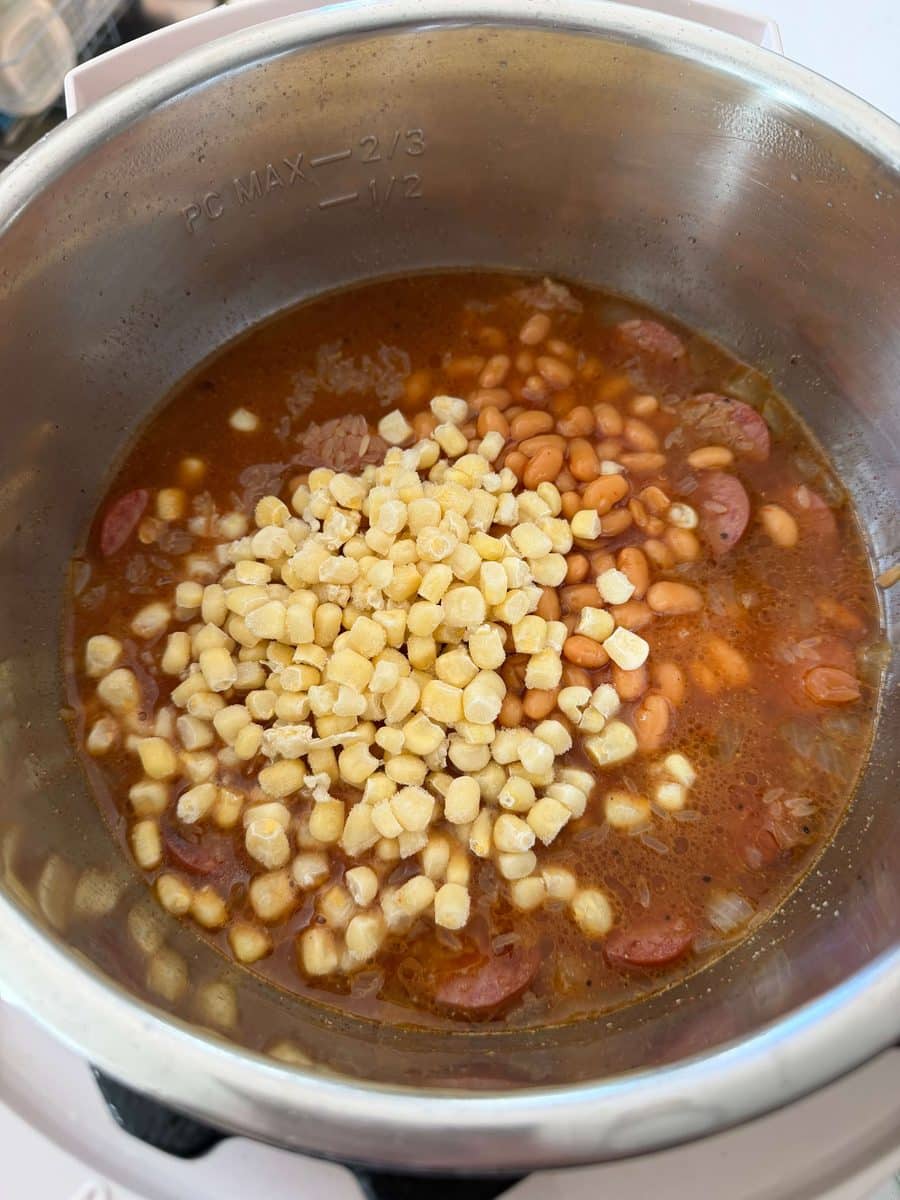
- Searing Phase: The process initiates by utilizing the "Saute" function of the pressure cooker. By browning smoked sausage in rendered bacon grease or butter, the cook initiates the Maillard reaction, which is essential for developing the complex savory notes required for the dish.
- Aromatic Infusion: Onions are introduced to the browned sausage. A three-minute sauté period allows for the caramelization of the onions, which serves as the foundational flavor base.
- Deglazing and Seasoning: The addition of broth serves the dual purpose of moisture provision and deglazing the pot. The removal of browned bits (fond) from the bottom of the vessel is critical; failing to do so often triggers the "burn" sensor in modern pressure cookers, a common issue noted by consumer appliance testing groups.
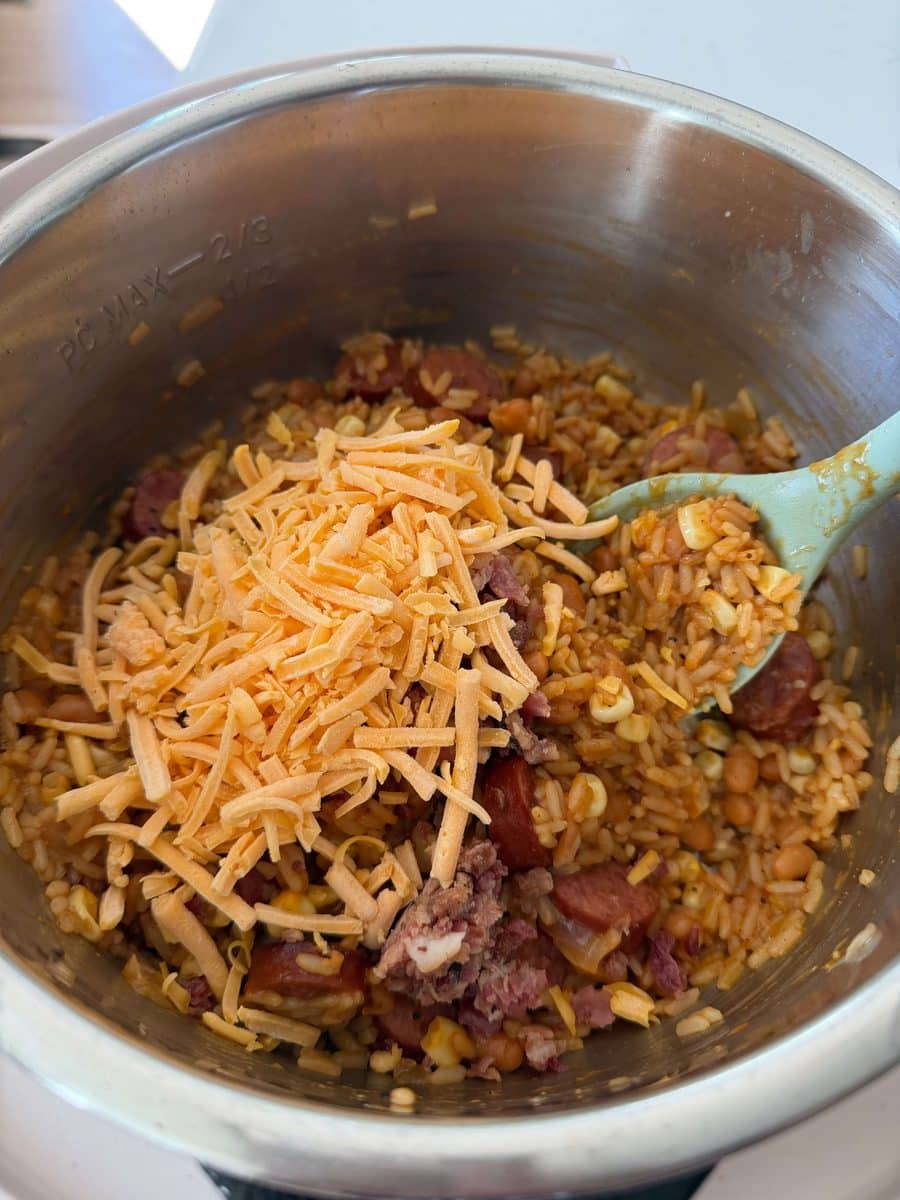
- Layering Strategy: The sequence of adding ingredients is non-trivial. The rice is introduced first, followed by the beans and corn, which are layered on top. This specific stratification prevents the rice from scorching against the bottom of the heating element and ensures even hydration.
- Pressure Cycle and Depressurization: A five-minute high-pressure cook time is sufficient for long-grain rice. However, the subsequent ten-minute "natural pressure release" (NPR) is a vital, albeit often overlooked, step. During this window, the residual heat completes the cooking of the rice, resulting in a light, fluffy texture rather than a starch-heavy porridge.
Nutritional and Economic Implications
From a nutritional standpoint, the dish provides a dense combination of complex carbohydrates from the rice and beans, balanced by the protein profile of the sausage and bacon. While the sodium content is naturally elevated due to the use of cured meats and canned beans, home cooks are increasingly using low-sodium broth and nitrate-free sausages to mitigate these concerns.

Economically, the recipe aligns with a "pantry-staple" strategy. In an era of fluctuating food prices, the ability to rely on ingredients that have long shelf lives—such as dried or canned beans, vacuum-sealed sausages, and bags of rice—provides families with a hedge against inflation. Surveys conducted by home economics researchers indicate that meals prepared with these ingredients cost approximately 40% less per serving than comparable restaurant-delivered meals, while also offering greater control over portion sizes and ingredient quality.
Culinary Customization and Consumer Adaptability
One of the defining features of this recipe is its modularity. Professional chefs and home cooks alike have noted that the dish acts as a "base" for culinary experimentation. The inclusion of jalapeños, cayenne pepper, or pepper jack cheese as heat-modulating agents demonstrates the dish’s adaptability to diverse regional palates.
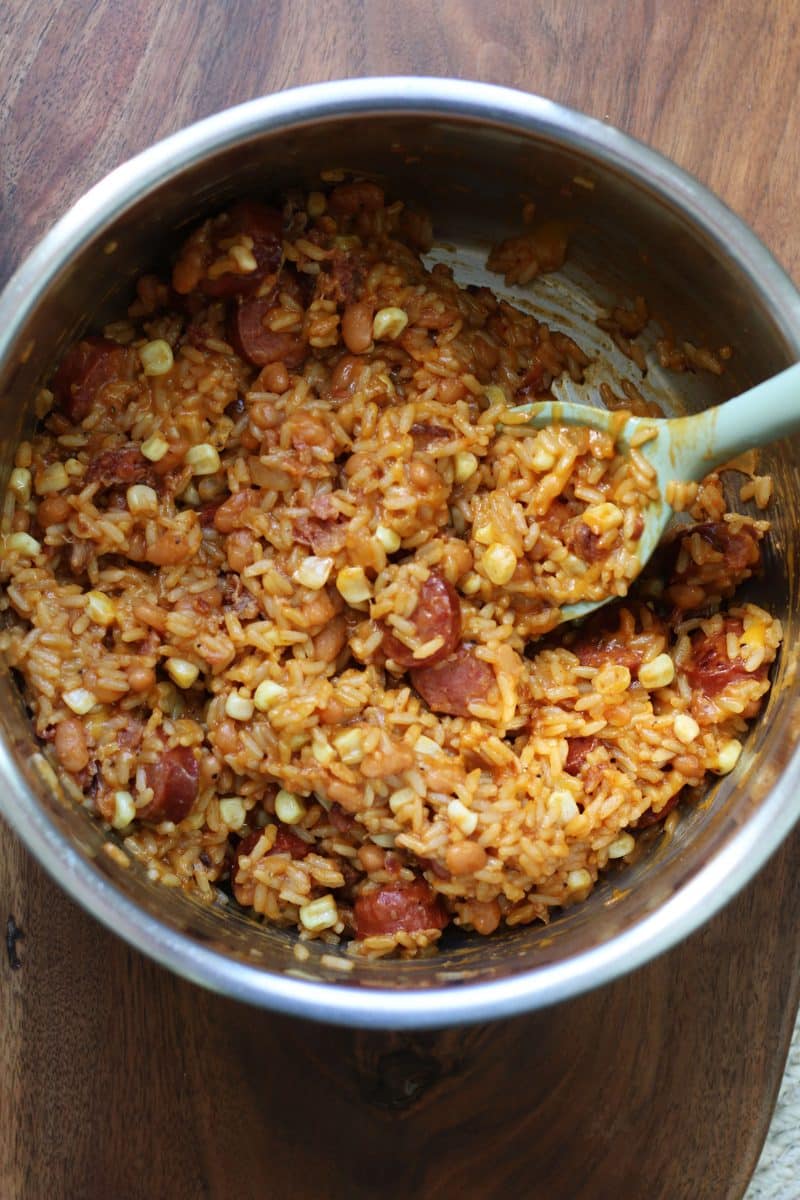
Furthermore, the "leftover viability" of this meal is high. Unlike many pasta-based dishes that lose texture upon reheating, the rice in this cowboy-style preparation holds its integrity well over several days. This has made it a popular choice for "meal prepping," a practice that has seen widespread adoption among working professionals looking to streamline their weekly caloric intake.
Industry and Expert Perspectives
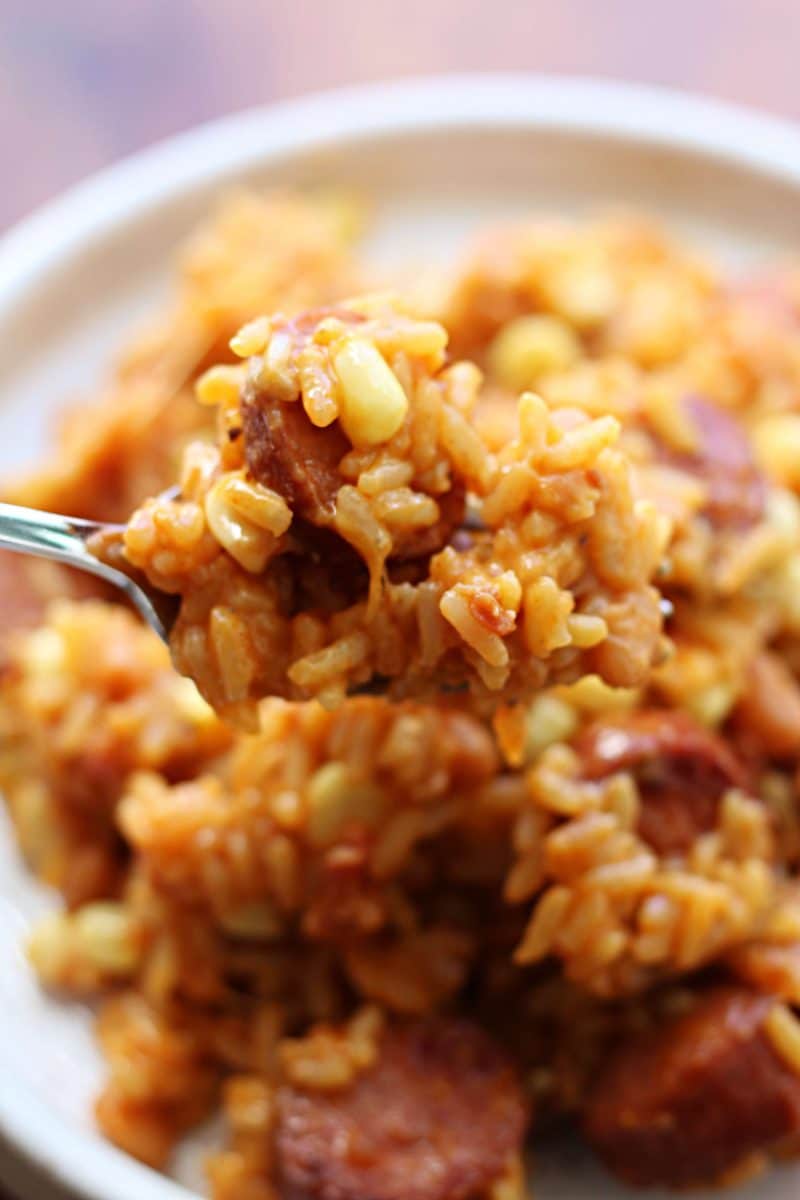
Food technologists observe that the success of the Homestyle Cowboy Beef & Rice Heaven lies in the effective management of starch gelatinization within a pressurized environment. Because the liquid ratio is precisely calculated to account for the absorption rate of the rice, the final result is a consistent, repeatable outcome.

"The shift toward these types of meals represents a move toward ‘utilitarian cooking,’" notes one industry consultant. "Consumers are no longer looking for recipes that require complex techniques. They are looking for reliable systems—a way to get a balanced, flavorful dinner on the table in under thirty minutes without sacrificing the comfort-food qualities that modern families demand."
Broader Context and Related Culinary Trends
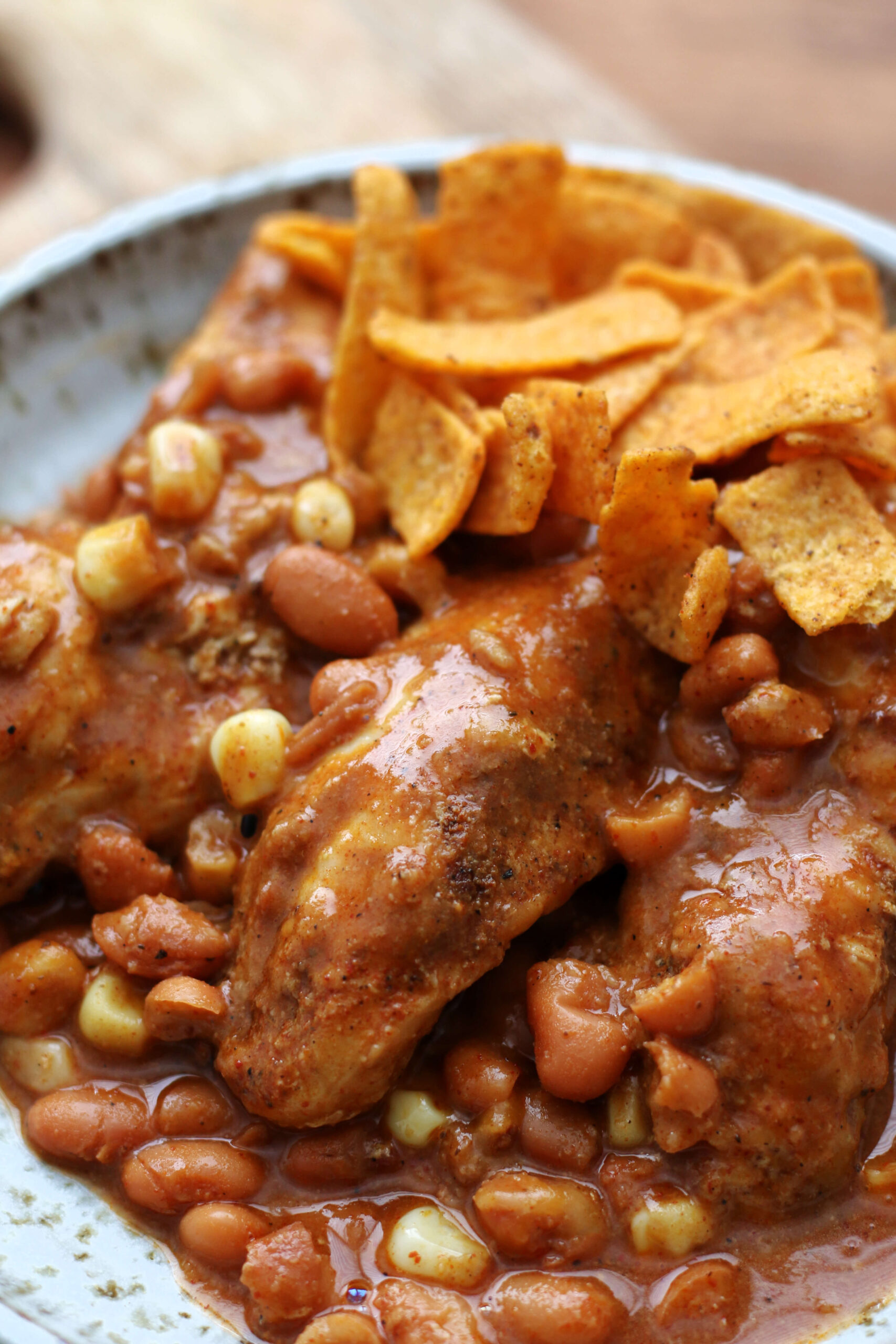
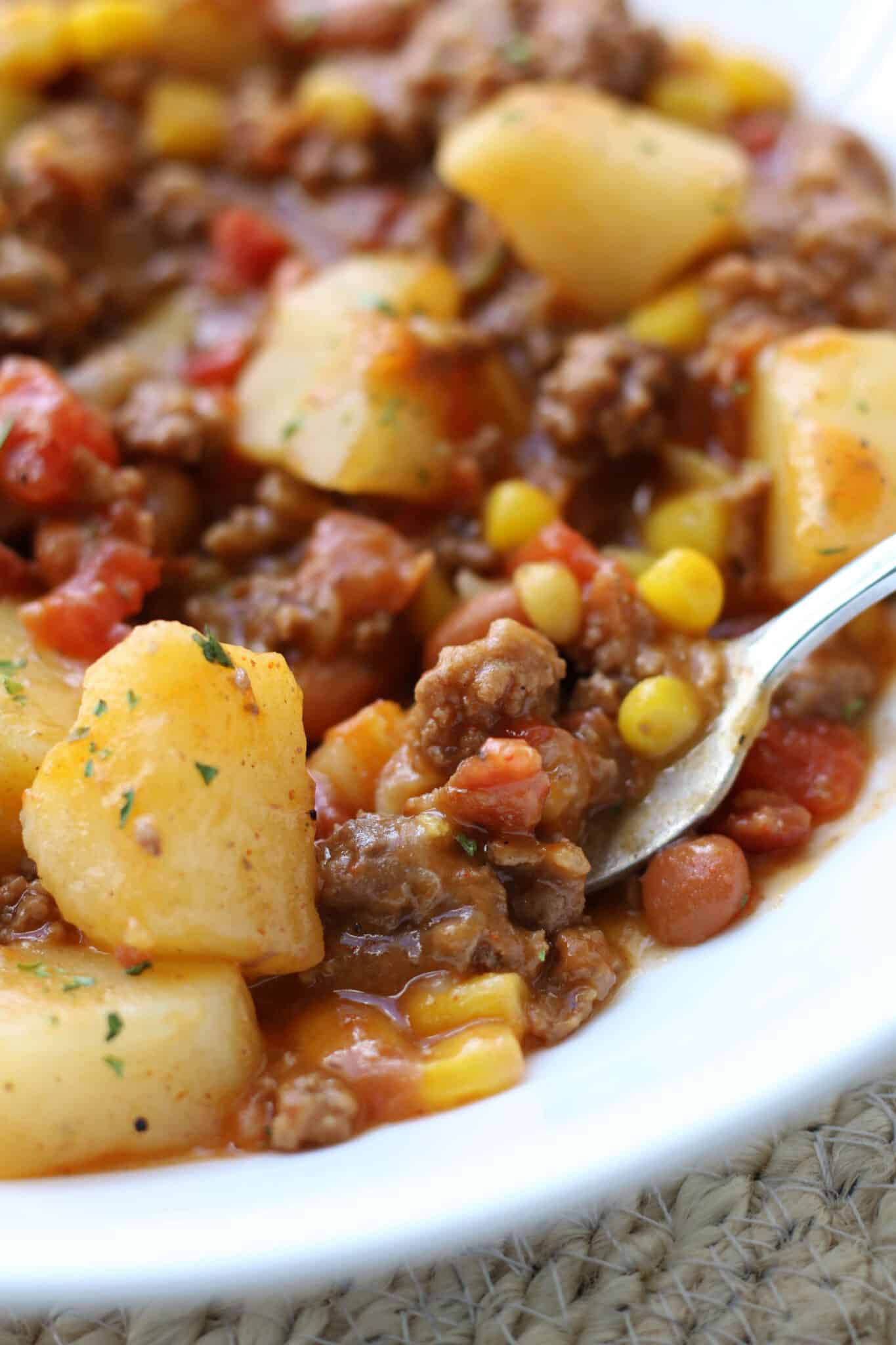
The popularity of this dish is part of a larger trend of "Cowboy-themed" cooking, which has permeated the digital food space. Similar dishes, such as "Cowboy Beef Potato Casserole" or "Western Cowboy Gnocchi," utilize the same flavor profile—barbecue undertones, smoky meats, and hearty starches—to provide a sense of comfort. This trend reflects a broader cultural nostalgia for traditional, rustic American cooking, rebranded for the technological conveniences of the 21st century.

The rise of platforms like Pinterest and various digital recipe repositories has facilitated the rapid spread of these recipes. The ability for users to filter recipes by "meat type," "cooking method," or "dietary restriction" has allowed for the categorization of these cowboy-inspired meals, further cementing their status as a staple of the modern home kitchen.

Future Implications for Home Cooking
As home appliance technology continues to advance, it is likely that the "one-pot" method will become even more prevalent. The integration of IoT (Internet of Things) into pressure cookers, allowing for remote monitoring and notification, further lowers the barrier to entry for novice cooks. The "Homestyle Cowboy Beef & Rice Heaven" is not merely a recipe; it is a case study in how traditional culinary concepts are successfully being translated for a faster, more efficient, and more pragmatic generation of cooks.
As supply chains continue to recover and evolve, the emphasis on shelf-stable, high-flavor, and high-satiety meals will likely remain a dominant force in home food consumption. The longevity of this recipe’s popularity is a testament to the fact that, regardless of the technological advancements in the kitchen, the core human desire for hearty, flavorful, and reliable food remains the central driver of domestic culinary innovation.
