

The Evolution of Slow-Cooker Gastronomy
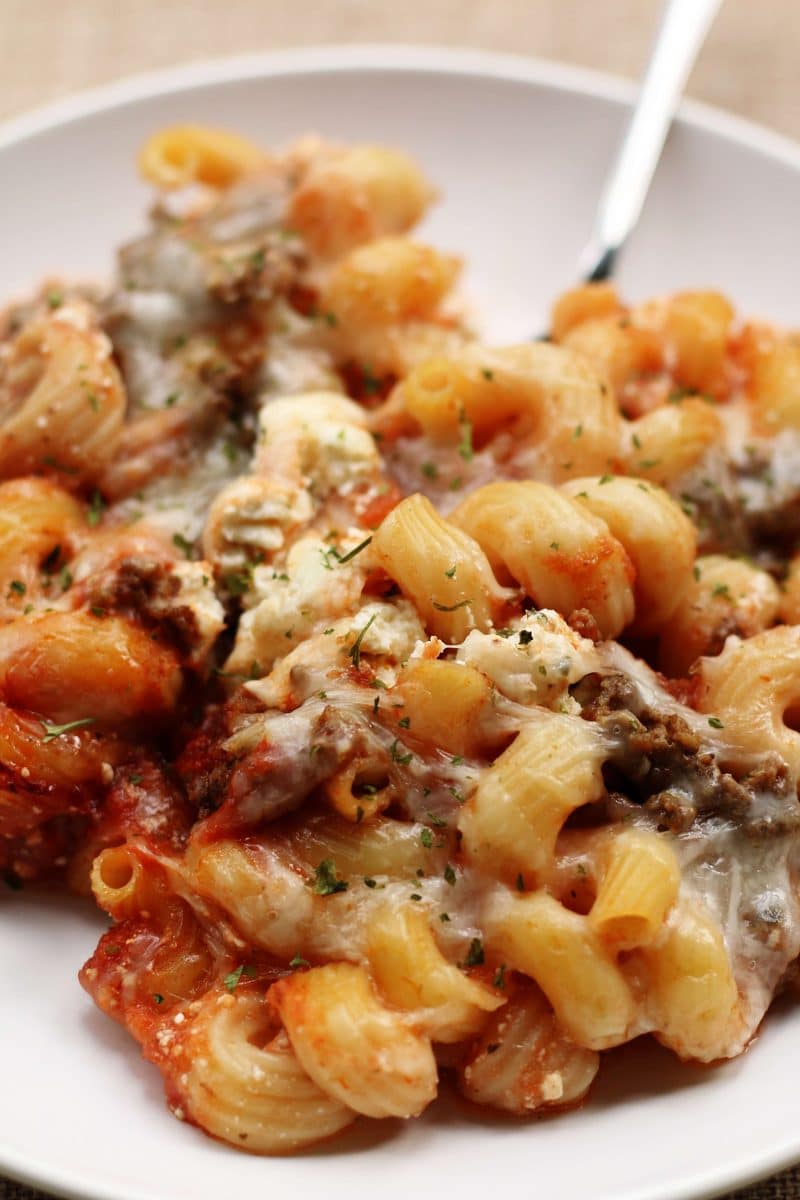
The origins of the slow cooker—or Crock-Pot, as it was colloquially branded in the 1970s—trace back to an effort to provide working families with a way to prepare stews and roasts while away from home. Over the past five decades, the device has transitioned from a niche tool for pot roasts to a versatile appliance capable of handling complex pasta dishes. The Million Dollar Pasta recipe exemplifies this shift, effectively eliminating the requirement to boil pasta in a separate pot. By utilizing the liquid content of the spaghetti sauce combined with measured additions of water, the pasta cooks through the controlled heat and steam of the slow cooker. This method, often referred to as "one-pot cooking," significantly reduces dishwashing and minimizes the technical skill required to achieve an "al dente" consistency.
Culinary Methodology and Technical Specifications
The preparation of this dish involves a two-phase process: the preparation of the protein and the layering of the secondary components. The ground beef—or alternatively, high-quality Italian sausage for those seeking a more robust flavor profile—is first browned in a skillet over medium-high heat. This step is critical; it serves to render excess fat and initiates the Maillard reaction, which is essential for the depth of flavor required in a "million dollar" sauce.
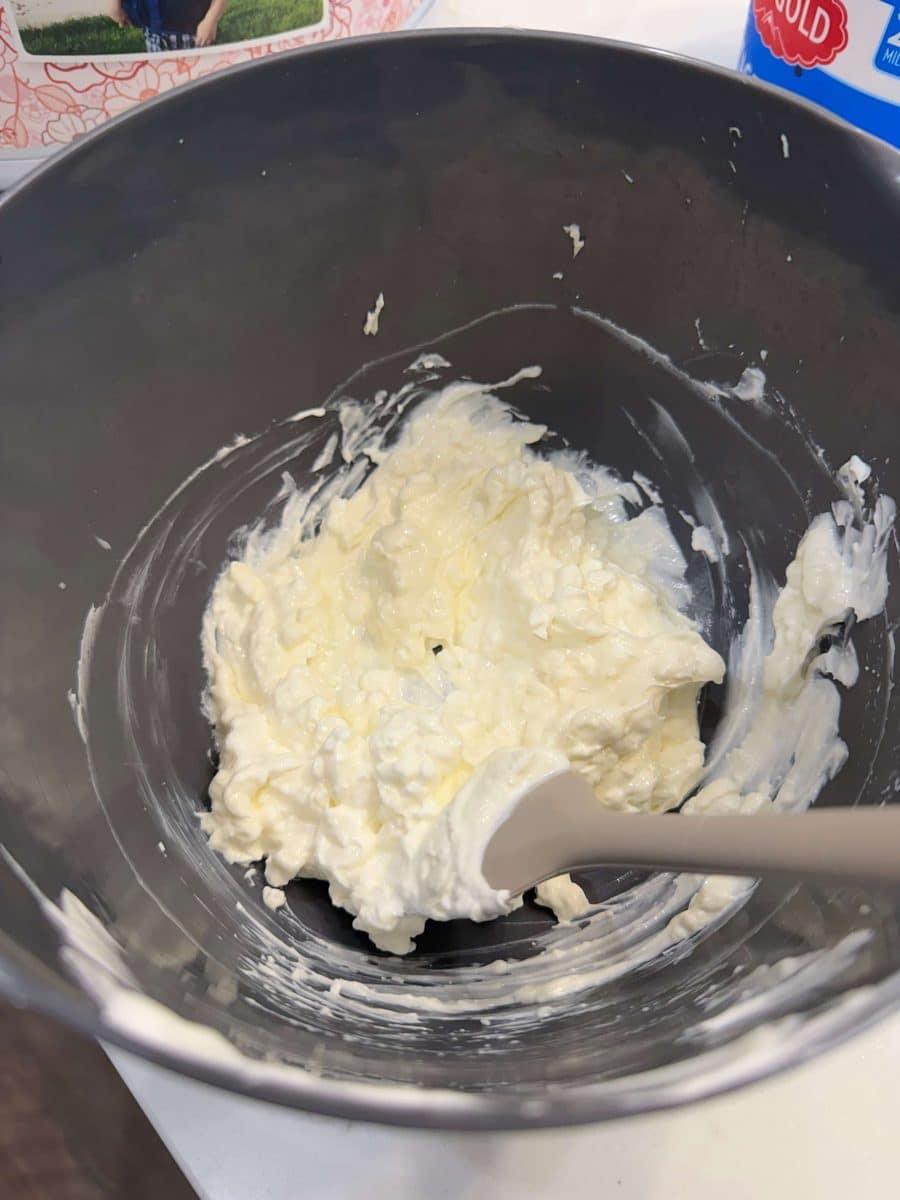
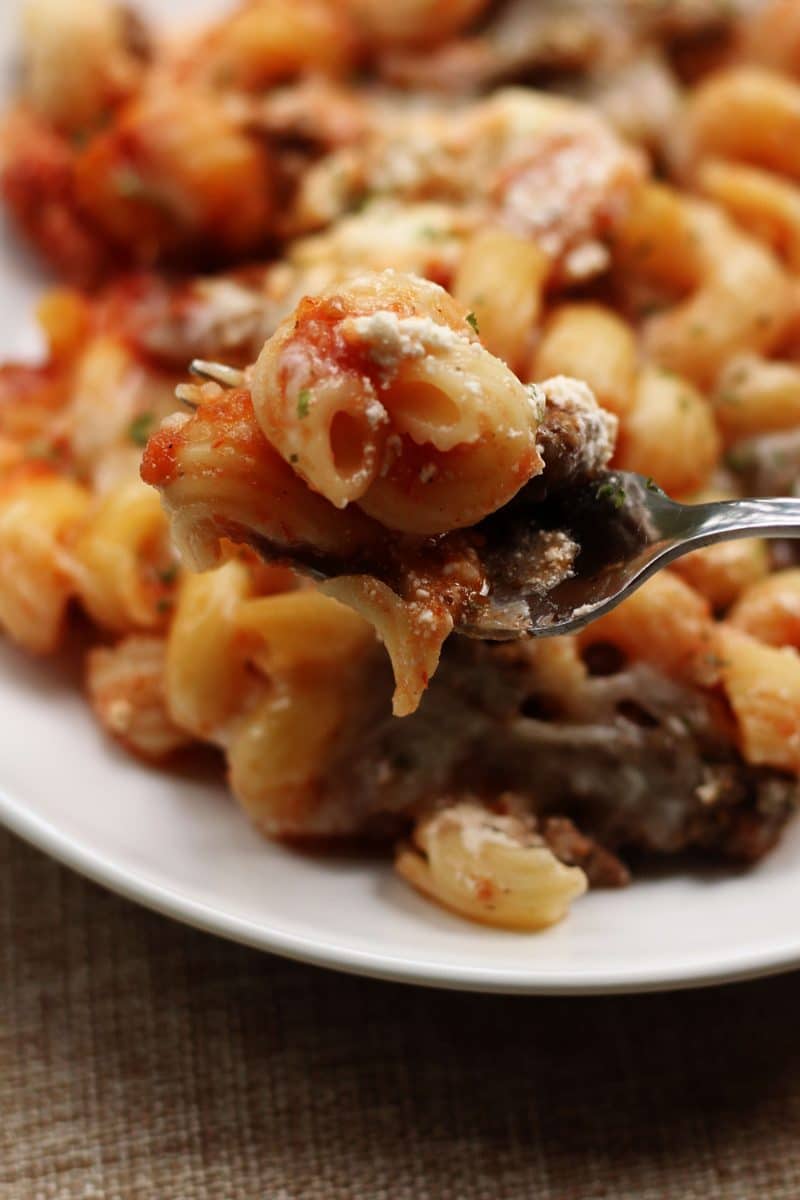
The "million dollar" designation stems from the inclusion of a specialized dairy layer. A mixture of softened cream cheese, sour cream, and ricotta is whisked with aromatic agents such as garlic powder and dried parsley. This mixture acts as an emulsifier, transforming standard spaghetti sauce into a velvety, decadent base. The layering process is then executed with precision:
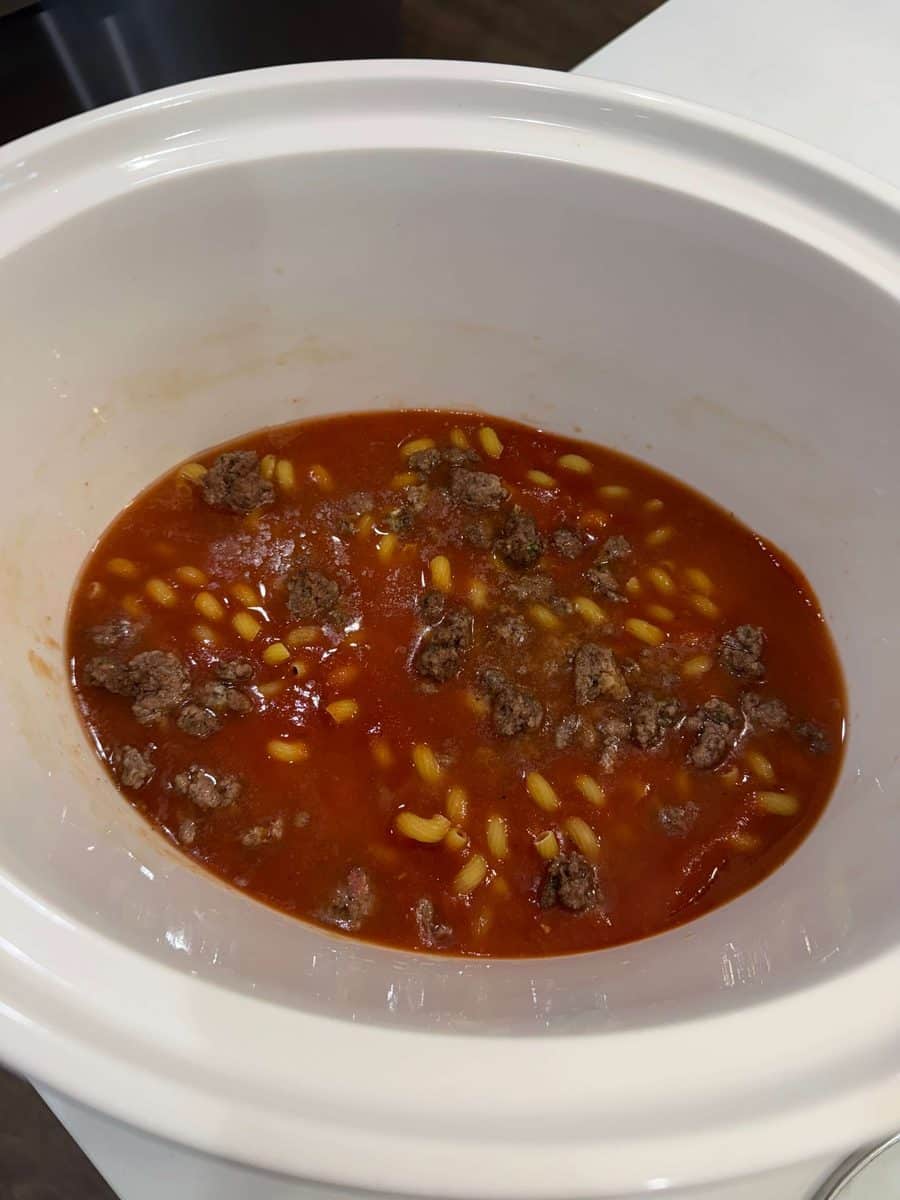
- A base layer of spaghetti sauce.
- An initial portion of dry cavatappi or penne pasta.
- A measured 4 ounces of water to facilitate steam-cooking.
- Half of the pre-browned ground beef.
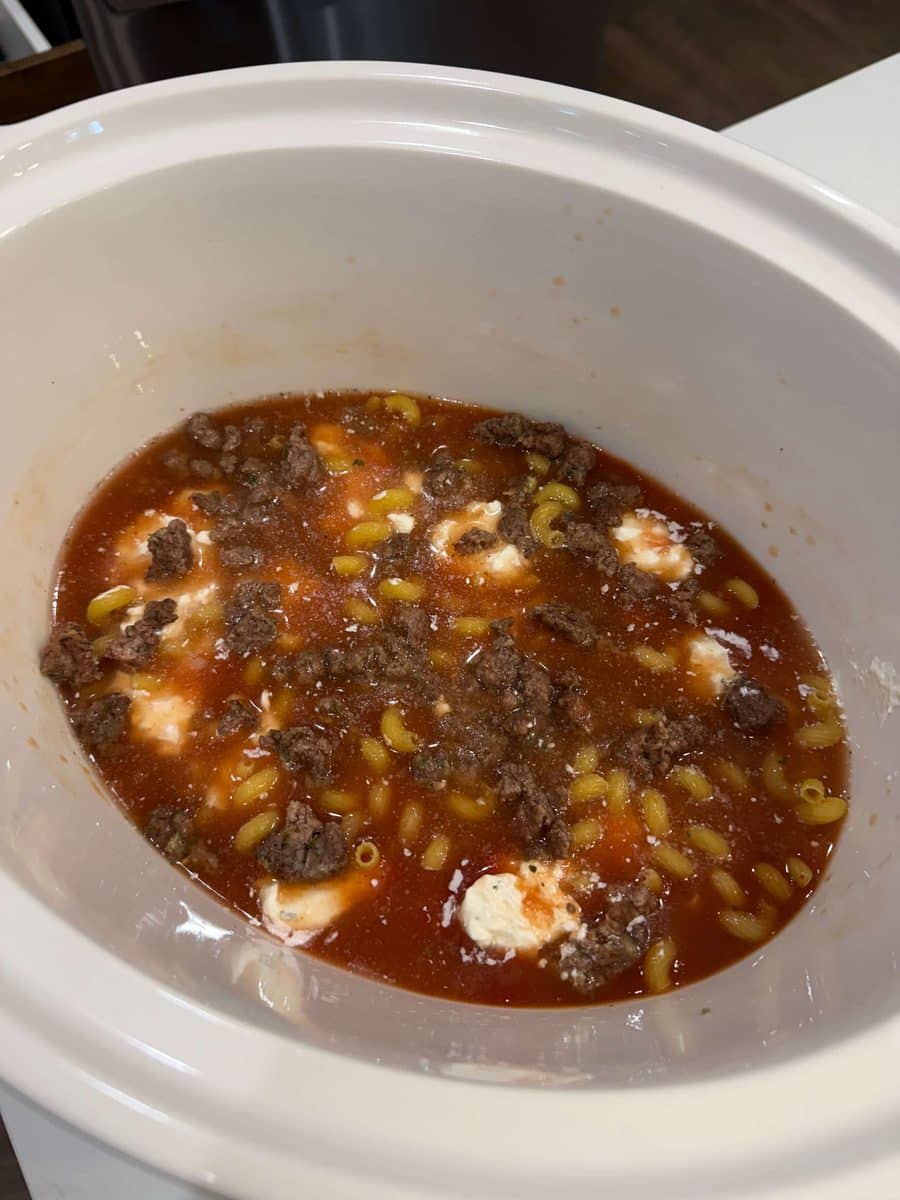
- A distribution of the cream cheese-ricotta mixture in even, strategic dollops.
- A repetition of the pasta, sauce, water, and beef sequence to ensure even distribution.
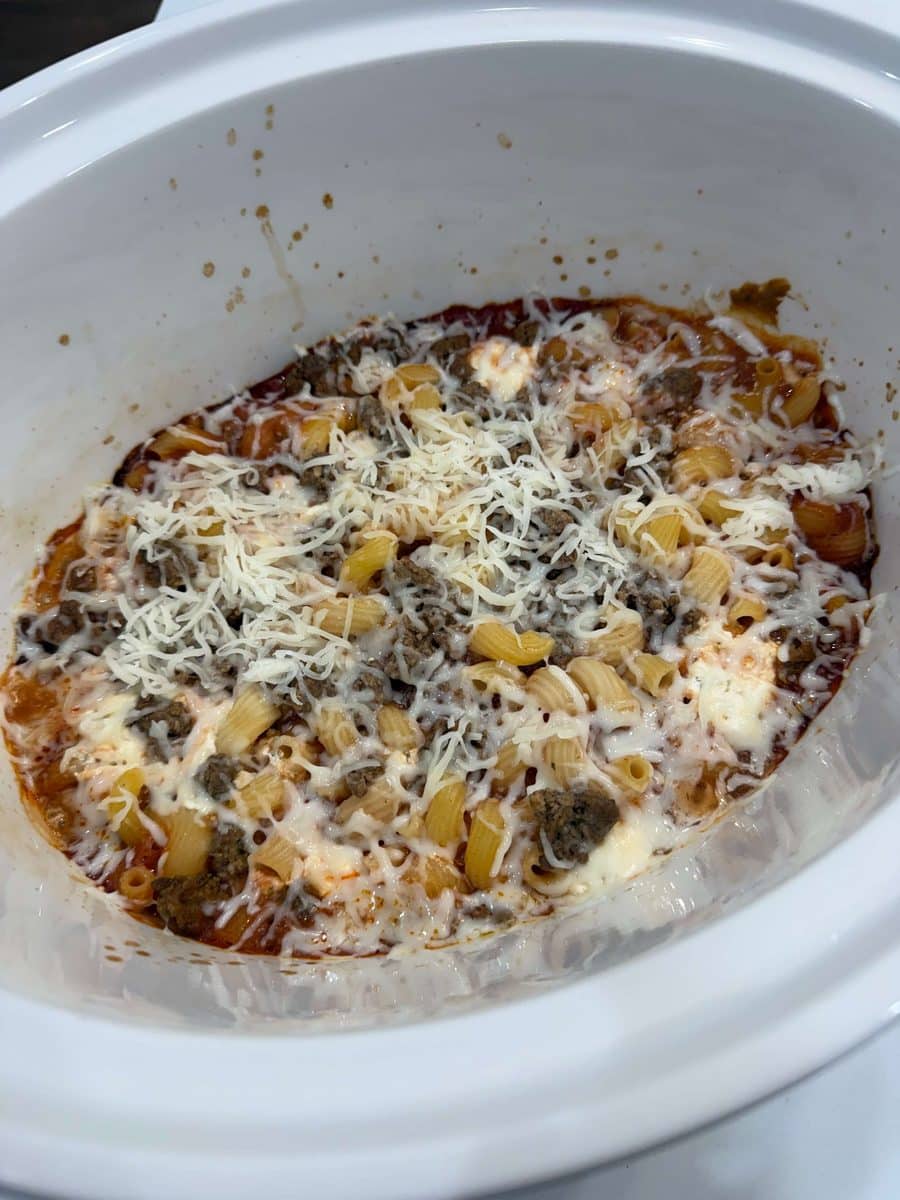
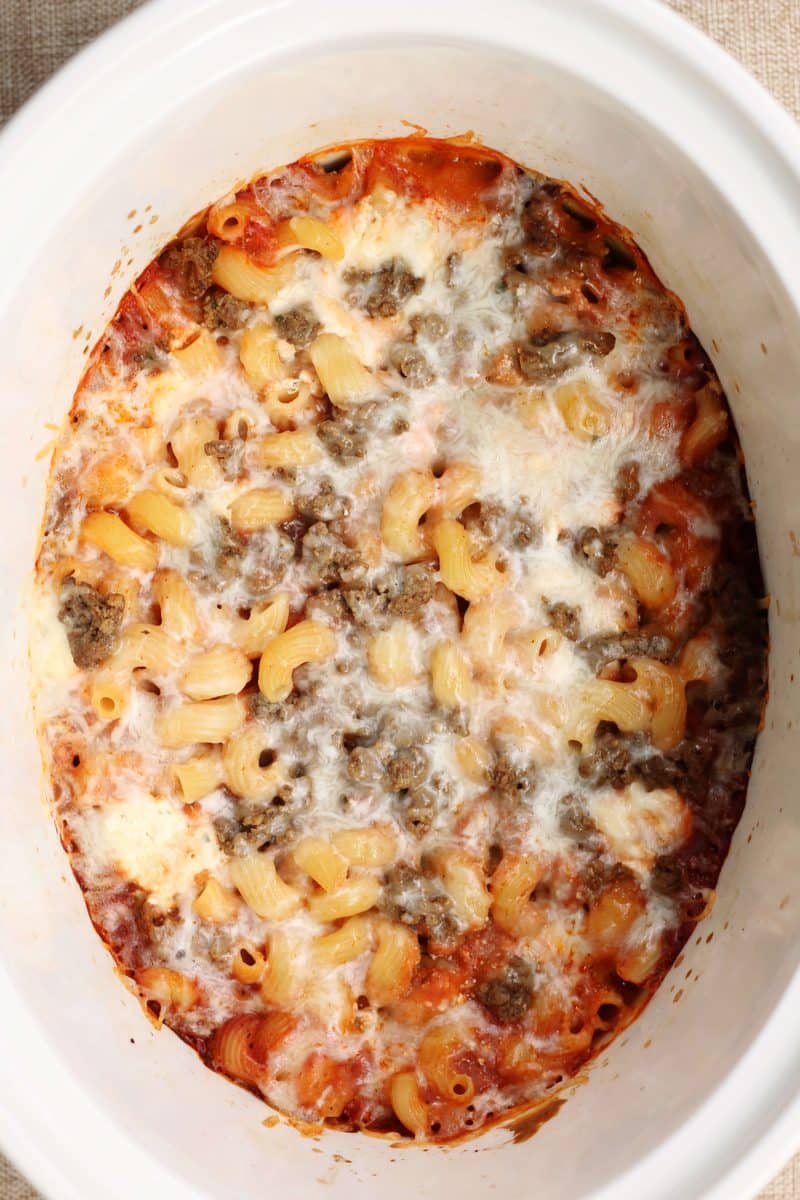
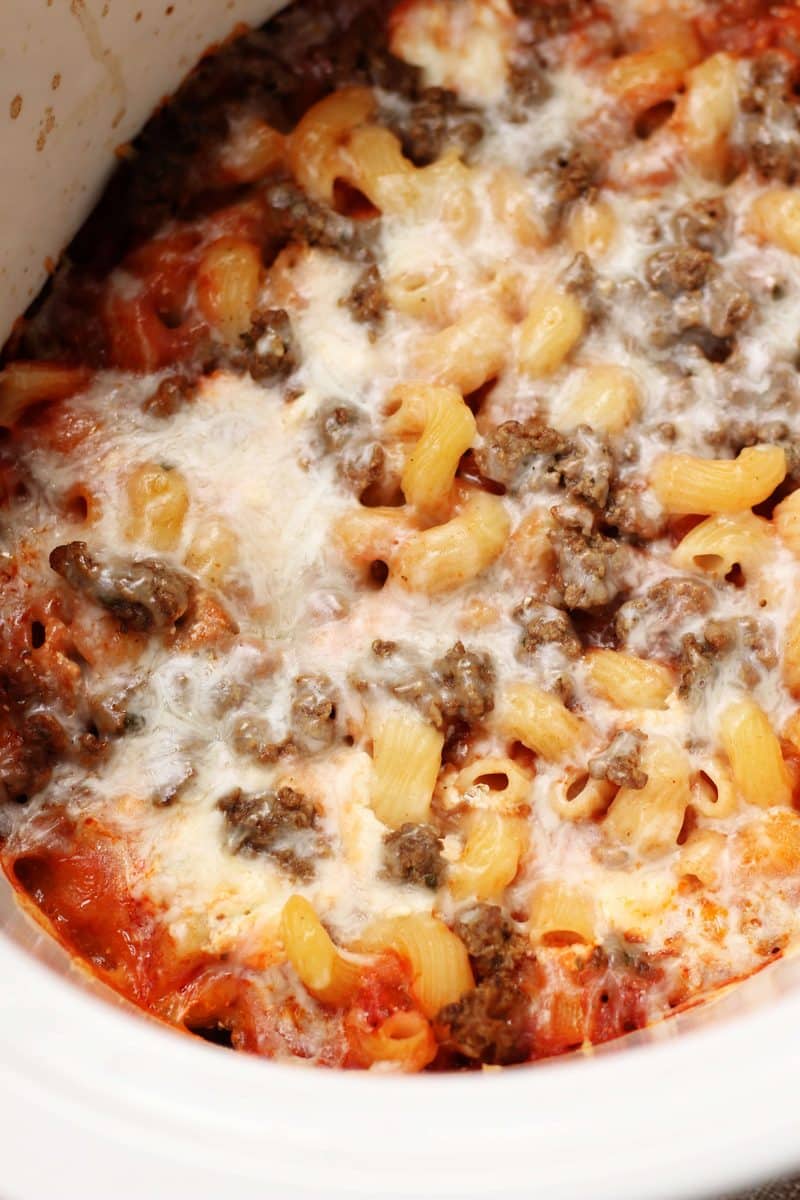
The slow cooker is then covered and set to a low heat setting, with a recommended monitoring window beginning at the two-hour mark. The susceptibility of pasta to overcooking—a common risk in slow cookers—necessitates vigilant timing. Once the pasta reaches the desired texture, a final layer of mozzarella is added and allowed to melt under the residual heat of the covered unit for approximately five minutes.
Supporting Data and Consumer Trends
Market research into home appliance usage indicates a 15% year-over-year increase in the utilization of slow cookers among adults aged 25–45, driven largely by a demand for "set-it-and-forget-it" meal solutions. The popularity of the "Million Dollar" branding—a marketing term implying high-end flavor at a fraction of the cost—has seen a surge in search volume and social media engagement. This phenomenon suggests that consumers are moving away from complex, time-consuming scratch cooking toward high-impact recipes that utilize pantry staples.
From a nutritional standpoint, the dish is calorie-dense, providing a significant source of protein through the beef and calcium through the dairy components. While not categorized as a "health food," it is frequently cited in culinary forums as an essential "comfort food" staple for high-output households, providing high satiety levels that align with modern dietary needs for quick, calorie-sufficient dinners.
Comparative Analysis: The "Million Dollar" Series
The Million Dollar Pasta is part of a broader, established family of "million dollar" recipes that have gained traction in digital culinary spaces. These include:
- Millionaire Potatoes: A derivative using gruyere and heavy cream to create a luxurious texture.
- Millionaire Chicken: A protein-forward dish incorporating bacon and green onion.
- Million Dollar Soup: A gnocchi-based variation that utilizes a creamy, thyme-infused broth.
- Million Dollar Beef and Noodles: A variation that substitutes traditional pasta shapes for egg noodles, targeting a more traditional Midwestern palate.
Each of these variations shares the same DNA: the inclusion of cream cheese or ricotta as a base to provide a "rich" mouthfeel, and the use of the slow cooker or Instant Pot to maximize the infusion of seasonings into the base proteins.
Expert Observations and Culinary Implications
Professional chefs have noted that the success of these recipes relies heavily on the quality of the base spaghetti sauce. Because the sauce acts as the primary vehicle for flavor, the selection of a high-quality brand—or a homemade marinara—is the deciding factor between an average dinner and a superior result.

Furthermore, the "one-pot" methodology has significant implications for kitchen efficiency. By removing the need for a colander, a large boiling pot, and a saucepan for the sauce, the prep time is reduced by approximately 40% compared to traditional stove-top pasta preparation. This efficiency has made the recipe a staple for working professionals and families who balance busy schedules with the desire to avoid processed, pre-packaged meals.

Safety and Optimization Protocols
When utilizing a slow cooker for this recipe, consistency is key. Manufacturers advise against opening the lid frequently, as each lift results in a significant loss of internal temperature, which can extend the cooking time and potentially lead to unevenly cooked pasta. Users should also ensure that the pasta is fully submerged in the liquid components; any pasta exposed to the dry air at the top of the pot may result in a crunchy or brittle texture, often referred to as "dry spots."

For those looking to adapt the recipe for dietary restrictions, the dish offers significant flexibility. The substitution of ground beef with plant-based crumbles or ground turkey is common, and the addition of vegetables such as spinach or diced bell peppers during the final hour of cooking can easily increase the nutritional profile without sacrificing the dish’s signature creaminess.

Future Outlook
As the "Million Dollar" category of recipes continues to expand, it highlights a shifting priority in the modern kitchen: the marriage of convenience with indulgence. The Crock Pot Million Dollar Pasta serves as a case study in how simple, accessible ingredients—when prepared with the right technical layering and heat application—can elevate a home-cooked meal into a dining experience that competes with mid-range restaurant offerings. The continued success of this recipe model suggests that consumers will continue to favor methods that provide high-reward outcomes with minimal labor, cementing the role of the slow cooker as an indispensable tool in the contemporary American culinary arsenal.
