
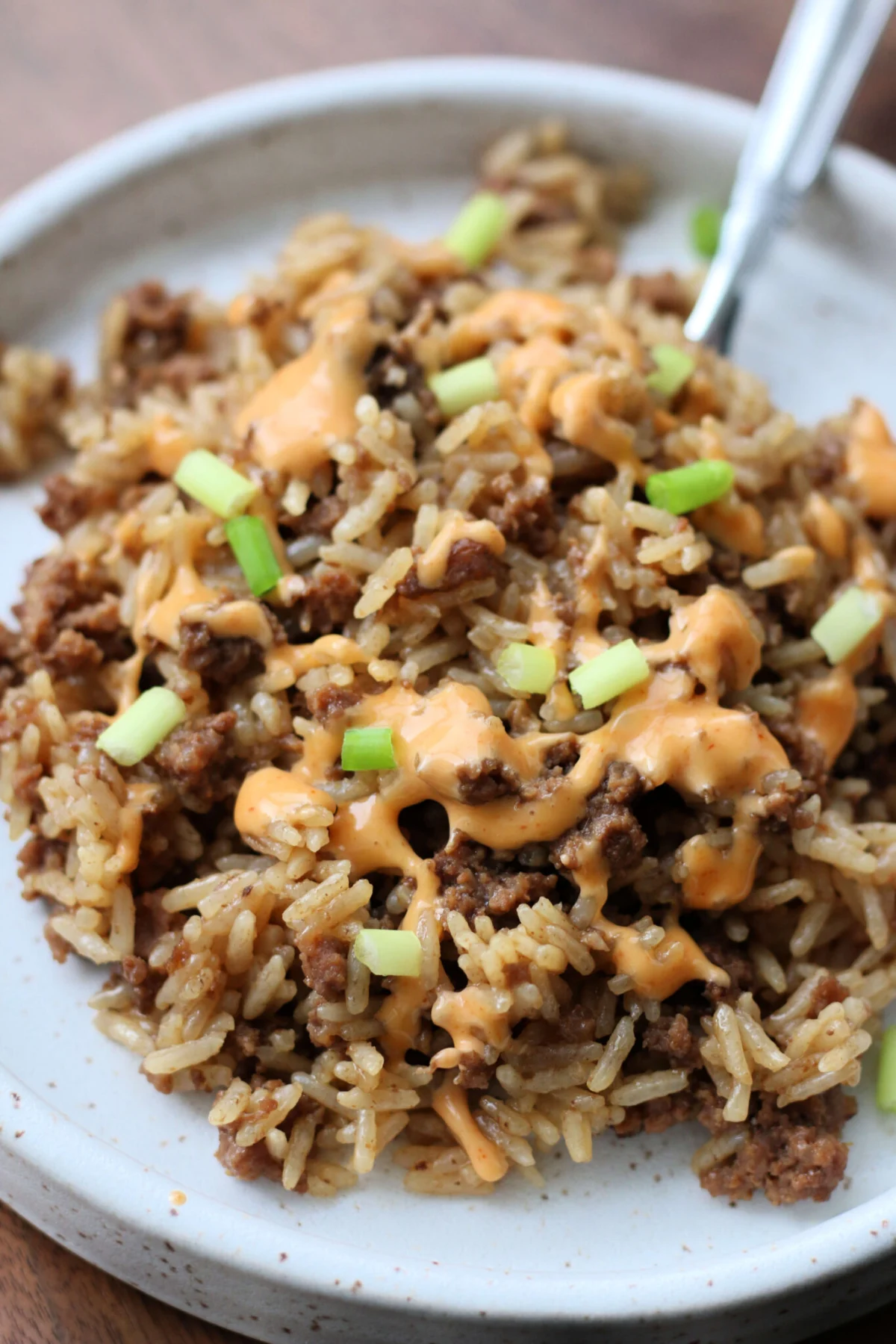
The Evolution of One-Pot Pressure Cooking
The rise of the electric pressure cooker, exemplified by brands such as Instant Pot, has fundamentally altered the domestic culinary landscape over the last decade. By utilizing high-pressure steam to cook ingredients simultaneously, these devices reduce the time-to-table for complex dishes that traditionally required multiple pans and extended monitoring.
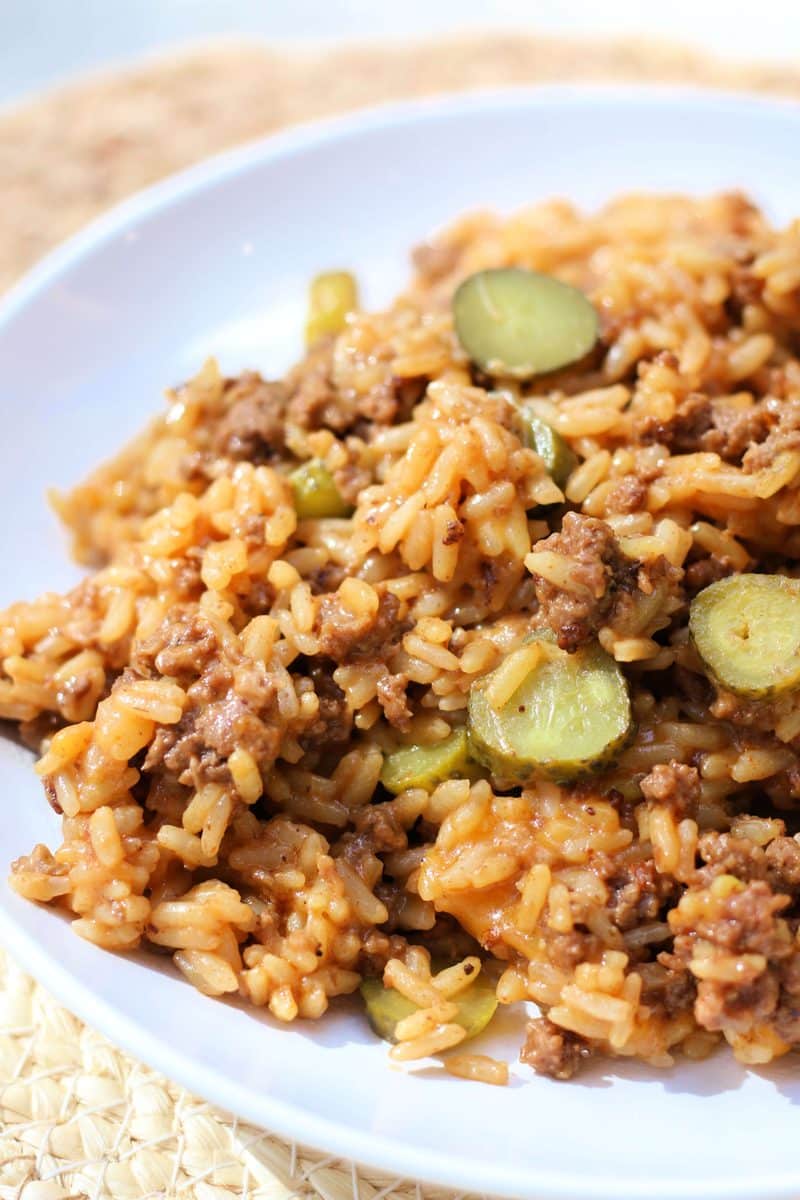
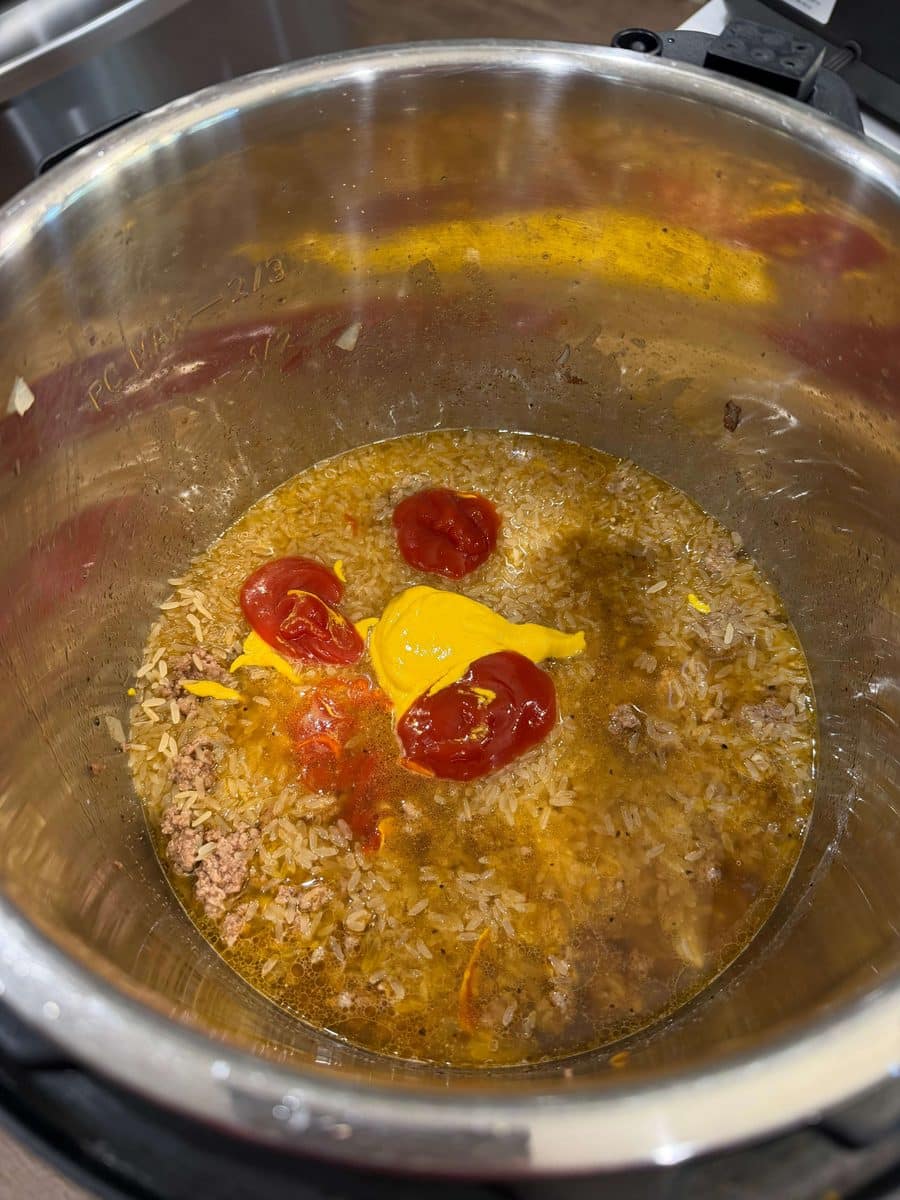
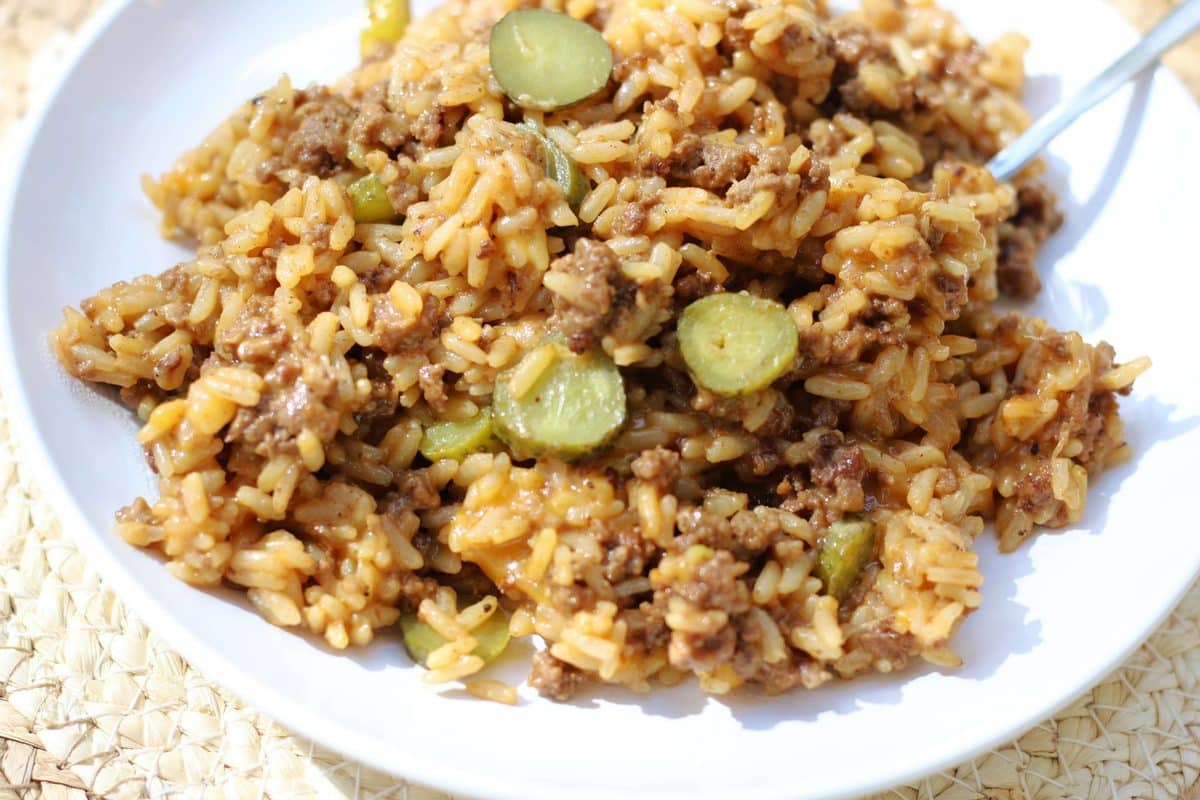
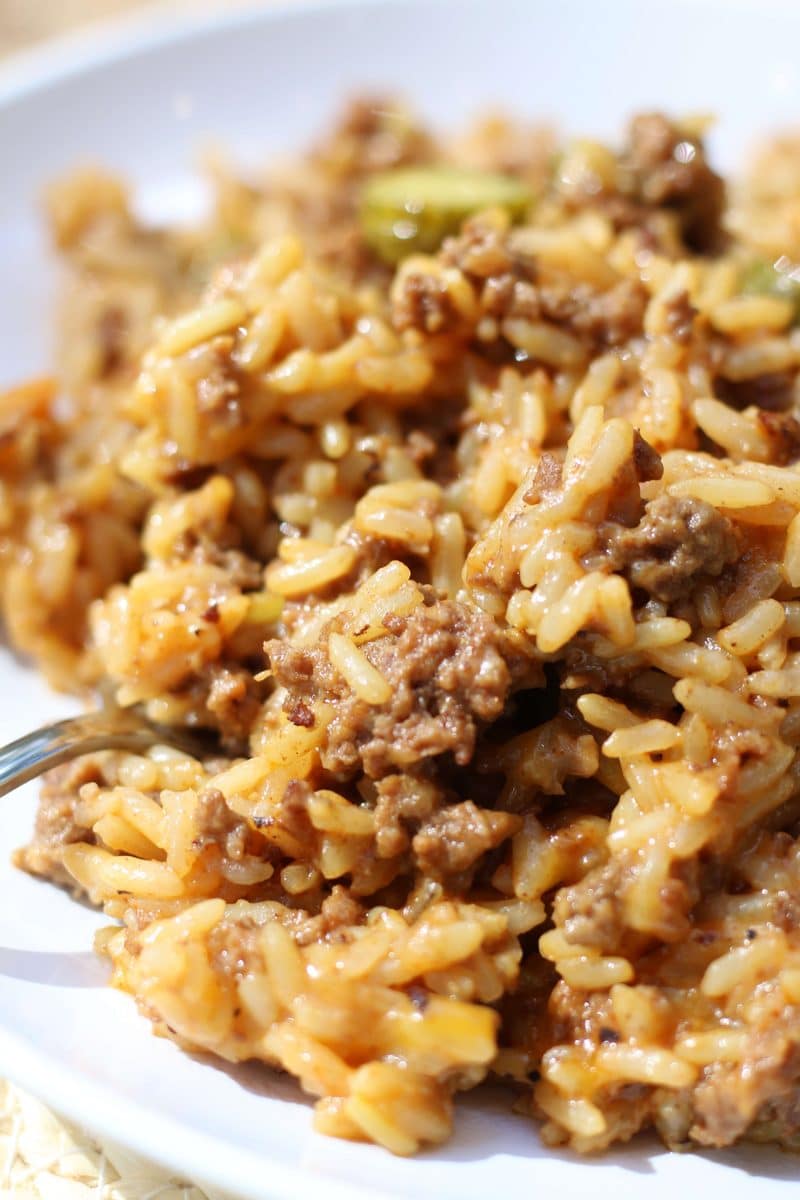
The Loaded Cheddar Burger Rice Casserole serves as a case study for this shift. By combining ground beef, long-grain rice, and a specific aromatic profile including ketchup, mustard, and dill pickle, the dish replicates the sensory experience of a fast-casual burger without the need for a grill or stove-top searing for the final product. This method is particularly efficient because the starches in the rice absorb the seasoned liquid, creating a naturally thickened texture that requires no additional binding agents or roux.
Culinary Methodology and Technical Execution
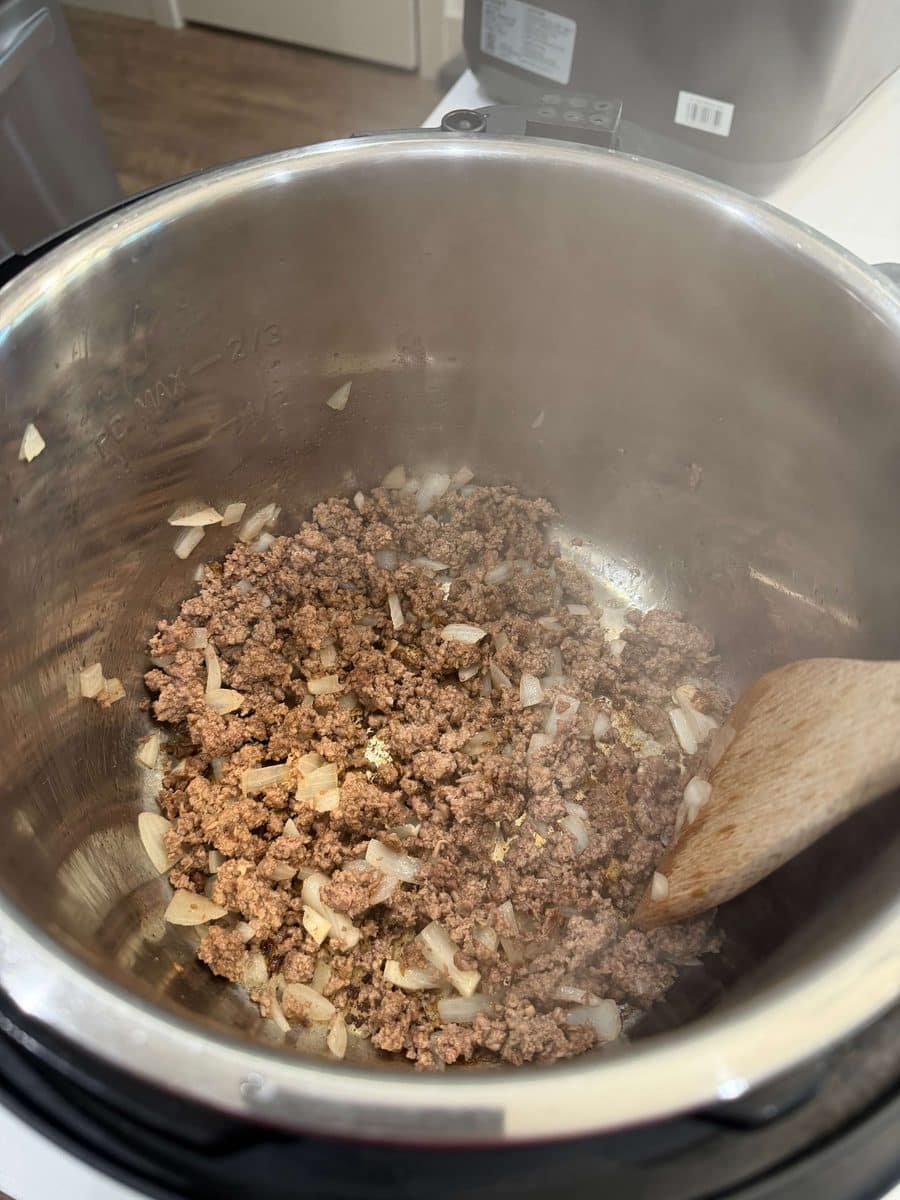
The preparation of this casserole follows a rigorous, time-sensitive protocol designed to maximize flavor extraction and texture consistency. The process begins with the "sauté" function, which is critical for the Maillard reaction. By browning the ground beef and onions directly in the base of the pot, the cook develops a foundational savory depth that cannot be replicated through boiling or steaming alone.
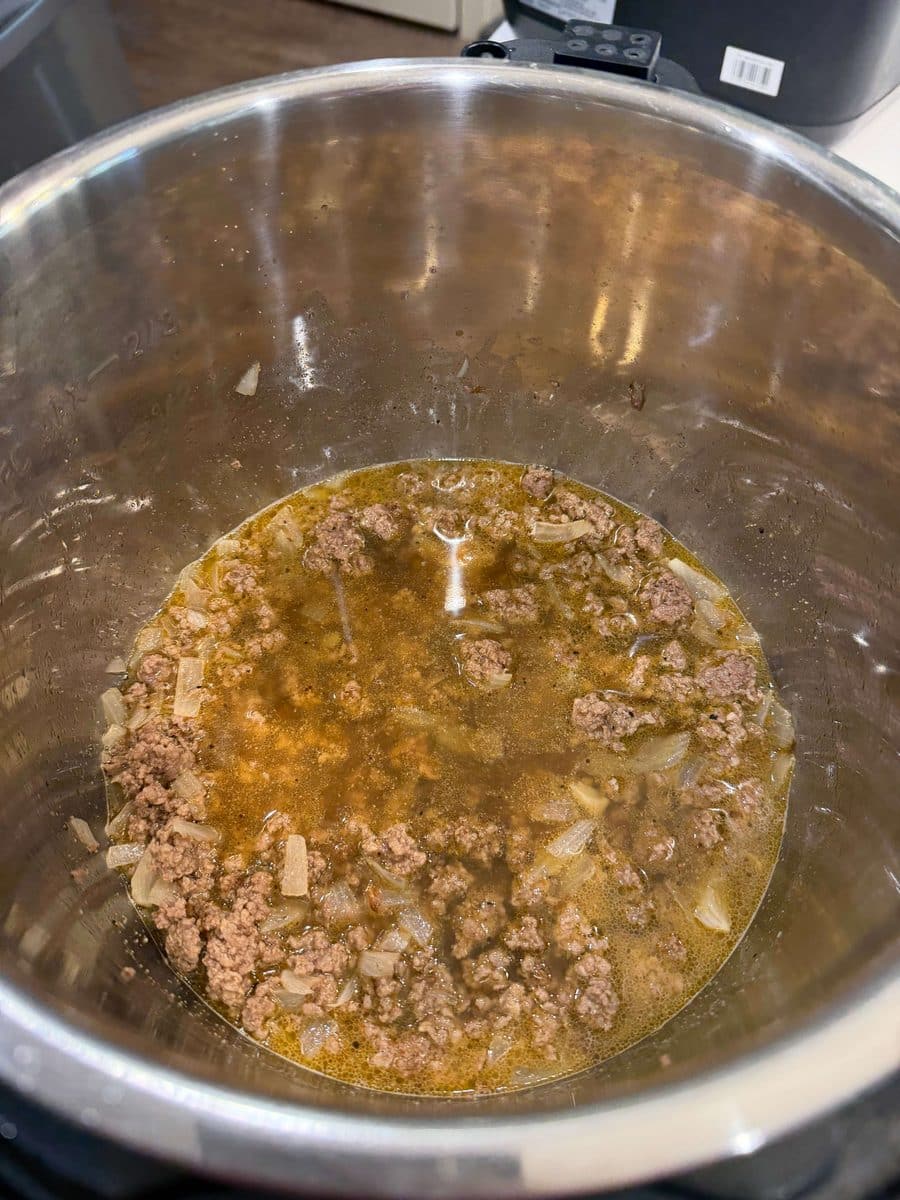
The subsequent stages of the preparation are as follows:
- Searing Phase: The ground beef is cooked until browned, and excess fat is removed. This step is essential to ensure the final casserole does not have an oily mouthfeel.
- Deglazing: The introduction of broth and pickle juice serves a dual purpose: it adds acidity to cut through the fat of the beef and cheese, and it deglazes the pot. Proper scraping of the base prevents the "burn" warning common in high-pressure cooking.
- Layering: Unlike traditional stovetop cooking, this recipe relies on a non-stirring technique during the pressure-cook phase. This is a deliberate design choice to prevent the rice from scorching at the bottom of the vessel.
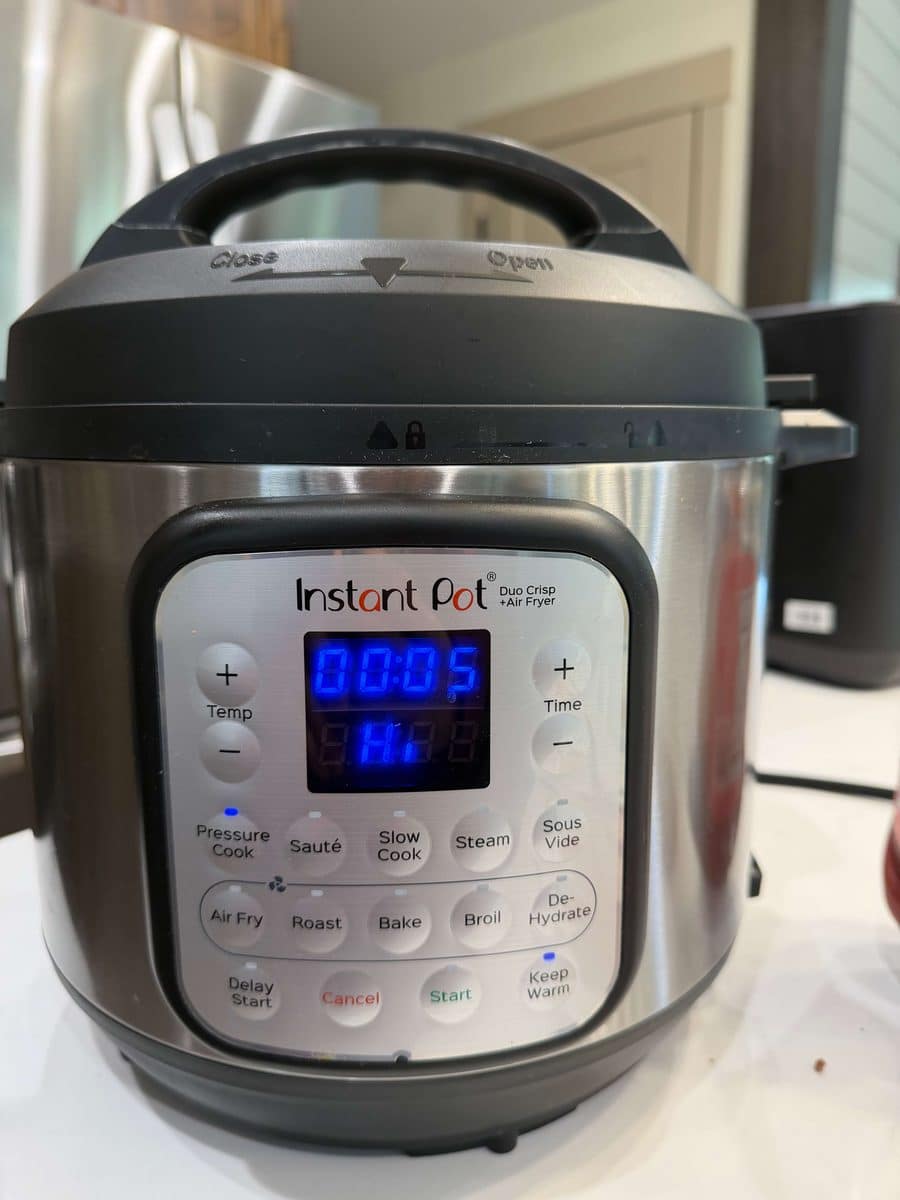
- Pressure Cook and Natural Release: The 5-minute cook time is followed by a 10-minute natural pressure release (NPR). This waiting period is standard in professional pressure cooking as it allows the internal temperature to stabilize and ensures the rice grains remain intact rather than turning into a starch-heavy paste.
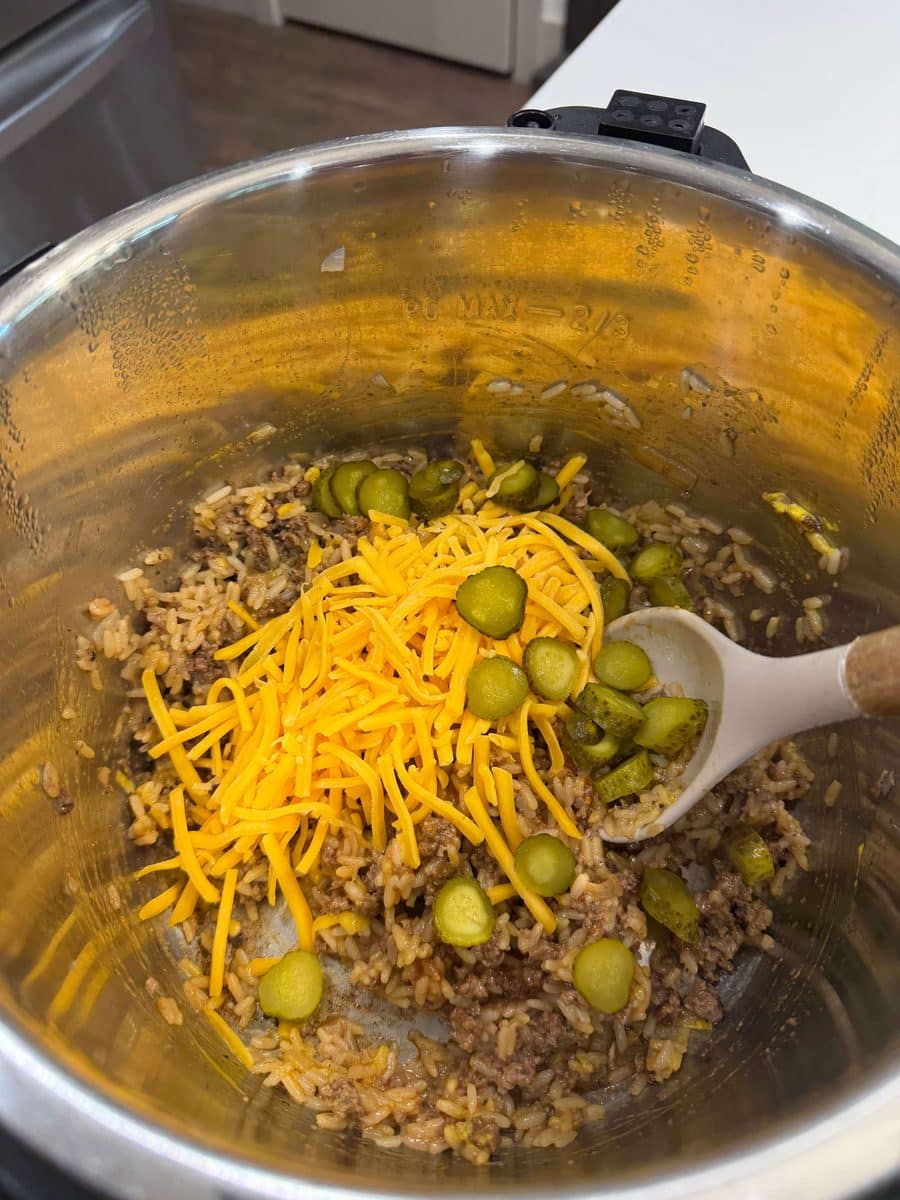
- Emulsification: The final addition of cheddar cheese and chopped dill pickles occurs after the pressure is released. The residual heat of the rice and beef is sufficient to melt the cheese into a creamy sauce, while the pickles provide a contrasting crunch and brightness.
Nutritional and Economic Implications
In an era of rising grocery costs, the shift toward "pantry-staple" cooking has seen a resurgence. This recipe relies on ingredients that have high shelf stability or long-term storage viability: dried rice, beef broth, common seasonings, and jarred condiments.
From a nutritional perspective, the dish provides a balance of macronutrients, though it is categorized as a comfort-heavy meal. The inclusion of dill pickles and pickle juice introduces fermented, vinegary notes that serve as a natural palate cleanser. According to recent food trend reports, the "pickle-flavored" profile has seen a 14% increase in search interest over the last twenty-four months, suggesting that consumers are increasingly seeking acidic, tangy profiles to balance the salt and fat content of meat-centric dishes.
Culinary Context and Consumer Reception
The reception of this dish in domestic environments mirrors a broader trend in "fusion comfort food." Rather than reinventing the meal, the strategy here is to reformat existing favorites. Feedback from home cooks who have experimented with this recipe highlights two primary advantages: time efficiency and texture. By eliminating the need to prepare a side dish of rice separately, the overall cleanup time is reduced by approximately 30% compared to a traditional stove-top burger and rice meal.
Industry experts note that recipes like this are frequently pinned and shared on digital platforms due to their high "success rate." Because the Instant Pot provides a controlled environment, the variance between a novice cook and an experienced one is minimized, leading to more consistent results. This predictability is a primary driver for the widespread adoption of one-pot recipes in suburban households.
The Impact of Modern Kitchen Infrastructure
The move toward automated cooking tools represents a significant change in how families prioritize their evening routines. The "set and forget" nature of the pressure cooker allows for a degree of multitasking that was previously impossible. When the machine is set to the pressure-cook phase, the operator is free to attend to other household responsibilities, which is a major factor in the popularity of such appliances.

Furthermore, the integration of digital recipe databases and filter-based search engines—such as those used to categorize recipes by meat type or appliance—has allowed home cooks to manage their pantry inventory more effectively. By utilizing filters, individuals can identify recipes that align with the ingredients they already have on hand, effectively reducing food waste.

Future Outlook
As culinary technology continues to advance, we can expect to see an increase in recipes that optimize the "one-pot" philosophy. The Loaded Cheddar Burger Rice Casserole is a prime example of how traditional American flavors are being adapted to meet the demands of a high-speed lifestyle. Future iterations of this dish may incorporate healthier variations, such as the use of leaner ground proteins or brown rice, provided that the liquid ratios are adjusted to account for the longer cooking time required by whole grains.
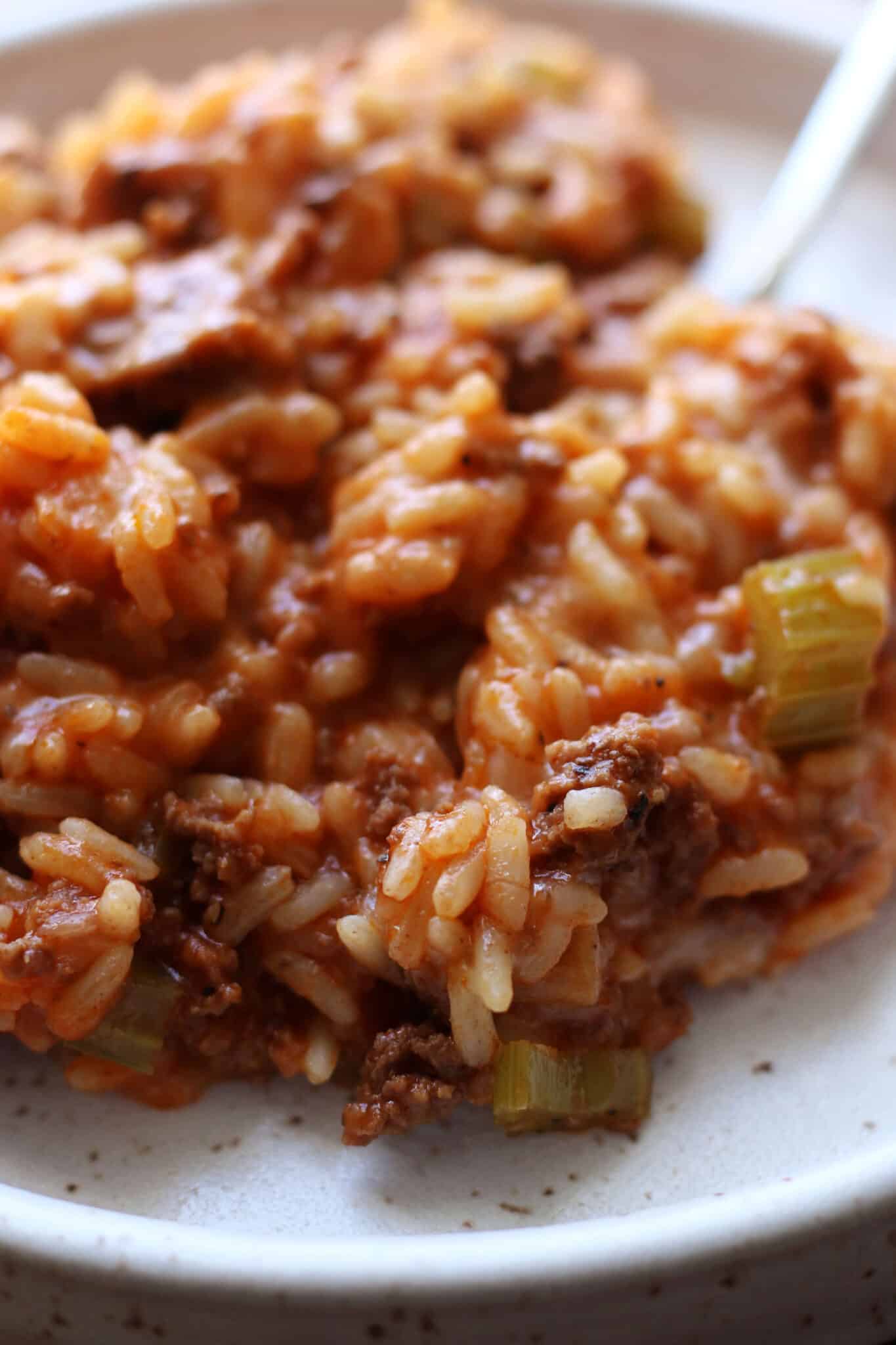
The success of this recipe lies not in its complexity, but in its ability to deliver a recognizable, satisfying flavor profile through a simplified, reliable technical process. It stands as a testament to the fact that modern technology does not need to remove the "soul" of home cooking; rather, it can act as a bridge, allowing busy individuals to maintain the tradition of a home-cooked meal without the associated time commitment. As such, it remains a staple in the repertoire of those looking to balance efficiency with flavor in the modern kitchen.
