

The development of one-pan pasta techniques has gained significant momentum in the culinary industry over the past decade. By allowing starches to cook directly in the sauce, the technique utilizes the starch released during the boiling process to thicken the liquid, resulting in a more cohesive texture and reducing the requirement for multiple pieces of cookware. This method, often categorized under "streamlined gastronomy," has become a staple for households seeking to balance nutritional intake with the constraints of modern, fast-paced lifestyles.
The Nutritional and Economic Context of Zucchini Consumption
Zucchini, or Cucurbita pepo, remains one of the most productive crops for home gardeners and commercial farmers alike. According to agricultural data from the United States Department of Agriculture (USDA), zucchini production peaks during the mid-summer months, often leading to a surplus in local markets. This seasonal abundance presents a logistical challenge for consumers, who frequently seek methods to incorporate high volumes of the squash into their daily diets.
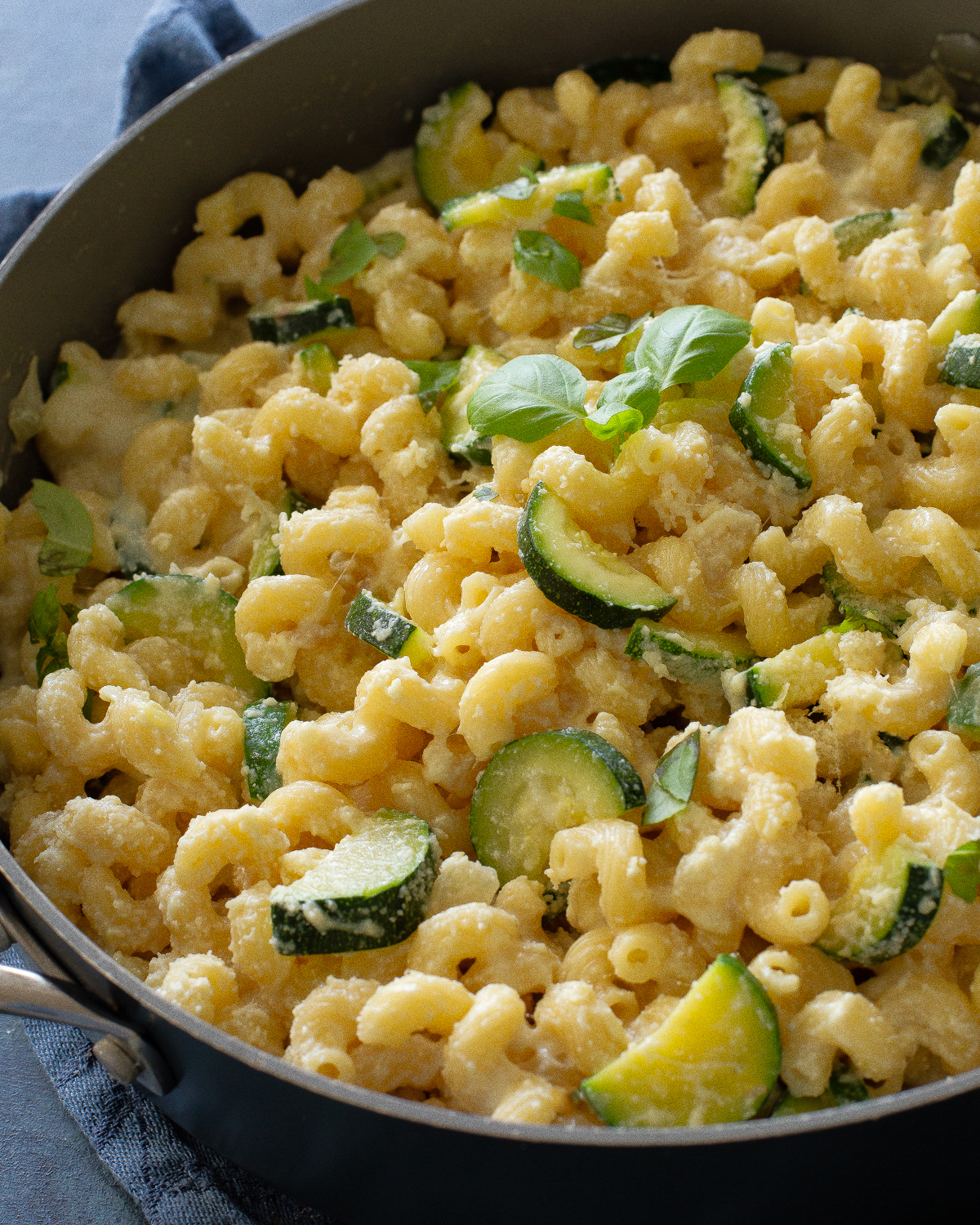
Nutritionally, zucchini is prized for its low caloric density and high water content, while also providing essential micronutrients such as Vitamin C, potassium, and folate. When paired with protein-dense ingredients like ricotta, mozzarella, and Parmesan, as seen in modern one-pan pasta recipes, the vegetable acts as a functional base that lightens the overall fat profile of the meal while adding textural depth. The integration of squash into pasta dishes is a long-standing tradition in Mediterranean cuisine, though the adaptation into a single-pan method is a relatively recent innovation designed to address modern time constraints.
Evolution of the One-Pan Cooking Methodology
The shift toward one-pan cooking can be traced to a broader movement within the food industry that prioritizes "minimalist cooking." Historically, pasta preparation required a large pot of boiling water, a colander, and a separate skillet for the sauce. The one-pan method disrupts this sequence by managing the water-to-pasta ratio precisely.
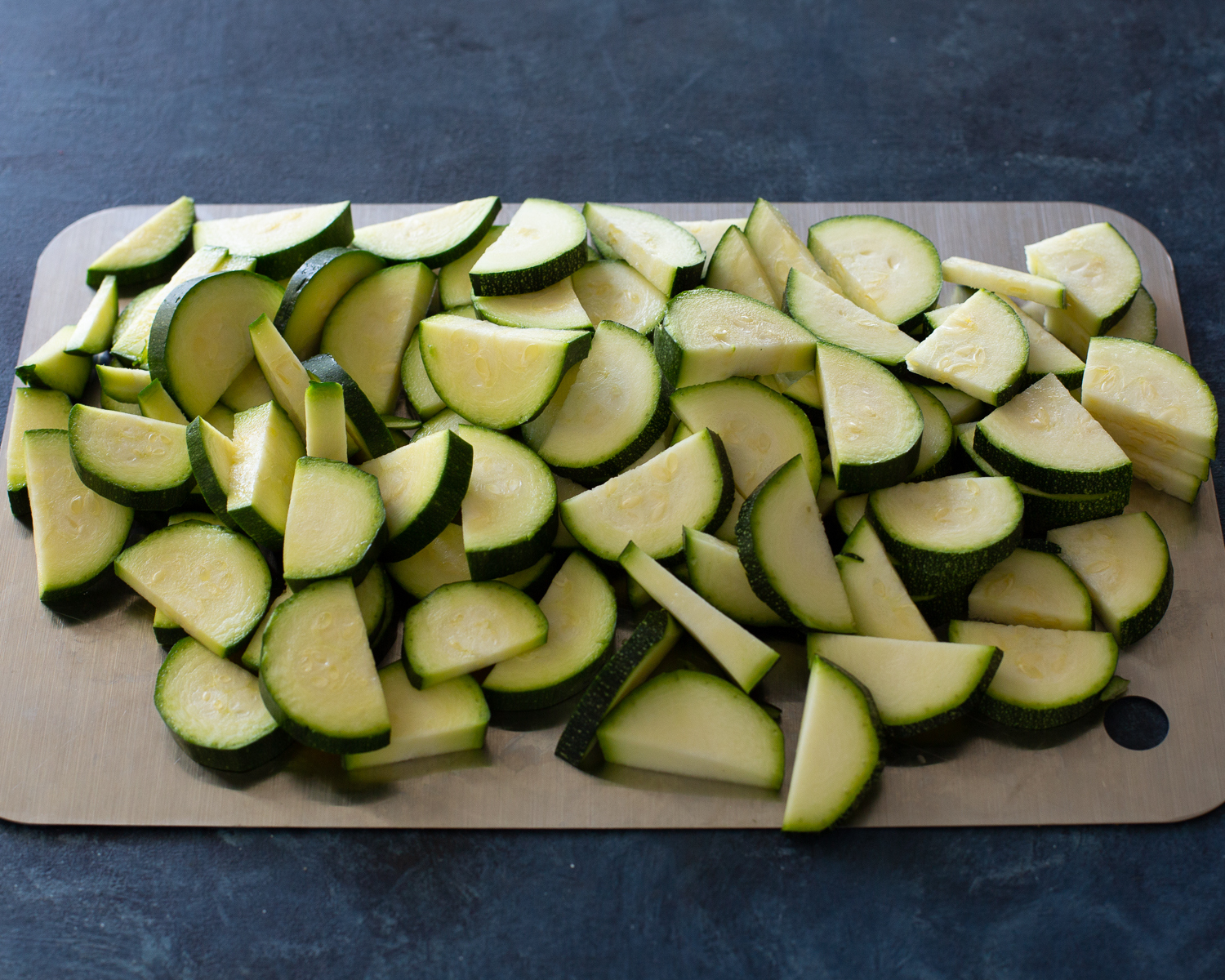
In this specific recipe, the inclusion of zucchini and yellow squash at the beginning of the cooking process allows the moisture released from the vegetables to contribute to the liquid medium. This not only preserves the nutrients that would otherwise be discarded in boiling water but also infuses the pasta with the subtle, grassy flavor of the summer squash.
Chronology of Culinary Adoption
- Early 2010s: The rise of "one-pot pasta" gained mainstream traction as cooking blogs and digital platforms began promoting recipes that required no draining of pasta water.
- 2015–2018: Research into kitchen efficiency suggested that consumers were spending 30% less time on meal preparation when utilizing single-vessel techniques.
- 2020–2022: The COVID-19 pandemic accelerated the adoption of simplified cooking methods as consumers prioritized pantry staples and reduced trips to the grocery store, leading to a surge in creative uses for seasonal vegetables like zucchini.
- 2024: The refinement of the "Creamy Zucchini Pasta" template represents the current maturity of this trend, where the focus has shifted from mere convenience to high-quality, chef-inspired flavor profiles using dairy components like ricotta to achieve a restaurant-grade texture.
Analytical Overview of Ingredient Synergy
The success of this dish relies on the chemical interaction between the dairy components and the vegetable-infused starch. Ricotta provides a grainy, creamy base; mozzarella offers the necessary elasticity; and Parmesan contributes the savory, umami-rich saltiness required to balance the natural sweetness of the zucchini.
From a nutritional science perspective, the inclusion of fat-soluble vitamins found in the squash—such as Vitamin A—is enhanced by the presence of fats in the cheeses. This synergy ensures that the dish is not only satisfying in flavor but also nutritionally balanced, provided that portion sizes are regulated. Analysts observe that such recipes are increasingly being adopted by nutritionists as a gateway for families to increase vegetable consumption among children, as the creamy texture of the sauce masks the occasionally fibrous nature of the squash.
Industry Implications and Market Trends
The commercial impact of such recipes extends to the grocery retail sector. During peak harvest seasons, supermarkets often observe a correlation between the promotion of "one-pan" recipe concepts and an increase in sales of seasonal produce. By providing consumers with clear, actionable ways to utilize perishable items, retailers can reduce food waste at the consumer level—a significant objective for sustainable food systems.
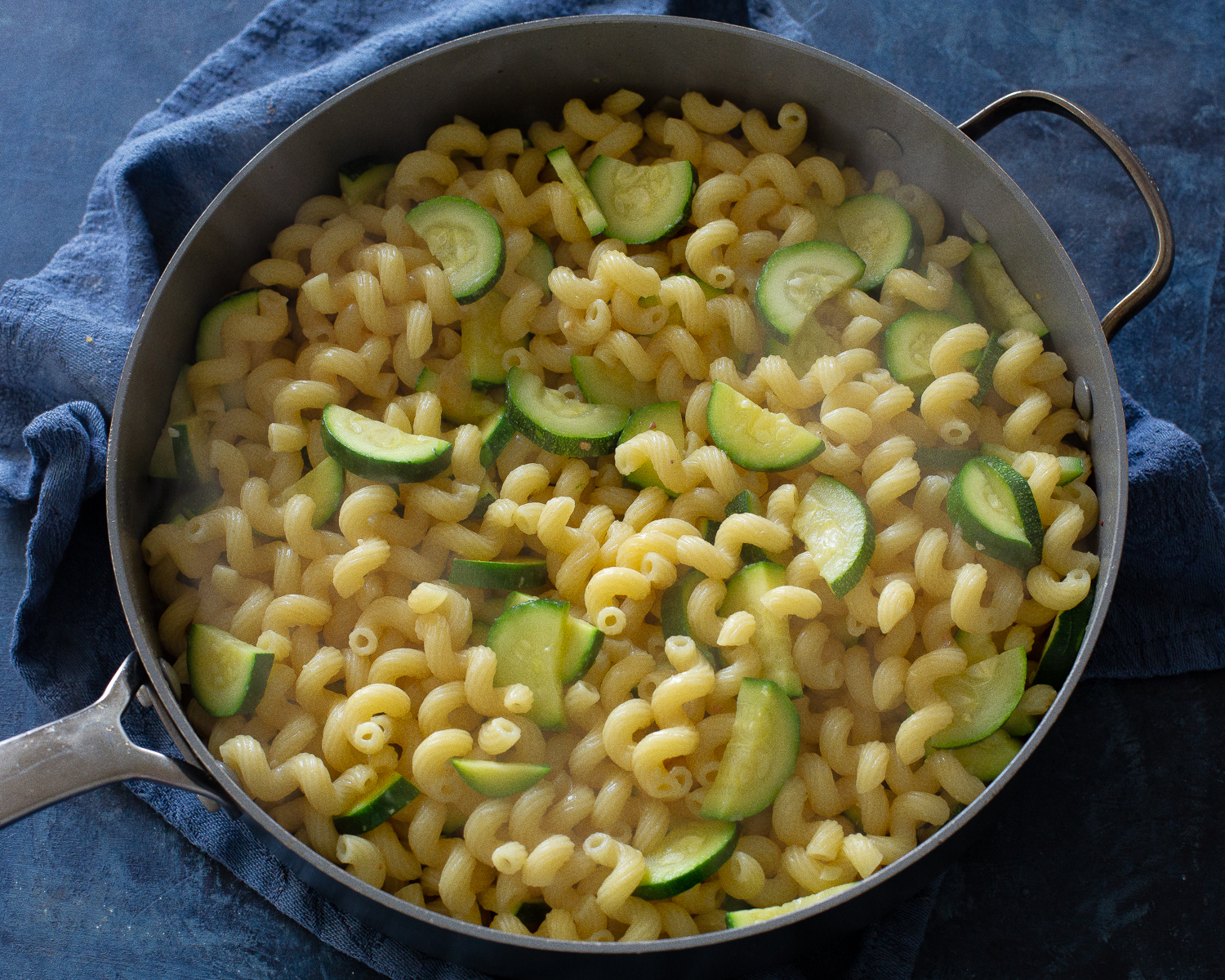
Furthermore, the popularity of these recipes has spurred demand for "recipe-ready" produce, such as pre-sliced zucchini or pre-grated high-quality cheese blends. This indicates a shift in the market where convenience is not just about the recipe itself, but the entire lifecycle of the ingredients.
Public Reception and Cultural Impact
Professional chefs and home cooking experts have weighed in on the rise of the one-pan phenomenon. Many argue that while traditional pasta methods (al dente, separate sauce) provide a specific textural outcome, the one-pan method offers a "flavor-fusion" result that is distinct and valuable.
"The efficiency of the modern home kitchen is dictated by the ability to multitask," says one culinary consultant. "Recipes like this are not just about food; they are about time management. By removing the need for a colander and a secondary sauce pan, the barrier to entry for cooking a fresh, vegetable-heavy meal at home is significantly lowered."
Broader Impact on Home Cooking
The integration of seasonal gardening logic with modern convenience is a defining feature of the contemporary home kitchen. As the cost of living fluctuates and consumers remain conscious of grocery expenditures, recipes that maximize the utility of abundant, seasonal produce like zucchini are likely to maintain their popularity.
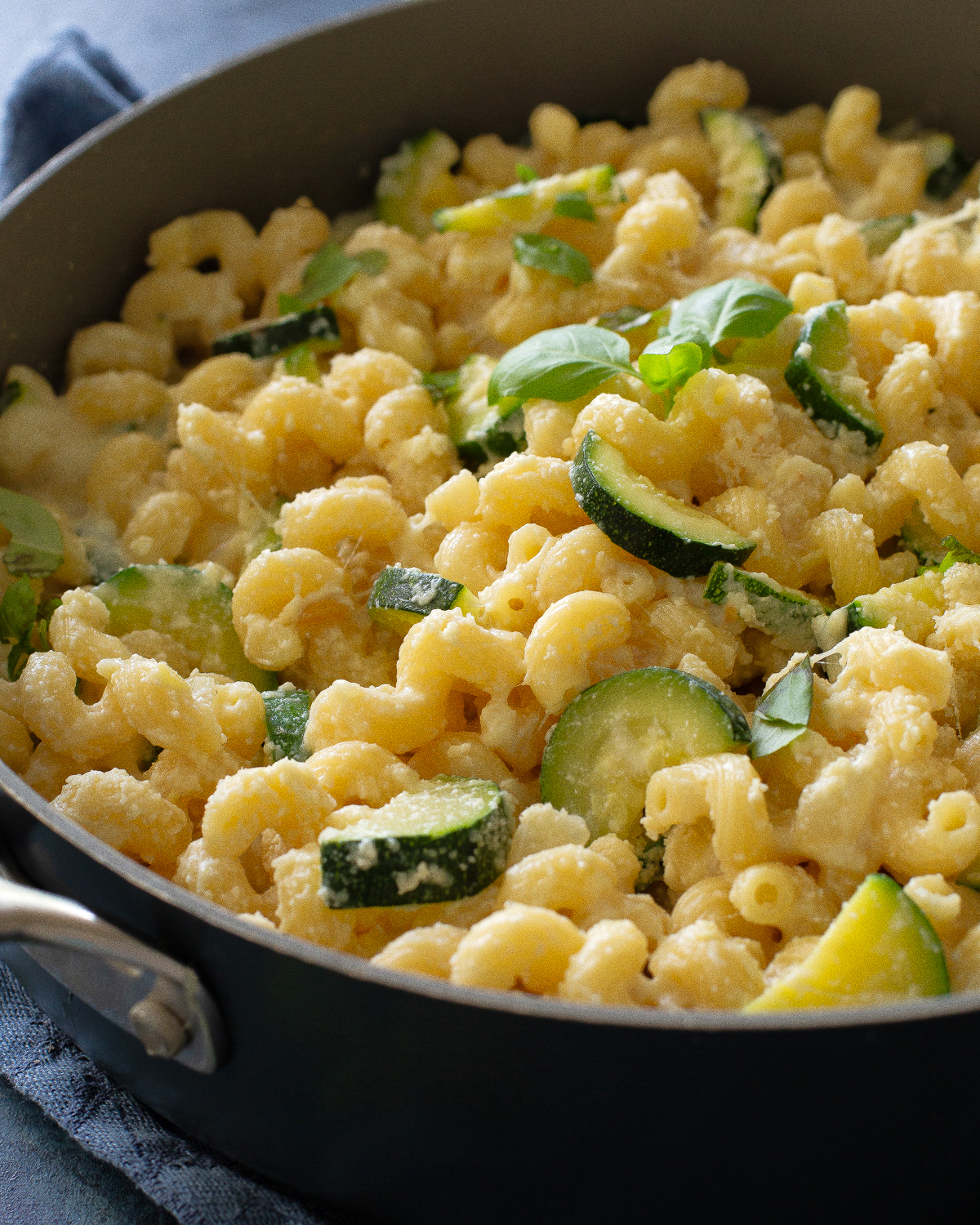
The "One-Pan Creamy Zucchini Pasta" serves as a case study for how traditional culinary elements—pasta and squash—can be reconfigured to suit contemporary demands for speed, ease of cleanup, and nutritional value. As digital platforms continue to democratize professional culinary techniques, the reliance on such methods will likely expand, further cementing the role of one-pan cooking in the global kitchen lexicon.
The future of this trend remains optimistic, with potential for further innovation involving alternative grains, gluten-free pasta varieties, and plant-based dairy substitutes. For the home cook, the focus remains on the versatility of the base recipe, which allows for the substitution of various vegetables depending on regional availability and personal preference, reinforcing the adaptive nature of this culinary movement.
