
Historical Context and Culinary Evolution
The origins of the bar-style dessert can be traced back to the early 20th century, as industrial advancements in oven technology and the widespread availability of shelf-stable ingredients like flour and sugar made such recipes accessible to the home cook. The specific iteration of the Caramel Apple Cheesecake Bar serves as a modern adaptation of classic Southern baking traditions. Often associated with the influence of television personalities like Paula Deen, who popularized the "cheesecake bar" format in the early 2000s, the recipe has undergone iterative improvements by culinary bloggers and home chefs over the last decade.
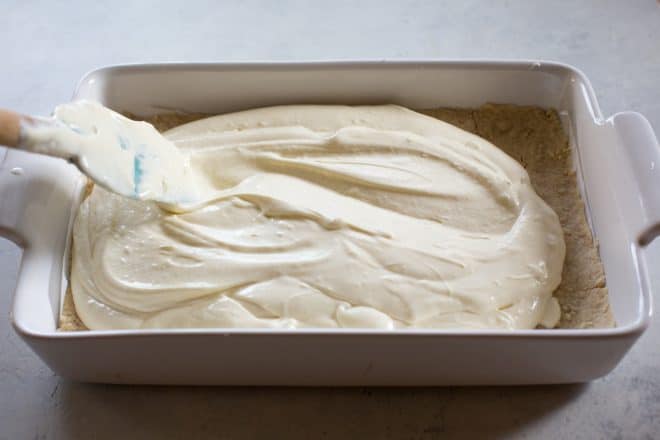
The current trend toward "elevated comfort food" has driven home bakers to experiment with ingredient ratios to achieve better texture balance. Recent modifications, such as increasing the volume of the cheesecake layer by approximately 50 percent, aim to provide a more harmonious mouthfeel, ensuring the density of the filling matches the structural weight of the shortbread crust and the texture of the streusel topping.
Structural Anatomy of the Dessert
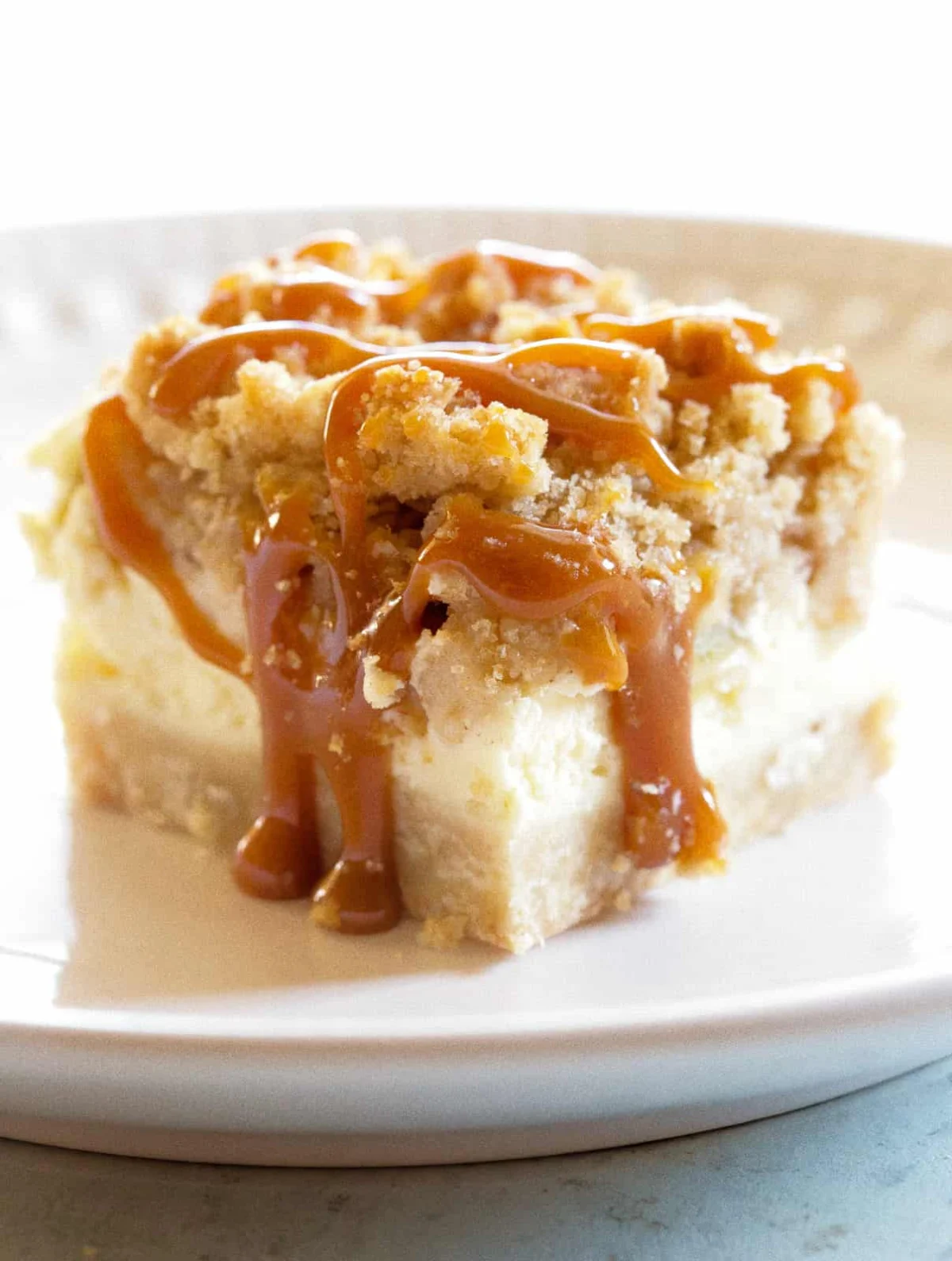
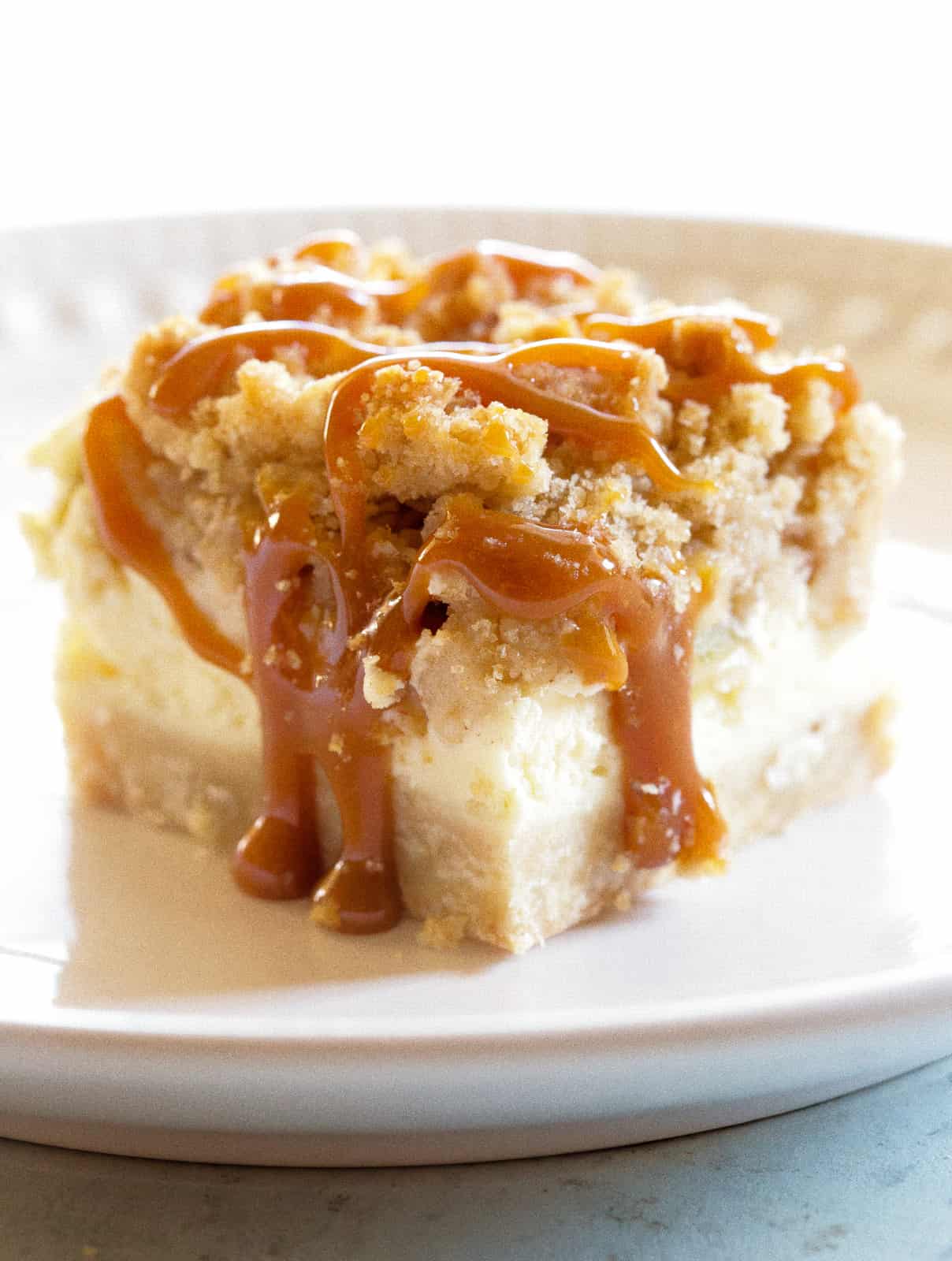
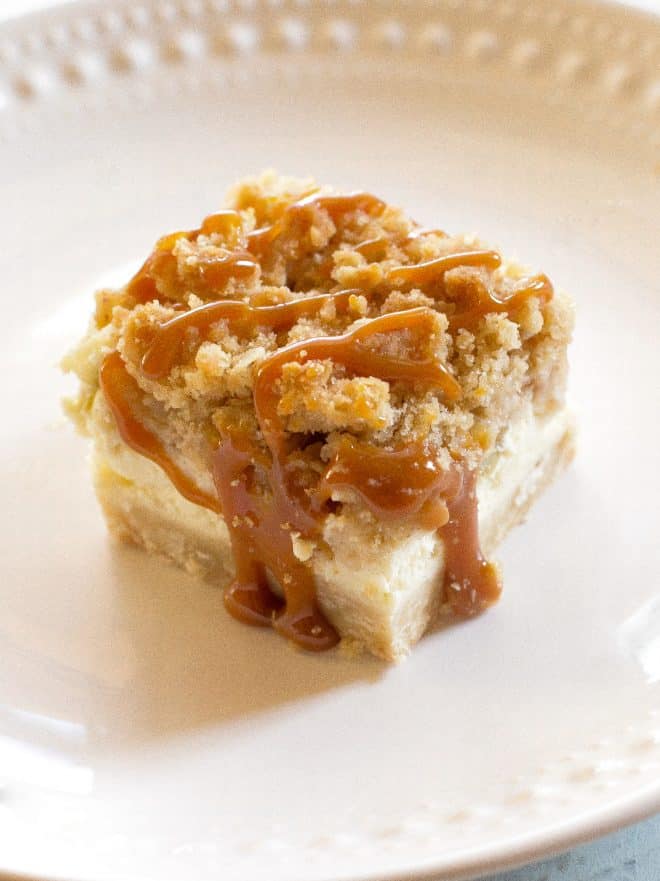
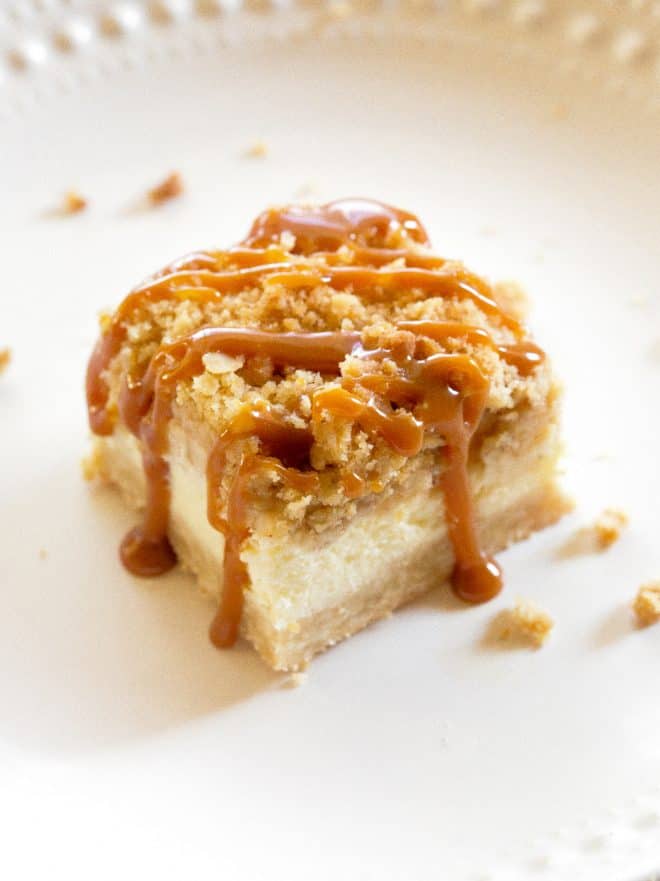
From a technical culinary perspective, the success of the Caramel Apple Cheesecake Bar relies on the precise layering of distinct textures. The process begins with a shortbread crust, which acts as the foundation. Unlike a pastry crust, which is often flaky and light, the shortbread provides a stable, buttery base that prevents the moisture from the apple layer and the fat content of the cream cheese from migrating into the bottom of the dessert.
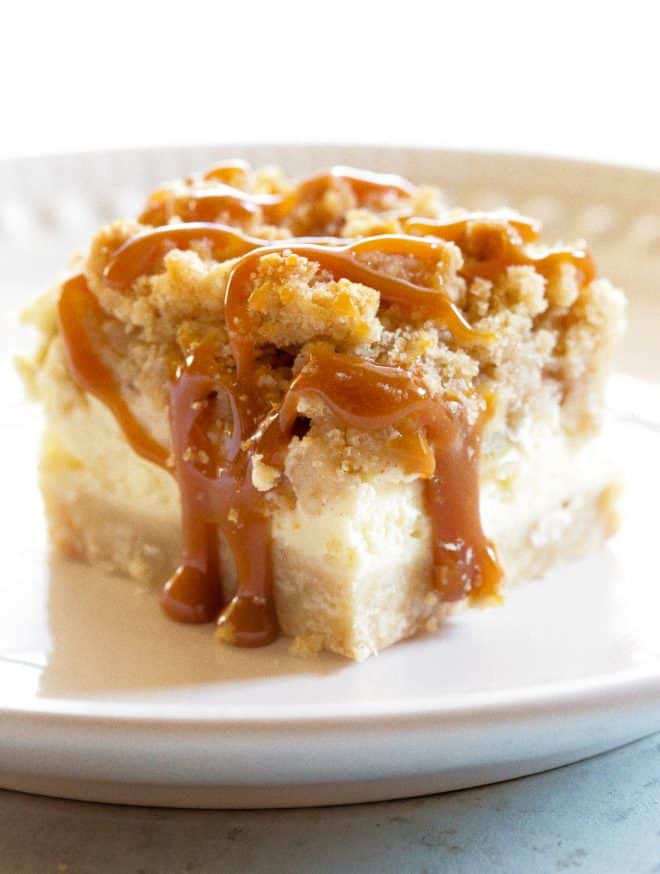
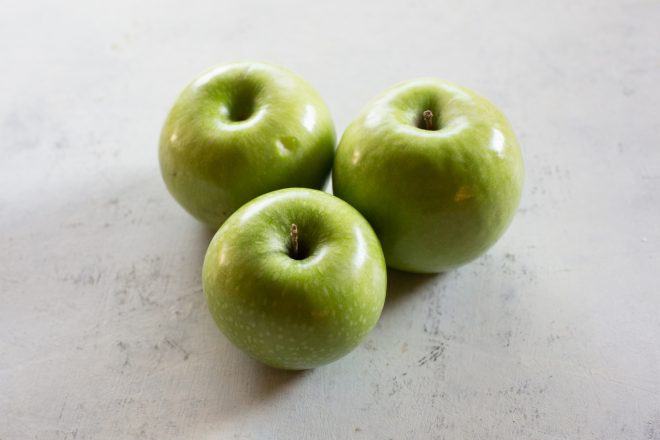
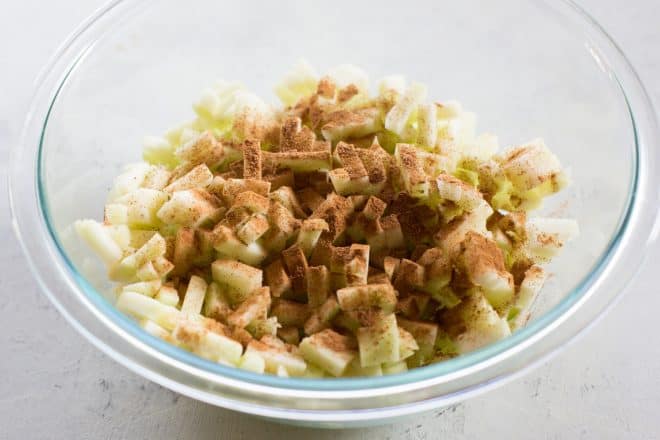
The second tier, the cheesecake layer, is a suspension of cream cheese, sugar, and emulsifiers. By expanding this layer, bakers have reported a more consistent bake, as the increased mass allows for a slower, more uniform heat distribution. The third layer—the diced apples—provides the primary flavor profile. The industry standard for this application is the Granny Smith apple, chosen specifically for its high acidity and firm cellular structure. These traits are critical, as they prevent the fruit from disintegrating into an unappealing mash during the baking process.
The final layer, the streusel topping, serves a dual purpose: it adds a textural contrast and provides a protective barrier that prevents the apple moisture from evaporating too quickly, thereby keeping the fruit tender. The addition of a thick, viscous caramel drizzle, typically applied post-bake, serves as the final flavor harmonizer, bridging the gap between the tartness of the apples and the richness of the cheese.
Seasonal Consumption Patterns
Data regarding seasonal dessert consumption indicates a sharp uptick in interest for apple-based recipes between late August and early November. This period corresponds with the peak harvest season in the United States, particularly in regions such as the Pacific Northwest and the Hudson Valley. Search volume and social media engagement metrics show that "apple-based desserts" consistently rank in the top five most-searched baking categories during the third quarter of the year.
The demand for these recipes is largely driven by the psychological association of cinnamon, nutmeg, and warm fruit with the onset of cooler weather. Furthermore, the efficiency of bar-style recipes—which yield 24 servings or more—aligns with the social requirements of the autumn season, such as school functions, community gatherings, and holiday events.
Preservation and Food Science
One of the most frequent inquiries regarding these desserts concerns their storage and shelf life. Food safety standards dictate that any product containing high-protein, high-moisture dairy components—such as cream cheese—must be stored under refrigeration. When properly sealed, these bars can remain stable for up to five days at temperatures below 40 degrees Fahrenheit (4 degrees Celsius).
For those looking to extend the shelf life, cryopreservation is an effective method. The high fat content in the cream cheese and butter makes this dessert an excellent candidate for freezing. When wrapped in airtight layers of plastic and foil, the structural integrity of the bars remains intact for up to four months. Culinary experts recommend, however, that the caramel drizzle be withheld until the point of service, as the sugar content in the caramel can cause it to lose its viscosity or become syrupy if subjected to the thawing process.
Economic and Culinary Implications
The persistence of recipes like the Caramel Apple Cheesecake Bar highlights a broader trend in domestic food production: the "prosumer" movement, where home bakers utilize professional-grade techniques to replicate high-end bakery results. This has led to an increase in the purchase of specialty baking equipment, such as heavy-duty springform pans and precise digital scales, which are becoming standard in modern kitchens.
Furthermore, the adaptability of this recipe serves as a case study in culinary modularity. By substituting the fruit variety or the nut composition in the streusel, bakers can tailor the recipe to local availability or specific dietary preferences. This versatility is likely the primary reason for the recipe’s endurance. Unlike more ephemeral food trends that rely on novelty, the Caramel Apple Cheesecake Bar relies on foundational flavor profiles that remain universally appealing across different demographics.
Professional Guidance for Optimal Results
Culinary analysts suggest that the key to mastering this dessert lies in the "rest period." Because the cheesecake layer requires time for the proteins to set, the dessert is best served after at least four hours of refrigeration. This allows the fats to solidify, creating the signature "clean cut" that characterizes a professional-looking bar.
When choosing apples, while the Granny Smith is the standard for its tartness, the inclusion of a secondary, sweeter variety—such as a Honeycrisp or a Fuji—can introduce a more complex flavor profile. This blending technique, common in professional baking, creates a layered sweetness that prevents the dessert from becoming cloying.
Ultimately, the Caramel Apple Cheesecake Bar represents a synthesis of convenience and indulgence. As consumer interest in "from-scratch" baking continues to climb, recipes that offer a balance of manageable preparation time and high-quality sensory output will continue to dominate the culinary landscape. Whether served as a standalone treat or as part of a larger dessert spread, these bars continue to hold a significant, if quiet, importance in the American home baking tradition.
