
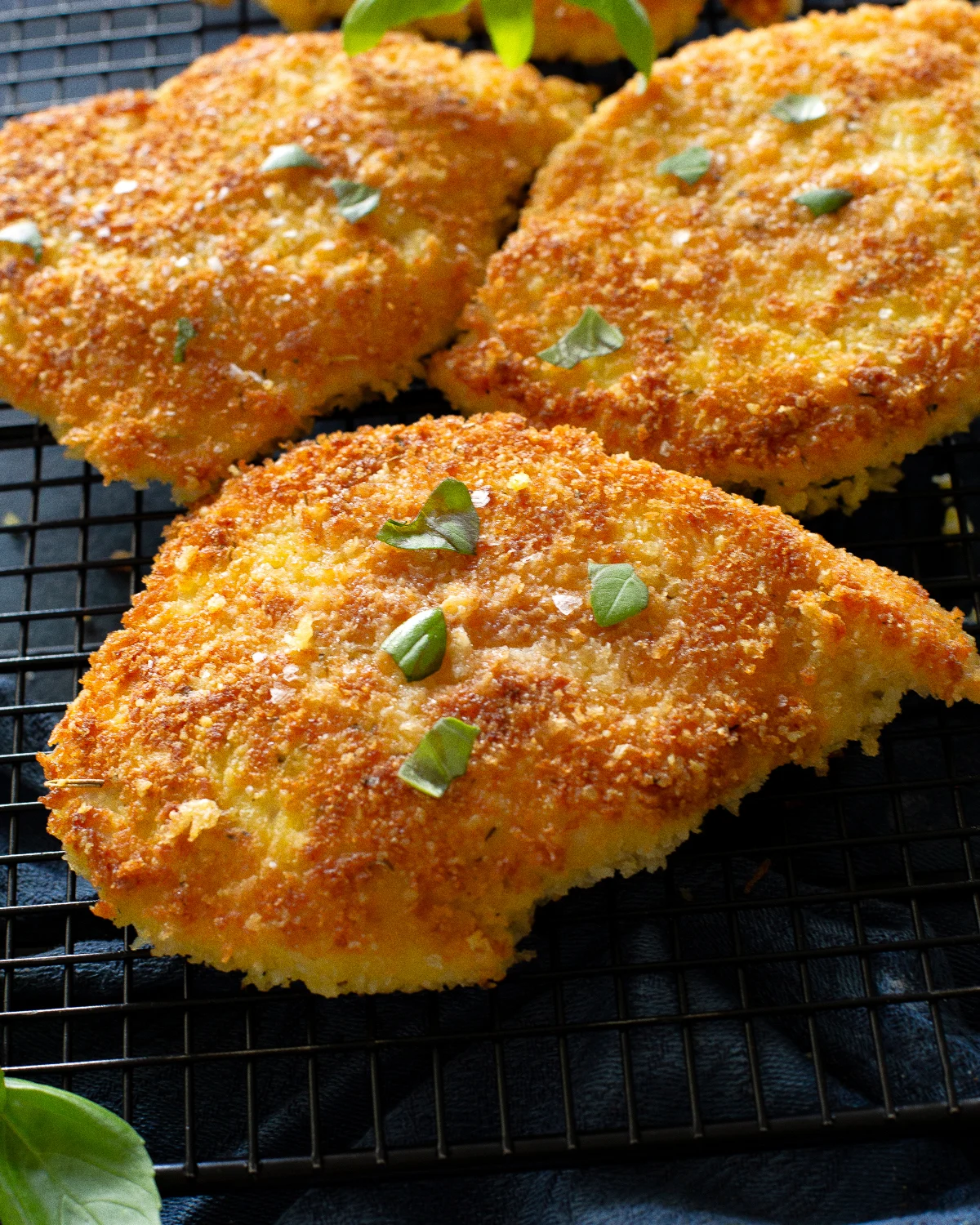
The culinary evolution of the chicken cutlet has transitioned from a traditional Mediterranean staple to a cornerstone of modern domestic convenience cooking. Characterized by a thin, breaded, and pan-fried profile, the Parmesan chicken cutlet represents a significant intersection of Italian-American culinary traditions and the contemporary demand for high-efficiency meal preparation. As households increasingly seek nutritious yet time-sensitive dinner options, the popularity of the cutlet has surged, solidifying its place as a reliable, scalable, and versatile protein source.
Historical Context and Culinary Evolution
The origins of the breaded chicken cutlet are deeply rooted in the broader category of "scallopine" or "cotoletta." While the most famous iteration, the Cotoletta alla Milanese, utilizes veal and a specific frying technique in clarified butter, the American adaptation has favored poultry as a more accessible and cost-effective alternative.
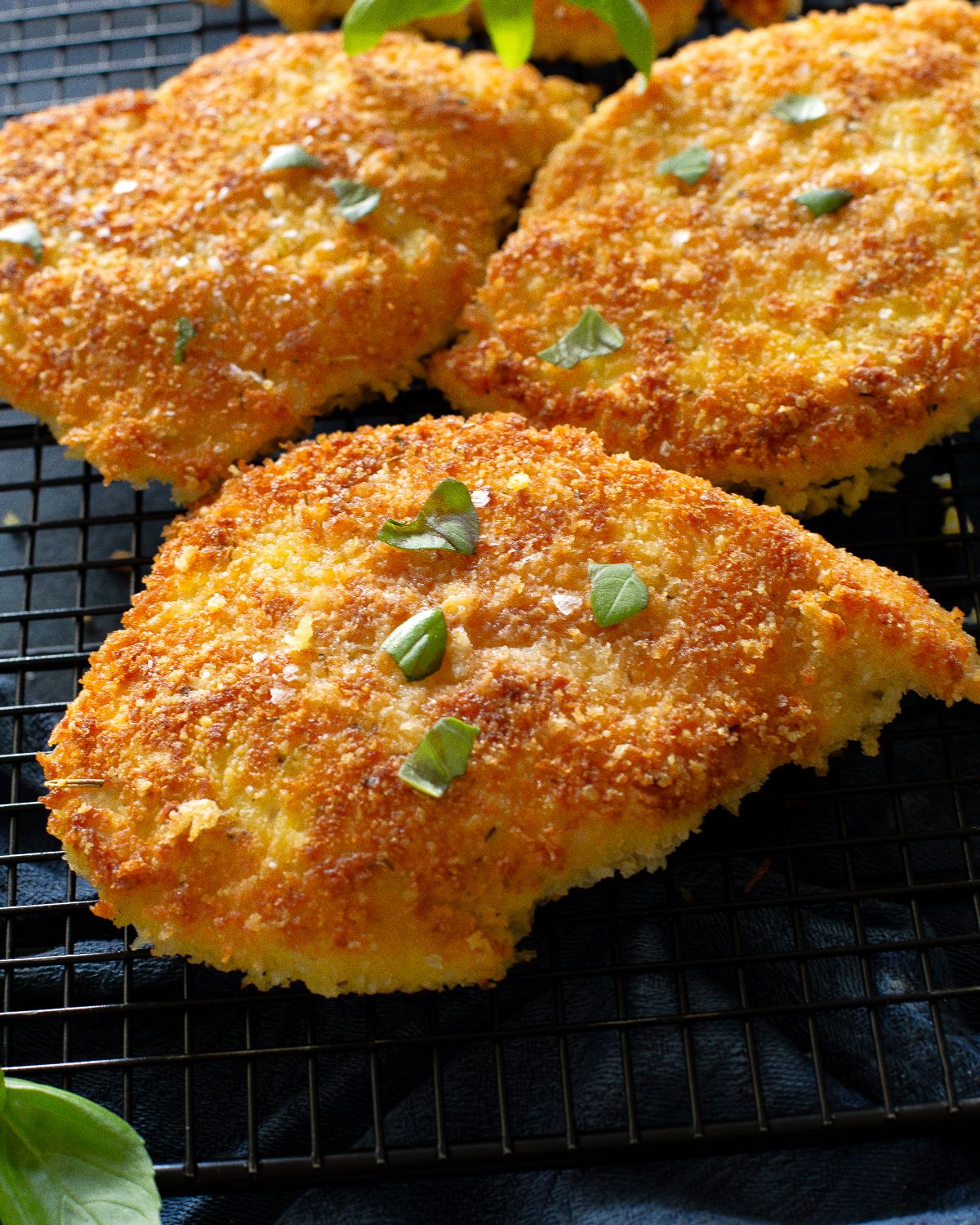
During the mid-20th century, as Italian immigration expanded throughout North America, regional recipes underwent a process of domestic adaptation. The inclusion of Parmesan cheese in the breading mixture—a deviation from some traditional European styles—was designed to enhance the savory "umami" profile of the crust. This modification transformed the cutlet into a dish that appeals to a wide demographic, effectively acting as an elevated, adult-oriented evolution of the chicken nugget.
The Anatomy of a Successful Cutlet
Achieving the ideal Parmesan chicken cutlet requires a precise balance of temperature control, protein thickness, and moisture retention. Culinary experts generally agree that the thickness of the chicken breast is the most critical variable. By using a meat mallet to pound the chicken to a uniform thickness of approximately one-quarter to one-half inch, the cook ensures that the meat reaches a safe internal temperature of 165°F (74°C) at the exact moment the exterior reaches an optimal golden-brown crispness.
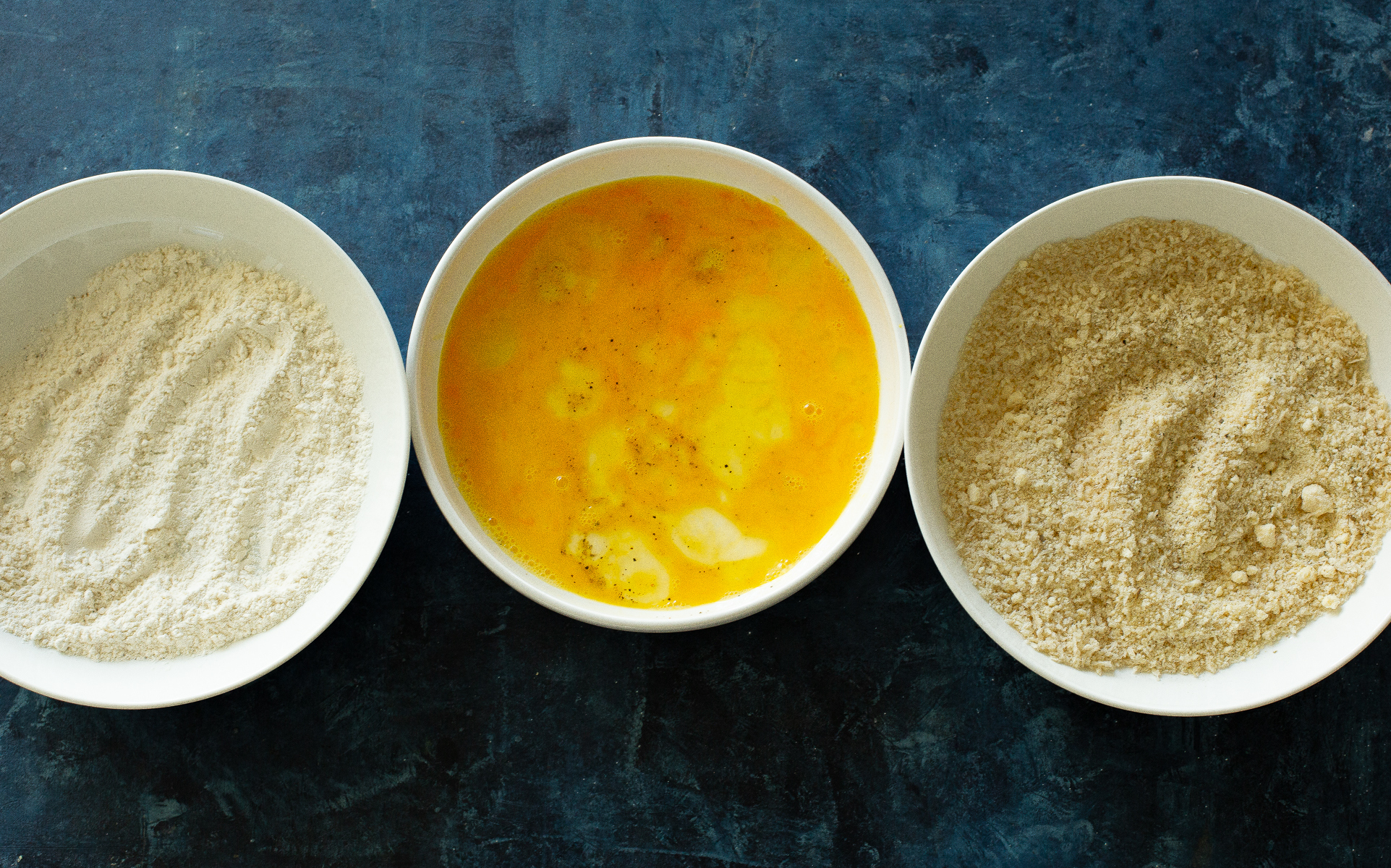
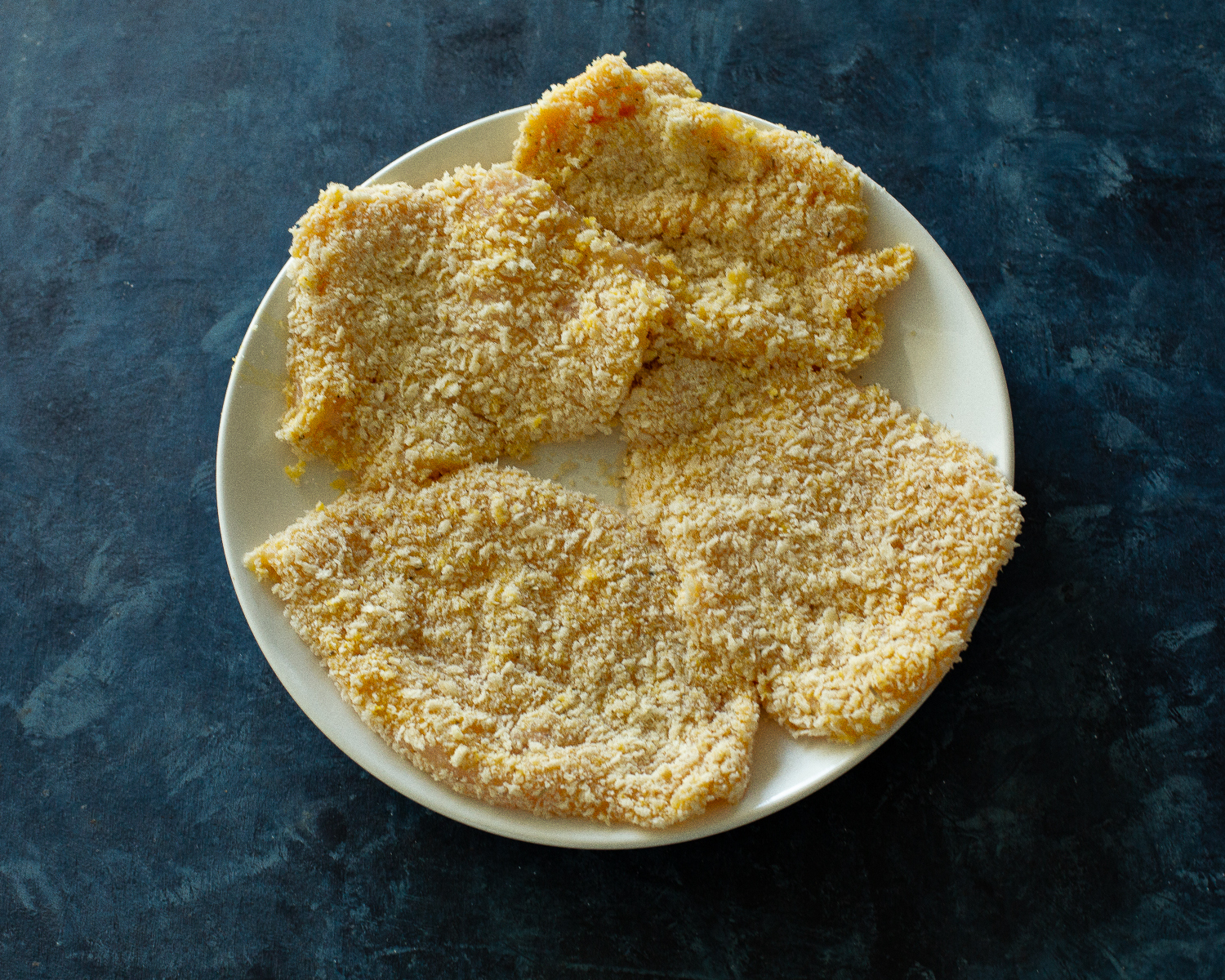
The "dredging" process—the sequence of flour, egg wash, and a breadcrumb-Parmesan mixture—serves a specific chemical purpose. The flour acts as an adhesive, the egg provides the binding agent, and the breadcrumb-Parmesan layer acts as an insulator, protecting the protein from the direct heat of the oil while creating a textured, crunchy exterior.
Supporting Data on Household Meal Trends
Recent trends in home economics indicate that poultry remains the most consumed protein in the United States. According to the National Chicken Council, per capita consumption of chicken has risen consistently over the last decade, surpassing 100 pounds per person annually. The rise in popularity of quick-cook preparations like the chicken cutlet is a direct response to the "time-poor" demographic profile of the modern workforce.
Nutritional studies suggest that when prepared with lean breast meat and shallow-fried in heart-healthy oils such as avocado or olive oil, the chicken cutlet serves as a viable, protein-rich dinner solution. While the breading adds carbohydrates, the total caloric density remains significantly lower than that of deep-fried fast-food alternatives, which often utilize trans-fat-heavy frying mediums and processed additives.
Chronology of Preparation
To ensure culinary success, professional kitchens and home cooks alike follow a standardized procedural workflow:
- Protein Preparation (T-minus 15 minutes): Chicken breasts are sliced horizontally and pounded to uniform thickness. Uniformity is the primary factor in preventing uneven cooking.
- Seasoning and Dredging (T-minus 10 minutes): A three-station setup is established. The first contains seasoned flour (salt, pepper, garlic powder), the second contains beaten eggs, and the third contains a mixture of Panko or breadcrumbs and finely grated Parmesan cheese.
- The Maillard Reaction (T-minus 5 minutes): The cutlets are introduced to a preheated pan containing a thin layer of oil. The pan must be hot enough to initiate the Maillard reaction—the chemical reaction between amino acids and reducing sugars that gives browned food its distinctive flavor—without burning the cheese-laden crust.
- Service (T-0): The cutlets are removed once the internal temperature is confirmed and allowed to rest briefly, which allows the juices to redistribute within the muscle fibers.
Comparative Analysis: Milanese vs. Parmesan
While often conflated with Chicken Milanese, the Parmesan Chicken Cutlet maintains distinct characteristics. Chicken Milanese is traditionally served in a light, acidic style, often accompanied by a fresh arugula salad, cherry tomatoes, and a squeeze of lemon juice to cut through the richness of the frying oil. Conversely, the Parmesan Chicken Cutlet is designed to be a more substantial, savory experience, frequently paired with hearty sides such as roasted vegetables, pasta, or potatoes. The inclusion of Parmesan in the breading itself represents a more aggressive flavor profile than the traditional Milanese, which relies on the inherent quality of the meat and the crispness of the breading alone.
Broader Economic and Nutritional Implications
The prevalence of the chicken cutlet in home cooking has broader implications for the food supply chain. Because the dish relies on basic, shelf-stable ingredients (flour, breadcrumbs, spices) and widely available fresh protein, it is insulated from the price volatility associated with more complex, ingredient-heavy specialty meals.
From a nutritional perspective, the cutlet serves as a foundational "building block" meal. It is easily adaptable for various dietary requirements, including gluten-free versions that substitute traditional breadcrumbs with crushed cornflakes or almond flour, and keto-friendly iterations that utilize pork rinds or flax meal. This flexibility ensures that the chicken cutlet remains a resilient staple in a changing economic landscape where inflation often dictates the frequency of meat consumption.
Expert Perspectives on Home Cooking Efficiency
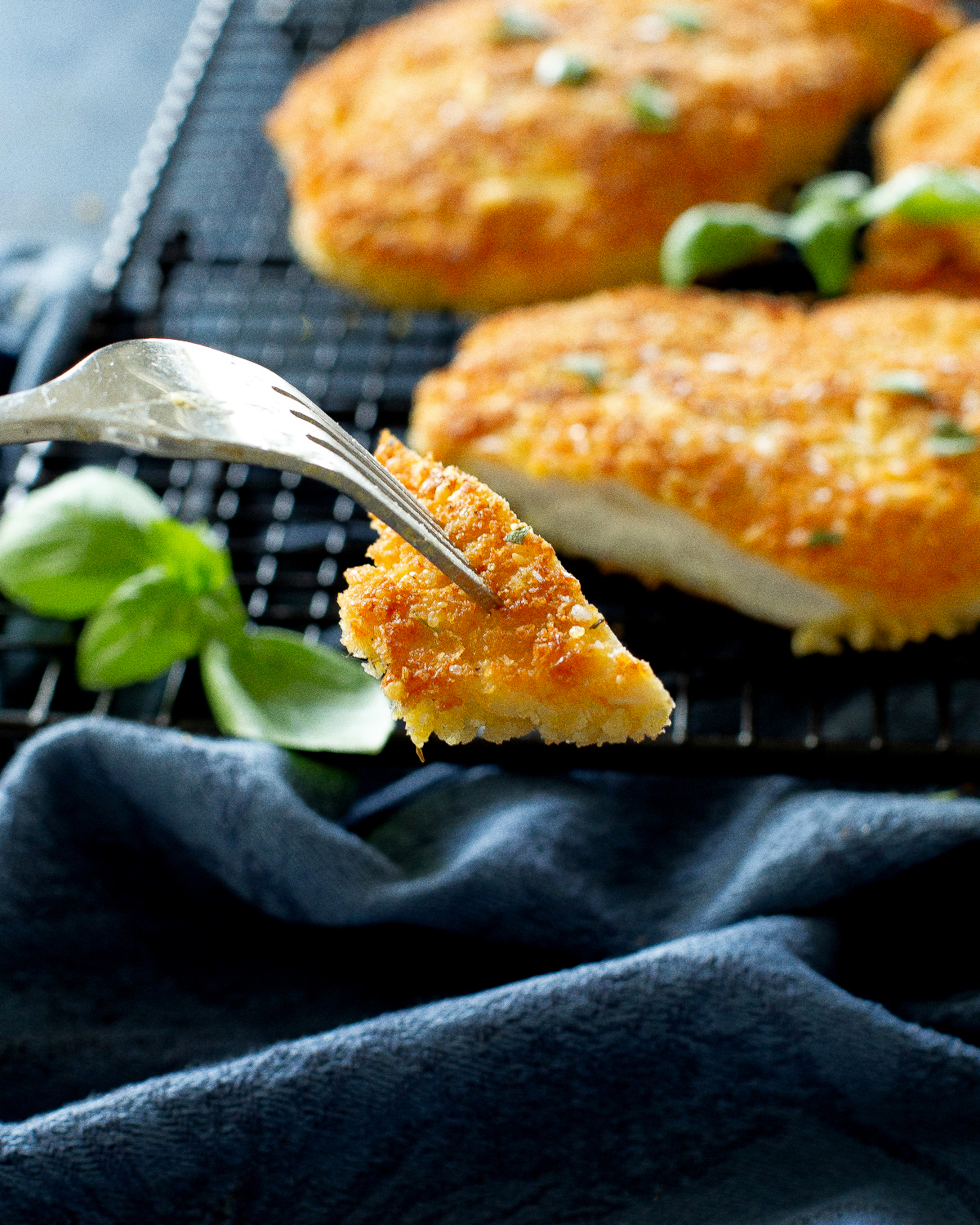
Nutritionists and food scientists note that the "crowd-pleaser" status of the chicken cutlet is rooted in sensory satisfaction. The contrast between the crunchy exterior and the tender interior provides a high level of satiety. Furthermore, because the dish can be prepared in under 20 minutes from start to finish, it serves as a critical tool for families looking to avoid reliance on processed, pre-packaged convenience foods.
Industry analysts suggest that the ongoing demand for "scratch-cooking" that requires minimal equipment—essentially just a pan and a knife—will ensure that the chicken cutlet remains a top-tier dinner choice. As retail data confirms, the sale of thin-sliced chicken breasts in grocery chains has grown by approximately 4% annually, reflecting a consumer shift toward pre-processed protein cuts that require zero prep time.
Conclusion: The Future of the Classic Cutlet
As food trends continue to oscillate between hyper-complexity and return-to-basics simplicity, the Parmesan Chicken Cutlet occupies a rare middle ground. It is sophisticated enough for an adult palate yet accessible enough for rapid, everyday preparation. Whether served as the center of an elaborate Italian-inspired meal or as a quick weeknight solution, the cutlet continues to demonstrate the enduring appeal of high-quality, simple ingredients treated with fundamental cooking techniques. Its legacy in the modern kitchen is not merely a result of convenience, but a testament to the timeless appeal of texture, seasoning, and efficiency.
