
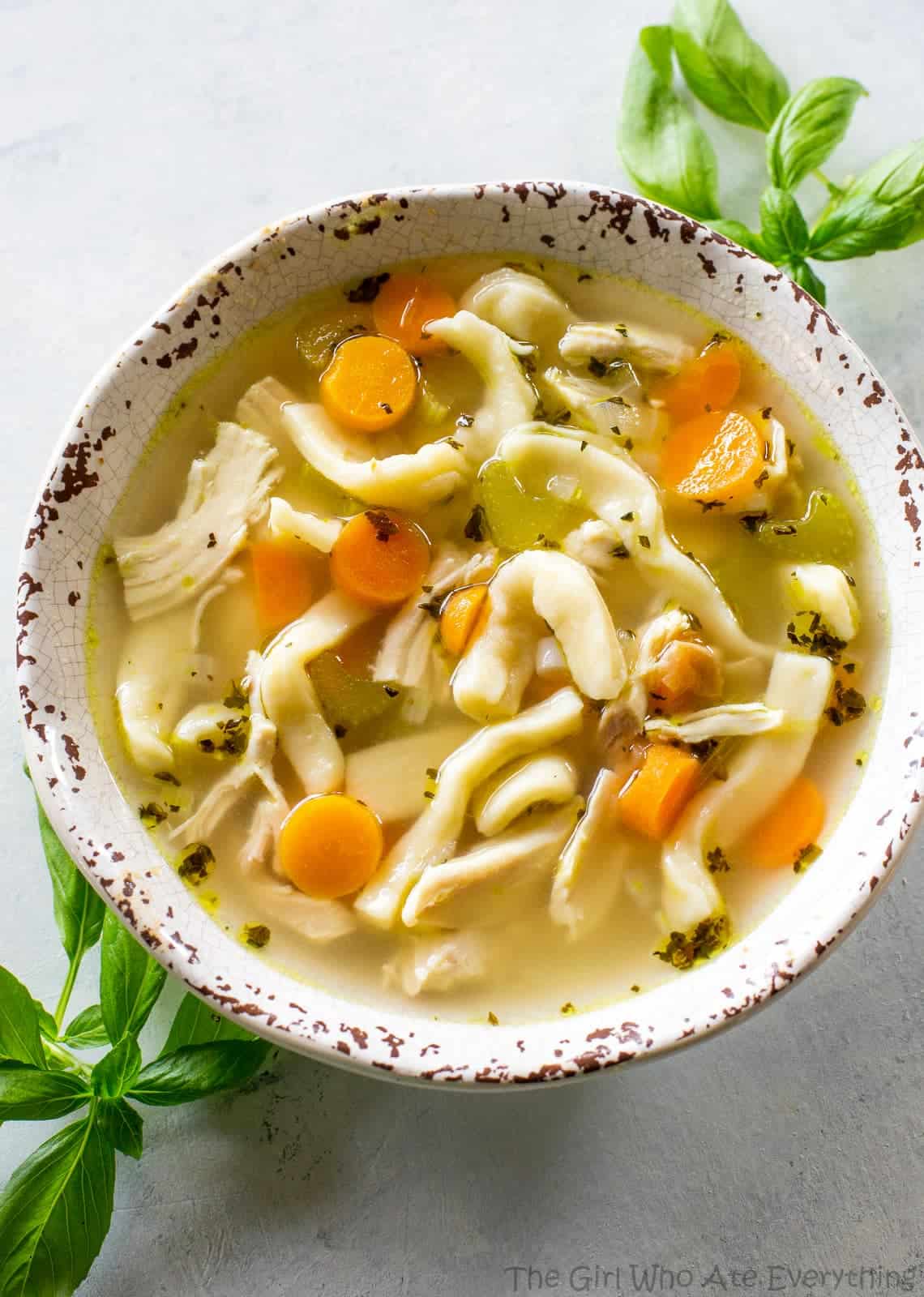
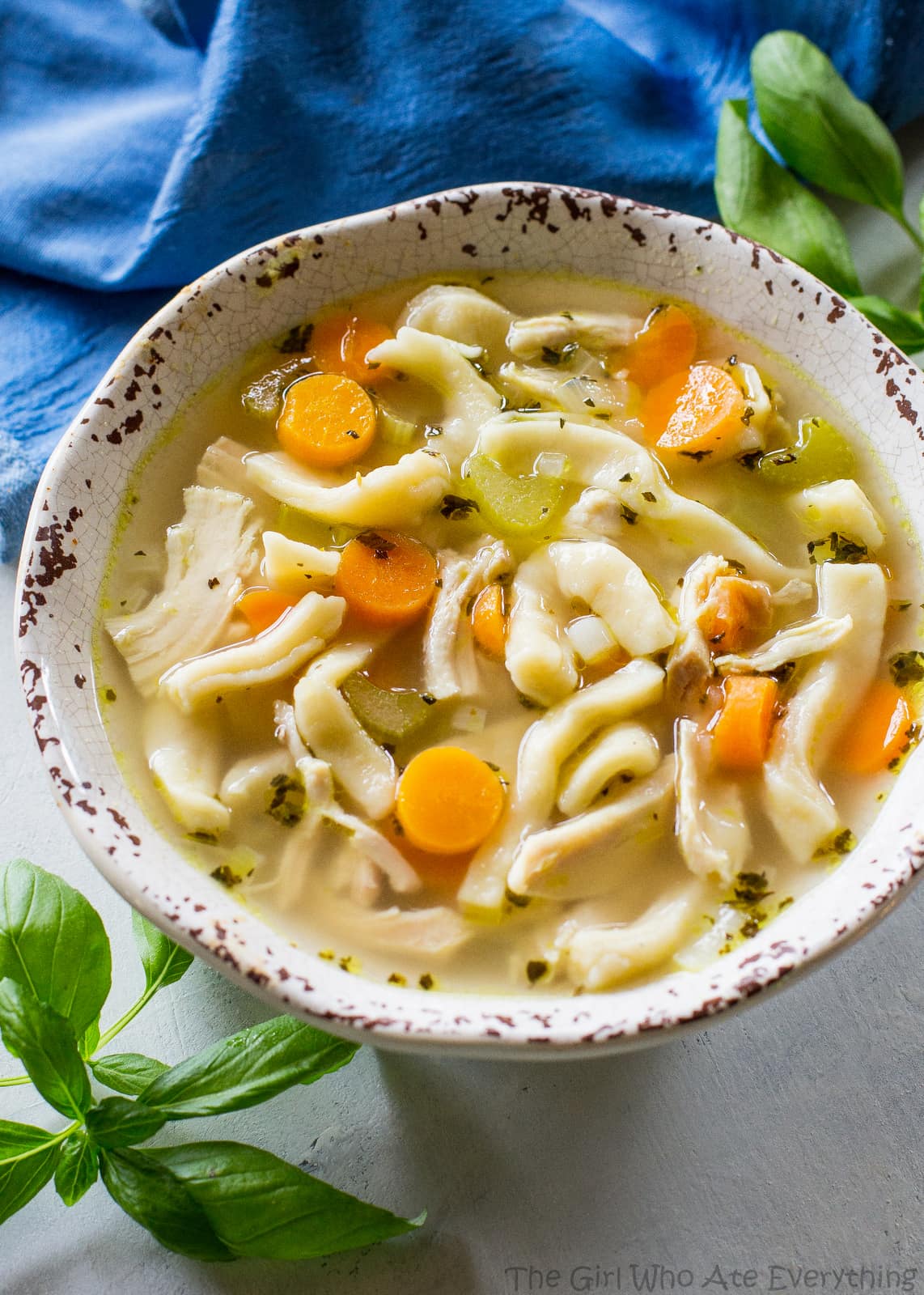
The tradition of consuming chicken noodle soup as a restorative meal has deep roots in both culinary history and modern domestic life. Often regarded as a quintessential comfort food, this dish combines essential macronutrients—proteins from poultry, complex carbohydrates from noodles, and vitamins from root vegetables—to provide a balanced nutritional profile. While modern convenience often dictates the use of store-bought ingredients, there is a growing movement among home cooks to return to traditional methods, such as crafting fresh egg noodles, to enhance the texture and nutritional integrity of the final product.
The Historical and Cultural Context of Chicken Soup
The practice of simmering poultry with aromatic vegetables is a practice that spans centuries and continents. In many cultures, chicken soup is not merely a meal but a remedy. Historically, it has been colloquially referred to as "Jewish penicillin," a term popularized in the 20th century to describe the perceived medicinal properties of the broth. Research published in the journal Chest has suggested that certain components in chicken soup may possess mild anti-inflammatory properties, which can help alleviate symptoms of upper respiratory infections. By utilizing a base of carrots, celery, and onions—a classic mirepoix—the soup provides a dense concentration of beta-carotene, vitamin K, and fiber, making it a functional food rather than a simple source of caloric intake.
Culinary Methodology and Technical Considerations
The preparation of a high-quality chicken noodle soup requires an understanding of flavor extraction and starch management. A professional approach begins with the base: a robust broth. Many culinary experts recommend the use of high-quality stocks, such as concentrated bouillon pastes like "Better Than Bouillon," which allow for precise control over salinity and depth of flavor.
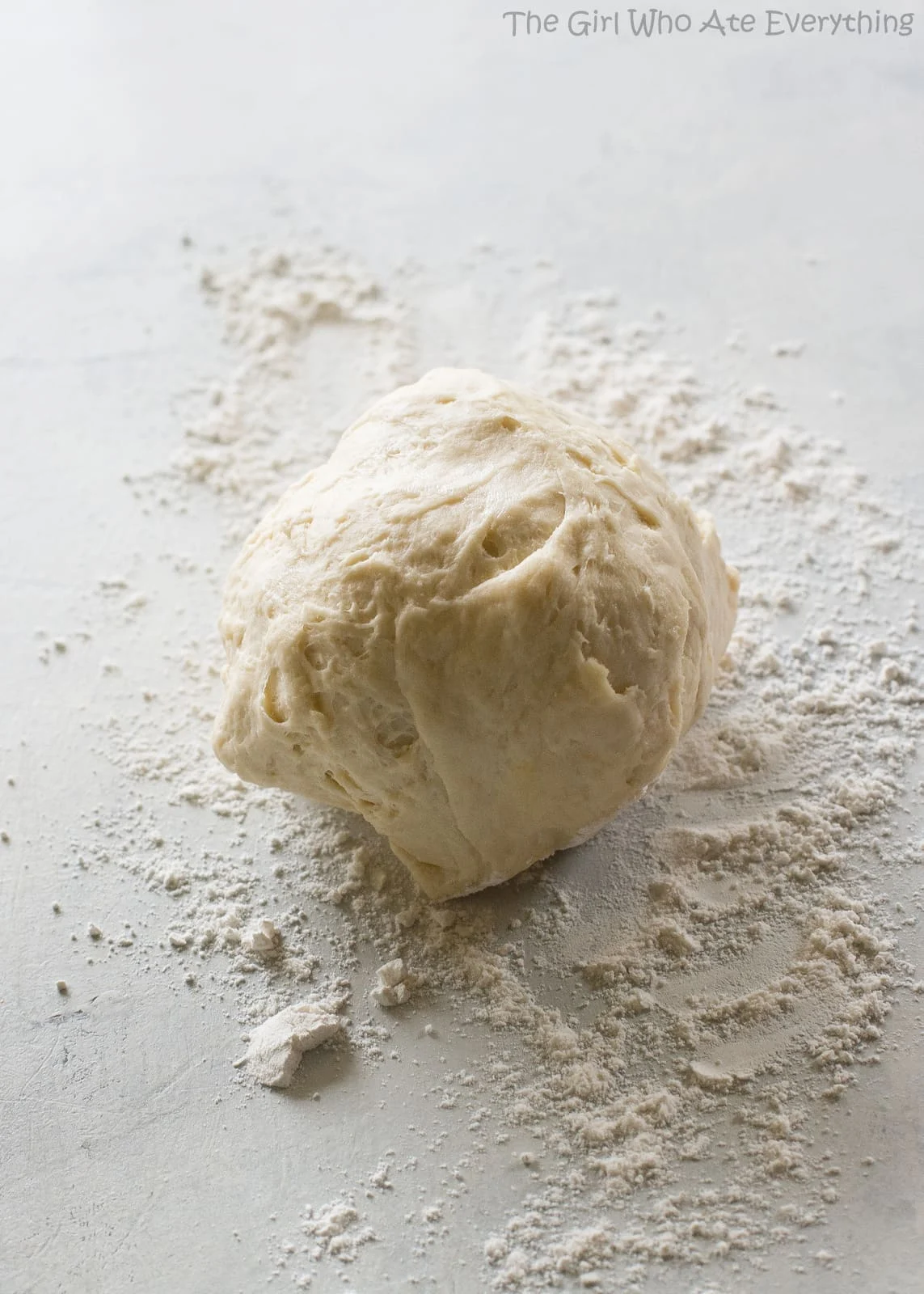
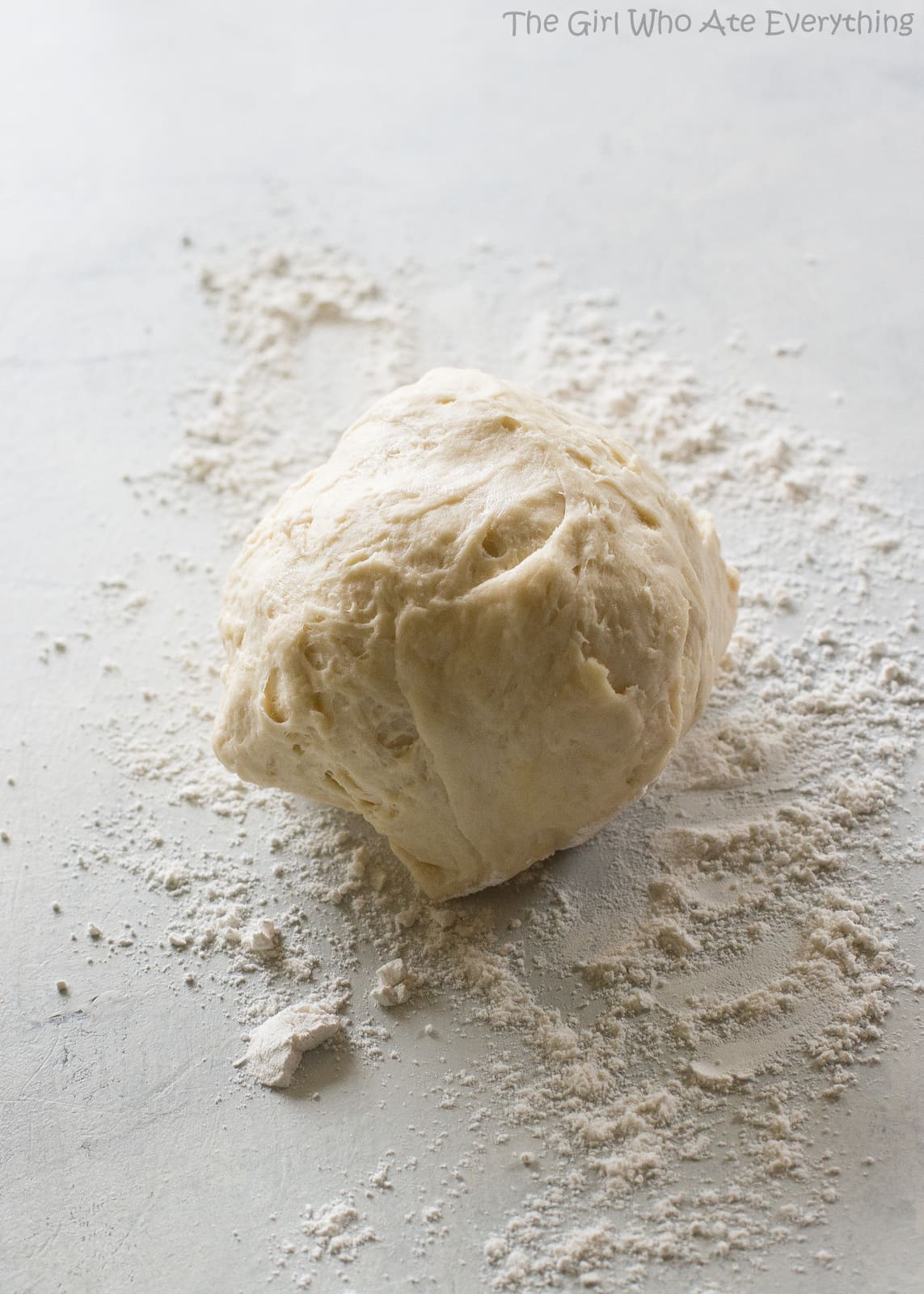
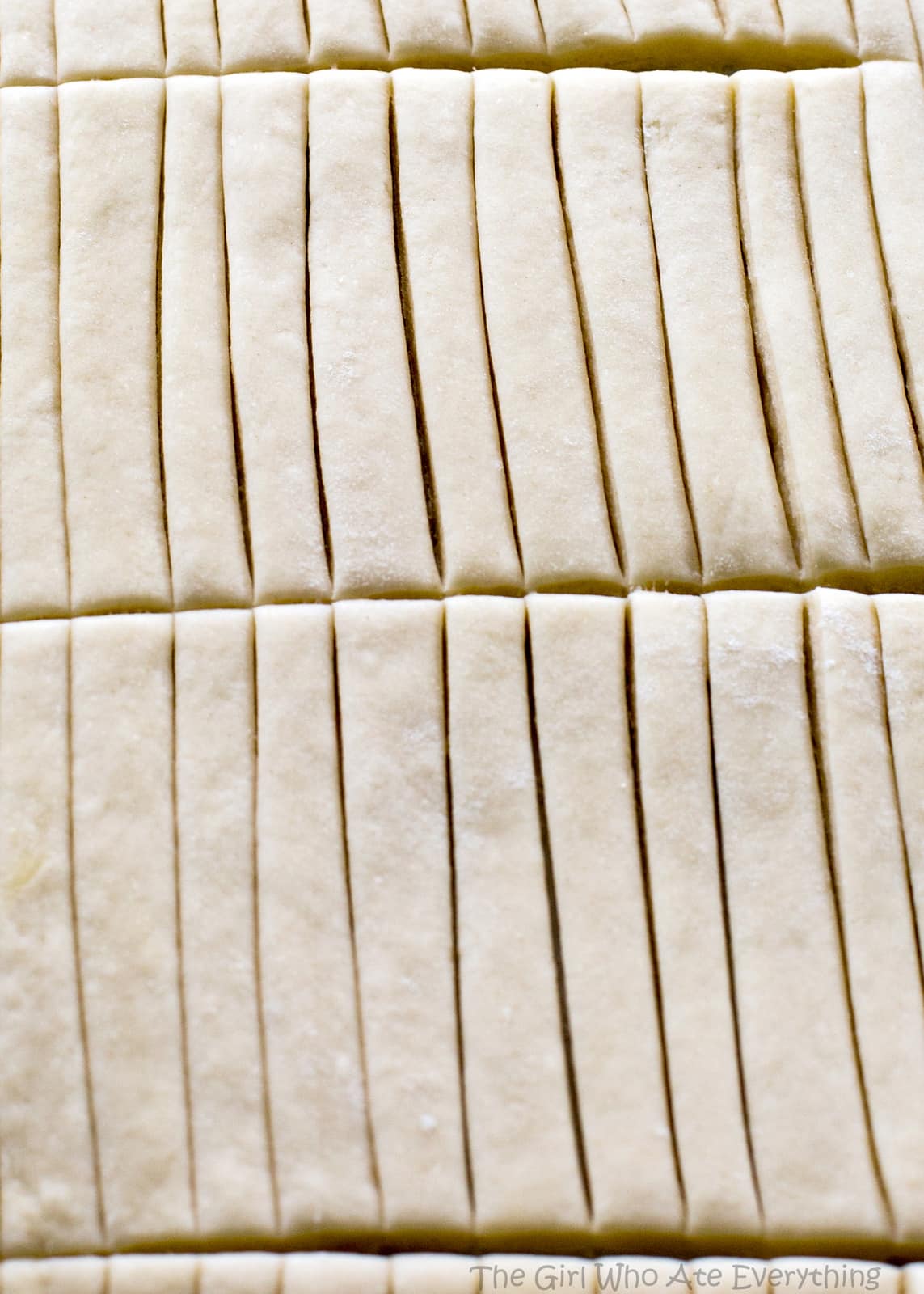
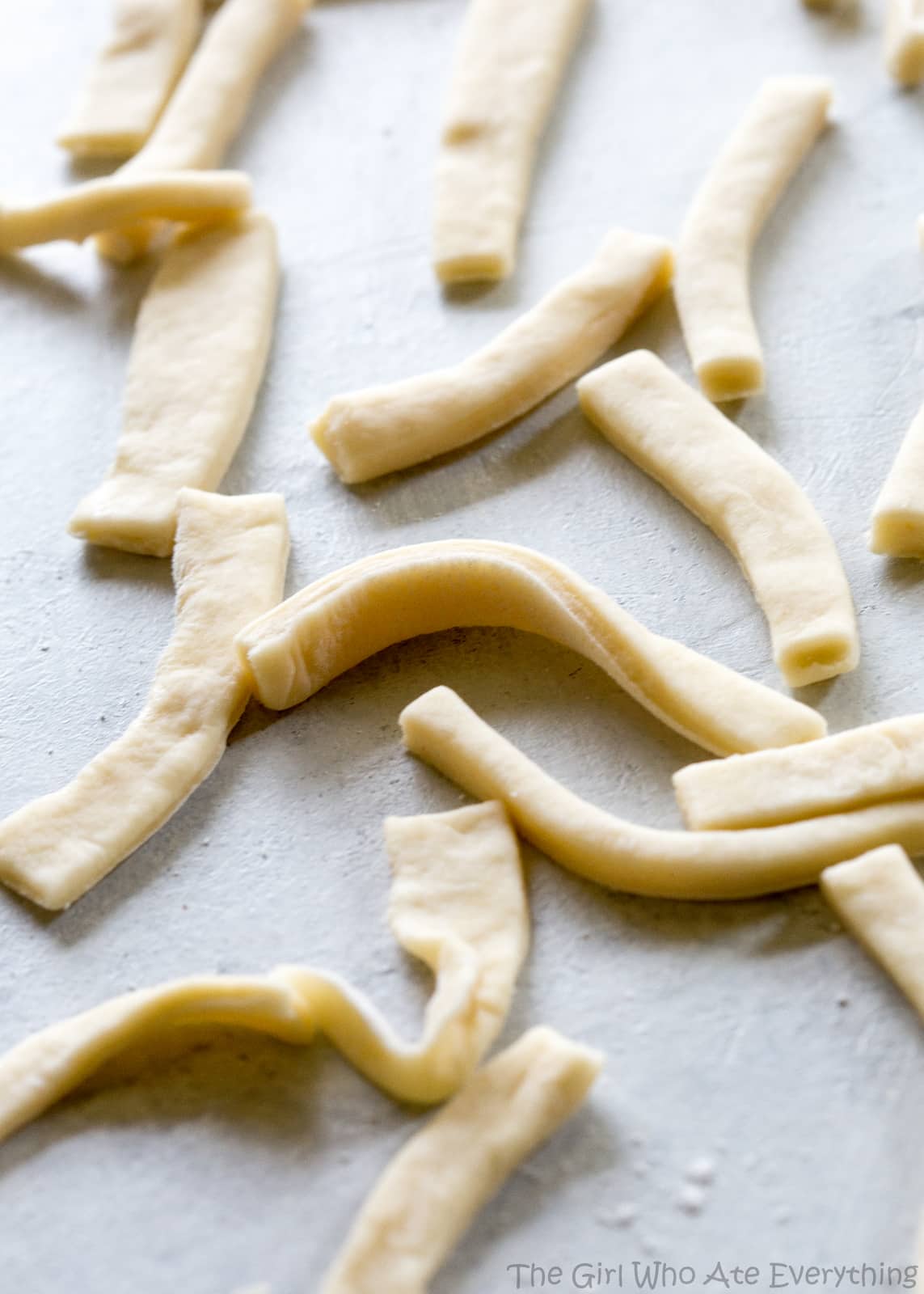
The inclusion of homemade noodles introduces a specific chemical reaction between flour and egg. By eliminating the stabilizers and preservatives often found in mass-produced, shelf-stable pasta, home cooks can achieve a more delicate, tender mouthfeel. The process involves kneading a simple dough of flour and eggs, rolling it to a thin consistency, and allowing the strands to air-dry. This drying phase is critical; it ensures that the noodles maintain their structural integrity when introduced to the boiling broth, preventing them from turning into a starchy paste.
Chronology of Preparation
For those looking to integrate this dish into a weekly meal rotation, a structured approach to preparation can maximize efficiency:
- Preparation Phase (Day 1 or 2): If time permits, the broth can be prepared in advance. Roasting the chicken or simmering a whole bird with aromatics allows for the extraction of collagen, which adds body and a silky texture to the liquid.
- Noodle Fabrication: The dough should be mixed and rested for at least 30 minutes to allow the gluten to relax. Rolling and cutting can be done in advance; if stored correctly, the noodles can be air-dried for up to 24 hours before cooking.
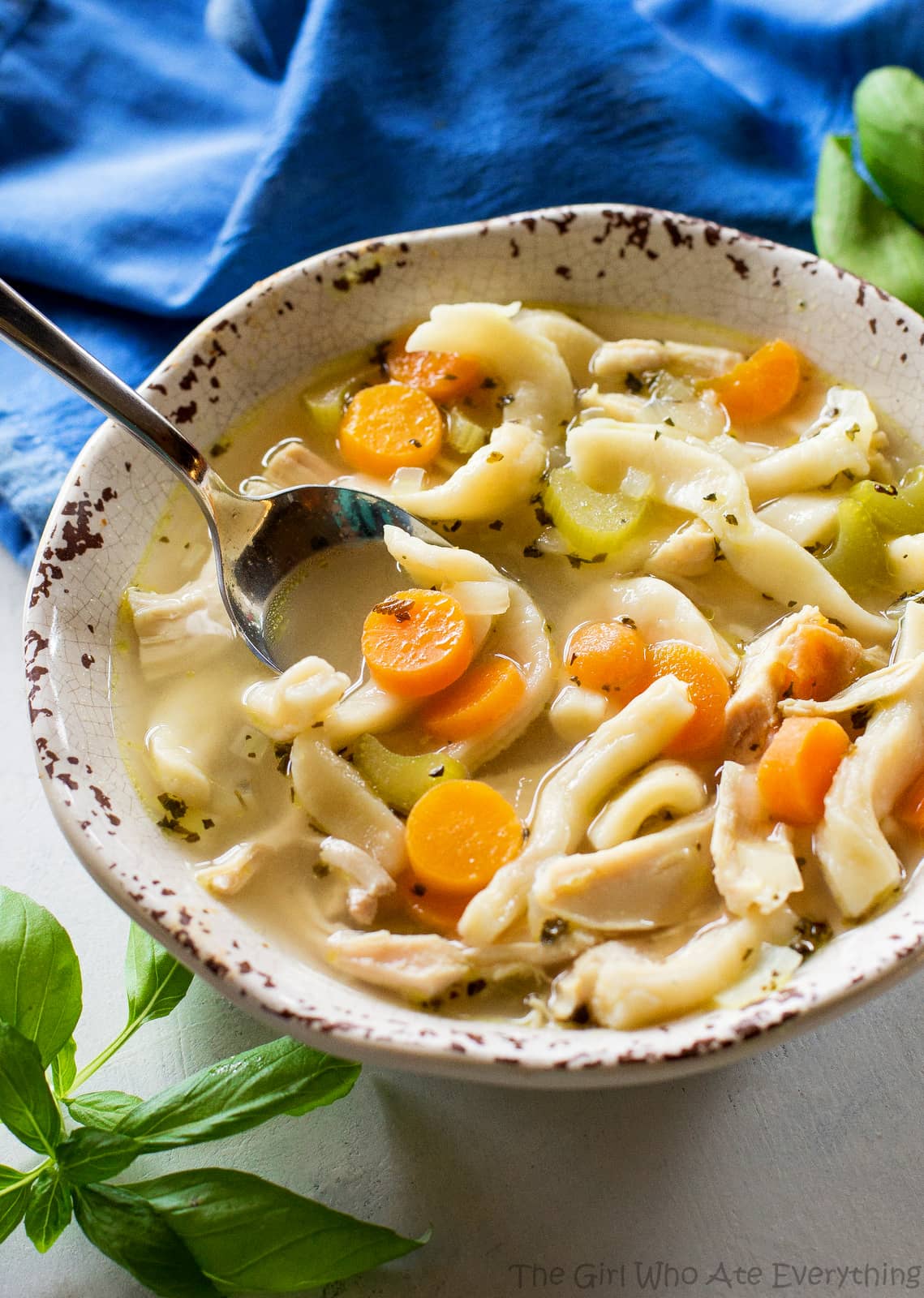
- The Assembly: The final step involves bringing the broth to a gentle simmer, adding the diced mirepoix, and finally incorporating the noodles. Because homemade noodles cook significantly faster than dried, store-bought varieties, they generally require only two to three minutes of boiling time.
Nutritional Analysis and Economic Implications
From an economic standpoint, chicken noodle soup remains one of the most cost-effective dinner options for families. Data from the Bureau of Labor Statistics regarding grocery price indices consistently shows that pantry staples—flour, eggs, onions, and carrots—remain among the most affordable food groups. When compared to the cost of pre-packaged, frozen, or canned soups, which often contain high levels of sodium and processed additives, a homemade version offers a significantly higher return on investment in terms of nutritional value.
A single serving of homemade chicken noodle soup typically provides a high protein-to-calorie ratio. The inclusion of lean chicken breast or thigh meat ensures muscle-building amino acids, while the noodles provide the necessary glucose for sustained energy. By adjusting the ratio of vegetables to noodles, households can further tailor the meal to meet specific dietary requirements, such as increasing fiber content or reducing carbohydrate density.
Expert and Consumer Perspectives
The resurgence of interest in scratch-made recipes is often attributed to a growing awareness of food transparency. Consumers are increasingly scrutinizing labels for artificial preservatives and excessive sodium content. Professional chefs and culinary instructors note that the simplicity of chicken noodle soup is its greatest strength, as it allows for the quality of the raw ingredients to take center stage.
"The intimidation factor often associated with making noodles is largely unfounded," notes a veteran culinary consultant. "Once a home cook understands that the dough is essentially just two or three ingredients, the barrier to entry vanishes. It transforms a routine dinner into a craft-based activity that yields a superior culinary result."
Broader Impact on Domestic Food Security
The act of preparing a large batch of soup has long been a mechanism for community support and social cohesion. As noted by regular practitioners of the dish, the volume produced by a standard soup pot is often sufficient for multiple meals or for distribution to neighbors and family members. This "batch cooking" methodology is a staple of domestic resource management, reducing food waste by utilizing leftover vegetables and meat that might otherwise be discarded.
The widespread adoption of this recipe also reflects a cultural shift toward "slow food" principles, even within the confines of a busy work week. By choosing to dedicate time to the assembly of fresh components, individuals are reclaiming a level of autonomy over their diet.
Conclusion
Homemade chicken noodle soup serves as a vital bridge between traditional culinary practices and modern nutritional needs. Whether chosen for its purported health benefits, its economic efficiency, or its role as a psychological comfort, the dish remains a cornerstone of the domestic kitchen. By mastering the fundamentals of broth development and the simple technique of noodle fabrication, home cooks can elevate a basic staple into a sophisticated, nutrient-dense meal that sustains both the body and the spirit. As the trend toward home-prepared, whole-food diets continues to expand, the relevance of this classic dish is unlikely to diminish, cementing its place as an essential skill for the contemporary household.
