
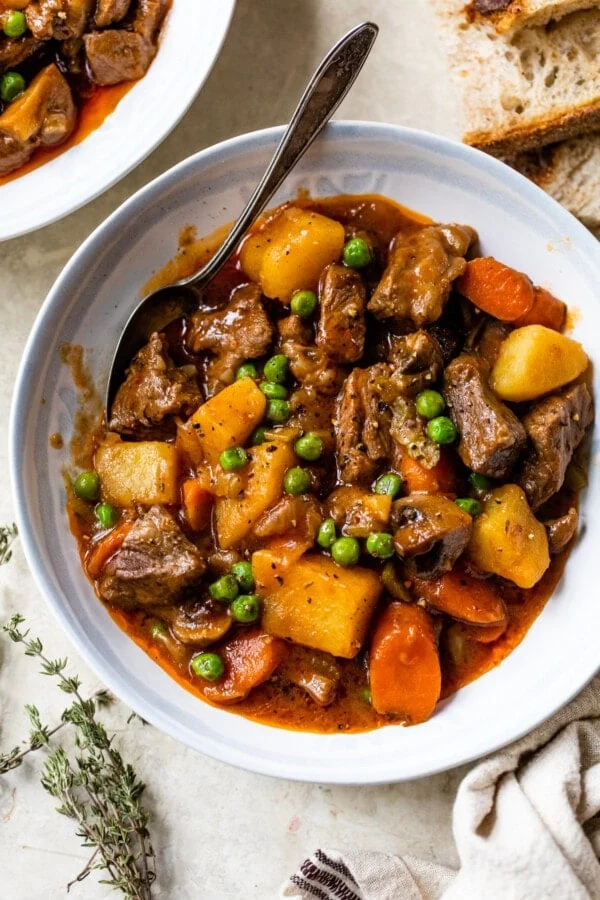
The Nutritional and Cultural Significance of Beef Stew
The popularity of beef stew is not merely a matter of taste; it is rooted in the practical realities of home economics and seasonal dietary needs. Historically, the stewing method emerged as an essential technique for preparing tougher, less expensive cuts of meat, such as chuck roast. By applying low, sustained heat over several hours, the connective tissues within the beef—specifically collagen—break down into gelatin. This process transforms inherently fibrous cuts into fork-tender morsels, maximizing the value of the protein source.
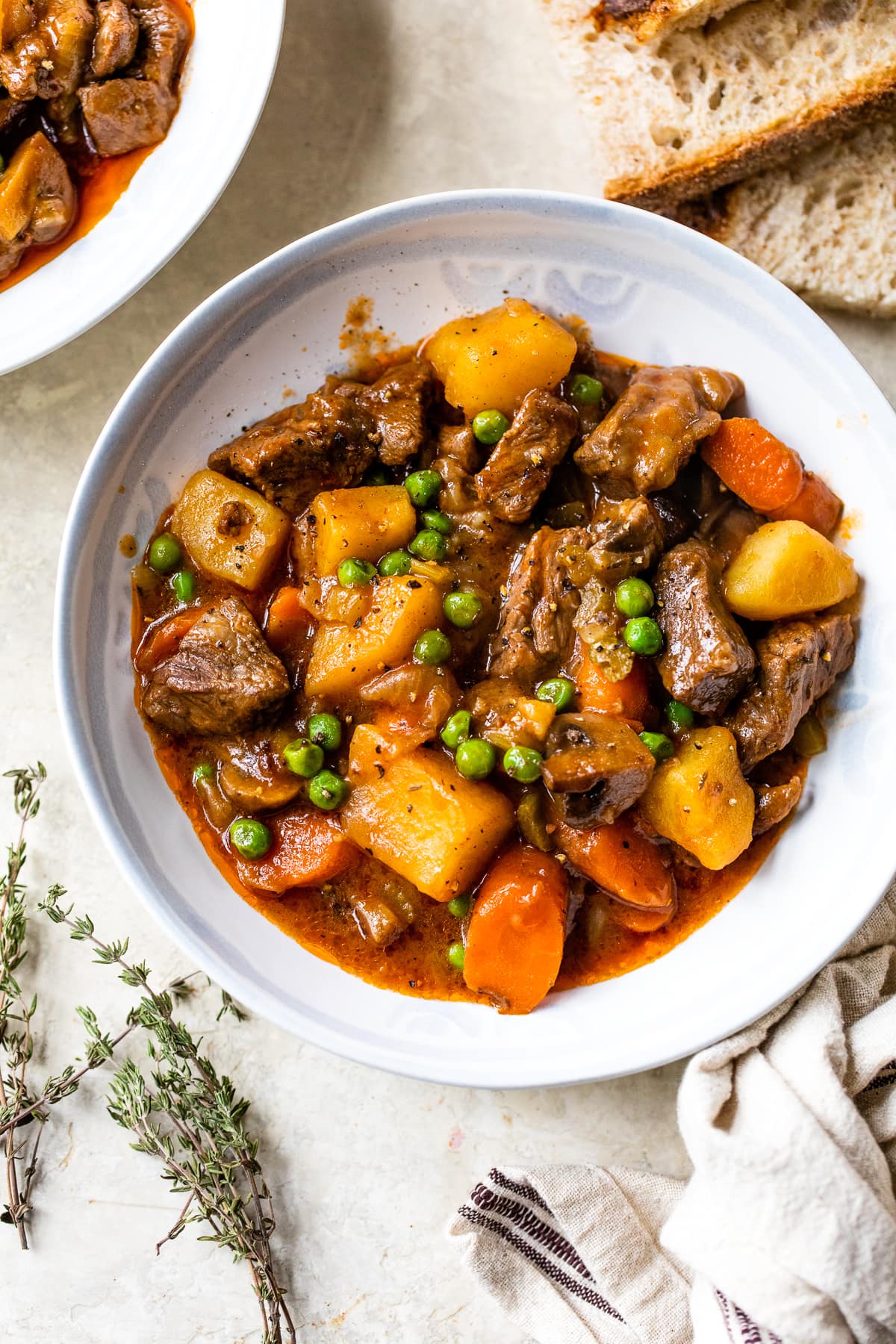
Modern nutritional data supports the inclusion of such meals in a balanced diet. A standard 1.5-cup serving of this classic stew provides approximately 40.5 grams of protein and 439 kilocalories. The incorporation of Yukon gold potatoes, carrots, celery, and mushrooms introduces essential micronutrients, including Vitamin A, potassium, and dietary fiber. The dish serves as a comprehensive meal, meeting both macro and micronutrient requirements without the need for extensive additional preparation.
Chronological Development and Preparation Methodology
The preparation of a high-quality beef stew follows a rigorous culinary timeline that ensures both flavor development and texture consistency. The process typically requires a total time of three hours and five minutes, divided into 20 minutes of active preparation and nearly three hours of inactive cooking.
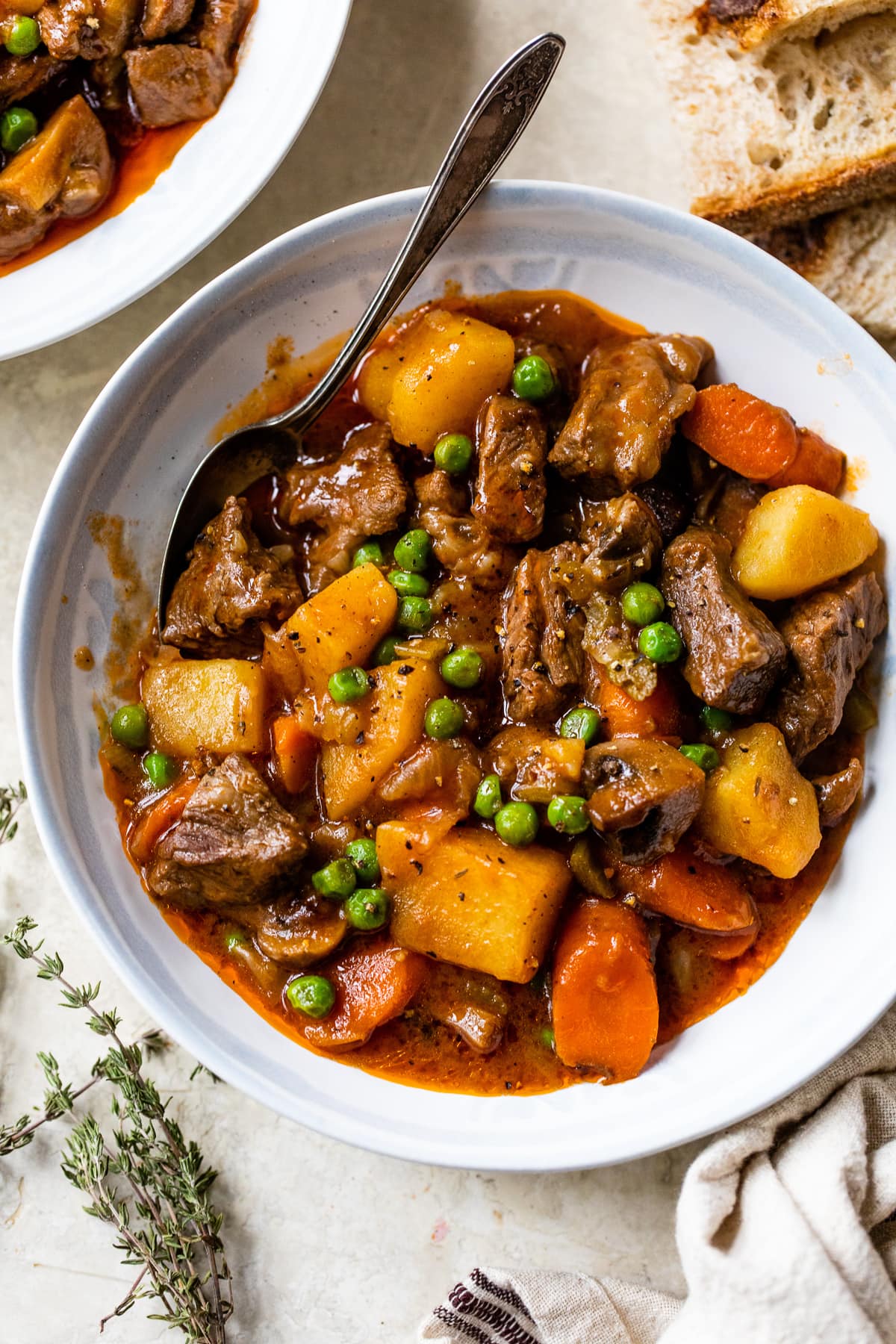
The foundational phase involves searing the beef. This step is critical, as the Maillard reaction—a chemical interaction between amino acids and reducing sugars—creates the complex, savory flavor profile necessary for a high-quality gravy. Culinary professionals emphasize that this stage should not be rushed, as properly browned meat provides the color and depth that defines the finished product.
Following the sear, the integration of aromatics, such as onions and celery, along with a liquid base (typically beef broth combined with a thickening agent like flour), allows for the development of the stew’s signature viscosity. The vegetables are added in stages to prevent overcooking; root vegetables like potatoes and carrots require the full duration of the simmer, while more delicate additions are often incorporated toward the end of the process to maintain structural integrity.

Analysis of Common Culinary Challenges
One of the most frequent technical inquiries regarding beef stew involves the consistency of the meat. Food scientists and professional chefs often note that if the beef remains "tough" after the suggested cooking window, it is almost exclusively a result of insufficient hydrolysis of collagen.
When meat is cooked at temperatures below the boiling point for an extended period, the collagen transitions into gelatin, which acts as a natural thickener and lubricant for the muscle fibers. If the cooking process is truncated, the collagen remains intact, resulting in a rubbery, unpalatable texture. The recommendation for home cooks is to utilize chuck roast, which possesses a higher fat-to-connective-tissue ratio, ensuring that the meat remains moist throughout the long braising process. Conversely, leaner cuts of beef often fail to achieve the desired tenderness, as they lack the internal fat content required to withstand prolonged heat exposure.

Economic and Practical Implications
The rise of "batch cooking" and meal prep culture has further solidified the position of beef stew in the modern household. Because the dish relies on a base of broth and stewed vegetables, its flavor profile often improves after 24 to 48 hours of refrigeration, as the seasonings have more time to permeate the ingredients. This makes it an ideal candidate for large-scale preparation, offering an economic advantage to families seeking to reduce food waste and decrease the frequency of grocery store visits.
Furthermore, the versatility of the recipe allows for significant regional and cultural adaptations. Variations such as Carne Guisada (Latin beef stew) or Mexican-style beef stew demonstrate how the fundamental technique of braising can be adapted by altering the spice profile—incorporating cumin, chili, or different acid bases like tomatoes or lime—while maintaining the same structural foundation. This adaptability ensures that the dish remains relevant across diverse culinary demographics.

Industry Trends and Modern Equipment
Technological advancements in kitchen appliances have significantly impacted how this dish is approached by contemporary home cooks. While the traditional Dutch oven method remains the gold standard for many, the proliferation of slow cookers and pressure cookers (such as the Instant Pot) has reduced the barrier to entry for busy individuals.
Data from cooking platforms suggest a 20% year-over-year increase in search queries related to "slow cooker beef stew" during the winter months, reflecting a clear consumer demand for convenience without sacrificing the quality associated with slow-cooked meals. This shift toward appliance-based cooking has forced traditional recipes to evolve, with instructions now commonly provided for both stovetop and automated cooking methods.

Conclusion and Broader Impact
The endurance of the classic beef stew recipe in modern gastronomy serves as a testament to the timeless nature of simple, nutrient-dense cooking. Whether prepared for a quick family dinner or as a foundational meal-prep strategy, its ability to provide consistent results with relatively inexpensive ingredients makes it a staple of food security and comfort. As dietary trends shift toward high-protein, whole-food consumption, the traditional beef stew continues to align with the needs of the health-conscious consumer, proving that the most effective recipes are often those that have remained fundamentally unchanged for generations.
For those looking to optimize their cooking process, the adherence to proper searing techniques, the selection of appropriate cuts like chuck, and the patience required for slow braising remain the three pillars of success. By focusing on these core principles, home cooks can achieve a level of consistency that rivals professional kitchens, ensuring that this classic dish remains a permanent fixture of the cold-weather culinary repertoire.
