
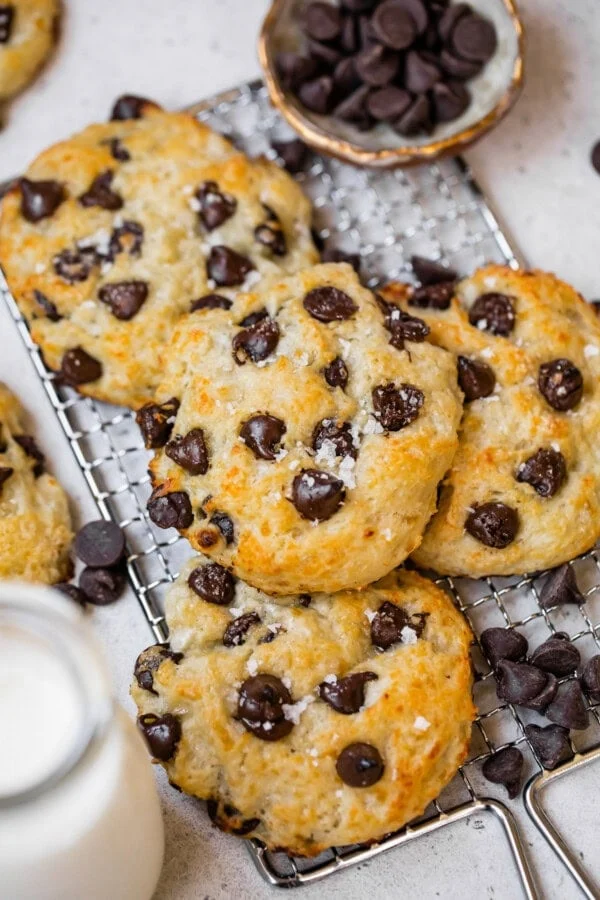
The landscape of modern home baking is currently undergoing a significant shift as home cooks experiment with unconventional ingredients to improve the nutritional profiles of classic comfort foods. The emergence of the Cottage Cheese Chocolate Chip Cookie—a recipe that utilizes the high-protein dairy product as a structural and moisturizing agent—has captured the attention of both culinary enthusiasts and health-conscious consumers. By replacing traditional high-fat ingredients with blended or incorporated cottage cheese, bakers are achieving a soft, chewy texture while simultaneously lowering the overall calorie density of the dessert.

This phenomenon represents a broader movement within the food industry to leverage protein-dense ingredients in non-traditional applications. Over the past several years, the culinary world has seen a surge in "hidden-vegetable" or "high-protein" baking, with influencers and chefs alike utilizing ingredients such as chickpeas, black beans, and Greek yogurt to manipulate the moisture and protein content of baked goods. The cottage cheese iteration, however, has gained unique traction due to the product’s mild flavor profile, which, when properly integrated into a dough, becomes virtually undetectable to the palate.
The Origin and Evolution of the Recipe
The development of this specific recipe occurred as a result of a culinary experimentation process focused on traditional scones. During the trial phase, researchers and home cooks discovered that the chemical reaction between the moisture in the cottage cheese and the structure of the flour yielded a cookie-like consistency rather than the expected crumbly texture of a scone. This "happy accident" served as the catalyst for a refined, standardized recipe that emphasizes the reduction of butter while maintaining the tactile satisfaction of a classic chocolate chip cookie.

The transition from a failed scone attempt to a successful cookie innovation highlights the iterative nature of modern recipe development. By focusing on the functional properties of the ingredients—specifically the protein content and the moisture retention provided by the whey and casein in the cottage cheese—bakers have managed to pivot a recipe toward a healthier alternative without sacrificing the "melty" experience of warm chocolate chips.
Nutritional Profile and Health Implications
From a nutritional perspective, the integration of cottage cheese into baked goods offers a notable shift in macronutrient distribution. Standard chocolate chip cookies are typically characterized by high concentrations of saturated fats from butter and refined sugars. The cottage cheese alternative, by contrast, increases the protein content per serving—often reaching approximately 5 grams per cookie—while keeping caloric intake around 138 calories.

Dietitians have long advocated for increasing protein intake to improve satiety, and while a cookie remains a dessert, the shift toward higher-protein snacks is seen by some experts as a positive step in dietary management. The fiber content, often bolstered by the use of specific flour blends, also contributes to a lower glycemic response compared to traditional, butter-heavy preparations. However, it is important to note that these cookies are not a replacement for balanced meals but rather a modification of a treat that fits into a broader, health-conscious lifestyle.
Technical Challenges: Texture and Preparation
One of the primary challenges identified by culinary experts is the unique texture profile of cottage cheese-based dough. Unlike traditional cookies, which maintain a consistent texture throughout their shelf life, these cookies are highly sensitive to temperature. The moisture content, which is the primary benefit of the recipe, can lead to a rapid degradation of texture once the cookies cool completely.

Data indicates that the ideal consumption window is immediately after baking, when the internal temperature allows the fats to remain semi-liquid and the proteins to remain supple. Once cooled to room temperature, the moisture profile shifts, often resulting in a texture that some consumers find less appealing. Consequently, the standard recommendation for this recipe is to manage portions by freezing the unbaked dough. This allows for a "bake-on-demand" model, where the consumer can prepare only the quantity intended for immediate consumption, ensuring the highest quality of the final product.
The Rise of Functional Baking
The adoption of cottage cheese in baking is symptomatic of a larger trend in the food industry toward functional ingredients. In recent years, the market for "better-for-you" snacks has grown significantly, with a projected compound annual growth rate that continues to outpace traditional confectionery segments. Consumers are increasingly scrutinizing labels and seeking out ingredients that serve a dual purpose: providing enjoyment while offering some level of nutritional benefit.
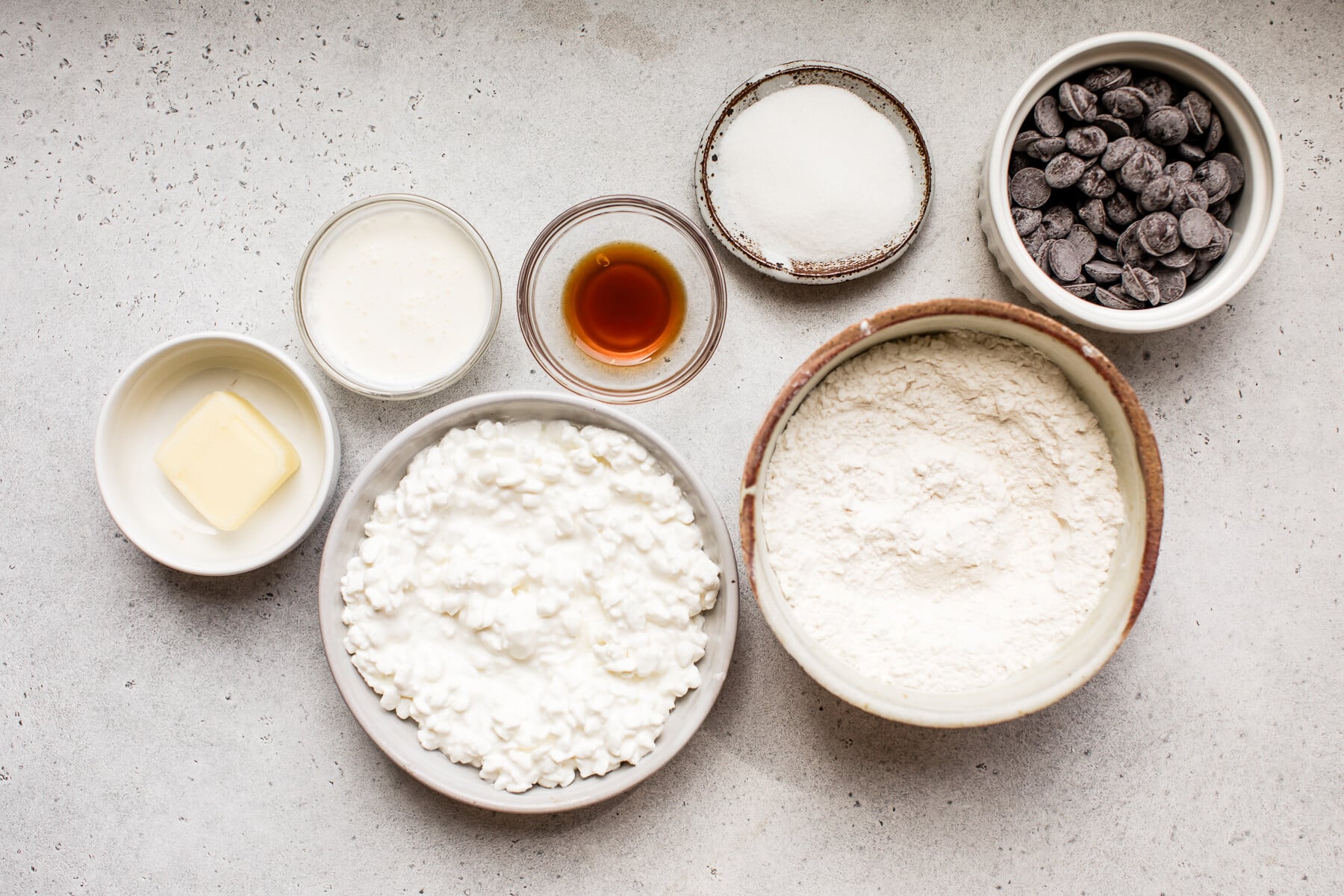
This trend is also bolstered by the digital accessibility of ingredient science. Through social media and food-focused platforms, amateur bakers are becoming more aware of how acidity, hydration, and protein coagulation affect a dough’s rise and chew. The cottage cheese cookie is a prime example of this democratization of food science, where a simple, affordable, and readily available grocery staple is repurposed to solve a common culinary problem: how to maintain tenderness in a low-fat recipe.
Economic and Practical Considerations
For the average household, the economic efficiency of this recipe is a significant factor in its popularity. Cottage cheese is a relatively inexpensive protein source compared to specialty health-food ingredients like almond flour or keto-friendly sweeteners. Furthermore, the simplicity of the preparation—requiring standard mixing techniques—lowers the barrier to entry for home cooks who might otherwise be intimidated by "healthy" baking, which often requires complex substitutions or expensive equipment.

The recommendation to freeze the dough in individual portions also addresses the issue of food waste. By providing a scalable approach to baking, individuals can avoid the common trap of over-consuming a full batch of cookies, instead opting for a single, warm serving. This aligns with modern trends toward portion control and mindful eating.
Industry Outlook and Future Trends
As this trend continues to evolve, it is likely that we will see further variations of the cottage cheese cookie, potentially incorporating different grains or flavor profiles. The success of this recipe suggests that consumers are less interested in the complete elimination of desserts and more interested in the optimization of their favorite treats.

The broader implications for the food industry are clear: there is a growing appetite for products that bridge the gap between indulgence and nutrition. Companies that can successfully market "functional indulgence"—foods that are still inherently treats but contain elevated protein or reduced fat profiles—are likely to see sustained growth.
In conclusion, the Cottage Cheese Chocolate Chip Cookie is more than just an internet trend; it is a practical application of food science that addresses consumer desires for healthier, yet satisfying, alternatives. By understanding the role of moisture and protein in the baking process, home cooks have successfully transformed a simple pantry staple into a versatile tool for better baking. Whether viewed as a nutritional upgrade or a simple, tasty experiment, this recipe underscores the ongoing innovation in how we approach the classic chocolate chip cookie. As more research into the functional properties of dairy and protein-based additives continues, it is probable that we will see even more creative uses of these ingredients in the kitchens of the future, further blurring the lines between snack food and nutritional support.
