
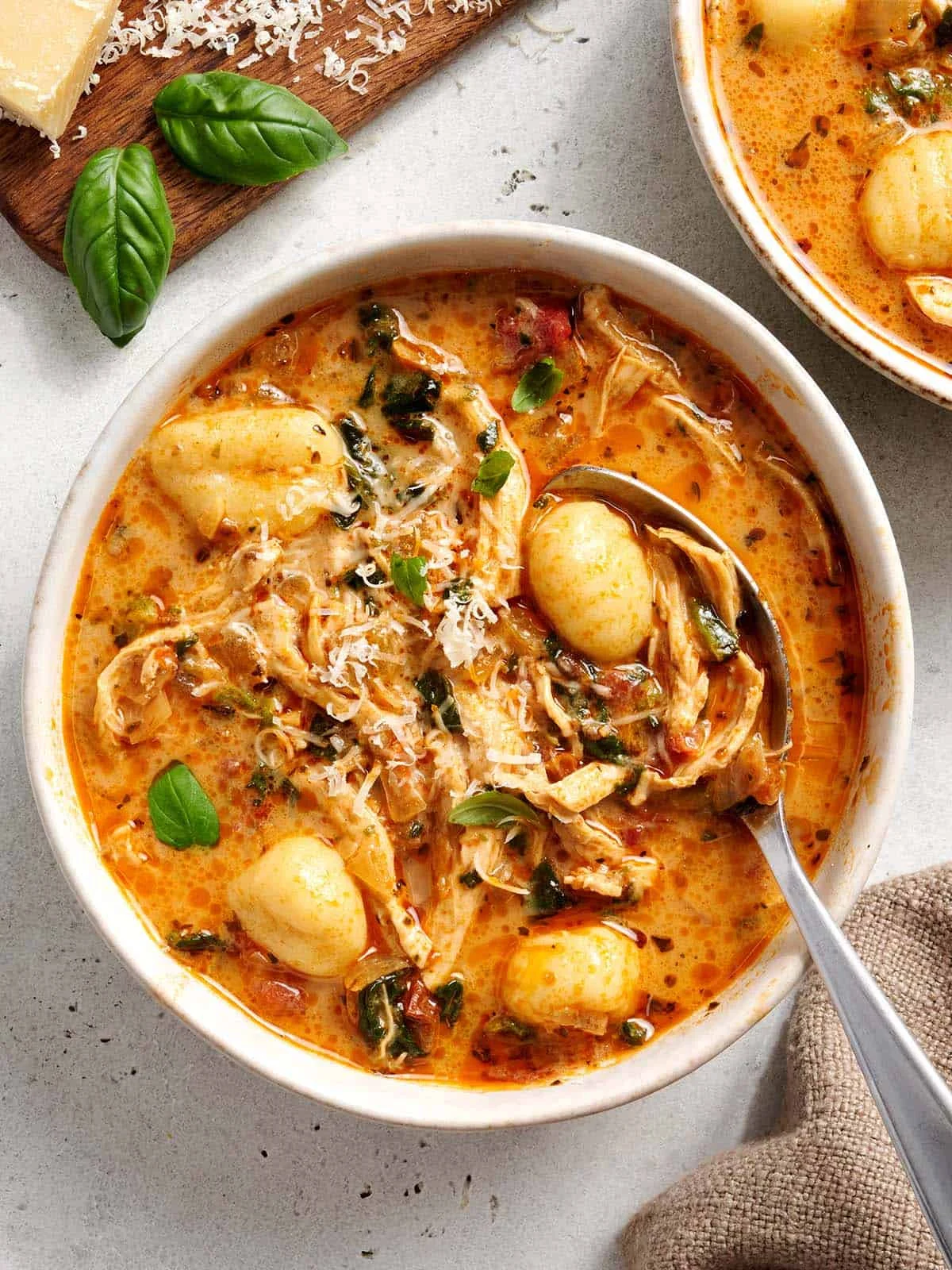
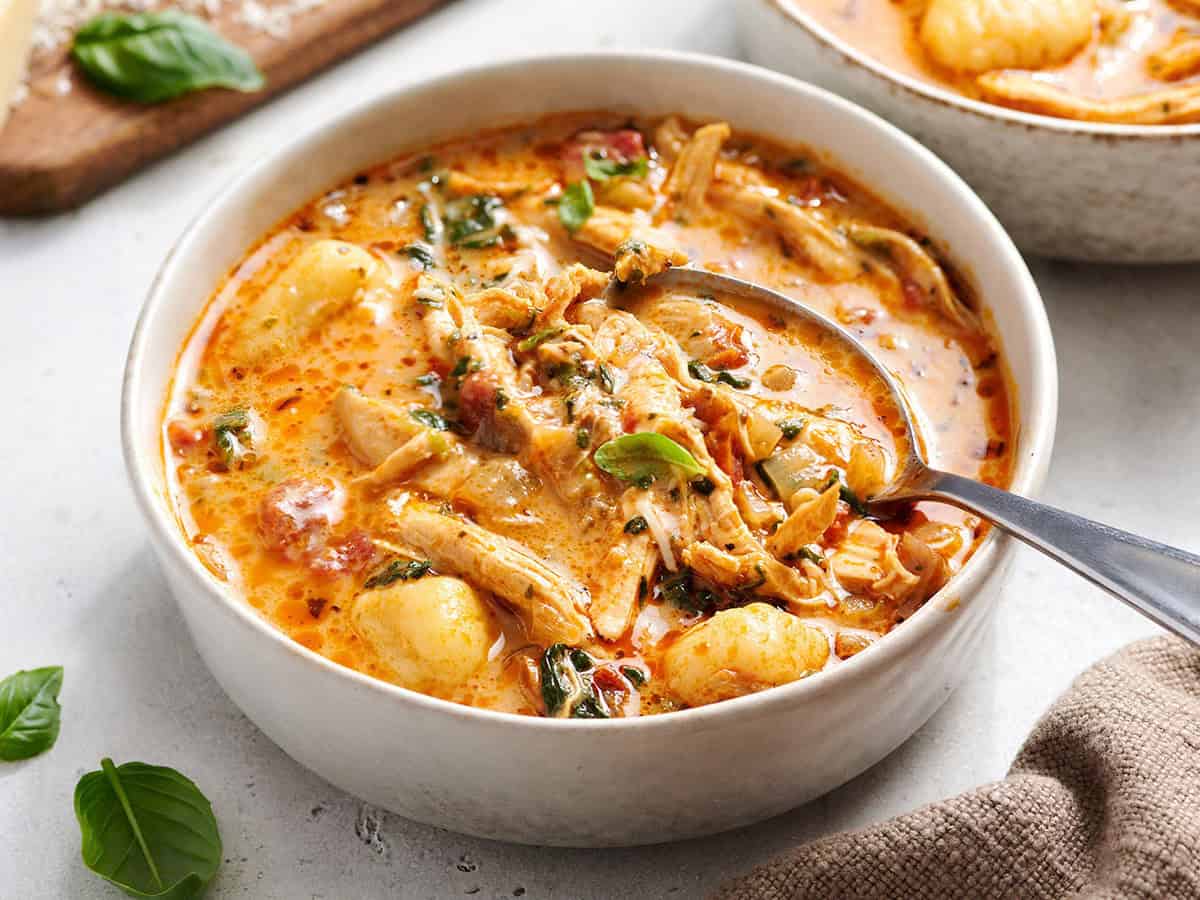
The evolution of modern home cooking has been fundamentally reshaped by social media, with the Marry Me Chicken trend standing as one of the most significant culinary movements of the digital age. What began as a singular, high-fat, high-flavor skillet dish has now transitioned into a broader category of comfort food, most recently manifesting as an innovative, budget-conscious soup. This iteration, which incorporates shredded chicken, pillowy gnocchi, and a sun-dried tomato-infused cream broth, serves as a case study in how traditional comfort food principles can be adapted for modern, time-sensitive, and cost-efficient household demands.
The Genesis of the Marry Me Phenomenon
The term "Marry Me" in a culinary context originated from the promise of the dish’s flavor profile being so compelling that it could theoretically inspire a marriage proposal. Originally centered on a pan-seared chicken breast smothered in a reduction of heavy cream, parmesan cheese, and sun-dried tomatoes, the recipe gained traction in the late 2010s and early 2020s. Food historians and market analysts suggest that the rise of this specific dish coincides with a shift in consumer behavior during the pandemic, where home cooks sought restaurant-quality experiences within the confines of domestic settings.
By 2025, the trend had moved beyond the skillet. Culinary researchers at the Nashville Test Kitchen identified a shift in consumer demand toward "heavier," soup-based iterations of viral pasta and chicken dishes. The resulting Marry Me Chicken Soup is designed to offer the same umami-rich, high-satiety experience as the original, but with a structural composition better suited for batch cooking and meal preparation.
Technical Composition and Economic Efficiency
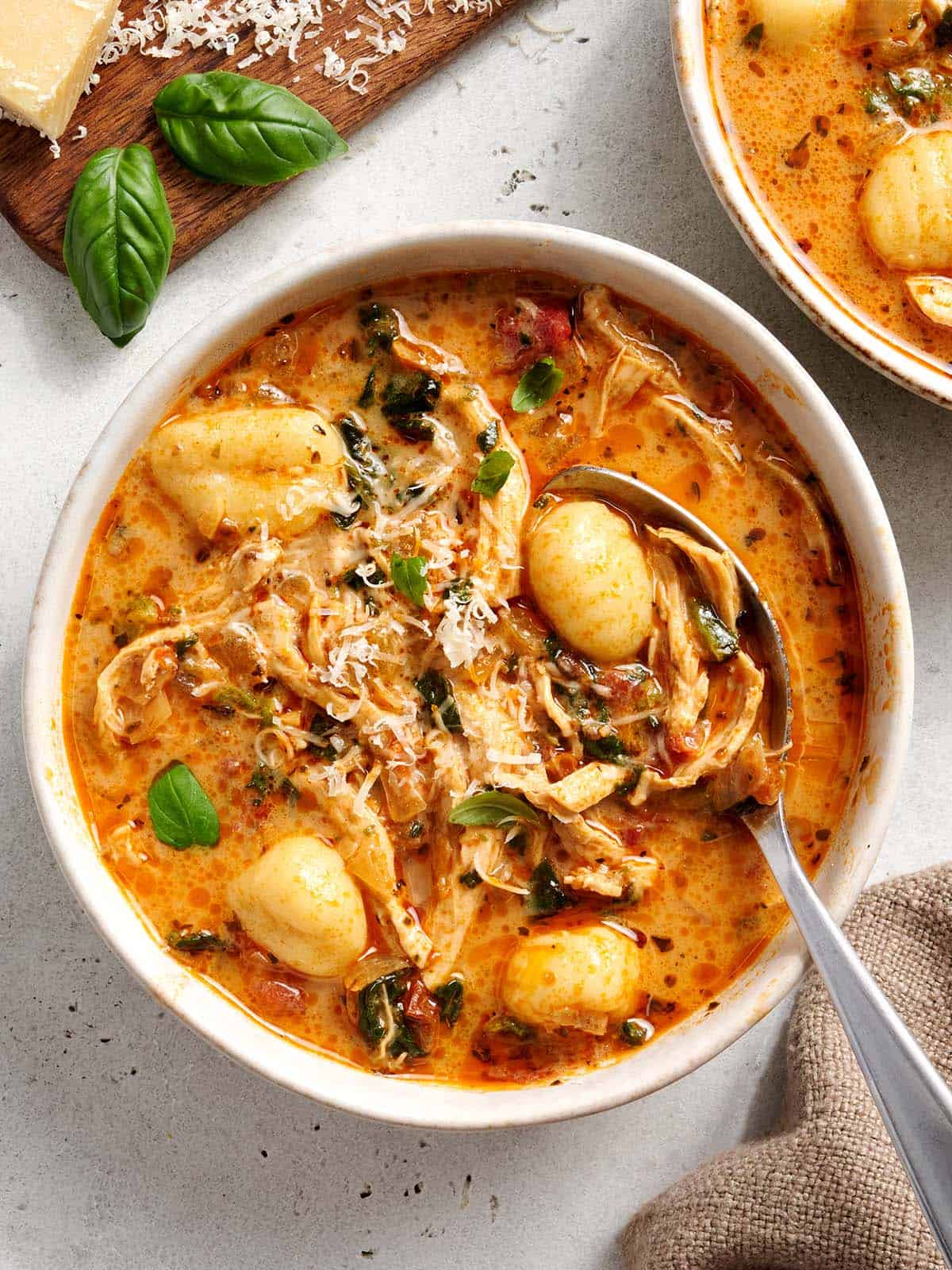
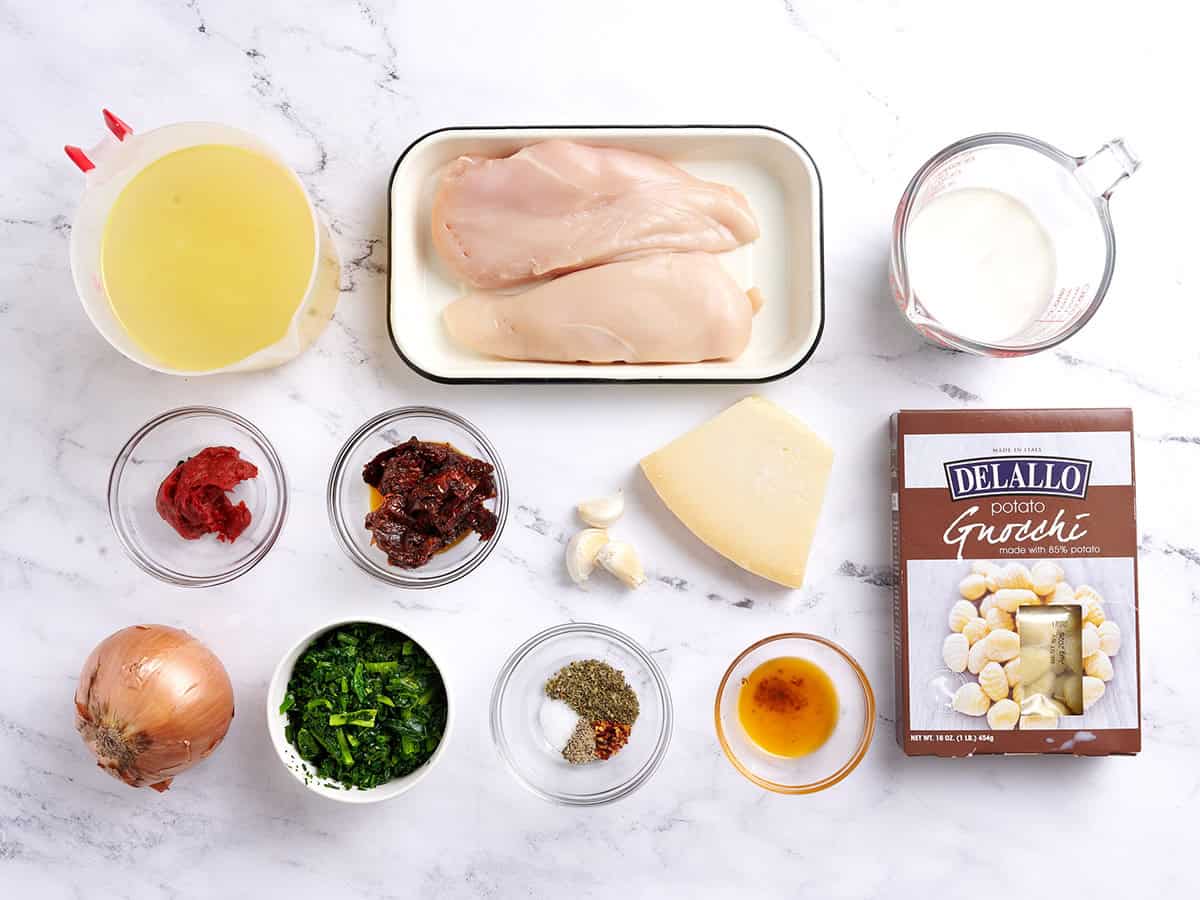
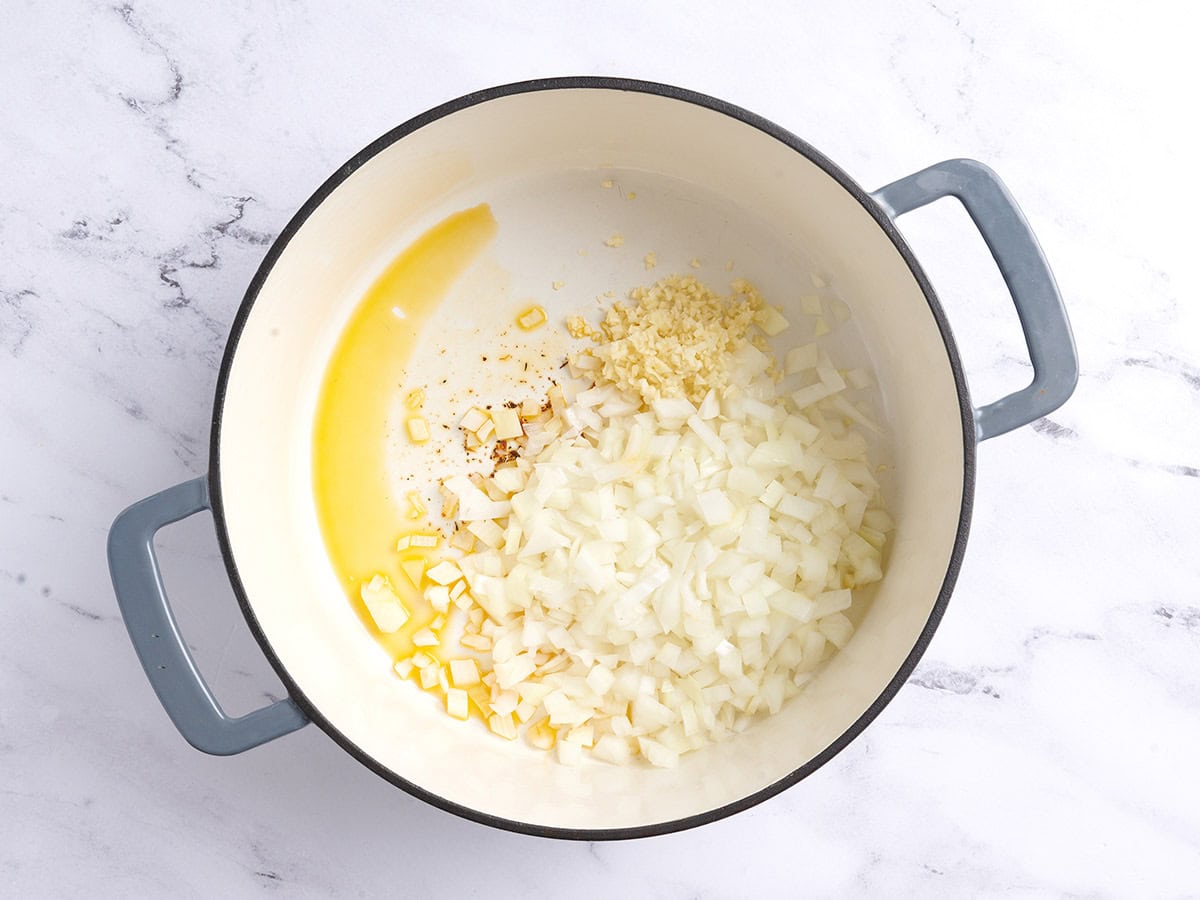
The technical challenge in adapting the Marry Me flavor profile into a soup lies in the management of the broth-to-fat ratio. Traditional cream-based soups often suffer from separation if not properly emulsified. The current iteration addresses this by utilizing the oil from jarred sun-dried tomatoes as the primary fat for the aromatics—onions and garlic. This not only deepens the flavor profile but also serves as a cost-saving measure, repurposing a secondary ingredient often discarded by home cooks.
From an economic standpoint, the dish demonstrates significant efficiency. With an estimated production cost of $9.45 for a six-serving batch, the cost per serving is approximately $1.58. This aligns with current economic trends favoring high-protein, low-cost meals. Data suggests that such recipes are increasingly relevant in an inflationary environment where consumers are actively seeking to minimize grocery expenditures without sacrificing nutritional or sensory satisfaction.
Chronology of Preparation and Implementation
The development process for this dish followed a rigorous testing cycle, focusing on the reduction of active labor time. The objective was to maintain the "all-afternoon" flavor profile within a 40-minute window.
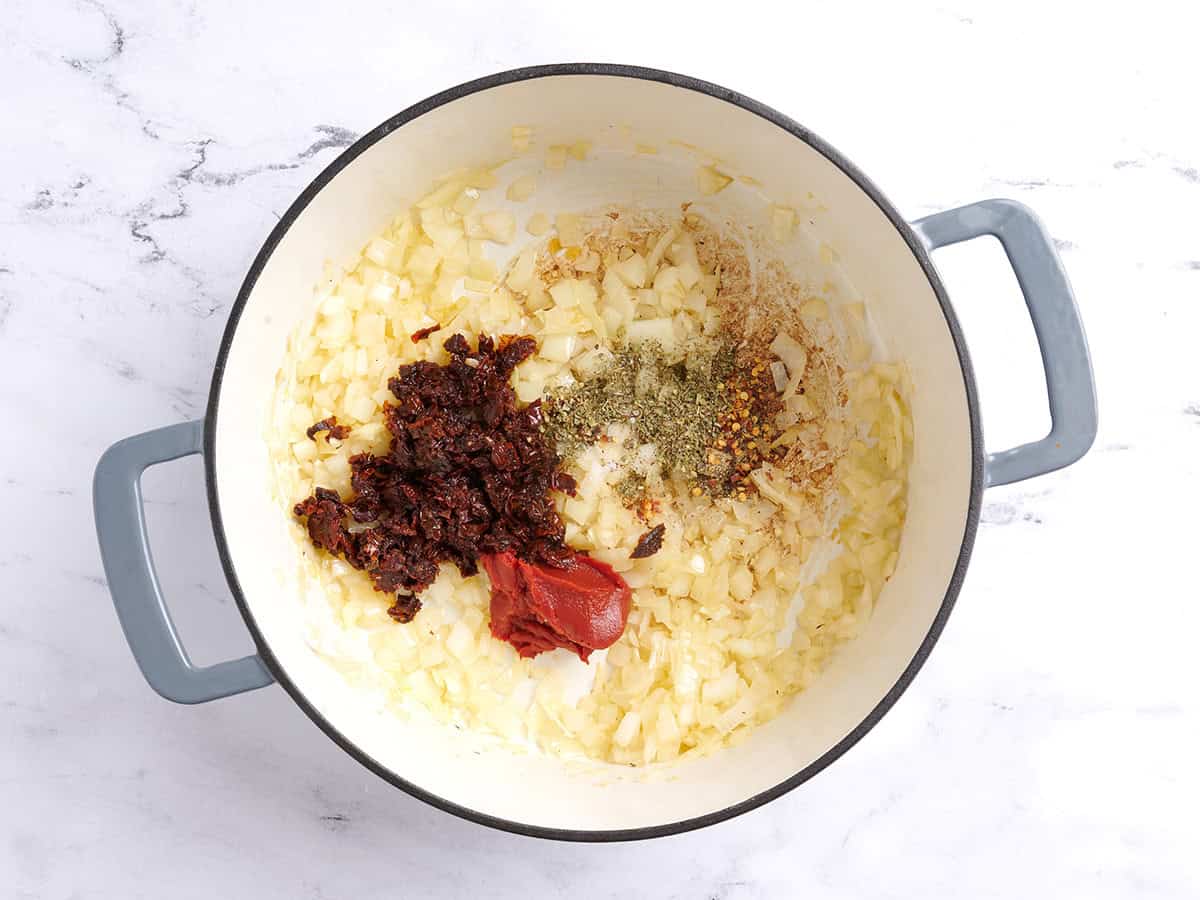
- Aromatic Base (0–8 minutes): The process begins with the sautéing of aromatics in sun-dried tomato oil. This stage is critical for the development of depth, as the tomato paste is caramelized to provide a foundation for the liquid ingredients.
- Protein Incorporation (8–25 minutes): The chicken breasts are poached directly in the broth. This method allows for the extraction of chicken essence into the base, which is more efficient than browning the meat separately.
- Starch and Texture (25–30 minutes): The addition of potato-based gnocchi replaces the traditional noodle or rice, providing a distinct texture that is often associated with premium dining experiences.
- Final Emulsion (30–40 minutes): The final step involves the integration of heavy cream, parmesan, and spinach. By controlling the temperature during this stage—ensuring the liquid does not reach a rolling boil—the cook prevents the separation of the dairy proteins.
Comparative Nutritional Analysis
The dish provides a robust nutritional profile, particularly in terms of protein content. With approximately 25 grams of protein per serving and 316 kilocalories, it serves as a nutritionally dense meal. The sodium content, calculated at 1,593 milligrams per serving, reflects the use of flavor-enhancing agents like parmesan and sun-dried tomatoes, which are high in naturally occurring glutamates. Nutritionists often advise pairing such dishes with fibrous, low-sodium sides—such as a green bean salad—to balance the meal’s overall electrolyte profile.
Storage and Preservation Challenges
A critical aspect of the recipe’s technical limitations involves its shelf-life and storage characteristics. The inclusion of gnocchi, a delicate potato dumpling, presents a challenge for long-term storage. As the soup sits, the starch in the gnocchi absorbs the broth, leading to a significant increase in viscosity.
Furthermore, the dairy components are not inherently freezer-stable. Culinary testing has shown that freezing the soup with the cream and gnocchi already incorporated results in a breakdown of the emulsion and a degradation of the gnocchi’s structural integrity. Consequently, professional recommendations for home storage suggest a two-phase approach: preparing the base and protein in advance for freezing, while reserving the dairy and starch for the final reheating stage. This method preserves the "fresh-cooked" quality of the meal.
Industry Implications and Consumer Behavior
The success of the Marry Me Chicken Soup highlights a broader shift in the food media landscape. Audiences are increasingly gravitating toward "bridge recipes"—dishes that occupy the space between accessible, low-effort home cooking and the perceived sophistication of restaurant cuisine.
The widespread adoption of this recipe also reflects the "democratization of the recipe," where professional test kitchens provide structured, cost-calculated guides for dishes that were previously left to intuition. By providing clear steps for ingredient substitution—such as using fresh spinach instead of frozen or adjusting the spice profile for different demographic groups—the dish remains adaptable. This flexibility is a hallmark of modern, successful recipe development.
Broader Impact on Home Cooking
The Marry Me trend is a reflection of the "comfort-first" culinary movement. As global economic pressures continue to influence consumer spending, recipes that utilize pantry staples—such as jarred tomatoes, bouillon, and dry-stored gnocchi—are becoming the new standard for household culinary planning.
Furthermore, the emphasis on "date night" marketing for a soup underscores the changing perceptions of what constitutes an elevated home dining experience. It is no longer defined by the complexity of preparation, but by the quality of the final, cohesive flavor. As the culinary world moves toward 2026, it is likely that other classic, high-effort recipes will be subjected to similar re-engineering, with the goal of achieving the "Marry Me" effect: maximum flavor impact with optimized, efficient, and cost-conscious execution. The legacy of this dish will not be defined by its romantic moniker, but by its contribution to the efficiency and accessibility of high-quality, home-prepared meals.
