
The Nutritional Profile of Zucchini: More Than Just Water

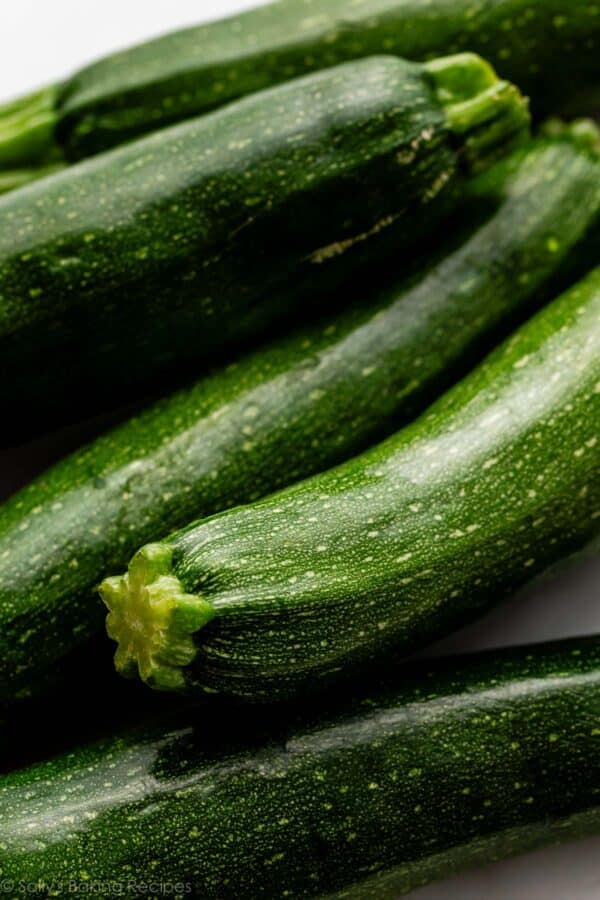
Often perceived as merely a watery filler, zucchini boasts a surprisingly robust nutritional profile that belies its unassuming appearance. Scientifically classified as Cucurbita pepo, this summer squash is an excellent source of essential vitamins and minerals, making it a valuable addition to a balanced diet. A typical serving of zucchini is rich in Vitamin C, a powerful antioxidant crucial for immune function and skin health, and Vitamin K, vital for blood clotting and bone density. It also provides significant amounts of Vitamin B6, which supports brain health and metabolism. Beyond vitamins, zucchini offers a good supply of potassium, essential for maintaining healthy blood pressure and fluid balance, and manganese, an important trace mineral involved in bone development and metabolism.

Furthermore, zucchini is notably low in calories, making it an ideal ingredient for weight management and healthy eating plans. Its high water content, approximately 95%, contributes to hydration and satiety, helping individuals feel full longer without consuming excessive calories. The presence of dietary fiber aids in digestive health, promoting regularity and preventing constipation. This combination of hydration, fiber, and micronutrients underscores why nutritionists frequently recommend incorporating zucchini into daily meals, highlighting its role in supporting overall well-being. Culinary experts often remark on zucchini’s ability to seamlessly integrate into various dishes, boosting their nutritional value without altering primary flavor profiles, a testament to its mild disposition.
A Journey Through Time: Zucchini’s Historical and Global Culinary Footprint
The history of zucchini, like its squash relatives, traces its origins back to the Americas, where various forms of squash have been cultivated for thousands of years. However, the specific cultivar we recognize as zucchini today, with its characteristic cylindrical shape and smooth green skin, was developed in Italy in the late 19th century. The name "zucchini" itself is Italian, a diminutive of zucca, meaning "gourd" or "squash." From Italy, zucchini spread across Europe and eventually to the rest of the world, finding its way into diverse culinary traditions.
Its introduction to different cuisines brought about a remarkable evolution in its use. In Mediterranean cooking, particularly Italian and French, zucchini became a staple, often featured grilled, sautéed, or baked with herbs and cheese. Its delicate flavor perfectly complements the region’s emphasis on fresh, seasonal ingredients. As it traveled further, it adapted to local palates. In American cuisine, zucchini gained popularity in the 20th century, particularly as home gardening became more widespread, leading to its notorious "summer surplus" phenomenon. This abundance spurred creative cooks to find innovative ways to utilize the vegetable, leading to the development of dishes ranging from sweet breads and muffins to savory casseroles and fritters. This historical trajectory illustrates not just the plant’s spread but also its enduring appeal and adaptability to varied culinary landscapes.

Peak Season and Abundance: Navigating the Summer Zucchini Surge

Summer marks the zenith of zucchini season, a period when this prolific plant yields an abundant harvest, often leaving gardeners and consumers alike with a substantial surplus. Typically, zucchini thrives from late spring through early autumn, with July and August representing the peak months for its growth and availability. This seasonal surge is a defining characteristic of zucchini cultivation, providing fresh, locally grown options that are both flavorful and economically accessible. Farmers’ markets become vibrant hubs for fresh zucchini, offering various sizes and even different cultivars, from the standard green to golden varieties.

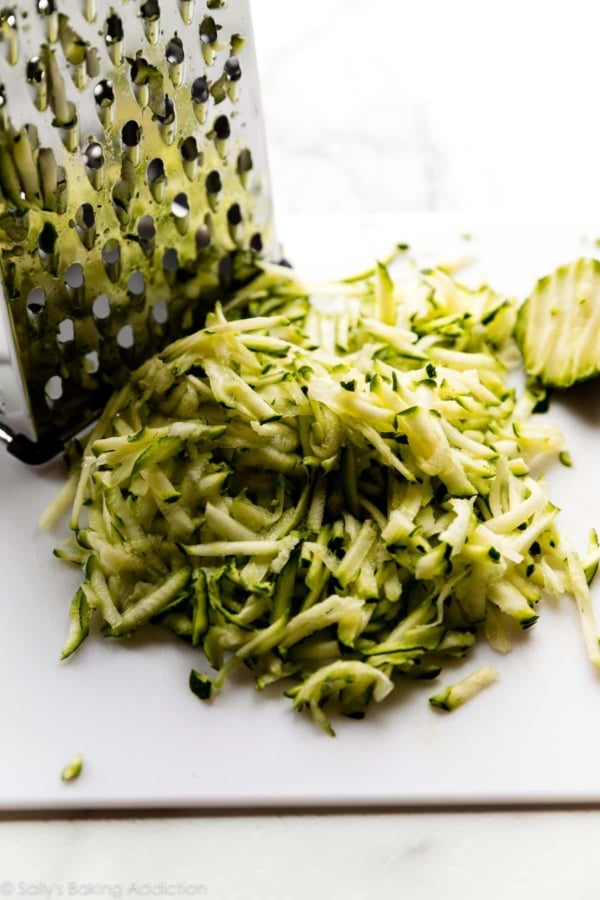
The abundance of zucchini during these months presents both an opportunity and a challenge. For consumers, it’s an invitation to embrace fresh, seasonal eating and experiment with new recipes. For farmers, managing the sheer volume of harvest requires efficient distribution channels, from direct-to-consumer sales at markets to supplying grocery chains. This seasonal cycle also underscores the importance of preservation techniques. The original text notably highlights an effective method for freezing shredded zucchini: after grating, excess moisture is squeezed out using paper towels or a clean kitchen linen, then portioned into zip-top bags and flattened for quick thawing. This simple yet crucial step allows the preserved zucchini to retain its texture and integrity, making it suitable for a multitude of recipes months after the summer harvest has passed, thereby minimizing food waste and extending the enjoyment of this versatile vegetable.
The Culinary Chameleon: Zucchini’s Remarkable Versatility in the Kitchen
The true genius of zucchini lies in its extraordinary versatility, allowing it to seamlessly transition between sweet and savory applications, often acting as a "secret ingredient" that enhances texture and moisture without imposing its own flavor. This adaptability is precisely why it earns its "Most Valuable Veggie" moniker.
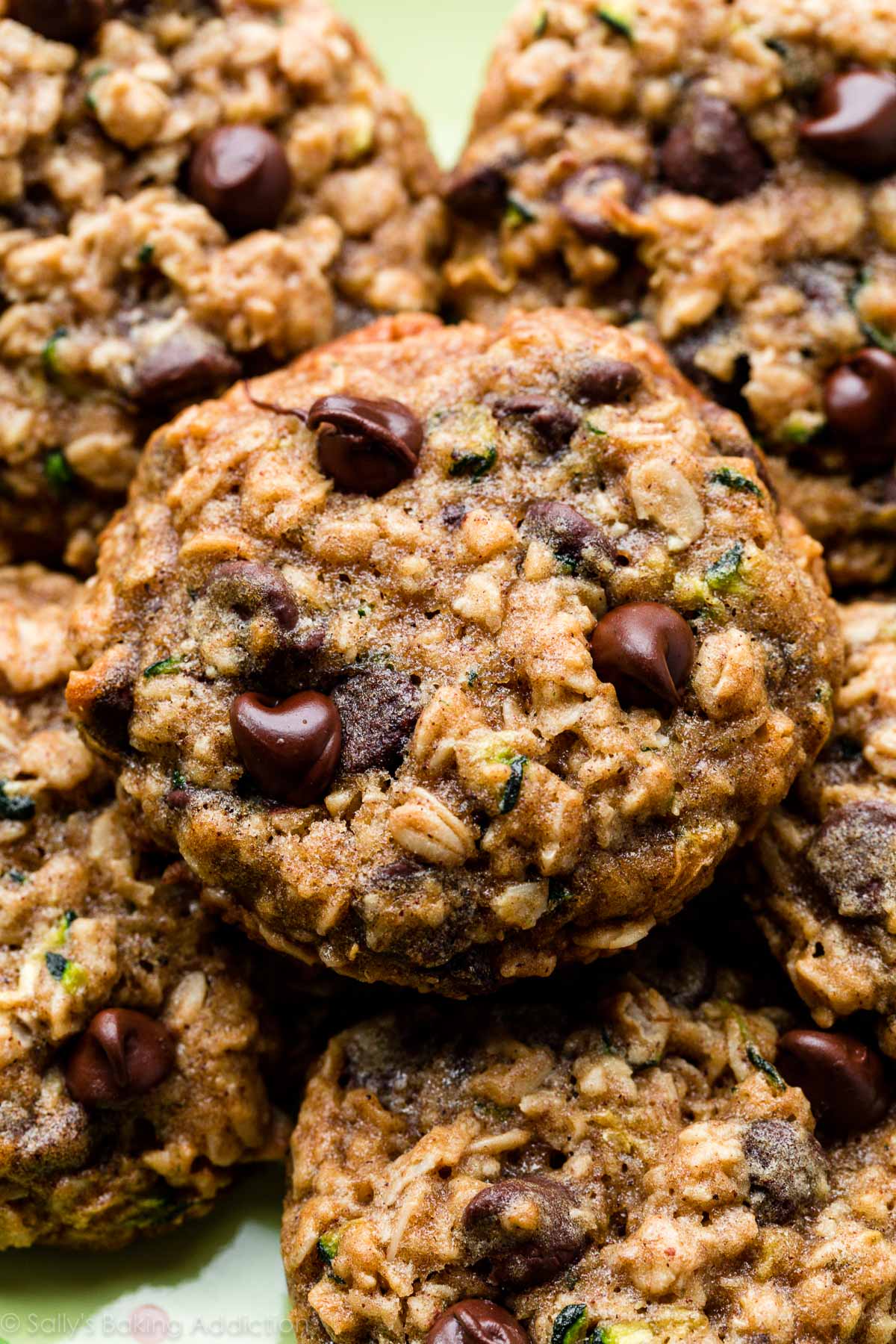
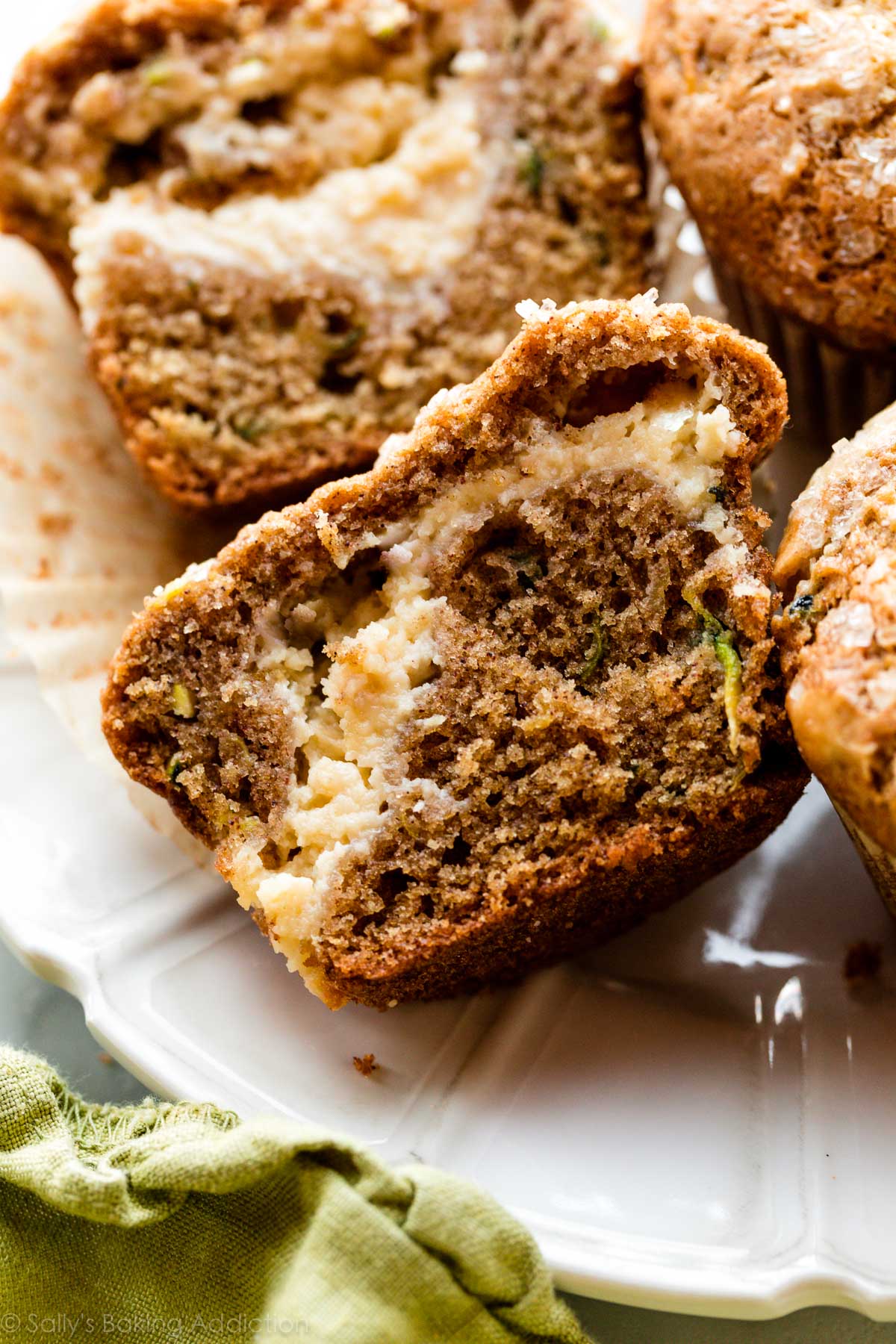
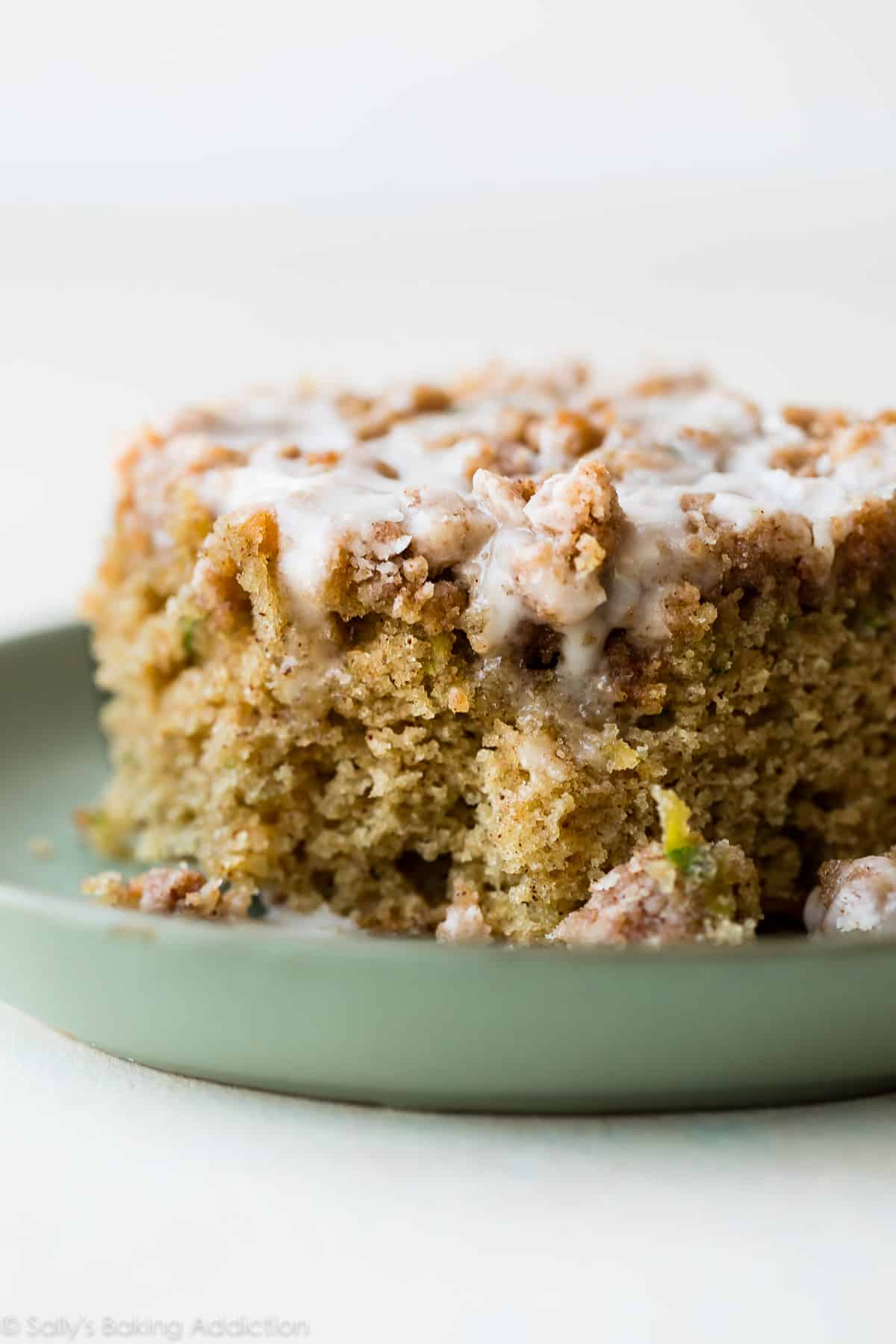
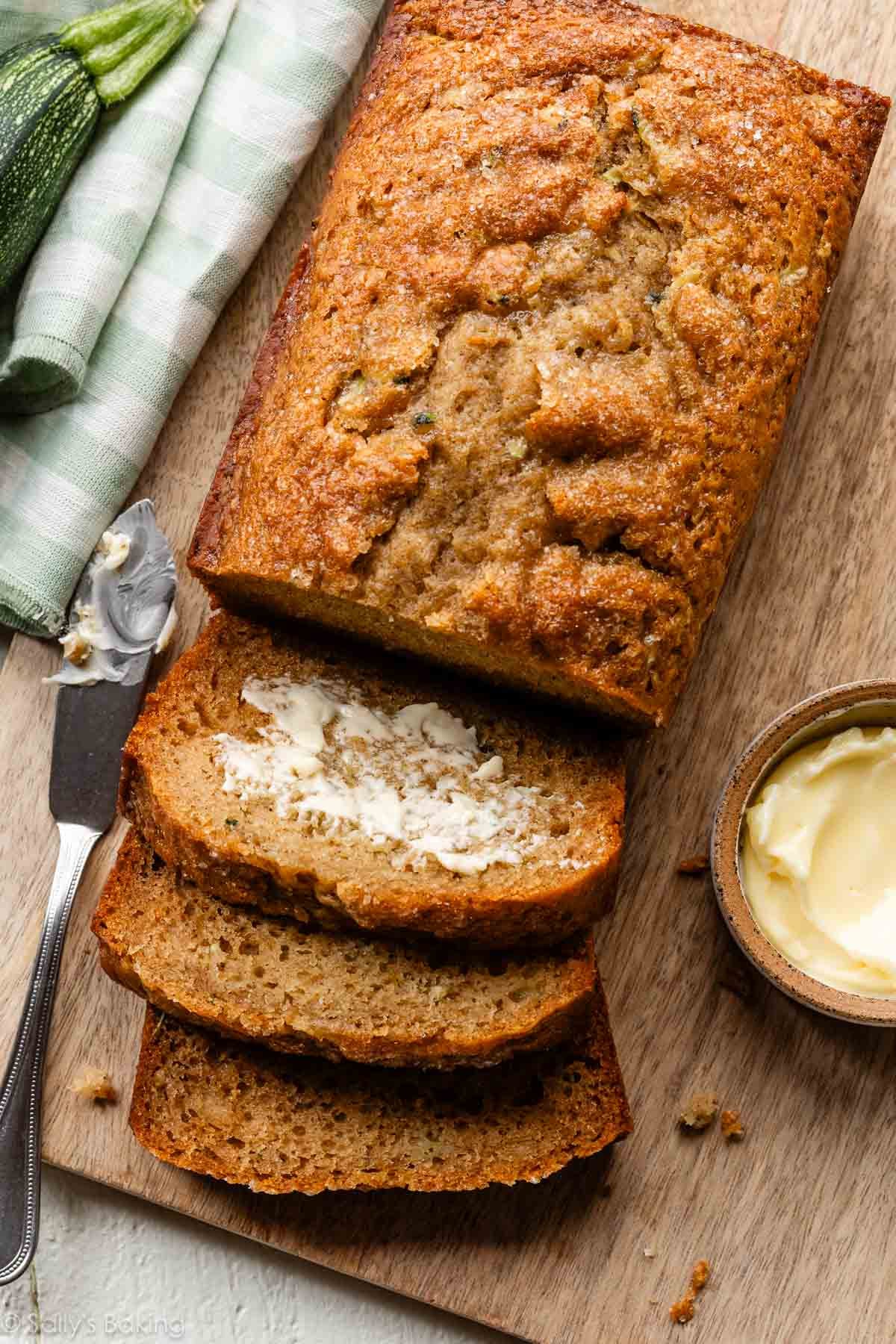
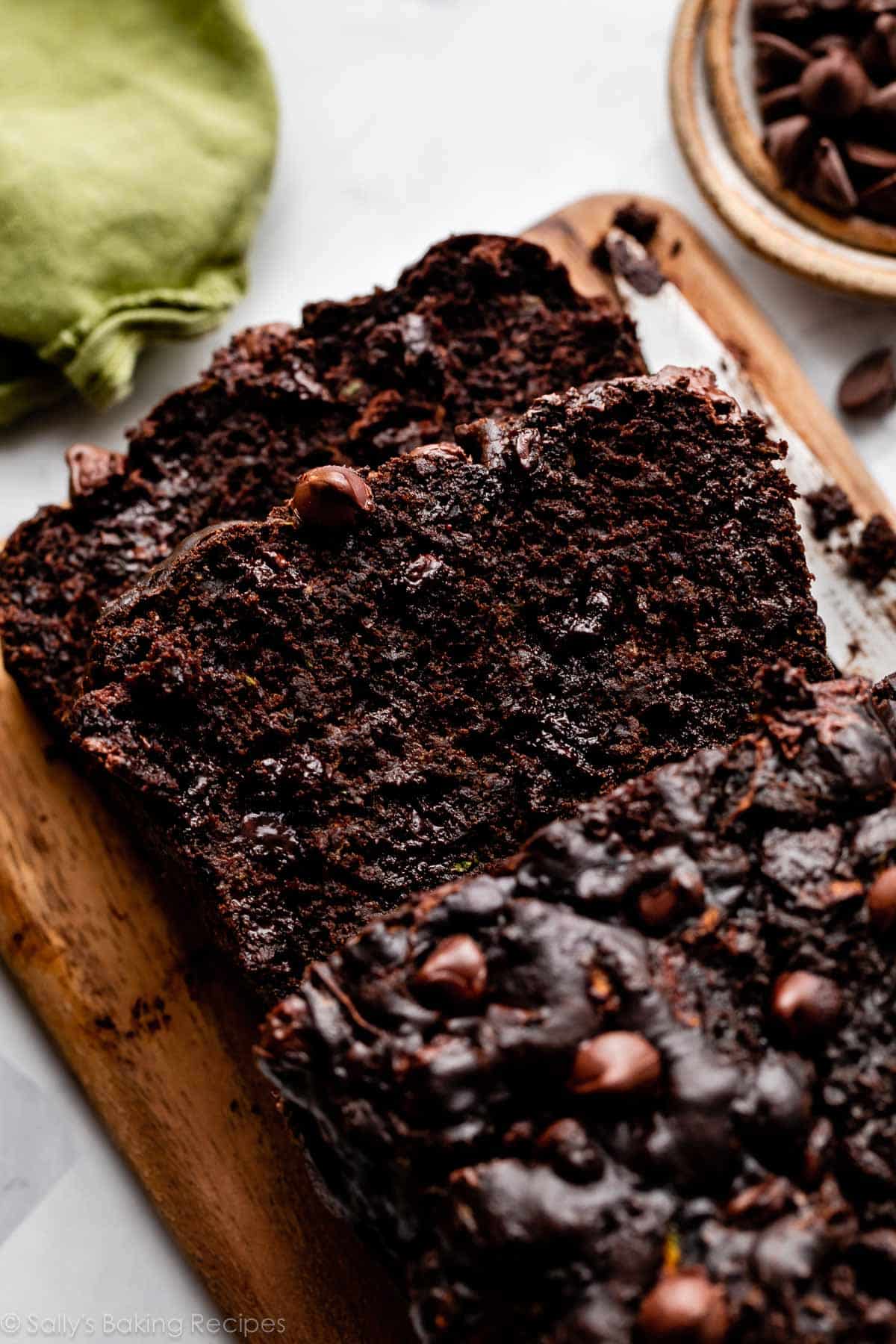
In sweet preparations, zucchini’s high water content proves to be an invaluable asset, contributing unparalleled moisture to baked goods, much like carrots in a classic carrot cake. The finely shredded vegetable virtually disappears into batters, leaving behind only a tender, moist crumb. This characteristic makes it a favorite for adding a nutritional boost to treats where its presence is undetectable by even the most discerning palates. Popular examples include rich and indulgent chocolate zucchini bread and peanut butter chocolate chip zucchini bread, where the zucchini enhances the texture without imparting a vegetal taste. The chocolate zucchini cake, a consistent reader favorite, uses a generous three cups of shredded zucchini, resulting in an unapologetically moist and decadent dessert. For a delightful breakfast or snack, zucchini muffins and classic zucchini bread are mainstays, offering a wholesome yet flavorful option that also freezes exceptionally well, providing convenient grab-and-go nourishment. Even cookies, such as zucchini oatmeal chocolate chip cookies, benefit from its inclusion, emerging extra soft with chewy centers and crisp edges, boasting phenomenal flavor in every bite. Zucchini crumb cake, spiced with cinnamon and topped with a buttery brown sugar crumble and vanilla icing, further exemplifies how this squash elevates traditional desserts.
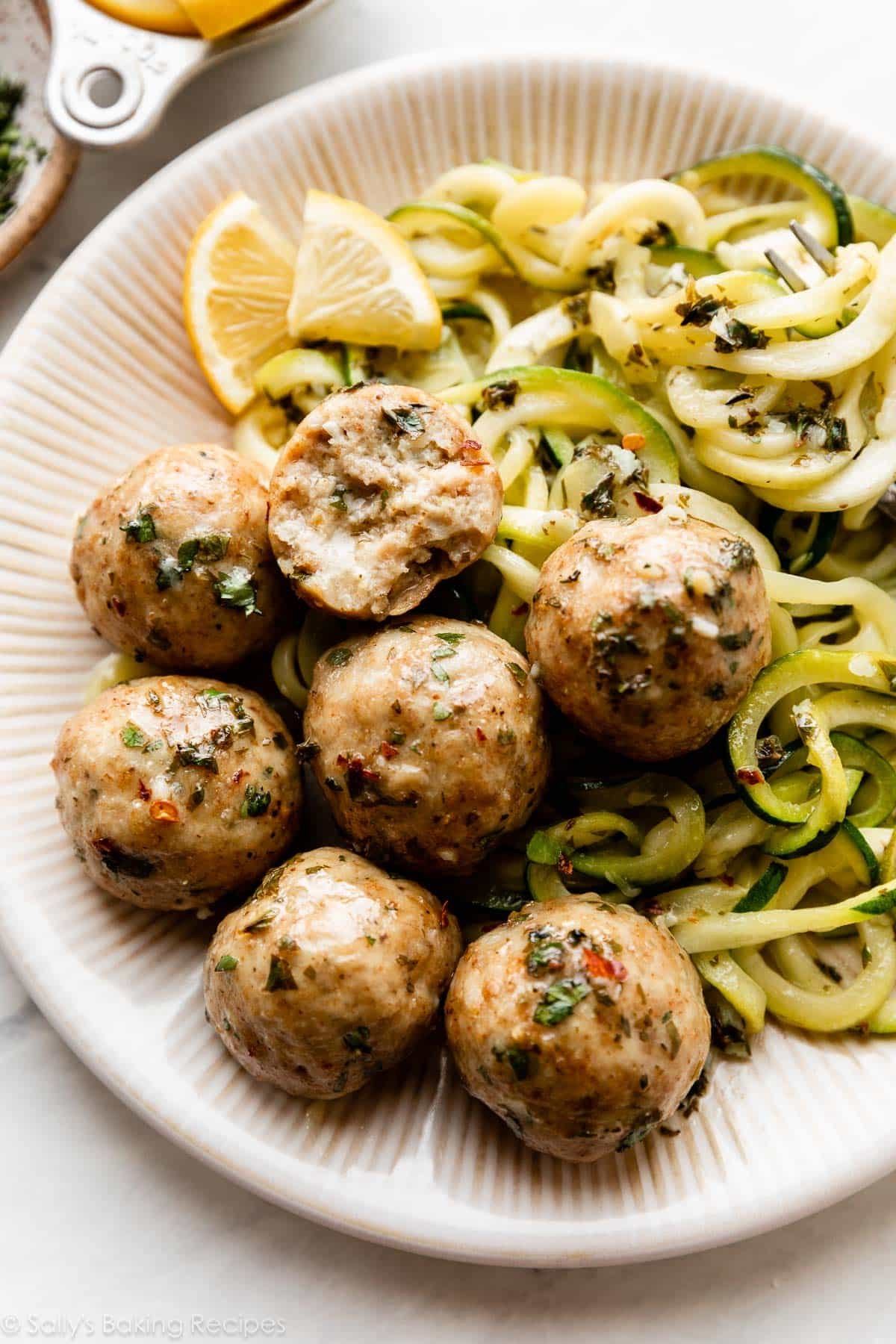
On the savory front, the possibilities for zucchini are virtually endless, showcasing its ability to complement a wide array of flavors and cooking methods. Its mild taste allows it to absorb and highlight the spices and ingredients it’s cooked with. For lighter, carb-conscious meals, spiralizing zucchini into "zoodles" offers a fantastic alternative to traditional pasta, pairing perfectly with dishes like baked chicken meatballs or bruschetta chicken, where it provides a fresh, crisp base.
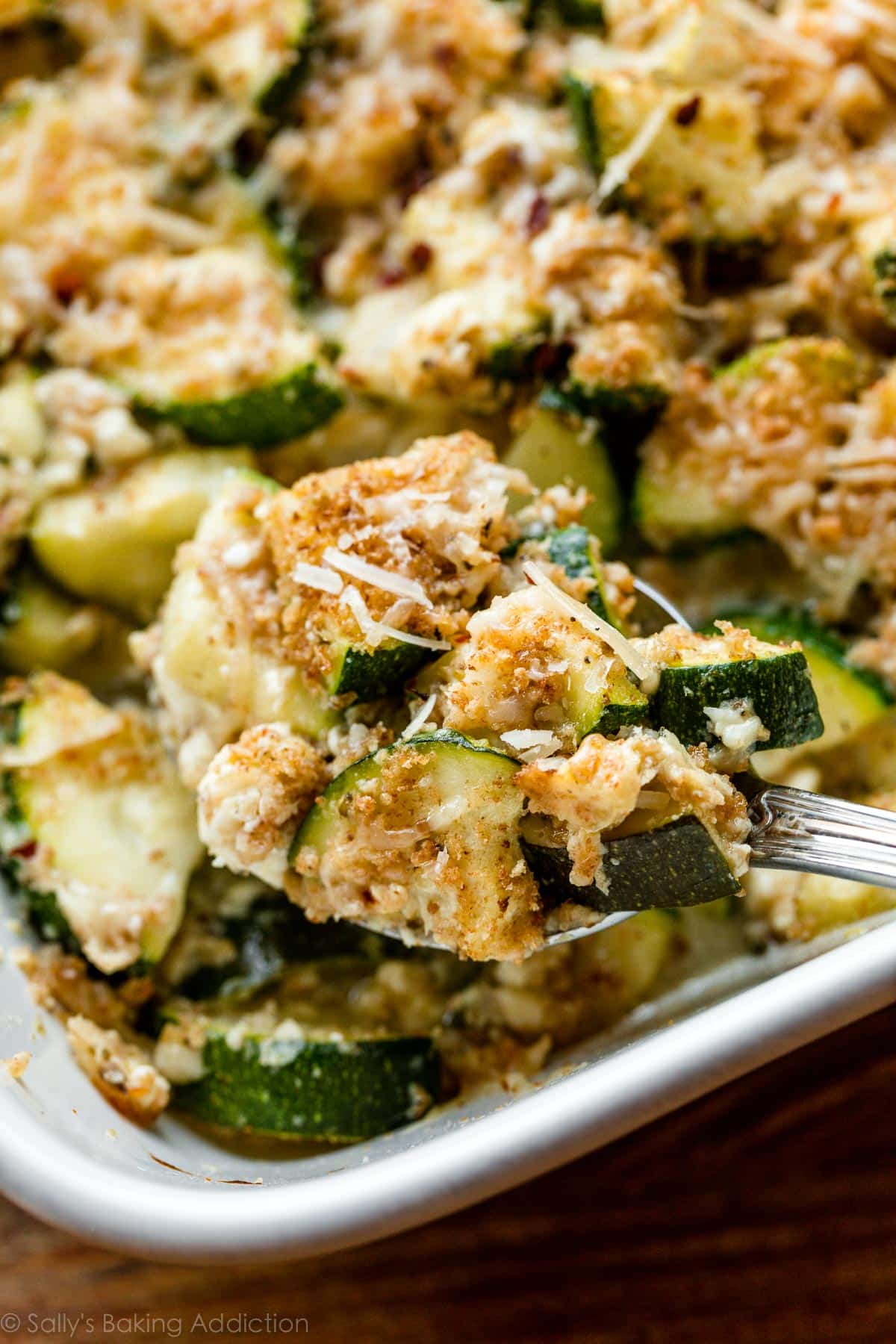
Beyond noodle forms, zucchini shines in baked dishes. A cheesy zucchini casserole, infused with oregano, thyme, basil, and garlic, offers a simple yet flavorful vegetable side dish that bakes in just 30 minutes without the need for pre-cooking. Shredded zucchini is also the star of stovetop preparations like zucchini fritters, which, when flavored with garlic and fresh herbs, make for quick, savory cakes suitable for any meal. Similarly, zucchini and sweet potato fritters combine a medley of vegetables and herbs for a flavorful vegetarian main or side. Savory zucchini biscuits present another creative way to incorporate the vegetable into baked goods, adding moisture and subtle flavor to a comforting staple. A simple box grater proves to be an essential tool for many of these recipes, efficiently preparing the zucchini for integration.
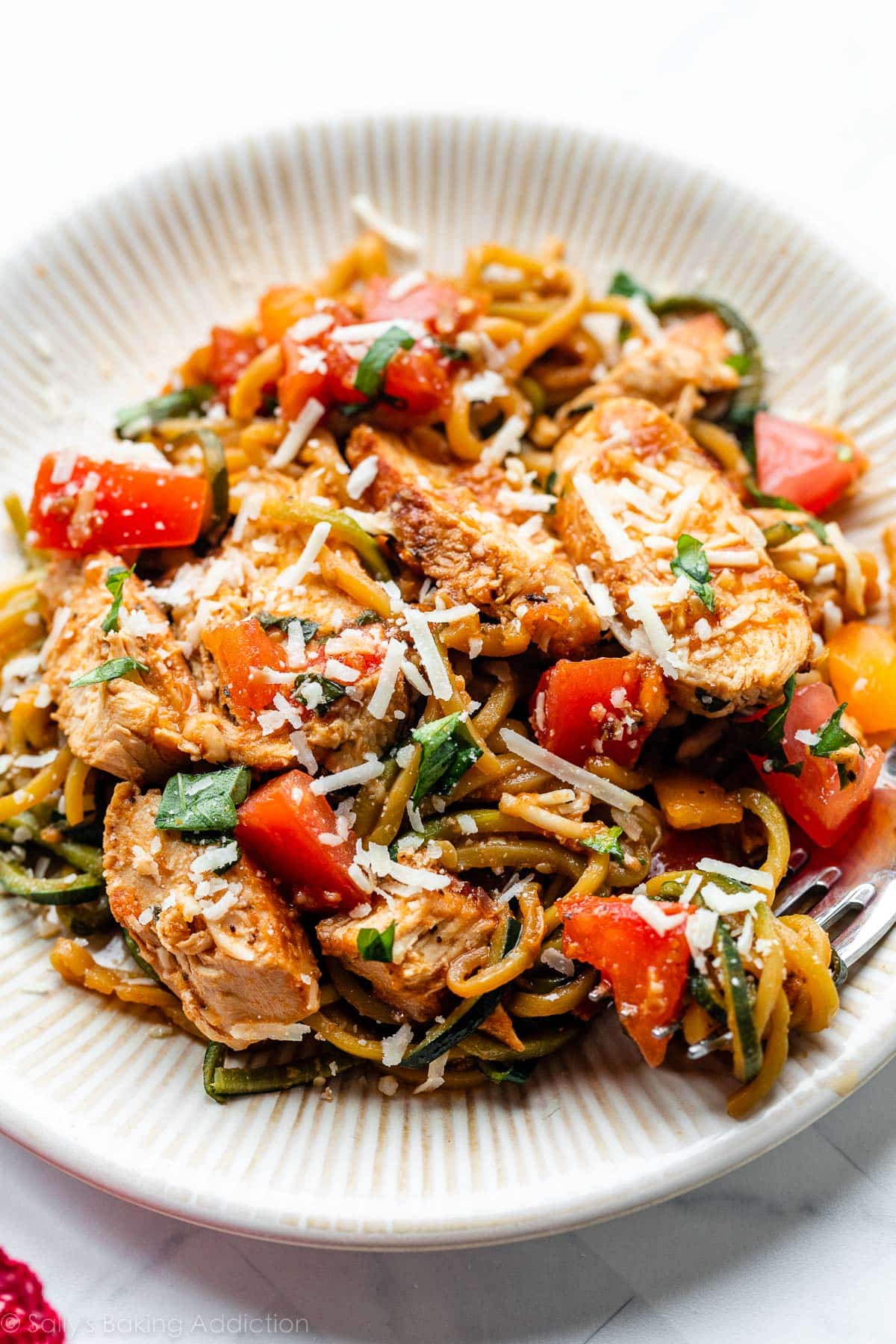
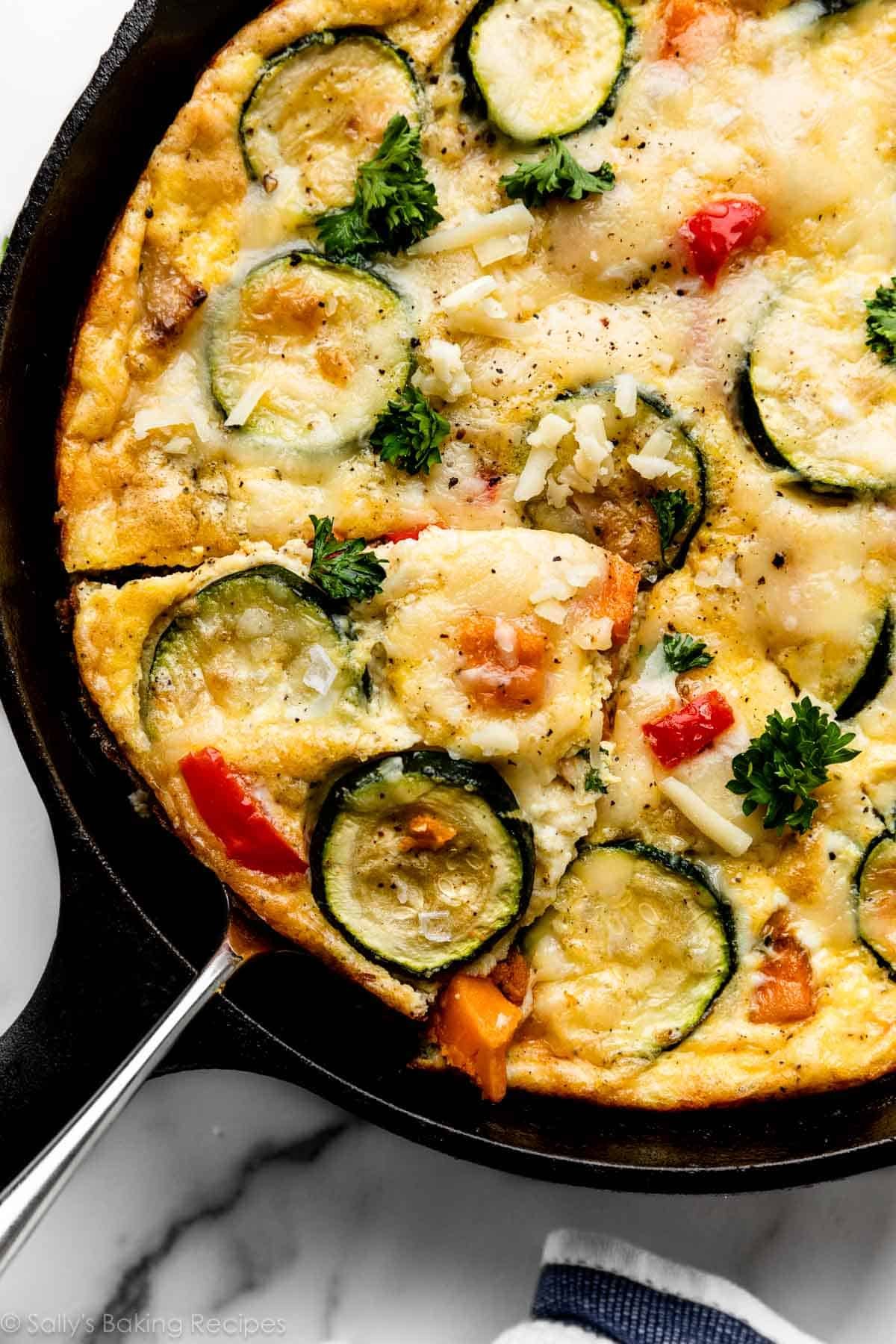
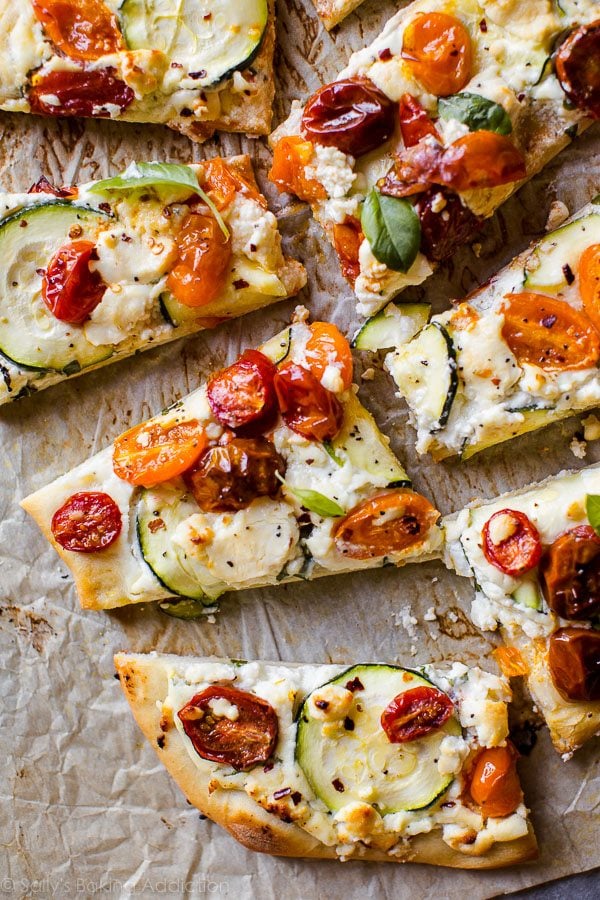
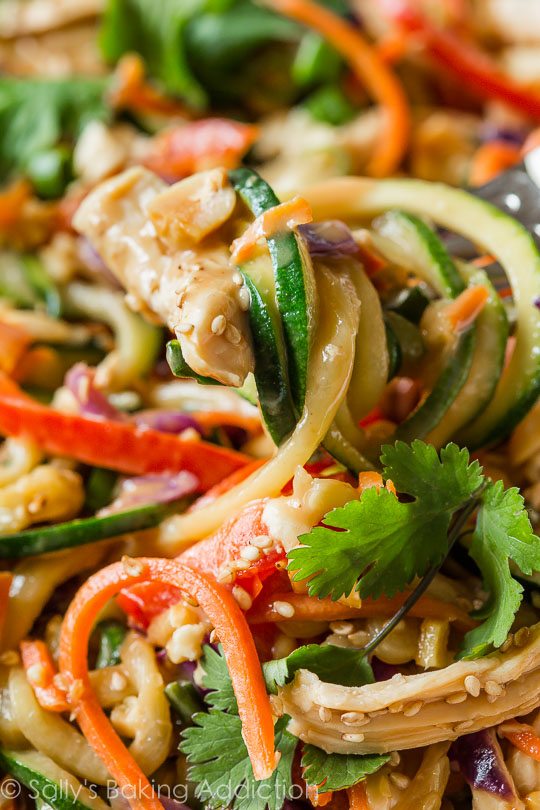
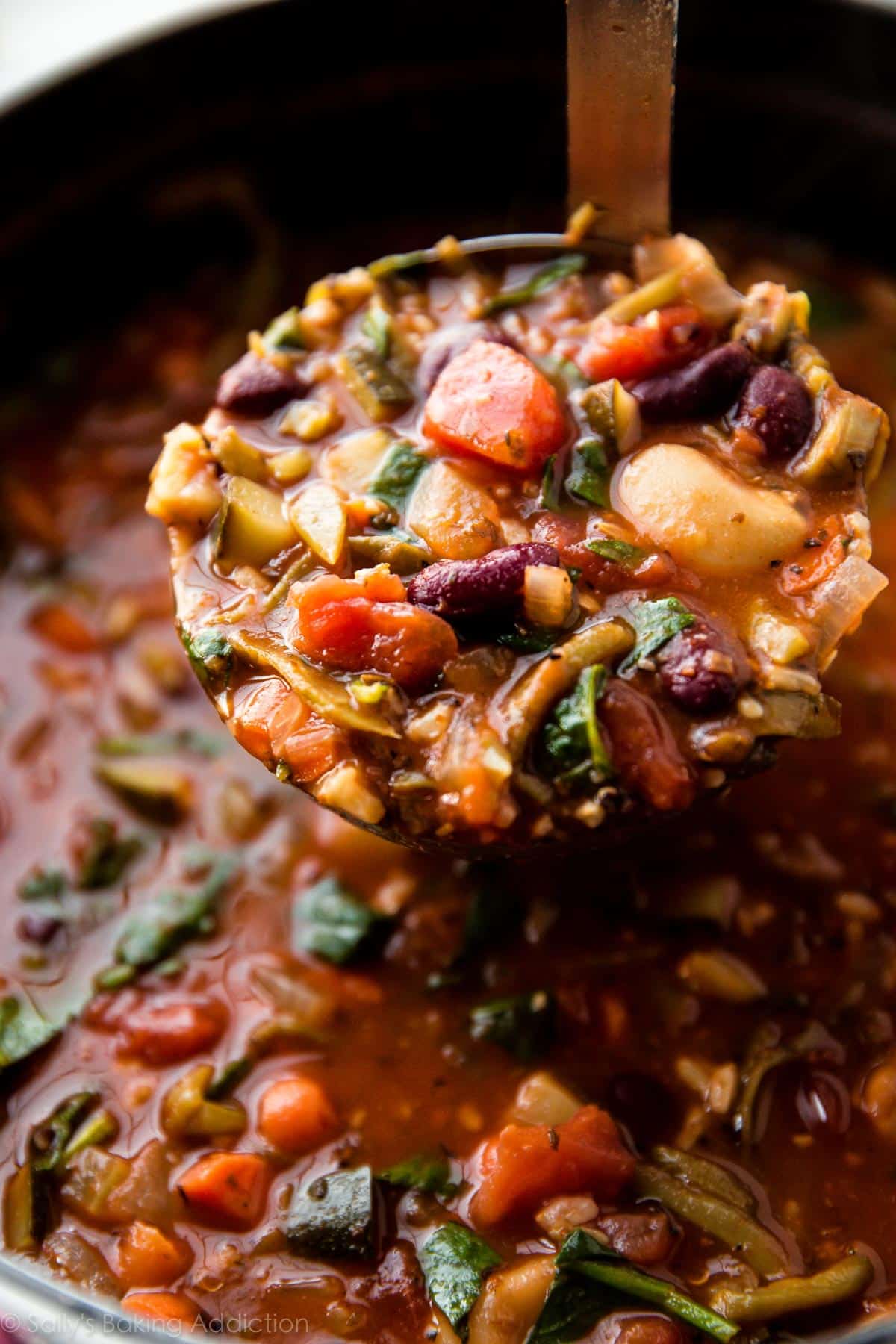
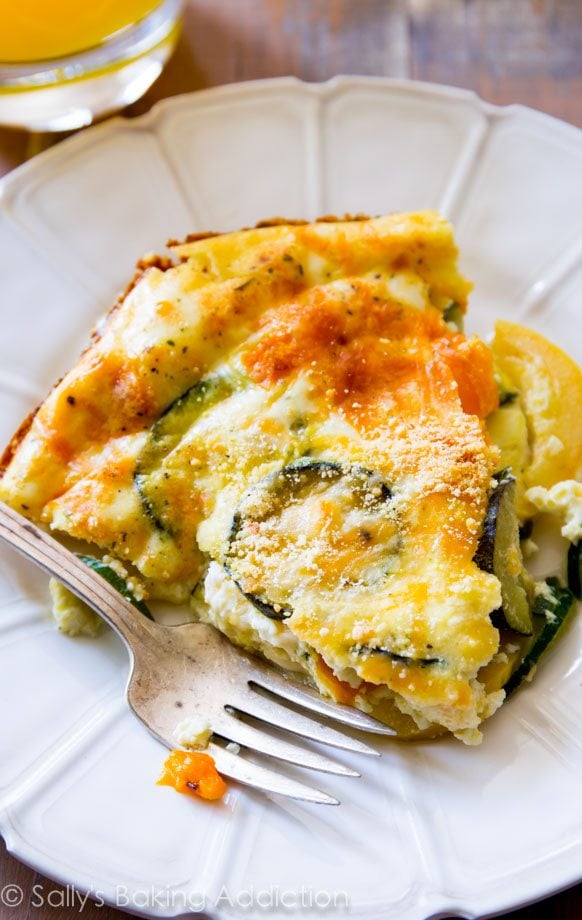
For heartier meals, zucchini can be found adding substance and nutrition to thick and hearty minestrone soup, blending seamlessly with other colorful vegetables. It’s also a key ingredient in lightened-up, healthy crustless veggie quiches, where it joins yellow squash, bell pepper, and cheese to deliver a heavy flavor punch in every bite. As a topping, sliced zucchini graces roasted vegetable whole wheat pizzas and features prominently in zucchini & herbed ricotta flatbread, alongside roasted tomatoes and fresh basil, creating a perfect summery meal. Even international flavors are not beyond its reach, as demonstrated by flavorful peanut chicken zucchini noodles, a healthier dinner boasting lean protein, abundant vegetables, and a delectable savory peanut sauce.

Expert Perspectives: Zucchini as a Culinary Catalyst
Culinary experts and nutritionists alike have increasingly recognized zucchini’s potential, moving it beyond its traditional role as a simple garden vegetable. "Zucchini is a true culinary chameleon," states Chef Anya Sharma, known for her innovative use of seasonal produce. "Its mild flavor is its greatest strength, allowing it to absorb and enhance the profiles of stronger ingredients, whether it’s a rich chocolate cake or a vibrant Mediterranean stew. It adds texture and moisture without asserting itself, making it incredibly forgiving and versatile for both professional chefs and home cooks."
From a nutritional standpoint, registered dietitian Dr. Elena Petrova emphasizes, "The high water content, fiber, and array of vitamins and minerals in zucchini make it an excellent food for digestive health, hydration, and overall wellness. Its low caloric density means it can be incorporated generously into meals, helping individuals increase their vegetable intake without compromising on taste or adding significant calories. It’s a fantastic, nutrient-dense base for countless healthy dishes." This expert consensus reinforces the vegetable’s dual appeal, combining significant health benefits with unparalleled culinary flexibility.

Practical Approaches to Zucchini Abundance: Maximizing Freshness and Minimizing Waste
Given zucchini’s generous yield during its peak season, efficient management and preparation techniques are crucial for maximizing its culinary utility and minimizing food waste. Beyond the immediate consumption of fresh zucchini, proper storage and preservation methods extend its shelf life considerably. Fresh zucchini can be stored unwashed in the refrigerator’s crisper drawer for up to a week. However, for longer-term storage, freezing shredded zucchini is a highly recommended practice, as detailed in the earlier preservation method. This ensures a year-round supply for baked goods and savory dishes.

When preparing zucchini, the choice of tool can significantly impact the outcome. A box grater is indispensable for recipes requiring shredded zucchini, such as breads, muffins, and fritters. For dishes like zucchini noodles, a spiralizer transforms the squash into pasta-like strands, offering a healthier, gluten-free alternative. Slicing and dicing are standard for casseroles, roasted dishes, and soups. The ease of preparation, combined with its nutritional benefits, positions zucchini as a highly practical ingredient for busy households and health-conscious individuals.
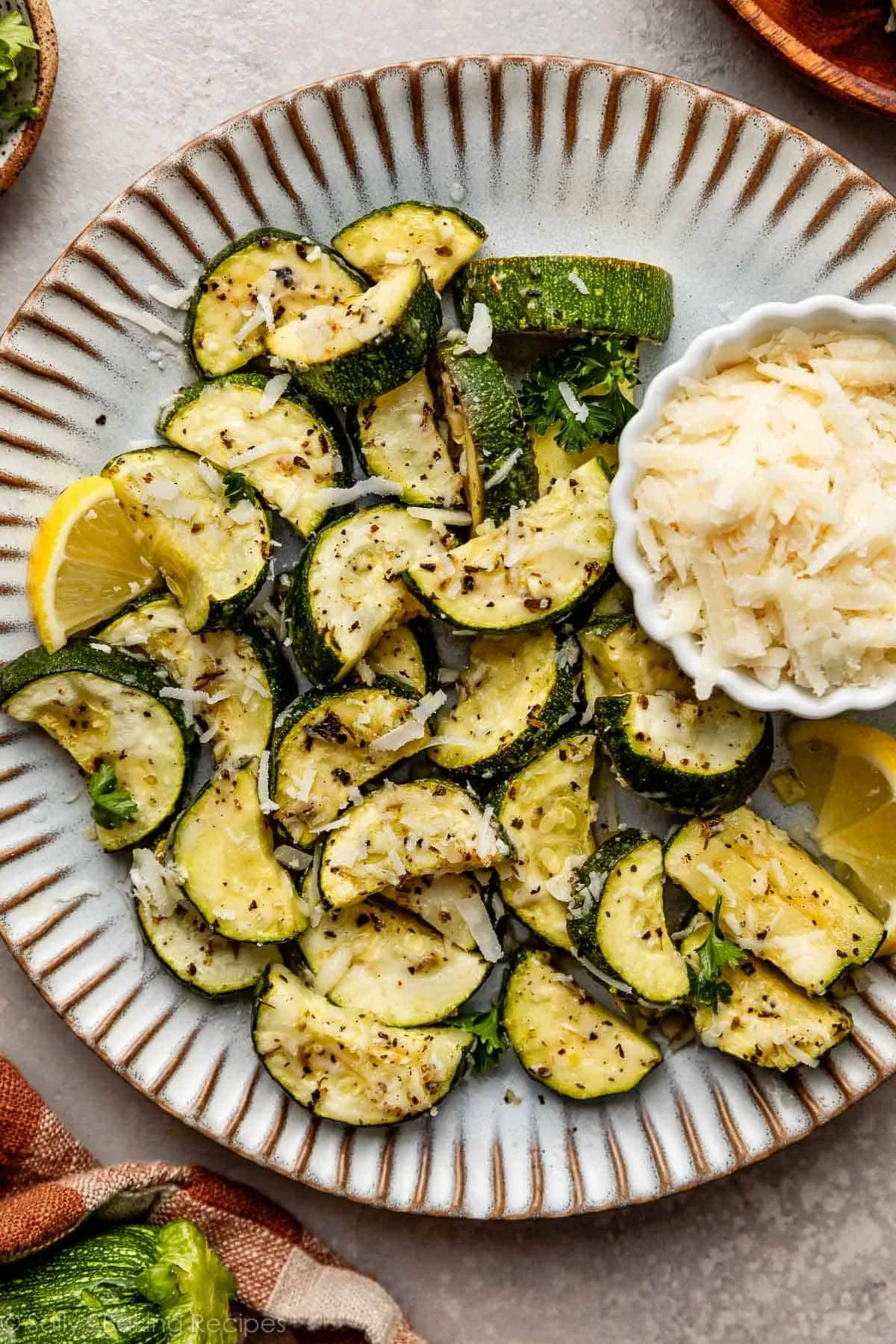
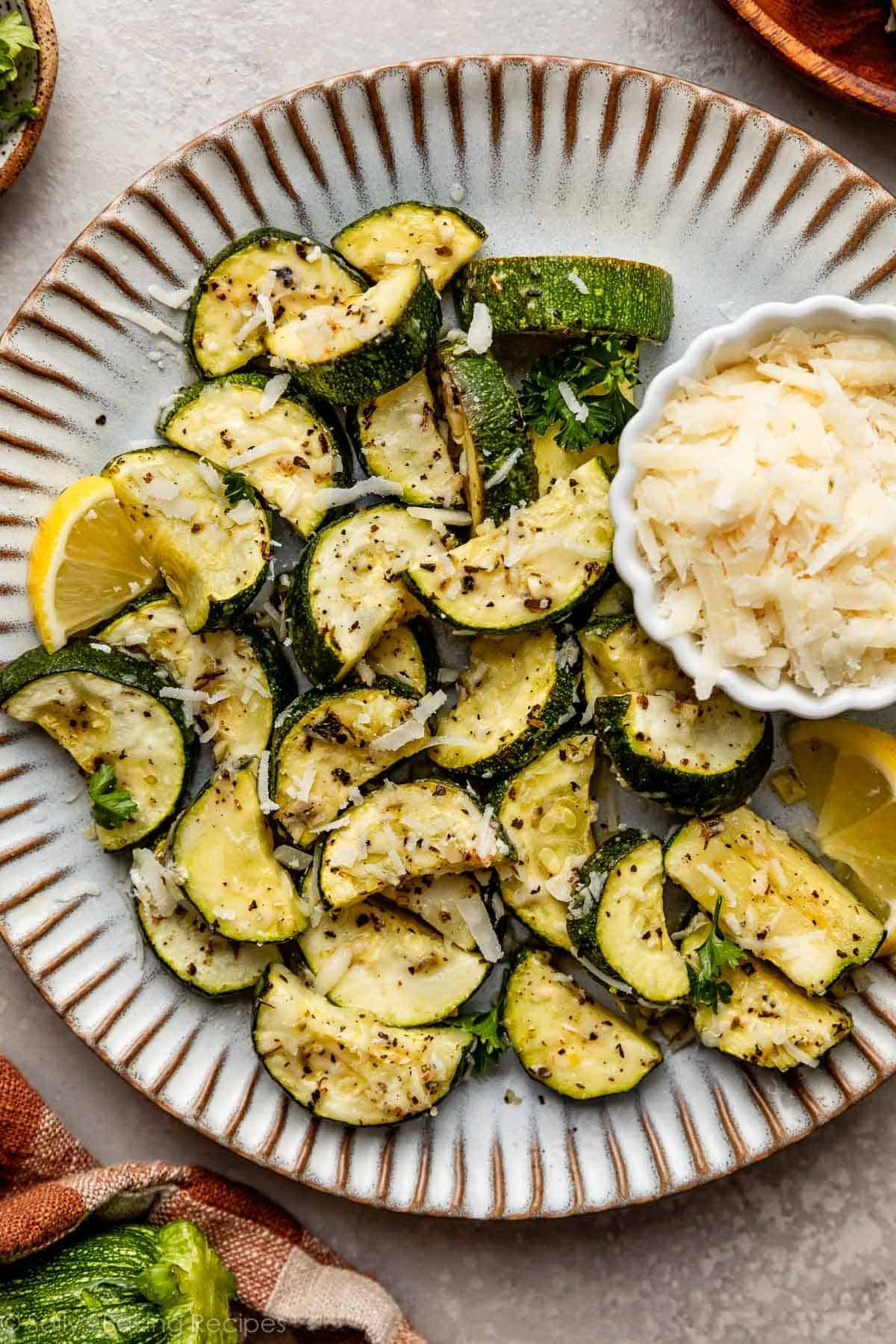
One prime example of zucchini’s quick and flavorful preparation is the simple yet elegant Roasted Lemon Garlic Zucchini. For those with a surplus of approximately 1.5 pounds (about 3-4 medium zucchini), this recipe offers a delicious solution that takes minimal effort. The zucchini is typically cut into thick pieces, tossed with olive oil, minced garlic, a generous squeeze of fresh lemon juice, dried oregano, salt, and pepper. Roasted in a hot oven for about 15-20 minutes until tender-crisp and lightly caramelized, it emerges as an extremely flavorful side dish. A final sprinkle of freshly grated Parmesan cheese adds a salty, umami depth that perfectly complements the bright lemon and aromatic garlic. This method not only highlights zucchini’s inherent flavors but also demonstrates how quickly it can be transformed into a delectable accompaniment, pairing effortlessly with a variety of main courses, from grilled chicken to roasted fish. Its tender texture, achieved by cutting the zucchini thick enough to prevent mushiness, makes it a family favorite that satisfies both taste and time constraints.
Broader Implications: Zucchini in the Context of Modern Food Trends
The rising appreciation for zucchini aligns perfectly with several contemporary food trends, including the increasing demand for plant-forward diets, a focus on sustainable eating, and the desire for nutrient-dense yet accessible ingredients. As consumers become more aware of the environmental and health benefits of incorporating more vegetables into their meals, zucchini stands out as an easy and adaptable option. Its widespread availability, particularly during the summer, supports local agriculture and reduces food miles when sourced from local farmers.

Furthermore, zucchini’s versatility encourages culinary creativity in home kitchens, empowering individuals to experiment with healthy cooking and reduce food waste by utilizing seasonal gluts. Its ability to be "hidden" in baked goods also makes it an excellent tool for parents looking to increase vegetable intake for picky eaters. In essence, the humble zucchini is not just a seasonal vegetable; it is a symbol of accessible healthy eating, culinary innovation, and sustainable food practices, cementing its enduring appeal in kitchens worldwide.
As summer unfolds, offering its generous bounty, the call to embrace zucchini in all its forms becomes louder. From the convenience of an easy frittata to start the day, to the sophisticated flavors of zucchini and herbed ricotta flatbread for lunch or dinner, and the unexpected delight of zucchini oatmeal chocolate chip cookies for dessert, this unassuming green squash promises to enrich the culinary landscape. Its journey from an Italian novelty to a global staple, backed by nutritional benefits and celebrated for its remarkable adaptability, firmly establishes zucchini as a true MVP – Most Valuable Vegetable – ready to inspire countless delicious creations.
