

The pairing of tomato and egg represents one of the most enduring and versatile combinations in global breakfast culture. While often simplified in Western households as a quick scramble, the integration of these two staples forms the foundation of diverse culinary traditions, ranging from the Chinese stir-fry tomato and egg (fan qie chao dan) to the robust, pepper-heavy Turkish menemen. Recent culinary trends have seen a surge in interest regarding simplified, omelette-style adaptations of these classic dishes, focusing on efficiency without sacrificing nutritional density or aesthetic presentation.

The Historical and Cultural Evolution of Tomato-Egg Dishes
The history of cooking tomatoes with eggs is deeply rooted in home-cooking practices across Eurasia. In China, the dish is considered a national staple, typically served as a lunch or dinner comfort food, but increasingly adopted for breakfast due to its rapid preparation time. Nutritional data from the USDA suggests that a single large egg provides approximately 6 grams of high-quality protein, while tomatoes offer a significant source of lycopene, a powerful antioxidant known for its cardiovascular health benefits.
The Turkish variation, menemen, traditionally involves simmering tomatoes, green peppers, and onions until they reach a jam-like consistency before the eggs are folded in. This technique highlights the versatility of the tomato—a fruit that provides both acidity and sweetness, which balances the richness of egg yolks. The move toward an "omelette-style" preparation—where eggs are left to set rather than continuously scrambled—represents a modern departure from these traditional stir-fry methods. This technique, which prioritizes a cohesive, circular presentation, has gained traction among home cooks who favor visually appealing, "Instagrammable" breakfast plates that can be prepared in under 15 minutes.

Culinary Methodology: Mastering the Technique
The preparation of a tomato-egg omelette requires attention to both ingredient selection and mechanical execution. Culinary experts emphasize that the choice of tomato is paramount. Beefsteak or heirloom varieties are preferred due to their structural integrity, which prevents them from disintegrating into a sauce during the cooking process.
A critical, often overlooked step is the orientation of the slice. By placing the tomato on its side and slicing perpendicular to the core, the internal chambers remain intact. This ensures that the slices maintain a uniform thickness, allowing for even heat distribution across the surface of a 10-inch skillet. When the eggs are introduced, the goal is to achieve a consistent texture; chefs recommend rigorous whisking to eliminate any remaining white or yolk streaks. This ensures that the final product has a uniform protein density and color profile.

The use of a narrow, heat-resistant plastic turner is frequently cited by professional kitchen consultants as the optimal tool for this task. The tool’s low profile allows the cook to lift the tomato slices to ensure they are coated by the egg mixture, effectively "locking" them into the structure of the omelette as it sets. The introduction of toasted sesame oil as a finishing garnish—a departure from Western butter-only traditions—adds a layer of depth and aromatic complexity, while scallions provide a necessary crisp texture to contrast with the soft, custard-like texture of the eggs.
Supporting Nutritional Data and Consumer Trends
From a nutritional perspective, the tomato-egg breakfast serves as a low-carbohydrate, high-protein option that fits within the parameters of several popular dietary frameworks, including the Mediterranean and ketogenic diets. According to caloric analysis, a standard two-egg, one-tomato portion contains approximately 214 kilocalories. This makes it an efficient option for individuals seeking to manage daily caloric intake while ensuring adequate satiety through protein consumption.

Market research indicates that there has been a steady increase in the consumption of "fusion" breakfast recipes. As urban lifestyles demand faster, more efficient morning routines, the "quick-cook" omelette has emerged as a preferred alternative to more time-intensive morning meals. The simplicity of the ingredients—eggs, tomatoes, butter, and pantry-stable aromatics like sesame oil—lowers the barrier to entry for novice cooks. Furthermore, the dish is naturally gluten-free and vegetarian, making it an inclusive option for various dietary restrictions without the need for processed meat substitutes.
Broader Implications for Home Cooking
The rise of recipes like the tomato-egg omelette speaks to a broader trend of "globalization in the kitchen." Consumers are increasingly looking to international comfort foods and adapting them to suit local, fast-paced lifestyles. This phenomenon is supported by the widespread availability of online cooking tutorials and food blogs, which act as a repository for cultural recipes that have been modified for the modern home.
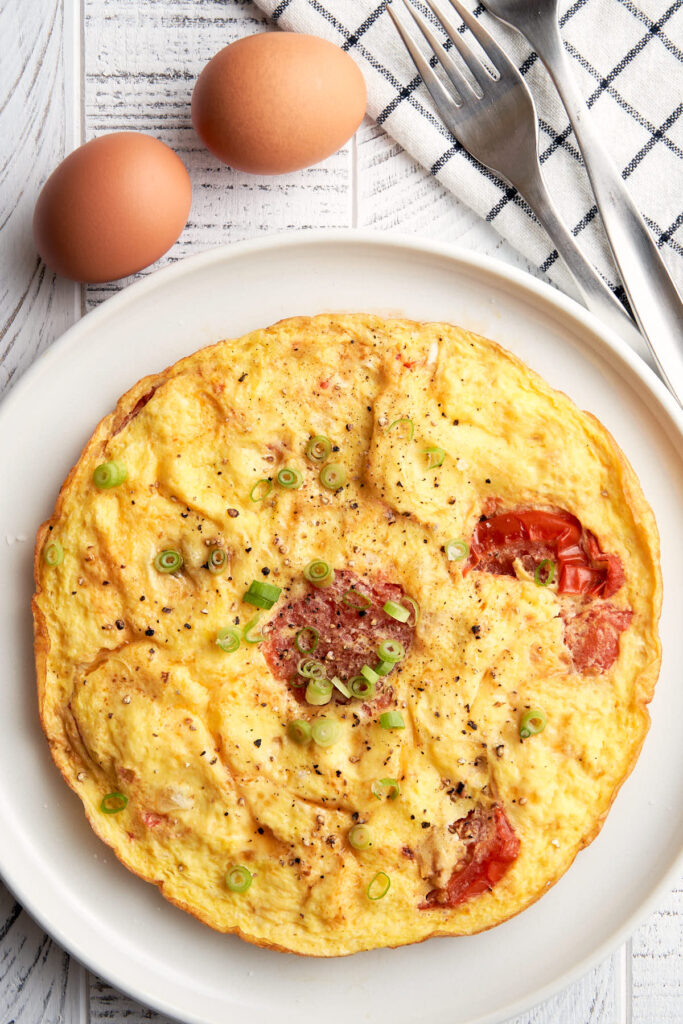
Industry analysts note that this shift toward simple, whole-food breakfast preparation is a direct response to the increasing awareness of health-conscious eating. The ability to source fresh, whole ingredients like heirloom tomatoes at local farmers’ markets or supermarkets has empowered consumers to move away from pre-packaged, frozen breakfast alternatives. By focusing on fundamental cooking techniques—such as proper whisking, controlled heat application, and aesthetic plating—home cooks are elevating a humble, inexpensive meal into a nutritious and visually compelling dining experience.
Expert Perspectives on Culinary Simplification
Food scientists and chefs argue that the success of such dishes lies in the "Maillard reaction"—the chemical reaction between amino acids and reducing sugars that gives browned food its distinctive flavor. When tomatoes are seared in a skillet with butter, the natural sugars caramelize, creating a flavor profile that is significantly more complex than raw tomatoes. When this is combined with the gentle coagulation of egg proteins, the result is a balanced dish that hits multiple flavor notes: salty, sweet, acidic, and umami.

The inclusion of additional toppings, such as chili crisp, feta cheese, or fresh herbs, allows for further customization. This versatility is likely why the recipe has maintained its popularity across various social media platforms. It serves as a "base" recipe, one that invites experimentation and personal preference, which is a key driver for long-term culinary engagement.
Conclusion
The evolution of the tomato-egg breakfast from a traditional regional staple to a global morning favorite underscores the universal appeal of simple, high-quality ingredients. By mastering the basic techniques of slicing, whisking, and heat management, the home cook can produce a meal that is not only nutritionally dense but also deeply satisfying. As the culinary world continues to embrace cross-cultural influences, the tomato-egg omelette remains a quintessential example of how tradition and modern convenience can converge on the breakfast table. Through the continued sharing of such methods, the legacy of this simple yet profound dish is likely to persist as a staple of the modern, health-conscious, and globally-minded kitchen.
