

The Evolution of the Portable Sandwich Market
The concept of the "uncrustable"—a circular, crustless, crimped sandwich—gained significant commercial traction in the early 2000s when The J.M. Smucker Company popularized its pre-packaged, frozen versions. Designed primarily as a convenience food for school lunches, the product addressed a common parental grievance: the removal of sandwich crusts, which are frequently rejected by children.

However, as consumer awareness regarding nutrition labels and the long-term health implications of high-fructose corn syrup and excessive added sugars has grown, the market for "copycat" or DIY versions has expanded. Parents are increasingly seeking ways to replicate the convenience of these portable meals while substituting commercial fillings with healthier, lower-sugar, or allergy-friendly alternatives.
Technical Analysis of Homemade Production
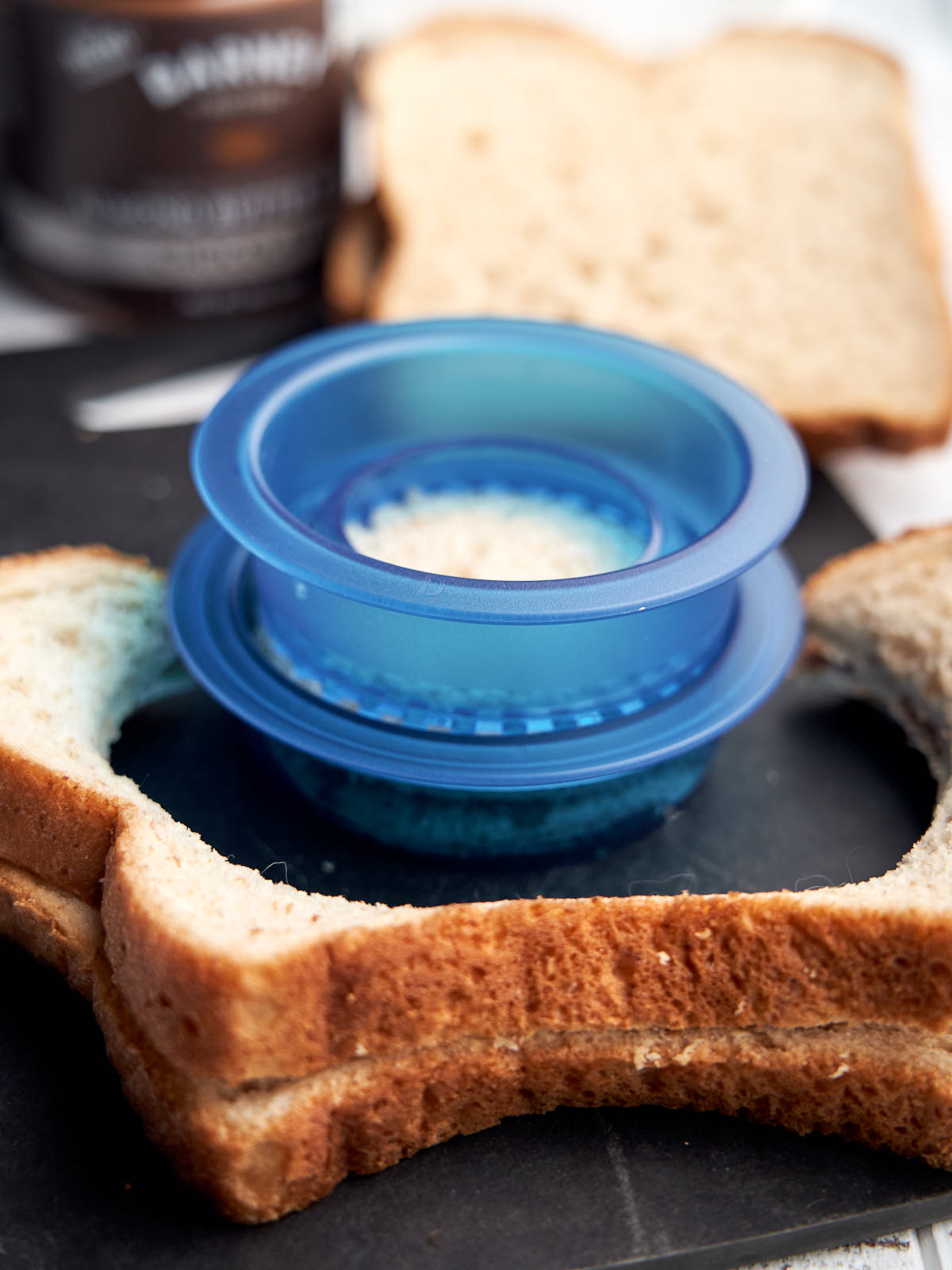
The mechanism behind the modern homemade uncrustable relies on the "cutter-and-sealer" device. Unlike a simple cookie cutter, these devices are typically two-part systems. The outer rim functions as a circular knife, while the inner plunger or press crimps the two layers of bread together.

For successful production, the choice of bread is paramount. Bread with high structural integrity but low density, such as standard white or honey-wheat sandwich bread, is generally required. Whole-grain or artisanal breads with higher fiber content often contain coarser grains that compromise the structural seal, leading to bread cracking and filling leakage. Food preparation experts note that for the best results, bread should be at room temperature or slightly warmed to increase elasticity before the sealing process occurs.
Comparative Nutritional Profiles
A significant driver for the rise in homemade versions is the nutritional disparity between commercial spreads and specialty alternatives. A standard serving of traditional chocolate-hazelnut spread can contain upwards of 20 grams of added sugar. In contrast, health-conscious alternatives, such as chocolate-infused almond or peanut butters, often utilize natural sweeteners or alternative nut bases to provide a similar flavor profile with significantly reduced sugar content—frequently as low as 2 grams per serving.
This shift in ingredient selection allows for a product that aligns with dietary preferences, such as vegan, gluten-free, or lower-glycemic diets. The ability to control the quantity of the filling also mitigates the risk of "blowouts," where excessive pressure during the sealing process causes the filling to permeate the bread seal.
The Mechanics of Optimal Assembly
The process of creating a homemade uncrustable is categorized into a precise, two-step methodology:
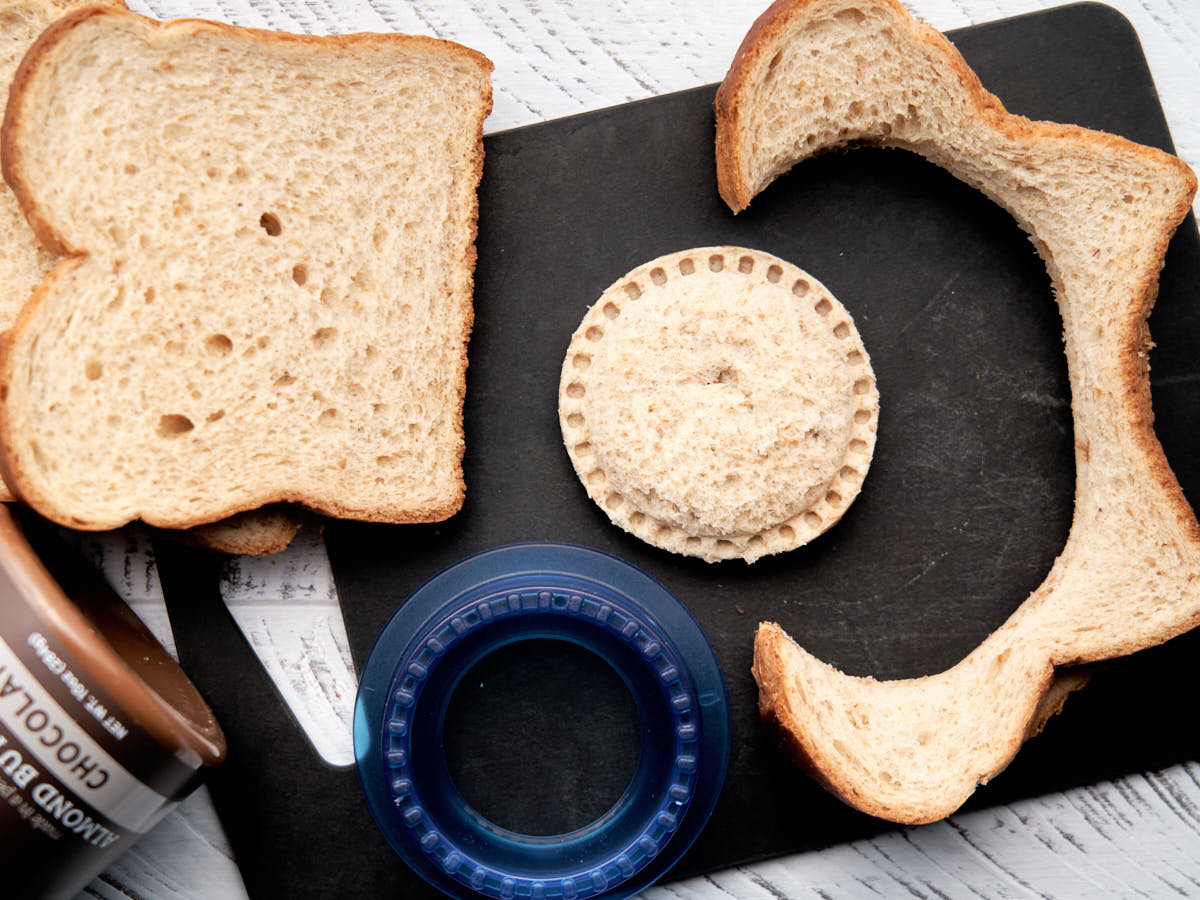
- Preparation and Placement: The filling must be concentrated in the center of the bread slices. Distributing the spread toward the edges is a common error that leads to structural failure during the cutting phase.
- Sealing and Extraction: The application of uniform downward pressure is required to achieve a consistent crimp. Industrial-grade plastic or stainless-steel molds are favored for their ability to replicate the uniform, rounded edges seen in mass-market products.
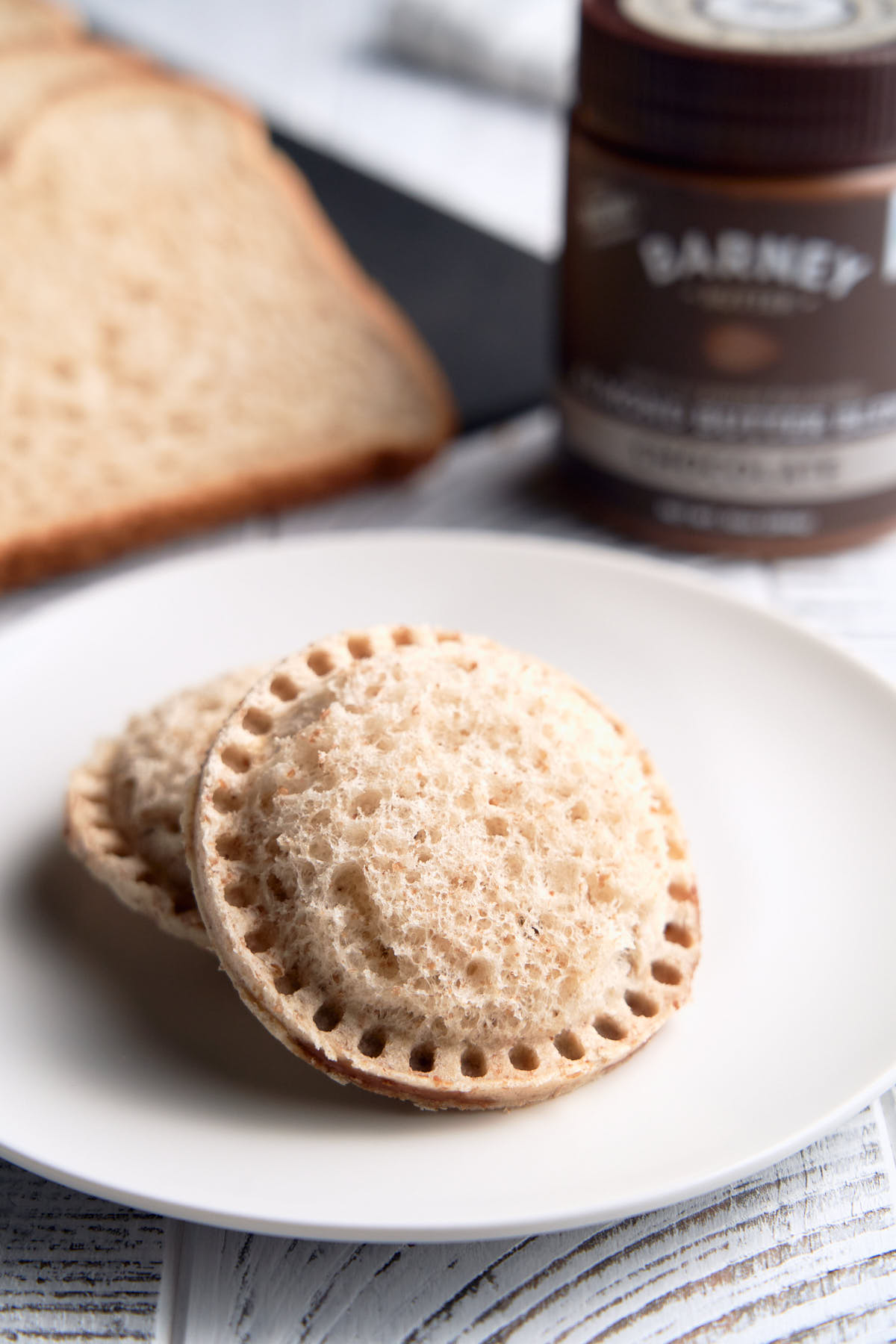
Consumer data suggests that the "visual fidelity" of the final product is a key factor in its acceptance by younger consumers. The more closely a homemade item resembles the store-bought standard, the higher the rate of consumption among children who have grown accustomed to the commercial aesthetic.
Economic and Practical Implications
For the average household, the investment in a dedicated sandwich sealer ranges from $10 to $25. When amortized over the life of the tool, the cost per unit of a homemade uncrustable is significantly lower than the retail price of pre-packaged alternatives. Furthermore, the reduction in single-use packaging associated with commercial frozen sandwiches provides a marginal benefit in terms of household waste reduction.
Retail analysts have observed that the "breakfast-on-the-go" category remains one of the most resilient segments of the food market. As hybrid work schedules and school routines continue to fluctuate, families are prioritizing meal prep solutions that offer a balance between nutritional value and speed. The DIY uncrustable serves as a microcosm of this trend: it is a solution that leverages existing pantry staples while utilizing simple mechanical tools to save time without sacrificing health standards.
Future Market Outlook
While commercial brands continue to dominate the grocery freezer aisle, the hobbyist movement surrounding homemade food preparation shows no sign of slowing. Online communities and social media platforms have become hubs for sharing recipes, filling combinations, and troubleshooting tips for home-based sandwich production.
The implications for the broader food industry are twofold. First, it signals that consumers are willing to invest in kitchen hardware if it simplifies their daily routines. Second, it highlights a persistent demand for "clean label" versions of beloved convenience foods. As more manufacturers take note of these DIY trends, it is possible that future commercial offerings may pivot toward lower-sugar formulations to compete with the health-conscious homemade movement.
Ultimately, the homemade chocolate uncrustable is more than a culinary novelty; it is an example of how consumers are reclaiming agency over their food supply chain. By mastering the assembly process, families are not only avoiding the additives found in industrial-scale production but are also creating a customizable, budget-friendly, and nutritionally superior breakfast option that satisfies both the demands of a busy morning and the preferences of a discerning palate. As long as the demand for quick, portable nutrition exists, the tools and techniques used to craft these sandwiches will continue to evolve, blending traditional home cooking with the convenience of modern kitchen technology.
