
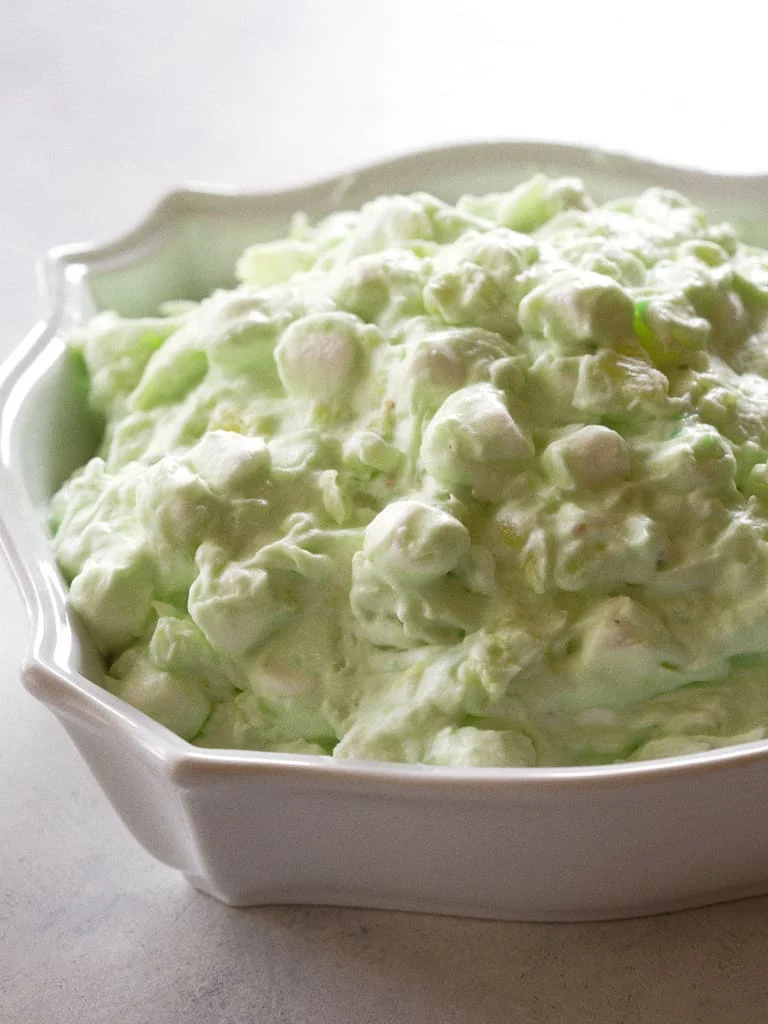
The Watergate Salad, a seemingly simple yet enduringly popular dessert, carries a name that echoes a significant moment in American political history. This vibrant green concoction, characterized by its fluffy texture and sweet, tropical notes, has graced countless potluck tables and holiday gatherings since its emergence in the mid-1970s. While its ingredients—pistachio pudding mix, crushed pineapple, miniature marshmallows, and whipped cream—speak of uncomplicated comfort food, its moniker hints at a more complex and debated origin story, intertwining culinary tradition with a period of national upheaval.
The Genesis of a Green Delight: From Pistachio Pineapple Delight to Watergate Salad
The journey of Watergate Salad began not with a political statement, but with a culinary innovation. Originally conceived by Kraft Kitchens in 1975, the recipe was first introduced to the public under the more descriptive moniker, "Pistachio Pineapple Delight." This name accurately reflected its primary components and promised a sweet, fruity experience. However, the recipe soon found its way into newspaper columns, and it was during this dissemination that its name underwent a significant transformation.
According to popular accounts, a food editor, seeking to generate greater reader interest and capitalize on the prevailing national discourse, rebranded the "Pistachio Pineapple Delight" as "Watergate Salad." This strategic renaming occurred during a period when the Watergate scandal, a complex political crisis involving the Nixon administration and culminating in President Richard Nixon’s resignation in August 1974, was still a prominent topic of public consciousness. The sheer audacity of associating a humble dessert with such a significant political event is often cited as the reason for its immediate memorability and subsequent widespread adoption.
Rumors also persist that a chef at the eponymous Watergate Hotel in Washington, D.C., may have been the true inventor of this classic recipe, further solidifying the salad’s controversial name. While definitive proof of this claim remains elusive, the association with the hotel undoubtedly contributed to the name’s traction and mystique. The salad, in essence, became a culinary anecdote, a lighthearted, albeit accidental, reflection of a tumultuous era.
A Recipe’s Evolution: From Cool Whip to Fresh Cream
The traditional Watergate Salad recipe, as it circulated through the latter half of the 20th century, often featured Cool Whip, a commercially produced frozen whipped topping, as a key ingredient. This choice reflected the convenience and accessibility that Cool Whip offered to home cooks. For many, including those who grew up with this dessert, the taste of Watergate Salad was intrinsically linked to the unique texture and sweetness imparted by Cool Whip.
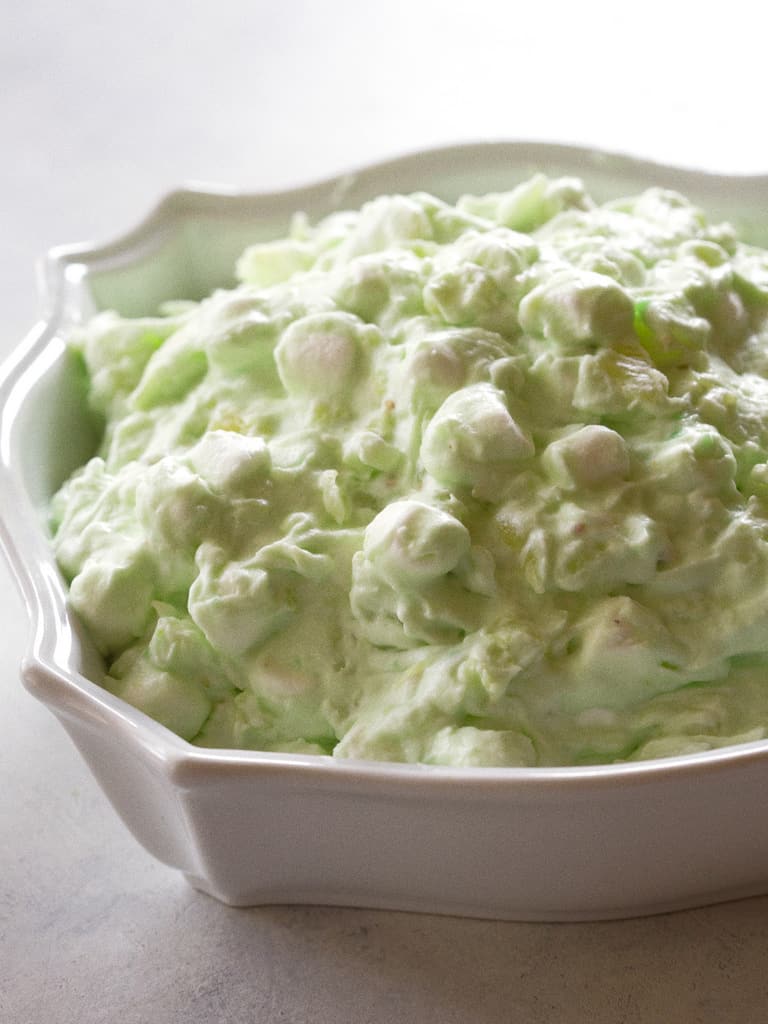
However, as culinary awareness and techniques evolved, so too did the perception and preparation of classic dishes. Some home cooks and recipe developers, like the author of the original content, began to explore alternatives that offered a more artisanal or refined flavor profile. The realization that real, homemade whipped cream could be made from scratch, and that it offered a lighter, fresher taste, led to a divergence in how Watergate Salad was prepared.
This updated approach often involves stabilizing the fresh whipped cream, a technique that ensures the whipped cream holds its structure and does not deflate, even when made a day or two in advance. While the process of making fresh whipped cream might seem more involved than simply opening a tub of Cool Whip, proponents argue that the resulting texture and flavor are far superior, offering a delicate balance that complements the sweetness of the pudding and the tang of the pineapple. The minimal time required for preparation—often just a few minutes—makes this elevated version accessible to even the busiest home cooks, challenging the notion that convenience must always trump quality.
The Enduring Appeal: Nostalgia and Potluck Culture
The enduring popularity of Watergate Salad can be attributed to several factors, chief among them being its strong ties to nostalgia and its perfect fit within the fabric of American potluck culture. For many, the sight and taste of this green, fluffy dessert evoke fond memories of childhood, family gatherings, and community events. It represents a simpler time, a period when home-cooked dishes were central to social celebrations.
The salad’s inherent simplicity is another key to its success. With just a handful of readily available ingredients, it can be prepared quickly and easily, making it an ideal contribution for any gathering. Its vibrant green color also adds a festive touch to any table, standing out amidst a spread of more conventional dishes.
The "fluffy and light" texture, reminiscent of other beloved retro desserts like Ambrosia salad, contributes to its widespread appeal. It offers a sweet, refreshing counterpoint to richer or savory dishes, making it a crowd-pleaser across generations. The fact that variations of the recipe have existed within families for decades, often with slight differences in ingredients or preparation, further cements its status as a cherished, albeit informal, culinary tradition. The author’s anecdote about their sister Shelly’s annual responsibility for making the salad, with its occasional recipe variations due to imperfect recollection, highlights this familial adaptation and the inherent flexibility of the dish.
The Watergate Salad Recipe: A Closer Look
The core ingredients of Watergate Salad remain consistent, forming the foundation of its unique flavor and texture. These typically include:
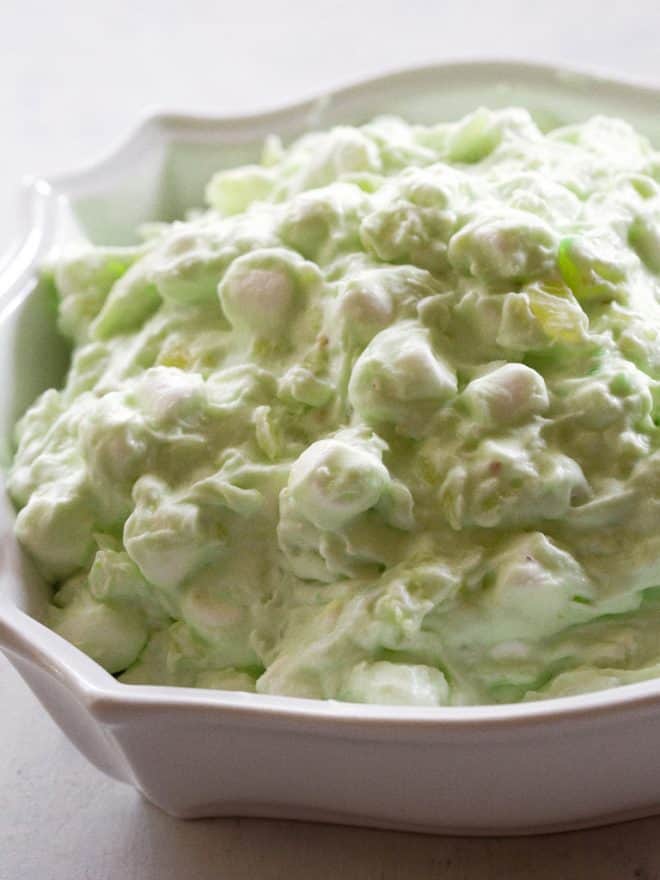
- Pistachio Pudding Mix: This provides the characteristic green hue and a distinct nutty flavor base. The instant pudding mix ensures a smooth, creamy consistency without the need for extensive cooking.
- Crushed Pineapple: Un-drained, the crushed pineapple introduces a tropical sweetness and a slight tartness that balances the richness of the pudding and marshmallows. The juice from the pineapple also contributes to the overall moisture and flavor.
- Miniature Marshmallows: These add a chewy texture and additional sweetness, softening as they absorb moisture from the other ingredients.
- Whipped Cream: Whether homemade or Cool Whip, this ingredient is crucial for achieving the salad’s signature fluffy, airy texture. It lightens the mixture and creates a delicate mouthfeel.
- Nuts (Optional but common): While not always included in every iteration, chopped pecans or walnuts are frequently added for an extra layer of crunch and a complementary nutty flavor.
The assembly process is remarkably straightforward. The pistachio pudding mix is typically combined with the crushed pineapple and its juice. Then, the miniature marshmallows are folded in. Finally, the whipped cream is gently incorporated until the mixture is homogenous and fluffy. If nuts are used, they are usually stirred in at this stage. The salad is then chilled, allowing the flavors to meld and the marshmallows to soften.
Storage and Serving Recommendations
For optimal enjoyment and food safety, Watergate Salad should be stored in an airtight container in the refrigerator. When properly stored, it can maintain its quality for at least two to three days. This makes it a convenient make-ahead option for parties and gatherings.
Serving suggestions typically involve presenting the salad in a decorative bowl, often garnished with additional marshmallows, a sprinkle of nuts, or even a maraschino cherry for added visual appeal. Its light and sweet profile makes it a suitable accompaniment to a wide range of main courses, particularly during holiday meals or summer barbecues.
Broader Implications and Culinary Significance
The Watergate Salad, beyond its simple ingredients and nostalgic appeal, serves as an interesting case study in how food can become intertwined with cultural and historical events. Its name, born from a period of political turmoil, has outlasted the scandal itself, becoming a culinary touchstone for a generation. This phenomenon highlights the power of popular culture to imbue everyday objects, including food, with meaning and memory.
The ongoing debate between using Cool Whip and fresh whipped cream also reflects broader trends in the culinary world, where there is a growing appreciation for fresh, homemade ingredients and a willingness to elevate classic comfort foods. The Watergate Salad, in its various forms, continues to be a testament to the adaptability and enduring appeal of simple, yet memorable, desserts. Its presence on potluck tables signifies not just a shared love for a sweet treat, but a collective embrace of shared memories and traditions that bind communities together.
