
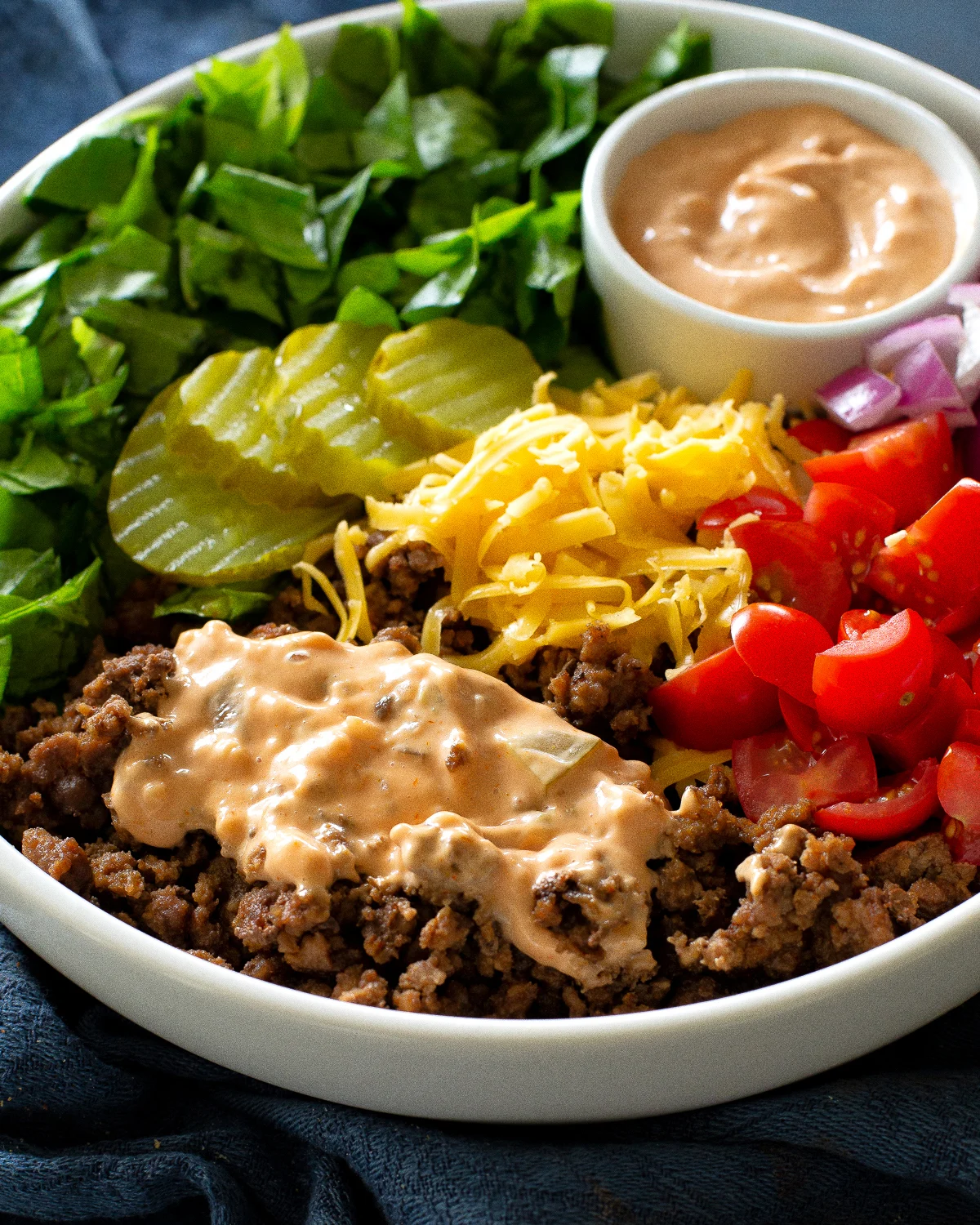
The culinary landscape is constantly evolving, with chefs and home cooks alike seeking innovative ways to present familiar flavors. One such creation gaining traction is the Burger Bowl, a dish that reimagines the classic hamburger by deconstructing its components and serving them in a customizable, bun-less format. This article delves into the origins, appeal, and potential variations of this popular dish, exploring why it has become a go-to option for those seeking a satisfying yet lighter alternative to the traditional burger experience.
The Genesis of the Burger Bowl
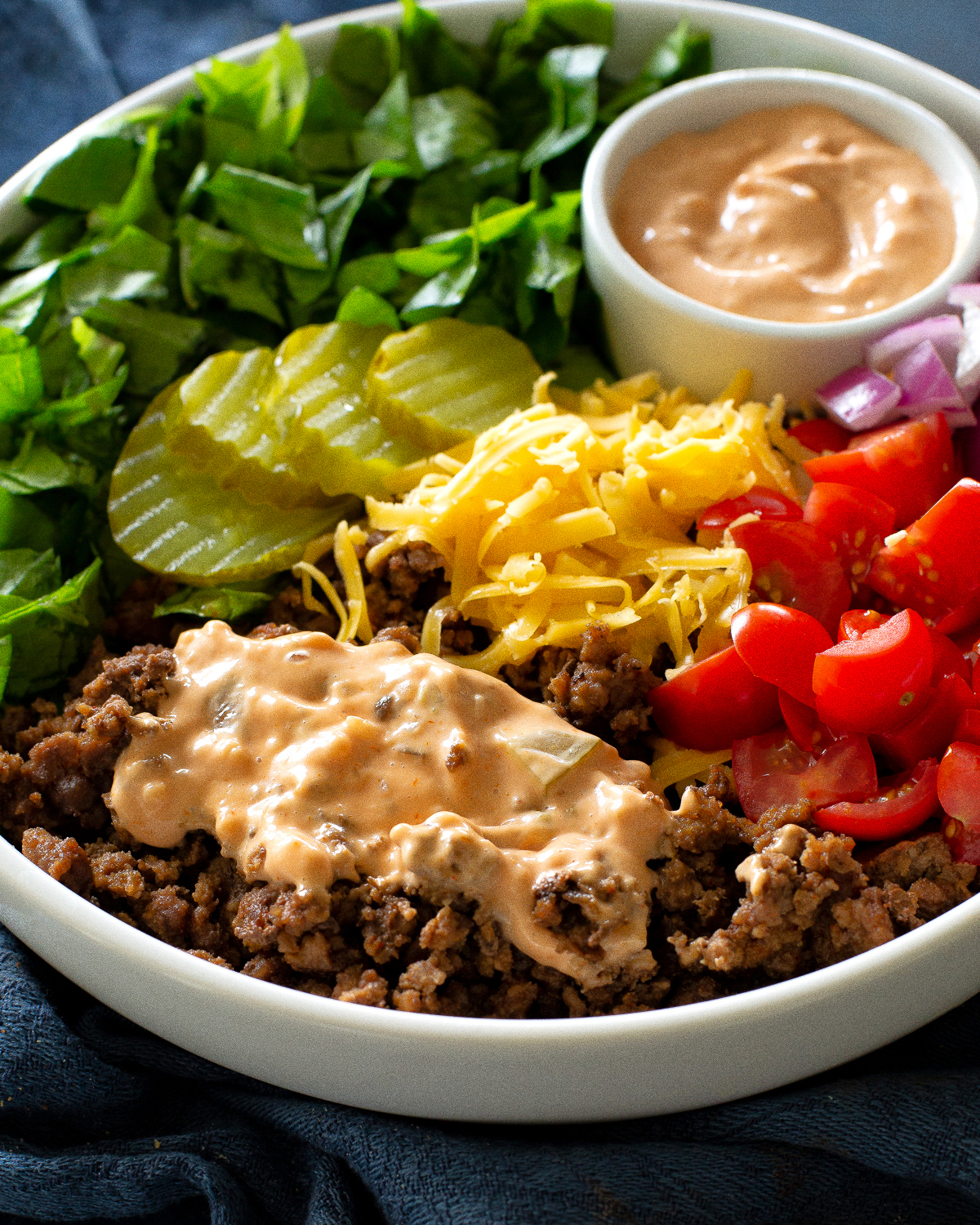
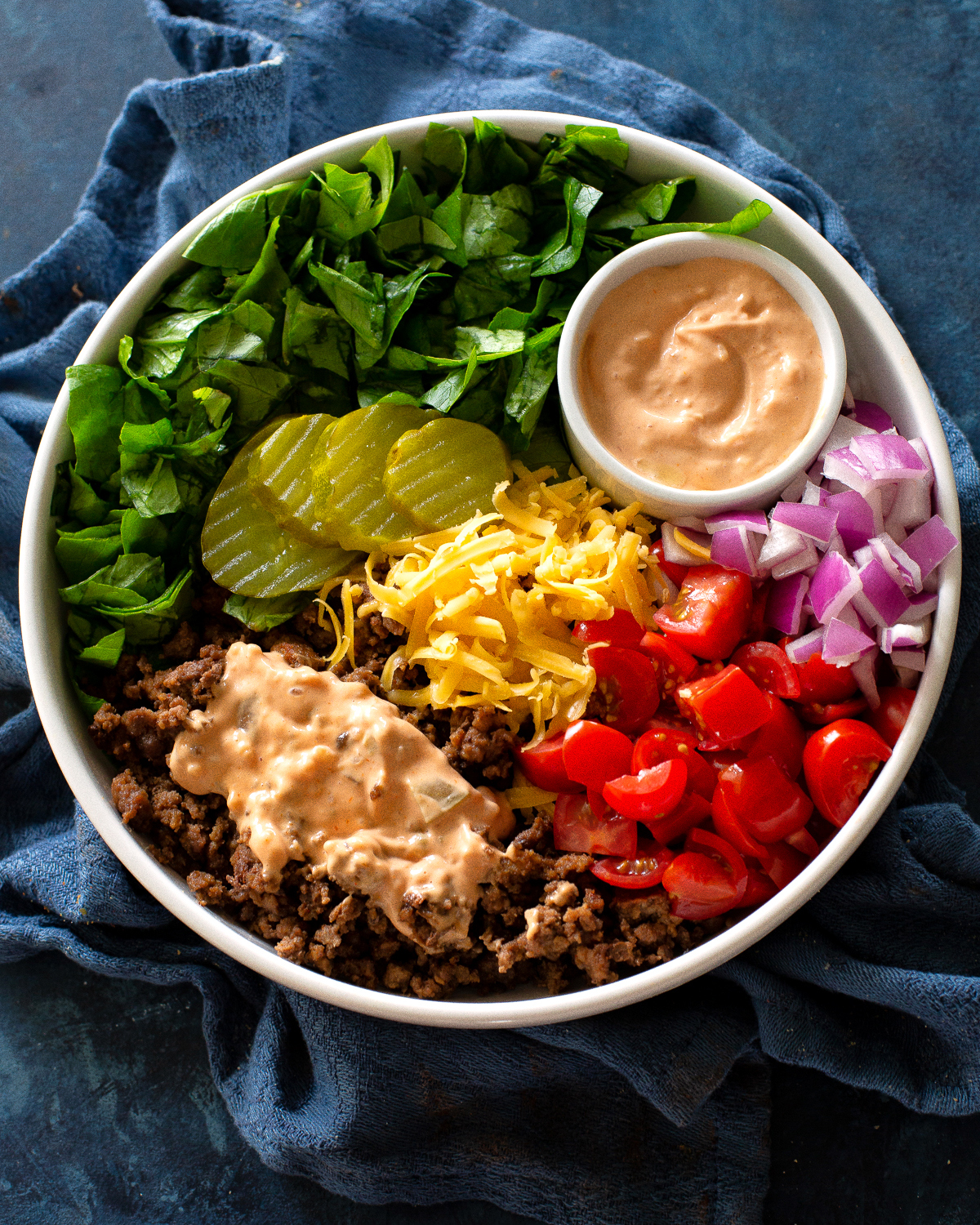
While the exact origin of the Burger Bowl is difficult to pinpoint, its rise in popularity can be attributed to the growing demand for low-carb and gluten-free meal options, as well as a general trend towards "bowl" style meals that offer flexibility and visual appeal. Food bloggers and home chefs, driven by a desire to adapt beloved comfort foods to healthier lifestyles, began experimenting with deconstructed burger recipes. The core concept is simple: take all the delicious elements of a cheeseburger – seasoned ground beef, crisp lettuce, juicy tomatoes, sharp onions, tangy pickles, and melted cheddar cheese – and arrange them artfully in a bowl, often accompanied by a signature burger sauce that mimics the taste of fast-food favorites.
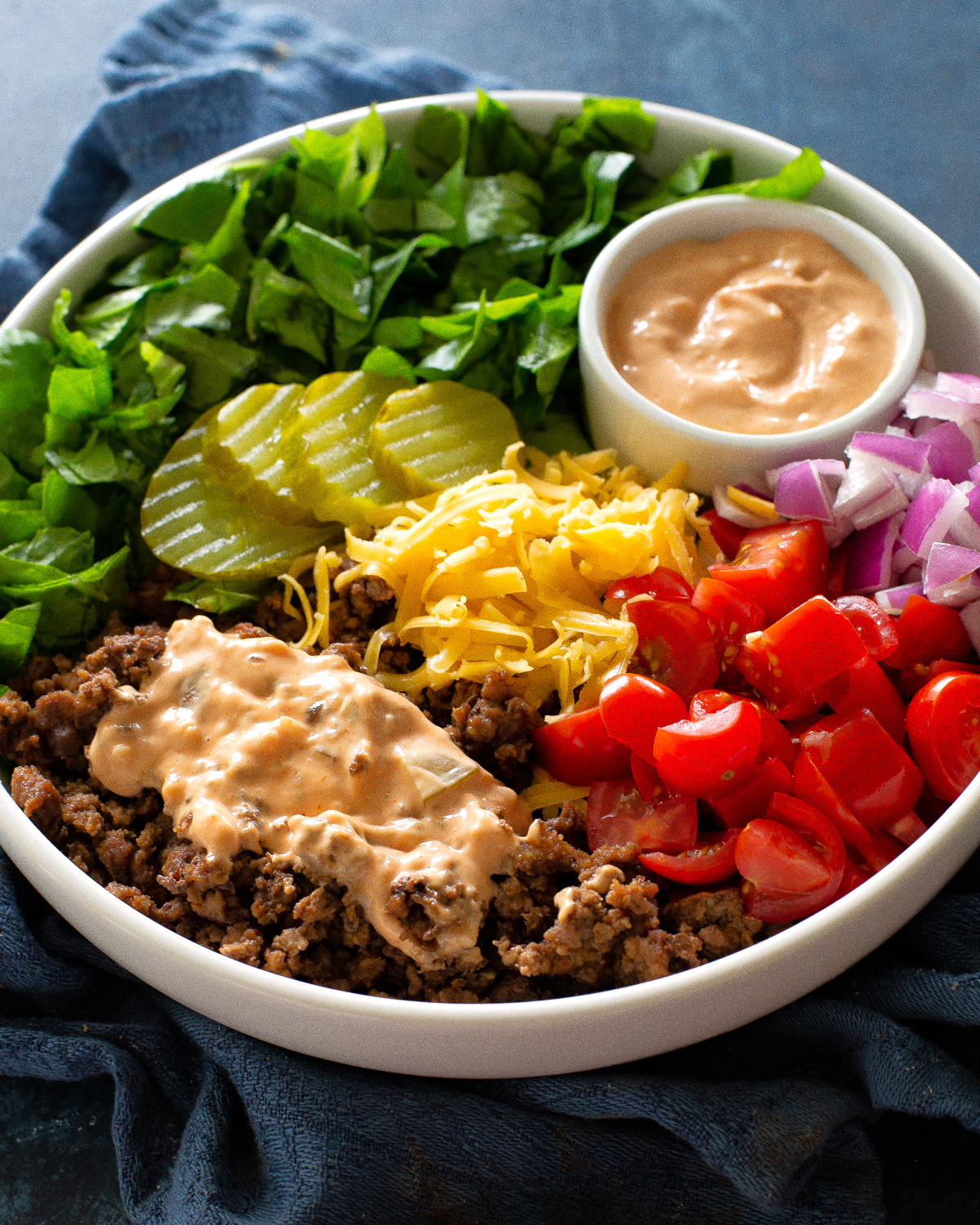
The appeal of the Burger Bowl lies in its inherent adaptability. It caters to a wide range of dietary needs and preferences. For those adhering to ketogenic or low-carbohydrate diets, the absence of a bun significantly reduces the carbohydrate count. Similarly, individuals with gluten sensitivities or celiac disease can enjoy the familiar flavors of a burger without concern. Beyond dietary restrictions, the Burger Bowl offers a blank canvas for culinary creativity. It encourages personalization, allowing individuals to add their favorite toppings, from avocado and bacon to different types of cheeses and vegetables, transforming a simple meal into a unique gastronomic creation.
Nutritional Profile and Health Considerations
A typical Burger Bowl, as exemplified by recipes found in popular food blogs, offers a robust nutritional profile. A serving, often defined as one-quarter of a recipe designed for four, can provide approximately 565 calories. This breakdown typically includes around 32 grams of protein, 42 grams of fat, and 14 grams of carbohydrates. The fat content is largely derived from the ground beef and cheese, contributing to satiety and flavor. Notably, the fat composition includes a significant amount of monounsaturated and polyunsaturated fats, which are generally considered heart-healthy.
The carbohydrate count is significantly lower than a traditional burger due to the omission of the bun, making it an attractive option for those managing blood sugar levels or seeking to reduce their overall carbohydrate intake. The fiber content, usually around 3 grams per serving, comes from the fresh vegetable toppings. The dish also provides essential vitamins and minerals, such as Vitamin A (approximately 6,954 IU), Vitamin C (around 16 mg), calcium (about 279 mg), and iron (around 4 mg). While sodium content can vary depending on seasonings and cheese, a typical serving might contain close to 1,200 mg, highlighting the importance of mindful salt usage, especially for individuals monitoring their sodium intake.
Culinary Versatility and Customization
The true strength of the Burger Bowl lies in its remarkable versatility. The foundational elements of seasoned ground beef, cheese, and sauce are a universally loved combination. However, the accompanying toppings offer endless possibilities for customization. Beyond the classic additions of tomatoes, pickles, and onions, individuals can explore a vast array of complementary ingredients.
- Vegetables: Roasted bell peppers, sautéed mushrooms, grilled corn, black beans, shredded carrots, and crisp spinach can add texture, color, and nutritional diversity.
- Cheeses: While cheddar is a popular choice, other options like Monterey Jack, pepper jack, Swiss, or even crumbled blue cheese can introduce new flavor dimensions.
- Sauces: The "burger sauce" often features a mayonnaise or ketchup base, enhanced with ingredients like mustard, relish, Worcestershire sauce, and a touch of sweetness. However, alternative sauces such as sriracha aioli, avocado crema, or a tangy vinaigrette can offer a fresh take.
- Proteins: While ground beef is the standard, variations can include ground turkey, chicken, or even plant-based crumbles for a vegetarian or vegan option.
- Grains and Starches: For those not strictly adhering to low-carb diets, the addition of cooked rice, quinoa, or even a small portion of oven-baked fries can further enhance the meal’s substance and appeal, as noted by some home cooks who incorporate fries for an extra treat.
This adaptability makes the Burger Bowl an ideal candidate for meal prepping. Components can be prepared in advance and assembled quickly for lunches or weeknight dinners, catering to busy schedules without compromising on flavor or satisfaction.
The "Fast Food" Flavor Profile
A key element contributing to the popularity of the Burger Bowl is its ability to evoke the nostalgic taste of fast-food burgers. The combination of seasoned ground beef, often cooked to a juicy medium-well, with the creamy, tangy burger sauce, is a deliberate effort to replicate that familiar and comforting flavor profile. The sauce, in particular, plays a crucial role in achieving this effect. Recipes often call for a blend of mayonnaise, ketchup, mustard, sweet pickle relish, and sometimes a dash of vinegar or Worcestershire sauce, creating a complex flavor that is both sweet and savory, with a hint of acidity. This deliberate mimicry taps into a deep-seated culinary association, offering a home-cooked version of a beloved fast-food experience, but with greater control over ingredients and preparation methods.
Broader Implications and Future Trends
The Burger Bowl represents more than just a recipe; it signifies a broader shift in how people approach their diets and meals. The emphasis on customization and the adaptation of traditional dishes to suit modern dietary needs and preferences are key trends. As awareness of health and wellness continues to grow, dishes like the Burger Bowl are likely to remain popular.
Furthermore, the concept of deconstructed meals, where familiar dishes are presented in new formats, has permeated various cuisines. This approach not only caters to dietary needs but also encourages culinary creativity and experimentation. The Burger Bowl, with its simple yet effective concept, serves as an excellent example of how classic flavors can be reinterpreted to meet contemporary demands, offering a satisfying, flavorful, and adaptable meal option for a wide audience. Its continued presence on food blogs and social media platforms suggests it is a culinary trend that is here to stay, evolving with new ingredient combinations and preparation techniques.
