
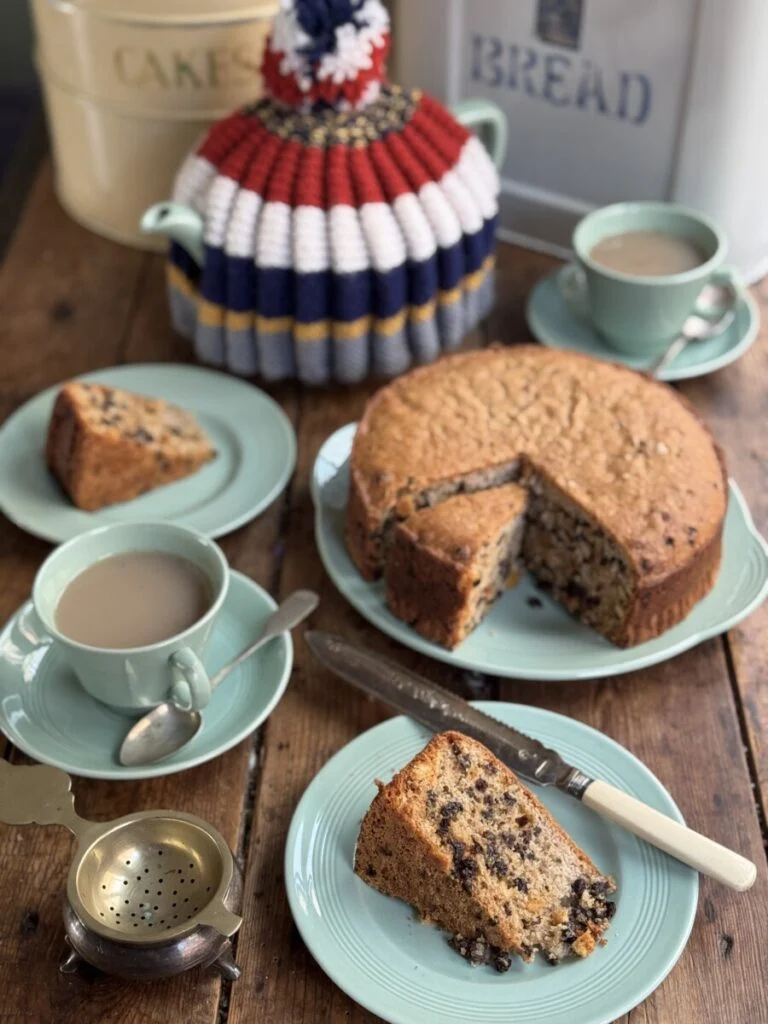
Liverpool, UK – April 10, 2026 – A culinary artifact from over a century ago, the "St George’s Hall Cake," is experiencing a modern revival, thanks to the dedicated efforts of food historian and author Karen Burns-Booth. Published on her acclaimed food blog, Lavender and Lovage, the recipe, originally found in the "Liverpool School of Cookery Recipe Book" first issued in 1900, offers a fascinating glimpse into early 20th-century British baking and promises a unique taste experience ahead of St George’s Day on April 23rd.

Unearthing a Forgotten Legacy: The Liverpool School of Cookery

The "Liverpool School of Cookery Recipe Book," from which this particular cake recipe originates, is more than just a collection of culinary instructions; it is a historical document reflecting the societal changes and educational priorities of its era. First published in 1900, the book emerged from a period of significant social reform and growing awareness of domestic science. Cookery schools, such as the one in Liverpool, played a crucial role in educating young women, particularly those from middle and working-class backgrounds, in the art and science of home management. These institutions aimed to professionalize domestic work, improve public health through better nutrition, and empower women with practical skills.

The Liverpool School of Cookery itself was part of a broader movement across Britain to establish domestic science colleges. These schools taught everything from basic hygiene and household economy to advanced culinary techniques. Their recipe books were not merely guides for experienced cooks but instructional manuals designed for "young housekeepers," offering recipes "most needed under all conditions and circumstances of everyday life." This emphasis on practicality and versatility meant that the recipes were often robust, adaptable, and designed to utilize readily available ingredients, albeit within the economic constraints of the time. The book’s continued relevance and re-evaluation by modern culinary enthusiasts highlight its enduring value as a testament to British culinary heritage.

The Enigmatic "St George’s Hall Cake"

The "St George’s Hall Cake" itself is a distinct departure from many traditional, heavy British fruit cakes. Its ingredient list features currants, mixed peel, grated fresh ginger, and notably, caraway seeds. While currants and mixed peel were common in Victorian and Edwardian baking, the inclusion of fresh ginger and caraway seeds gives the cake a unique aromatic profile. Caraway, often found in rye bread and certain European confections, was a more adventurous choice for a British fruit cake, imparting a warm, slightly anise-like flavour that sets it apart.

A key characteristic of this particular recipe, as observed by Ms. Burns-Booth, is the separation of eggs, with the whites being beaten and then lightly folded into the batter. This technique, while not entirely uncommon, was employed to create a lighter crumb compared to the denser, richer fruit cakes typically associated with the period. This lightness suggests a cake intended for everyday enjoyment, perhaps with tea, rather than a heavy ceremonial confection. The mixed peel contributes not only flavour but also moisture and texture, preventing the cake from becoming overly dry. However, Ms. Burns-Booth notes that the cake is inherently "drier than normal rich fruit cakes," suggesting it might have been traditionally enjoyed buttered or perhaps with a cup of tea to complement its texture.

The name "St George’s Hall Cake" strongly suggests a connection to Liverpool’s iconic St George’s Hall. This magnificent Neoclassical building, completed in 1854, served as a grand public space for concerts, assizes (courts), and social gatherings, embodying the civic pride and architectural ambition of Victorian Liverpool. While the exact reason for the cake bearing its name is not explicitly stated in the original recipe, it is plausible that it was either served at events held within the hall, created by a cook associated with the venue, or simply named in its honour as a local delicacy, reflecting the building’s prominence in the city’s social and cultural life. Such naming conventions were common, associating popular dishes with significant landmarks or figures.

A Journey Through Time: Culinary Archaeology and Modern Interpretation

Karen Burns-Booth’s journey to revive this recipe exemplifies a growing trend in culinary archaeology – the meticulous process of researching, interpreting, and recreating historical dishes. Her work with Lavender and Lovage consistently delves into archival materials, old cookbooks, and culinary traditions, bringing forgotten flavours back to contemporary tables. The "Liverpool School of Cookery Recipe Book" was accessed through Leeds University Library, highlighting the invaluable role of academic institutions in preserving these tangible links to the past.

Ms. Burns-Booth describes the experience of tasting the revived cake as encountering a "warm aromatic spiced flavour and light crumb." This sensory feedback is crucial in understanding how historical recipes translate to modern palates. The cake’s drier nature, while perhaps unexpected by those accustomed to more moist fruit cakes, is consistent with baking practices of the early 20th century, where cakes were often intended to be robust enough to last for several days without refrigeration and to be accompanied by hot beverages.

For those less enamoured with caraway seeds, a flavour that can be polarizing, Ms. Burns-Booth offers practical advice: substitution with mixed spice or ground cinnamon. This adaptability underscores the enduring utility of such recipes, allowing for minor modern adjustments while retaining the historical essence.

The Broader Implications: Preserving Culinary Heritage

The revival of recipes like the St George’s Hall Cake holds significant cultural and historical implications. Firstly, it contributes to the preservation of culinary heritage, ensuring that the diverse flavours and techniques of past generations are not lost to time. Each recipe tells a story – of available ingredients, economic conditions, social customs, and evolving tastes. By recreating these dishes, we gain a deeper understanding of daily life in previous eras.

Secondly, it highlights the enduring appeal of comfort food and traditional baking. In an age dominated by convenience and globalized diets, there is a renewed appreciation for authentic, time-tested recipes that connect us to our roots. The simple pleasure of a "fabulous recipe from over 100 years ago, perfect with a cuppa," resonates with many seeking genuine, wholesome experiences.

Finally, such revivals encourage exploration and education. The discovery of this recipe from the "Liverpool School of Cookery Recipe Book" prompts further investigation into other entries within the volume, as well as similar publications like "The Glasgow School of Cookery Book" (1910), which also features this recipe. This cross-referencing indicates the widespread popularity and perhaps standardized curriculum of cookery schools across Britain during that period. It suggests a shared culinary landscape and a common set of foundational recipes taught to aspiring housekeepers. These historical connections provide valuable insights into the diffusion of culinary knowledge and regional variations in British cooking.

A Timely Treat for St George’s Day

With St George’s Day approaching on April 23rd, the St George’s Hall Cake serves as a fitting edible tribute to England’s patron saint. While St George’s Day traditions are often less elaborate than those for other national saints, culinary celebrations play a vital role. Baking a cake with such a deep historical connection to a prominent English city and named in a way that evokes national pride adds a meaningful dimension to the observances.

The cake is positioned as a versatile treat, ideal for afternoon tea, elevenses, or as part of a packed lunch or picnic. Its robust nature and distinctive flavour profile make it suitable for various occasions, echoing the original cookbook’s intent for recipes to be useful in "everyday life." The provided nutritional information, stating 117 calories, 6g total fat, and 13g carbohydrates per serving (based on a 12-serving yield from an 8" cake), offers a modern analytical perspective, though it’s important to remember that dietary recommendations and ingredient compositions have evolved significantly since 1900. For example, the original recipe specifies "lard," an ingredient less commonly used in modern home baking but prevalent in historical recipes for its economic value and tenderizing properties.

Karen Burns-Booth’s dedication to sharing such historical treasures ensures that these culinary narratives continue to be told, one delicious slice at a time. Her initiative not only celebrates a specific cake but also fosters a broader appreciation for the rich tapestry of British food history. As she prepares to bake it again in honour of St George’s Day, the St George’s Hall Cake stands as a testament to the enduring power of food to connect us to our past, our communities, and our national identity.
