
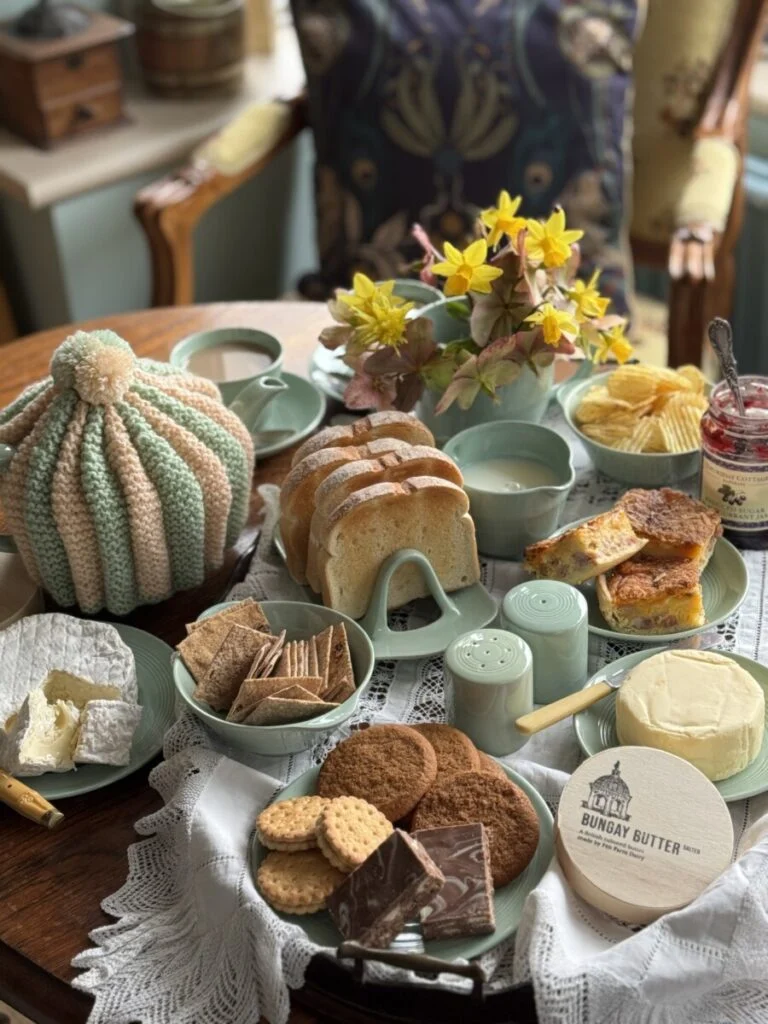
As England approaches St. George’s Day on Thursday, April 23, 2026, a significant effort is underway to reignite national pride through a celebration of traditional English cuisine. Renowned food writer Karen Burns-Booth, through her popular blog Lavender and Lovage, has curated an extensive collection of beloved English recipes, aiming to elevate the observance of a day she describes as the "least observed Saint’s day in the United Kingdom." This culinary initiative not only offers a delightful array of dishes but also serves as a poignant reminder of England’s rich cultural and historical tapestry.

St. George’s Day, commemorating England’s patron saint, often pales in comparison to the vibrant celebrations seen for St. Patrick’s Day in Ireland, St. Andrew’s Day in Scotland, or St. David’s Day in Wales. While these other national days frequently involve widespread festivities, a celebratory pint of Guinness, a traditional "wee dram," or the enjoyment of Welsh Cakes, St. George’s Day typically passes with less fanfare. This disparity has long been a subject of discussion among cultural commentators and patriots alike, many advocating for St. George’s Day to be recognised with a public holiday to foster greater national unity and celebration. The legend of St. George, a Roman soldier of Greek origin who became a Christian martyr, gained significant prominence in England during the Crusades when returning knights brought tales of his valour. His iconic slaying of the dragon, symbolising triumph over evil, cemented his place in English folklore and made him a potent emblem of bravery and righteousness, leading to his adoption as England’s patron saint in the 14th century. English Heritage provides further insight into the enduring legend of St. George and the dragon through a fascinating podcast, illustrating the historical depth behind the national figure.

The 23rd of April holds a dual significance for English heritage, as it is also widely celebrated as William Shakespeare’s birthday. Though the exact date of the Bard’s birth in 1564 remains unconfirmed, historical records from the Holy Trinity Church in Stratford-upon-Avon show his baptism on April 26, 1564. According to the Shakespeare Birthplace Trust, baptisms typically occurred within three days of birth, making April 23 a highly probable and thus widely accepted date for his birth. This convergence of national saint and literary titan on the same day offers a unique opportunity for combined cultural celebration, honouring both England’s spiritual protector and its most celebrated literary genius. Shakespeare’s impact on the English language and global literature is immeasurable, with his plays and sonnets continuing to be performed and studied worldwide. Celebrating his birthday alongside St. George’s Day underscores the profound historical and cultural contributions that define English identity.

Karen Burns-Booth’s collection of traditional English recipes from Lavender and Lovage aims to bridge this gap in national observance by encouraging a culinary celebration. Her selection ranges from "some old and much-loved English recipes" to dishes incorporating seasonal spring ingredients, reflecting England’s natural bounty. The emphasis is on accessibility and nostalgia, inviting both seasoned cooks and novices to explore the flavours that have shaped English tables for generations. The recipes are broadly categorised into savoury and sweet, offering diverse options for any meal or occasion.

The savoury section includes robust offerings such as traditional Plate Pies like the hearty 1950’s Picnic Pie, the comforting Cheese & Onion Plate Pie, and the classic Corned Beef Potato Pie. For lighter fare, a selection of Salads showcases England’s seasonal produce, including an Elizabethan English Herb and Flower Salad with Honey Dressing, an Old Fashioned Roses and an English Garden Salad with Cheese and Eggs, and an English Apple and Walnut Salad. Smaller, portable options feature prominently with Small Pies & Pasties, such as Coronation Pork & Pickle Picnic Pies, Lincolnshire Sausage, Sage & Onion Pies, and Cheese, Onion and Potato Pasties. Hearty Stews and Casseroles, like Traditional Oxtail Stew, Farmhouse Chicken & Vegetable Stew with Dumplings, and Sausage, Apple and Cider Casserole, embody the essence of English comfort food. More substantial main courses include an impressive Beef Wellington, Peppered Steak and Chips, and a Suffolk Gold Double Cheese Burger, showcasing the versatility of English beef. The collection also highlights English Cheese Recipes, featuring an artisan English Cheese Platter, a Wild Garlic & Three Cheese Tomato Tart, and Sourdough Cheese Wild Garlic Scones, celebrating the nation’s diverse dairy heritage. These recipes are perfectly timed to utilise the fresh produce of spring, such as asparagus, Jersey Royal new potatoes, wild garlic, and rhubarb, ensuring that the celebration of St. George’s Day is also a celebration of the season.

The sweet offerings are equally impressive, providing a comprehensive guide to classic English baking. Scones, a quintessential part of English tea culture, are featured with Buckingham Palace Fruit Scones, Be-Ro Victoria Scones, and Small Batch Cream Tea Scones. Tea Loaves provide comforting treats, with recipes for Sticky Marmalade Tea Loaf, Gingerbread Tea Loaf, and Old-Fashioned Ovaltine Tea Loaf. Fruit Cakes range from the Fruit and Cherry Afternoon Tea Cake to a Wartime Eggless Fruit Cake (Vinegar Cake), reflecting historical adaptations and enduring favourites. The iconic Victoria Sandwich & Sponge Cakes are represented by the Spring Posy Victoria Sandwich Cake with Lemon Curd and the classic Madeira Cake. For smaller indulgences, Fairy Cakes, Buns & Small Cakes include Vanilla Butterfly Cakes, Princess Elizabeth Cakes, and Fantasy Fairy Cakes. Fruit Pies & Tarts feature Old-Fashioned Lemon Meringue Pie, Bilberry Plate Pie, and Northumberland Gooseberry Plate Pie. Traditional English Puddings such as Railway Pudding and Spotted Dick Pudding round out the dessert selections. Finally, a section on Biscuits offers Traditional Easter Biscuits, Betty’s Fat Rascals, and Empire Biscuits, while Chocolate Recipes delve into delightful options like 1960’s Evaporated Milk Chocolate Cake, Fry’s Condensed Milk Chocolate Cake, and The Queen’s Chocolate Biscuit Cake. English Bread Recipes complete the collection with staples like Overnight Farmhouse Wholemeal Bread Loaf, Traditional Mothering Buns, and Farmhouse "Spit Tin" Crusty Loaf.

The significance of Burns-Booth’s efforts extends beyond mere recipe sharing; it addresses a growing concern about the potential "extinction" of traditional British dishes. A recent online report by Ninja Kitchen UK highlighted a list of classic British recipes at risk of disappearing from modern tables. Shockingly, this list included such foundational items as Victoria sponge cake, rock cakes, scones, and jam tarts. This phenomenon can be attributed to several factors: changing dietary habits, the rise of convenience foods, a decline in home cooking skills among younger generations, and the increasing influence of global cuisines. The implications of losing these culinary traditions are profound, as food is inextricably linked to cultural identity, collective memory, and community bonds. Each recipe tells a story of historical periods, regional specialities, and family traditions passed down through generations. The erosion of these dishes represents a loss not just of flavour, but of an intrinsic part of England’s heritage.

Initiatives like Karen Burns-Booth’s collection are vital in counteracting this trend. By presenting these recipes in an accessible and inviting format, she encourages a new generation to discover and embrace the culinary roots of their nation. Food blogs, community cooking classes, and heritage food organisations play a crucial role in preserving these traditions, ensuring that the knowledge and love for classic English dishes continue to thrive. Promoting traditional cuisine also has broader implications for local economies, supporting local producers and farmers who cultivate the seasonal ingredients essential to these dishes. It also contributes to culinary tourism, drawing visitors interested in authentic English experiences.

As England prepares for St. George’s Day 2026, the call to celebrate through food resonates deeply. Karen Burns-Booth’s comprehensive collection provides a perfect starting point for individuals and families to engage with their culinary heritage. Whether it’s a hearty pie, a delicate scone, or a classic pudding, each dish offers a tangible connection to England’s past and a delicious way to honour its patron saint. This year, let the aroma of traditional English cooking fill kitchens across the land, transforming St. George’s Day into a truly national celebration of identity and flavour.
