
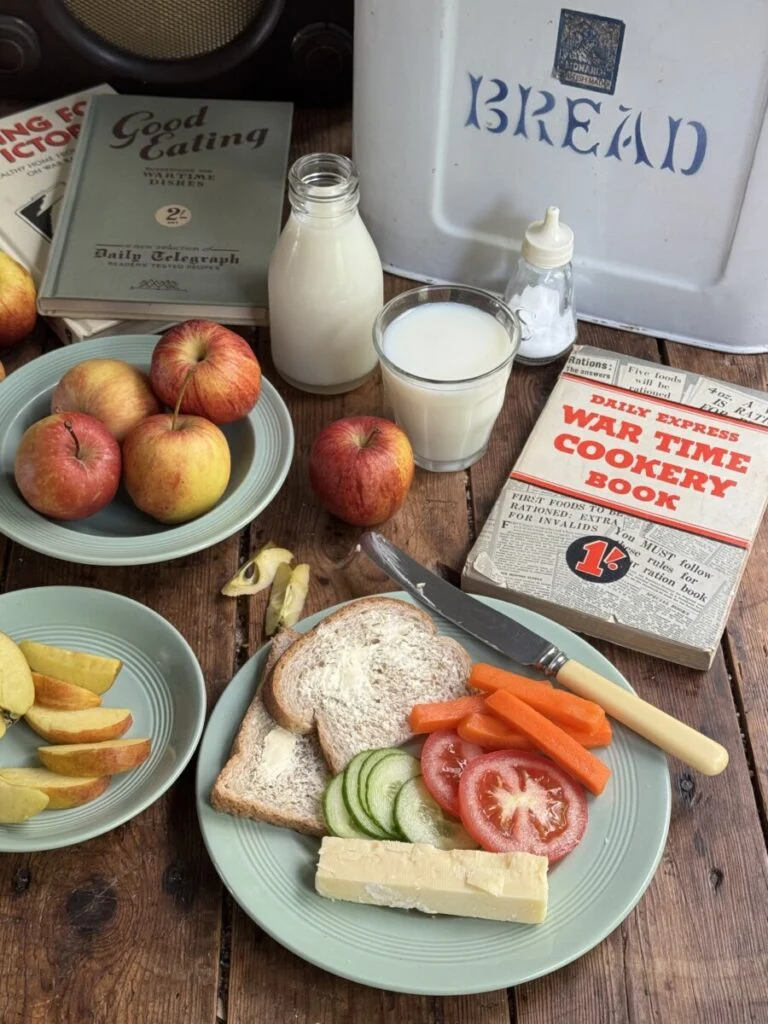
Originally conceived in Norway as a pioneering public health initiative, the "Oslo Meal," also known as the "Oslo Breakfast" or "Oslo Lunch," emerged as a cornerstone of child nutrition in the United Kingdom during the challenging years of World War II and persisted into the early 1950s. This innovative, "no-cook" meal, designed for simplicity and maximum nutritional impact, played a crucial role in safeguarding the health and development of a generation amidst severe rationing and food scarcity. Its adoption by the British Ministry of Food represented a significant government intervention in public health, demonstrating a commitment to the welfare of its youngest citizens during an unprecedented national crisis.

The Genesis of a Nutritional Innovation: Carl Schiøtz and the Oslo Breakfast
The concept of the Oslo Meal originated with Carl Schiøtz, a distinguished Norwegian physician and health reformer. In 1932, Schiøtz, then the head of Oslo’s school health services, observed widespread nutritional deficiencies among schoolchildren. His research indicated that many children were suffering from rickets, anemia, and general underdevelopment due to inadequate diets. Driven by a vision for preventative health, he developed a standardized, nutritionally balanced meal designed to be served to all schoolchildren in Oslo.

Schiøtz’s original "Oslo Breakfast" was meticulously formulated to provide essential vitamins, minerals, protein, and fiber. It typically consisted of:

- Wholemeal bread, often spread with a small amount of margarine or butter.
- A slice of cheese, or a protein-rich alternative such as fish paste.
- A raw vegetable, most commonly a carrot, turnip, or cabbage.
- An apple or other fresh fruit.
- A glass of milk.
The genius of Schiøtz’s design lay in its "no-cook" nature. This not only ensured that vital nutrients, particularly heat-sensitive vitamins, were preserved, but also made the meal incredibly practical and economical to implement on a large scale. It required minimal preparation, no cooking facilities, and reduced the need for extensive kitchen staff, making it an ideal solution for resource-constrained environments. The meal was intended to be eaten slowly, promoting good digestion and satiety. Schiøtz advocated for it to be served early in the school day, ensuring children received crucial nourishment before their studies.

The implementation of the Oslo Breakfast in Norwegian schools yielded remarkable results. Studies showed significant improvements in children’s physical development, including increased height and weight, better dental health, and reduced incidence of deficiency diseases. This success attracted international attention, establishing the Oslo Breakfast as a model for school nutrition programs globally.

Adoption in the UK: Pre-War Trials and Wartime Imperatives
The nutritional challenges faced by children in pre-war Britain were not dissimilar to those identified by Schiøtz in Norway. Decades of industrialization, coupled with economic depressions and widespread poverty, had left many working-class children malnourished. Reports from medical officers and social reformers highlighted alarming rates of rickets, anemia, and stunted growth, particularly in urban areas. Recognizing the urgent need for intervention, British public health officials began to look for effective strategies.

The Oslo Meal first made its way into British schools as an experimental program in London in 1938. The results were compelling: participating children demonstrated significant health improvements, with many reportedly gaining between 40% and 100% in both weight and height. These early successes underscored the meal’s potential to address systemic nutritional deficits.

With the outbreak of World War II in September 1939, the need for robust nutritional strategies became critically urgent. The imposition of rationing, the disruption of food imports, and the diversion of agricultural resources to the war effort threatened to exacerbate existing nutritional problems across the population, especially among vulnerable children. The British government, through its newly formed Ministry of Food, quickly recognized the Oslo Meal as a highly effective, practical, and resource-efficient solution.

The Ministry of Food officially adopted and promoted the Oslo Meal, initially as an experiment, but its benefits soon led to widespread implementation. The "no-cook" aspect was particularly appealing in wartime Britain, where fuel was rationed, labor was scarce, and communal feeding programs needed to be implemented rapidly and economically. The meal was not just a school initiative; it was promoted as a healthy ration-book friendly lunch, sandwich, or snack option for adults too, offering a quick and nutritious alternative to more complex meals.

Components and Philosophy: A "No-Cook" Solution for a Nation at War
The British iteration of the Oslo Meal closely mirrored Schiøtz’s original concept, adapted for the specific constraints of wartime rationing. The core components were:

- Bread: Typically two slices of "National Loaf," a government-mandated wholemeal bread designed to maximize nutritional content from available wheat. This bread was coarser and darker than pre-war white bread but provided essential fiber and B vitamins.
- Fat Spread: A thin layer of butter or margarine, providing essential fats and some fat-soluble vitamins, albeit in limited quantities due to rationing.
- Cheese: A small block of cheese was a vital protein source. During the war, children were often allotted a cheese ration of 2 ounces per week, double that of adults, underscoring its recognized importance for their growth and development. The Ministry of Food actively encouraged its consumption, stating in their War Cookery Leaflet No. 12: "Cheese is such an important food it deserves a place of its own at meal-times. Use it as a main dish and not as an afterthought to a meal already containing meat or fish. Used in this way cheese can be made to help out the meat ration."
- Fresh Lettuce Leaves and Salad Items: Carrots, cucumber, or tomatoes were encouraged, with emphasis on home-grown produce from "Dig for Victory" campaigns. These provided crucial vitamins, especially Vitamin C, and fiber.
- Fruit: An apple or other seasonal fresh fruit.
- Milk: A glass of cold milk, providing calcium, protein, and other essential nutrients.
The philosophy behind the Oslo Meal during wartime was multi-faceted. Firstly, it addressed immediate nutritional needs, combating widespread deficiencies. Secondly, its simplicity meant it could be prepared and consumed even in makeshift shelters or schools with limited facilities. Thirdly, it served an educational purpose, teaching children and families about balanced eating and the importance of fresh produce, an enduring lesson from the "Dig for Victory" campaign. The idea was not merely to fill stomachs but to provide a complete, wholesome meal that supported physical and cognitive development.

The Wartime Experience: Beyond the School Gates
The Oslo Meal quickly transcended its role as solely a school initiative, becoming a familiar and practical option for families navigating the rigors of rationing. Its adaptability meant it could be easily packed as a "ration book lunch" for adults working in factories or offices, or as a quick, healthy snack at home. Its "no-cook" nature meant saving precious fuel and time, valuable commodities in a nation mobilized for war.

The collective memory of this era often includes poignant details that highlight the scarcity of food. Anecdotes, such as children lining up in school playgrounds to ask for "apple cores" or "gooks" (a regional term for the core), paint a vivid picture of the value placed on every scrap of food. Children who were fortunate enough to have an apple tree in their garden, and might otherwise discard the core, found eager recipients among their less privileged friends. This stark contrast with modern food abundance serves as a powerful reminder of the challenges faced by families during the war and the innovative measures taken to sustain the population.

The success of the Oslo Meal in improving the health of children during WWII was widely acknowledged. It helped to mitigate some of the worst effects of rationing on the younger generation, ensuring they received at least one truly nutritious meal a day. This public health intervention was instrumental in building resilience and maintaining morale on the home front.

Impact and Legacy: Shaping Post-War Nutrition
The Oslo Meal’s influence extended beyond the immediate wartime period. Its success solidified the understanding of the importance of school meals in promoting child health and educational attainment. The positive outcomes observed, particularly the substantial gains in children’s weight and height, provided empirical evidence that directly informed post-war social policy.

As rationing slowly phased out in the early 1950s, the direct need for the Oslo Meal as a universal, "no-cook" solution began to diminish. Economic recovery brought greater food availability and diversity. However, the principles behind the Oslo Meal—of providing balanced, nutritious food to children—were deeply embedded into the fabric of British public health policy. It contributed significantly to the development and expansion of comprehensive school meal programs that aimed to ensure all children, regardless of socio-economic background, had access to a healthy midday meal.

The Oslo Meal’s legacy can be seen in the ongoing debates and policies surrounding school nutrition. It highlighted the profound link between diet, health, and educational outcomes, a connection that remains central to modern public health strategies. The "no-cook" aspect also foreshadowed contemporary trends in healthy eating, meal prepping, and the emphasis on fresh, unprocessed foods.

Modern Relevance: A Timeless Model for Healthy Eating?
In an era increasingly focused on convenience, sustainable eating, and addressing childhood obesity, the principles of the Oslo Meal retain a surprising relevance. Its emphasis on wholemeal bread, fresh vegetables and fruit, lean protein (cheese), and milk offers a simple, balanced template for a healthy meal. The "no-cook" aspect aligns perfectly with busy modern lifestyles, offering a quick yet nutritious option for packed lunches or snacks.

While the specific historical context of wartime rationing is thankfully no longer a daily reality for most in the UK, the core message of the Oslo Meal—that simple, fresh ingredients can combine to create a highly nutritious and effective meal—remains timeless. It serves as a historical testament to the ingenuity and resilience of a nation determined to protect its future, one healthy meal at a time. The story of the Oslo Meal is not just about food; it’s about public health leadership, adaptability, and the enduring power of good nutrition.
