
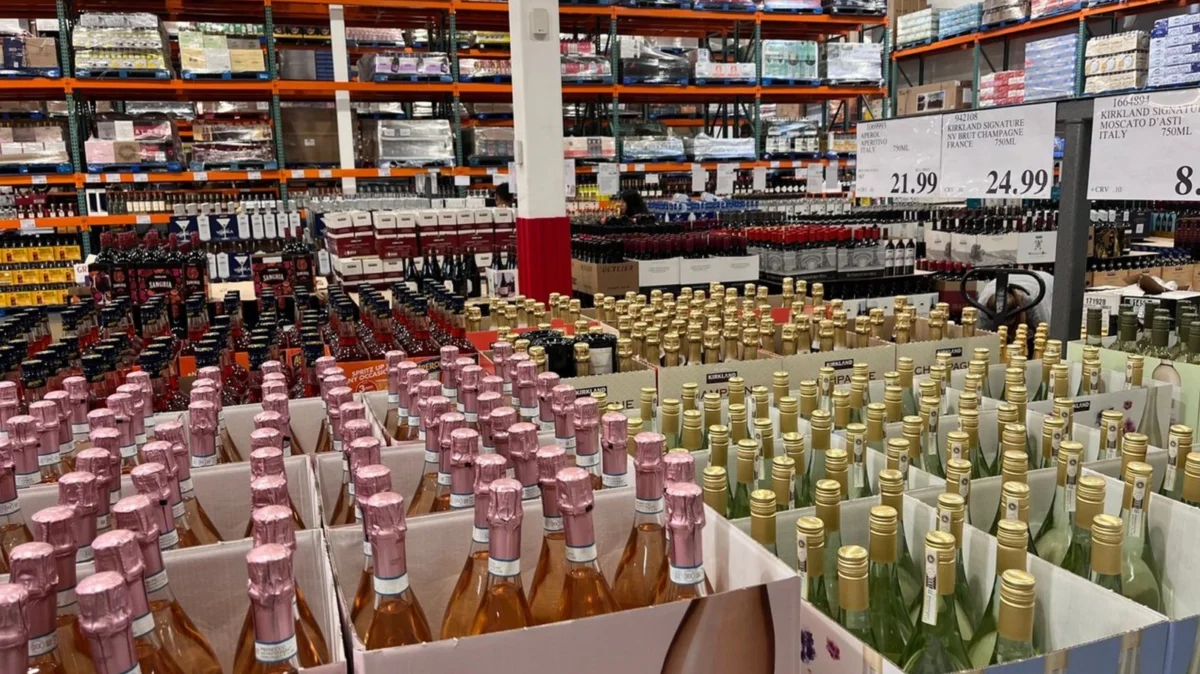
The global wine industry has long been characterized by a tiered pricing structure that often reflects marketing overhead, distribution markups, and brand prestige rather than the raw cost of production. However, Costco Wholesale Corporation has disrupted this traditional model through its private-label program, Kirkland Signature. By leveraging massive economies of scale and direct relationships with established producers, the retailer has consistently brought high-end viticulture to the mass market. For the average consumer, this presents a significant economic shift: the ability to procure wines that mirror the flavor profiles and production standards of mid-to-premium range bottles at a fraction of the typical retail cost.
The Economics of the Private Label Revolution
The success of the Kirkland Signature wine program is rooted in Costco’s unique business model. Unlike traditional grocery chains that may purchase wine through multiple layers of distributors, Costco’s procurement strategy involves sourcing directly from renowned vineyards and cooperatives. This vertical integration reduces the "middleman" costs that typically inflate the price of a bottle before it reaches the shelf.
Market analysis indicates that wine pricing is heavily influenced by the "three-tier system" in the United States, which mandates a separation between producers, distributors, and retailers. By operating on low margins and high volume, Costco has utilized its immense buying power to negotiate contracts that prioritize value-driven pricing. This has effectively democratized access to regions like Champagne, Piedmont, and the Willamette Valley, which were historically reserved for enthusiasts with higher disposable incomes.
Champagne and Sparkling Wine: Breaking the Price Barrier
One of the most notable achievements in the Kirkland portfolio is the Kirkland Signature Brut Champagne. In the traditional market, authentic Champagne—defined by the strict legal requirements of the Champagne region in France—rarely retails for less than $40 to $60. The cost is driven by the méthode traditionnelle (the labor-intensive process of secondary fermentation in the bottle) and the scarcity of land in the appellation.
Kirkland’s offering, typically a blend of Pinot Noir, Pinot Meunier, and Chardonnay, consistently retails at roughly 50% of the cost of comparable name-brand Champagnes. Industry experts note that while these bottles may lack the extended aging or "house style" complexity of vintage-dated prestige cuvées, they maintain the essential characteristics of the region: brioche notes, crisp acidity, and fine, persistent carbonation.
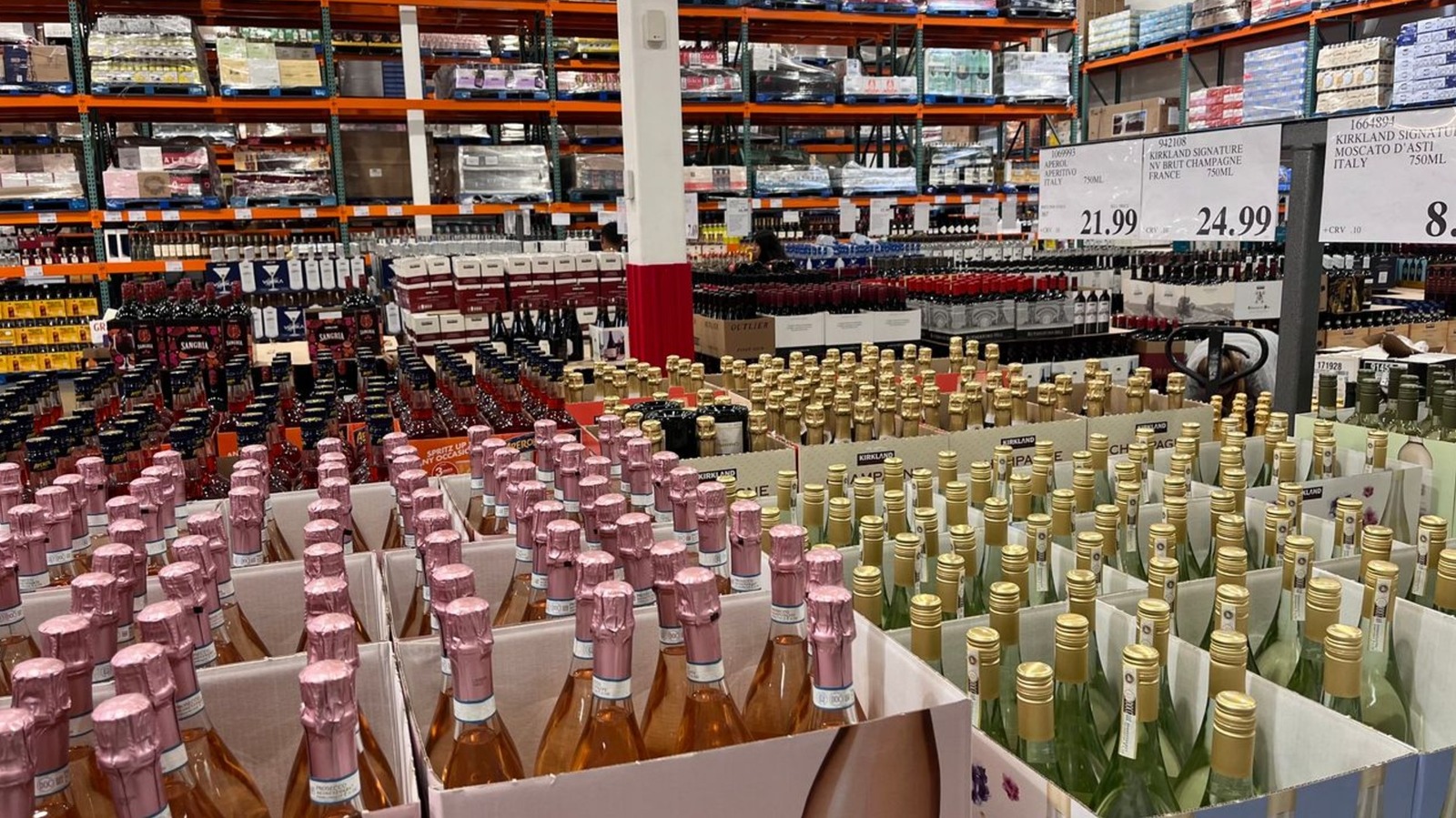
Similarly, the Kirkland Signature Asolo Prosecco DOCG represents a strategic shift toward quality-tiering. By sourcing from the Asolo region—a designation that carries stricter regulatory standards than standard Prosecco—Costco provides a superior product compared to the mass-market sparkling wines found in many big-box retailers. The Prosecco Rosé, which incorporates a small percentage of Pinot Noir to achieve its hue, further illustrates this focus on regional authenticity rather than mass-produced flavoring.
Pinot Noir: The Challenge of Cultivation
Pinot Noir is widely regarded by viticulturists as the "heartbreak grape" due to its thin skin, susceptibility to disease, and specific climate requirements. These factors contribute to the high price floor for most Pinot Noirs. Costco’s approach to mitigating this cost is to partner with established producers in specific American Viticultural Areas (AVAs) like the Willamette Valley in Oregon and the Russian River Valley in California.
By securing large-scale supply contracts, Costco ensures that these wines retain the terroir-driven characteristics—such as forest floor, red cherry, and subtle spice—that define high-end Pinot Noir. While these bottles may not offer the extreme nuance of single-vineyard bottlings, they represent a statistically significant value compared to the average retail price of $30–$50 for wines from these specific regions.
White Wine Varieties and the Shift to Boxed Formats
In the white wine category, the Kirkland Signature Pinot Grigio from Friuli Grave and the Ti Point Marlborough Sauvignon Blanc exemplify the benefits of regional sourcing. The Friuli Grave region in Italy is renowned for producing Pinot Grigio with more structural acidity than the lighter, more diluted versions found elsewhere.
Furthermore, the introduction of the Kirkland Signature California Pinot Grigio in a 3-liter box format signifies a shift in consumer behavior. Historically, "box wine" carried a negative stigma associated with low-quality bulk juice. However, technological advancements in packaging, such as air-tight bladders that prevent oxidation, have allowed retailers to offer high-quality, fresh-tasting wine that stays viable for weeks. This represents a pragmatic solution for consumers who prioritize long-term utility and value over traditional bottle aesthetics.
Red Wine Complexity: Barolo and Bordeaux
Perhaps the most ambitious entries in the Kirkland Signature lineup are the Barolo and the St. Emilion Grand Cru Bordeaux. These regions represent the pinnacle of European viticulture, often requiring years of cellar aging and commanding triple-digit prices.
The Kirkland Signature Barolo, produced from the Nebbiolo grape in Piedmont, Italy, must undergo specific aging requirements to earn its designation. By offering this at a price point that makes it accessible for "everyday" drinking, Costco challenges the assumption that long-aged, complex reds are reserved for special occasions. The St. Emilion Grand Cru, typically a blend dominated by Merlot with supporting notes of Cabernet Franc and Cabernet Sauvignon, provides an accessible entry point into the world of Right Bank Bordeaux. These wines are characterized by their tannic structure and potential for further bottle aging, offering a level of sophistication rarely seen in store-brand products.
Methodology and Quality Assurance
The curation of the Kirkland Signature wine collection is overseen by a team of buyers who often hold advanced certifications, such as those from the Wine & Spirit Education Trust (WSET) or the Court of Master Sommeliers. The methodology for inclusion in this portfolio typically involves rigorous blind tasting panels and a focus on consistency.
For the consumer, the primary implication is a reduction in "label risk." In the broader wine market, consumers often pay a premium for a well-known producer or a highly-rated vintage. Kirkland Signature wines remove much of this speculative pricing, providing a standardized quality level that is verified by the retailer’s massive supply chain.
Broader Market Implications
The success of these wines has forced competitors to re-evaluate their own private-label strategies. Other national retailers have since expanded their wine programs, attempting to replicate the "affordable luxury" model that Costco perfected. However, Costco’s advantage remains its ability to move inventory at a scale that keeps prices low without sacrificing the integrity of the supply chain.
For the wine industry at large, this trend has created a "floor" for quality. As consumers become more educated and aware that high-quality wine can be purchased for under $15, they are less likely to accept low-quality, mass-produced wines at higher price points. This pressure creates a more competitive environment for smaller, mid-tier wineries, which must now justify their pricing through unique terroir, sustainable practices, or artisanal techniques that the giant retailers cannot easily replicate.
Ultimately, the Kirkland Signature wine program serves as a case study in modern retail efficiency. By treating wine as a commodity that can be sourced with high standards and sold with razor-thin margins, Costco has changed the landscape of the wine aisle. It has provided the average shopper with an accessible pathway to explore complex varietals, regions, and styles, proving that the most expensive bottle is not always the best one, and that value is, in many cases, a matter of supply chain management rather than inherent quality.
