
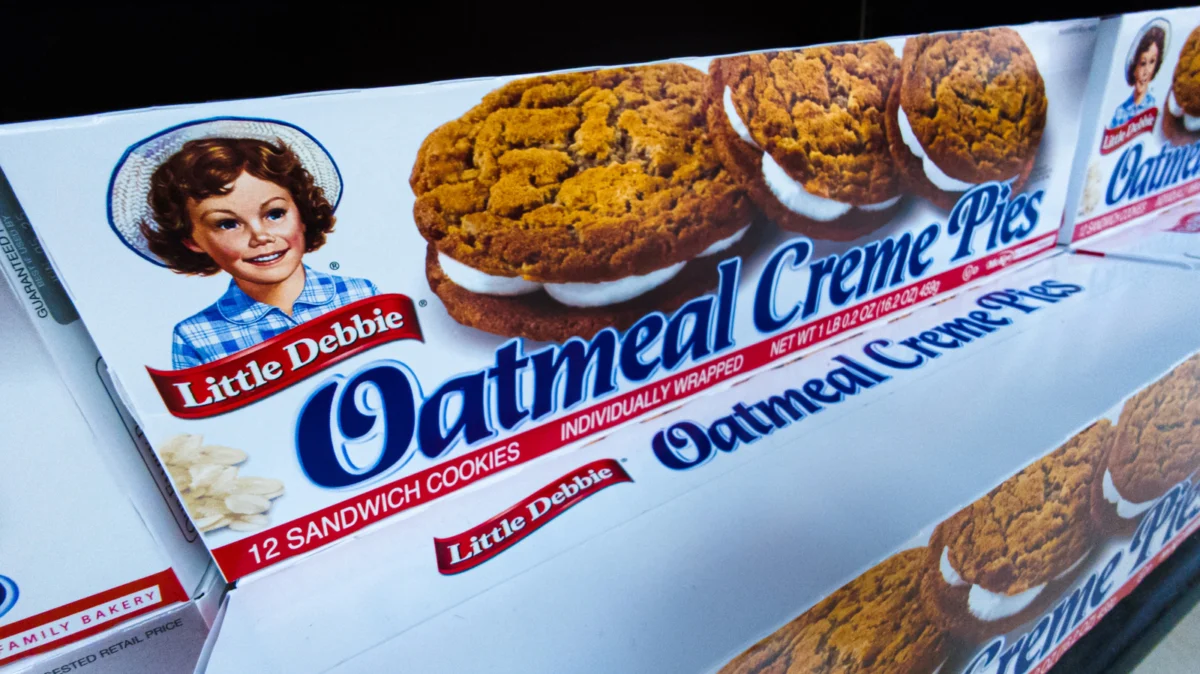
The sensory experience of childhood nostalgia is often anchored in specific flavors, and for generations of American consumers, few snacks have occupied as significant a place in the pantry as Little Debbie Oatmeal Creme Pies. Produced by McKee Foods, these soft, molasses-tinged oatmeal cookies sandwiched around a sugary creme filling have been a staple of the snack cake aisle since their introduction in 1960. However, in recent years, a growing chorus of long-time fans has taken to social media platforms and consumer forums to voice a shared concern: the product they purchase today bears little resemblance to the version they recall from decades past. This phenomenon, which has sparked widespread debate across digital communities, suggests that the "classic" taste of this iconic treat may have been altered by a combination of ingredient reformulations, manufacturing shifts, and broader industrial trends.
A Discrepancy in Consumer Experience
The allegations of taste degradation are not merely anecdotal; they represent a significant shift in consumer sentiment. Across platforms such as Reddit and TikTok, customers have documented a decline in the perceived quality of Oatmeal Creme Pies. Common complaints cite a noticeably thinner texture, a smaller overall footprint for the snack cakes, and a flavor profile that leans excessively toward sugar rather than the complex, spiced molasses profile that defined the original recipe.
One viral investigation conducted by a TikTok creator highlighted a tangible disparity by comparing the ingredient labels of pre-pandemic production runs with current inventory. The analysis pointed toward several key substitutions: the transition from liquid eggs to dried egg products, a shift from natural flavorings to more generic spice blends, and an increased reliance on specific additives that some consumers argue alter the moisture content and crumb density of the cookie. While McKee Foods has not issued a statement confirming a total recipe overhaul, the discrepancy between the historical and contemporary ingredient lists provides a factual basis for the sensory changes reported by the public.
Historical Context and Product Evolution
To understand the shift, one must look at the trajectory of McKee Foods as a company. Founded by O.D. and Ruth McKee in Collegedale, Tennessee, the company rose to prominence by offering affordable, individually wrapped snacks during an era of significant economic growth. For over 60 years, the Oatmeal Creme Pie remained the flagship product of the brand.
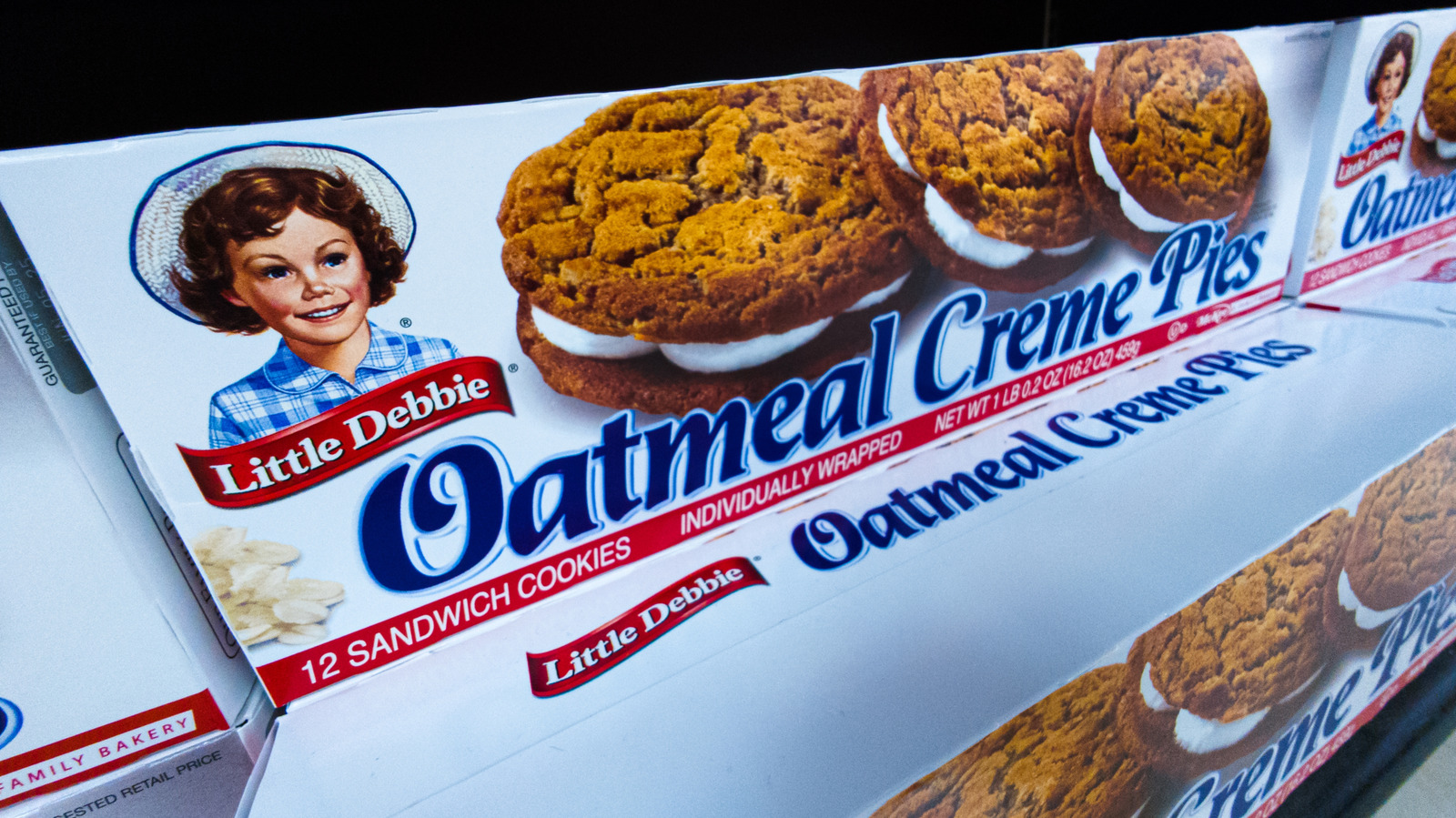
The chronology of these changes appears to have accelerated during the post-2020 period. The global supply chain crisis, which followed the onset of the COVID-19 pandemic, forced manufacturers across the food industry to seek alternative sourcing for raw materials. Ingredients like flour, fats, and stabilizers saw extreme price volatility and availability issues. Consequently, many legacy brands—not just Little Debbie—began modifying their recipes to accommodate shortages. Whether these changes were intended to be permanent or were temporary pivots that eventually became the "new normal" remains a point of speculation for industry analysts.
The Phenomenon of Shrinkflation and Recipe Reformulation
The complaints regarding Little Debbie snacks are part of a broader trend of "shrinkflation" and "skimpflation" currently impacting the American grocery sector. Shrinkflation refers to the practice of reducing the size or quantity of a product while maintaining the same retail price, while skimpflation involves replacing premium ingredients with lower-cost alternatives to preserve profit margins in the face of rising inflation.
Data from food industry analysts suggests that major snack manufacturers have been under immense pressure to maintain price points that remain attractive to cost-conscious consumers. By substituting natural ingredients for cheaper, shelf-stable alternatives, companies can mitigate the impact of rising labor and transportation costs. However, these cost-saving measures frequently result in a trade-off regarding the final product’s texture and mouthfeel. The use of dried egg products instead of fresh or liquid alternatives, for instance, is a common industry practice designed to increase shelf life and reduce waste, yet it often compromises the binding and richness of baked goods.
Official Stance and Corporate Strategy
McKee Foods has maintained a relatively low profile regarding these specific consumer complaints. The company’s most significant recent public commitment regarding ingredients is a long-term initiative to remove artificial dyes from its products by 2027. This move, while aimed at addressing health-conscious consumer demands, may also be contributing to further shifts in the sensory profile of their snacks, as natural colorants often possess different chemical properties than their synthetic counterparts.
From an institutional perspective, McKee Foods remains a family-owned operation that has historically prioritized stability. However, the modern food industry is governed by complex federal regulations and labeling requirements that necessitate periodic reviews of product formulas. The company has not officially addressed the specific claims regarding the "new" taste of Oatmeal Creme Pies, choosing instead to focus on their commitment to tradition and brand legacy. This silence, however, has only served to fuel further scrutiny from a consumer base that feels increasingly alienated from the brands they once considered reliable.
Consumer Workarounds and Market Adaptation
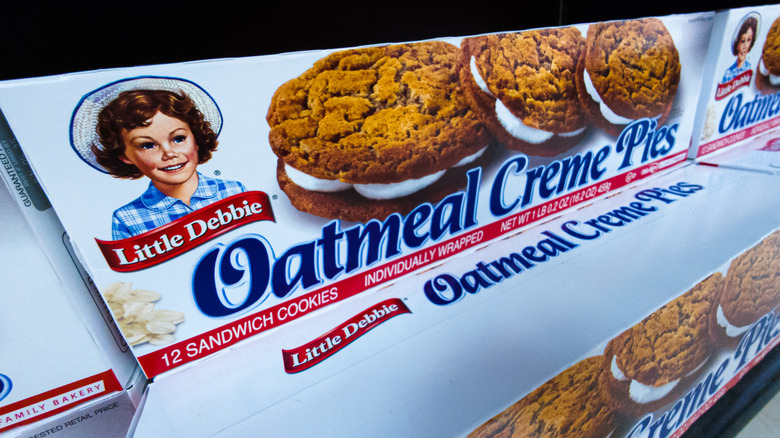
In response to the perceived decline in quality, consumers have begun identifying specific product variations that they believe retain the "classic" flavor. A notable trend involves consumers specifically seeking out "Big Pack" or larger-format boxes, which some report feel more substantial and taste closer to the traditional recipe. This suggests that manufacturing lines for different product sizes may utilize slightly different formulations or production methods, perhaps due to different facility requirements or ingredient ratios.
Furthermore, a burgeoning sub-culture of culinary experimentation has emerged, with fans sharing methods to "upgrade" current Oatmeal Creme Pies. Techniques such as air-frying the pies to crisp the edges or sandwiching them with additional, high-quality buttercream are common, reflecting a desire to reclaim the experience of the original product. Others have turned to the "copycat" market, utilizing online recipes that prioritize butter, high-quality oats, and authentic molasses to recreate the flavor profile that they feel is missing from store-bought versions.
Broader Implications for Legacy Brands
The situation surrounding Little Debbie Oatmeal Creme Pies serves as a case study for the challenges facing heritage food brands in the 21st century. When a product relies on nostalgia as a core pillar of its marketing, any deviation from the expected sensory experience carries a high risk of consumer backlash. Brand loyalty is often built on the reliability of a taste profile; when that profile shifts—even for valid economic reasons—the emotional connection between the consumer and the brand is weakened.
As inflation continues to impact consumer purchasing power, the food industry will likely continue to face a tug-of-war between maintaining quality and keeping prices accessible. The case of the Oatmeal Creme Pie demonstrates that consumers are highly attuned to these changes. Whether McKee Foods will acknowledge the shift or return to legacy formulations remains to be seen. For now, the divide between the memories of the past and the reality of the present remains a central point of contention for those who view these snacks as more than just food, but as a nostalgic touchstone of their upbringing.
Ultimately, the ongoing discourse regarding these snack cakes highlights a fundamental truth about the food industry: product loyalty is hard-won and easily lost. As the market continues to evolve, the ability of brands like Little Debbie to balance corporate efficiency with the high expectations of their fan base will determine whether these iconic treats continue to be a staple of future generations or if they become another relic of a bygone culinary era. For those seeking the taste of the past, the search for the "original" flavor continues—whether through searching for specific packaging or returning to the kitchen to recreate a memory that, for many, the grocery store shelf can no longer provide.
