
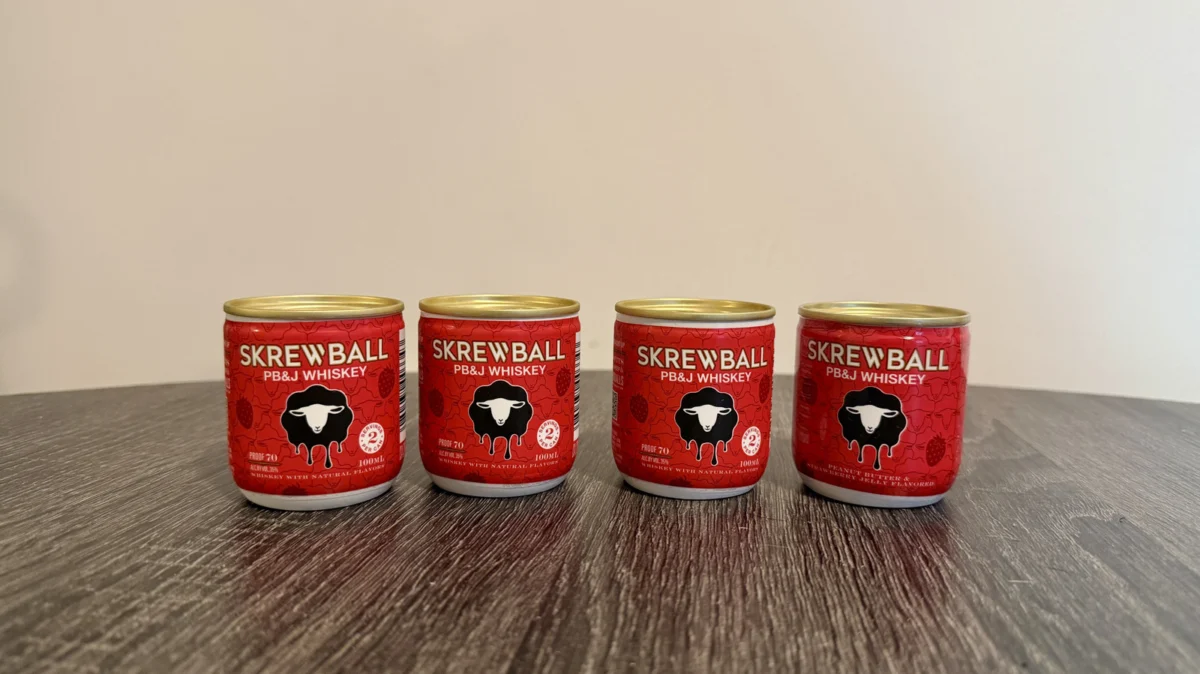
The flavored whiskey category has undergone a seismic shift over the last decade, transitioning from a niche segment into a dominant force in the spirits industry. At the forefront of this evolution is Skrewball, the brand that arguably popularized the peanut butter whiskey movement upon its market entry in 2018. Following eight years of consistent growth and the establishment of its signature peanut butter profile, the company has officially expanded its portfolio with the September 2026 launch of its Peanut Butter and Strawberry Jelly Flavored Whiskey. This strategic product release represents the first major flavor innovation for the brand, signaling a departure from its singular focus on its legacy spirit.
A Chronology of Innovation and Market Dominance
The story of Skrewball began with a mission to bridge the gap between dessert-flavored liqueurs and traditional brown spirits. Before 2018, the idea of a peanut butter-flavored whiskey was largely dismissed by industry purists as an improbable concept. However, Skrewball successfully captured a demographic of younger, experiment-driven consumers, effectively carving out a new sub-category.
The brand’s success was not merely anecdotal; it was validated by industry recognition, including the prestigious Best Flavored Whiskey Award at the New York World Wine and Spirits Competition. This accolade cemented the brand’s reputation and provided the financial and operational stability required to explore new product lines. While competitors rushed to capitalize on the success of peanut butter-flavored spirits, Skrewball maintained a disciplined approach, focusing on scaling its original product across domestic and international markets. The decision to introduce the Peanut Butter and Strawberry Jelly variant in late 2026 serves as a calculated move to reinvigorate interest in the brand during the transition into the autumn season, a period traditionally associated with comfort-oriented flavor profiles.
Technical Profile and Tasting Analysis
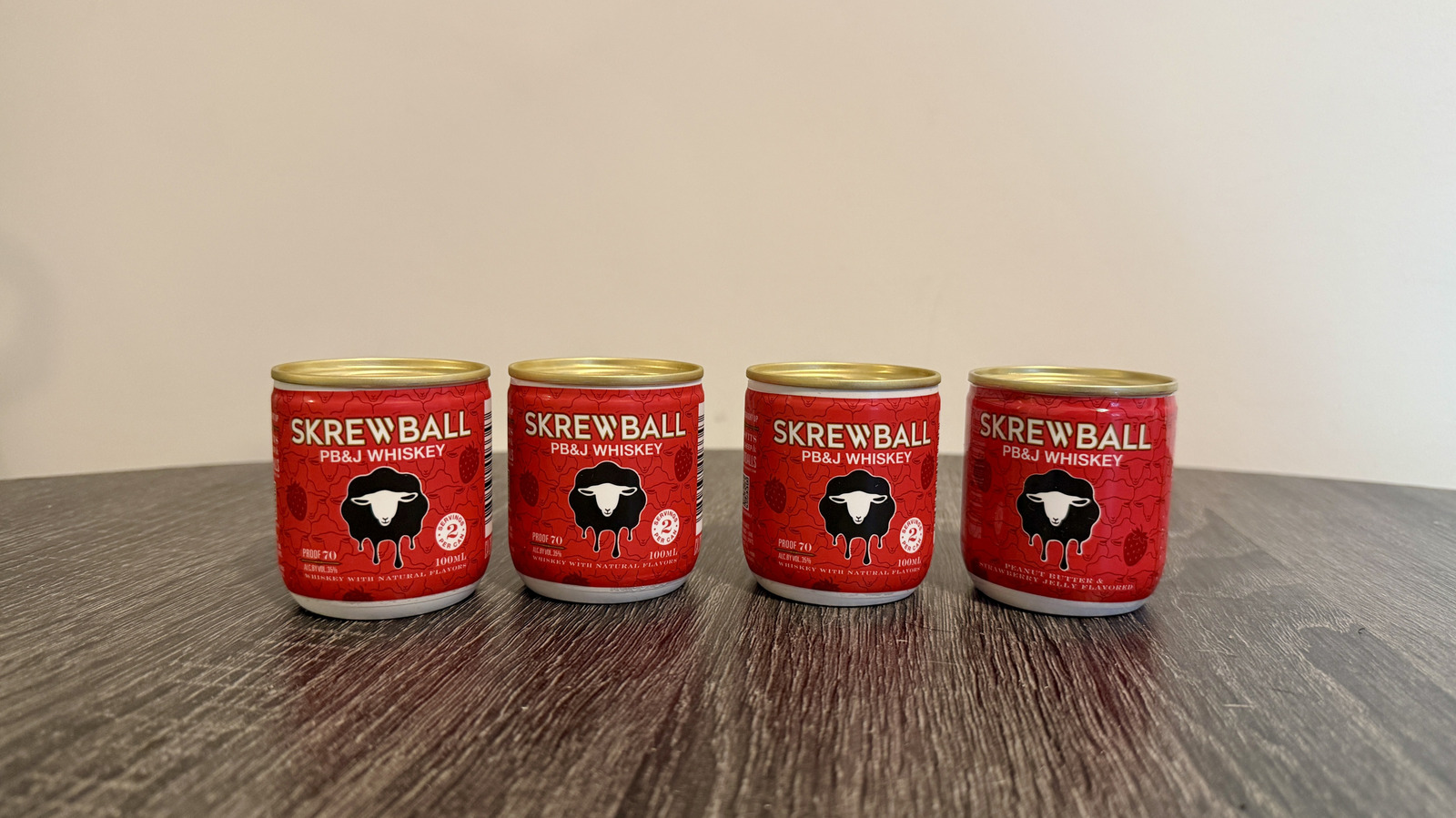
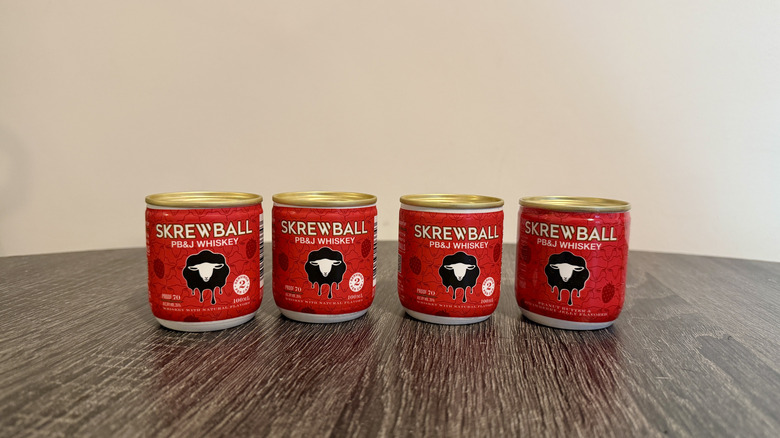
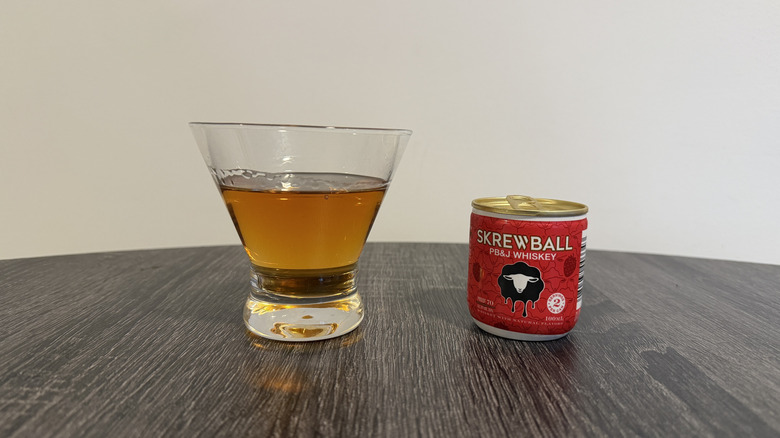
The new iteration of the product is formulated at 35% alcohol by volume (ABV), or 70 proof, maintaining the same potency as the original offering. The liquid is presented in 100-milliliter cans and 50-milliliter bottles, reflecting a move toward portable, single-serve consumption trends that have become increasingly popular among younger demographics.
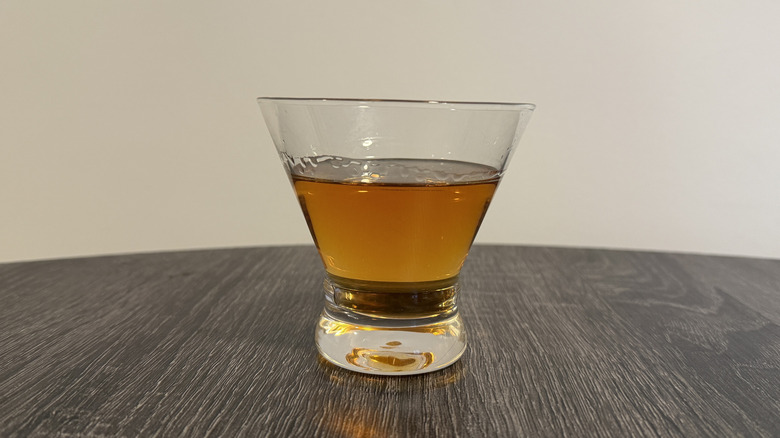
Upon initial evaluation, the sensory profile of the whiskey reveals a deliberate attempt to balance the established savory notes of roasted peanuts with the saccharine, fruity undertones of strawberry jelly. The mouthfeel is characterized by a higher viscosity, common in flavored whiskies that rely on sugar-based flavor additives to achieve their intended profile. The olfactory experience begins with a subtle, albeit distinct, strawberry aroma that bridges the gap between the sharpness of the whiskey base and the sweetness of the jelly extract.
On the palate, the experience is layered. The initial sensation provides the familiar, roasted nuttiness that has defined the brand’s success, followed closely by the introduction of the strawberry profile. As the tasting progresses, the strawberry notes become more pronounced, lingering with a finish reminiscent of classic fruit-flavored confectionery. While a mild ethanol burn is present on the backend, the overall balance ensures the drink remains accessible to casual consumers and those who typically shy away from high-proof, unflavored spirits.
Market Context and Strategic Implications
The introduction of a PB&J flavor is not merely a product extension; it is a strategic maneuver designed to leverage childhood nostalgia, a powerful driver in modern food and beverage marketing. By evoking the sensory memory of a staple school-lunch sandwich, Skrewball is positioning itself as a lifestyle brand rather than a traditional distillery.
From an industry standpoint, the implications are significant. Flavored whiskey, often categorized under the broader "Ready-to-Drink" (RTD) or "Specialty Spirits" umbrella, has been a primary driver of growth in the U.S. alcohol market. According to recent industry reports, the demand for "approachable" spirits—those that do not require complex mixing or an acquired taste for the harshness of traditional whiskey—has consistently outpaced the growth of conventional bourbon and rye. By expanding into the PB&J segment, Skrewball is effectively widening its consumer base to include those who might view traditional whiskey as too intimidating or unpalatable.
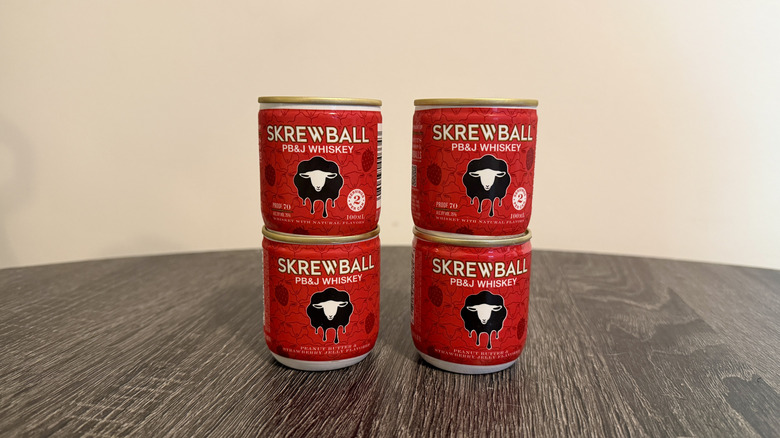
Furthermore, the choice to release this product in the fall of 2026 is deliberate. Seasonal flavor cycles are critical in the beverage industry, and the "back-to-school" season offers a unique psychological window for brands to deploy nostalgic themes. The portability of the 100-milliliter format suggests that the brand is targeting outdoor social events, tailgating, and casual home gatherings, further distancing the product from the traditional "sipping" culture of high-end whiskey.
Consumer Reception and Future Outlook
Early feedback from market observers suggests that the product is likely to succeed due to its inherent "mixability." While it can be consumed straight, the flavor profile is specifically engineered to serve as a base for fall-themed cocktails. The versatility of the spirit allows for its integration into various drink recipes, ranging from simple mixers to more elaborate, dessert-style cocktails, which could significantly increase its shelf life in home bars.
The brand’s decision to maintain its core peanut butter profile while introducing a fruit-forward element is a risk-mitigation strategy. By keeping the familiar nutty base, Skrewball ensures that its loyal customer base remains engaged, while the strawberry addition serves as a "hook" for new consumers. If the product maintains its momentum through the winter season, it is highly probable that the company will explore other flavor pairings. Potential future iterations could include varying jam profiles—such as grape or raspberry—or even collaborations with existing snack food companies to further capitalize on the "PB&J" brand equity.
Operational Logistics and Accessibility
The accessibility of the product is a key component of its launch strategy. Retailing at $3.99 for a 100-milliliter can and $1.99 for a 50-milliliter bottle, the product is positioned as an impulse buy. This pricing model lowers the barrier to entry, allowing consumers to experiment with the flavor without committing to a full-sized bottle of a new or unproven spirit.
The distribution strategy, which began in the United States in September, appears to be focused on high-volume liquor retailers and convenience stores, where the small-format packaging is most effective. This retail placement is essential for driving trial-based sales, particularly for a product that relies on a specific, recognizable flavor profile to attract curiosity.
Final Assessment
The Skrewball Peanut Butter and Strawberry Jelly Flavored Whiskey is a prime example of a brand leveraging its existing equity to expand into a logical, yet innovative, territory. The product successfully navigates the challenge of blending two distinct flavors without allowing one to completely overwhelm the other. While the strawberry notes may dominate the palate for some, the underlying, roasted quality of the peanut butter whiskey remains, providing a grounding effect that prevents the drink from becoming overly cloying.
As the spirits industry continues to prioritize convenience, accessibility, and nostalgia, Skrewball’s latest offering stands as a testament to the power of deliberate, long-term brand building. By waiting eight years to introduce a new flavor, the company has avoided the pitfalls of oversaturating its market, instead waiting for the optimal moment to capitalize on consumer trends. Whether this will lead to a broader range of flavored whiskies remains to be seen, but for now, the PB&J variant provides a balanced, approachable, and highly nostalgic entry into the brand’s evolving portfolio. As consumers look for new ways to experience familiar comfort foods in adult-oriented formats, this product is poised to remain a staple of the flavored whiskey category for the foreseeable future.
