
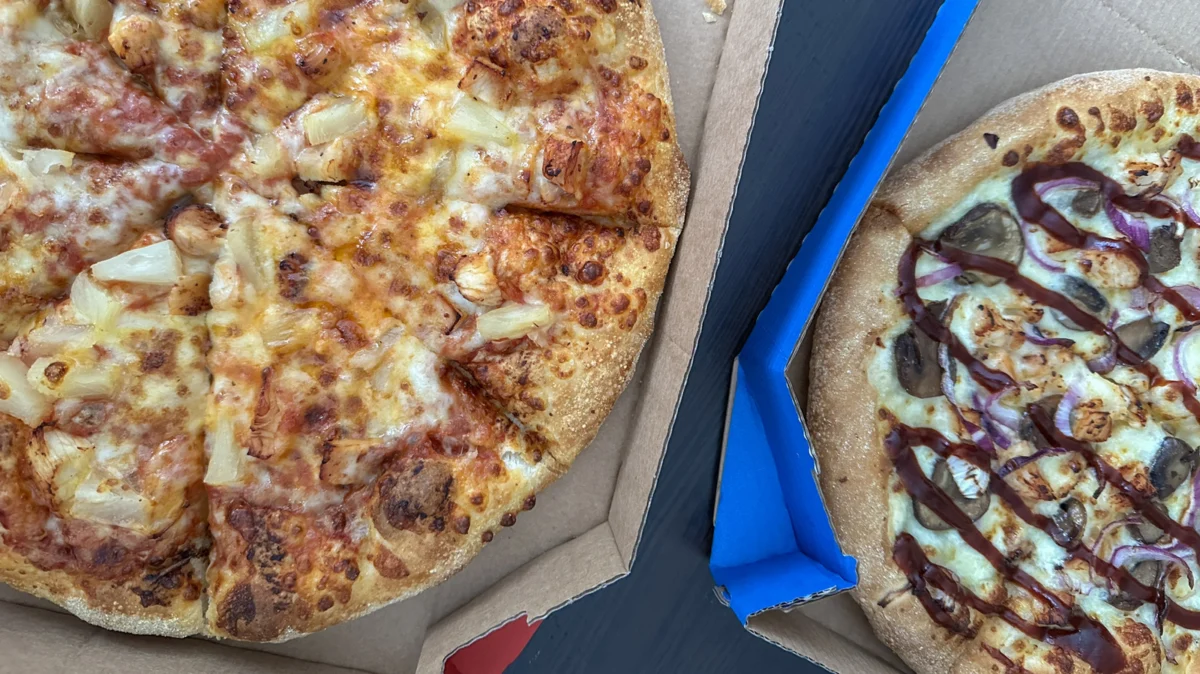
The modern era of fast-food consumption is defined by the absolute sovereignty of the consumer. In a landscape where coffee shops offer thousands of permutations for a simple morning beverage and burger chains provide granular control over every ingredient in a sandwich, the expectations for pizza delivery have evolved in kind. Domino’s Pizza, a global titan in the quick-service restaurant (QSR) sector, has adapted to this shift by providing an expansive digital infrastructure for customization. However, navigating the intersection of corporate menu standardization and individual culinary preference requires more than just checking boxes on an application. To achieve a consistently superior product, customers must understand the operational constraints of the kitchen, the physics of high-heat conveyor ovens, and the nuances of professional pizza assembly.
The Evolution of Customization in the QSR Sector
Domino’s has undergone a massive transformation over the past decade, moving away from its mid-2000s reputation for lackluster crusts and bland sauces. Through its "Pizza Turnaround" campaign initiated in 2009, the company overhauled its supply chain and recipe standards, ultimately leading to a surge in market share. Central to this success was the integration of a highly sophisticated digital ordering system. Today, approximately 80% of Domino’s sales in the United States are generated through digital channels.
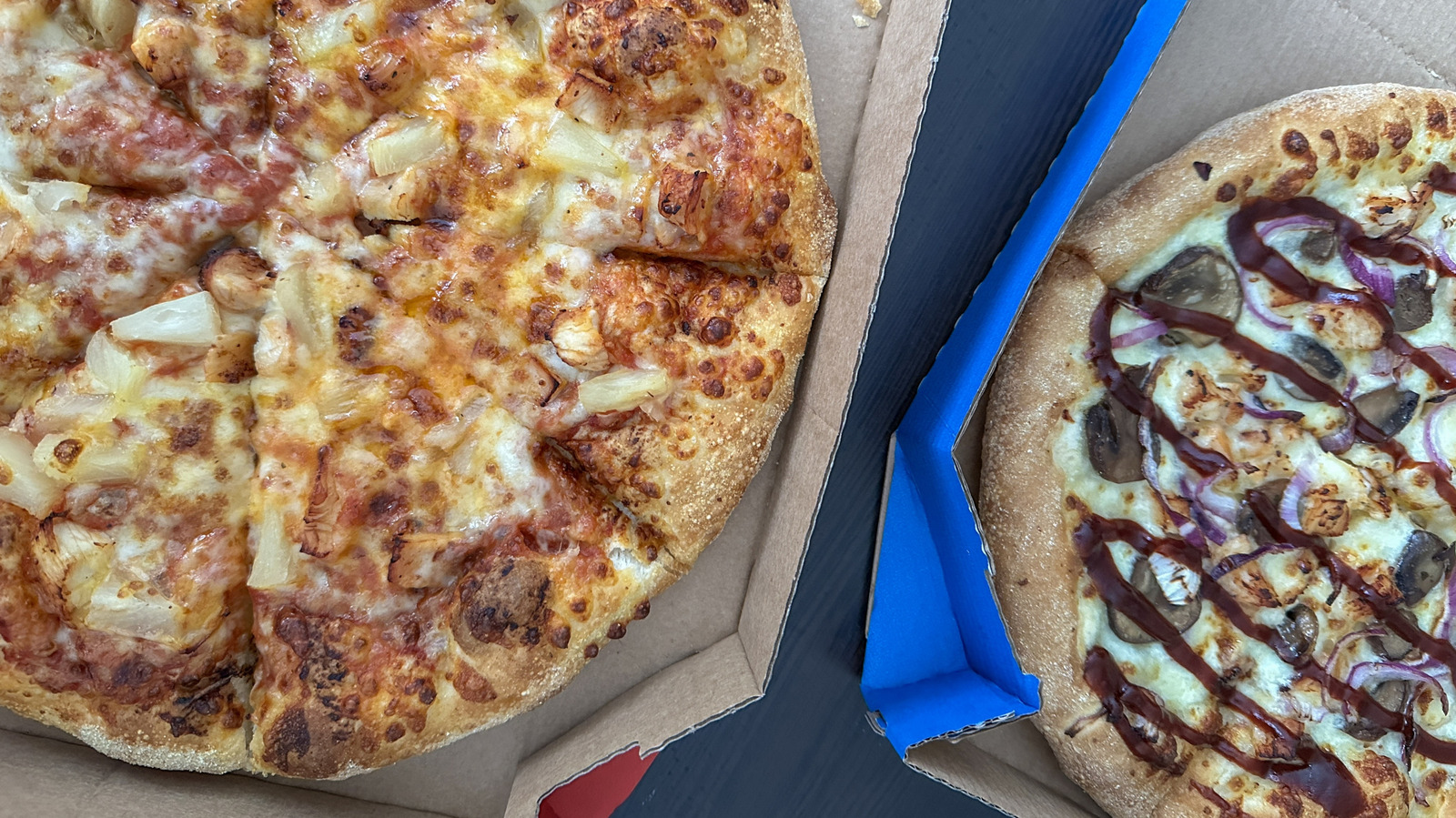
This digital dominance has facilitated a "secret menu" culture, where consumers share experimental combinations on social media platforms like TikTok and Reddit. While these viral trends offer a sense of discovery, they often ignore the technical limitations of the standard Domino’s kitchen. When a customer orders a pizza with excessive toppings, the moisture content increases, potentially preventing the crust from achieving the desired structural integrity and crispness. Understanding these technical hurdles is the first step toward mastering the art of the custom order.
Strategic Ingredient Selection and Flavor Profiling
The most common critique among frequent Domino’s patrons is the perceived insufficiency of topping distribution. Data-driven analysis of consumer feedback suggests that "topping density" is a primary driver of customer satisfaction. To circumvent the issue of skimpy portions, savvy customers have adopted a policy of ordering "extra" quantities of specific items. This is not merely about volume; it is about ensuring that the flavor profile of the pizza remains consistent from the first bite to the last.
Beyond volume, the selection of base sauces and cheeses can fundamentally alter the identity of the pie. While traditional marinara is the default, the shift toward garlic parmesan or alfredo bases allows for a more indulgent, creamy profile. For those seeking a deeper flavor, the addition of minced garlic or the use of garlic oil—typically reserved for the crust—as a drizzle over the finished product can introduce a level of aromatics usually reserved for artisanal pizzerias.
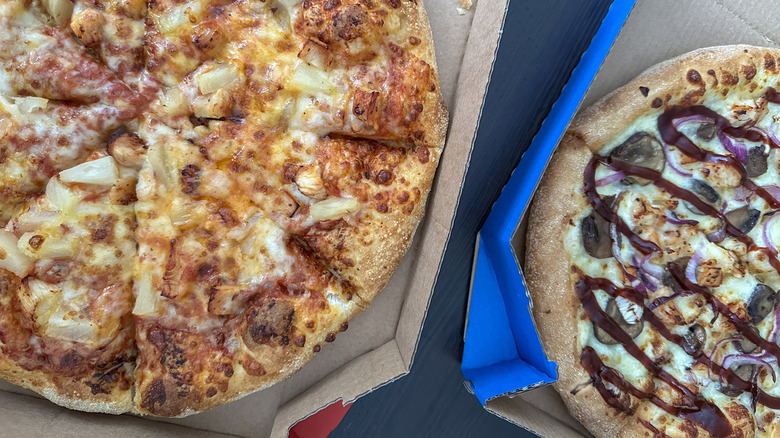
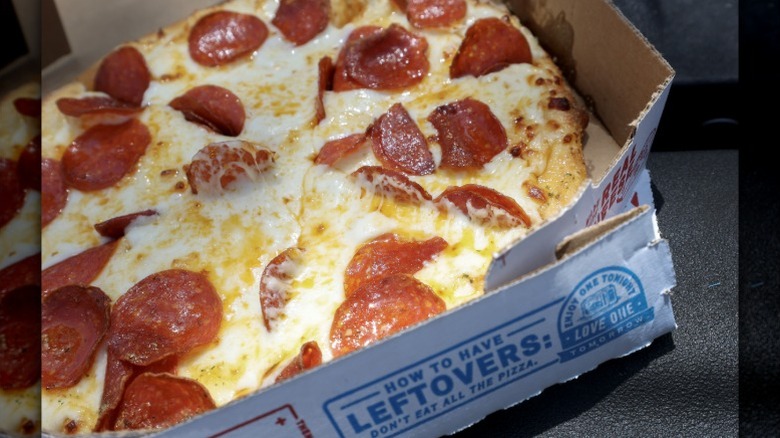
Furthermore, the standard mozzarella blend can be elevated by requesting a three-cheese medley consisting of cheddar, provolone, and parmesan. These cheeses have varying melt points and fat contents; when combined, they provide a more complex texture and a superior "cheese pull" compared to the standard low-moisture mozzarella. However, consumers should be wary of overloading the pizza with too many heavy proteins, such as pepperoni or sausage, which release significant grease during the bake. This excess moisture can compromise the crust, turning a crisp base into a soggy, unappealing foundation.
Technical Considerations: Oven Physics and Well-Done Requests
The "well-done" request is perhaps the most significant, yet underutilized, tool in the consumer’s arsenal. Domino’s utilizes high-temperature conveyor ovens that are calibrated for a specific bake time to ensure efficiency. When a pizza is heavily customized with a variety of toppings, the standard bake time may be insufficient to fully dehydrate the vegetables or render the fat from the meats.
Requesting a "well-done" bake instructs the kitchen staff to leave the pizza in the oven for an additional cycle or to position it in a hotter zone of the conveyor. This is critical for thick-crust varieties like the handmade pan pizza. Without this adjustment, the center of the pizza often remains doughy, a phenomenon that has led to widespread frustration among those who favor a crispy, golden-brown crust. By opting for a well-done finish, the customer effectively mitigates the risks associated with high-moisture toppings and heavy sauces, ensuring a more uniform cook.
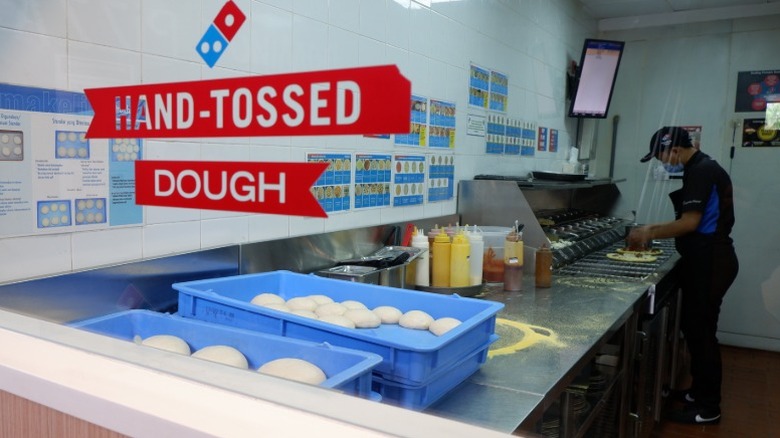
Post-Bake Customization and Strategic Ordering
A growing trend in the culinary world involves "post-bake" assembly, where fresh ingredients are added after the pizza exits the oven. While Domino’s operational model is built around speed and consistency, some locations are more flexible than others regarding this request. Adding fresh tomatoes, arugula, or peppers after the bake provides a textural contrast that cooked, mealy vegetables cannot replicate.
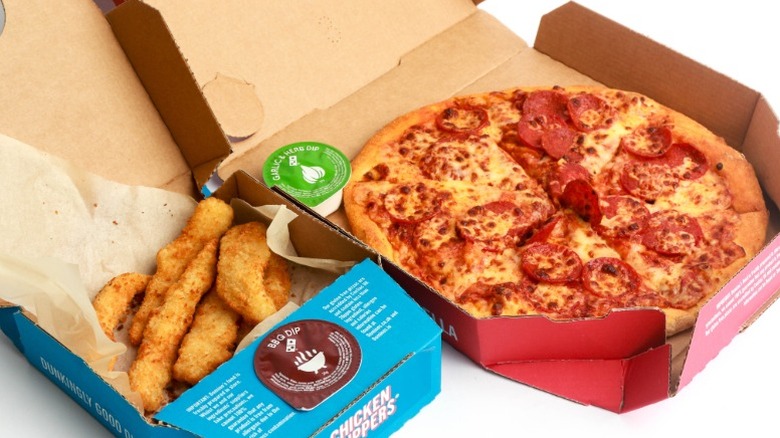
This approach aligns with international trends in the pizza industry. In various markets, such as New Zealand, Domino’s has experimented with incorporating diverse sides—including potato wedges—directly onto the pizza. While these options may not be standard in all U.S. franchises, the rise of "DIY" customization means that customers who are willing to communicate directly with store management can often secure non-standard preparation methods.
The Human Element: Communication and Timing
Despite the technological sophistication of the Domino’s ordering app, the most effective way to guarantee a custom order is executed correctly is through direct communication with the kitchen staff. During peak operating hours—such as Friday evenings, Super Bowl Sunday, or Halloween—the kitchen is under immense pressure to maintain high throughput. Under these conditions, complex, highly customized orders are more likely to suffer from errors due to the necessity of speed.
For high-stakes orders, placing the request over the phone or in person allows the customer to speak directly with the shift lead. This human interaction provides an opportunity to clarify specific requests, such as the "well-done" instruction or specific ingredient placement. Furthermore, professional conduct and consistent patronage build a rapport with local staff. Industry observers note that in the service sector, positive engagement often results in a higher level of attention to detail, and in some cases, the inclusion of small complimentary items.
Analyzing the Broader Impact on QSR Operations
The trend toward hyper-customization presents a double-edged sword for large-scale franchises. On one hand, it increases consumer engagement and brand loyalty. On the other, it creates significant operational friction. Each modification adds time to the assembly process and introduces potential points of failure in the production line.
From an economic perspective, customization is a double-edged sword. While additional toppings allow for higher price points per unit, they also increase waste and slow down the "Average Order Time" (AOT), a critical KPI for QSR performance. Domino’s corporate strategy has historically focused on balancing this demand for personalization with the need for extreme operational efficiency. By providing a digital interface that suggests "recommended" modifications, the company attempts to steer customers toward combinations that are both popular and operationally feasible.
Ultimately, the goal of a better Domino’s experience is not just about stacking more ingredients; it is about understanding the balance between flavor, texture, and the realities of commercial pizza production. By applying the "well-done" technique, choosing complementary cheese profiles, and communicating directly with store staff, the consumer can effectively override the limitations of mass-production. As the QSR landscape continues to move toward a more personalized model, the power of the informed consumer will remain the most significant factor in determining the quality of the final product. The shift from a passive recipient of a menu item to an active collaborator in the kitchen is the defining characteristic of the modern fast-food experience.
