
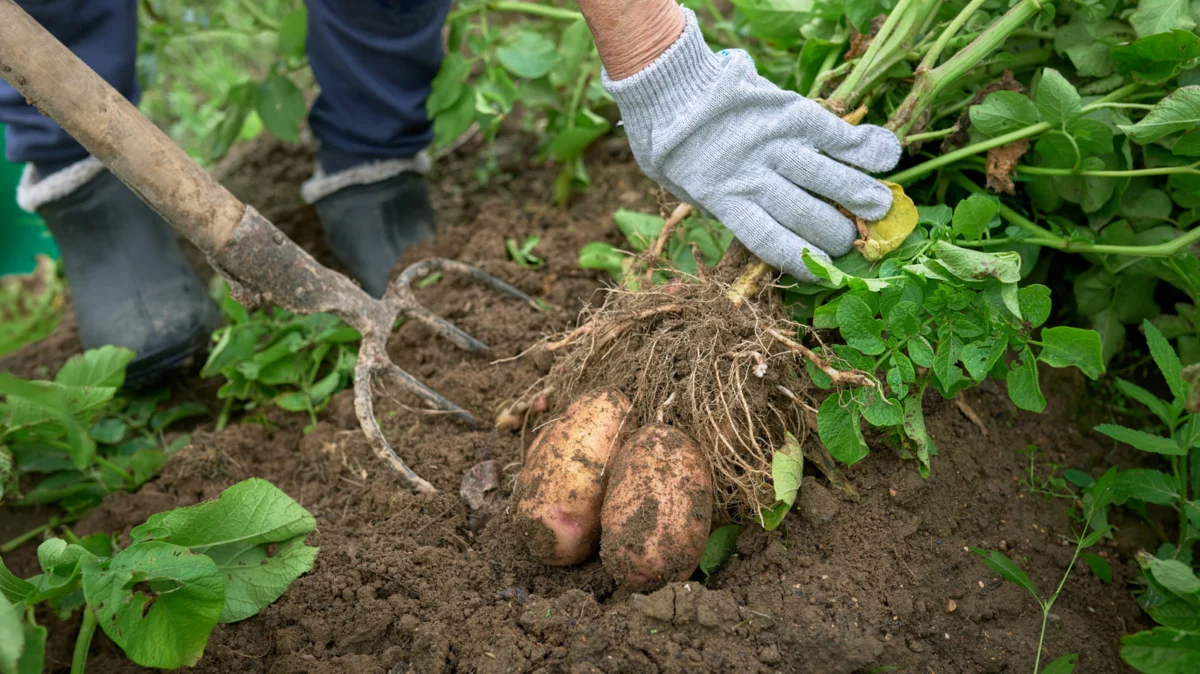
Companion planting, a horticultural practice rooted in ancient agricultural wisdom, centers on the principle that certain plant pairings can foster mutual benefits, leading to healthier crops, enhanced yields, and a more robust ecosystem within the garden. This symbiotic relationship often involves plants that attract beneficial insects, deter pests, improve soil fertility, or provide natural protection from harsh environmental conditions. For home gardeners looking to cultivate successful potato crops, a time-tested and surprisingly versatile companion is the humble chive. Beyond its culinary appeal, the chive plant offers a suite of advantages that can significantly contribute to the thriving growth of potatoes.
The Symbiotic Relationship: Chives and Potatoes
Chives (Allium schoenoprasum) belong to the Allium family, a group of plants renowned for their pungent aromas and their efficacy in warding off a variety of garden pests. When strategically planted alongside potato plants (Solanum tuberosum), chives act as a natural deterrent, emitting a strong scent that can confuse and repel common potato adversaries such as aphids, slugs, snails, and Japanese beetles. This aromatic defense mechanism is a cornerstone of organic gardening, reducing the need for chemical pesticides and promoting a healthier, more sustainable growing environment.
The benefits of this pairing extend beyond pest deterrence. Chives, as a cool-season herb, are well-suited to grow throughout the entire potato cultivation cycle. Their presence from seedling to harvest ensures continuous protection. Furthermore, the bright purple flowers that chives produce in bloom serve a dual purpose: they are visually appealing and actively attract beneficial pollinators, such as bees and butterflies, which can enhance the overall biodiversity of the garden and potentially contribute to the health of nearby fruiting plants.
The Allium family, to which chives belong, offers other valuable companions for potatoes. Garlic (Allium sativum), for instance, is known to help reduce the risk of potato blight, a devastating fungal disease that can decimate potato crops. Studies have indicated that certain sulfur compounds in garlic may have antifungal properties, offering a natural protective barrier. Onions (Allium cepa) also provide significant benefits, particularly in their ability to deter aphids, which can transmit viral diseases to potato plants. The combined presence of these allium relatives creates a more resilient and productive potato patch.
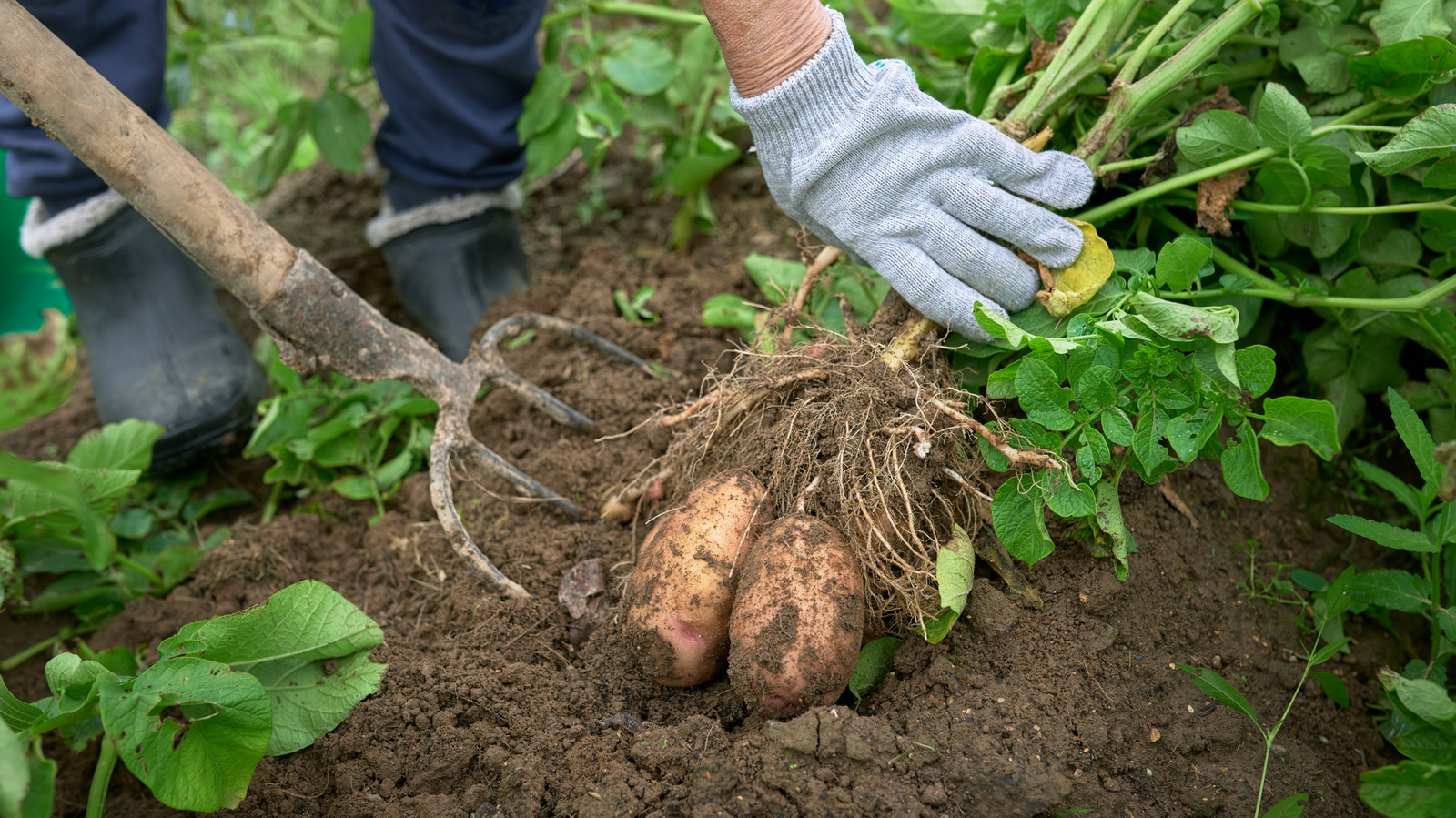
Culinary Synergy: A Double Harvest
The advantages of planting chives with potatoes are not confined to the garden; they extend directly to the kitchen. Chives are widely recognized as an exceptional topping for a variety of potato preparations. Their mild, grassy, and slightly garlicky flavor profile, with a subtle yet satisfying crunch, complements the richness of baked, roasted, or mashed potatoes perfectly. A simple sprinkling of freshly chopped chives can elevate a dish, adding a burst of freshness and visual appeal. This culinary synergy means that the gardener not only harvests a bountiful potato crop but also has an immediate, flavorful herb ready to enhance their meals.
Beyond being a classic garnish, chives can be incorporated into a range of potato dishes. They can be finely chopped and mixed into a compound butter, which can then be melted over hot potatoes, infusing them with herbaceous notes. For more elaborate preparations like scalloped potatoes or potato gratins, chives can add a layer of delicate flavor that cuts through the creaminess and richness of the dish. This dual benefit – agricultural assistance and culinary enhancement – makes the chive an indispensable companion for potato cultivation.
Cultivation and Timing: A Harmonious Growth Cycle
Successful companion planting requires an understanding of the individual needs of each plant and how they can be synchronized. Both potatoes and chives are cool-season crops and can be planted in early spring. Potatoes are typically planted two to four weeks before the last expected frost in a region. They thrive in well-drained soil with a slightly acidic pH, ideally between 5.8 and 6.5, and require at least six hours of direct sunlight daily. Consistent moisture is crucial for potato development, with an average of one to two inches of water per week.
Chives share similar preferences. They also do best in direct sunlight and prefer well-draining soil, ideally amended with organic compost, with a pH range of 6.0 to 7.0. For gardeners wishing to plant chives alongside their potatoes from the outset, starting chive seeds indoors about six to eight weeks before the last frost is recommended. Once the seedlings have developed a healthy root system and the danger of frost has passed, they can be transplanted into the garden bed or containers at the same time as the potato tubers. A spacing of 4 to 6 inches apart for chives ensures they have adequate room to grow and spread their influence. While chives are relatively drought-tolerant once established, consistent watering will contribute to increased yield and vigor, mirroring the needs of their potato companions.
Broader Applications of Chives in the Kitchen
The culinary utility of chives extends far beyond their pairing with potatoes. Their fresh, zesty flavor makes them a versatile ingredient in a wide array of dishes. They can be sprinkled over French omelets, adding a bright counterpoint to the richness of eggs. In soups, especially spring or summer varieties, chives provide a refreshing garnish. Salads, whether green or composed, benefit from the addition of chopped chives, which can enhance their overall flavor profile. Dressings and vinaigrettes can also be infused with chive flavor for a more complex and herbaceous finish.
However, it is important to note that chives are best enjoyed fresh. The delicate volatile compounds that give them their distinctive flavor are susceptible to degradation when exposed to heat. Cooking chives can dull their taste, rendering them less impactful. Therefore, they are most effectively used as a finishing herb, added just before serving to preserve their vibrant flavor and aroma. This culinary characteristic underscores their role as a fresh, herbaceous accent rather than a primary cooking ingredient, further enhancing their value as a readily available garden companion.
The Significance of Companion Planting in Modern Agriculture
The practice of companion planting, exemplified by the chive-potato relationship, is gaining renewed attention in both home gardens and commercial agriculture. As concerns about environmental sustainability, the impact of synthetic pesticides, and the desire for healthier food systems grow, ancient techniques like companion planting offer practical and effective solutions. Research continues to explore the complex biochemical and ecological interactions between plants, revealing new benefits and optimizing existing pairings.
The success of this strategy lies in its multifaceted approach to plant health. By leveraging natural plant defenses and beneficial interactions, gardeners can reduce their reliance on external inputs, leading to cost savings and a lower environmental footprint. The increased biodiversity fostered by companion planting also contributes to a more resilient ecosystem, making gardens less vulnerable to widespread pest outbreaks or diseases. The chive and potato partnership serves as a compelling illustration of how thoughtful plant selection can lead to a more productive, sustainable, and ultimately, more rewarding gardening experience. This integrated approach to cultivation, combining botanical knowledge with culinary appreciation, highlights the enduring wisdom of working in harmony with nature.
