
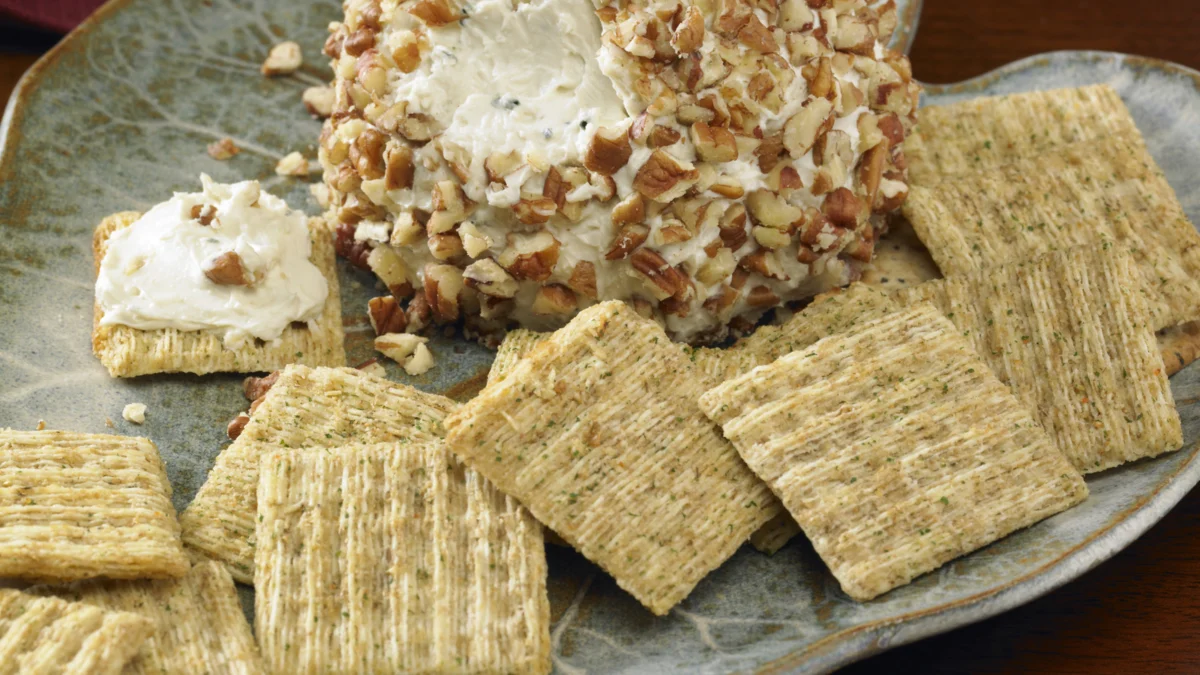
The Triscuit cracker, a familiar staple on grocery store shelves and charcuterie boards alike, boasts a history as unique as its woven texture. Far from being a modern culinary invention, this iconic snack has roots stretching back to the dawn of the 20th century, marking a significant milestone in food production by being the very first cracker to be baked using the revolutionary power of electricity. Its enduring popularity and remarkably consistent recipe, unchanged for over 125 years, underscore a fascinating intersection of innovation, marketing, and consumer appeal.
A Spark of Innovation: Henry Perky and the Electric Biscuit
The genesis of Triscuit can be traced to Henry Perky, a visionary inventor and entrepreneur from Massachusetts. In 1900, Perky conceptualized a healthier and more versatile alternative to existing snack options. His creation was not merely a cracker; it was envisioned as a multi-purpose foodstuff, capable of serving as "bread, toast, crackers or wafers," as highlighted in early advertising materials unearthed from the era. This ambitious scope immediately set Triscuit apart. Perky’s initial venture was under the banner of the Natural Food Company, reflecting a burgeoning interest in wholesome and natural ingredients during that period.
The pivotal moment in Triscuit’s development, and indeed for the broader food industry, came with a visit to the awe-inspiring Niagara Falls. It was here that Perky decided to establish the Natural Food Company’s flagship bakery. This facility was not just a production site; it was designed as a destination, a testament to Perky’s forward-thinking approach. Touted as "the cleanest and most hygienic food factory on the continent" at the time, the Niagara Falls bakery became an attraction in its own right. Visitors were drawn not only by its meticulously designed interior spaces but, more importantly, by its groundbreaking production method.
Leveraging the immense hydroelectric power generated by Niagara Falls, Perky engineered an automated cracker-making line. This was a monumental leap in food manufacturing. Triscuit proudly became the first and, for a significant period, the only snack cracker on the market to be baked using electricity. This pioneering use of electrical power directly influenced the cracker’s name, a detail that would remain a subject of public curiosity for decades.
Unraveling the "Tri": A Viral Mystery Solved
For years, the "tri" in Triscuit remained an enigmatic part of its identity. While the "cuit" was readily understood as a nod to "biscuit," the origin of "tri" was less clear. This ambiguity was amplified in 2020 when Sage Boggs, a writer and comedian based in New York City, embarked on a quest to uncover the definitive story behind the name. His findings, shared initially through a series of viral Twitter posts, captivated the public and reignited interest in Triscuit’s history.
Boggs reached out to Nabisco, the current manufacturer of Triscuit crackers, seeking clarification. The company confirmed that while they recognized the clever play on "biscuit," their historical records had been lost, leaving the specific meaning of "tri" unexplained, other than to confirm it did not relate to the number three. Undeterred, Boggs delved into Triscuit’s early advertising campaigns, meticulously searching for clues. It was during this deep dive, likened to being struck by a bolt of lightning – a motif that appeared on some early packaging – that Boggs pieced together the puzzle.
The revelation was elegant and ingenious: Triscuit is a portmanteau, a fusion of the words "electricity" and "biscuit." The "tri" is derived from the middle syllables of "elecTRIcity," while the "cuit" comes from "bisCUIT." This linguistic innovation perfectly encapsulated the cracker’s revolutionary manufacturing process, embedding its historical significance directly into its brand name.
A Timeless Recipe: Simplicity as the Key to Longevity
The enduring success of Triscuit can be largely attributed to its remarkably consistent and wholesome recipe. Even today, the classic Triscuit cracker is crafted using only three fundamental ingredients: wheat, oil, and salt. This commitment to simplicity reflects Perky’s original vision of offering a healthy and natural snack. The wheat used is sourced exclusively from American farms, reinforcing a connection to domestic agriculture.
While the classic formulation remains unchanged, Triscuit has also evolved to meet contemporary consumer preferences by introducing a range of flavored varieties. These include popular options such as Fire Roasted Tomato & Olive Oil and Balsamic Vinegar & Basil, which add layers of taste without compromising the core integrity of the cracker. This strategic expansion has allowed Triscuit to retain its loyal customer base while attracting new consumers seeking nuanced flavor profiles.
The Broader Impact: Electricity in Food Production and Brand Identity
The introduction of electrically powered manufacturing for Triscuits in 1900 had significant implications, both for the company and for the wider food industry.
- Pioneering Automation: Triscuit’s electric production line was a precursor to the widespread automation that would come to define modern food manufacturing. It demonstrated the potential for electricity to enhance efficiency, consistency, and hygiene in large-scale food production. This paved the way for other food companies to explore and adopt similar technological advancements.
- A New Era of Food Safety and Hygiene: Perky’s emphasis on hygiene in his Niagara Falls facility was ahead of its time. In an era where food safety standards were nascent, his commitment to cleanliness, powered by modern technology, set a benchmark. This focus on hygiene, coupled with the efficiency of electric power, contributed to the perception of Triscuit as a safe and trustworthy food product.
- The Power of Naming and Branding: The "electric biscuit" origin story of Triscuit is a masterclass in branding. By embedding a key innovation into the product’s name, Perky created an enduring narrative that resonated with consumers. The name itself became a conversation starter, a point of interest that distinguished Triscuit from its competitors. The viral nature of the name’s rediscovery in 2020 further highlights the power of a compelling origin story in the digital age.
- Consumer Trust and Consistency: In a marketplace often characterized by rapid product evolution and reformulations, Triscuit’s unwavering adherence to its original recipe fosters a strong sense of consumer trust. Knowing that a product has remained the same for over a century provides a sense of familiarity and reliability, which is particularly appealing in the food sector. This consistency contributes significantly to its status as a perennial favorite.
Triscuit’s Enduring Legacy: A Snack That Stays True
More than 125 years after its inception, Triscuit stands as a testament to the power of simple, quality ingredients and innovative thinking. Its journey from an electrically powered novelty to a beloved pantry staple reflects a deep understanding of consumer needs and a commitment to enduring values. The story of Triscuit is not just about a cracker; it’s about the evolution of food production, the art of branding, and the timeless appeal of a product that has managed to stay true to its roots while continuing to delight generations of consumers.
As consumers increasingly seek transparency and authenticity in their food choices, Triscuit’s unadorned ingredient list and rich historical narrative position it favorably in the contemporary market. Whether served with a simple spread of cheese or as a base for more elaborate culinary creations, the humble Triscuit cracker continues to be a popular and reliable choice, proving that sometimes, the most innovative ideas are those that stand the test of time. The next time you reach for a box of Triscuits, you can savor not just their satisfying crunch, but also a piece of American food history that was quite literally sparked by electricity.
