
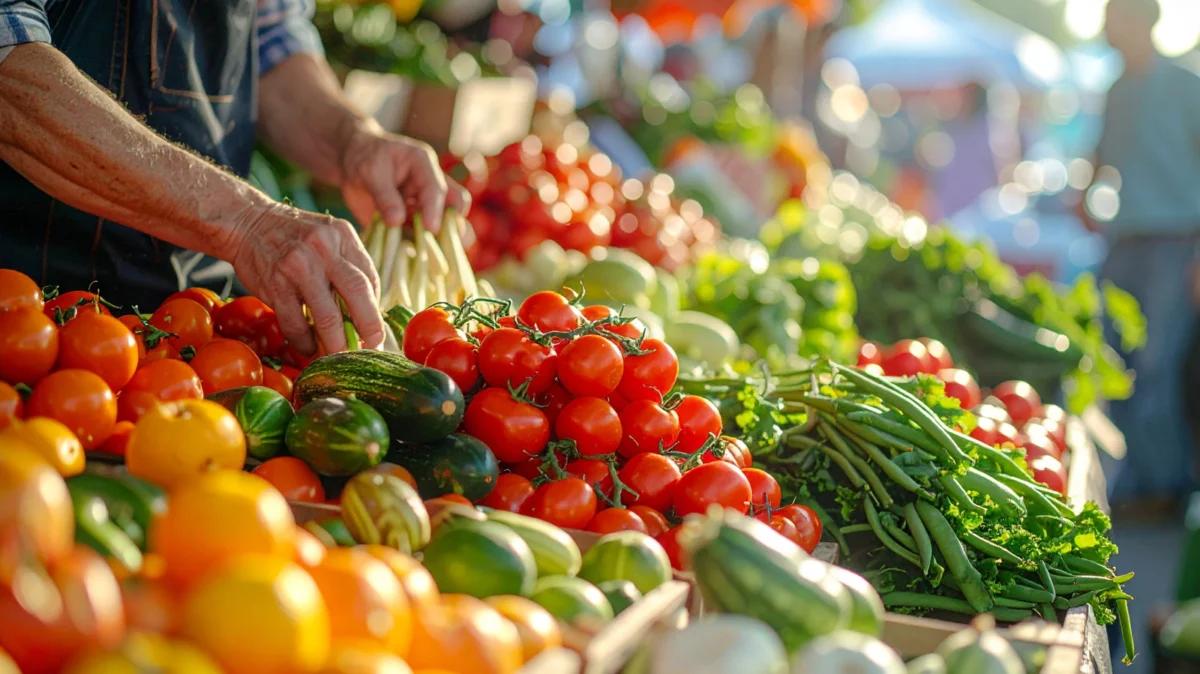
The year 2026 is proving to be a challenging one for consumers at the grocery store, with prices for a staple garden vegetable soaring by a significant 40% over the past year. This dramatic price hike has transformed what was once an affordable culinary ingredient into a luxury item for many households, with tomatoes now commanding prices as high as $8 per pound in certain regions. This surge follows a period of instability in grocery prices, notably the "egg panic" of late 2022, which saw egg prices skyrocket to over $7 a dozen in some parts of the United States before eventually stabilizing. However, the current trajectory for tomatoes suggests a more persistent and impactful price increase.
The reasons behind this escalating cost are multifaceted, stemming from a confluence of global economic factors and geopolitical events. A primary driver is the ongoing conflict in Iran, which has significantly impacted international shipping routes and, consequently, fuel costs. As transportation expenses rise, these increased operational costs are inevitably passed on to consumers. Compounding this issue is the reliance of the U.S. grocery market on imported tomatoes. According to the Florida Tomato Exchange, approximately 70% of the tomatoes found in American supermarkets are grown in Mexico. This heavy dependence makes the U.S. market particularly susceptible to trade policies, such as a 17% tariff that went into effect in July of the previous year. While the full impact of this tariff wasn’t immediately apparent, retailers strategically implemented price increases gradually, softening the initial shock. Even as far back as November, shoppers began to notice modest price adjustments, with a 4% increase for grape tomatoes at Walmart serving as an early indicator of the trend that has continued to accelerate. The severity of these price hikes has led some restaurants to re-evaluate their menus, with certain establishments opting to remove tomatoes altogether to manage their own rising costs and maintain profitability.
A Ripple Effect of Global and Domestic Pressures
The price escalation for tomatoes has outpaced many other commodities, including staples like beef and seafood, signaling a unique set of challenges affecting this particular produce item. The war in Iran has undeniably played a significant role by driving up the cost of fuel, which directly translates to higher shipping expenses for imported goods. Tomatoes, with their relatively short shelf life and need for timely transport, are especially vulnerable to these fluctuations.
Furthermore, the introduction of a 17% tariff on tomatoes imported from Mexico, which took effect in July 2025, has been a critical factor. While tariffs are intended to protect and encourage domestic production, their immediate impact on consumer prices can be substantial. The delay in consumers fully experiencing the tariff’s effects is a common business practice. Retailers often absorb initial costs by depleting existing inventory, leveraging domestically grown produce where available, or employing cost-sharing mechanisms to temporarily mitigate the price increase. This gradual absorption is akin to a slow immersion into cold water, a stark contrast to the sudden shock of a full price hike.
However, the tariff is not the sole contributor to the current price surge. Poor crop yields, both domestically and internationally, have exacerbated the situation. In Florida, a key domestic tomato-producing state, crops suffered significant losses due to freezing temperatures. Similarly, Mexican tomato harvests have been impacted by inclement weather, leading to reduced yields and a tighter overall supply. This combination of increased production costs, import tariffs, and diminished supply has created a perfect storm, pushing tomato prices to unprecedented levels.
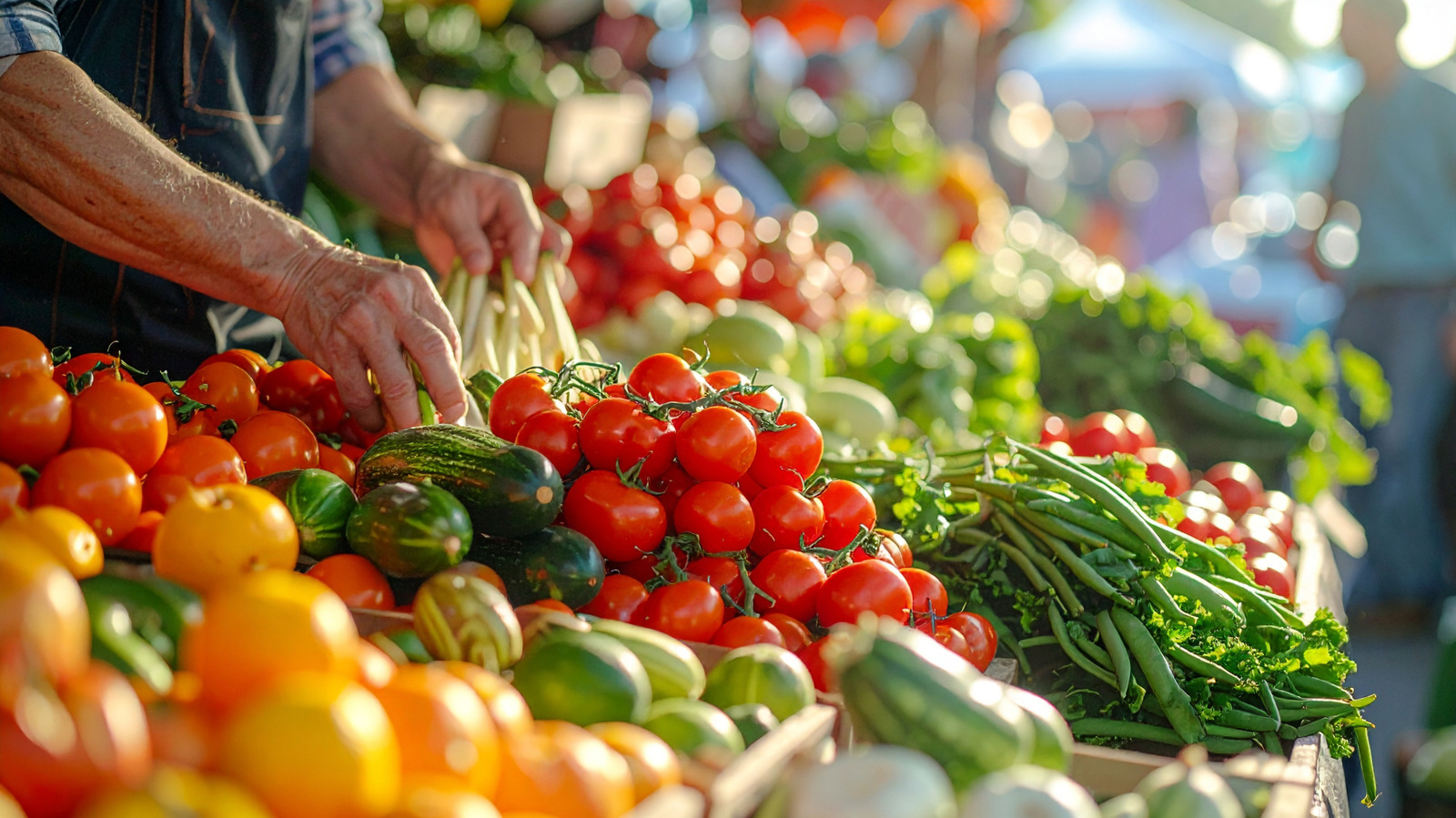
The intention behind imposing tariffs on imported tomatoes was to stimulate the growth of the domestic tomato industry. In theory, a robust domestic supply could lead to more competitive pricing for consumers. However, the current reality indicates that domestic crop yields are not yet sufficient to meet the demand, thus failing to offset the impact of reduced imports and tariffs. The financial implications of the tariff are starkly illustrated by the dramatic increase in tariff collection. In 2024, just under $17,000 in tariffs were collected on tomatoes. This figure has since surged to $4.6 million, underscoring the substantial shift in trade dynamics and the increased cost burden.
Timeline of Price Escalation and Contributing Factors
The escalating price of tomatoes in 2026 is not a sudden phenomenon but rather a culmination of events that have unfolded over a period, with the impact becoming increasingly noticeable to consumers. Understanding the chronology of these events provides crucial context for the current market conditions:
- Early to Mid-2025: The geopolitical tensions in the Middle East intensify, leading to a gradual but steady increase in global fuel prices. This marks the beginning of rising transportation costs for imported goods.
- July 2025: A 17% tariff is officially implemented on tomatoes imported from Mexico. Initially, its full impact is not immediately passed on to consumers as retailers manage existing inventory and employ cost-mitigation strategies.
- Late 2025: Shoppers begin to observe more pronounced price increases for tomatoes. A 4% rise in the price of grape tomatoes at Walmart in November serves as an early indicator, with prices continuing on an upward trend.
- Early 2026: The cumulative effects of rising fuel costs, the implemented tariff, and adverse weather conditions impacting crop yields become fully apparent. Tomato prices across the U.S. see a substantial surge, with an overall increase of 40% year-over-year. In some areas, prices reach as high as $8 per pound.
- Mid-2026: Reports emerge of restaurants beginning to remove tomatoes from their menus due to the prohibitive costs. Experts express cautious optimism about potential price reductions as domestic crops mature later in the season, but previous predictions of price drops in April have not materialized.
This timeline highlights how a series of interconnected factors, from international conflicts to trade policies and agricultural challenges, have converged to create the current crisis in tomato pricing.
The Economic and Culinary Impact
The surge in tomato prices has far-reaching implications, extending beyond the grocery aisle and into the broader culinary landscape. For consumers, the increased cost transforms a versatile ingredient into a significant budget consideration. Tomatoes are a cornerstone of many cuisines, forming the base of sauces, salads, sandwiches, and countless other dishes. The inability to afford them at their usual levels forces consumers to either seek alternatives, reduce their consumption, or allocate a larger portion of their grocery budget to this single item. This can disproportionately affect lower-income households, for whom staple ingredients are already a concern.
For the restaurant industry, the impact is equally profound. Chefs and restaurateurs are faced with difficult decisions. To maintain profit margins, they might increase menu prices, which could deter customers. Alternatively, they may reformulate popular dishes, potentially altering the taste and appeal of their offerings. Some may resort to using lower-quality or substitute ingredients, which could compromise the integrity of their cuisine. The decision by some establishments to completely remove tomatoes from their menus signals the severity of the economic pressure they are under. This not only affects the dining experience but also impacts the suppliers and distributors who rely on the consistent demand for this produce.
The situation also presents an opportunity for the domestic agricultural sector. The higher prices for imported tomatoes, coupled with the tariff, create a more favorable market for U.S. growers. However, as the article notes, the current domestic supply is insufficient to fully meet demand. This suggests a need for greater investment in domestic agricultural infrastructure, research into more resilient crop varieties, and improved farming techniques to enhance yields and mitigate the impact of adverse weather. The long-term goal would be to create a more stable and self-sufficient tomato supply chain within the U.S., thereby insulating consumers from the volatility of international markets and geopolitical events.
Looking Ahead: Potential for Relief and Alternative Solutions
While the current outlook for tomato prices is bleak, there are some glimmers of hope, albeit with caveats. Experts suggest that as the domestic growing season progresses and more crops are harvested, supply may increase, potentially leading to a moderation in prices. However, past predictions of price drops have not materialized, indicating that the market remains highly sensitive to various influencing factors. The current price surge has led to a significant increase in the volume of tariffs collected, from under $17,000 in 2024 to $4.6 million, illustrating the substantial financial impact of these trade policies.
The prolonged period of high prices has also spurred renewed interest in alternative solutions for consumers. The article subtly suggests that "growing your own tomatoes is starting to look like a more viable option for many people." This sentiment reflects a growing desire for self-sufficiency and a means to bypass the escalating costs of commercially produced produce. Home gardening, once a hobby for some, is becoming a practical strategy for food security and cost savings for a wider segment of the population. Community gardens and urban farming initiatives may also see increased participation as individuals seek more accessible and affordable ways to incorporate fresh produce into their diets.
The long-term resolution of the tomato price crisis will likely involve a combination of factors: a stabilization of global fuel prices, a re-evaluation of trade policies and tariffs, improved weather patterns for agricultural production, and increased investment in domestic agricultural capabilities. Until these conditions are met, consumers may need to adjust their purchasing habits and explore alternative strategies to enjoy this popular garden vegetable. The current situation serves as a stark reminder of the interconnectedness of global events and their direct impact on the everyday cost of living.
