
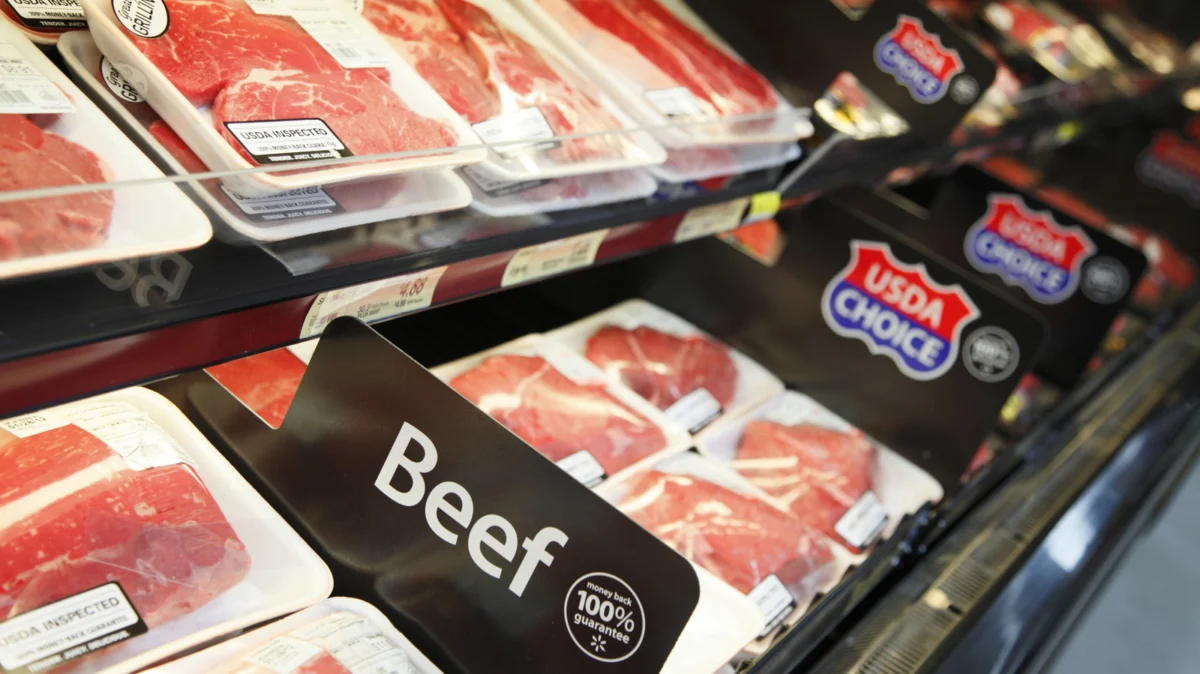
A growing number of consumers are urging shoppers to utilize the produce scales at Walmart locations across the country to verify the weight of pre-packaged meats, following revelations of significant discrepancies between labeled weights and actual product mass. This practice, amplified by social media investigations, suggests that customers may be inadvertently overpaying for certain meat products due to inaccurate labeling. The issue has raised concerns about consumer protection and prompted calls for greater transparency in retail pricing.
The Emerging Pattern of Weight Discrepancies
The scrutiny on Walmart’s meat department intensified in recent months, with social media platforms becoming a hub for consumers sharing their findings. A prominent TikTok user, identified as @james_wrigg, has been at the forefront of these investigations, conducting on-site tests at multiple Walmart stores. In a series of viral videos, Wrigg documented instances where pre-packaged meat items, sold by weight, were found to be substantially lighter than indicated on their packaging.
One widely shared video showcased a Kentucky Legend ham purchased at Walmart. The packaging declared a weight of 5.62 pounds. However, upon re-weighing the product on the store’s produce scale, Wrigg recorded a drastically different weight of 2.53 pounds. This nearly 3.1-pound difference translates to a significant overcharge, as the price is typically calculated per pound.
In another investigation, Wrigg focused on a Walmart-branded package of chicken breast tenderloins. The label stated a weight of 4.66 pounds. Yet, the produce scale registered only 2.37 pounds. This near-halving of the advertised weight represents a considerable financial loss for consumers if the discrepancy goes unnoticed. These documented cases, shared widely online, have sparked a broader conversation among shoppers about the accuracy of meat pricing in large retail chains.
Historical Precedents and Legal Challenges
The concerns surrounding weight accuracy at Walmart are not entirely unprecedented. In early 2024, the retail giant faced a significant class-action lawsuit concerning misweighed fruits. This legal action ultimately resulted in a $45 million settlement, highlighting a recurring issue with how products sold by weight are managed within the company’s operations. The settlement underscored the importance of accurate weighing practices and the potential financial ramifications when these standards are not met.
Furthermore, the retail landscape has seen other high-profile legal disputes involving major corporations. For instance, a notable lawsuit involving PepsiCo and the Federal Trade Commission (FTC) in 2025, though unrelated to weight discrepancies, signals a broader trend of increased regulatory and consumer scrutiny over corporate practices. While the specifics of the meat weight issue differ from other past legal entanglements, they collectively contribute to an environment where consumers and regulatory bodies are more attuned to potential retail irregularities.
The Mechanism of Potential Overcharging
The pricing of meat products in supermarkets is predominantly determined by weight. When a package of meat is sold, its price is calculated by multiplying the per-pound cost by the total weight indicated on the label. If the labeled weight is inflated, even by a small margin, the resulting price will be higher than it should be. Over time, for frequent shoppers, these incremental overcharges can accumulate into substantial amounts.
The core of the issue appears to lie in the discrepancy between the weight determined at the point of packaging by the manufacturer and the actual weight of the product. Consumers are advised to use the produce scales, typically calibrated and regularly inspected, as a potential arbiter of accuracy. This method allows shoppers to cross-reference the declared weight with a readily available, independent measurement within the store itself.
What Consumers Can Do When Prices Don’t Add Up
For shoppers who discover a discrepancy between the labeled weight and the actual weight of pre-packaged meat at Walmart, several steps can be taken. The immediate recommendation from those investigating the issue is to reconsider purchasing the product. This not only avoids potential overpayment but also sends a signal to the retailer about the perceived quality and accuracy concerns.
If a significant weight difference is detected, consumers are advised to bring the issue to the attention of Walmart’s customer service. However, it’s important to understand the limitations of in-store resolution. The responsibility for weighing and pricing pre-packaged meat often falls on the manufacturer, not the individual store employees. Therefore, while store management can be informed, they may have limited authority to rectify the problem directly.
A more impactful course of action, according to consumer advocates and those monitoring the situation, is to contact the state’s Office of Weights and Measures (OWM). These governmental agencies are tasked with ensuring that all commercial transactions involving weights and measurements are fair and accurate, thereby protecting consumers from fraudulent practices. The OWM has the authority to conduct investigations, which may include sending undercover representatives to monitor weighing and labeling practices at retail locations. Such investigations can lead to corrective actions and, in some cases, penalties for non-compliance.
Manufacturer and Retailer Responses
In response to the growing consumer complaints and social media attention, at least one manufacturer has acknowledged and addressed the issue. Kentucky Legend, a brand frequently cited in the viral videos, issued a statement indicating that the miscalculations were due to an error with a specific packaging date on their Brown Sugar Quarter Hams. The company stated its intention to remove the affected products from Walmart’s shelves. Walmart has also confirmed this action, suggesting a collaborative effort to address the identified batch of products.
However, ongoing observations by consumers, such as those documented by @james_wrigg in a video posted on May 8, indicate that mislabeled Kentucky Legend products may still be found on Walmart shelves. This suggests that the resolution may not be immediate or comprehensive, and continued vigilance from consumers is warranted.
As of the time of this report, Walmart has not issued a broad, official statement addressing the widespread consumer reports of meat weight discrepancies. The company’s typical approach to such issues often involves internal reviews and direct engagement with affected suppliers. The recurring nature of such concerns, however, could lead to increased pressure for a more public and comprehensive response.
Broader Implications and Future Outlook
The allegations of inaccurate meat weights at Walmart have significant implications for consumer trust and retail accountability. For a retailer of Walmart’s size, consistent and accurate pricing is paramount to maintaining customer loyalty. Any perceived deception, even if attributed to manufacturers, can damage the retailer’s reputation.
The situation also highlights the critical role of regulatory bodies like the Office of Weights and Measures. These agencies serve as a vital safeguard for consumers in an increasingly complex marketplace. The effectiveness of these offices, and the resources allocated to them, directly impacts the ability to prevent and address retail malpractices.
Looking ahead, the continued scrutiny from consumers and social media investigators could prompt more proactive measures from both retailers and manufacturers. This might include enhanced quality control processes at the manufacturing level, more frequent internal audits by retailers, and clearer labeling guidelines. The potential for further legal action, especially if the issue persists or is found to be more systemic, remains a possibility. The ongoing dialogue and investigations underscore the importance of consumer awareness and the power of collective action in ensuring fair retail practices. The ongoing situation at Walmart serves as a reminder that consumers should remain informed and empowered to question and verify the products they purchase.
