
Homemade whipped cream, a deceptively simple culinary creation, continues to captivate home bakers and professional chefs alike, offering a superior alternative to its store-bought counterparts. Comprising just three core ingredients—heavy cream, sugar, and vanilla extract—this light, airy, and exquisitely fresh topping can be prepared in mere minutes, elevating an extensive array of desserts from the everyday to the extraordinary. Its versatility extends across pies, cakes, cupcakes, cheesecakes, trifles, crepes, and fresh berries, consistently delivering a billowy texture and rich flavor profile that packaged alternatives struggle to replicate.
A Culinary Staple’s Evolution and Enduring Popularity
The simple act of whipping cream into a luxurious topping boasts a rich history, tracing its origins back to the kitchens of 16th-century Europe. While early forms of whipped cream existed, the refined version, famously known as Crème Chantilly, is often attributed to François Vatel, the maître d’hôtel at the Château de Chantilly in the 17th century. This sweetened, vanilla-flavored iteration quickly became a symbol of aristocratic indulgence and sophisticated dining, spreading across European courts. Over centuries, what was once a delicacy reserved for the elite transformed into a cherished component of global dessert culture, finding its way into countless recipes and becoming synonymous with celebration and comfort.
In contemporary home baking, the interest in homemade whipped cream has seen a notable resurgence. Publications like Sally’s Baking Addiction, which initially featured a definitive recipe in 2018, have since updated and expanded their guidance, adding new visual tutorials and refined success tips, indicating a sustained and growing demand for authentic, scratch-made ingredients. This particular recipe’s inclusion in a print cookbook, Sally’s Baking 101, further underscores its status as a foundational element in modern culinary education for home cooks. The preference for homemade is not merely nostalgic; it is a conscious choice driven by a desire for enhanced flavor, superior texture, and control over ingredients, differentiating it markedly from mass-produced frozen whipped toppings or aerosol cans.
The Science Behind the Billowy Texture
The transformation of liquid heavy cream into a stable, airy foam is a fascinating example of food science at work. Heavy cream, characterized by its high milk fat content (typically 36% or more), is essential for achieving the desired structure. As the cream is vigorously whisked, air is incorporated into the liquid. The fat globules, which are normally dispersed throughout the cream, begin to cluster around these air bubbles. Simultaneously, the mechanical action of whipping partially ruptures the membranes surrounding the fat globules, releasing more fat. These freed fat molecules then stabilize the air bubbles, forming a complex network that traps the air and gives whipped cream its characteristic volume and light, fluffy texture.
Temperature plays a critical role in this process. Cold cream, ideally chilled to between 40-45°F (4-7°C), ensures that the fat globules remain firm and are more likely to coalesce and create a stable emulsion. Warm cream, conversely, can lead to a runny, unstable product as the fat globules are softer and less capable of forming a rigid structure around the air bubbles. Over-whipping, however, can lead to the fat globules clumping too tightly, expelling the trapped air and resulting in a curdled, butter-like consistency. The delicate balance of chilling, fat content, and whisking technique is paramount to achieving perfect peaks.
Key Ingredients and Their Optimal Selection
The simplicity of homemade whipped cream belies the importance of selecting the right ingredients. The triumvirate consists of:
-
Heavy Cream: This is the foundational component. "Heavy cream" or "heavy whipping cream" are preferred due to their milk fat content of 36% or higher. This higher fat percentage is crucial for creating a stable, long-lasting whipped product that holds its shape. In contrast, "whipping cream," with a lower fat content (around 30%), may still whip but will yield a less stable and quicker-to-deflate result. Consumers are advised to look specifically for "heavy" on the carton to ensure optimal performance.
-
Sweetener: The choice of sugar significantly impacts the final texture. While granulated sugar can be used, especially in smaller quantities, confectioners’ sugar (powdered sugar) is often recommended. Confectioners’ sugar, finely milled and often containing a small amount of cornstarch, dissolves more readily into the cream, ensuring a smooth, grit-free consistency. The cornstarch also acts as a stabilizer, helping the whipped cream maintain its volume for longer. Brown sugar offers an intriguing alternative, imparting a subtle caramel note that pairs exceptionally well with fall-themed desserts like pecan pie cheesecake or butterscotch pie.
-
Vanilla Extract: A touch of vanilla extract is the classic flavoring agent, transforming plain whipped cream into the aromatic crème chantilly. Pure vanilla extract provides a depth of flavor that artificial alternatives cannot match. The quantity can be adjusted to personal preference, but a standard measure typically enhances the cream without overpowering it.
Preparation Guidelines and Troubleshooting
The process of making homemade whipped cream is straightforward, typically involving three main steps:
- Chilling: Ensure both the heavy cream and the mixing bowl (preferably a metal or glass bowl) are thoroughly chilled. Some bakers even chill their whisk attachments. This enhances the cream’s ability to whip efficiently and hold its structure.
- Combining Ingredients: Pour the cold heavy cream into the chilled bowl. Add the chosen sugar and vanilla extract.
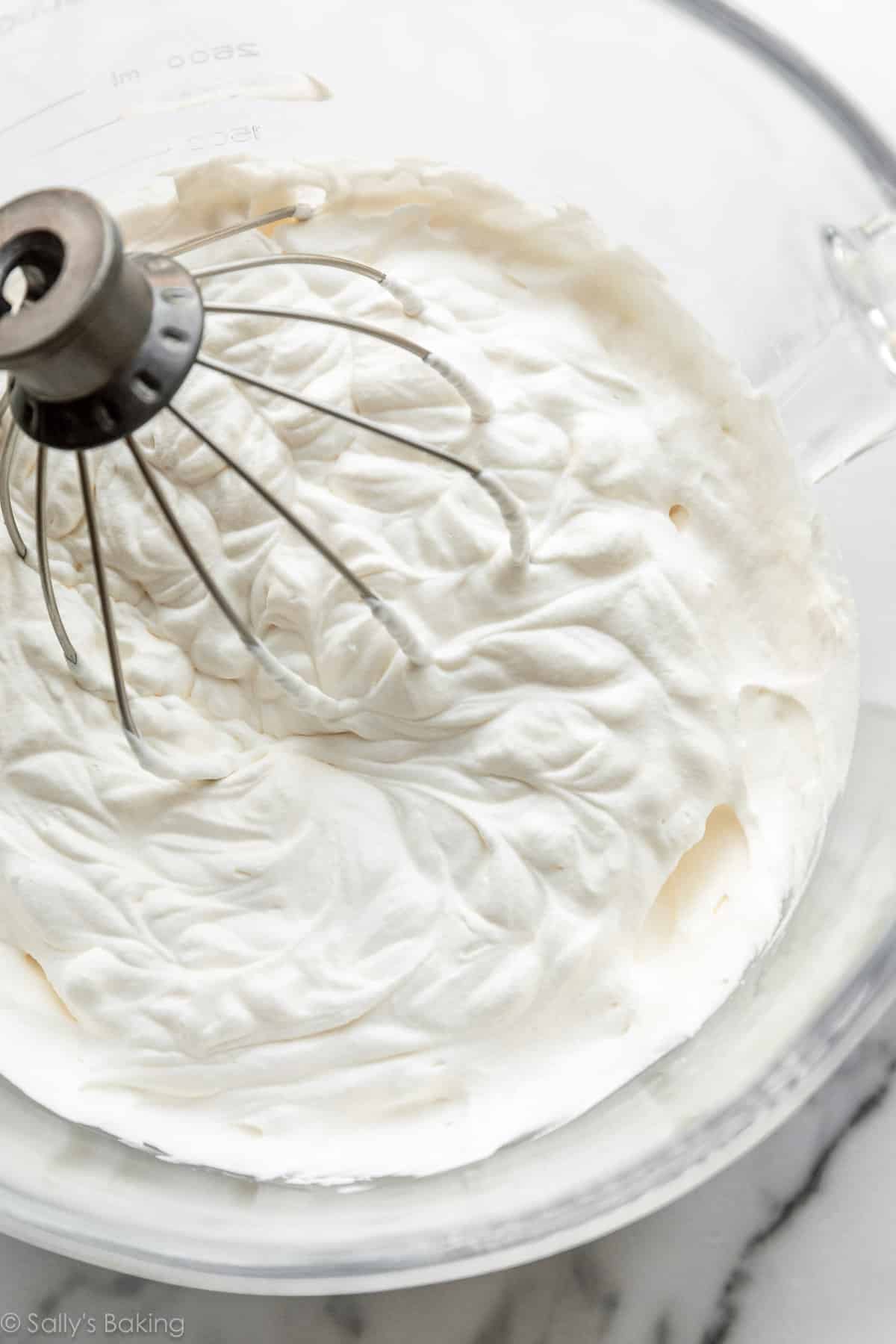
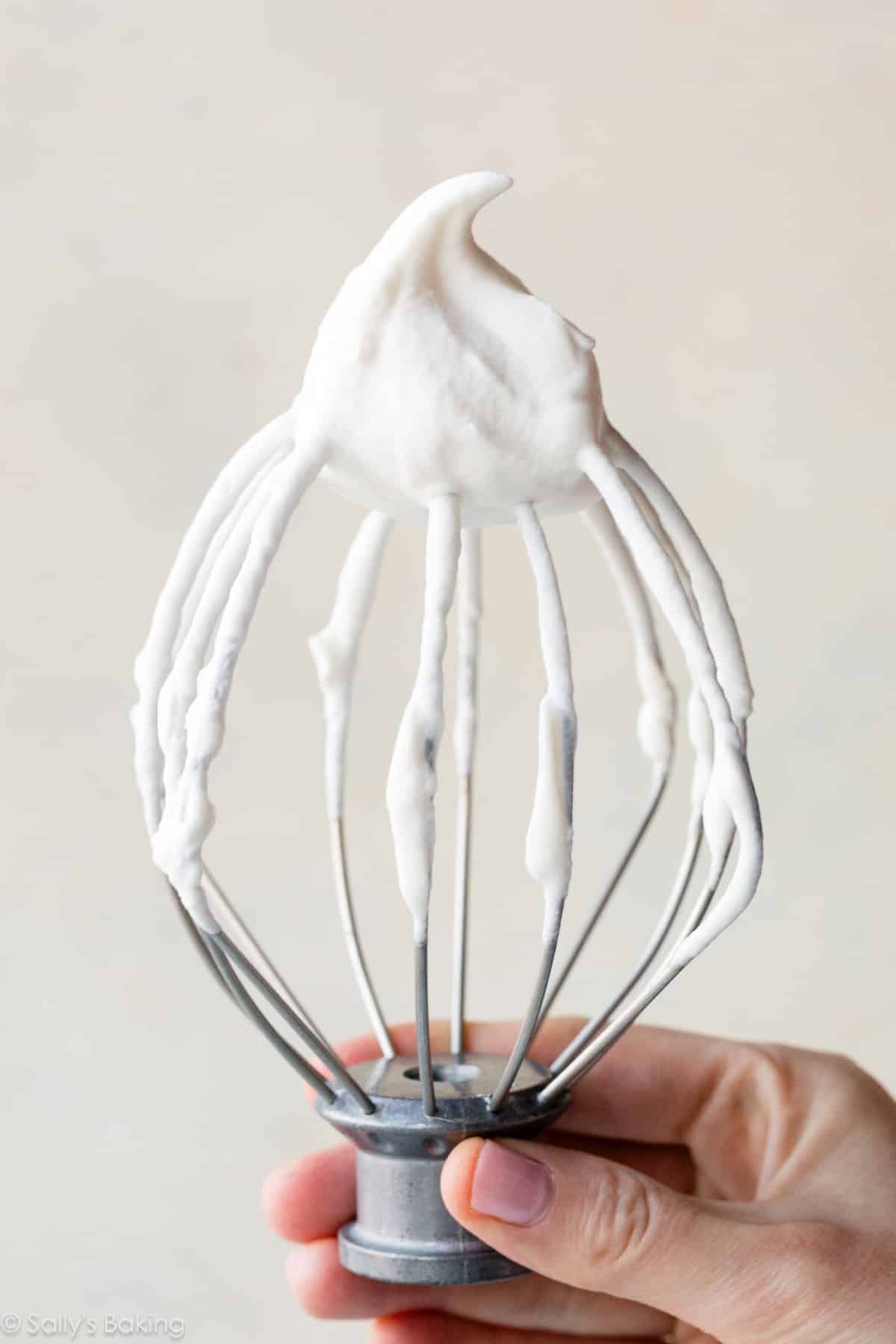
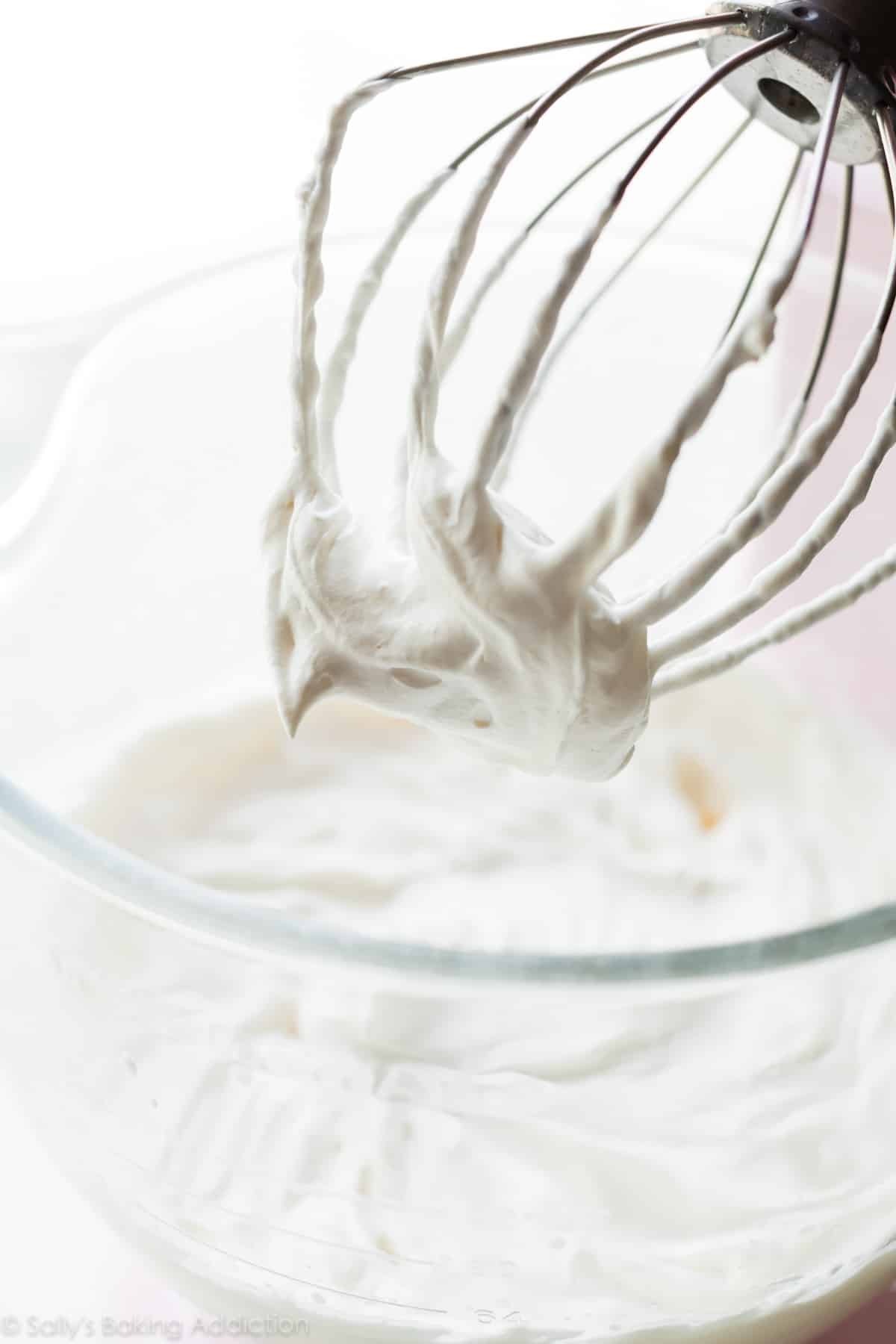
- Whipping: Using an electric mixer (handheld or stand mixer) with a whisk attachment, begin whipping on medium speed, gradually increasing to high speed. Continue whipping until the cream reaches the desired consistency, typically medium peaks, which hold their shape but still have a slight curl at the tip. This usually takes only a few minutes.
A common pitfall is over-whipping, which results in a curdled, grainy texture, akin to the early stages of butter-making. Should this occur, a simple remedy exists: gently fold in a small amount of additional cold liquid heavy cream by hand with a spatula until the mixture smooths out and regains its creamy consistency. Another frequent issue is runny whipped cream. This is often attributed to insufficiently cold cream, cream with inadequate fat content, or insufficient whipping time. Ensuring heavy cream is used and thoroughly chilled, alongside proper whipping until medium peaks are formed, addresses these concerns. It is crucial to note that lighter dairy products like half-and-half or regular milk lack the necessary fat content to be successfully whipped into stable cream.
Versatility Beyond the Basic Dessert Topping
The utility of homemade whipped cream extends far beyond a simple dollop on pie. Its neutral yet rich flavor makes it an ideal canvas for culinary innovation. Flavored variations abound, transforming its character to complement specific dishes. Examples include:
- Alcohol-infused: Tequila and lime for mini margarita cheesecakes.
- Fruit-forward: Strawberry filling for strawberry shortcake cupcakes.
- Nutty notes: Almond extract for berry icebox cakes.
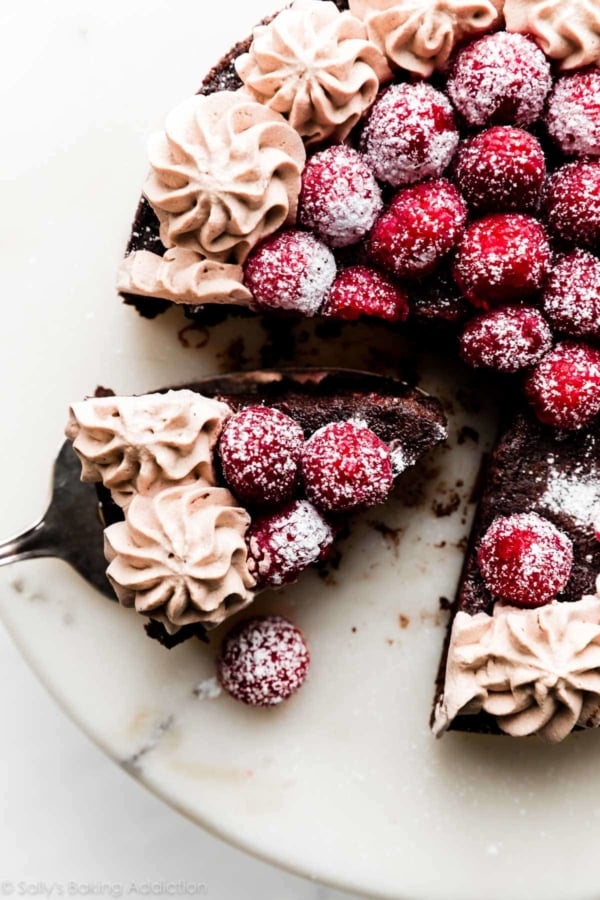
- Coffee and chocolate profiles: Espresso powder and cocoa powder, frequently used with flourless chocolate cakes or mocha chocolate pudding pies, add a sophisticated bitterness and depth.
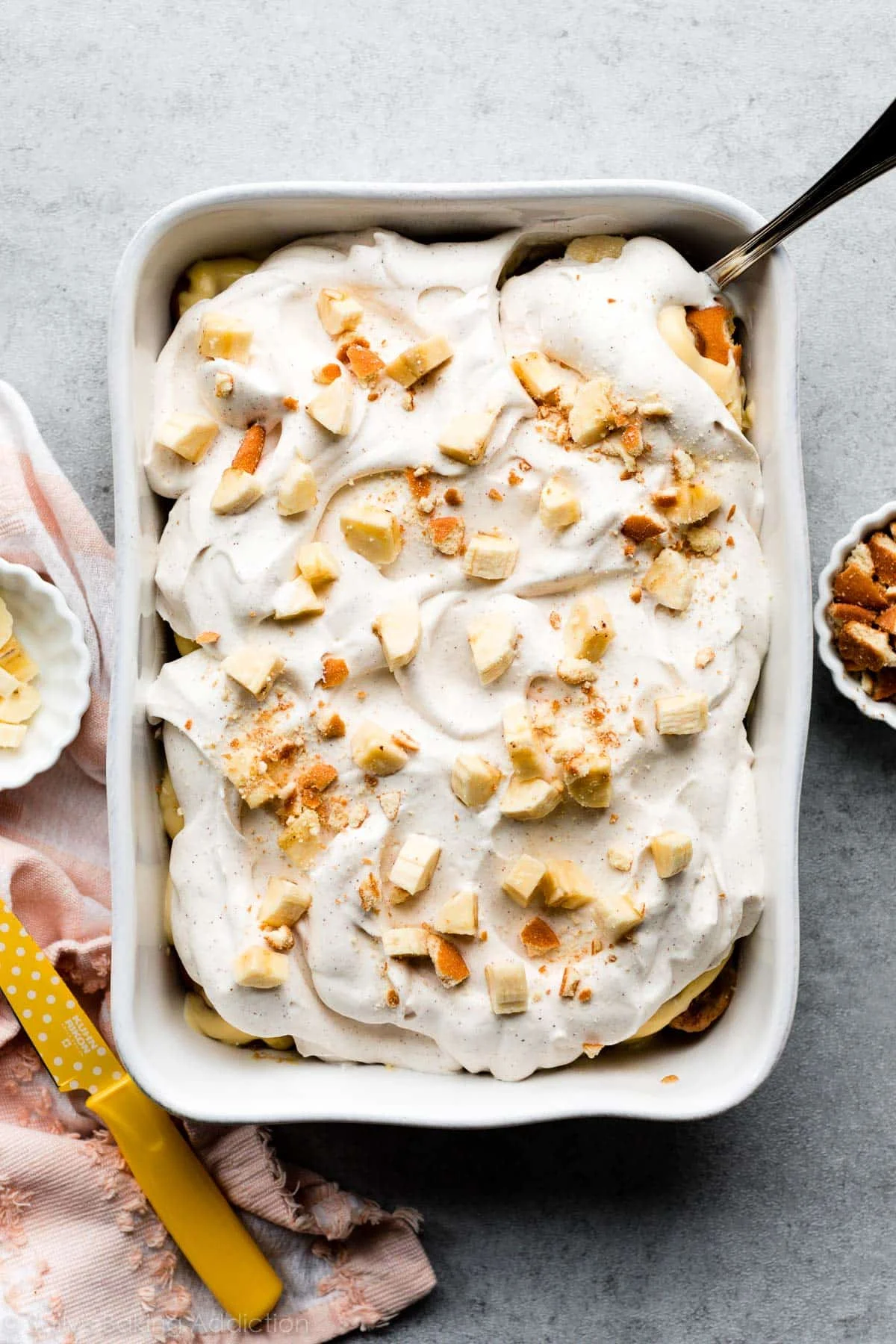
- Spiced versions: Cinnamon whipped cream, a popular choice for banana pudding, provides a warm, aromatic counterpoint.
These custom flavor profiles highlight the adaptability of whipped cream, enabling it to become an integral, rather than merely decorative, component of a dessert. Furthermore, homemade whipped cream can serve as a direct, superior replacement for commercial frozen whipped toppings (like Cool Whip) in recipes, offering a fresh taste without artificial ingredients. As a general rule, heavy cream doubles in volume when whipped, meaning one cup of liquid cream yields approximately two cups of whipped product.
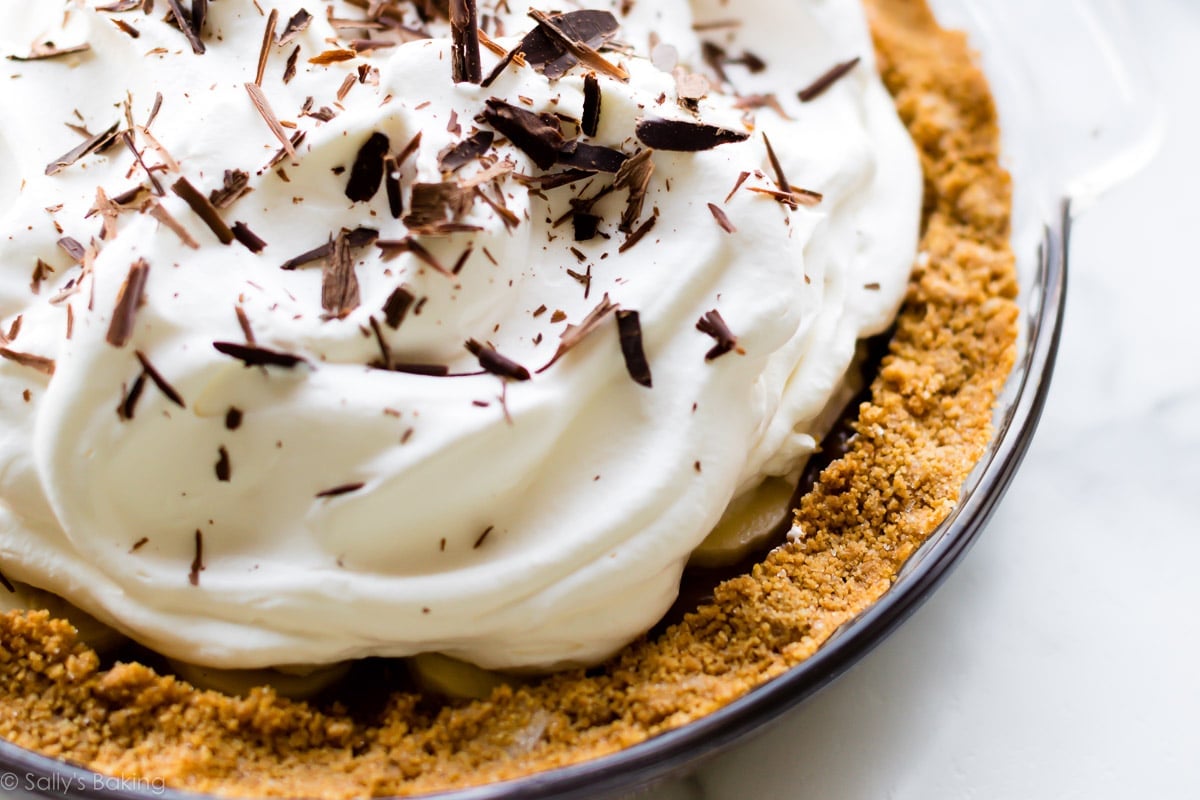
For decorative applications, homemade whipped cream holds its shape well when piped using various star tips, such as Wilton 8B, Wilton 1M, or Ateco 849, commonly seen on elaborate cakes, pies, and cupcakes. For more robust applications requiring a stable frosting for layered cakes, a specifically formulated "whipped frosting" recipe, often incorporating cream cheese or other stabilizers, may be preferred for enhanced structural integrity.
Market Trends and Consumer Impact
The sustained interest in homemade whipped cream is reflective of broader trends in the food industry. Consumers are increasingly prioritizing fresh, natural ingredients and seeking to minimize processed foods. This shift is fueled by growing health consciousness, an appreciation for artisanal quality, and the satisfaction derived from creating dishes from scratch. While the market for convenience-driven, store-bought whipped toppings remains substantial, the segment of consumers opting for homemade versions is expanding, influencing sales of dairy products, particularly high-fat creams.
This trend also speaks to a cultural embrace of culinary skills. Online platforms, video tutorials, and cookbooks dedicated to home baking have democratized access to once-specialized techniques, empowering individuals to replicate professional-grade results in their own kitchens. The positive feedback from consumers, such as the widely shared sentiment by "Michelle" regarding the superior taste and ease of preparation of homemade whipped cream, further validates this movement away from convenience products. "There’s no reason to purchase whipped cream ever again," Michelle’s comment encapsulates the transformative experience of discovering the homemade alternative.
Broader Implications for Home Baking and Dairy Industry

The emphasis on homemade whipped cream has several implications. For the home baking community, it fosters a deeper understanding of fundamental ingredients and techniques, potentially leading to greater culinary exploration and confidence. It encourages a discerning palate, as individuals become accustomed to the nuanced flavors and textures that only fresh ingredients can provide.
For the dairy industry, the sustained demand for heavy cream is a positive indicator, highlighting the enduring value of high-quality dairy products in consumer diets. It reinforces the importance of product quality and availability in supporting the home cooking movement. As consumers continue to seek authentic and wholesome food experiences, the simple, elegant staple of homemade whipped cream is poised to maintain its cherished position in kitchens worldwide, proving that sometimes, the simplest recipes yield the most profound culinary satisfaction.
Storage and Practical Considerations
Homemade whipped cream, while best enjoyed fresh, can be prepared up to 24 hours in advance and stored in an airtight container in the refrigerator. Should it lose some of its volume upon storage, a gentle whisk by hand can often restore its fluffiness before serving. For longer preservation, whipped cream can be frozen for up to three months. It can be stored in freezer-safe containers or, for convenient portioning, piped or dolloped onto a parchment-lined baking sheet and frozen until solid before being transferred to a freezer bag. These frozen dollops are particularly excellent for topping hot beverages like hot chocolate, dissolving slowly to release their creamy sweetness.
