
As the United States prepares to observe Memorial Day weekend, the nation embraces a poignant blend of solemn remembrance and joyful gathering, with culinary traditions often serving as the connective tissue for these disparate emotions. What began as a day to honor fallen soldiers has evolved into a national holiday synonymous with the unofficial start of summer, marked by backyard barbecues, family picnics, and a diverse array of homemade dishes that celebrate the season’s bounty and foster communal bonds.

The Historical Tapestry of Memorial Day and Its Gastronomic Evolution

Memorial Day’s origins trace back to the aftermath of the Civil War, when citizens across the divided nation began decorating the graves of fallen soldiers. Initially known as Decoration Day, it was officially proclaimed on May 5, 1868, by General John A. Logan, national commander of the Grand Army of the Republic, and first observed on May 30 of that year. Early observances were solemn affairs, focusing on cemetery visits, parades, and speeches. The shift towards including recreational activities and family gatherings gained momentum in the early 20th century, particularly after World War II, as the holiday was increasingly perceived as a three-day weekend opportunity.
The integration of food into Memorial Day celebrations reflects a broader American cultural practice of commemorating significant events through shared meals. Historically, picnics and communal meals have been central to rural and small-town gatherings, and as Memorial Day became a federal holiday in 1971, these customs solidified its place as a prime occasion for outdoor dining. The transition from formal remembrance to informal celebration often involved food as a natural accompaniment, providing comfort, fostering camaraderie, and symbolizing the nation’s resilience and capacity for joy even amidst solemn reflection.
A Symphony of Seasonal Flavors: The Memorial Day Menu
The culinary landscape of Memorial Day weekend is characterized by dishes that are both hearty and refreshing, designed to be enjoyed outdoors and often prepared for a crowd. The emphasis is squarely on homemade fare, reflecting a desire to infuse gatherings with personal touches and cherished family recipes. From robust grilled entrees to vibrant salads and decadent fruit-laden desserts, the holiday menu is a testament to the versatility of American cuisine and the abundance of late spring produce.

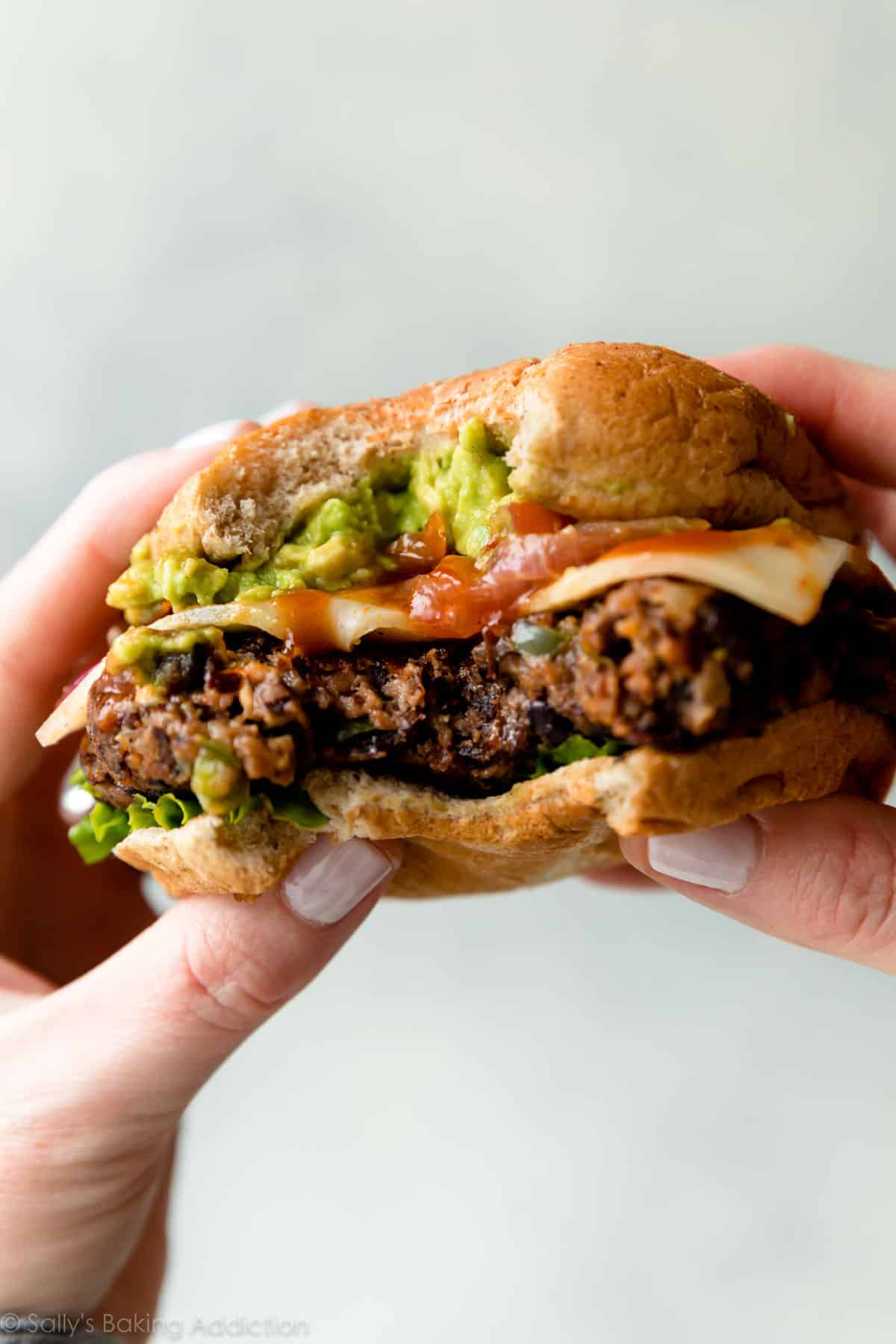
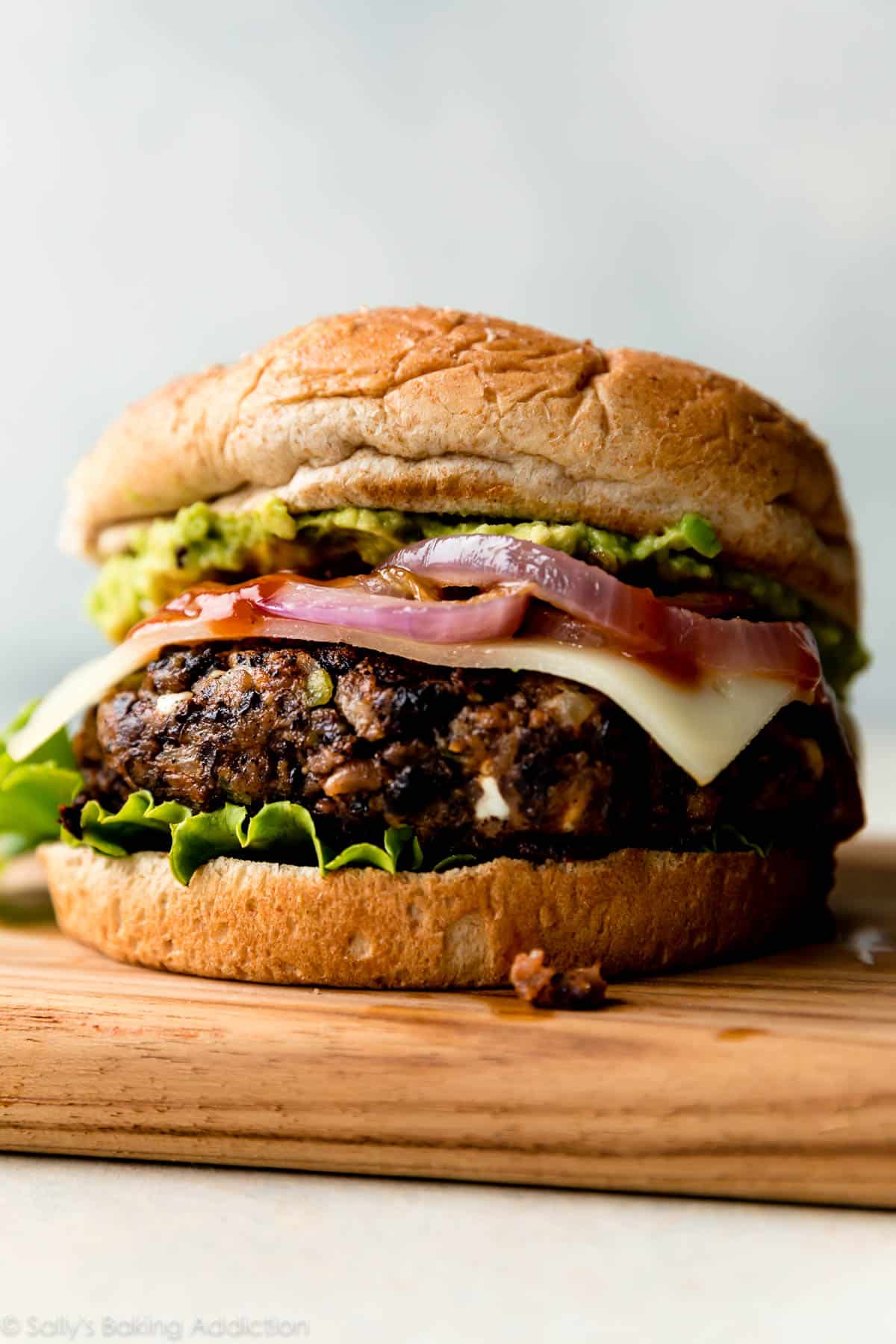
Grilled items traditionally take center stage, epitomizing the quintessential backyard barbecue. Classic beef burgers remain a staple, but contemporary tastes have diversified the grill offerings. For instance, spicy jalapeño turkey burgers provide a zesty alternative, while savory caprese pesto chicken burgers introduce Mediterranean-inspired flavors. The rise in plant-based diets has also cemented the popularity of options like black bean burgers, which, with their robust texture and rich seasoning, appeal to both vegetarians and meat-eaters alike, underscoring an inclusive approach to holiday dining.
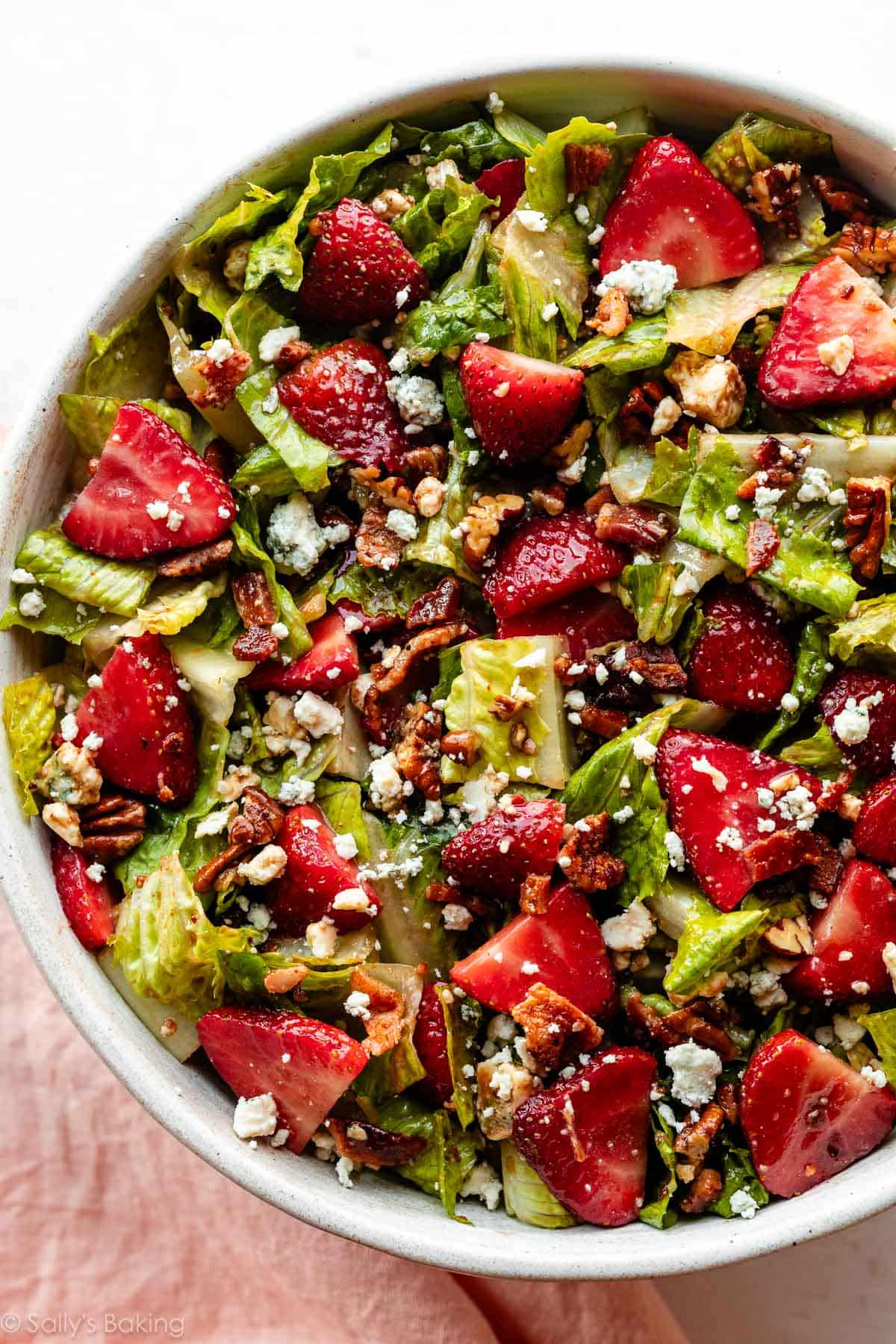
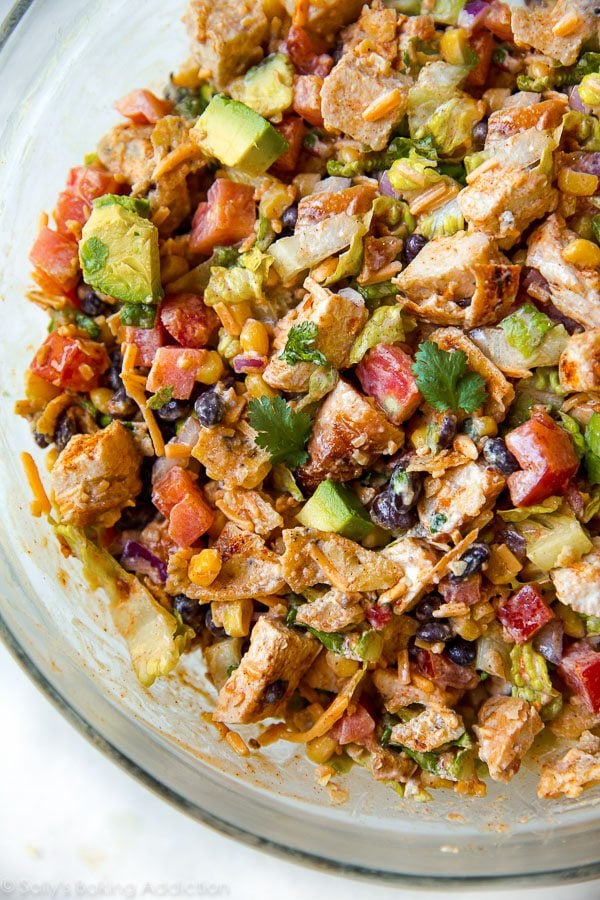
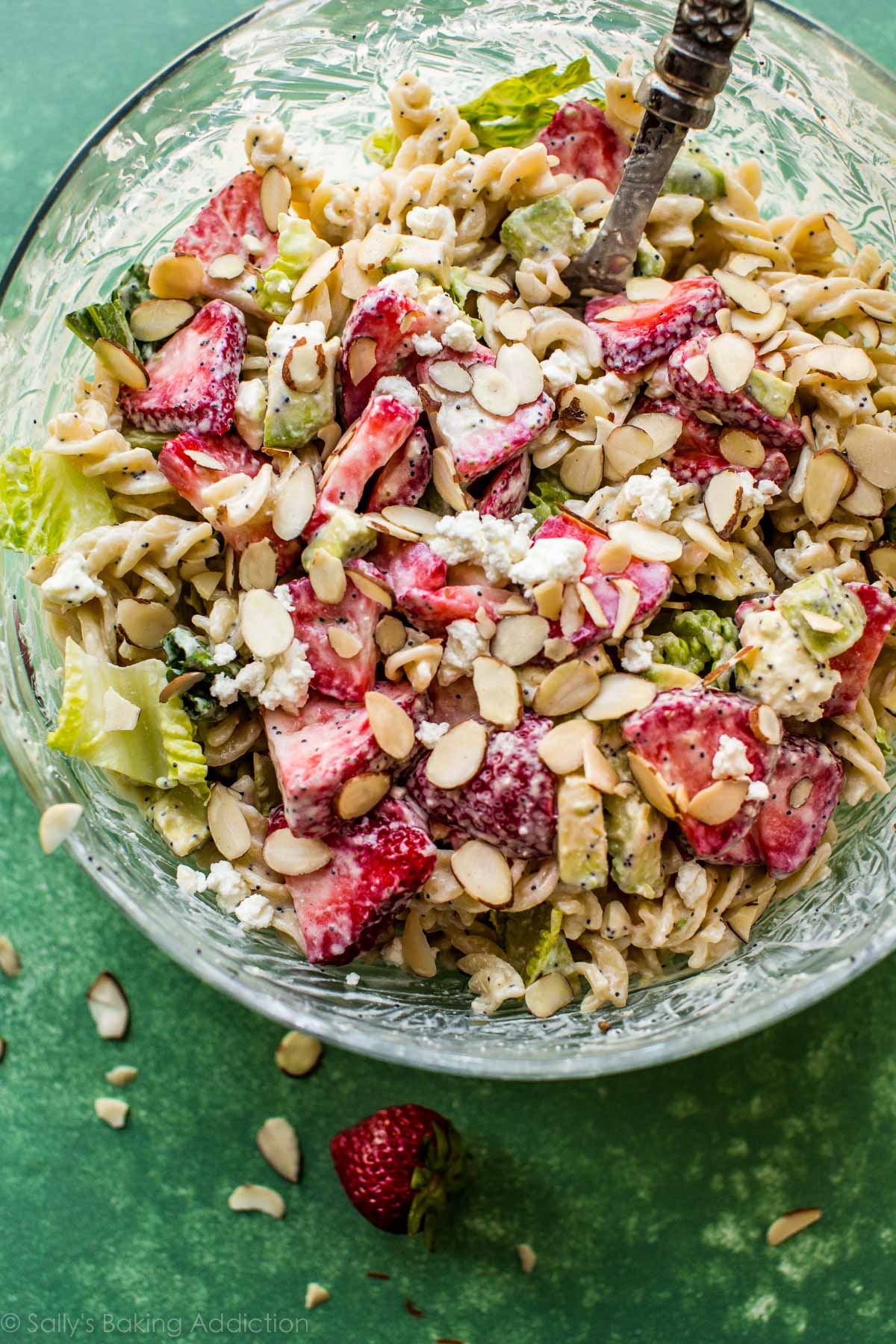
Accompanying these grilled mains are an array of fresh, vibrant side dishes. Creamy pasta salads, often customizable with various vegetables and proteins, are a practical choice for feeding larger groups and can be prepared in advance. Cold veggie pizzas, topped with crisp vegetables and a tangy cream cheese spread, serve as refreshing appetizers or lighter sides. Other popular choices include corn, black bean, and avocado salsas, offering a burst of fresh flavors, and simple strawberry bacon salads that cleverly combine sweet and savory notes. These dishes not only complement the main courses but also highlight the seasonal availability of ingredients.
Sweet Endings: The Dessert Spectacle
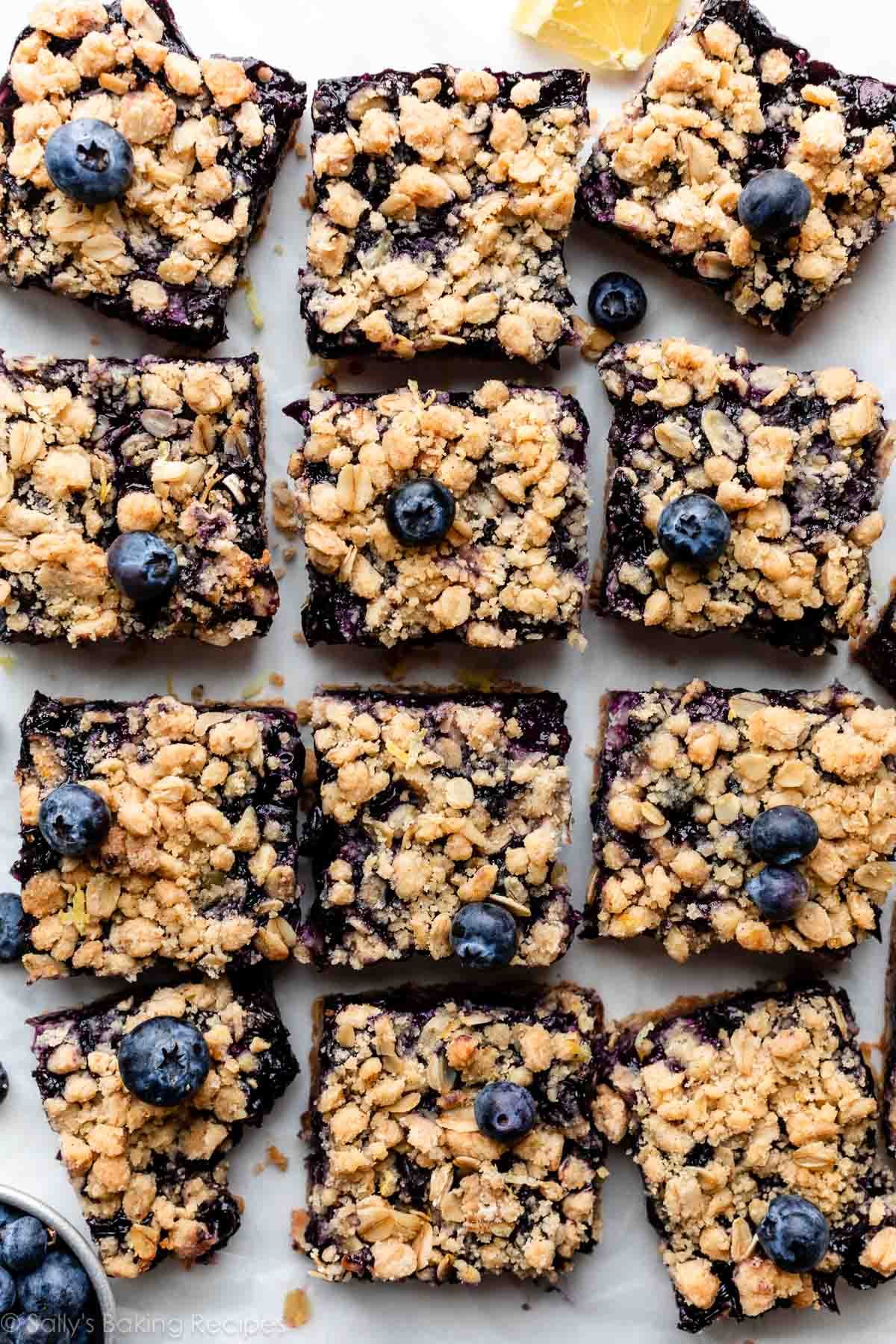
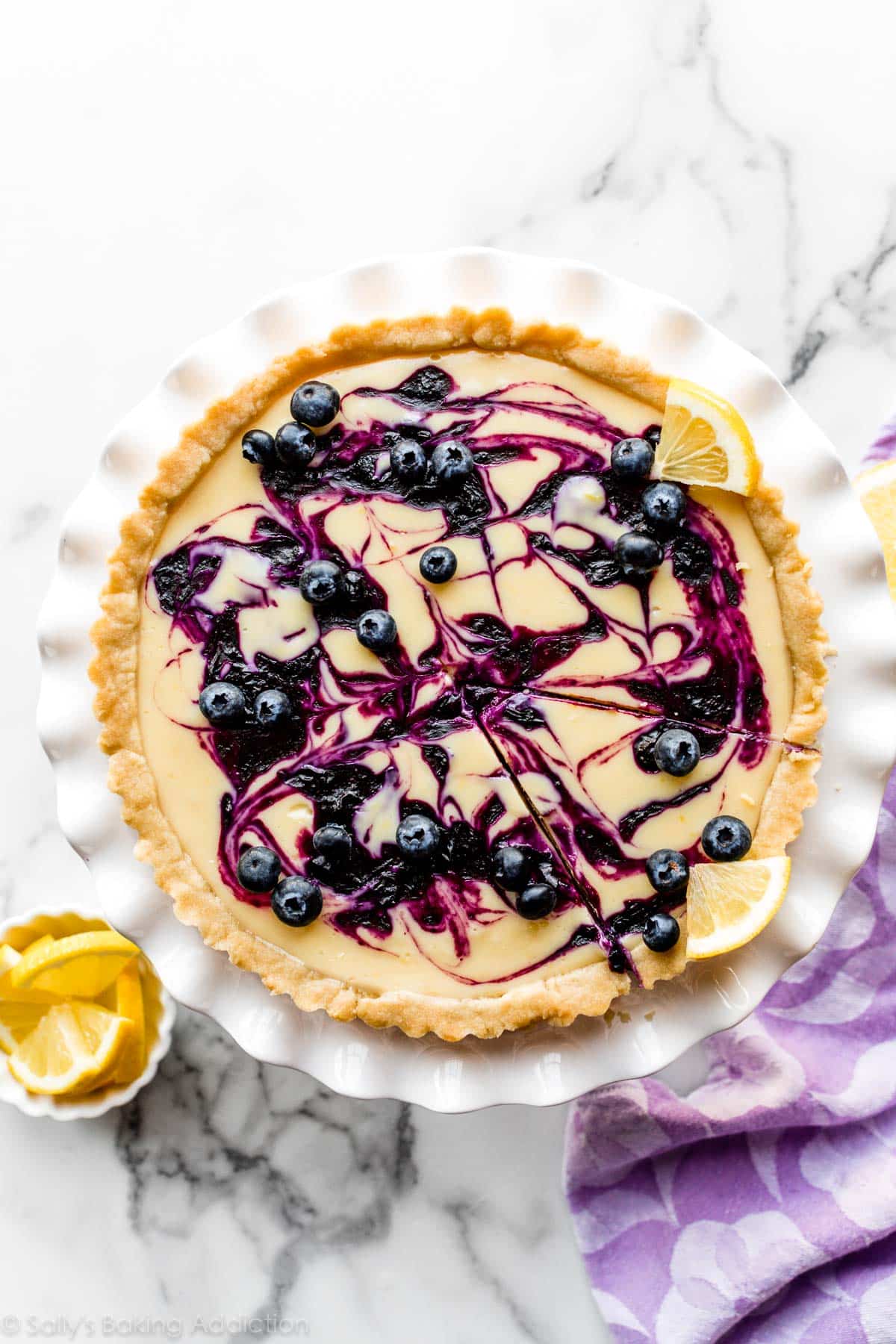
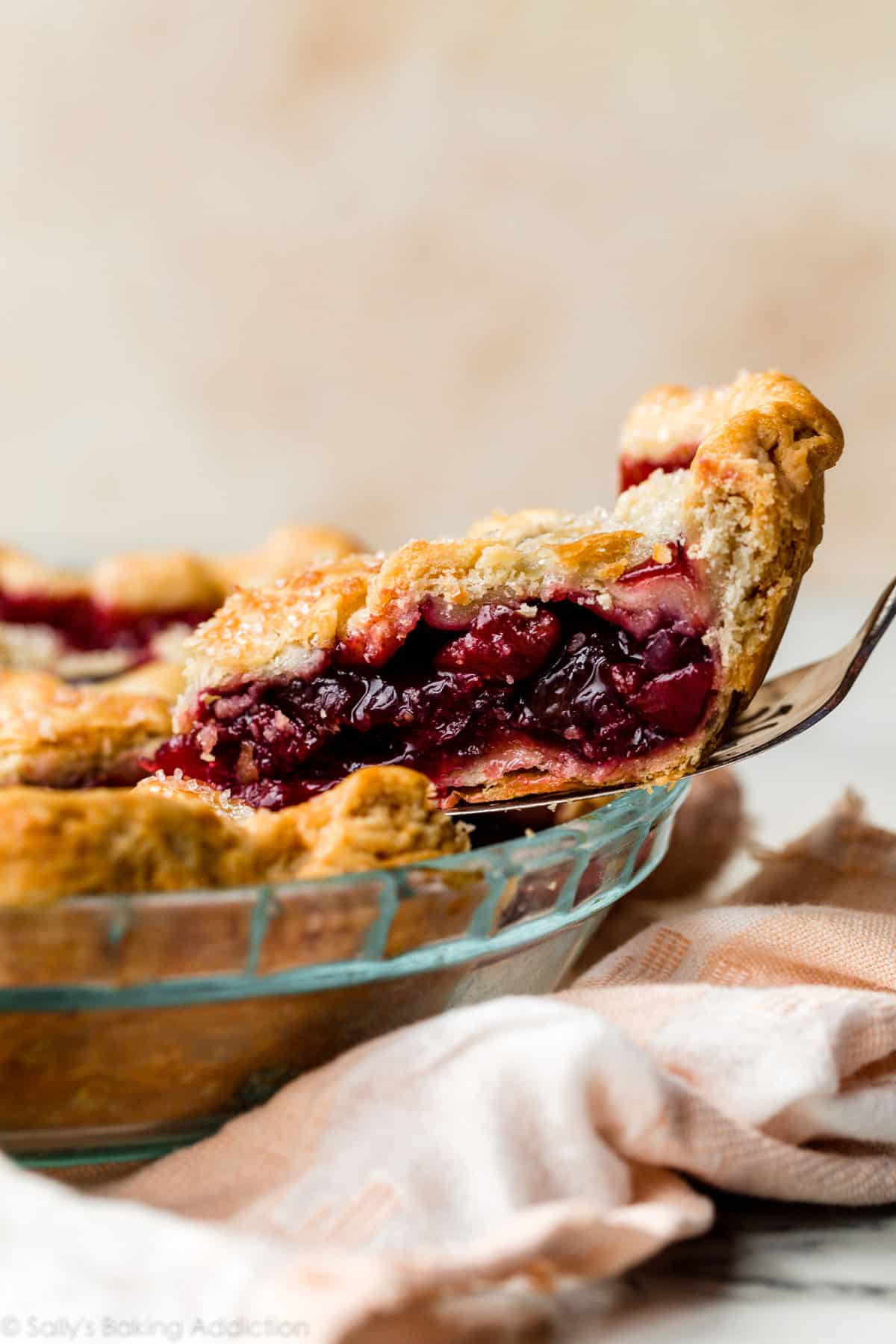
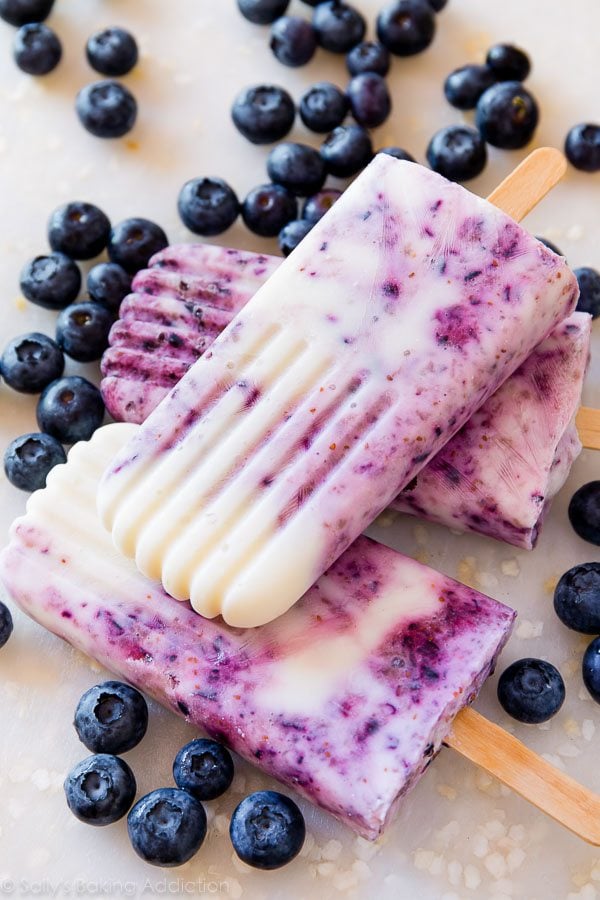
Desserts for Memorial Day are typically a celebration of fresh fruit, particularly berries, which are plentiful in late spring. Pies and tarts, often featuring cherries or blueberries, are classic choices, with variations such as blueberry pie bars offering a convenient, hand-held format. The beloved cherry pie, with its thick, almond-hinted filling encased in a flaky crust, is a testament to timeless baking traditions. Similarly, the lemon blueberry tart, boasting a buttery shortbread crust and a vibrant lemon filling swirled with homemade blueberry sauce, offers an elegant and refreshing option.
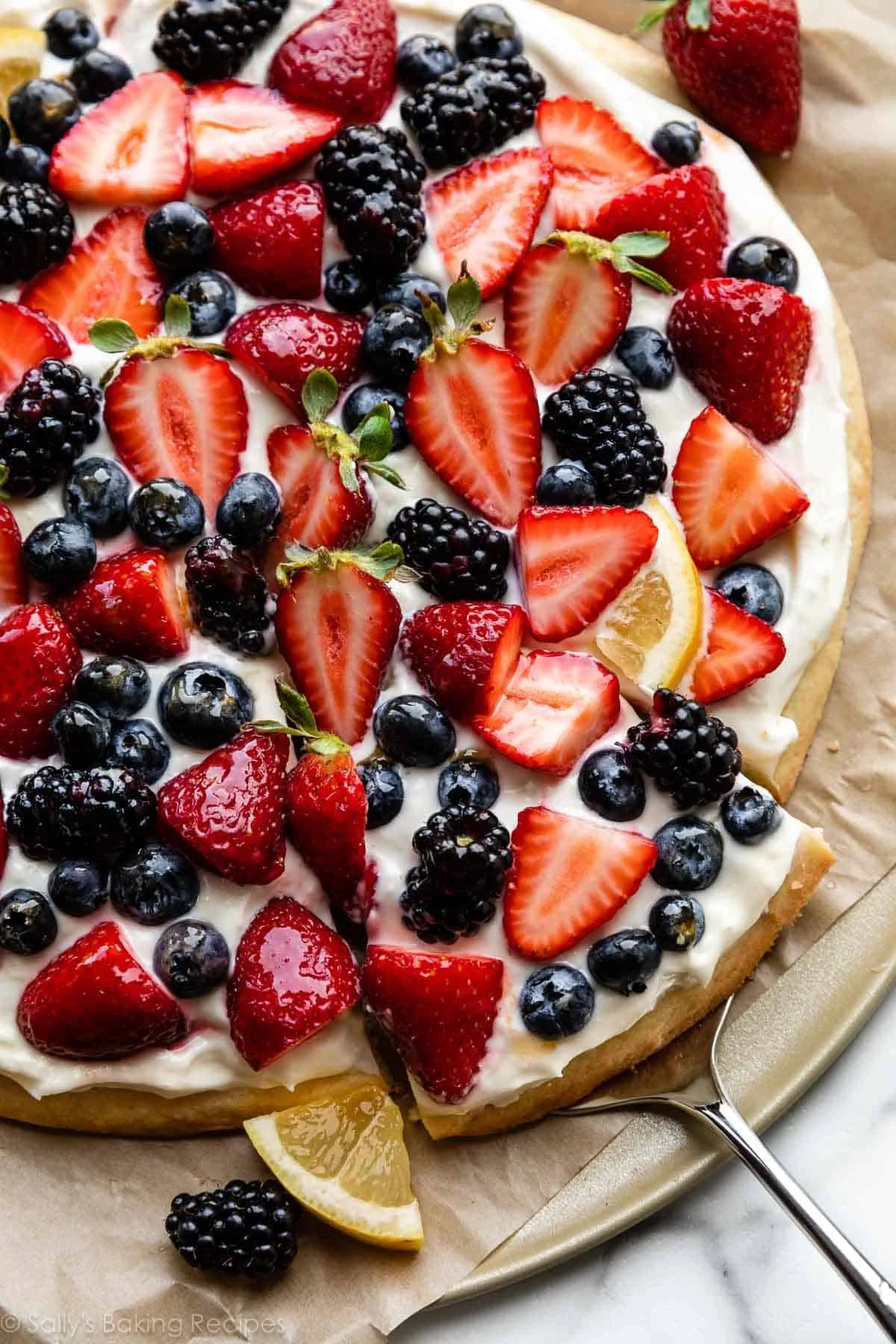
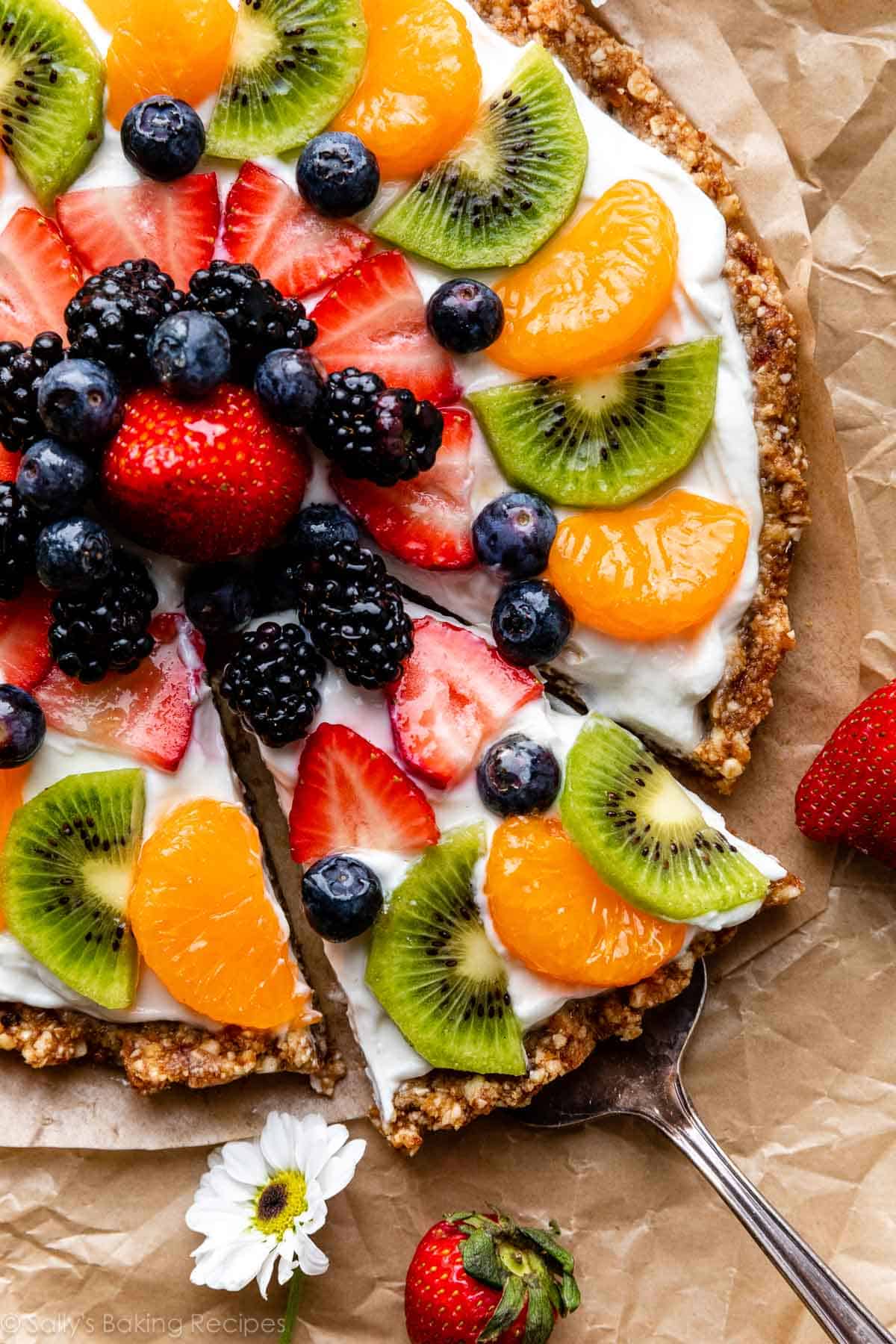
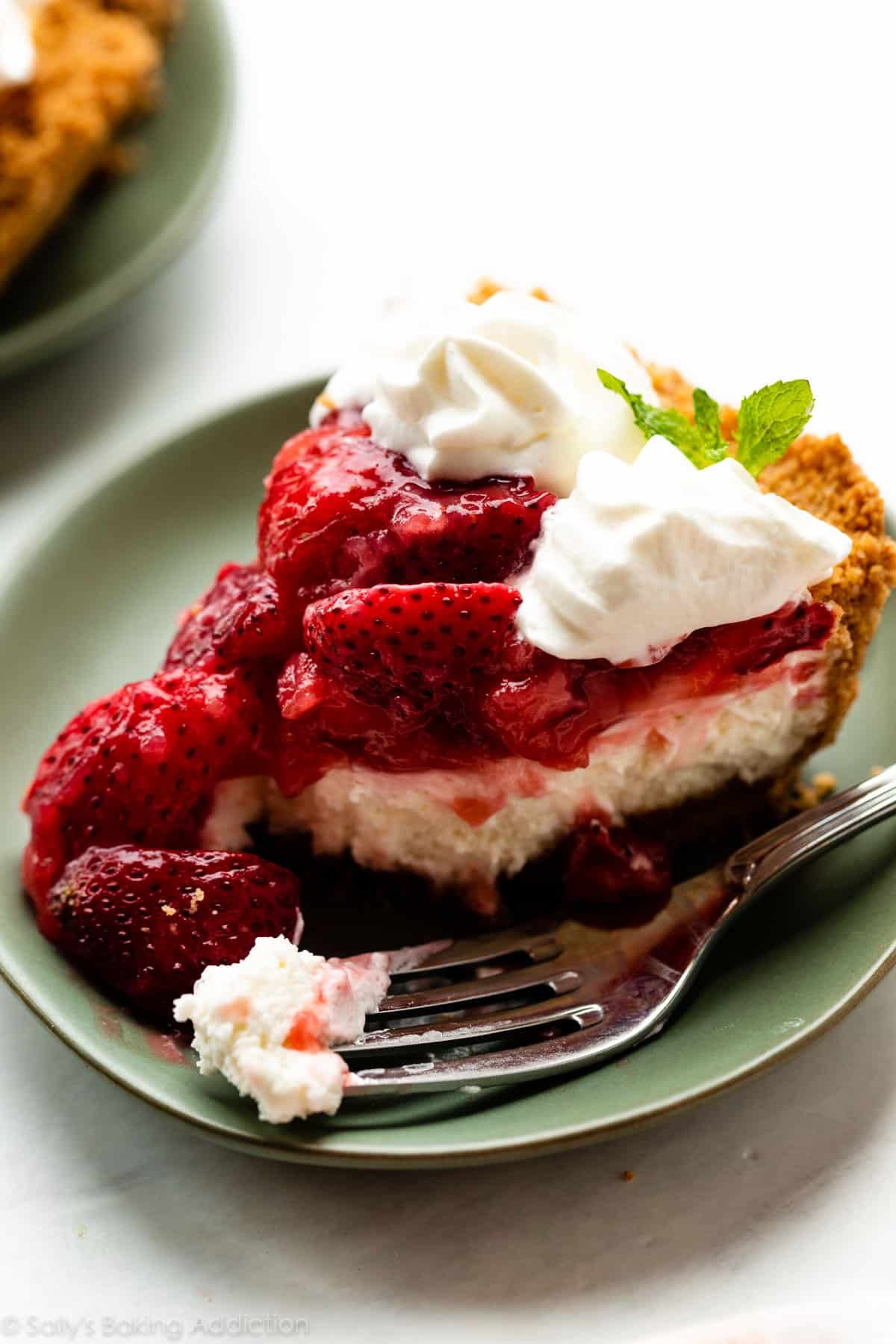
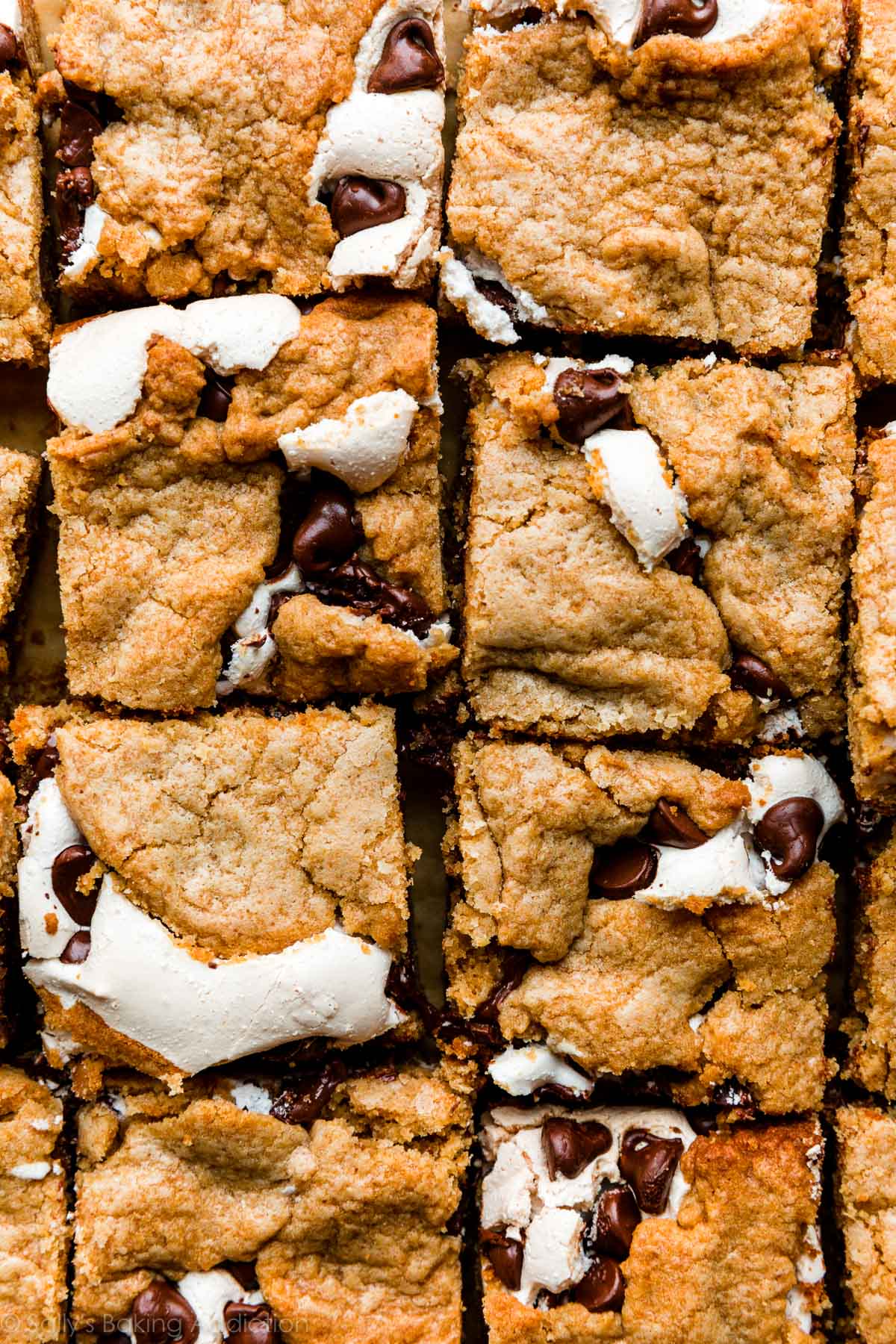
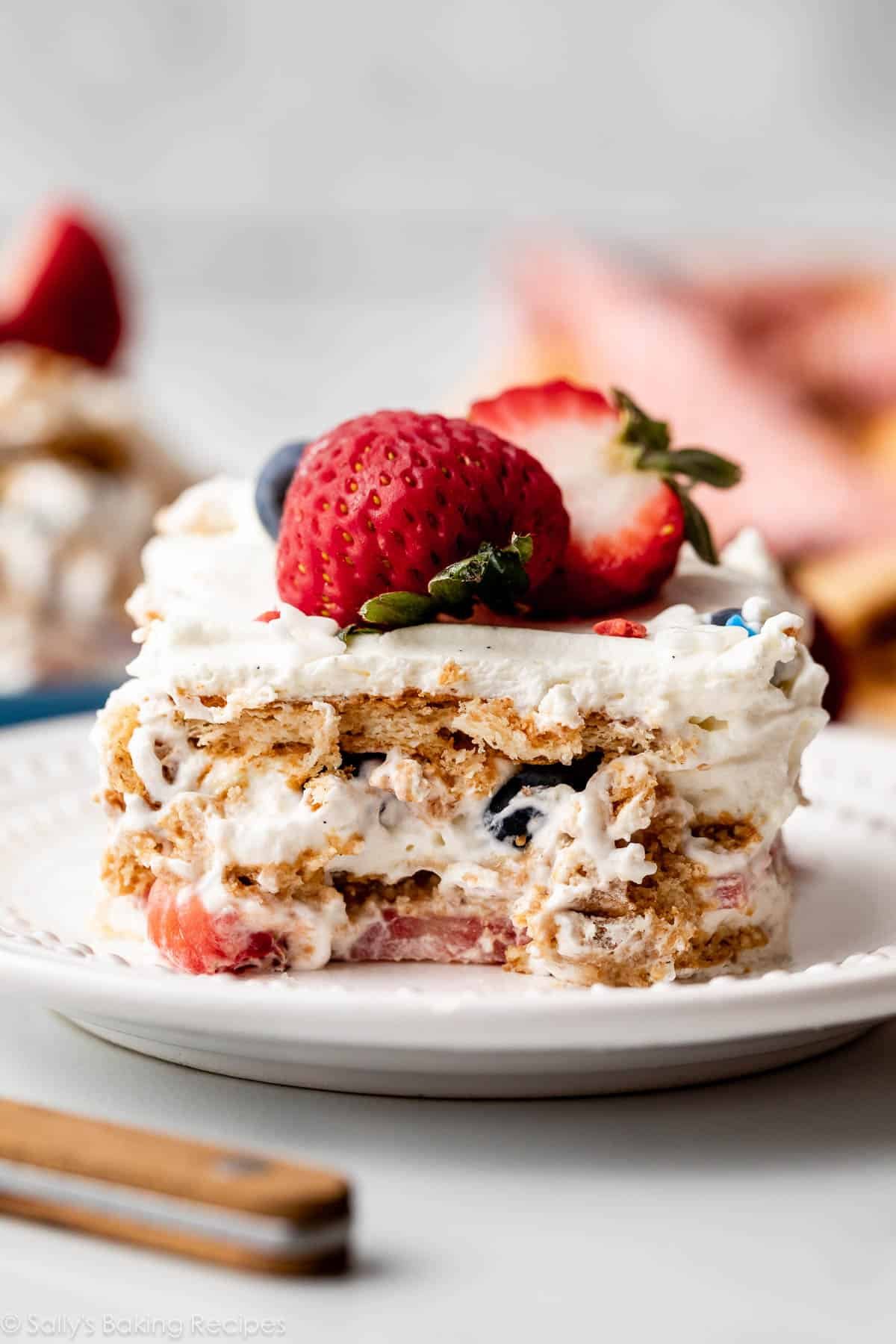
Beyond traditional pies, creative dessert interpretations abound. No-bake Greek yogurt fruit tarts provide a lighter, protein-packed option, while easy berry icebox cakes offer a cool, no-fuss solution, layering whipped cream and seasonal berries. Strawberry shortcake cupcakes, a portable rendition of the classic dessert, featuring vanilla bean-speckled cake, strawberry filling, and strawberry whipped cream, are a popular pick. The enduring appeal of s’mores cookie bars captures the nostalgic essence of summer campfires in a convenient bar form, while homemade cookie ice cream sandwiches combine two beloved treats into one delightful package. Even fruit pizzas, featuring a sugar cookie crust, lemon cream cheese frosting, and an assortment of fresh berries, remain a crowd-pleasing staple, offering both visual appeal and a refreshing taste.
Economic and Social Implications of Holiday Feasting
Memorial Day weekend’s culinary focus has significant economic repercussions. The surge in demand for fresh produce, meats, and baking ingredients translates into a considerable boost for grocery retailers, local farmers, and food suppliers. Data from previous years often indicates a substantial increase in consumer spending on food and beverages during this period, with grilling supplies, picnic essentials, and seasonal fruits experiencing peak sales. For instance, the National Retail Federation consistently reports elevated spending intentions for holiday weekends, with food often topping the list of planned purchases. This economic activity supports numerous industries, from agriculture to hospitality, as families travel and gather.
Beyond the economic sphere, the act of preparing and sharing food on Memorial Day holds profound social implications. It reinforces family bonds, creates new memories, and strengthens community ties. In an increasingly digital world, shared meals offer a tangible opportunity for face-to-face interaction, fostering dialogue and connection. The exchange of recipes, the collective effort in preparation, and the communal act of dining serve as anchors for social cohesion, particularly in a society that values individualism. Culinary experts and cultural commentators frequently highlight how food traditions act as a powerful form of cultural transmission, passing down heritage and values from one generation to the next.
Expert Insights on Culinary Traditions
Culinary historians often note that American holiday food traditions are a dynamic tapestry woven from various immigrant cultures and regional specialties. Memorial Day fare, while broadly "American," showcases influences from Southern barbecue, Midwestern potluck staples, and coastal seafood traditions, as exemplified by dishes like Maryland crab cakes. These dishes are not merely sustenance; they are expressions of regional identity and a shared national narrative.

Food safety experts, meanwhile, emphasize the importance of proper handling and cooking techniques for outdoor gatherings, particularly when grilling or preparing dishes that sit out. Guidelines for temperature control and cross-contamination prevention become critical to ensure that celebratory meals remain safe and enjoyable for all attendees.

Adapting to Modern Tastes and Dietary Needs
While tradition remains strong, Memorial Day menus also reflect contemporary dietary trends and preferences. The inclusion of gluten-free options like the no-bake Greek yogurt fruit tart, or plant-forward choices such as the popular black bean burgers, demonstrates a growing awareness and accommodation of diverse nutritional needs. Recipes are often presented with adaptable components, encouraging cooks to customize dishes with their favorite seasonal ingredients or to suit specific dietary requirements, ensuring that everyone can partake in the communal feast. This adaptability ensures the enduring relevance of these culinary traditions in a constantly evolving food landscape.
Conclusion: A Meaningful Feast
Memorial Day weekend stands as a complex and deeply significant observance, bridging the solemnity of remembrance with the warmth of communal celebration. Food, in its homemade variety and seasonal abundance, plays an indispensable role in this duality. Whether through the comforting familiarity of a cherry pie, the smoky allure of grilled burgers, or the refreshing zest of a lemon berry dessert pizza, the culinary traditions of Memorial Day serve to unite, nourish, and honor. These shared meals are not merely about the food itself, but about the memories created, the connections strengthened, and the enduring spirit of a nation that remembers its past while embracing the promise of summer’s arrival. The effort invested in preparing these dishes becomes an act of love, a tribute to those who served, and a celebration of the freedoms they secured, making every bite a meaningful part of the holiday experience.
