
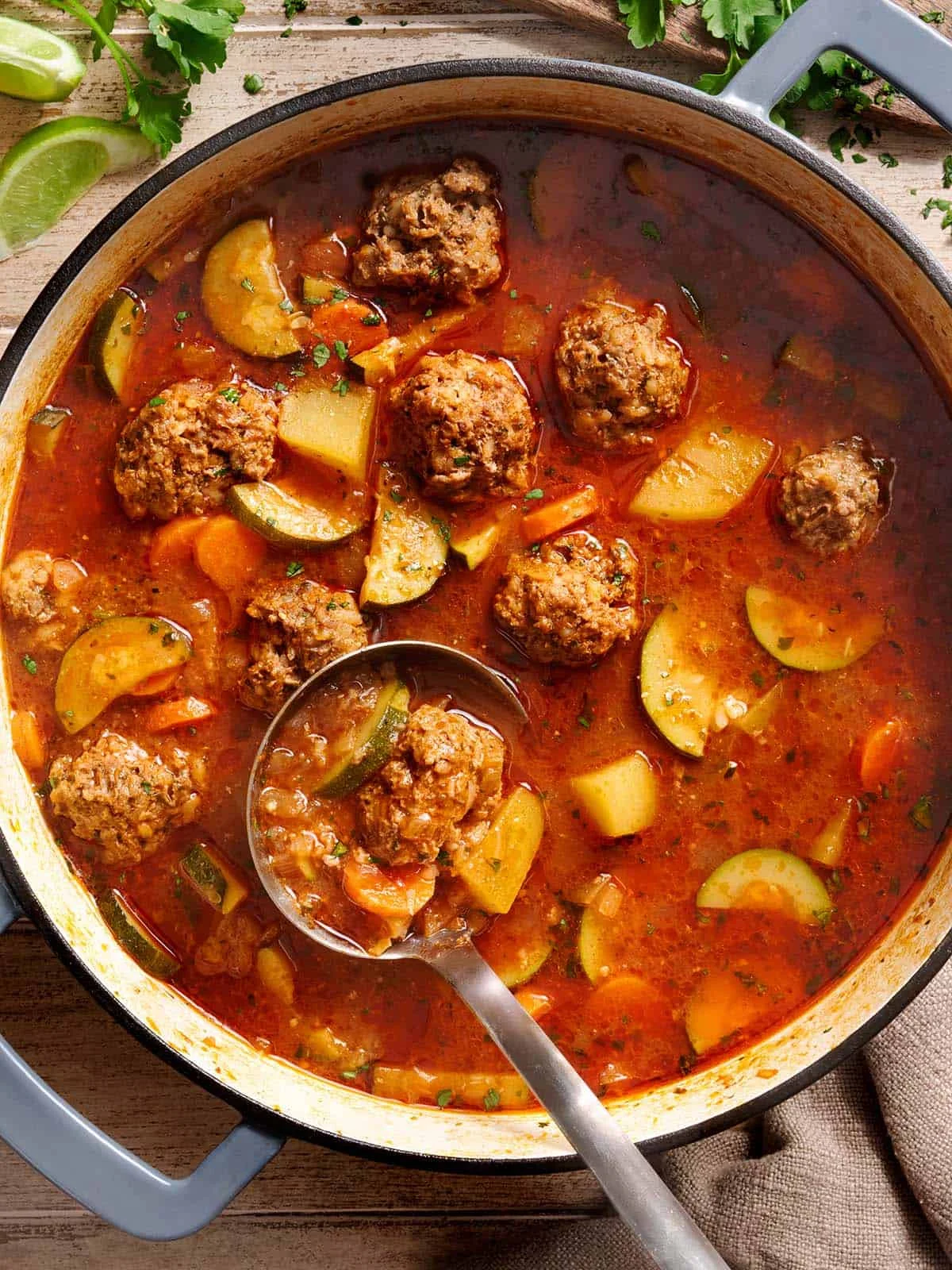
The culinary history of albóndigas, a dish recognized globally as a cornerstone of Mexican comfort food, represents a complex tapestry of migration, cultural exchange, and regional adaptation. While frequently associated with Mexican home cooking, the origins of the meatball soup known as albóndigas can be traced back to the Islamic Golden Age. The term itself is derived from the Arabic word "al-bunduq," which translates to "the hazelnut," a reference to the small, round shape of the traditional meatball. This linguistic and culinary influence was brought to the Iberian Peninsula during the Umayyad conquest of Hispania, where it integrated into Spanish cuisine before eventually being transported to the Americas during the colonial period. In the modern era, particularly within the context of rising food costs and a heightened focus on dietary inclusivity, the preparation of Mexican meatball soup has evolved into a strategic exercise in nutritional density and economic efficiency.
Historical Context and Culinary Lineage
The transition of the meatball from a Middle Eastern delicacy to a Mexican staple involved significant modifications to both ingredients and preparation methods. In the Spanish tradition, albóndigas were often served as tapas, frequently accompanied by a thick almond or tomato-based sauce. However, upon reaching Mexico, the dish was transformed into a "caldo" or "sopa," a brothy, vegetable-rich soup designed to provide a complete meal in a single vessel. This evolution allowed for the incorporation of indigenous Mesoamerican ingredients, such as zucchini (calabacita), tomatoes, and various peppers, which complemented the European introduction of beef and rice.
In contemporary American culinary circles, organizations such as the Nashville Test Kitchen have dedicated significant resources to refining these traditional recipes for a modern audience. The focus is no longer solely on flavor, but also on accessibility, ensuring that the dish remains viable for families operating under strict budgetary constraints. The iteration of Mexican meatball soup currently being analyzed emphasizes the use of uncooked rice as a primary binder, a technique that serves two purposes: it acts as a cost-effective alternative to traditional breadcrumbs and naturally renders the dish gluten-free, catering to a growing segment of the population with specific dietary requirements.
The Nashville Test Kitchen Standard: Recipe Methodology
The development of a standardized Mexican meatball soup involves a rigorous testing process to ensure consistency in flavor, texture, and cost. The Nashville Test Kitchen’s specific protocol for this dish prioritizes a light yet flavorful tomato-based broth, which serves as the medium for simmering both the meatballs and a variety of hardy vegetables.
Component One: The Albóndigas Composition
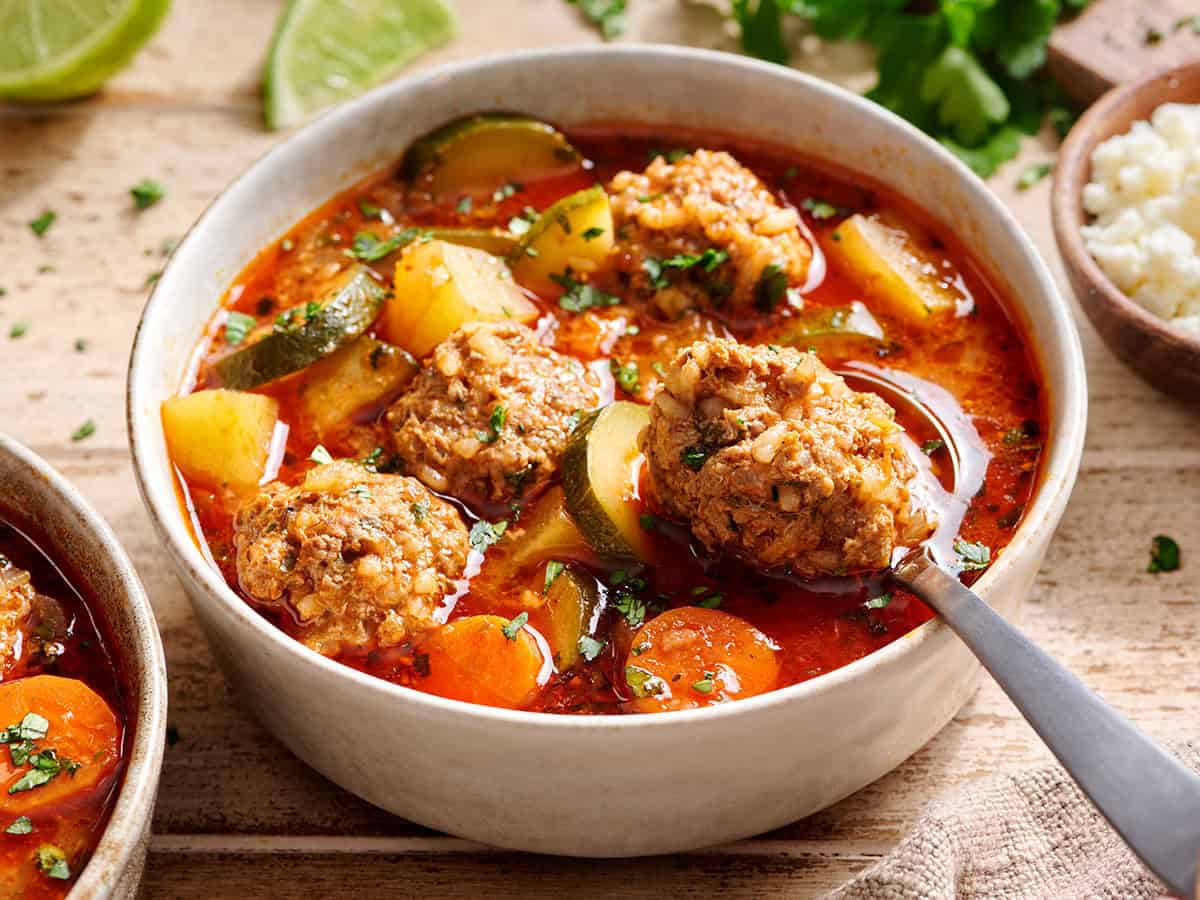
The structural integrity of the meatball is paramount to the success of the soup. Unlike Italian-American meatballs, which often rely on a "panade" of bread and milk for moisture, the Mexican albóndiga utilizes a combination of ground beef and uncooked long-grain white rice. As the meatballs simmer in the broth, the rice grains absorb the liquid and expand, creating a tender, aerated texture that prevents the beef from becoming overly dense.
The seasoning profile for the meatballs includes:
- Aromatics: Finely minced onion and garlic.
- Herbs: Freshly chopped cilantro, providing a bright, citrusy undertone.
- Spices: Ground cumin and black pepper, which offer earthy warmth.
- Binding Agent: A single large egg to ensure the mixture maintains its spherical shape during the initial stages of poaching.
Component Two: The Broth Base and Vegetable Integration
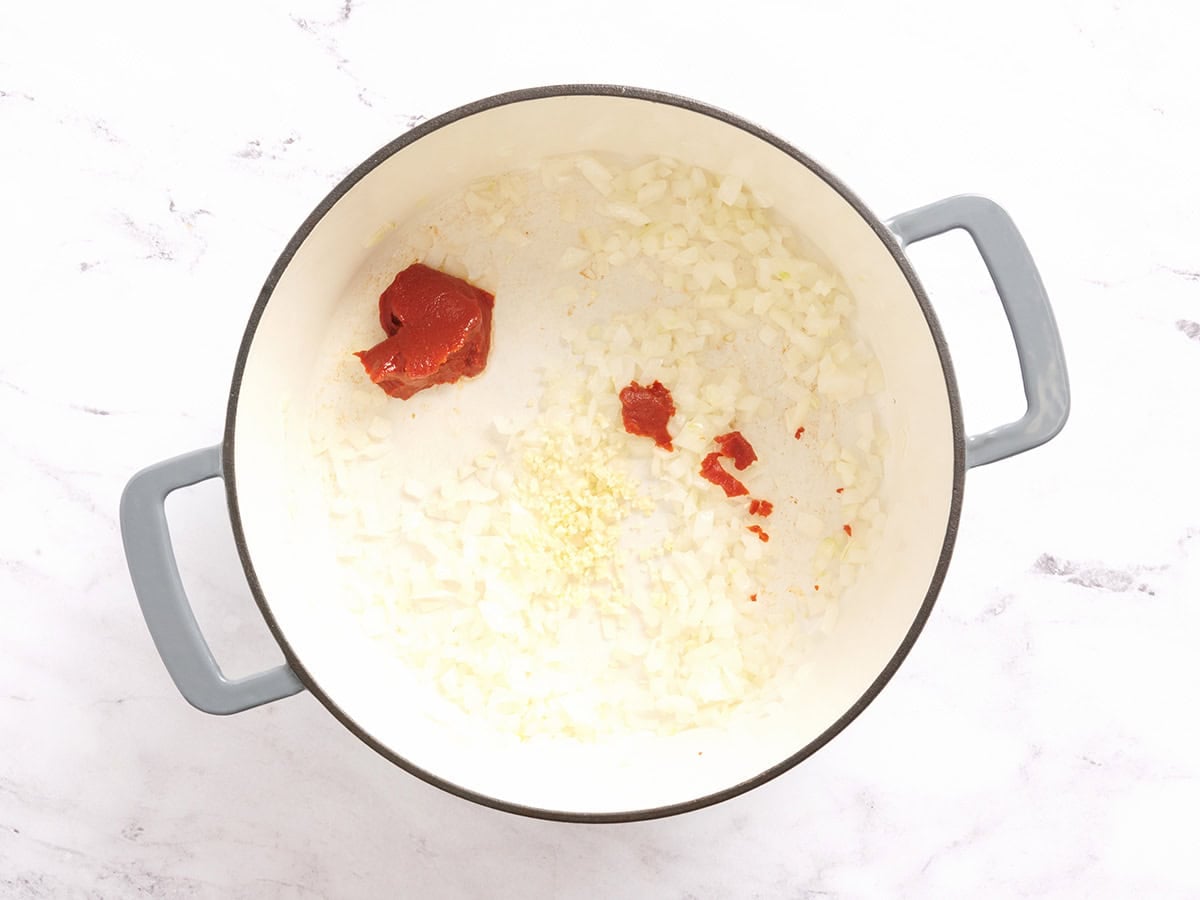
The soup base is constructed using a layered approach to build depth. The process begins with the sautéing of onions to achieve a translucent state, followed by the addition of tomato paste and garlic. This "blooming" of the tomato paste is a critical step, as it caramelizes the sugars in the tomato, reducing acidity and enhancing the umami profile of the final broth.
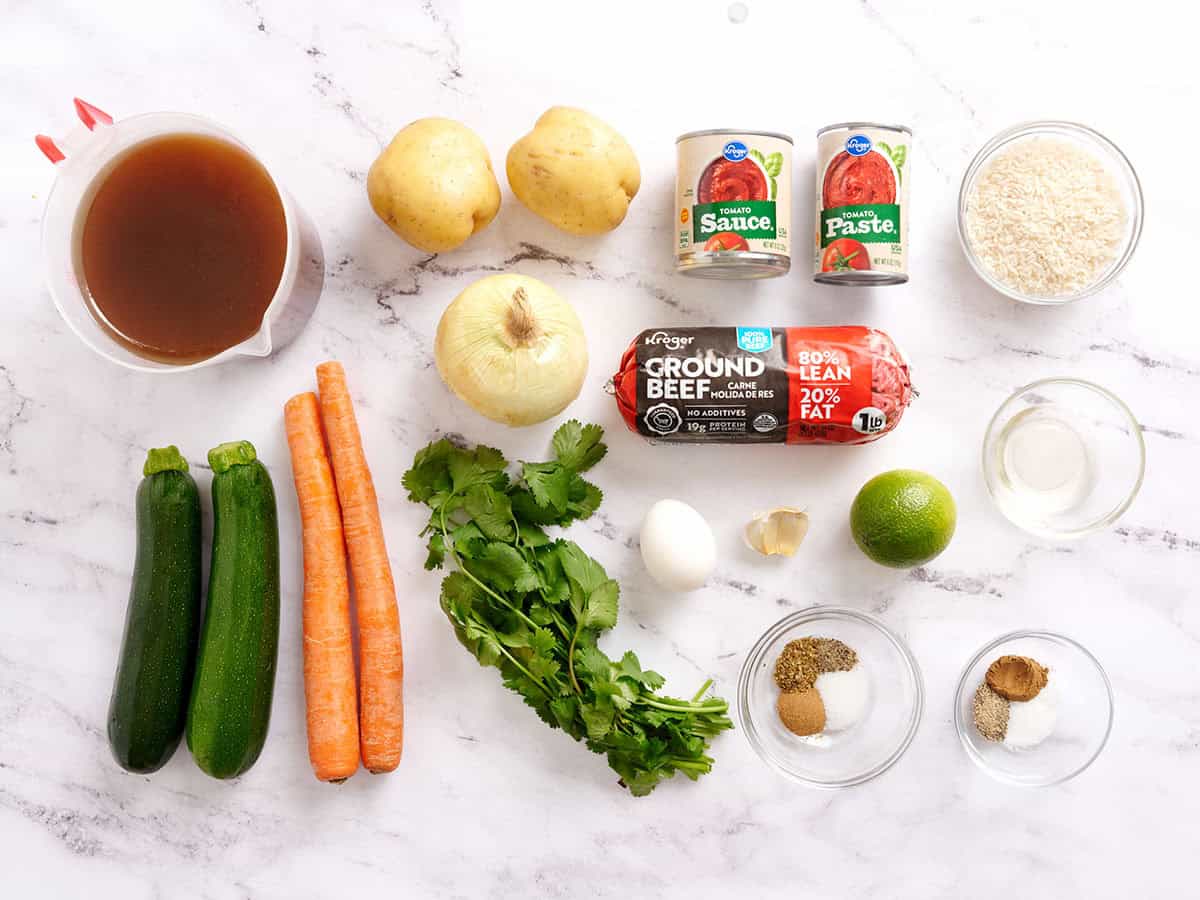
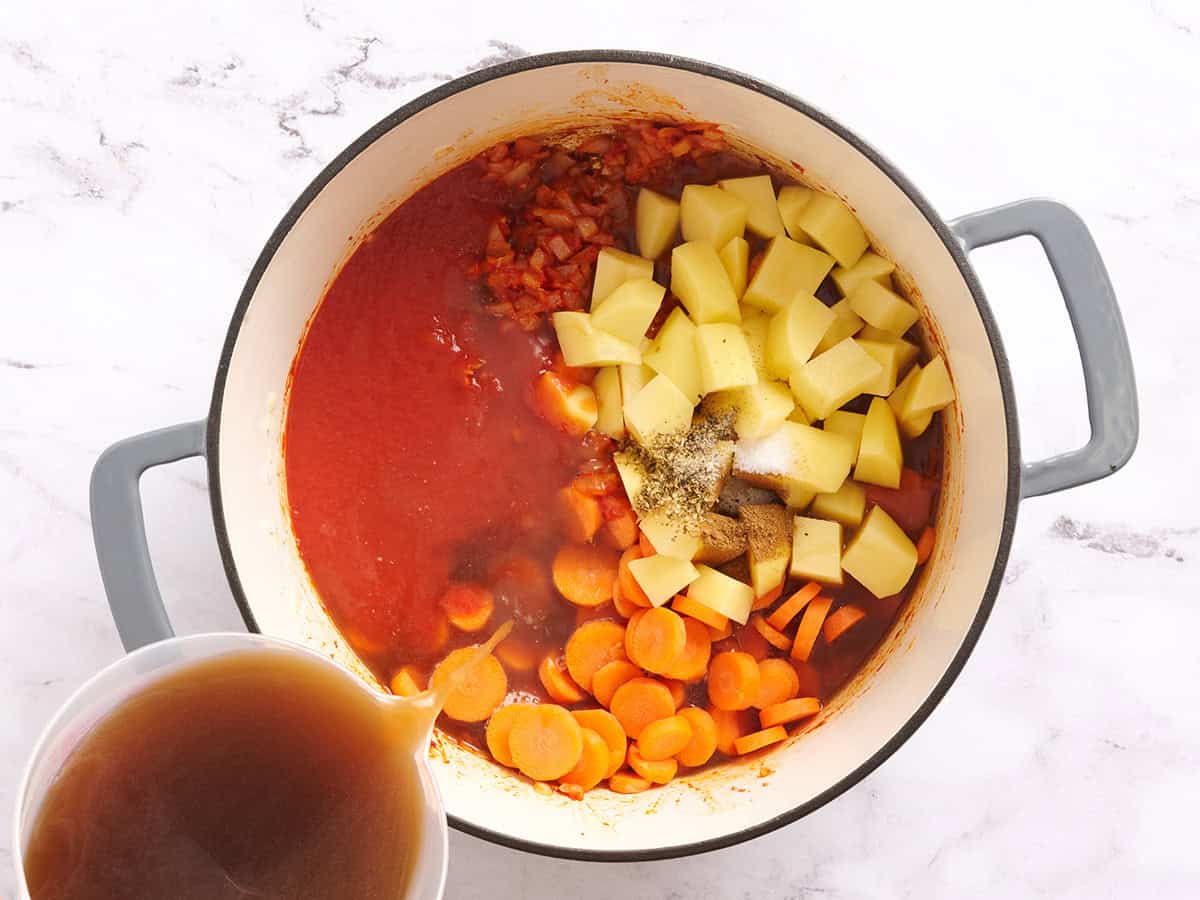
The liquid component consists of a combination of beef broth and pureed tomato sauce. In international contexts, such as the United Kingdom or Australia, culinary experts suggest that "passata" serves as the most accurate substitute for the American-style tomato sauce used in this recipe. The vegetable components—specifically carrots, Yukon gold potatoes, and zucchini—are added in stages based on their required cooking times to ensure that each ingredient reaches the optimal level of tenderness without becoming mushy.
Chronology of Preparation
The assembly of a professional-grade Mexican meatball soup follows a specific timeline designed to maximize flavor extraction and maintain ingredient integrity.
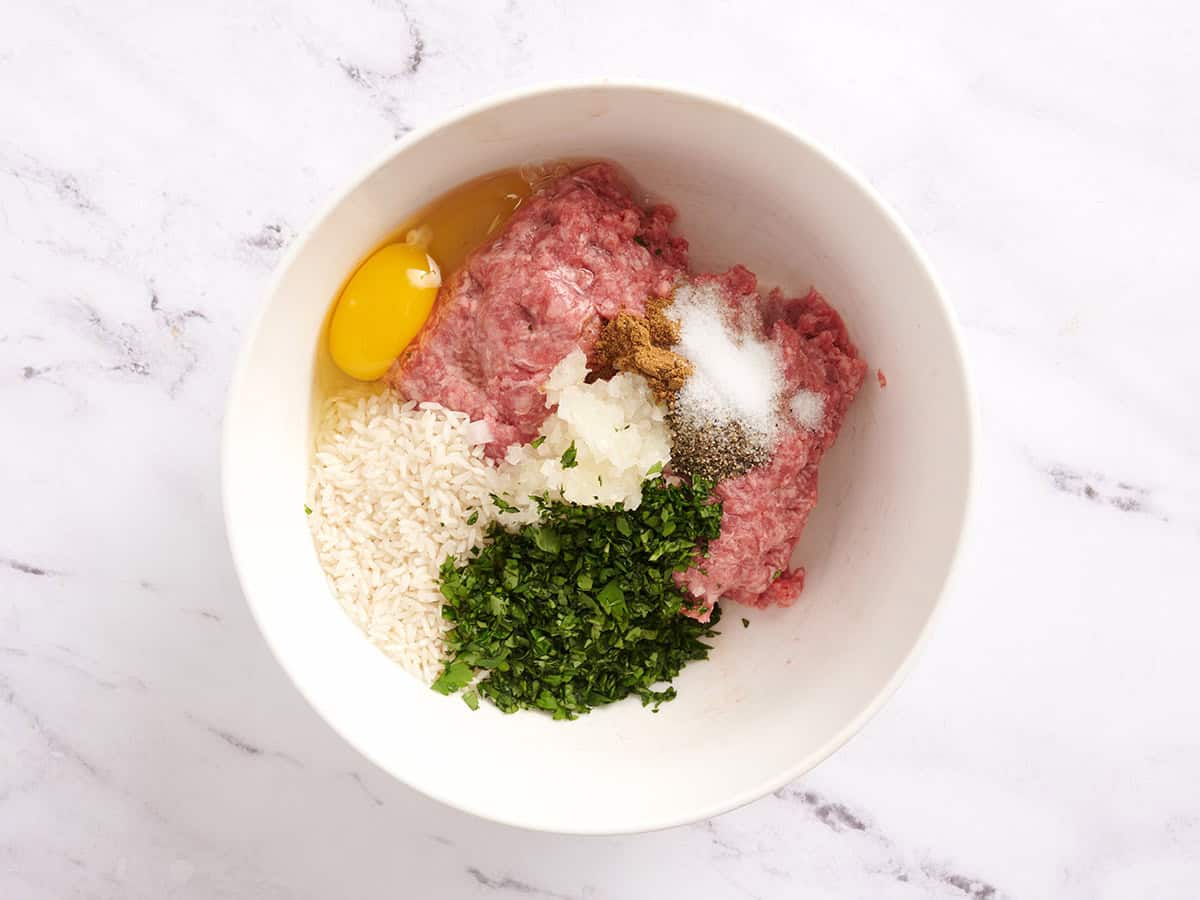
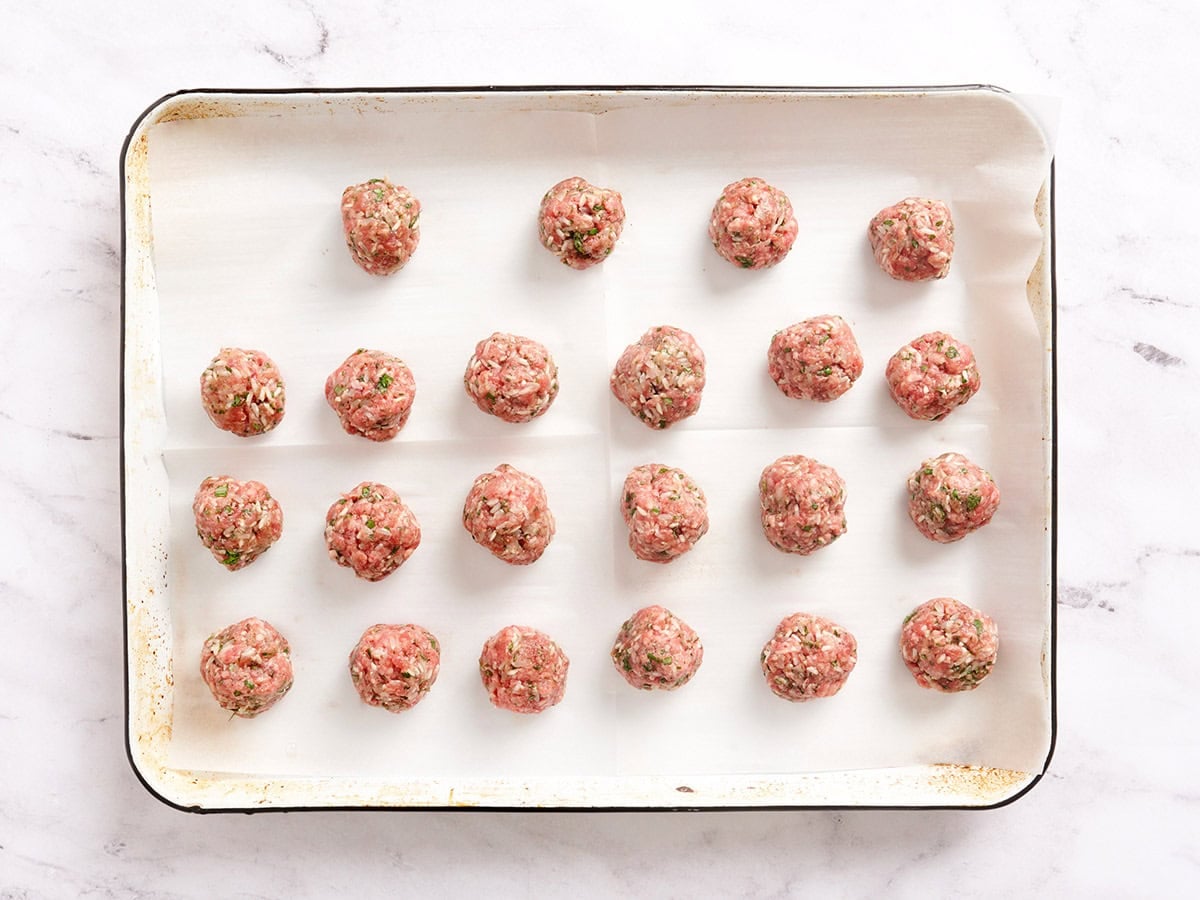
- Preparation of the Meatballs: The meat mixture is combined and rolled into 1.5-inch spheres. Uniformity in size is essential for simultaneous cooking.
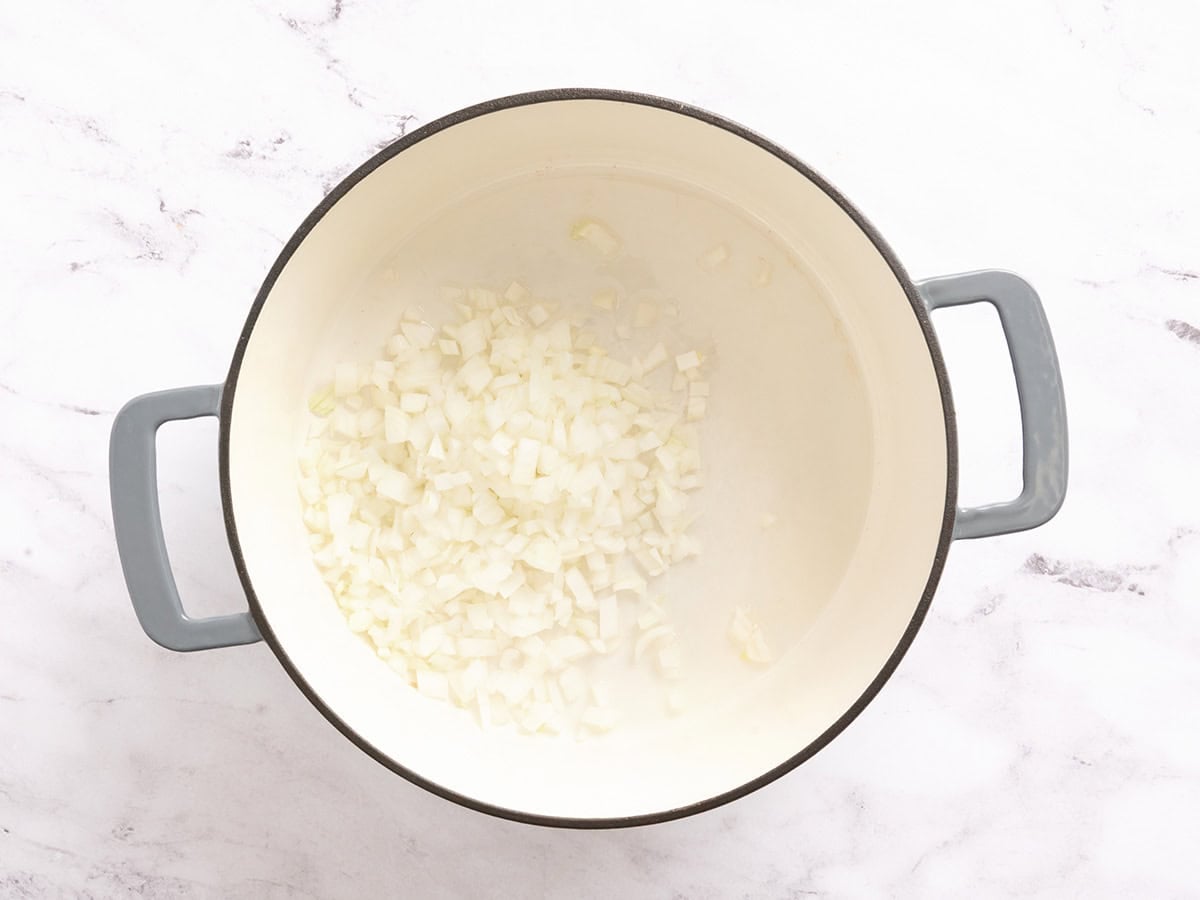
- Base Sauté: Onions are cooked in oil until softened (approximately 5 minutes), followed by a 2-minute integration of garlic and tomato paste.
- Simmer Initiation: The broth, tomato sauce, carrots, potatoes, and primary spices (cumin, oregano, salt) are brought to a gentle simmer.
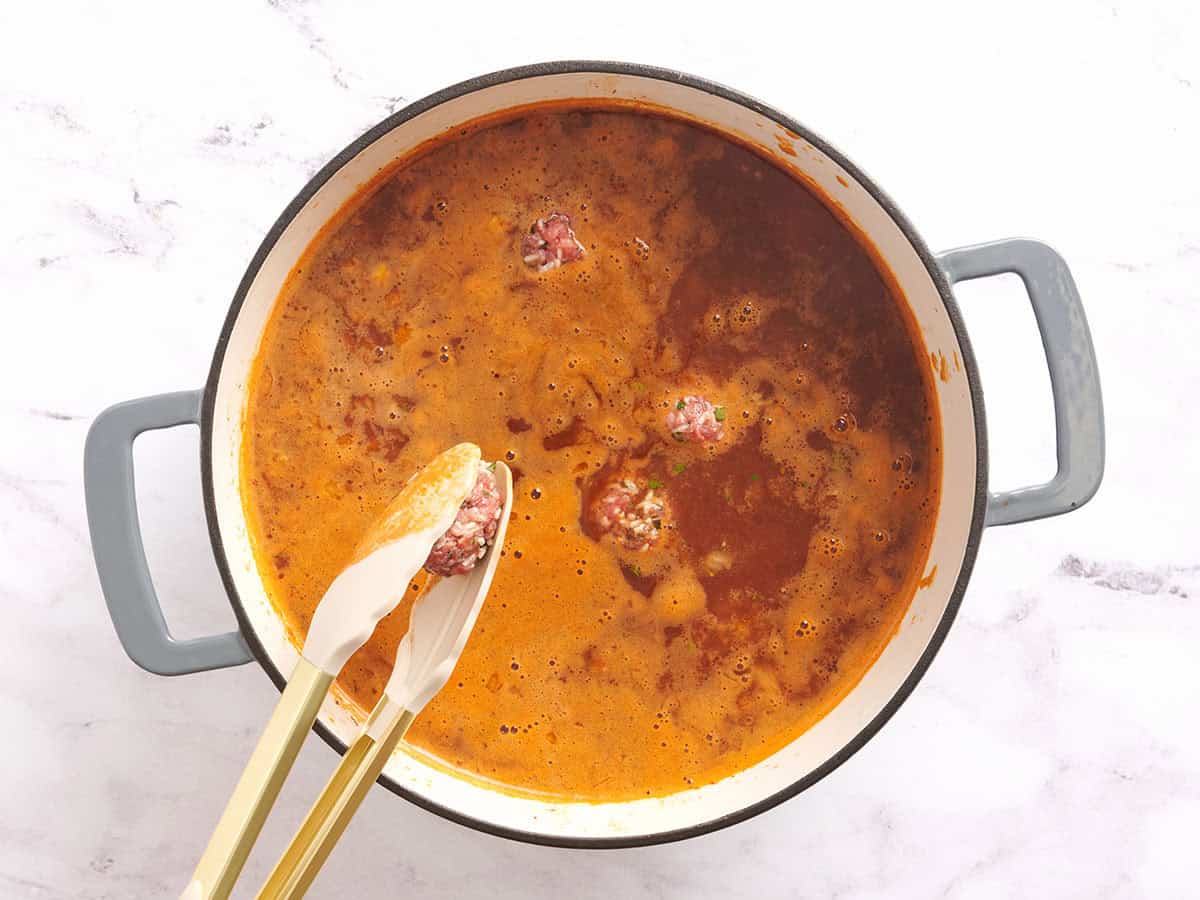
- The Poaching Phase: The meatballs are carefully lowered into the simmering liquid. A critical technical note is the "no-stir" period; for the first five minutes of poaching, the meatballs must remain undisturbed to allow the proteins to set.
- Vegetable Completion: Zucchini is added during the final five minutes of the simmering process. This ensures the zucchini retains its structural integrity and vibrant color.
- The Finishing Touch: The addition of fresh lime juice immediately before serving provides the necessary acidity to balance the richness of the beef and the starchiness of the potatoes and rice.
Economic Analysis and Cost-Efficiency Data
In the current economic climate, the affordability of home-cooked meals is a primary concern for consumers. Data provided by the Nashville Test Kitchen indicates that this specific recipe for Mexican meatball soup is highly cost-effective.
The total cost for a six-serving batch is approximately $12.78, which translates to a per-serving cost of $2.13. This pricing model is based on the use of concentrated bouillon (such as Better Than Bouillon), which offers a lower cost-per-ounce compared to boxed liquid stocks.
Cost Breakdown by Category:
- Proteins: Ground beef represents the largest expenditure, yet the use of rice as a filler reduces the total volume of meat required per serving.
- Produce: Potatoes, carrots, and onions are among the most affordable vegetables available in the retail market, providing significant bulk and nutrition for a minimal investment.
- Pantry Staples: Dried spices and tomato paste are utilized in small quantities, spreading their initial purchase cost across dozens of meals.
This economic profile places the dish firmly in the "under $3 per serving" category, making it a viable option for meal-prep enthusiasts and families seeking to mitigate the impact of food inflation.
Nutritional Profile and Dietary Implications
A comprehensive nutritional analysis of a 2-cup serving of the Mexican meatball soup reveals a balanced macronutrient distribution, though it also highlights areas for dietary caution.
- Calories: 390 kcal
- Protein: 21g
- Carbohydrates: 33g
- Total Fat: 20g
- Fiber: 4g
- Sodium: 1799mg
The high protein content, derived primarily from the beef and egg, makes the soup a satiating meal. The inclusion of three distinct vegetables contributes to the fiber content and provides essential vitamins, such as Vitamin A (from carrots) and Vitamin C (from lime and zucchini).
However, the sodium level—1799mg per serving—represents approximately 78% of the daily recommended intake for an average adult. Health experts suggest that individuals monitoring their sodium intake should opt for low-sodium beef broth or reduce the amount of added salt during the seasoning phase. The use of fresh herbs and lime juice can help compensate for reduced salt, providing flavor without the associated cardiovascular risks of high sodium consumption.
Regional Variations and Serving Traditions
While the Nashville Test Kitchen’s version is a streamlined "easy" recipe, the broader tradition of albóndigas includes numerous regional variations across Mexico. In some households, particularly in the northern states, fresh mint (hierbabuena) is chopped into the meatball mixture, providing a cool contrast to the warm spices. In other regions, a hard-boiled egg may be tucked into the center of each meatball, a surprise element that adds richness and visual interest.
Serving suggestions often reflect the cultural emphasis on communal eating and customization. Common accompaniments include:
- Tortillas: Warm corn or flour tortillas are used to scoop up the meatballs or soak up the remaining broth.
- Garnishes: Beyond cilantro and lime, many diners add "queso fresco" (a mild, crumbly cheese) or avocado slices to introduce a creamy texture.
- Heat: While the base soup is typically mild, it is common to serve the dish with a side of "salsa macha" or chopped serrano peppers for those who prefer a higher Scoville rating.
Broader Impact and Culinary Conclusion
The enduring popularity of Mexican meatball soup is a testament to the dish’s ability to bridge the gap between historical tradition and modern necessity. As a "one-pot" meal, it minimizes energy consumption during the cooking process and reduces the labor associated with cleanup, factors that are increasingly important to time-poor consumers.
Furthermore, the soup’s propensity to improve in flavor after 24 hours of refrigeration makes it an ideal candidate for "batch cooking" and meal-prep strategies. As the ingredients sit, the starches from the rice and potatoes continue to interact with the broth, creating a more cohesive and deeply flavored liquid.
In summary, the Mexican meatball soup, or albóndigas, is more than a simple recipe; it is a culinary artifact that tells the story of global migration and adaptation. By utilizing budget-friendly ingredients and a scientifically sound preparation method, modern iterations of the dish ensure that this piece of cultural heritage remains accessible, nutritious, and economically feasible for a contemporary audience. Whether viewed through the lens of history, economics, or nutrition, albóndigas remains a definitive example of the power of simple ingredients to create a complex and comforting culinary experience.
