
The resurgence of traditional comfort foods in the modern culinary landscape represents a convergence of economic necessity, nutritional awareness, and a growing consumer preference for "slow-food" methodologies that emphasize depth of flavor through simple ingredients. Among these staples, the potato leek soup remains a cornerstone of seasonal gastronomy, valued for its high caloric efficiency and low cost of production. Recent data from culinary test kitchens, including the Nashville-based research facility headed by Chef Jess Rice, suggests that the technical execution of this dish—specifically the treatment of starches and the management of allium aromatics—is critical to achieving a professional-grade texture without the need for expensive thickening agents or stabilizers.

The Structural Mechanics of Potato-Based Emulsions
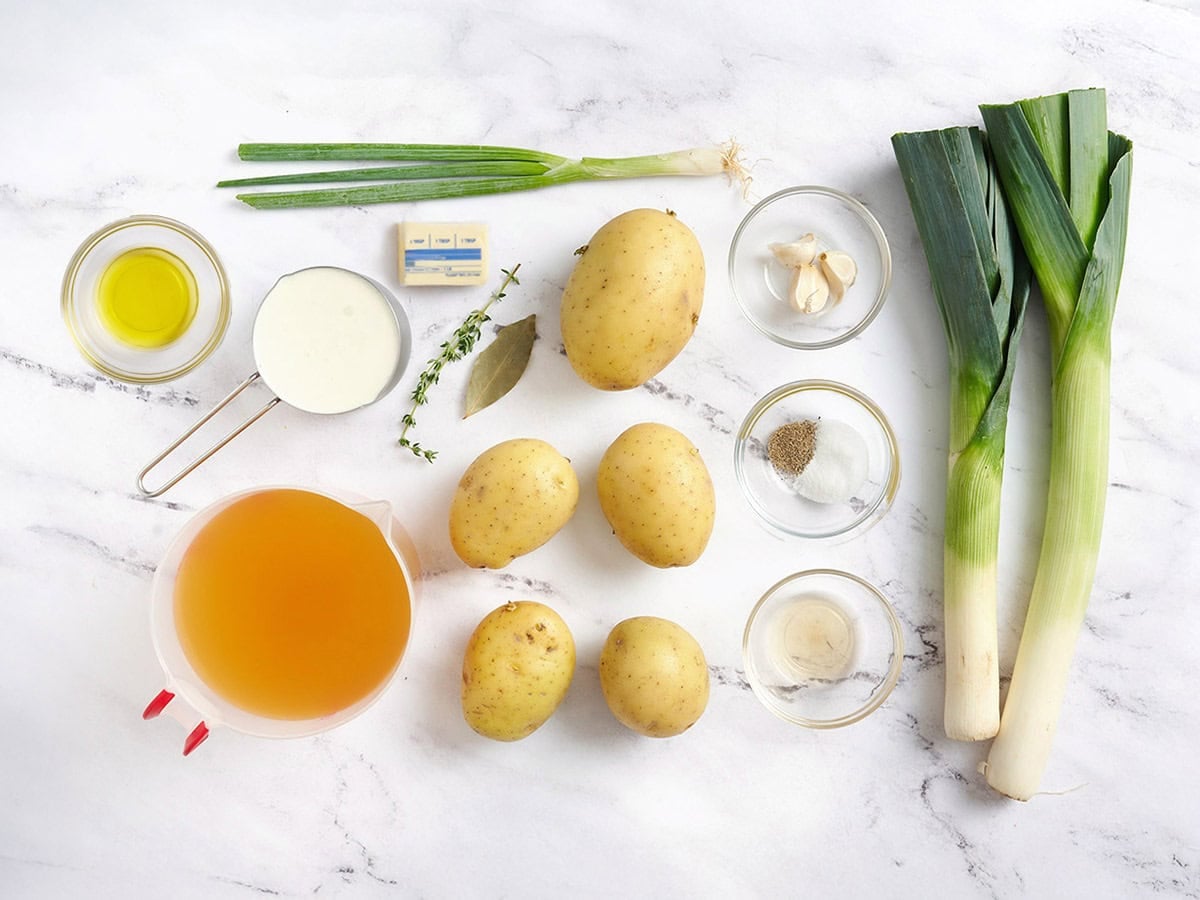
At the heart of a successful potato leek soup is the management of starch molecules. Culinary experts note that the choice of potato variety dictates the final viscosity and mouthfeel of the dish. This specific preparation utilizes the Yukon Gold potato, a medium-starch variety known for its naturally buttery flavor and thin epidermal layer. Unlike high-starch Russet potatoes, which can become overly mealy, or low-starch red potatoes, which may resist breakdown, Yukon Golds offer a balanced amylopectin-to-amylose ratio that facilitates a creamy consistency.

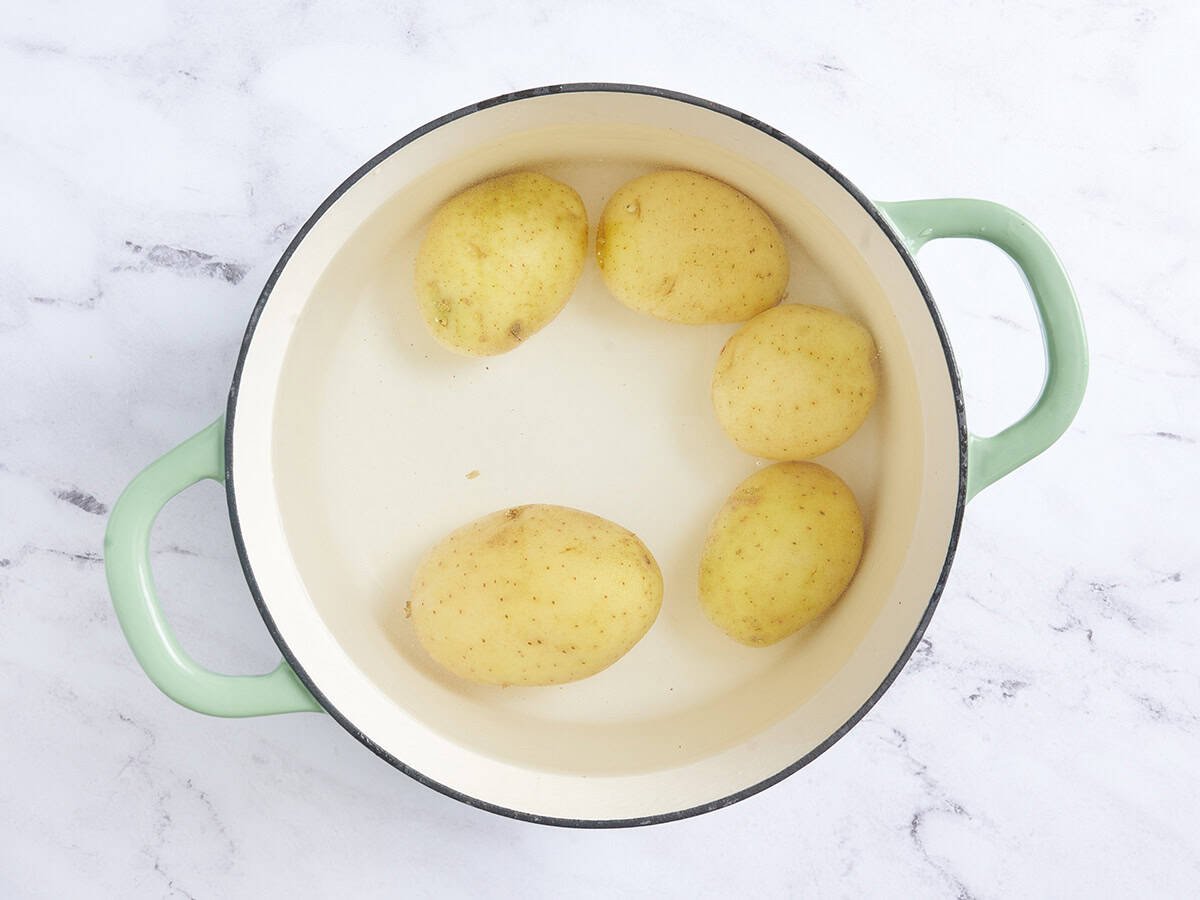
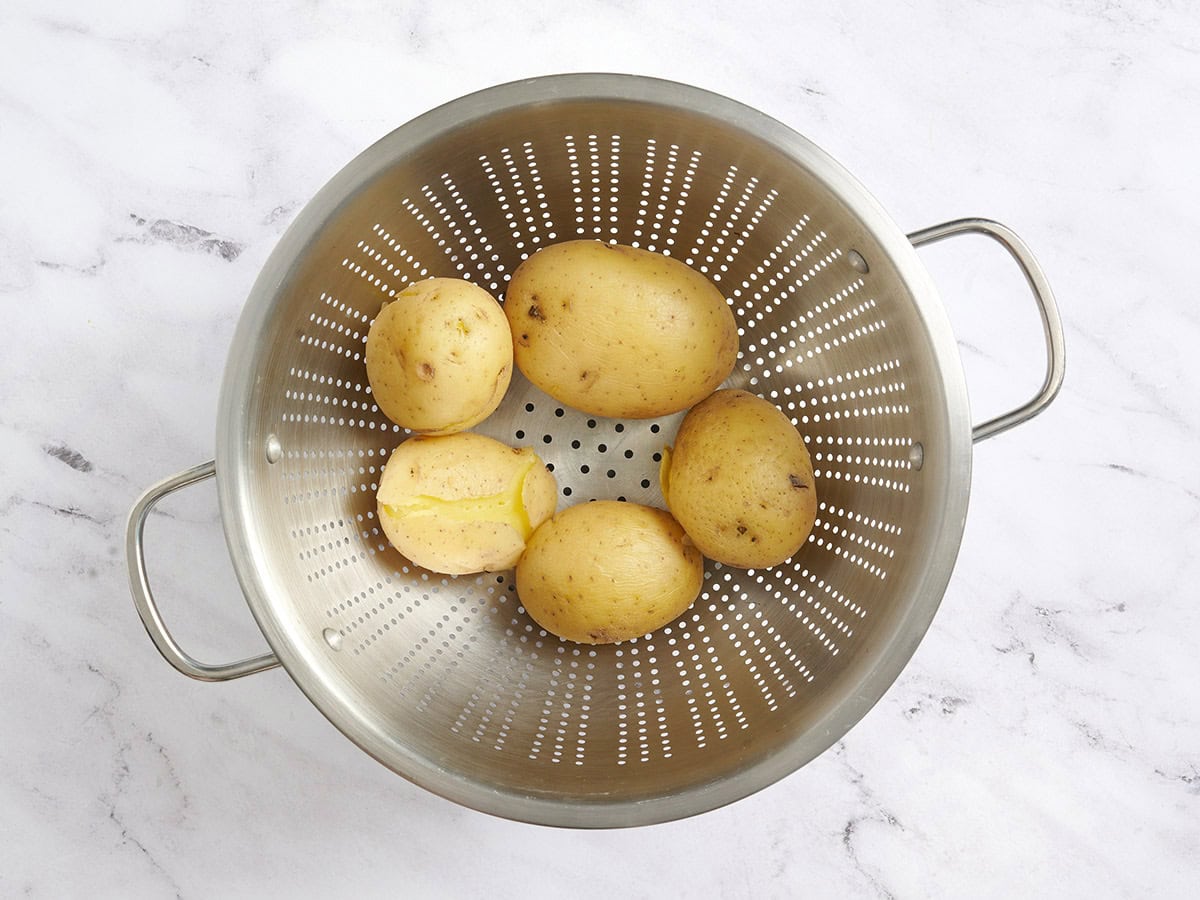
A significant technical departure in this modern methodology is the practice of boiling the potatoes whole and with the skin intact. From a food science perspective, this prevents the excessive absorption of water into the potato cells, a common issue when dicing potatoes prior to boiling. When potatoes are cut, the increased surface area allows water to penetrate the cellular structure, often leading to a "gummy" or "gluey" texture once blended. By maintaining the integrity of the tuber during the primary cooking phase, the chef ensures that the natural flavors are concentrated rather than diluted by the boiling medium. Furthermore, the retention of the skin during the boiling process contributes subtle earthy notes and preserves nutritional density, including potassium and Vitamin C, which are frequently lost in conventional peeling processes.
The Botanical Role of Leeks in Flavor Profiling
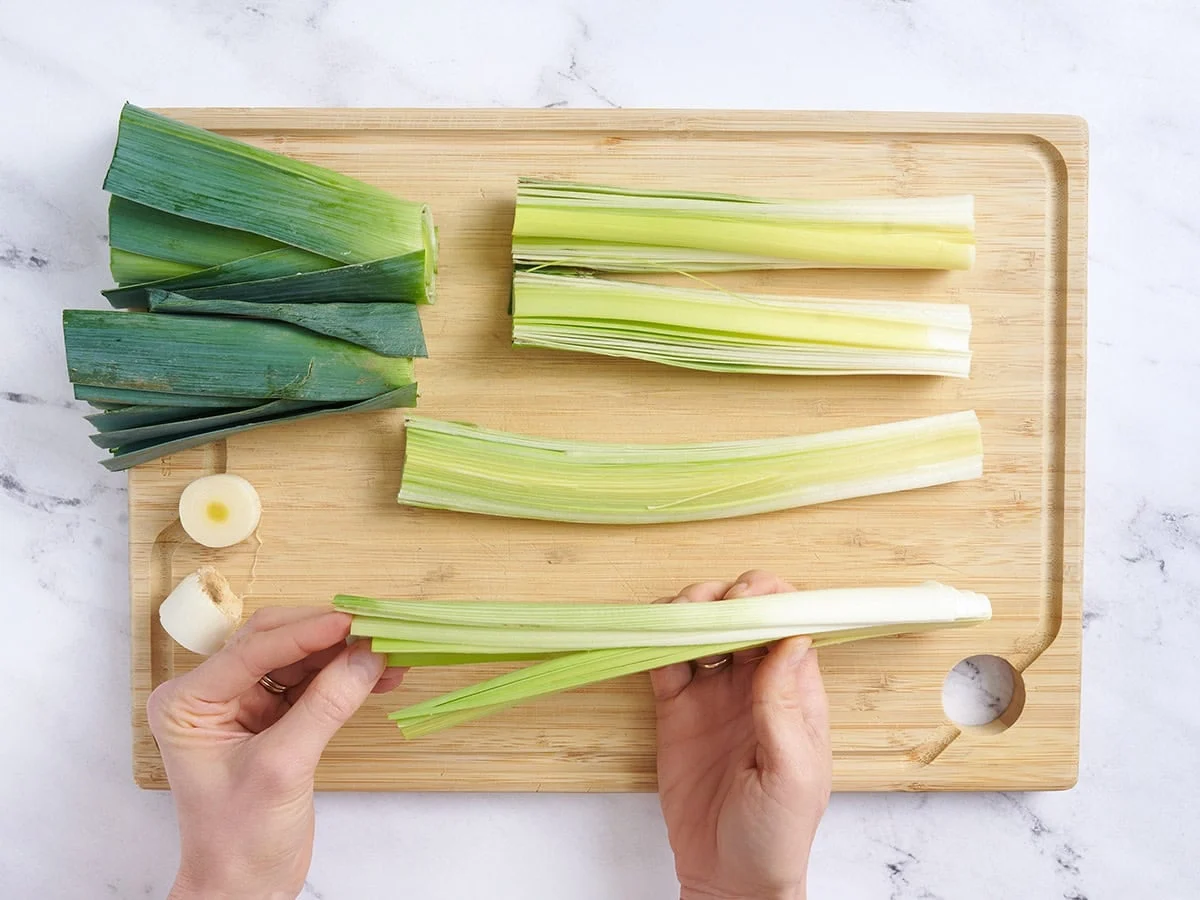
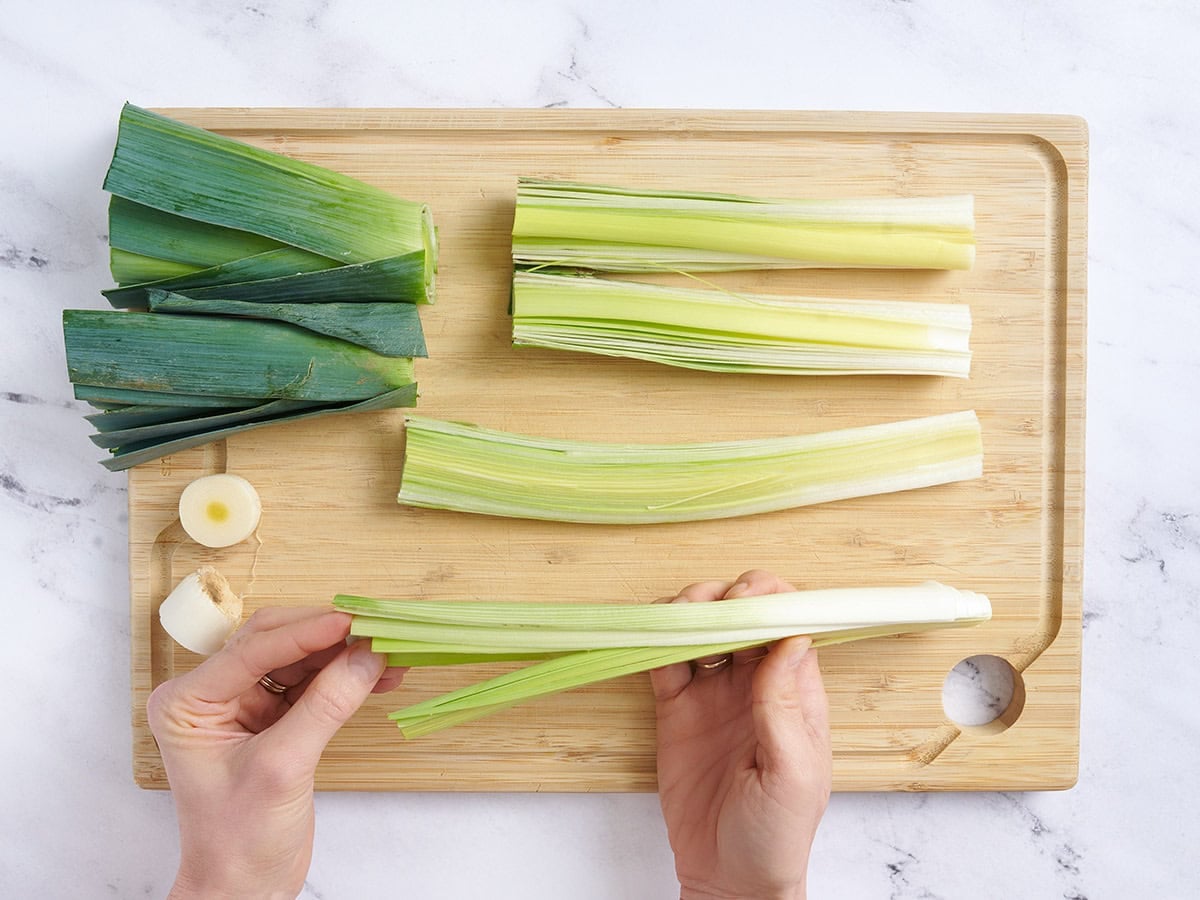
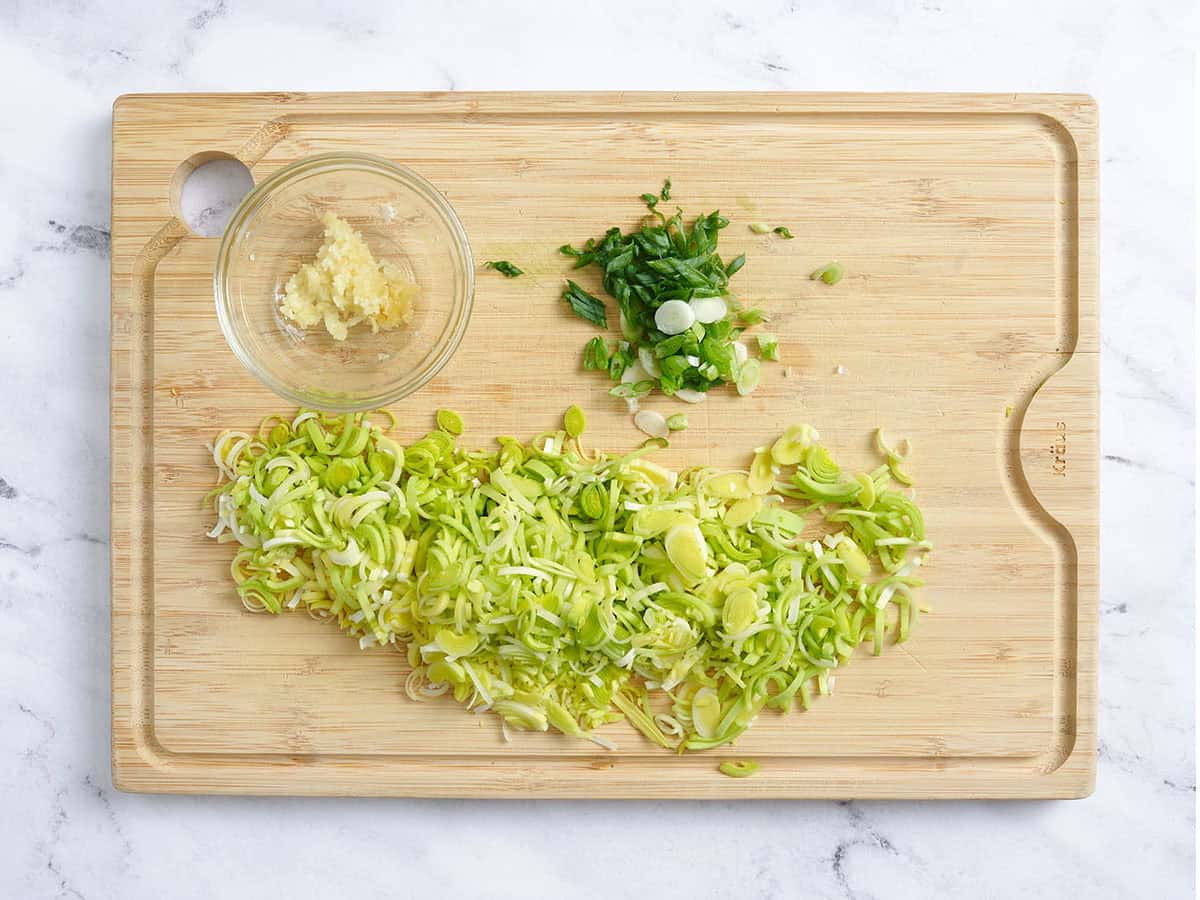
The second primary component, the leek (Allium ampeloprasum), provides a nuanced aromatic base that distinguishes this dish from more aggressive onion-based soups. Historically referred to as "the poor man’s asparagus," leeks offer a mild, sweet profile that becomes mellow upon sautéing. The technical preparation involves a rigorous cleaning process to remove the silt and soil often trapped between the concentric leaf layers.
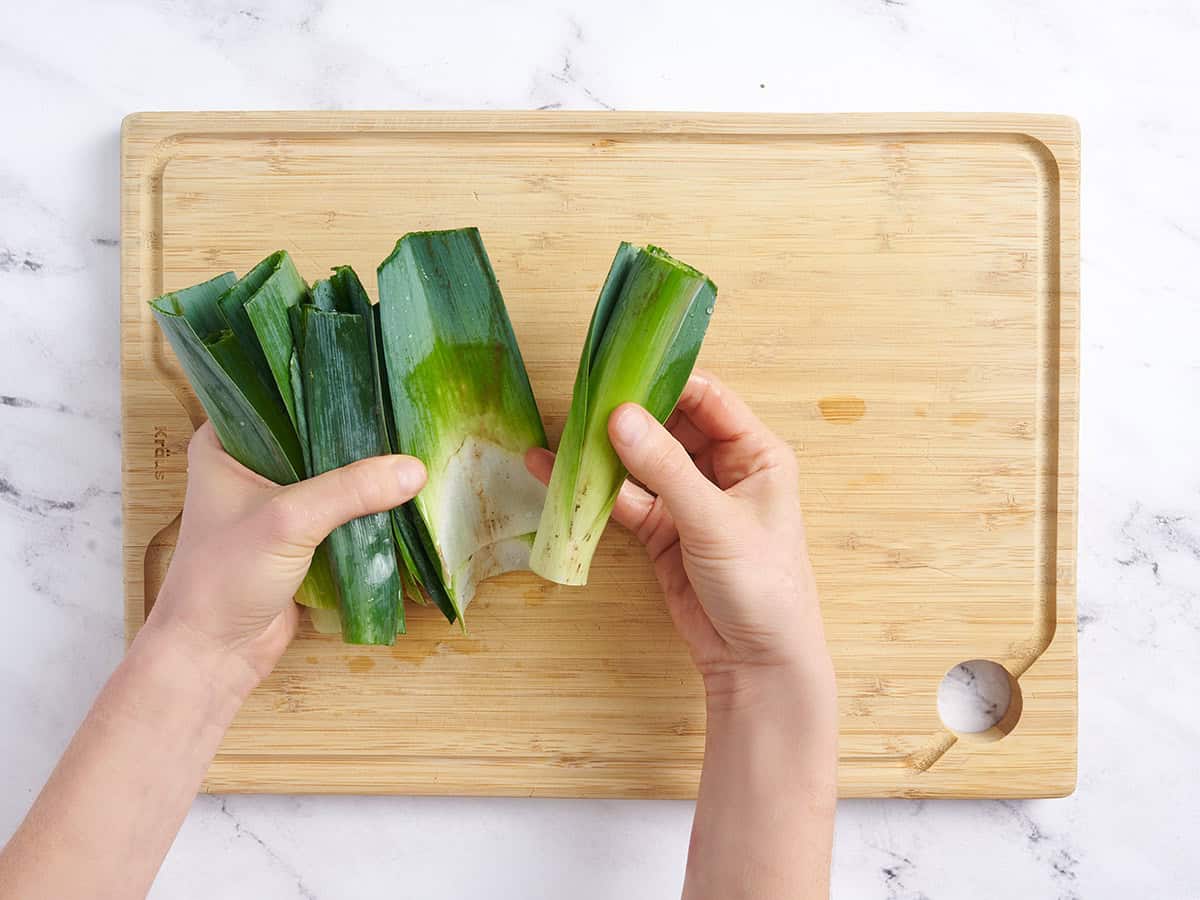
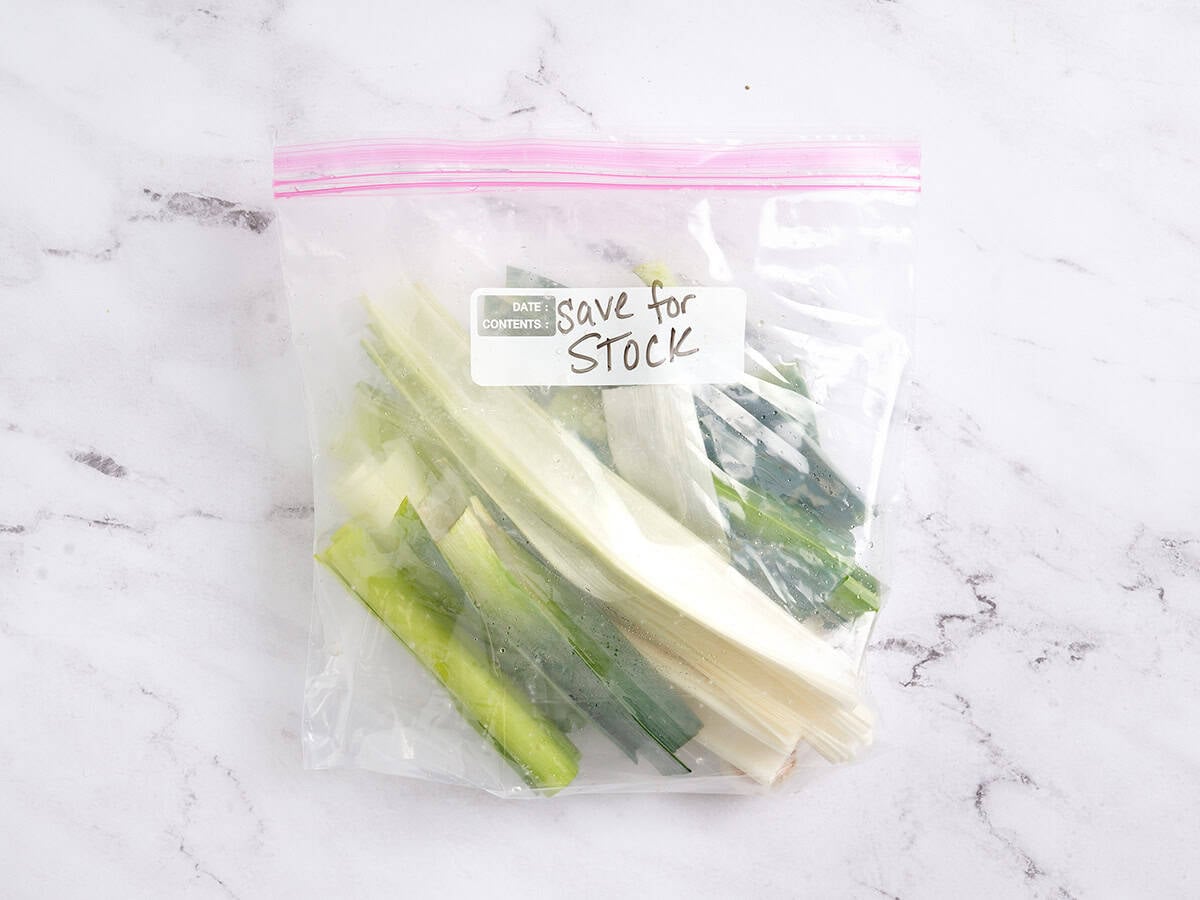
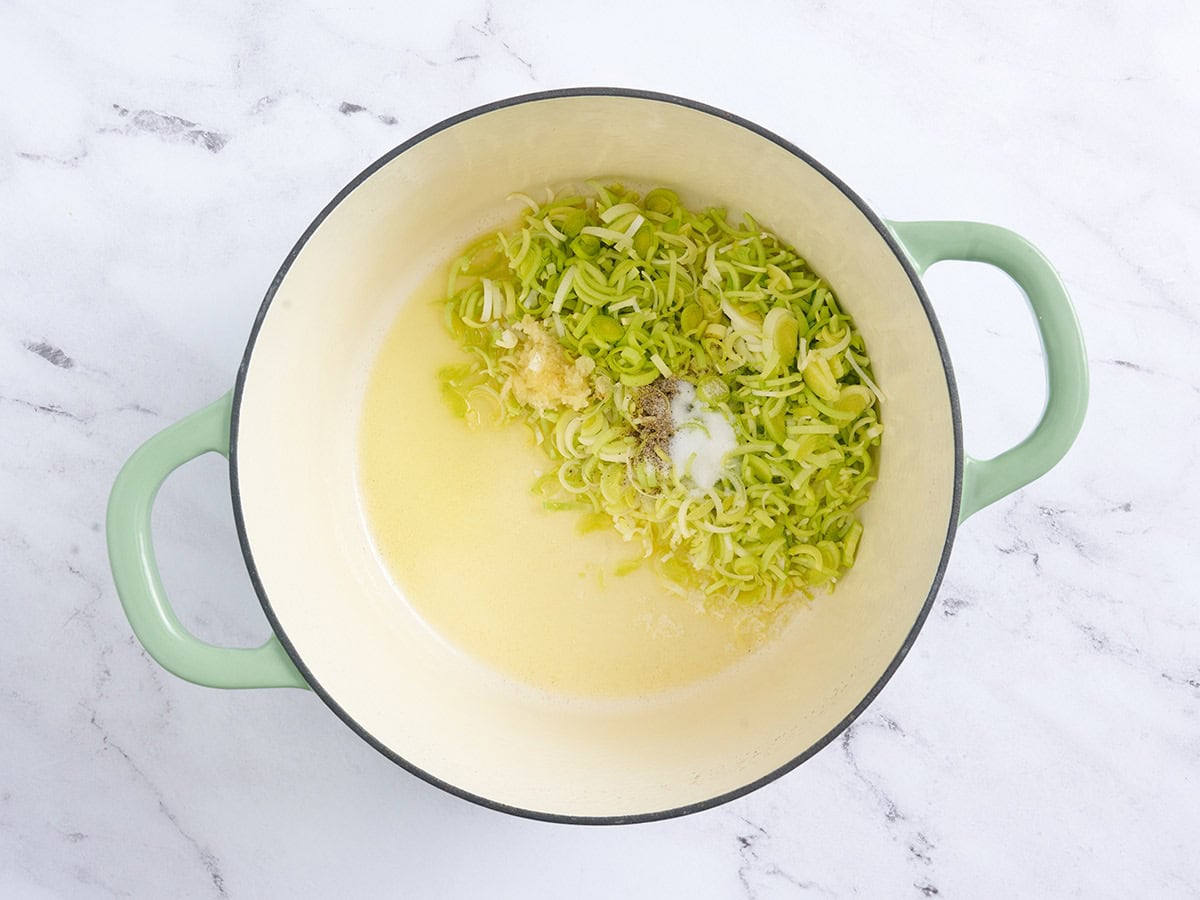
In professional applications, the distinction between the tender white and light green parts and the fibrous dark green tops is essential. While the recipe focuses on the soft inner layers for the soup’s body, it emphasizes a zero-waste sustainability model. The tougher outer leaves and root ends are diverted for use in vegetable stocks, a practice that aligns with contemporary movements toward circular kitchen economies. The chemical transformation of the leek during the eight-minute sautéing phase—conducted in a medium of salted butter and olive oil—allows for the breakdown of sulfur compounds, replacing sharp pungency with a delicate sweetness that serves as the flavor backbone for the vegetable broth.
Chronology of Preparation and Technical Milestones
The production of a high-quality potato leek soup follows a specific timeline designed to optimize both texture and efficiency:
- Initial Thermal Processing (Minutes 0–20): Potatoes are submerged in water and brought to a boil. The goal is "fork-tender" status, achieved within a 15-to-20-minute window depending on the size of the tubers.
- Aromatic Development (Minutes 5–15): Concurrent with the potato boiling, leeks and garlic are minced and sautéed. This overlap ensures that the aromatic base is ready exactly when the potatoes are drained.
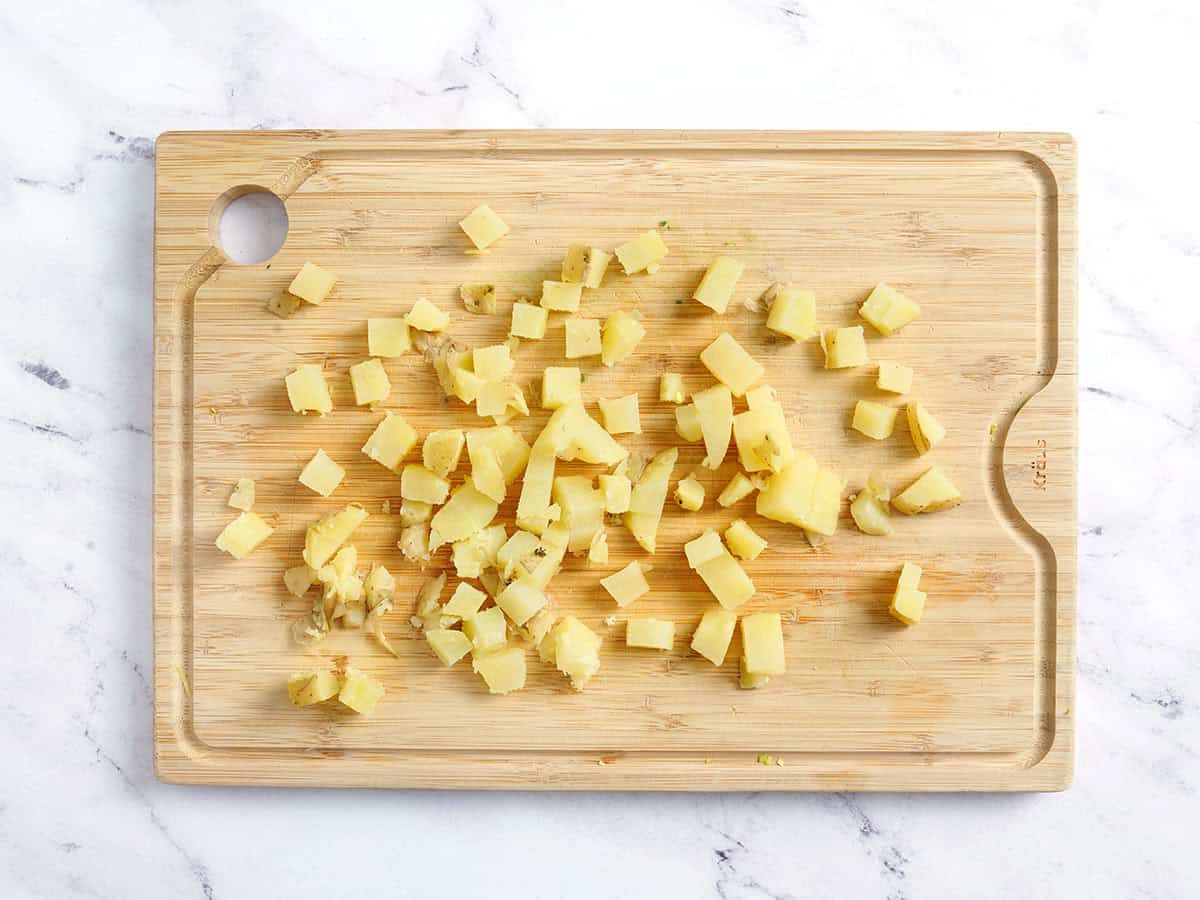
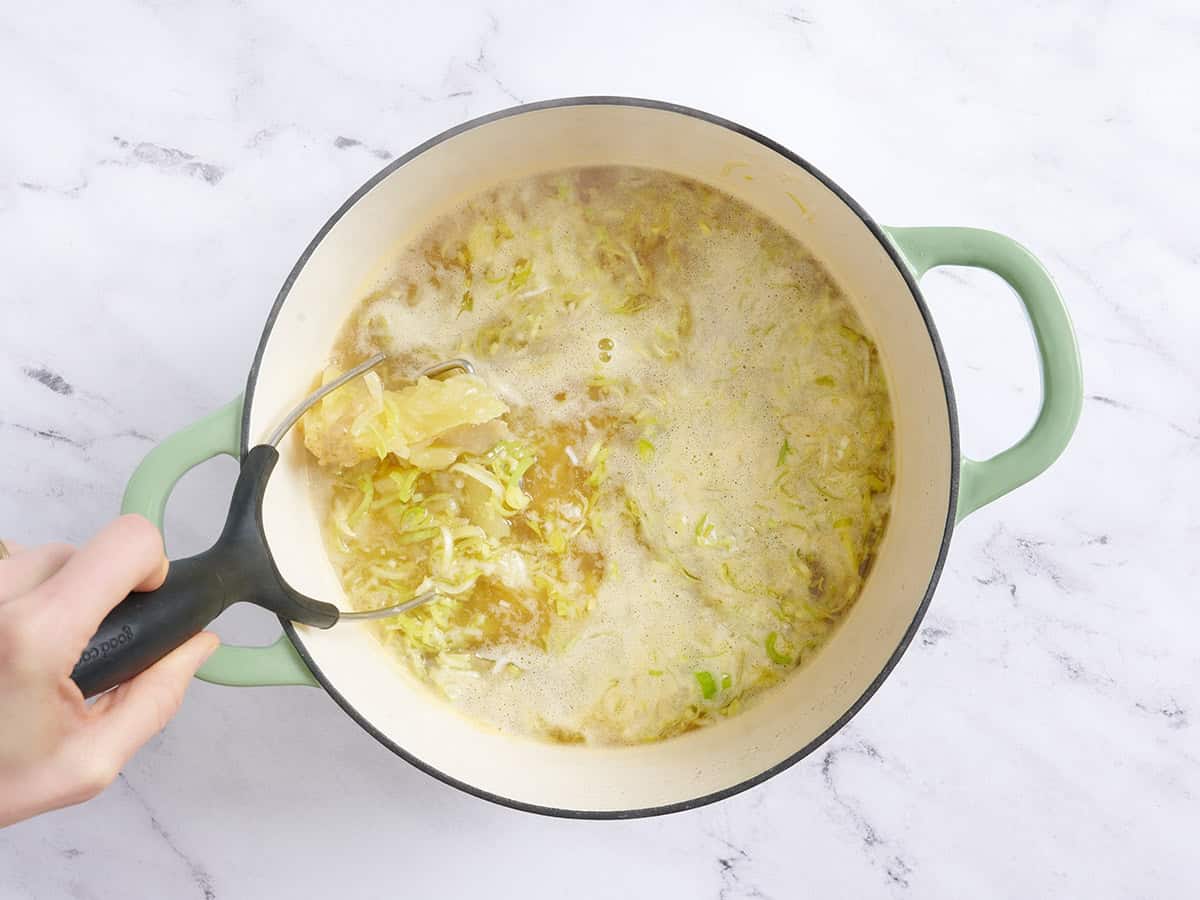
- Texture Calibration (Minutes 20–30): The process involves a hybrid approach to texture. A portion of the cooked potatoes (approximately two cups) is diced and set aside, while the remainder is returned to the pot with the broth, thyme, and bay leaf.
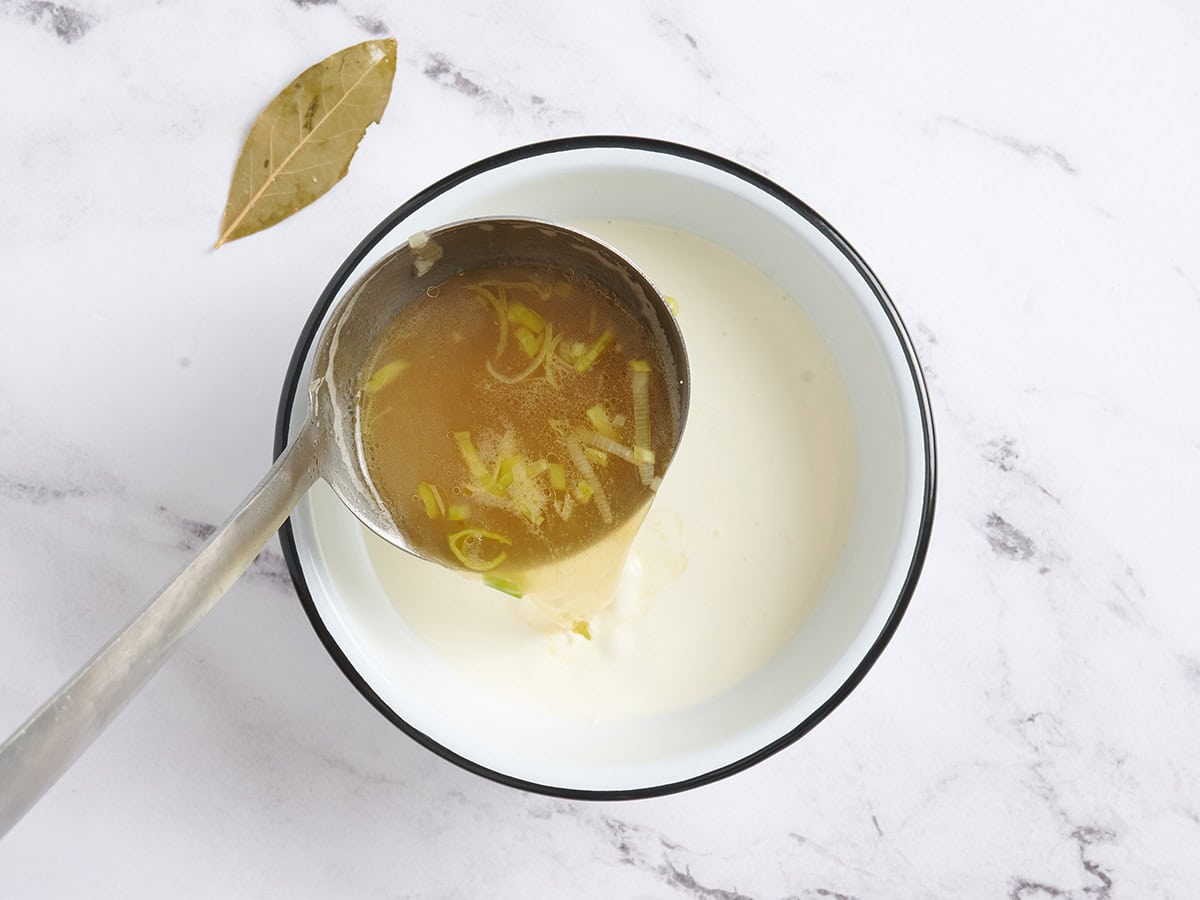
- Emulsification and Tempering (Minutes 30–45): This is the most critical phase. The introduction of heavy cream requires a "tempering" technique—gradually whisking hot broth into the room-temperature cream—to prevent protein denaturation and subsequent curdling.
- Final Integration (Minutes 45–55): Half of the soup is pureed in a blender to create a silky base, which is then recombined with the remaining chunky broth and the reserved diced potatoes. This results in a multi-textured mouthfeel that is both smooth and substantial.
Economic Analysis and Market Accessibility
In an era of fluctuating food prices and inflationary pressure on household budgets, the economic profile of potato leek soup is particularly noteworthy. The Nashville Test Kitchen’s analysis provides a comprehensive cost breakdown:
- Total Recipe Cost: $8.46
- Cost Per Serving: $1.05 (based on 8 servings)
These figures demonstrate a significant value proposition compared to commercially processed or restaurant-prepared soups, which can retail for $5.00 to $12.00 per serving. The use of cost-saving measures, such as "Better Than Bouillon" concentrates rather than pre-packaged liquid broths, allows for a lower price point without compromising flavor intensity.
Nutritionally, the soup provides 289 calories per serving, with 32 grams of carbohydrates and 17 grams of fat. The sodium content, measured at 1051mg (46% of the daily value), is a factor that home cooks can adjust by utilizing low-sodium broth bases. The inclusion of four grams of fiber per serving highlights the benefits of the "skin-on" potato technique, which adds nutritional value that is often discarded in traditional French potage preparations.
Expert Perspectives on Culinary Instruction
Chef Jess Rice, a former Chef Professor at Niagara College and a prominent figure in the Nashville culinary scene, emphasizes the educational value of such recipes. Rice, who has transitioned from high-end celebrity private chef work to raw vegan restaurateur and culinary educator, advocates for the "accessible excellence" found in this dish.
"The goal is to teach techniques that are transferable," Rice noted in her analysis. "Tempering cream, managing allium aromatics, and understanding starch behavior are fundamental skills. When a home cook masters these in a budget-friendly context, they are building a foundation for more complex gastronomy."
Rice’s background in international food theory and classic culinary techniques informs the "rigorous testing" conducted in the Nashville facility. The emphasis on "Nashville Test Kitchen" standards ensures that recipes are not only delicious but also repeatable for the average consumer, regardless of their access to specialized equipment.

Implications for Sustainable and Seasonal Eating
The broader impact of this dish lies in its alignment with seasonal eating patterns. Root vegetables and alliums are traditionally available during the "chilly months," making them a sustainable choice for winter menus. Furthermore, the recipe’s adaptability for vegetarian and gluten-free diets increases its utility in diverse social settings.
The recommendation against freezing the soup is a fact-based cautionary note regarding food physics. Cream-based emulsions and cooked potatoes are susceptible to syneresis—the separation of liquid from a gel-like structure—when subjected to freezing and thawing. The starch granules in the potatoes can become grainy, and the fat in the cream can separate, leading to a loss of the "silky" texture that defines the dish. Instead, the recipe suggests a three-to-four-day refrigeration window, reflecting a realistic approach to meal prep and food safety.
Conclusion: The Convergence of Tradition and Technique
The modern Potato Leek Soup represents more than just a seasonal meal; it is a case study in how technical precision can elevate humble ingredients. By applying scientific principles to starch management and aromatic development, culinary professionals have refined a classic dish into a model of economic and nutritional efficiency. As consumer interest in home-cooked, "comfort" meals continues to rise, the dissemination of such high-quality, tested methodologies remains a vital service in the landscape of contemporary food media. Through the efforts of educators like Jess Rice and the Nashville Test Kitchen, the bridge between professional technique and home kitchen accessibility remains robust, ensuring that the legacy of traditional soups continues to evolve for future generations.
