
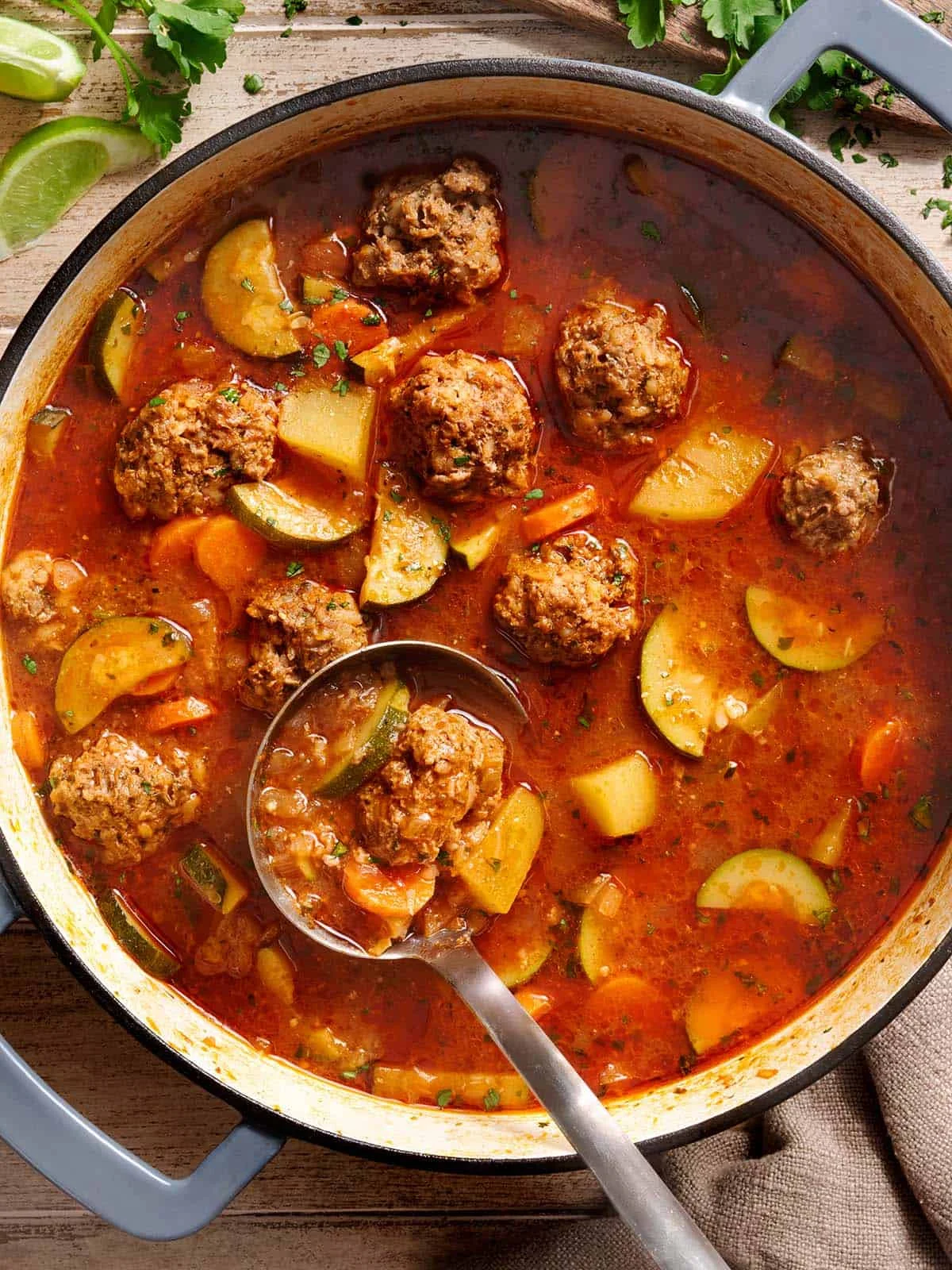
The traditional Mexican meatball soup, known globally as Albondigas, represents a sophisticated intersection of transcontinental history, culinary science, and modern economic meal planning. Characterized by its light yet flavorful tomato-based broth, tender beef meatballs bound with rice, and an array of hearty vegetables, the dish has transitioned from a regional staple to a centerpiece of affordable, health-conscious home cooking. Recent data from culinary test kitchens, including the Nashville-based Budget Bytes facility, highlights the soup’s continued relevance in an era of rising food costs, offering a nutritionally dense meal for approximately $2.13 per serving.
Historical Origins and Etymological Evolution
The history of Albondigas is a narrative of cultural synthesis. The term "albóndiga" is derived from the Arabic word al-bunduq, which translates to "the hazelnut" or, more broadly, "a small, round object." This etymology reflects the Moorish influence on the Iberian Peninsula during the Middle Ages. Historians note that the Moors introduced the concept of seasoned, minced meat rolled into small balls to Spain. Following the Spanish conquest of the Americas, these culinary techniques merged with indigenous Mexican ingredients and flavor profiles.
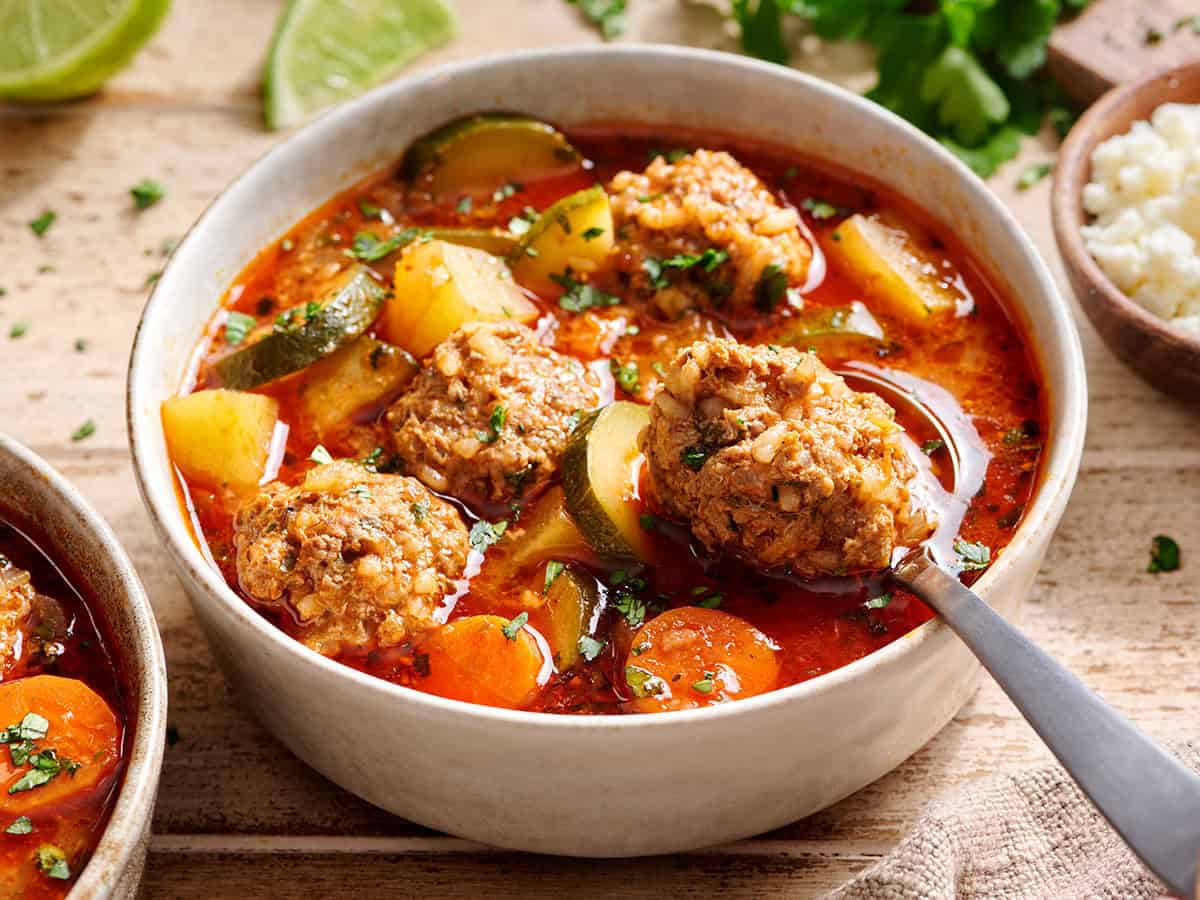
While the Spanish version of albóndigas is often served as a tapa in a thick tomato sauce or almond-based gravy, the Mexican iteration evolved into a "sopa" or "caldo" (soup or broth). This adaptation allowed for the inclusion of local produce such as zucchini (calabacitas), potatoes, and carrots, transforming a protein-heavy dish into a balanced, one-pot meal. The integration of rice directly into the meatball—rather than serving it on the side—is a hallmark of the Mexican style, serving both as a binder and a texture enhancer.
Culinary Analysis: The Nashville Test Kitchen Standards
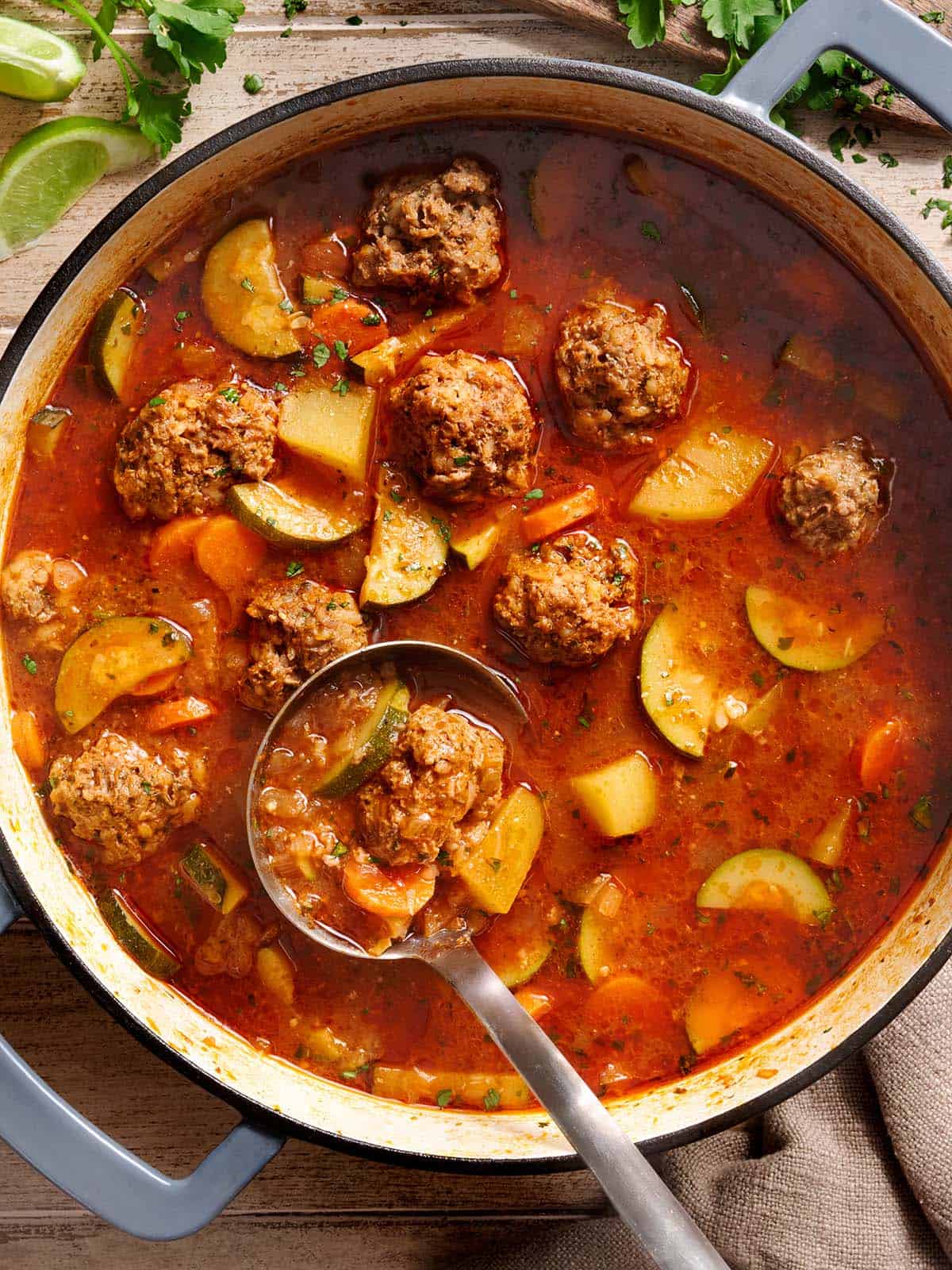
The development of a standardized Albondigas recipe requires rigorous testing to balance flavor extraction with structural integrity. According to reports from the Nashville Test Kitchen, the modern iteration of this soup focuses on accessibility and dietary inclusivity. One significant deviation from Western meatball traditions is the substitution of breadcrumbs with uncooked white rice.
From a culinary science perspective, the use of uncooked rice serves a dual purpose. First, as the meatballs simmer in the broth, the rice grains expand, absorbing the juices from the ground beef and the aromatic spices. This prevents the meatballs from becoming dense or dry. Second, this substitution renders the dish naturally gluten-free, catering to a growing demographic of consumers with specific dietary requirements.
The flavor profile is constructed through a layered approach:
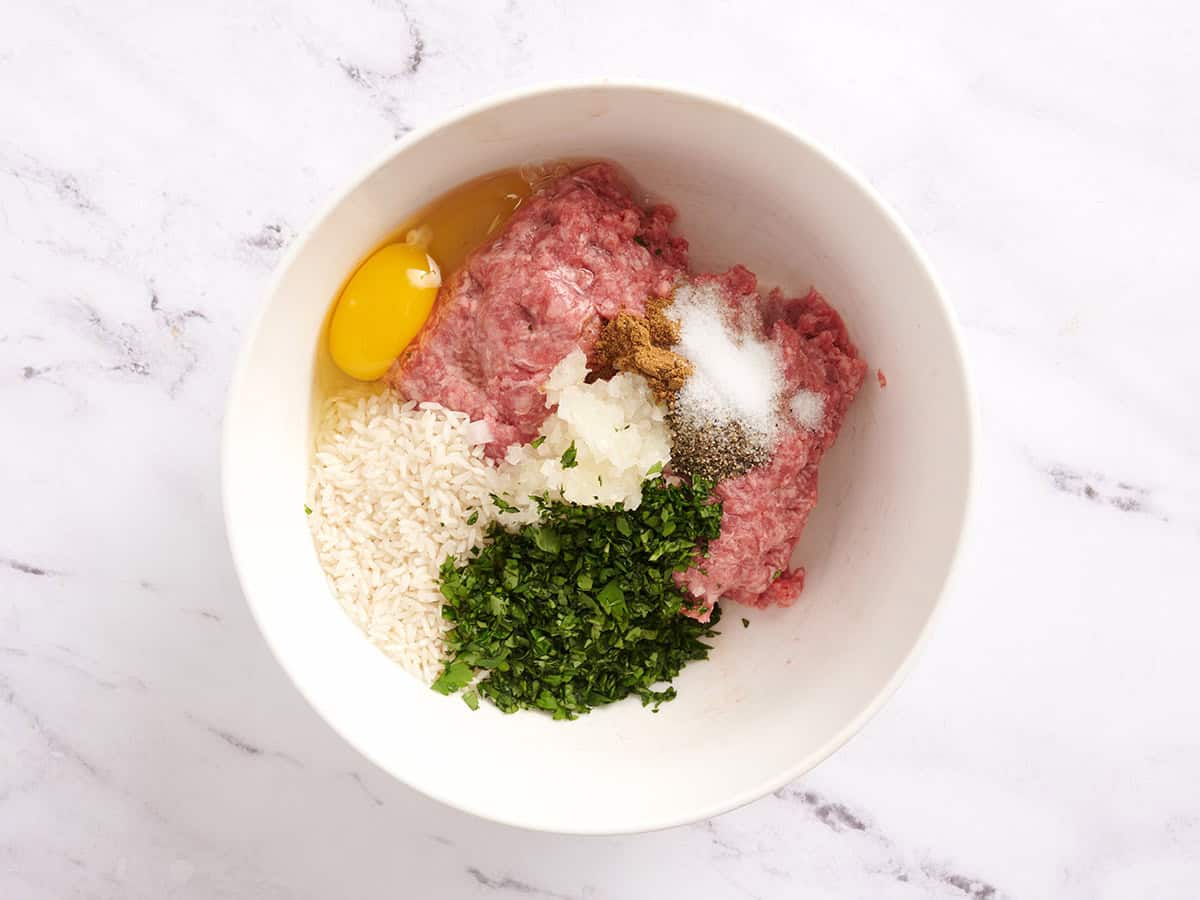
- The Meatball Base: Utilizing a 1 lb. unit of ground beef, the protein is augmented with aromatics including finely minced onion, garlic, and fresh cilantro. The inclusion of ground cumin provides an earthy undertone, while eggs act as a secondary binding agent.
- The Broth (The Caldo): The base is built on a foundation of beef broth and tomato sauce (or passata). The "Better Than Bouillon" concentrate is frequently cited as a gold standard in test kitchens for its consistent sodium and flavor levels.
- The Vegetable Component: Yukon Gold potatoes are favored for their ability to maintain shape during simmering, while carrots provide sweetness and zucchini adds a fresh, textural contrast added in the final stages of cooking to prevent mushiness.
Economic Impact and Cost Analysis
In the current economic climate, the affordability of home-cooked meals has become a primary concern for households. A detailed cost analysis of the Albondigas recipe reveals a total expenditure of $12.78 for a six-serving yield. This positions the dish as a highly competitive alternative to processed convenience foods or restaurant dining.
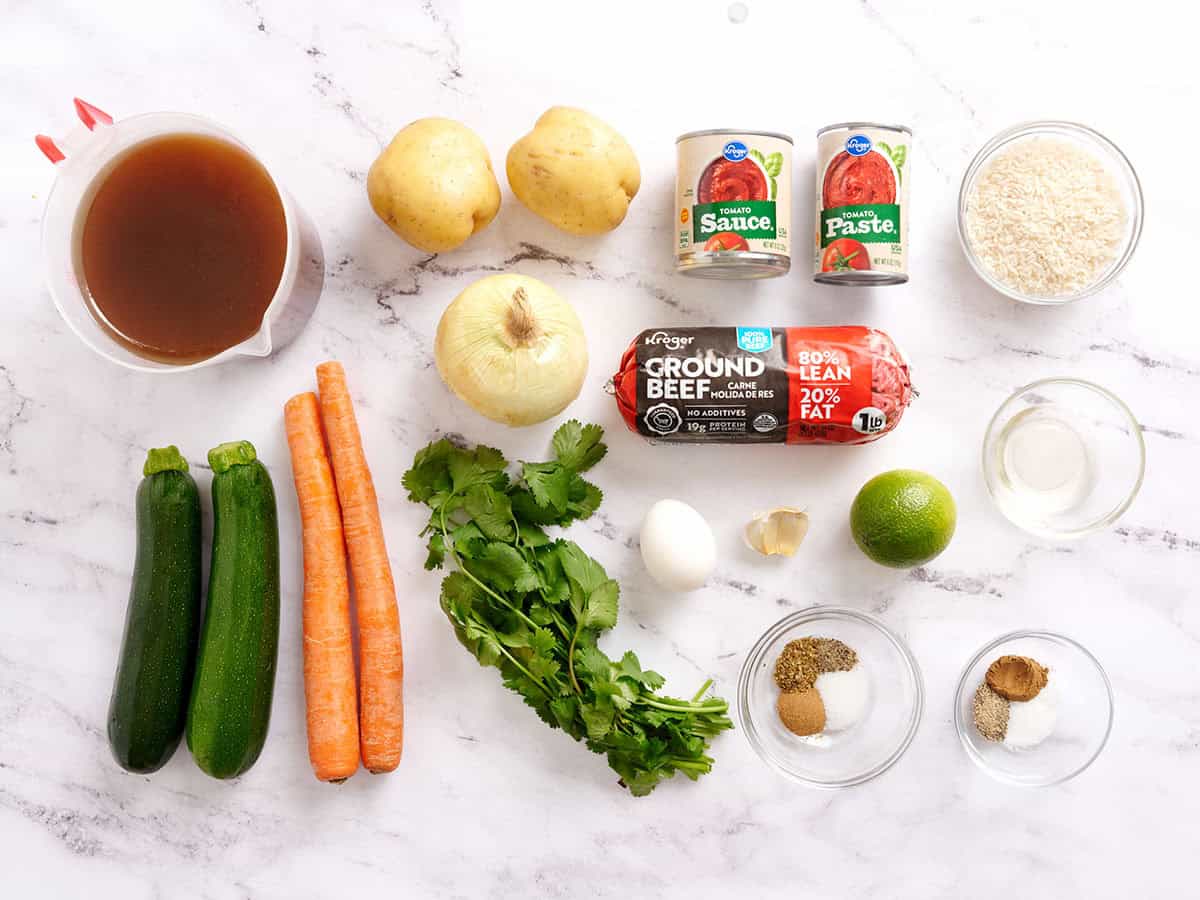
Cost Breakdown per Component:
- Protein: Ground beef remains the most significant investment, yet by extending the meat with rice and vegetables, the cost per gram of protein is minimized.
- Produce: By utilizing staple vegetables like carrots and potatoes, which have a lower price-per-pound ratio compared to exotic produce, the bulk of the soup remains inexpensive.
- Pantry Staples: The use of dried oregano, cumin, and tomato paste allows for high flavor impact at a negligible per-use cost.
Economic analysts observe that "brothy soups" like Albondigas provide high satiety levels due to their water and fiber content, making them an ideal strategy for "budget-friendly meal prep." Furthermore, the flavor profile of the soup is known to enhance after 24 hours of refrigeration, as the spices continue to infuse the broth and the proteins, reducing food waste by encouraging the consumption of leftovers.
Nutritional Profile and Health Implications
A standard two-cup serving of Mexican Meatball Soup provides a robust nutritional profile, though it requires mindfulness regarding sodium intake. Data indicates that one serving contains approximately 390 calories, 21 grams of protein, and 4 grams of fiber.
The protein content is substantial, supporting muscle maintenance and metabolic health. However, the sodium level is recorded at 1799 mg, representing approximately 78% of the recommended daily value. Health professionals suggest that for individuals on sodium-restricted diets, the use of low-sodium beef broth and the omission of added salt in the meatball mixture can significantly improve the dish’s health profile without compromising the essential "comfort food" characteristics.
The inclusion of fresh lime juice as a finishing element is not merely a traditional preference but a functional culinary choice. The citric acid in the lime brightens the heavy flavors of the beef and starch, while the Vitamin C aids in the absorption of iron from the ground beef.
Chronology of Preparation: A Systematic Approach
The preparation of Albondigas is a timed process designed to ensure that all components—meat, starch, and vegetable—reach peak doneness simultaneously.
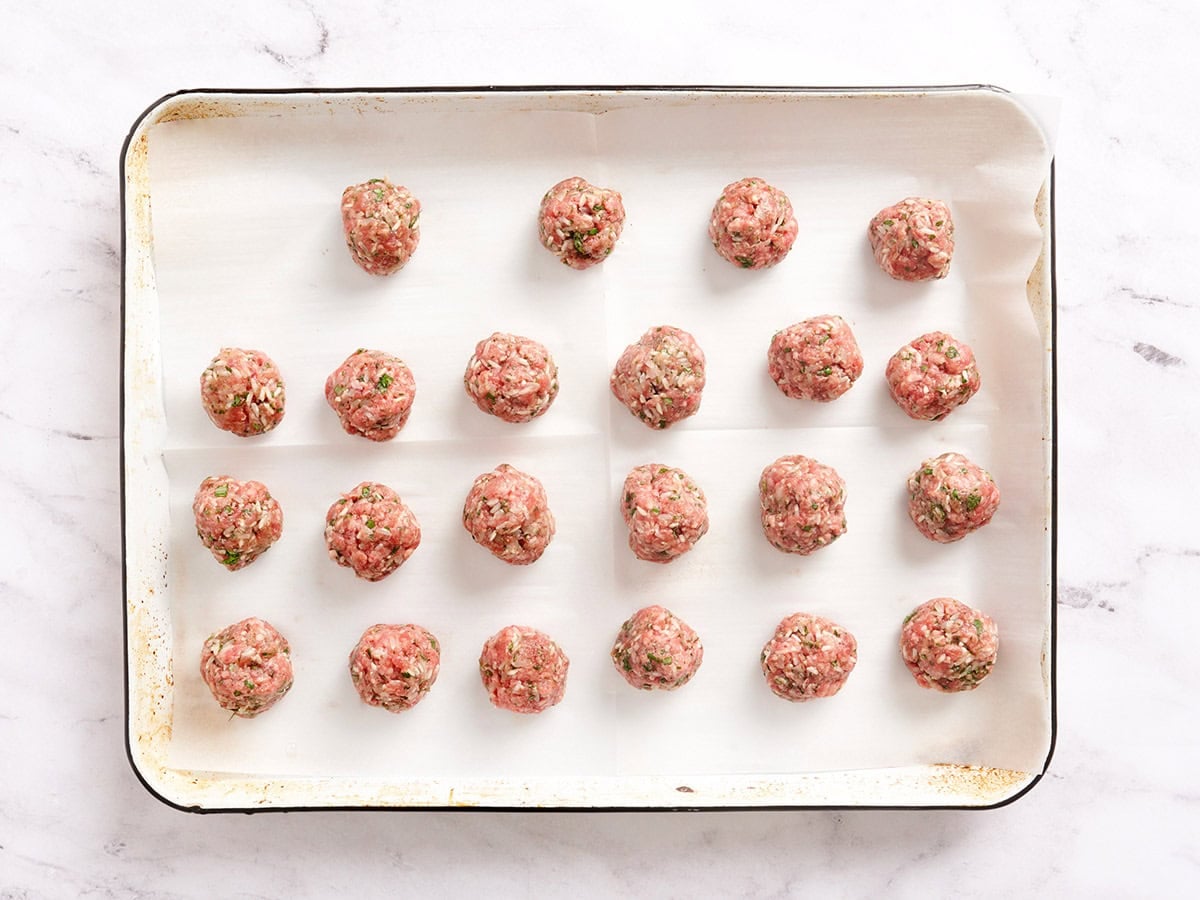
- Phase I: Composition (0–15 Minutes): The meatball mixture is prepared and rolled into 1.5-inch spheres. Precision in sizing is critical for uniform cooking.
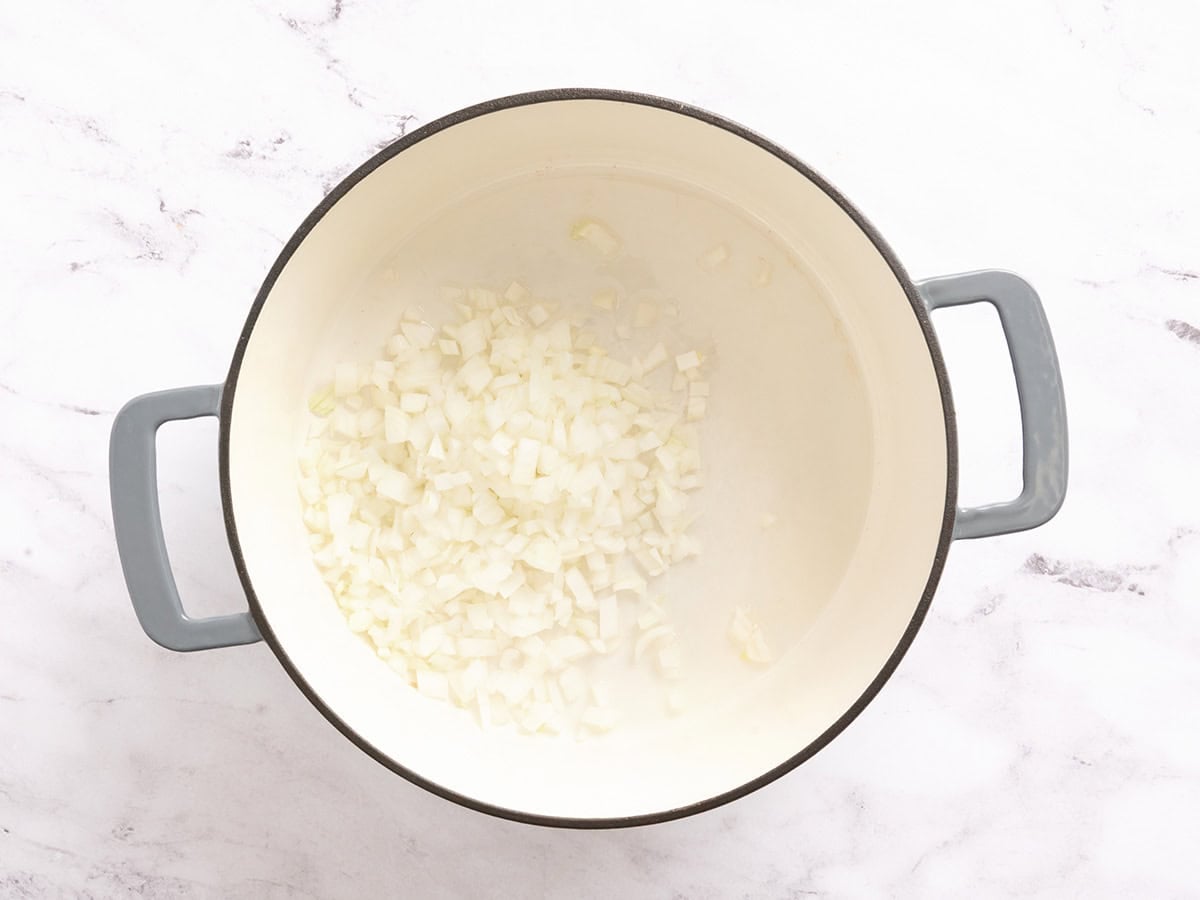
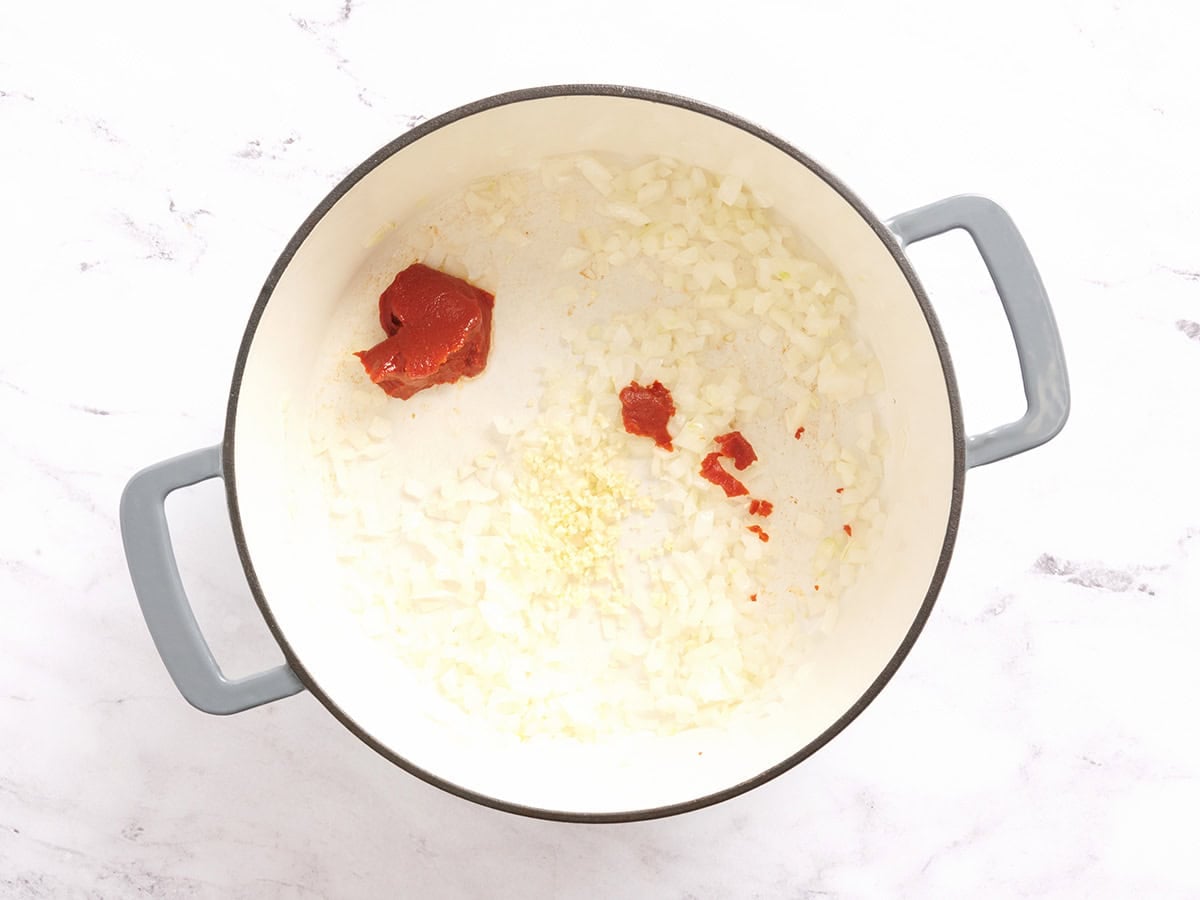
- Phase II: Sauté and Base Construction (15–25 Minutes): Aromatics (onions and garlic) are softened in oil, followed by the "blooming" of tomato paste to deepen the umami profile. The liquid base and hardy vegetables (carrots and potatoes) are then introduced.
- Phase III: Simmering and Integration (25–45 Minutes): The meatballs are lowered into the simmering broth. A critical technical note from the Nashville Test Kitchen advises against stirring for the first five minutes to allow the proteins to set, preventing the meatballs from disintegrating.
- Phase IV: Finishing (45–55 Minutes): Zucchini is added in the final five minutes. The process concludes with the addition of fresh lime juice and cilantro to ensure the volatile oils and acids are not lost to prolonged heat.
Cultural Significance and Consumer Trends
Albondigas soup remains a cornerstone of "comfort food" in Mexican-American households and across Mexico. It is frequently categorized as a "home-style" dish rather than "haute cuisine," emphasizing its role in family gatherings and restorative health (often served to those recovering from illness).
Market research into consumer cooking habits shows a resurgent interest in "globally inspired" recipes that utilize familiar supermarket ingredients. As consumers seek to diversify their palates without the expense of specialty grocers, dishes like Albondigas—which use standard beef, rice, and root vegetables—see a spike in digital engagement and recipe searches. The "one-pot" nature of the dish also aligns with the modern consumer’s desire for reduced cleanup and simplified kitchen workflows.
Broader Implications for the Food Industry
The popularity of standardized, tested recipes like the one provided by Jennie Alley for Budget Bytes reflects a shift in the food media landscape. There is an increasing demand for "rigorously tested" content that guarantees success for the home cook. This trend forces a move away from purely aspirational food photography toward educational, step-by-step guidance that includes cost-per-serving data.
Furthermore, the adaptation of traditional recipes to meet modern dietary needs (such as the gluten-free rice binder) demonstrates how traditional cuisine can be preserved while evolving to remain inclusive. As the food industry continues to grapple with supply chain fluctuations and inflation, the Albondigas model—maximizing low-cost starches and vegetables to stretch high-cost proteins—provides a blueprint for sustainable, affordable nutrition.
In conclusion, Mexican Meatball Soup is more than a simple culinary preparation; it is a historical artifact that has been refined by modern nutritional science and economic necessity. Its ability to provide a "layered and comforting" experience while remaining accessible to the average household ensures its place in the global culinary canon for the foreseeable future. Whether viewed through the lens of history, economics, or gastronomy, Albondigas remains a testament to the power of simple ingredients treated with technical precision.
