
Potato leek soup, traditionally known in French cuisine as Potage Parmentier, remains a cornerstone of affordable, nutrient-dense home cooking, particularly during the winter months when seasonal produce is limited. As food inflation continues to impact household budgets globally, the Nashville Test Kitchen has released a refined, cost-effective methodology for preparing this classic dish, emphasizing a balance between culinary technique and economic pragmatism. This report examines the specific preparation methods, the nutritional profile of the ingredients, and the broader implications of zero-waste cooking as demonstrated by this specific recipe.

The Evolution of a Culinary Staple
The combination of potatoes and leeks has long been celebrated for its simplicity and depth of flavor. Historically, the dish gained prominence through the work of Antoine-Augustin Parmentier, a French pharmacist who promoted the potato as a major food source in the late 18th century. Today, the dish is recognized for its versatility, serving as the base for the chilled Vichyssoise or as a warm, rustic "stick-to-your-bones" comfort food. The Nashville Test Kitchen’s approach focuses on the latter, prioritizing a texture that combines silky puree with tender, whole chunks of potato.
By utilizing simple aromatics—leeks and garlic—and the natural creaminess of Yukon Gold potatoes, the recipe avoids the need for expensive thickeners or complex additives. The result is a meal that provides significant satiety for approximately $1.05 per serving, a figure that stands in stark contrast to the rising costs of processed and pre-packaged soup alternatives.

Detailed Chronology of Preparation
The preparation of a high-quality potato leek soup requires a specific sequence of actions designed to preserve the structural integrity of the starches and the delicate volatile oils of the aromatics.
Phase I: Preparation and Boiling
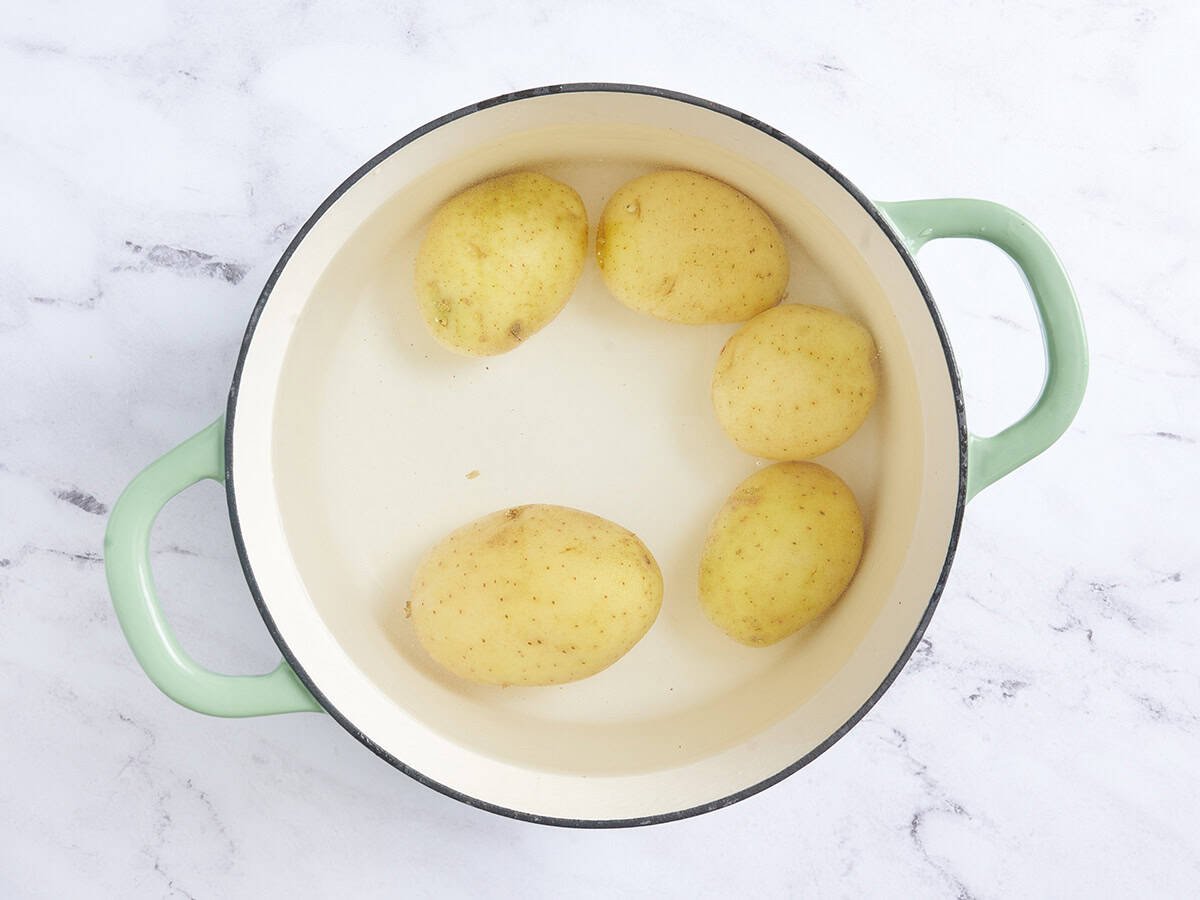
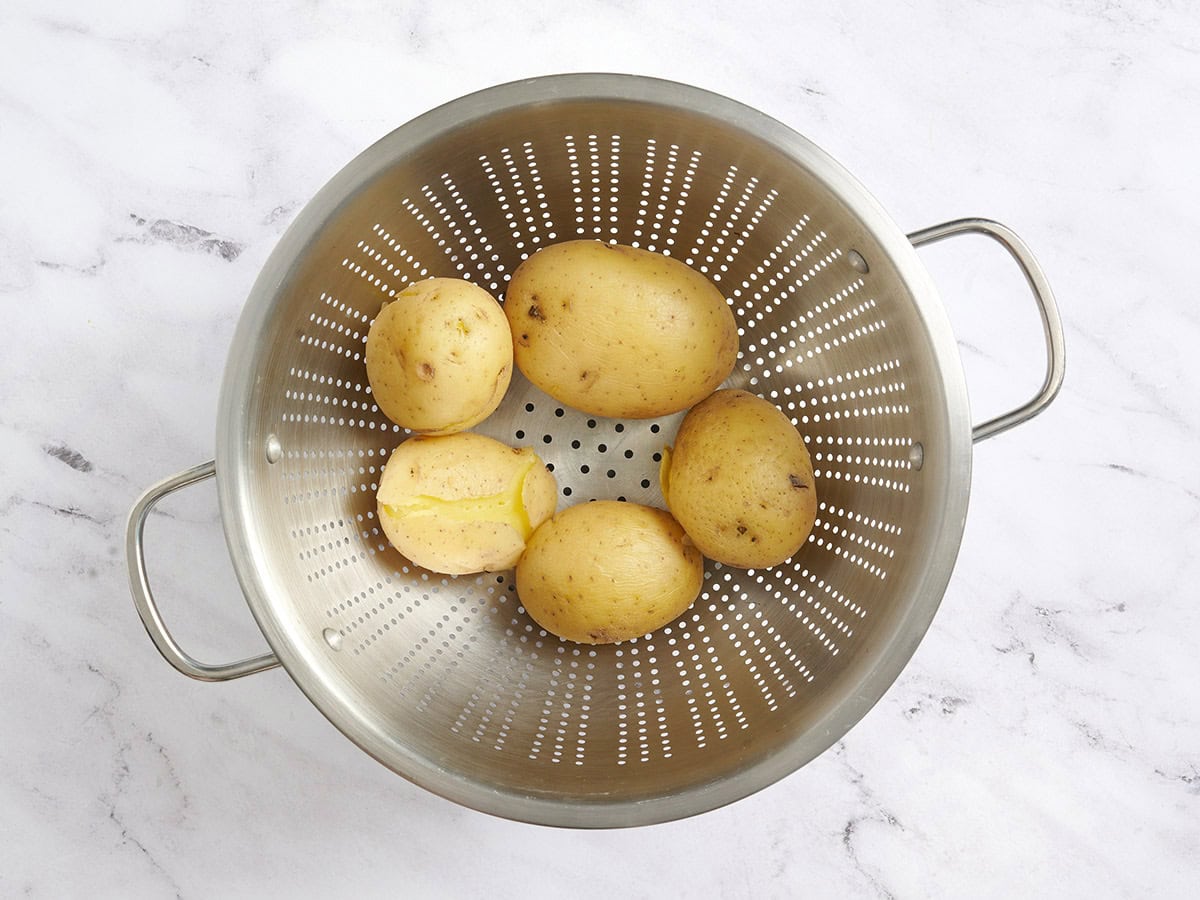
The process begins with 2.5 pounds of Yukon Gold potatoes. Unlike many modern recipes that call for peeling and cubing prior to boiling, the Nashville methodology recommends boiling the potatoes whole with the skins on. This technique serves a dual purpose: it prevents the potatoes from absorbing excess water, which can lead to a gummy or "dull" texture, and it allows the skins to contribute a deeper, earthier flavor profile to the final product. The potatoes are boiled in a large pot for 15 to 20 minutes until fork-tender.

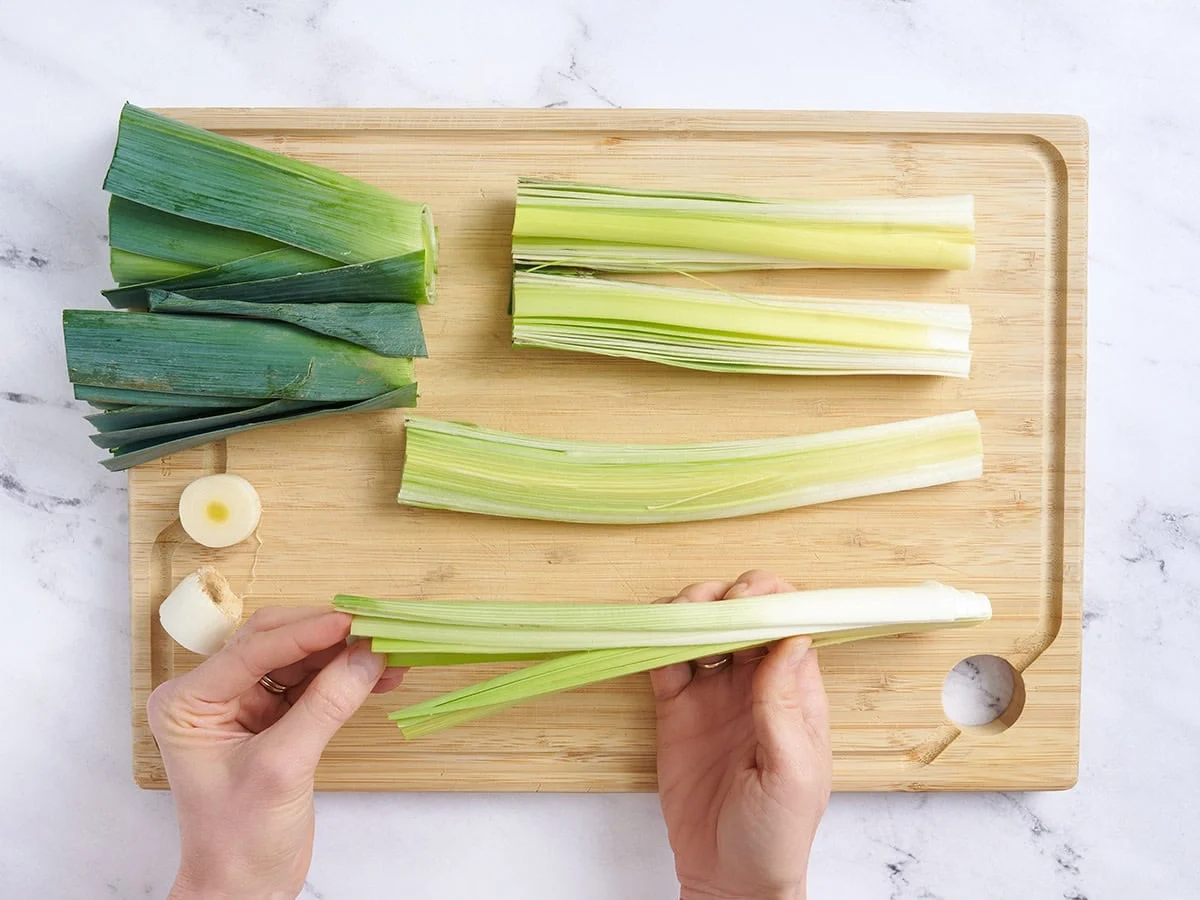
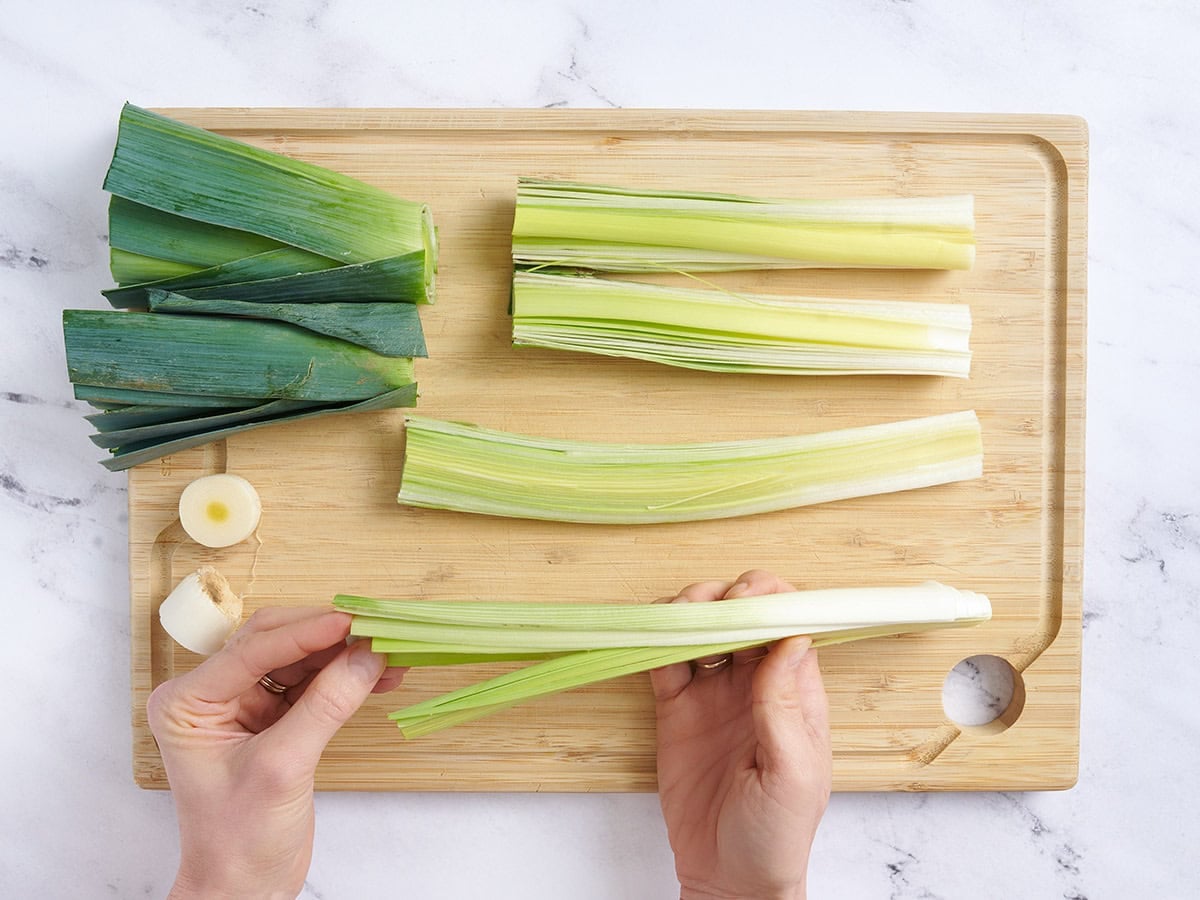
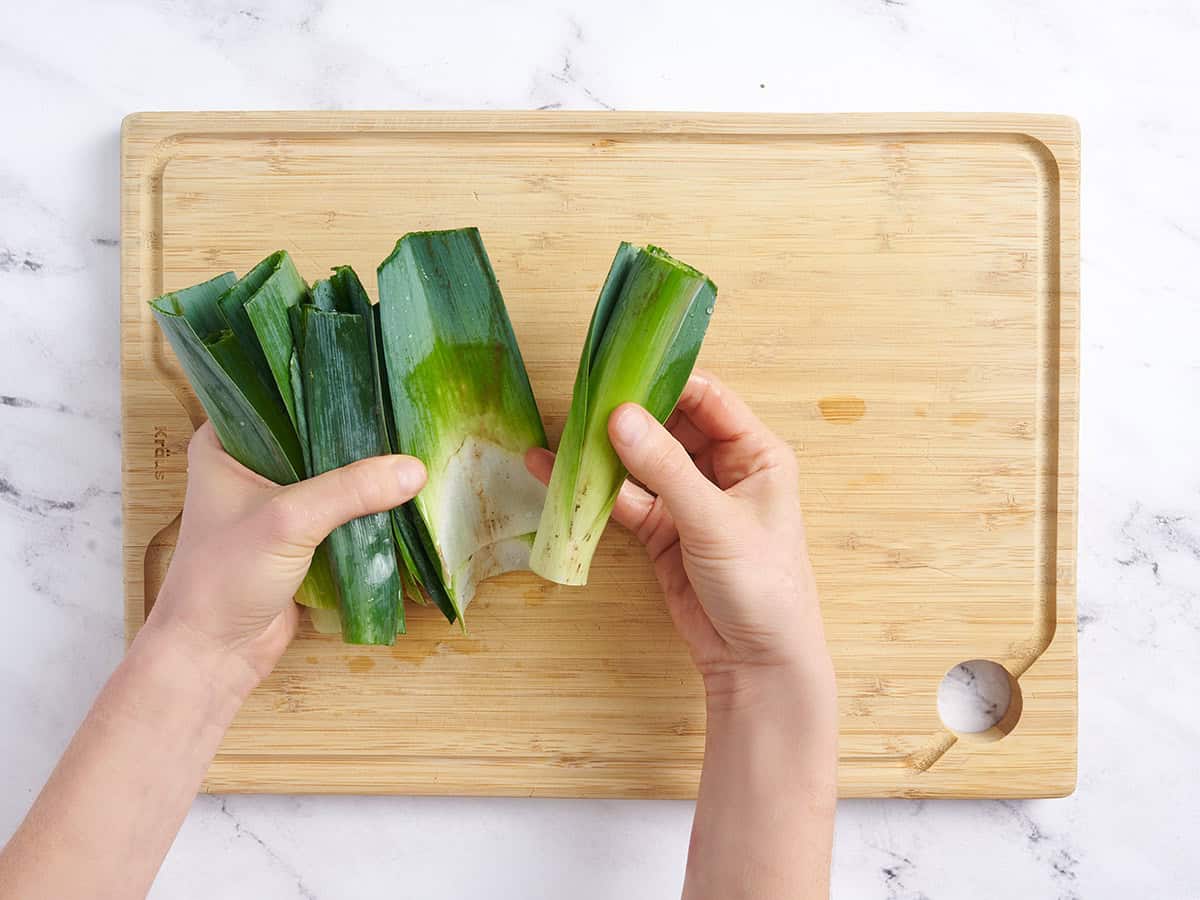
Simultaneously, the cleaning of the leeks is identified as a critical step. Leeks, members of the Allium family, are grown in sandy soil and often trap grit between their layers. The process involves trimming the tough, dark green outer leaves and the root ends, focusing on the tender, light green and white inner layers.
Phase II: Sautéing and Aromatics
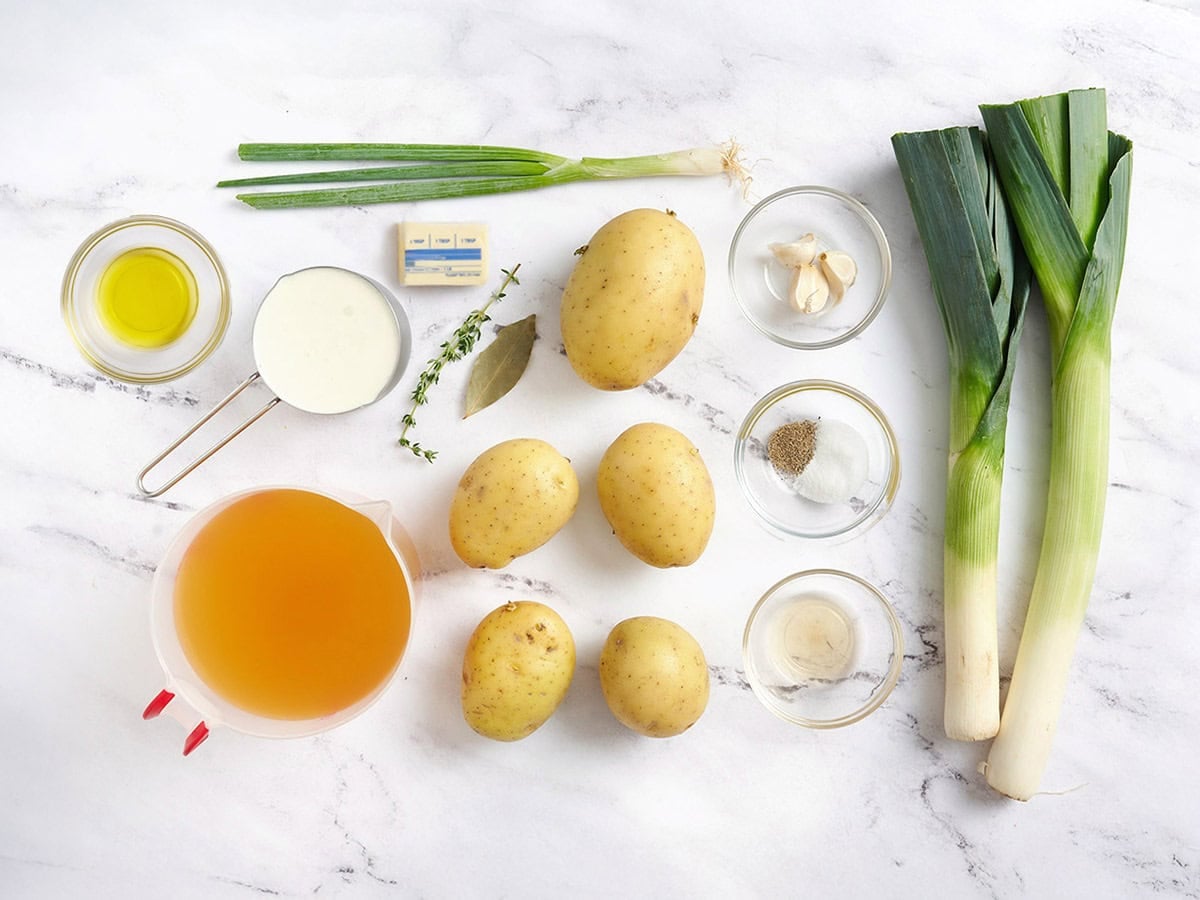
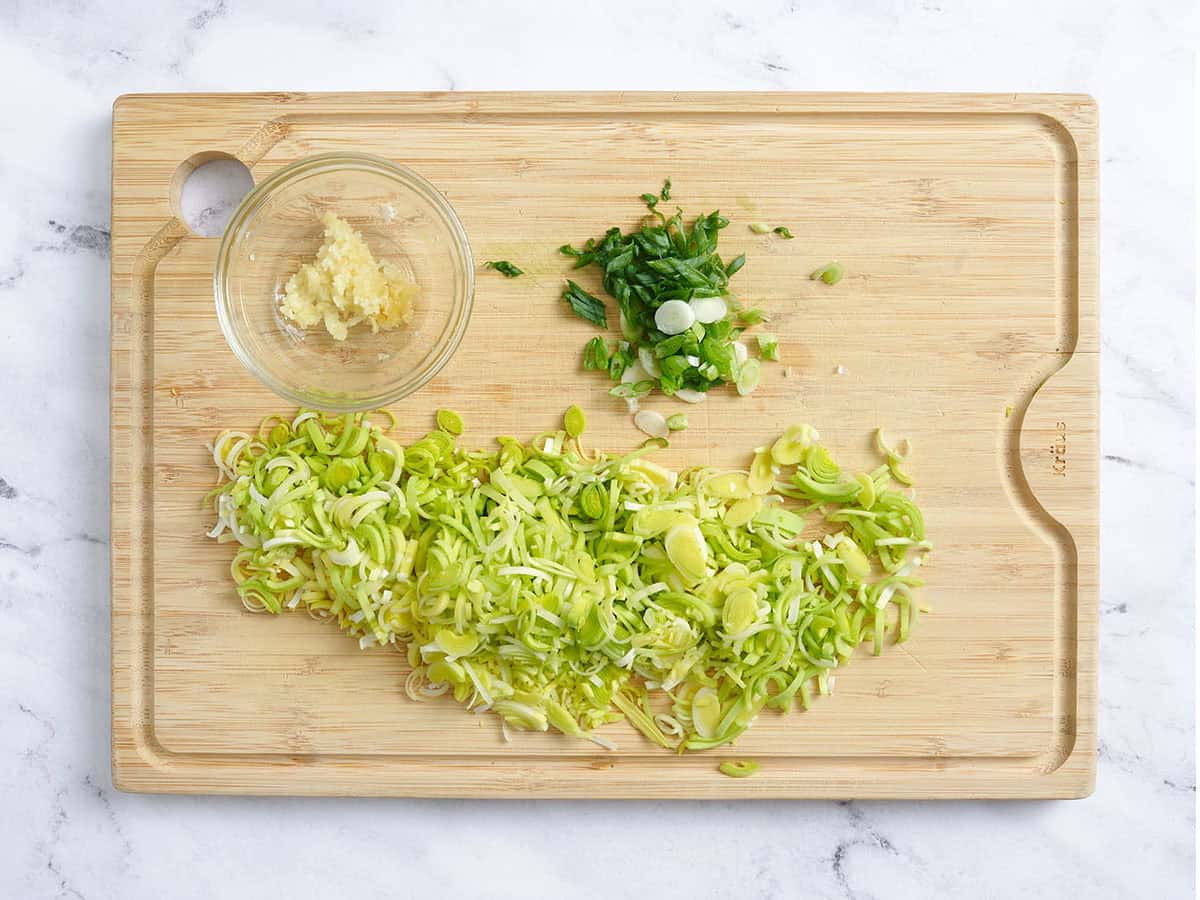
Once the potatoes are drained and the aromatics are minced, the flavor base is established. In the same pot used for boiling, three tablespoons of salted butter and one tablespoon of olive oil are melted over medium heat. Two minced leeks and three cloves of garlic are sautéed for approximately eight minutes. This slow-cooking process allows the leeks to soften and lose their sharp onion-like bite, transforming into a mellow, buttery foundation. Salt and black pepper are added during this phase to build layers of seasoning.
Phase III: Assembly and Texture Management
The methodology employs a unique approach to texture. Approximately two cups of the cooked potatoes are diced into half-inch pieces and set aside. The remaining whole potatoes are returned to the pot with six cups of vegetable broth, a sprig of thyme, a bay leaf, and a teaspoon of apple cider vinegar. The vinegar acts as a crucial brightening agent, cutting through the richness of the starch and fat.
As the soup reaches a simmer, the whole potatoes are mashed directly in the pot. This creates a natural thickness without the immediate need for cornstarch or flour. To achieve a professional finish, half of the mixture is ladled into a blender and processed until smooth before being reintroduced to the pot. This "hybrid" texture—partially pureed and partially chunky—is a hallmark of the Nashville Test Kitchen standard.
Phase IV: Tempering and Final Seasoning
The final stage involves the introduction of one cup of heavy cream. To prevent the dairy from "splitting" or curdling upon contact with the hot broth, a tempering technique is utilized. A ladle of hot soup is slowly whisked into the room-temperature cream before the entire mixture is stirred back into the pot. The soup is then simmered on low for five to eight minutes, ensuring it does not reach a boil. The reserved diced potatoes and minced green onions are added at the very end to provide visual contrast and varied mouthfeel.
Economic and Nutritional Data Analysis
The financial viability of this recipe is a significant factor in its recommendation for household meal planning. Based on current market prices for bulk produce and pantry staples, the total cost for an eight-serving batch is calculated at $8.46.
Cost Breakdown per Component:
- Yukon Gold Potatoes (2.5 lbs): $2.50 – $3.50
- Leeks (1.5 lbs untrimmed): $2.00 – $3.00
- Dairy (Heavy Cream/Butter): $1.50 – $2.00
- Pantry Staples (Broth, Garlic, Oil, Vinegar): $1.00 – $1.50
From a nutritional standpoint, the soup offers a balanced profile for a vegetarian-friendly meal. Each serving contains approximately 289 calories, 32 grams of carbohydrates, and 4 grams of protein. While the sodium content is relatively high at 1051 mg (46% of the daily value), this is largely dependent on the type of broth used. The use of "Better Than Bouillon" or similar concentrates is recommended for cost-efficiency, though low-sodium versions can be substituted to improve the health profile.
The inclusion of potato skins and leeks provides 4 grams of fiber per serving, contributing to digestive health and prolonged satiety. Furthermore, potatoes are a significant source of potassium and Vitamin C, which are essential for immune function during the winter season.
Sustainability and the "Zero-Waste" Kitchen
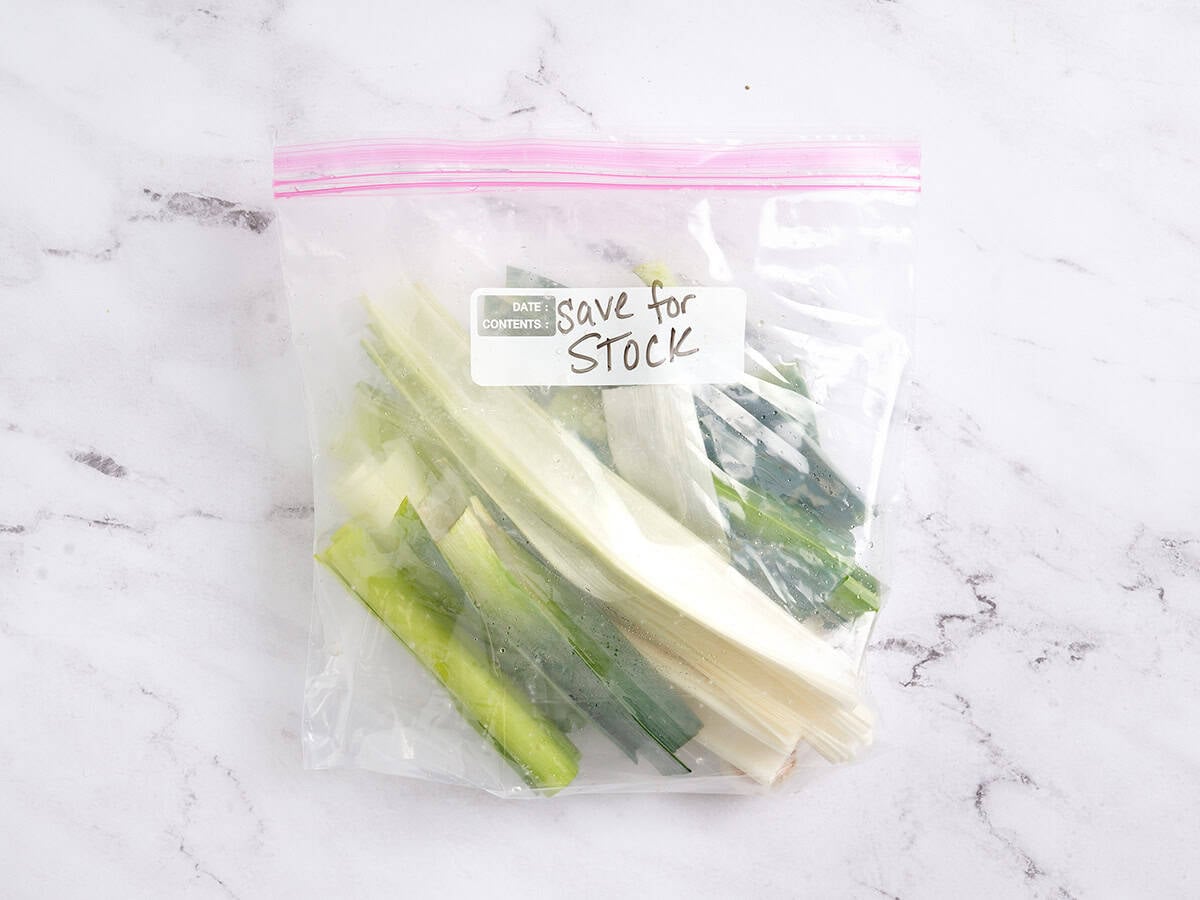
A notable aspect of the Nashville Test Kitchen’s guidance is the emphasis on culinary sustainability. Leeks are notorious for having a high percentage of "waste" in the form of tough green tops and root ends. However, the methodology instructs home cooks to wash and freeze these scraps for future use in homemade vegetable stock.
This practice aligns with broader industry trends toward "circular cooking," where every part of the ingredient is utilized. By saving leek trimmings, onion skins, and garlic ends, households can further reduce their grocery expenses by eliminating the need to purchase pre-made vegetable broth for future recipes.
Expert Commentary and Nashville Test Kitchen Standards
The development of this recipe was overseen by Jess Rice, a Chef Professor and experienced restaurateur. Rice’s background in food theory and classic culinary techniques at Niagara College informed the specific "whole-boil" method used for the potatoes. According to the Test Kitchen, every recipe undergoes rigorous testing to ensure it meets three primary criteria: ease of execution, affordability, and flavor density.
The decision to recommend Yukon Gold potatoes over Russets or Red potatoes was a deliberate choice based on starch content. Yukon Golds are classified as "all-purpose" or "medium-starch," providing enough creaminess to thicken the soup when mashed, yet holding their shape when diced. This prevents the soup from becoming overly "pasty," a common failure in amateur potato soup preparation.
Broader Impact and Implications for Home Cooks
The resurgence of interest in classic, low-cost soups like Potato Leek reflects a shift in consumer behavior. As dining out becomes increasingly expensive, the "home-as-the-new-restaurant" trend has placed a premium on recipes that feel "gourmet" but use "peasant" ingredients.
The implications of this recipe extend beyond the kitchen. It serves as an educational tool for teaching foundational skills:
- Sautéing: Understanding the transition from raw to translucent aromatics.
- Emulsification/Tempering: Managing temperature differences when combining dairy and acids.
- Texture Control: Learning how to manipulate starch through mashing and blending.
Furthermore, the soup’s storage capabilities make it an ideal candidate for "meal prepping." While the recipe authors advise against freezing due to potential texture degradation (the "grainy" effect caused by ice crystals breaking down potato starch and dairy fat), the soup remains stable in refrigeration for three to four days. This makes it a viable option for working individuals seeking nutritious, heat-and-eat lunches.
Conclusion
The Creamy Potato Leek Soup recipe provided by the Nashville Test Kitchen is more than a seasonal meal; it is a case study in efficient, high-quality home economics. By focusing on technique—such as boiling potatoes whole and tempering cream—rather than expensive ingredients, the recipe achieves a professional-grade result for a fraction of the cost of commercial alternatives. As households continue to navigate a complex economic landscape, the mastery of such "foundational" dishes remains an essential skill for ensuring both physical and financial well-being.
