
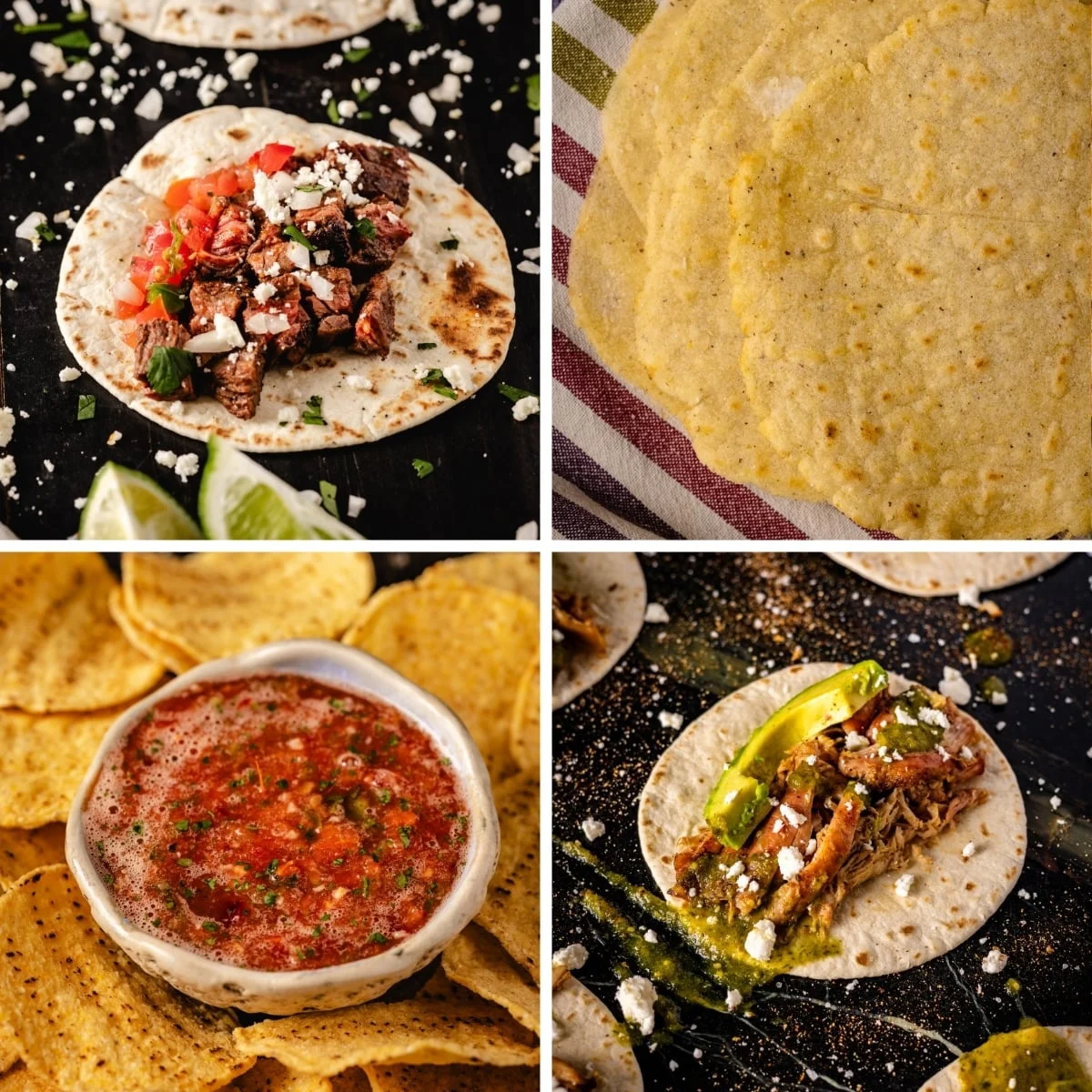
The evolution of backyard barbecue culture in the United States has transitioned from simple hot dog and hamburger preparation to a sophisticated pursuit of global flavors, with the grilled taco bar emerging as a premier format for social entertaining. As outdoor cooking technology advances and consumer interest in authentic international cuisines grows, the methodology behind creating high-quality tacos—ranging from smoky beef barbacoa to citrus-infused chile lime chicken—has become a focal point for home chefs seeking to replicate professional-grade culinary experiences. This shift is supported by broader market trends; according to the Tortilla Industry Association, tortillas now outsell burger buns in the U.S. retail market, reflecting a structural change in American dietary preferences. To successfully execute a comprehensive taco night, one must integrate precise heat management, chemical flavor balancing through artisanal rubs, and the traditional science of tortilla production.
The Foundation of the Taco: Science and Selection of Tortillas
The structural integrity of a taco is entirely dependent on its base: the tortilla. Culinary historians note that the transition from industrial, shelf-stable tortillas to fresh, hand-pressed varieties marks the difference between a standard meal and a gourmet experience. In the context of backyard grilling, the choice between corn and flour tortillas involves both flavor profiles and mechanical properties.

Corn tortillas, produced through the ancient process of nixtamalization—where corn is soaked and cooked in an alkaline solution—offer a robust, earthy flavor and a sturdy texture that holds up well against heavy, moist meats like barbacoa. Conversely, flour tortillas provide a soft, pliable medium that excels with grilled poultry or seafood. Data from consumer research indicates that while corn remains the preference for traditionalists, flour tortillas dominate in Northern Mexican and Tex-Mex styles due to their caloric density and ease of manufacturing. For the outdoor cook, the application of direct flame to a fresh tortilla induces a light char and a subtle smokiness that cannot be replicated in a standard kitchen environment, enhancing the overall sensory profile of the dish.
Flavor Engineering: The Role of Rubs and Seasoning Profiles
The chemistry of a successful taco begins with the seasoning, often referred to as a "rub" in the barbecue community. Professional-grade rubs, such as the "Fiesta Rub" utilized by industry experts, are designed to trigger multiple taste receptors simultaneously. The inclusion of salt facilitates the Maillard reaction—a chemical reaction between amino acids and reducing sugars that gives browned food its distinctive flavor—while chili powders provide capsaicin-driven heat.
A balanced taco seasoning typically incorporates several key components:

- Savory Depth: Provided by cumin, garlic powder, and onion powder.
- Brightness: Often achieved through dehydrated lime juice or citric acid, which cuts through the fat of grilled meats.
- Heat: Derived from various pepper varieties, ranging from mild ancho to spicy cayenne.
Market analysis of the spice industry shows a 6.5% annual growth rate in "global blend" seasonings, as consumers move away from pre-packaged "taco kits" in favor of customized, high-quality ingredient profiles. The application of these seasonings to proteins prior to grilling allows for the development of a "bark" or crust, which traps moisture inside the meat while providing an external texture that complements the softness of the tortilla and toppings.
Protein Preparation: Thermal Dynamics and Smoking Techniques
The centerpiece of the taco bar is the protein, which requires specific thermal applications based on the cut of meat. The use of a grill or smoker allows for the introduction of wood-fired flavor, a hallmark of authentic Mexican street food.
Beef Barbacoa and Brisket: These cuts require "low and slow" cooking methods. The collagen in tough muscle fibers must be slowly broken down into gelatin at temperatures between 225°F and 250°F. This process typically takes several hours and is best achieved using indirect heat and wood smoke (such as pecan or oak). The result is a tender, shredded product that absorbs the accompanying salsas.

Al Pastor and Carne Asada: These styles rely on high-heat searing. Carne asada, usually made from flank or skirt steak, benefits from a rapid char over charcoal to achieve a medium-rare interior and a crispy exterior. Al Pastor traditionally uses a vertical broiler (trompo), but backyard adaptations involve thin-slicing pork shoulder marinated in achiote and pineapple, then grilling it to achieve caramelized edges.
Poultry and Seafood: These proteins require precise internal temperature monitoring to avoid desiccation. Chile lime chicken, for instance, is best prepared over medium-high heat until it reaches an internal temperature of 165°F, ensuring the meat remains succulent while the skin or exterior develops a char.
The Importance of Fresh Condiments and Salsa Selection
A taco is incomplete without the addition of acidity and texture provided by salsas and toppings. In a professional newsroom analysis of culinary trends, "freshness" is consistently cited as the primary driver of consumer satisfaction. The "show-stealing" salsa mentioned by experts often involves charring vegetables—tomatoes, tomatillos, onions, and peppers—directly on the grill before blending. This "roasted salsa" technique introduces a deep, smoky undertone that bridges the gap between the meat and the vegetable components.

Furthermore, the inclusion of "Smoked Queso" or artisanal cheeses provides a creamy contrast to the spice of the meat. The trend of "Backyard BBQ Heroism" is often predicated on the ability to provide a "custom taco bar," where guests can manipulate flavor profiles through various toppings such as pickled red onions, fresh cilantro, radishes, and lime wedges.
Chronology of a Successful Taco Event
To achieve a seamless "Taco Night," logistics and timing are essential. The following timeline represents a standard operating procedure for a high-level outdoor culinary event:
- T-Minus 24 Hours: Marinate proteins (Al Pastor, Carne Asada) to allow for deep flavor penetration and tenderization. Prepare dry rubs and store in airtight containers.
- T-Minus 6 Hours: Begin the smoking process for long-duration meats like barbacoa or pulled pork.
- T-Minus 2 Hours: Prepare fresh salsas and pickling agents (onions, jalapeños). This allows flavors to meld at room temperature or in the refrigerator.
- T-Minus 1 Hour: Prepare the tortilla dough (masa for corn or flour-based dough).
- T-Minus 30 Minutes: Set up the "Taco Bar" station with cold toppings and serving utensils.
- T-Minus 15 Minutes: Grill quick-cooking proteins (chicken, steak, shrimp) and press/grill fresh tortillas.
- Service: Maintain proteins in insulated containers or on a low-heat section of the grill to ensure food safety and optimal serving temperature.
Broader Implications: The Social and Economic Impact of Home Grilling
The rise of the "Backyard BBQ Hero" is more than a marketing concept; it reflects a broader socio-economic shift toward home-based "experiential dining." As the cost of dining out at premium establishments continues to rise, middle-to-high-income households are investing heavily in outdoor kitchen infrastructure. Industry reports from the Hearth, Patio & Barbecue Association (HPBA) indicate that over 70% of U.S. households own a grill or smoker, and the market for high-end outdoor cooking appliances reached record highs in the early 2020s.

Furthermore, the "sharing economy" of social media has transformed home cooking into a form of digital content creation. The emphasis on "sharing your taco night" via platforms like Instagram and YouTube serves as a feedback loop that encourages culinary skill development. By tagging brands and influencers, home cooks participate in a global community of practice, where techniques are refined and disseminated in real-time.
Conclusion: The Integration of Tradition and Innovation
Mastering the art of the grilled taco bar requires a synthesis of traditional Mexican culinary techniques and modern American barbecue technology. From the nixtamalization of corn for tortillas to the thermal breakdown of complex proteins, the process is rooted in food science. By focusing on high-quality ingredients, precise temperature control, and a structured preparation timeline, the home cook can elevate a simple meal into a sophisticated gastronomic event. As the popularity of outdoor cooking continues to grow, the ability to create a "scratch-made" taco bar remains a definitive mark of culinary proficiency in the modern era.
