
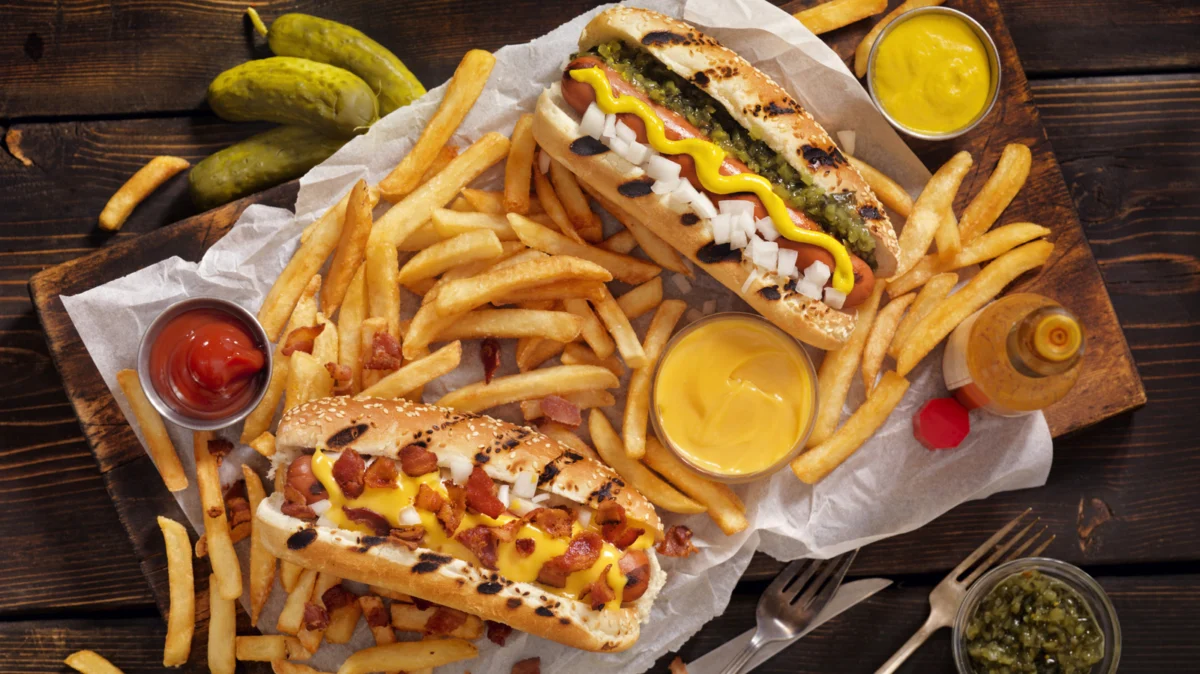
The American hot dog remains a cornerstone of the national culinary landscape, representing a intersection of historical migration patterns, regional pride, and accessible comfort food. While often dismissed as simple fare, the preparation of the perfect hot dog—balancing the snap of the casing, the quality of the meat, and the synergy of toppings—has become a specialized craft across the United States. Since its debut in 2007, the Food Network’s "Diners, Drive-Ins and Dives," hosted by Guy Fieri, has served as an unofficial chronicle of these regional variations. By visiting small-scale, independent establishments, the program has documented how the humble frankfurter has evolved into a canvas for culinary innovation.
A Chronology of Culinary Exploration
The trajectory of hot dog culture in the United States, as observed through the lens of Fieri’s travels, reveals a shift from standard, mass-produced concessions to artisanal, chef-driven concepts. In the early years of "Diners, Drive-Ins and Dives," the focus was largely on traditional regional styles, such as the classic Chicago-style dog or the chili-heavy varieties common in the Midwest and South. However, as the show progressed into its second and third decades, the establishments featured began to incorporate global flavors, ranging from Korean kimchi-topped franks to wagyu-based sausages, reflecting the shifting demographic and culinary interests of the American public.
The Evolution of the Regional Hot Dog
The regional identity of the hot dog is deeply tied to the demographics of the cities that birthed them. In Fairfield, Connecticut, Super Duper Weenie serves as a prime example of how local demand can transform a mobile food operation into a brick-and-mortar institution. At its peak, the establishment was processing upwards of 2,000 units per week. Their menu, which includes the "Cincinnatian" and the "New Englander," highlights the importance of localized toppings—such as specific regional chilis and house-made relishes—in creating a distinct sense of place.
Similarly, the Midwest has contributed significantly to this culinary dialogue. The Wienery in Minneapolis utilizes hand-cut preparation methods, a testament to the "scratch-cooking" philosophy that often defines successful independent diners. By offering nearly 20 variations, including the "Tasmanian Devil" and the "Upsetter," these establishments move beyond the limitations of the traditional ballpark dog, catering to a sophisticated palate that demands both variety and quality.
Culinary Innovation and Global Fusion
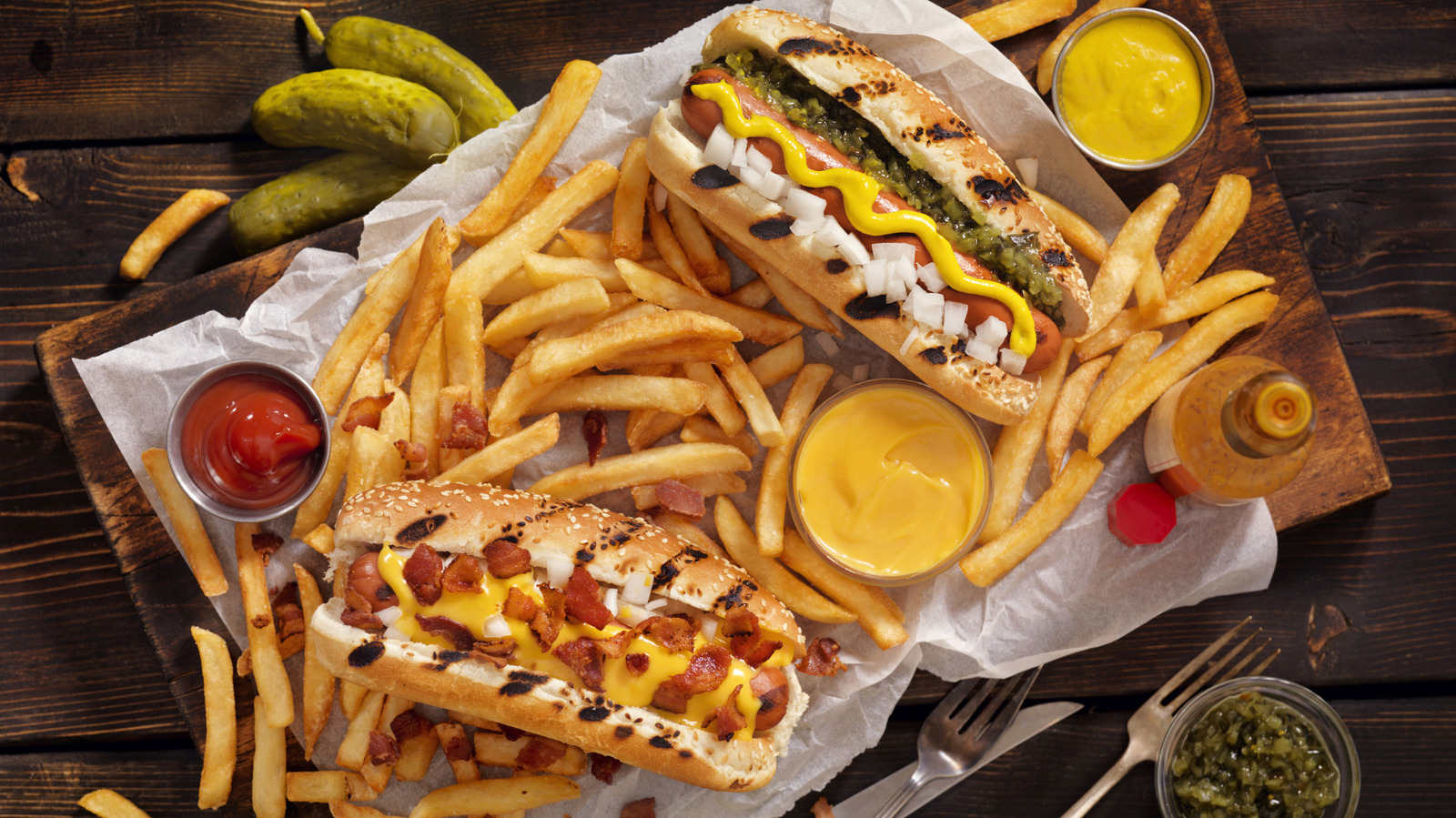
The integration of global ingredients into the traditional hot dog format has become a hallmark of modern American street food. Garbo’s Grill in Key West, Florida, exemplifies this transition. Despite being primarily recognized in the show for other menu items, their hot dog offerings—such as the "Kogi Dog," which utilizes kimchi, sriracha, and citrus soy dressing—demonstrate the fusion of Asian-Pacific flavors with the classic American frankfurter. This approach is not merely novelty; it is a calculated effort to elevate a low-cost base protein through complex, acidic, and spicy flavor profiles.
This trend is mirrored in Georgia at Sea Wolf Tybee, where the "Steak Dog" features wagyu beef topped with filet tartare and cured egg yolk. Such offerings blur the line between street food and fine dining, reflecting a broader trend where culinary professionals apply rigorous technique to casual, high-volume items.
Data-Driven Selection and Methodology
The identification of the "best" establishments relies on a multi-factor vetting process. To maintain an accurate representation of the current landscape, this analysis adheres to three primary criteria: operational status, consistent positive consumer reception, and local influence.
- Operational Continuity: Many establishments featured on television programs face economic volatility. For this list, only venues currently open for business were considered. This excludes several iconic locations that have closed due to lease issues, shifts in ownership, or economic shifts in the restaurant sector.
- Review Aggregation: To ensure longevity and quality, recent consumer feedback was prioritized over historical reputation. Establishments showing a pattern of declining standards in recent years were omitted, regardless of their past television appearance.
- Local Consensus: The cultural impact of these establishments was measured by the level of advocacy from local residents and community influencers, ensuring that the selections represent legitimate local institutions rather than tourist traps.
Notable Institutions and Their Impact
The geographical distribution of these hot dog joints provides a map of American culinary influence.
- The Brick (Kansas City, MO): Known for its deep-fried, bacon-wrapped innovations, this spot highlights the Midwestern penchant for indulgent, heavy comfort food.
- Maui’s Dog House (Wildwood, NJ): Serving as a representative of the East Coast boardwalk tradition, this establishment offers over 20 varieties, including the Italian-style dog with peppers and potatoes, showcasing how specific immigrant traditions have been absorbed into American culture.
- Foothills Grange (Black Mountain, NC): By utilizing a farm-to-table approach supplied by a sister butchery, this establishment emphasizes the growing consumer demand for transparency and quality in meat sourcing.
- Senate Pub (Cincinnati, OH): This location demonstrates the evolution of the "street food" concept, where high-end ingredients like goat cheese and balsamic reduction are used to challenge the traditional boundaries of the hot dog.
- Junkyard Extreme Burgers and Brats (Junction City, OR): This venue represents the Pacific Northwest’s tendency toward bold, experimental flavor combinations, such as pineapple and savory pizza toppings.
- Wrigleyville Grill (San Antonio, TX): This establishment serves as a case study in cultural migration, bringing the distinct Chicago-style culinary tradition to a new regional market in the Southwest.
- Hillbilly Hotdogs (Lesage, WV): A standout in the Appalachian region, this location exemplifies the "destination dining" phenomenon, where a unique, highly branded atmosphere complements the food product.
The Broader Implications of Street Food Culture
The survival and success of these establishments offer insights into the state of the American hospitality industry. Despite the rise of fast-casual chains and the pressures of inflation, independent hot dog joints continue to thrive by emphasizing three key factors: customization, local sourcing, and a distinct "diner" aesthetic.
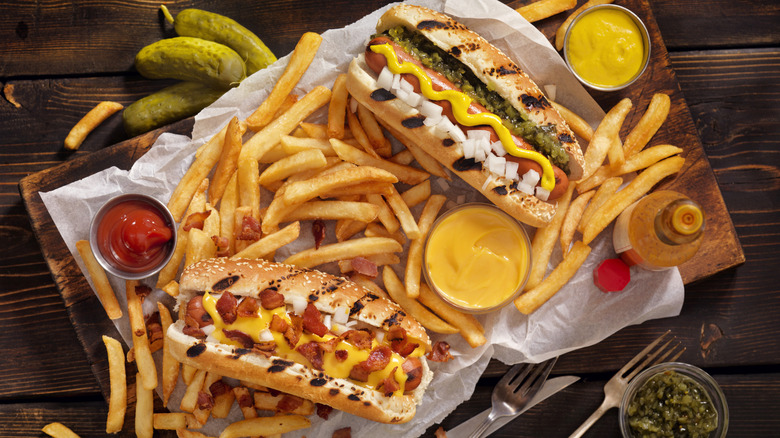
The "Diners, Drive-Ins and Dives" phenomenon has served as a catalyst for these small businesses, providing them with a platform that often results in increased foot traffic and, in some cases, the ability to expand operations. However, the true success of these venues lies in their ability to maintain quality while scaling, or conversely, their refusal to scale in order to protect their artisanal methods.
From an economic perspective, these establishments act as anchors for their local neighborhoods. By sourcing ingredients locally and maintaining a loyal customer base, they contribute to the stability of the small-business ecosystem. Furthermore, the inclusion of these spots in popular media has helped codify the hot dog as an essential element of the American culinary identity—not just as a quick meal, but as a dish worthy of serious gastronomic attention.
In summary, the best hot dog joints in the country are those that respect the traditional foundations of the dish while remaining unafraid to innovate. Whether through the addition of house-made chili, the use of premium wagyu beef, or the creative application of global condiments, these 12 establishments represent the diversity and creativity inherent in American food culture. As the industry continues to evolve, these businesses serve as a vital link between the past, present, and future of domestic culinary traditions.
