
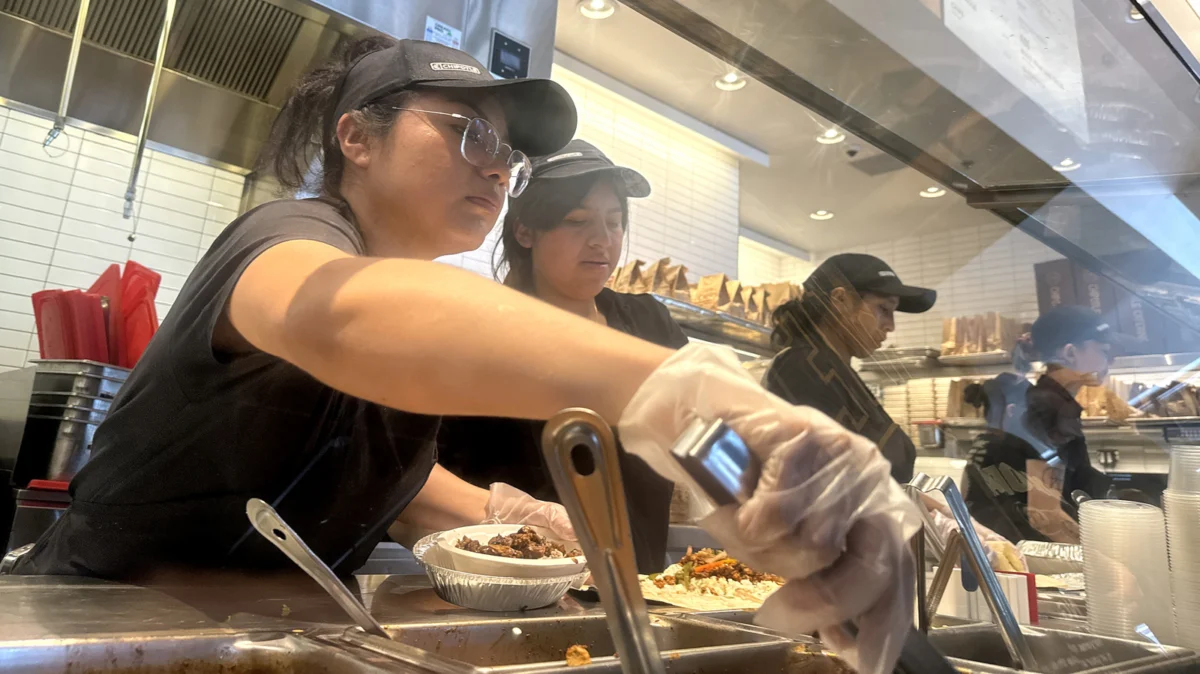
Chipotle Mexican Grill has fundamentally altered the quick-service restaurant landscape since its inception in 1993. By emphasizing the "assembly line" model of food service, the chain pioneered a level of granular customization that has become the industry standard for fast-casual dining. Central to this experience is the burrito bowl—a vessel that removes the structural constraints of a flour tortilla, allowing for a higher volume of ingredients and a more deliberate balance of flavors. While the menu appears fixed, the operational workflow of a Chipotle restaurant provides significant flexibility for those who understand the mechanics of the service line. Mastering the ordering process is not merely a matter of personal preference; it is a strategic approach to optimizing portion control, texture, and value.
The Evolution of Customization in Fast-Casual Dining
The rise of the burrito bowl represents a shift in consumer behavior toward "bowl-based" meals, which offer diners greater control over caloric intake and ingredient ratios. According to industry analysis, the bowl format has consistently outperformed traditional burritos in terms of order frequency, largely due to the perception of better value and ease of consumption. This shift is supported by the chain’s operational guidelines, which encourage staff to accommodate specific requests, provided they remain within the bounds of the standard ingredient lineup.
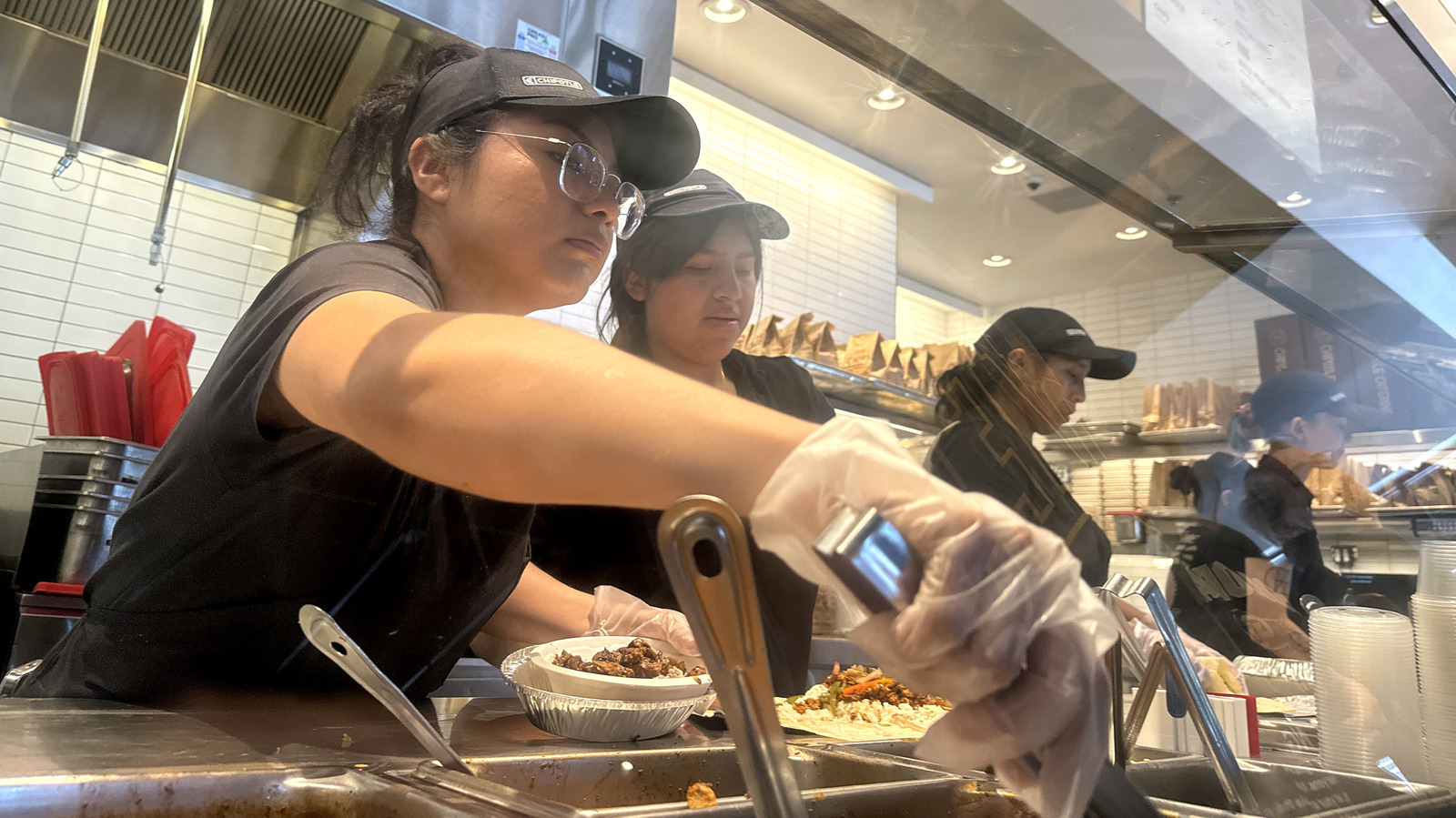
Understanding the logistical constraints of the service line is essential for the modern consumer. While the Chipotle mobile application has streamlined the ordering process for millions, it often obscures the nuances of portion control. In-person ordering remains the gold standard for those seeking to maximize their experience, as it allows for real-time visual feedback and precise communication with the staff member assembling the meal.
Strategic Ingredient Allocation and Portion Optimization
One of the most persistent misconceptions among casual diners is the limitation of portion sizes. While "double meat" is a clear, chargeable upgrade, the vast majority of the assembly line components—including rice, beans, fajita vegetables, and various salsas—are subject to "extra" requests at no additional cost.
Historical data from consumer surveys and social media reports indicate that while store policies are generally standardized, some individual locations have occasionally attempted to charge for additional portions of rice or beans. However, official corporate communications from Chipotle have consistently maintained that these items should be provided without surcharge upon request. To navigate these discrepancies, diners are advised to observe the standard serving sizes during their initial visit to a specific location. If a particular restaurant is hesitant to provide additional portions, a polite inquiry or calling ahead can clarify the local manager’s interpretation of corporate policy.
Mastering the "Half-and-Half" Technique
The most effective method for diversifying the flavor profile of a bowl without incurring the costs associated with double-protein orders is the "half-and-half" strategy. By requesting two different protein sources, the customer receives a combined total volume equivalent to a single portion but benefits from the variety of two distinct flavor profiles. This practice is equally applicable to the base and leguminous components of the dish.
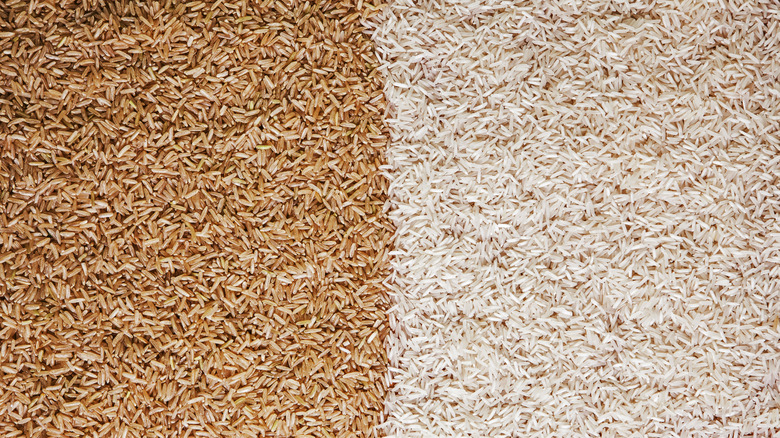
For instance, requesting half white rice and half brown rice creates a structural and flavor-based contrast; the white rice offers a neutral, soft consistency, while the brown rice provides an earthier, more fibrous chew. Similarly, splitting the bean portion between black beans and pinto beans adds a textural complexity that elevates the overall mouthfeel of the bowl. When applying this technique to meats, it is essential to note that the final price of the bowl will default to the cost of the more expensive protein selected. This remains a highly efficient way to sample the chain’s diverse menu offerings within a single meal.
Thermal Dynamics: The Cheese Melting Hack
The temperature of the ingredients at the time of service is a critical factor in the final quality of a burrito bowl. Because Chipotle utilizes a singular type of shredded Monterey Jack cheese, the ability to manipulate its texture is limited. However, timing is the variable that determines success. By requesting that the cheese be added immediately following the addition of the hot protein, the residual heat of the meat facilitates a partial melt.
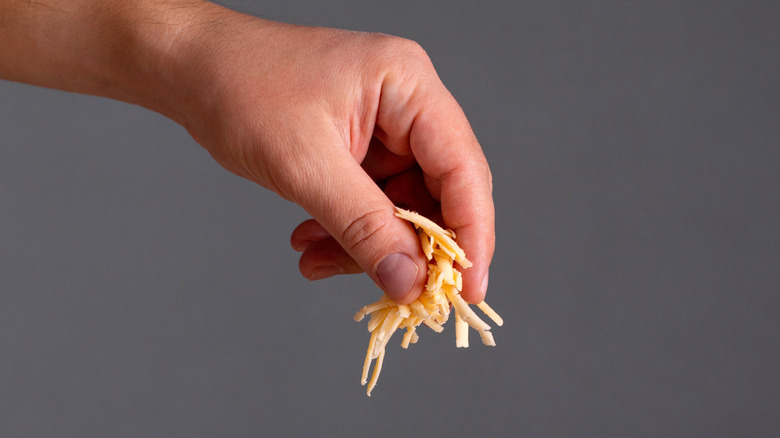
This minor adjustment in the assembly sequence significantly alters the sensory experience. The cheese transitions from a raw, firm topping to a slightly emulsified, creamy component that binds the meat and rice. While this technique is not universally desired—as some consumers prefer the distinct, fresh snap of unmelted cheese—it provides an effective way to improve the integration of flavors for those who favor a more cohesive dish.
Navigating the Complexity of Salsa Profiles
Chipotle’s salsa selection—ranging from the mild fresh tomato salsa to the robust tomatillo-red chili salsa—is designed to be layered. The intensity of the red chili salsa has reportedly increased over recent years, leading to a broader spectrum of heat profiles. To achieve a balanced bowl, consumers should consider the interaction between their chosen proteins and their salsa selection.
For those sensitive to heat, combining the red chili salsa with the mild fresh tomato salsa acts as a cooling mechanism. Conversely, those seeking a heightened heat profile can combine the tomatillo-green and tomatillo-red salsas. The most prudent approach for the uninitiated is to request secondary or tertiary salsas on the side. This allows the diner to experiment with the ratios without the risk of overwhelming the palate or compromising the texture of the bowl. Furthermore, testing these combinations in small quantities ensures that the moisture levels of the bowl remain consistent.
Long-Term Value and the Utility of Sides
The inclusion of an additional tortilla on the side has become a staple strategy for those looking to extend the utility of their purchase. Although this is no longer a complimentary item—typically costing roughly $0.50 depending on the market—the value proposition remains high. A side tortilla allows the consumer to convert leftover bowl components into a secondary meal, such as a taco or a mini-burrito, for later consumption.
This approach is economically superior to purchasing a side of chips and guacamole, which can range from $2.00 to $4.00, and provides a more versatile medium for leftovers. When considering the broader implications of fast-casual dining, these small operational hacks demonstrate how the "build-your-own" model rewards the informed consumer. By utilizing the assembly line to one’s advantage—through strategic portion requests, flavor layering, and temperature manipulation—the Chipotle burrito bowl ceases to be a static meal and becomes a customizable experience tailored to the individual’s specific dietary and sensory requirements.
Implications for the Fast-Casual Sector
The continued popularity of these "hacks" underscores a broader trend in the food industry: consumers are increasingly seeking agency in their dining experiences. Chipotle’s ability to maintain high-volume service while accommodating thousands of unique, hyper-customized orders is a testament to its operational efficiency. However, the reliance on human staff to execute these requests means that consistency is always subject to the training and discretion of individual employees.
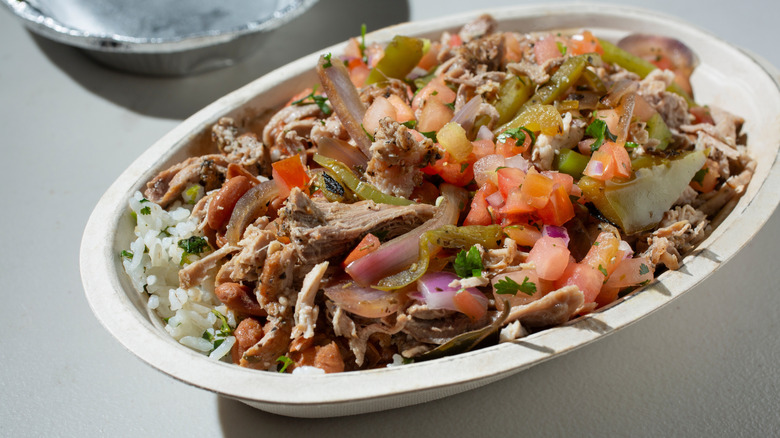
Ultimately, the best burrito bowl is a result of effective communication. Understanding that the assembly line is designed for efficiency rather than rigidity allows for a more satisfying outcome. Whether through the strategic use of half-and-half portions or the careful management of temperature and flavor combinations, the informed diner can maximize both the culinary and fiscal value of their meal. As the industry evolves, the demand for this level of transparency and personalization will likely only increase, solidifying the role of the consumer as an active participant in the preparation of their food.
