
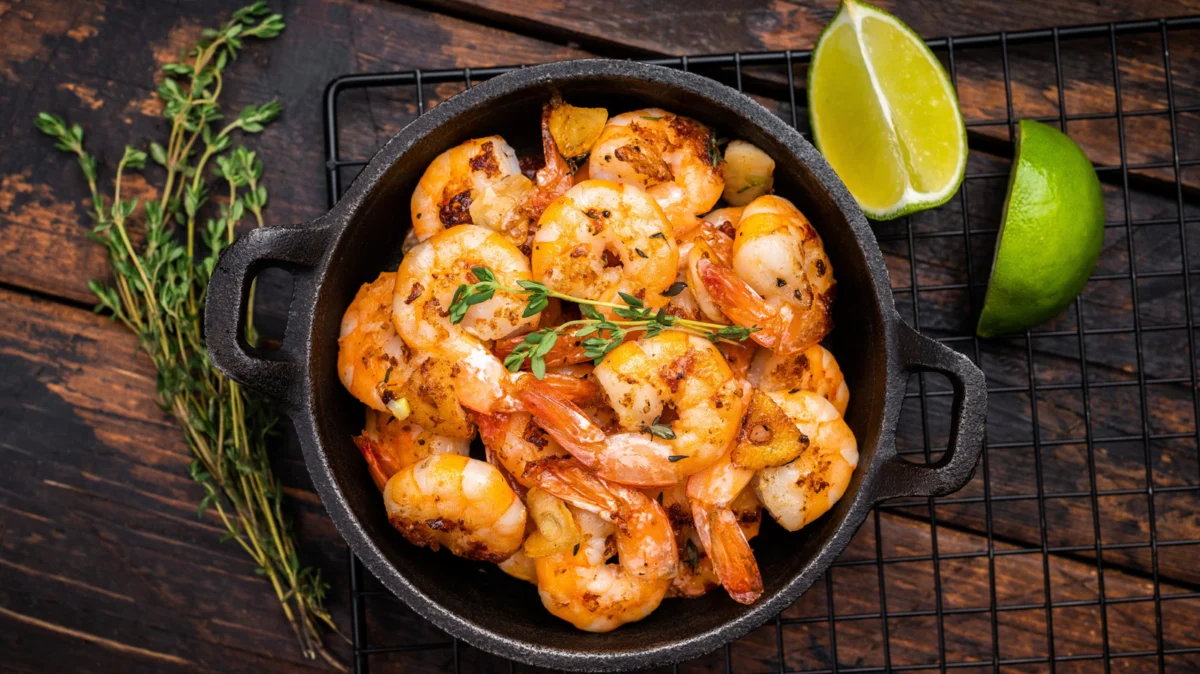
Shrimp remains one of the most popular seafood options globally, prized for its nutritional profile—being high in protein and low in calories—and its remarkable versatility in the kitchen. Despite its widespread popularity, home cooks often struggle to elevate shrimp beyond a simple, utilitarian protein. Achieving restaurant-quality results requires a scientific approach to preparation, sourcing, and thermal management. By implementing standardized culinary techniques such as precise brining, calculated marination, and strict heat monitoring, the average home cook can significantly enhance the flavor and texture of their seafood dishes.
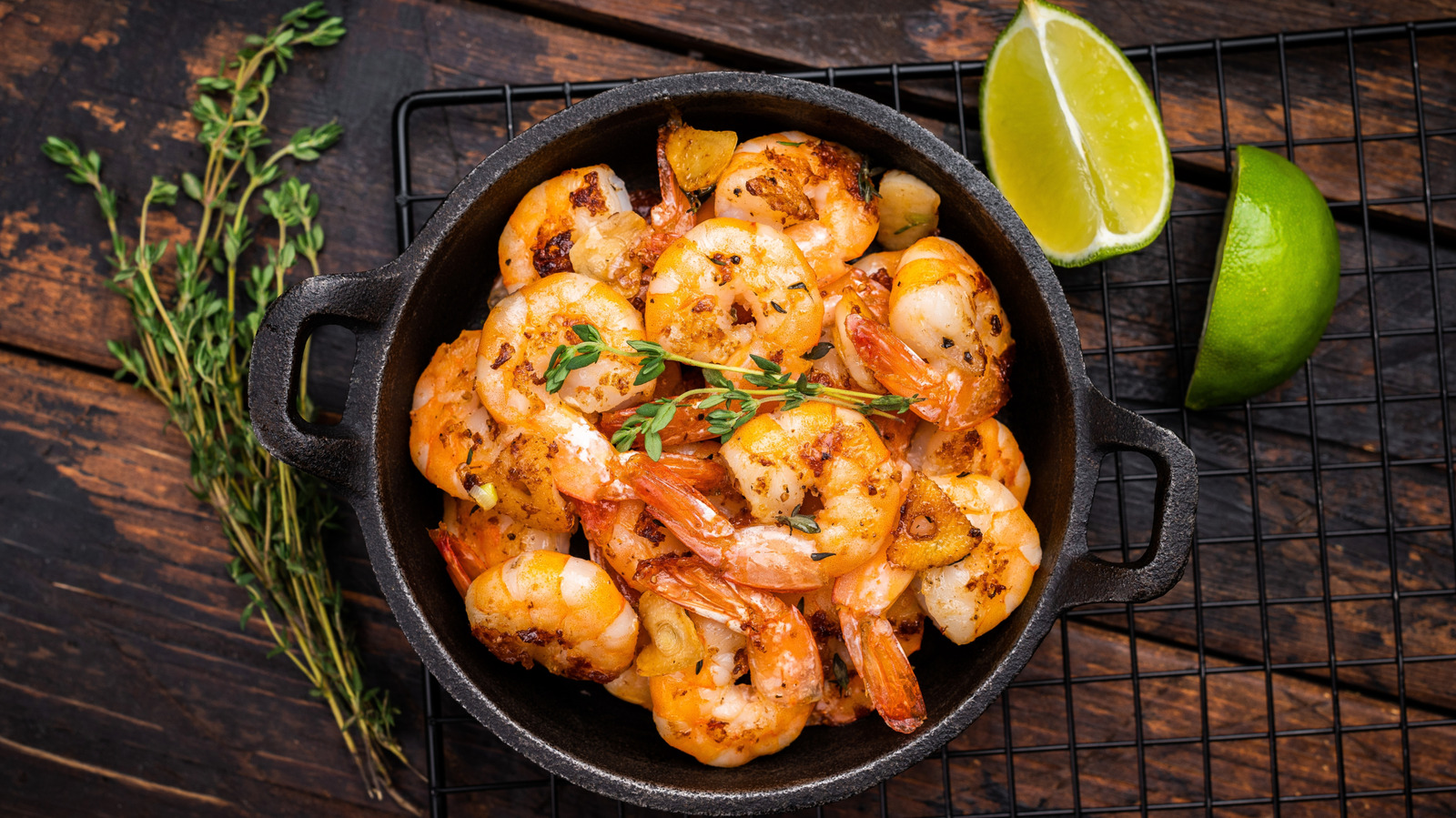
The Foundation: Sourcing and Quality Control
The culinary process begins long before the shrimp hits the pan. Data from the National Fisheries Institute indicates that shrimp is the most consumed seafood in the United States, with the average American eating nearly five pounds per year. The vast majority of this supply is frozen, a reality that often leads to misconceptions regarding quality.
Industry standards suggest that "fresh" shrimp at a retail counter has often been previously frozen. Flash-freezing at the point of harvest is, in fact, the gold standard for maintaining structural integrity and flavor. When sourcing, consumers should prioritize quality indicators: an absence of pungent ammonia-like odors, a firm exterior, and the lack of "melanosis"—the black spots that signify enzymatic breakdown. Furthermore, consumers are advised to inspect packaging for excessive ice crystals, which serve as a primary indicator of freezer burn and potential dehydration of the delicate crustacean flesh. Purchasing shrimp that is free from sodium tripolyphosphate (STP) and other chemical preservatives is recommended, as these additives can alter the pH balance and result in a soapy, artificial texture.
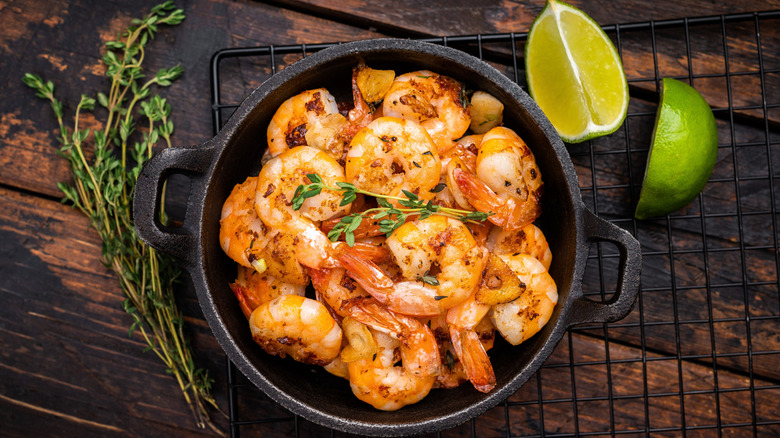
The Science of Texture: The Role of Brining
The application of a brine is a transformative step that is frequently overlooked in domestic cooking. From a biochemical perspective, brining alters the protein structure of the shrimp. A dry brine, consisting of a mixture of kosher salt and a small amount of baking soda, creates an alkaline environment. This process, often referred to as "velveting" in professional culinary circles, prevents the shrimp from becoming rubbery.
The baking soda raises the pH level, which inhibits the rapid cross-linking of proteins—the primary cause of the tough, chewy texture often associated with overcooked shrimp. A 15-minute dry brine using a ratio of one teaspoon of salt to one-quarter teaspoon of baking soda per pound of shrimp is sufficient to yield a succulent, snappy result. Alternatively, a wet brine—a solution of one tablespoon of kosher salt per quart of water—provides an osmotic buffer, ensuring that the shrimp retains its internal moisture throughout the rapid cooking process.
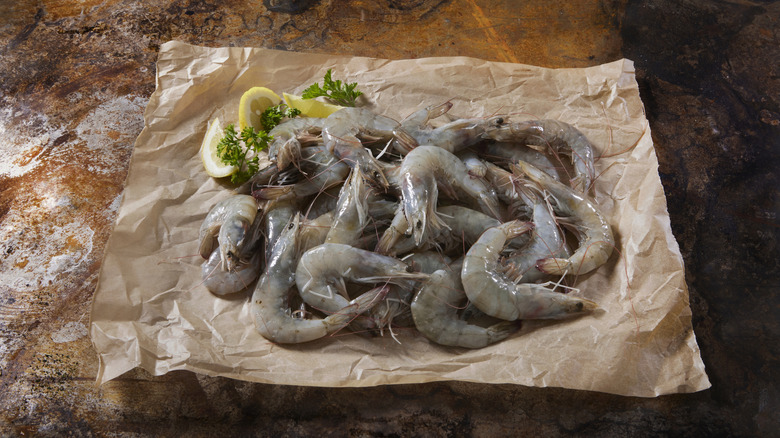
Marination and Flavor Infusion
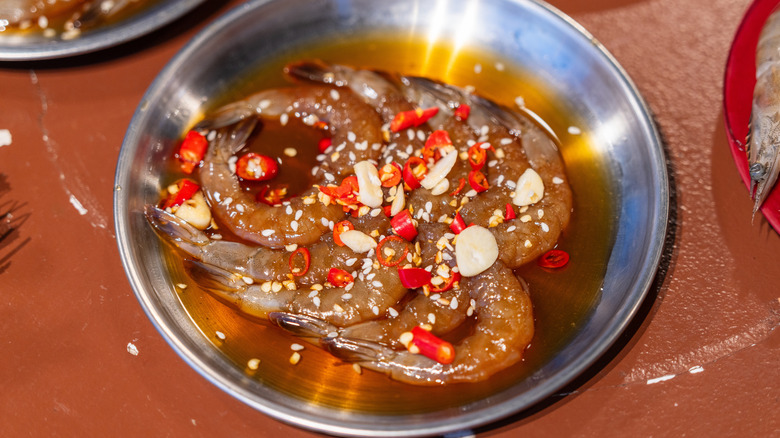
Because shrimp is relatively porous, it acts as a superior canvas for flavor absorption. However, the timing of marination is critical. Unlike denser meats, shrimp requires only a short duration to absorb aromatics. Culinary experts suggest a 15-to-30-minute window for marination.
The chemical interaction between acidic components—such as citrus juices or vinegar—and the shrimp’s proteins is significant. Excessive exposure to acid will initiate a process similar to ceviche, where the proteins denature and become opaque, resulting in a pre-cooked, mushy texture. To balance flavor, a traditional marinade should utilize a fat-to-acid ratio of 3:1. The fat, typically a neutral oil, serves as a carrier for fat-soluble compounds found in herbs and spices, while the acid provides the necessary brightness to cut through the natural salinity of the shellfish.
Thermal Dynamics: The Case for Shell-On Preparation
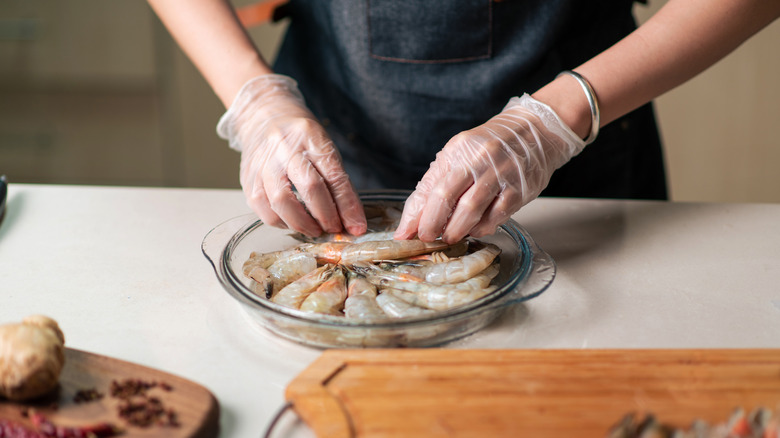
The debate regarding whether to peel shrimp prior to cooking involves a trade-off between convenience and flavor. From a technical standpoint, cooking shrimp with the shells intact provides an essential barrier against direct heat, acting as a thermal insulator that prevents the meat from overcooking.
Furthermore, the shells contain high concentrations of chitin and flavor compounds, including glutamates, which migrate into the meat during the cooking process. This infusion adds a layer of depth and umami that is absent in peeled, deveined specimens. For dishes where the shell is undesirable, the culinary community emphasizes the importance of repurposing these byproducts. Shrimp shells should be retained and frozen for the production of seafood stocks or bisques, maximizing the utility of the product and reducing kitchen waste.
The Role of Acid and Seasoning
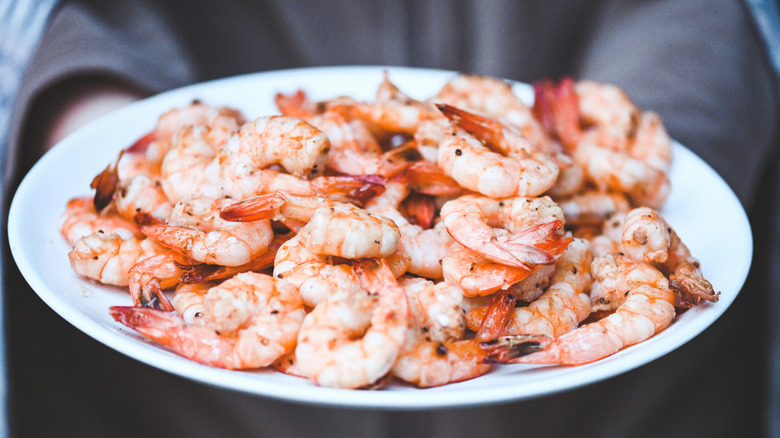
The strategic use of citrus—lemon, lime, or grapefruit—serves both a sensory and chemical purpose. Citric acid stimulates the palate, increasing saliva production and enhancing the perception of flavor. Beyond mere seasoning, the volatile oils found in citrus zest offer a concentrated aromatic profile that fresh juice cannot replicate.
When seasoning, it is essential to consider the cooking method. Fresh herbs, which contain delicate aromatic oils, are highly susceptible to heat degradation. Adding fresh parsley, cilantro, or basil at the final stages of cooking ensures that these volatile compounds remain intact. Conversely, dried spices are more robust and should be applied early in the process to allow their flavor profiles to bloom within the fat of the pan.
Culinary Techniques and Heat Management
The most common error in shrimp preparation is the failure to manage internal temperature. According to USDA safety guidelines, shrimp should reach an internal temperature of 145°F (63°C). However, because shrimp is small and cooks rapidly, the carry-over heat—the temperature increase that occurs after the item is removed from the heat source—can easily push the internal temperature beyond the point of optimal texture.
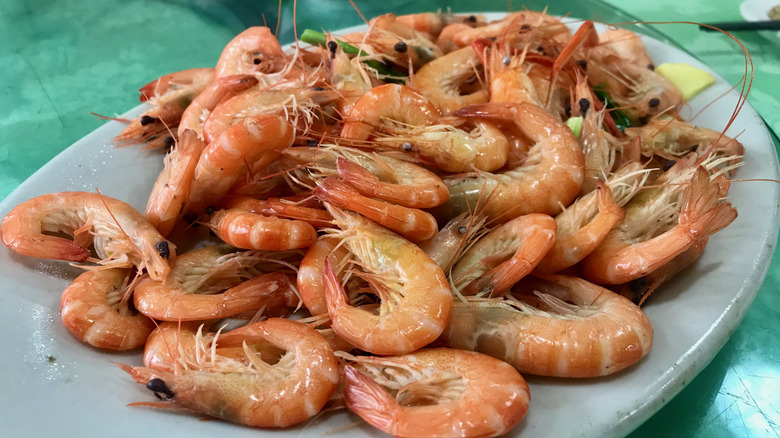
Visual cues are helpful but secondary to precision. A perfectly cooked shrimp will transition from translucent to opaque, with the body forming a soft "C" shape. If the shrimp curls into a tight "O" shape, it has been subjected to excessive heat and is likely overcooked. In a professional kitchen, an instant-read thermometer is the only reliable tool to ensure consistency.
Broader Impact and Industry Implications
The techniques outlined above reflect a shift in home cooking toward more professionalized methods. As consumers become more educated regarding the ingredients and chemical processes involved in food preparation, the demand for high-quality, sustainably sourced seafood continues to rise. The move toward "better-tasting" shrimp is not merely a matter of culinary preference but is tied to broader trends in food sustainability and the reduction of waste through techniques like shell-stock utilization.
By standardizing these methods—sourcing, brining, controlled marination, and temperature monitoring—the culinary industry aims to improve the consistency of home-cooked meals. These steps represent a commitment to the "blank canvas" potential of shrimp, acknowledging that while the protein is simple, the execution must be disciplined. As global consumption trends show no signs of slowing, the mastery of these foundational skills ensures that shrimp remains a viable and elevated centerpiece for a wide variety of domestic and commercial dining experiences.
