
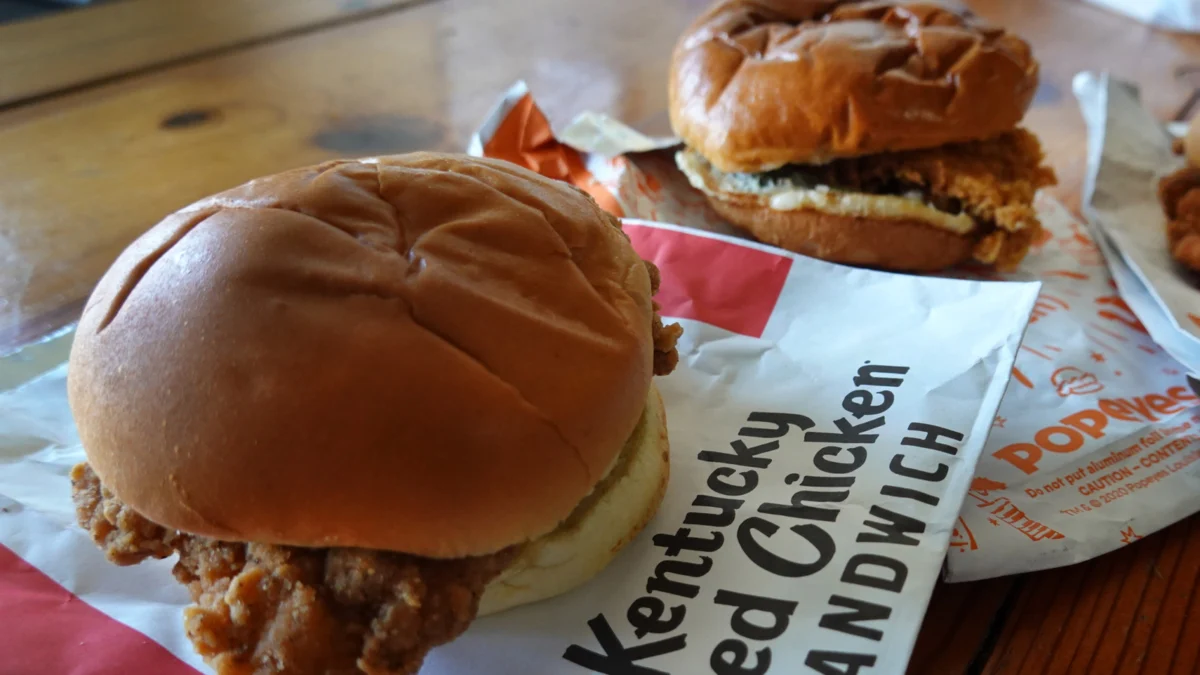
For decades, the American fast-food landscape has been dominated by a rivalry that transcends mere market share, rooting itself deeply in the cultural preferences of consumers: the competition between KFC and Popeyes. While both chains operate under the umbrella of quick-service restaurant (QSR) fried chicken, a closer examination of their operational philosophies, chemical processes, and preparation techniques reveals that they are distinct entities. The divergence begins long before the product reaches the fryer, rooted in historical innovation, specific regional culinary influences, and proprietary methods of flavor infusion.
A Historical Perspective: The Origins of the Icons
The divergence between these two giants is best understood through the historical context of their founding. Colonel Harland Sanders perfected his "Original Recipe" in the 1930s and 1940s, a period defined by the need for speed and consistency in a burgeoning roadside restaurant industry. Sanders’ primary innovation was the commercialization of the pressure fryer. By 1939, Sanders had refined a process that allowed chicken to be cooked under pressure, which significantly reduced cooking times from 30 minutes to under 10 minutes while retaining moisture that conventional open-fryers often evaporated.
In contrast, Popeyes—originally founded as "Chicken on the Run" in 1972 by Al Copeland in Arabi, Louisiana—was born out of the rich, spice-centric culinary traditions of the American South. Unlike KFC’s origins in the Kentucky roadside diner culture, Popeyes was built on the foundation of Cajun cuisine. Copeland’s approach prioritized flavor depth and texture, leading to a focus on extensive marination and a more aggressive, multi-layered breading technique that remains the brand’s hallmark today.
The Science of Seasoning and Flavor Infusion
The most significant operational difference lies in how flavor is introduced to the protein. KFC’s global identity is anchored to the "11 herbs and spices" blend, a closely guarded secret that has become a cornerstone of marketing lore. In the KFC model, the flavor is predominantly an external application. The seasoning is integrated into the flour-based breading. Consequently, the sensory experience for a KFC customer is front-loaded; the palate first encounters the iconic peppery, savory coating, which then gives way to the relatively mild, juicy chicken underneath.
Popeyes utilizes an internal flavor strategy. By requiring every piece of chicken to be marinated for a minimum of 12 hours, the chain ensures that the seasoning penetrates the muscle fibers of the poultry. The use of Louisianan-inspired ingredients—often including elements like cayenne, paprika, garlic, and onion powder—creates a profile that is inherently spicier and more complex than the KFC standard. When a consumer chooses the "Spicy" option at Popeyes, they are not merely tasting a different coating; they are consuming a product where the heat has been integrated into the meat itself during the long-duration marination process.
Comparative Frying Methodology
The differences in preparation extend to the hardware used in the kitchens. KFC’s Original Recipe is distinct because of its pressure-frying method. This process creates a thin, tender, and moist skin. While popular with traditionalists, the pressure-fried skin lacks the structural rigidity associated with a "crunch." Recognizing this, KFC introduced "Extra Crispy" chicken, which moves away from pressure-frying in favor of an open-frying method. This requires a double-dipping process in the breading, creating a thicker, more textured crust that satisfies the segment of the market that prioritizes tactile crunch over the Original Recipe’s softer profile.
Popeyes maintains a more singular focus on the crust. The preparation involves a wet-batter dip followed by a manual, multi-stage flour toss. The chicken is then cooked in open fryers at 340 degrees Fahrenheit for exactly 12 minutes. Furthermore, industry reports have consistently indicated that Popeyes utilizes frying shortenings that include beef tallow. This choice of fat provides a higher smoke point and a distinctively savory, rich mouthfeel that is often cited by culinary analysts as a key differentiator in the "meatiness" of the final product.
Market Data and Consumer Trends
Data from the QSR industry suggests that these two chains occupy slightly different niches within the broader fried chicken market. KFC, benefiting from a massive international footprint and decades of brand ubiquity, dominates in terms of total unit count and brand recognition. Its menu is designed for broad appeal, focusing on consistency and the "nostalgic" experience of the Original Recipe.
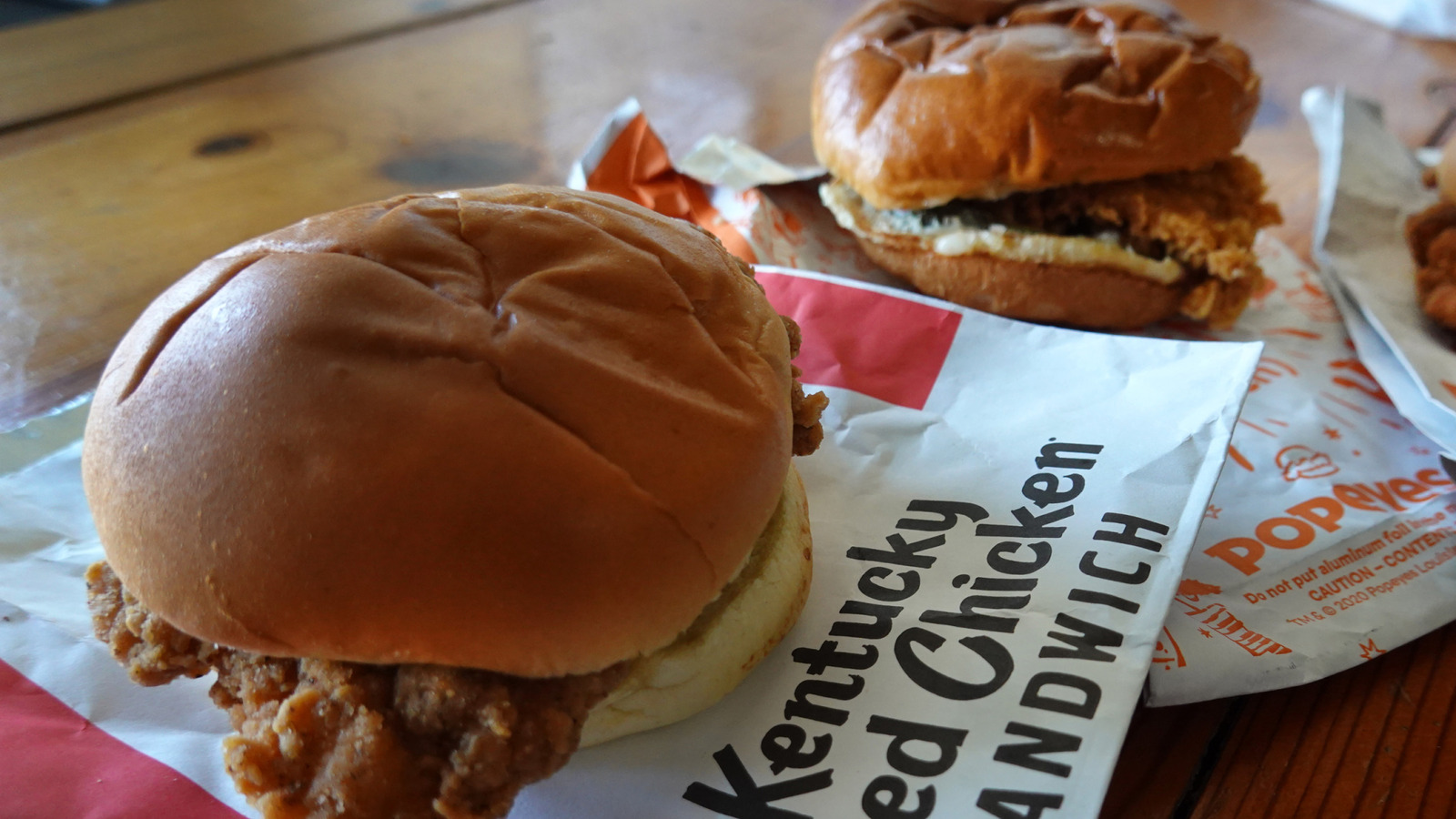
Popeyes, meanwhile, has leveraged its reputation for quality and flavor intensity to achieve significant growth, particularly among younger demographics. The launch of the Popeyes chicken sandwich in 2019 serves as a case study in modern food marketing. By focusing on a specific, high-quality product that utilized their signature crust and marinade, Popeyes shifted the industry focus toward premium chicken sandwiches, forcing competitors, including KFC, to pivot their R&D efforts toward matching that level of texture and flavor complexity.
Broader Implications for the QSR Industry
The ongoing "chicken wars" have had profound implications for the fast-food industry. First, it has led to an arms race in supply chain management. Both companies have had to standardize their poultry sourcing to handle the massive volume required by their respective recipes, ensuring that the meat remains tender enough to withstand both the 12-hour marination of Popeyes and the pressure-cooking environment of KFC.
Second, the debate reflects a shift in consumer expectations. Modern diners are increasingly discerning about flavor profiles. The success of Popeyes’ spicy offerings has pressured competitors to introduce more "heat" into their menus, proving that the average consumer is moving away from the bland, mass-market flavors that characterized the fast-food industry in the late 20th century.
Third, the operational complexity of these two chains highlights the trade-off between speed and craftsmanship. KFC’s pressure-frying is highly efficient and repeatable, allowing for high throughput during peak hours. Popeyes’ manual breading and long marination process, while creating a superior texture and flavor, require more labor-intensive preparation and precise timing. This difference often manifests in wait times at the drive-thru, where Popeyes’ commitment to its specific frying cycle can lead to longer queues compared to the streamlined, pressure-fried operations at a KFC.
Conclusion
In the final analysis, the difference between KFC and Popeyes is not merely a matter of branding or regional origin; it is a fundamental difference in culinary engineering. KFC provides a legacy product defined by its unique pressure-fried tenderness and a flavor profile that relies on an iconic, external spice coating. Popeyes provides a product defined by its intensive pre-fry marination and an open-fry, tallow-enhanced crust that prioritizes depth of flavor and structural crunch.
As both companies continue to innovate, the lines between them may occasionally blur, as seen with the introduction of new breading styles and sandwich variations. However, the core identity of each brand—KFC’s commitment to the Colonel’s original, tender, pressure-cooked recipe and Popeyes’ commitment to the bold, Cajun-influenced, crunchy tradition—remains the primary driver of their sustained rivalry. For the consumer, the choice remains a matter of preference: the nostalgic, soft-crusted comfort of the original American fried chicken icon, or the high-impact, spice-forward intensity of a Louisiana-inspired staple. Both, however, serve as testament to the enduring dominance of fried chicken as a cornerstone of the American diet.
