
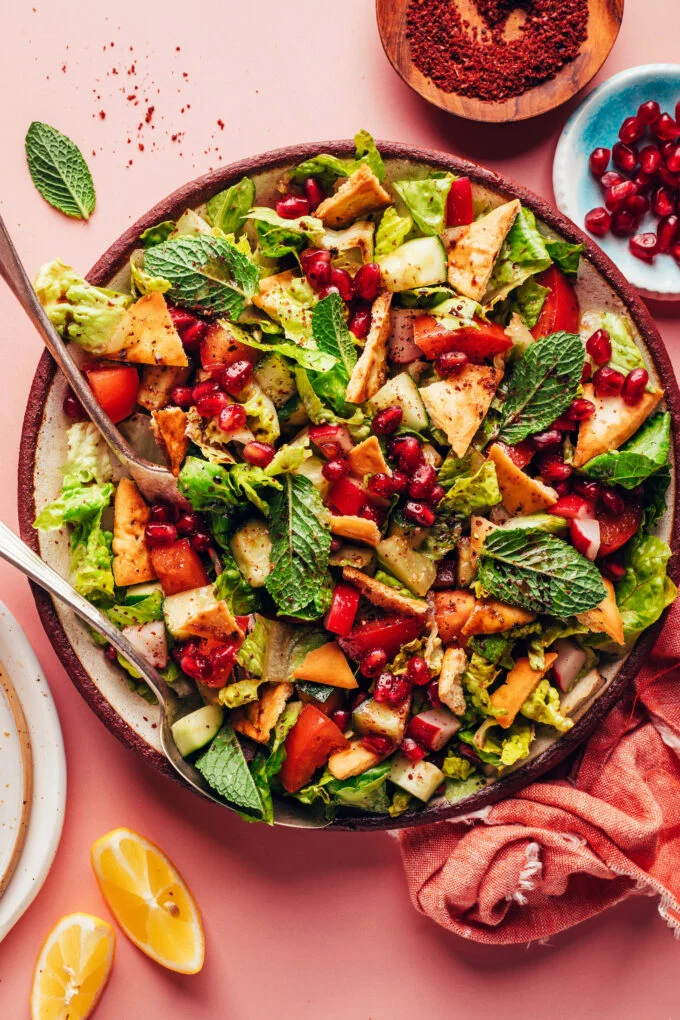
The culinary landscape is witnessing a significant shift towards efficiency and health-conscious choices, a trend vividly encapsulated by the emergence of a "weeknight-friendly" Fattoush salad. This innovative approach to the classic Levantine dish, designed for preparation in a single bowl within a mere 20 minutes, underscores a broader movement to democratize global flavors for the busy modern consumer. Far from merely a recipe, this adaptation represents a response to escalating consumer demand for nutritious, flavorful meals that align with demanding schedules, while simultaneously introducing diverse culinary traditions to a wider audience. The integration of fresh, crunchy vegetables, a vibrant pomegranate dressing, aromatic mint, crispy pita chips, and sweet pomegranate arils exemplifies a thoughtful balance between authenticity and convenience, making a staple of Middle Eastern and Mediterranean cuisine more accessible than ever before.
The Enduring Legacy of Fattoush: A Culinary Overview
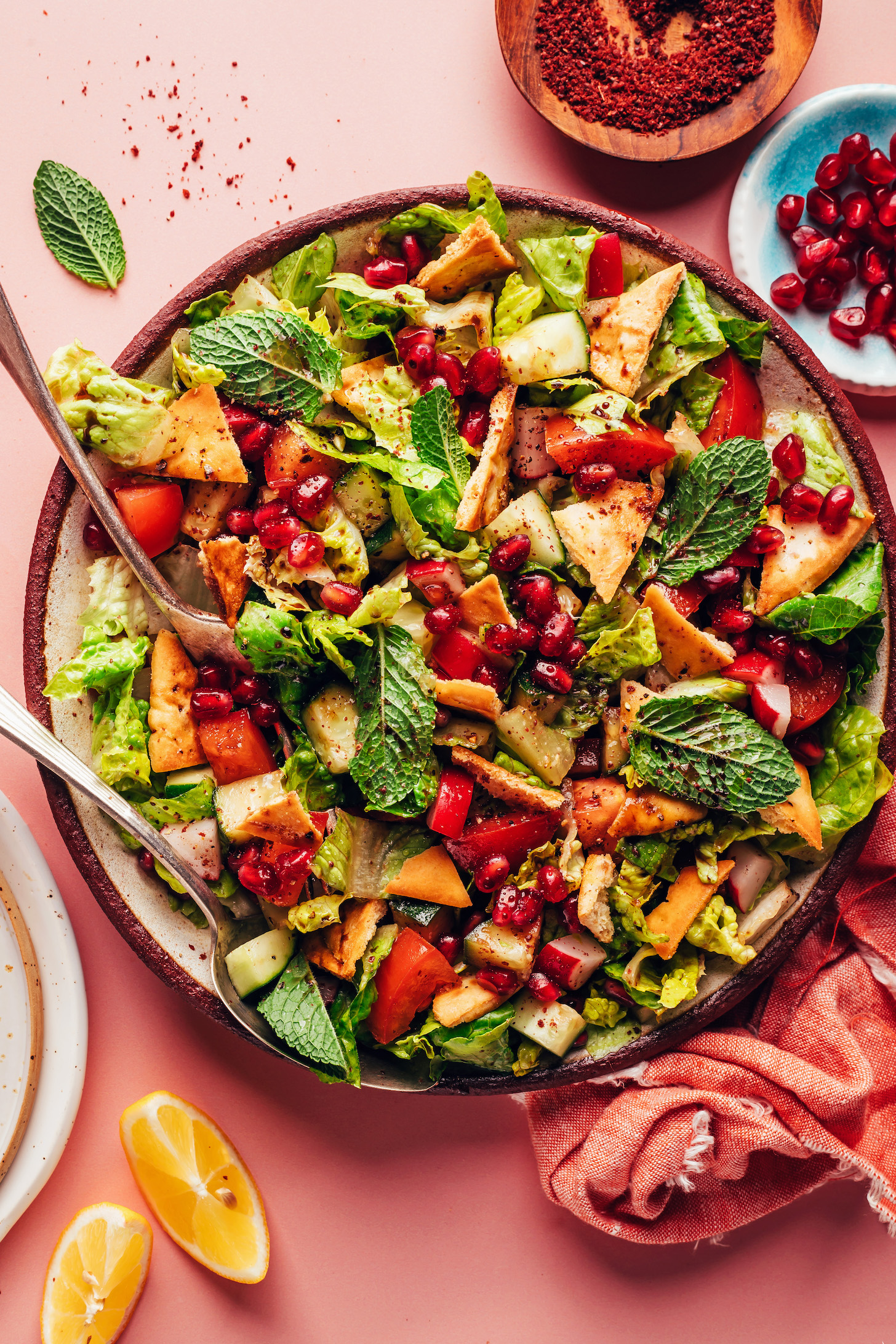
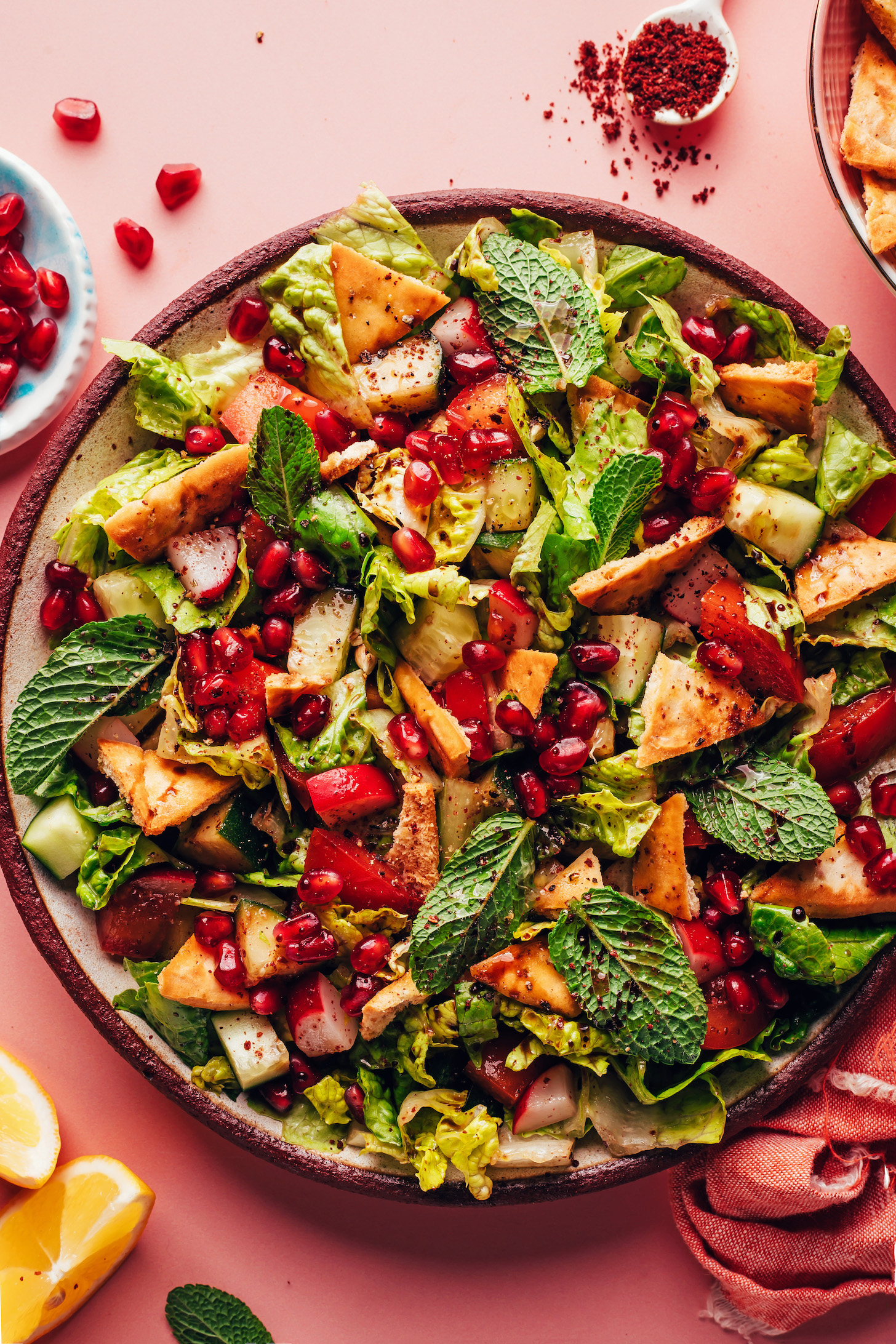
To appreciate the significance of this streamlined version, it is essential to understand the origins and traditional preparation of Fattoush. Hailing from the Levant region, an area encompassing countries such as Lebanon, Syria, Jordan, and Palestine, Fattoush is a celebrated bread salad deeply embedded in the cultural fabric of the Eastern Mediterranean. Historically, it served as a resourceful way to utilize stale pita bread, transforming it into a delightful component of a fresh vegetable medley. The traditional salad typically features a medley of chopped vegetables such as romaine lettuce, tomatoes, cucumbers, radishes, and bell peppers, often accented with fresh herbs like mint and parsley. The hallmark of Fattoush, however, lies in its distinctive dressing and textural components. A traditional dressing typically combines olive oil, lemon juice, and sumac – a reddish-purple spice derived from dried berries, renowned for its tart, lemony flavor. Pomegranate molasses, a thick, tangy syrup made from reduced pomegranate juice, is also a common addition, contributing a unique sweet-sour depth. Crucially, the salad is crowned with pieces of toasted or fried flatbread, which provide a satisfying crunch that contrasts with the fresh vegetables. This interplay of textures and the bright, tangy flavors are what define authentic Fattoush and have cemented its place as a beloved dish, often served as a side or a light meal, particularly during warmer months or religious observances like Ramadan.
Responding to Modern Lifestyles: The Rise of "Weeknight-Friendly" Cuisine
The adaptation of traditional dishes like Fattoush into expedited formats is not an isolated phenomenon but rather a direct reflection of contemporary societal shifts. Data from market research firms consistently indicate a rising demand for quick meal solutions. A 2023 report by NielsenIQ, for instance, highlighted that convenience remains a top priority for consumers, with a significant percentage actively seeking meal kits, ready-to-eat options, and recipes promising minimal preparation time. The average American spends approximately 37 minutes preparing dinner on a weeknight, a figure that has steadily decreased over the past decade as work-life balances become increasingly challenging. This pressure cooker environment has fostered an appetite for recipes that minimize cooking time, reduce the number of dishes used (hence the appeal of "1-bowl" solutions), and require readily available ingredients.
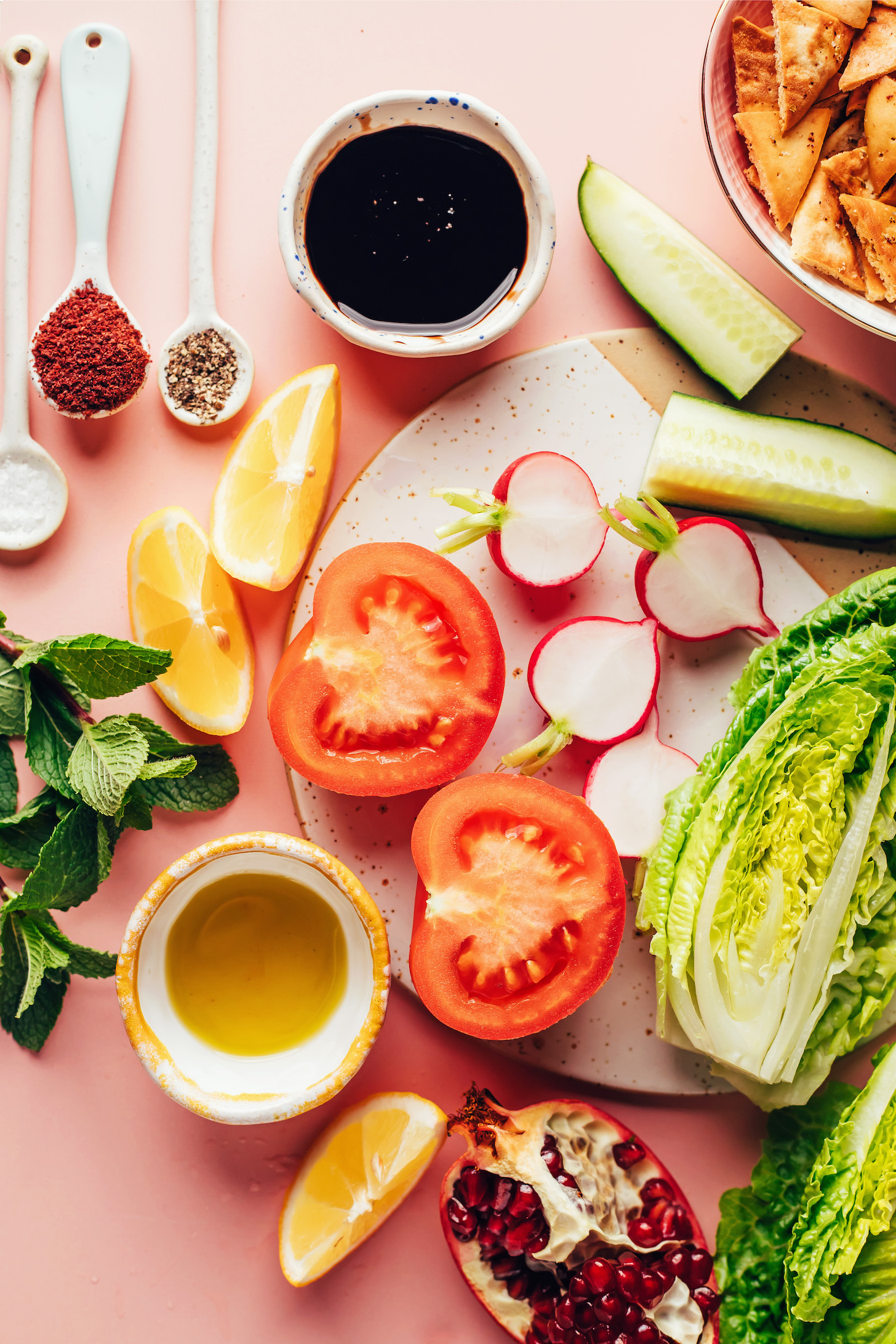
The "Easy Fattoush Salad" directly addresses these pain points. By condensing the preparation to just 20 minutes and streamlining the ingredient list, it caters to individuals and families who desire wholesome, homemade meals without the extensive time commitment often associated with traditional cooking. This emphasis on speed and simplicity, without sacrificing flavor or nutritional value, positions such recipes as vital tools in the modern culinary arsenal.
Key Components and Nutritional Profile
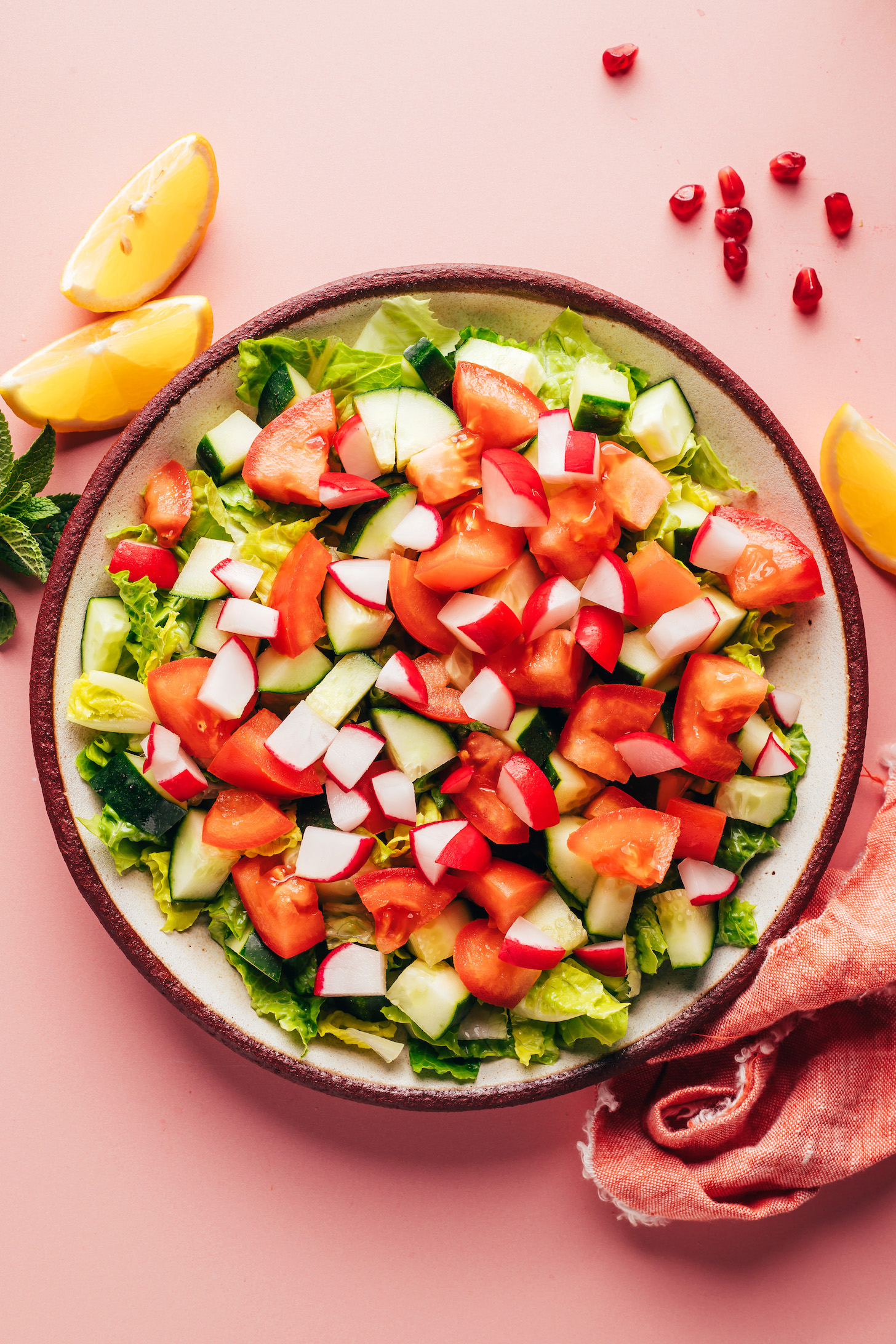
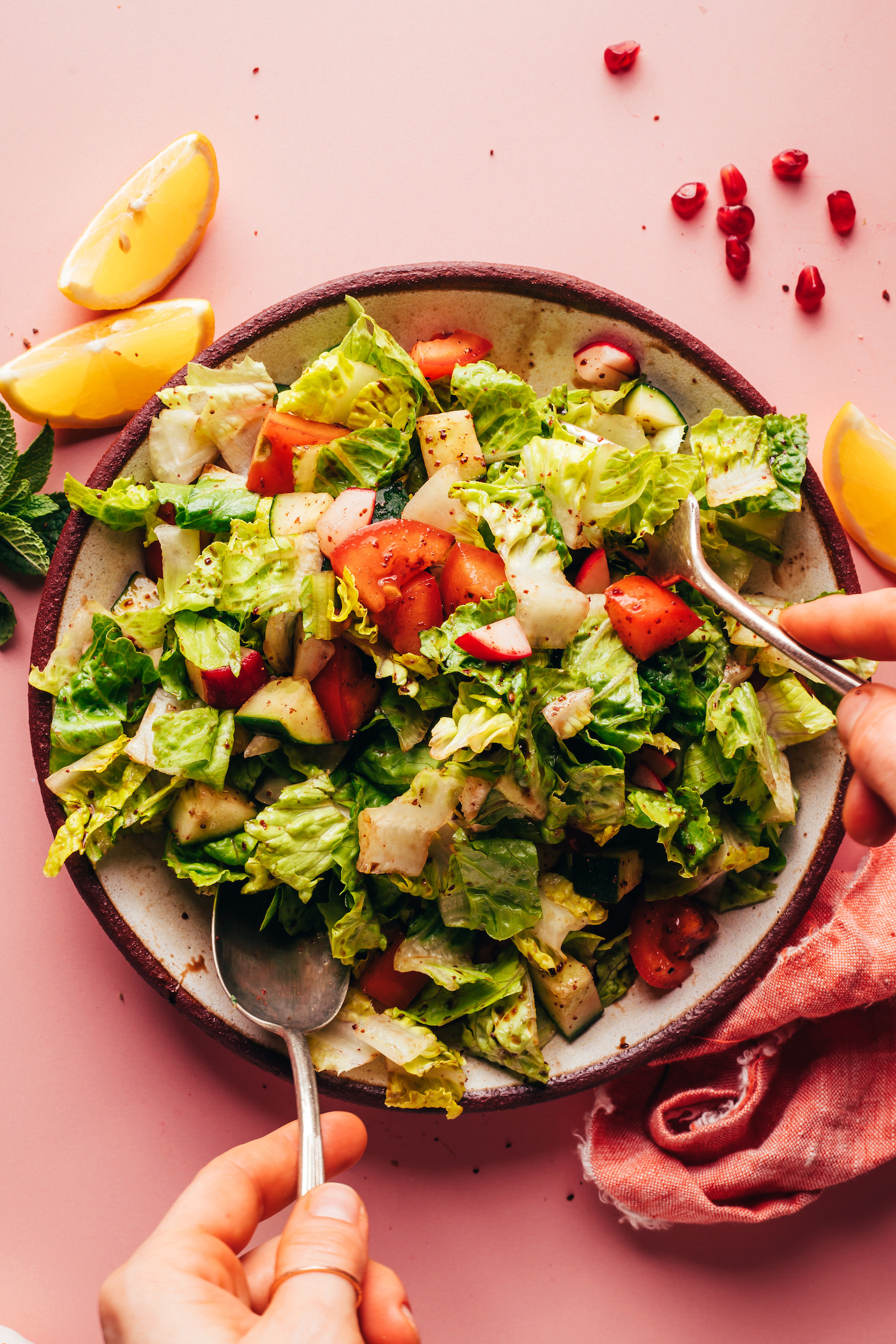
The streamlined Fattoush salad maintains the essential character of its traditional counterpart while optimizing for convenience. The foundation typically consists of fresh chopped romaine lettuce, chosen for its crisp texture and mild flavor, which serves as an excellent base for other vibrant ingredients.
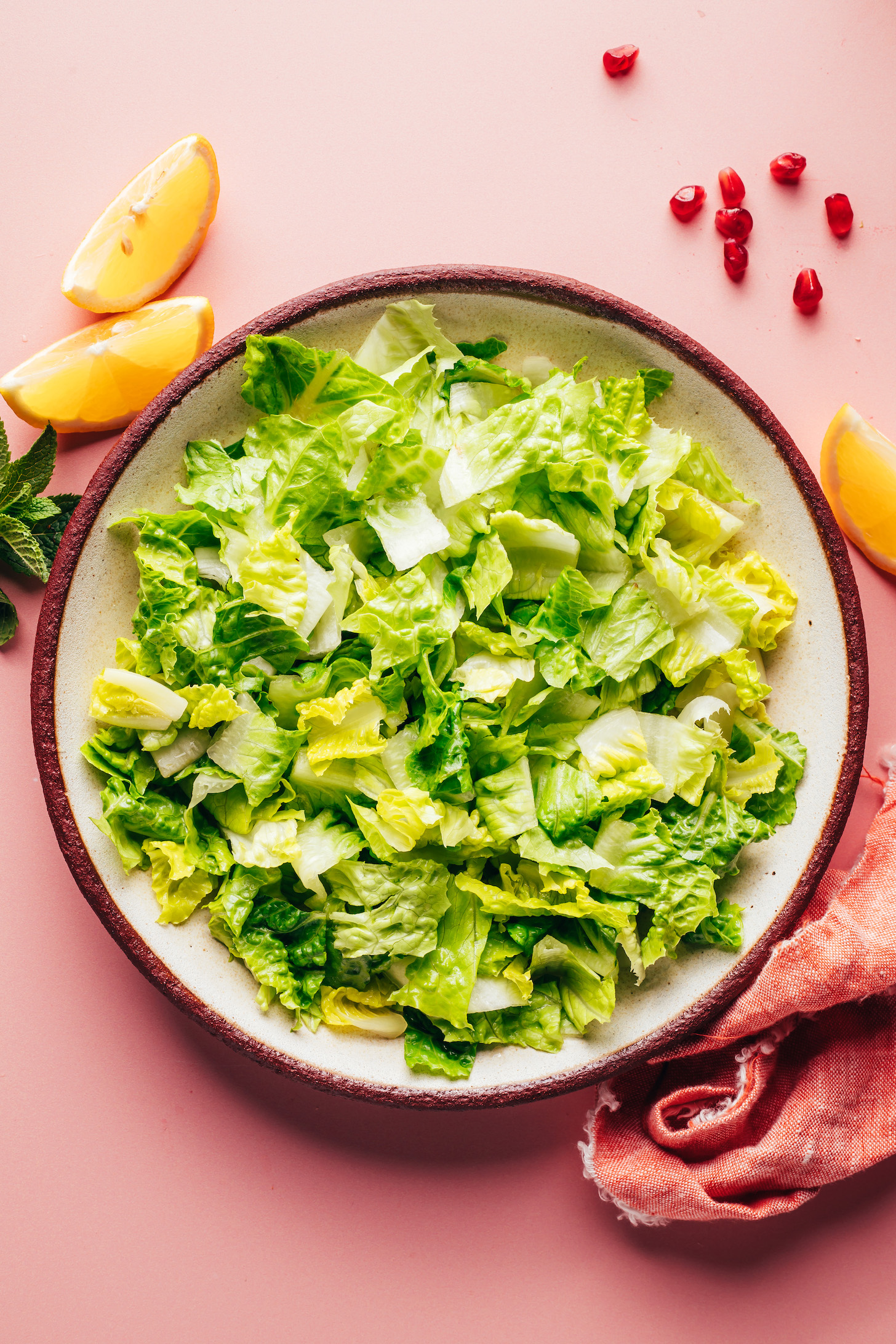
- Fresh Vegetables: The inclusion of cucumber, tomato, and radish not only adds a spectrum of colors and textures but also contributes a wealth of vitamins and minerals. Cucumbers are known for their hydrating properties and Vitamin K content. Tomatoes are rich in Vitamin C, potassium, and lycopene, a powerful antioxidant. Radishes offer a peppery bite and are a good source of Vitamin C and dietary fiber. The emphasis on seasonal, flavorful vegetables further enhances the nutritional value and taste profile, aligning with broader dietary recommendations for increased vegetable intake.
- The Dressing: Central to Fattoush’s appeal is its bright, tangy dressing. This simplified version typically features lemon juice, pomegranate molasses, sumac, salt, and pepper.
- Lemon Juice: Provides a potent dose of Vitamin C and acts as a natural antioxidant, enhancing the freshness of the vegetables.
- Pomegranate Molasses: A concentrated syrup, it delivers a complex sweet-tart flavor and is rich in antioxidants. Its use here bypasses the need for multiple acidic components, simplifying the dressing process.
- Sumac: This ancient spice is not only a flavor enhancer but also boasts anti-inflammatory and antioxidant properties, contributing to the dish’s health benefits.
- Olive Oil: Often an optional addition for balance, extra virgin olive oil is a cornerstone of the Mediterranean diet, lauded for its monounsaturated fats, which are beneficial for heart health.
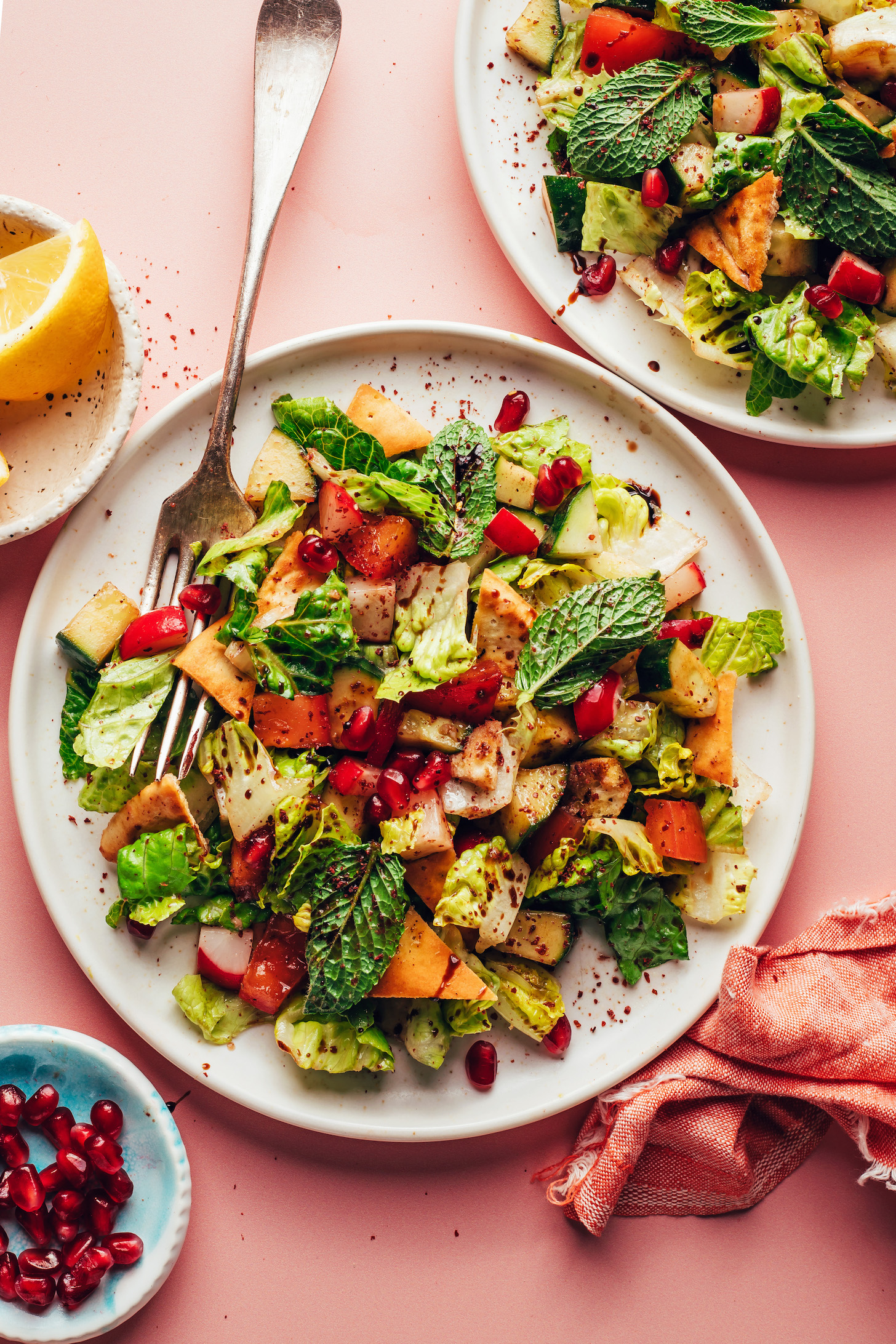
- Textural Elements: The final touches—fresh mint leaves, crispy pita chips, and pomegranate arils—are crucial for the dish’s sensory experience.
- Fresh Mint: Provides a refreshing, aromatic lift that is characteristic of Levantine cuisine. Mint is also known for its digestive benefits.
- Pita Chips: While store-bought options offer ultimate convenience, notes for homemade chips allow for customization and utilization of day-old bread, reflecting the dish’s historical roots in minimizing waste. These chips deliver the essential crunch and a satisfying carbohydrate component.
- Pomegranate Arils: These jewel-like seeds add bursts of sweet-tart flavor and vibrant color. Pomegranates are celebrated as superfoods, packed with antioxidants, fiber, and Vitamin C.
The nutritional information, even for a side serving, often indicates a relatively low-calorie count (e.g., around 127 calories per side serving) with a good balance of carbohydrates, fiber, and essential vitamins, making it an excellent choice for a healthy diet. The optional addition of chickpeas can further transform it into a protein-rich, satisfying light meal, appealing to vegan and vegetarian diets.
The Mediterranean Diet Influence and Global Culinary Trends
The rising prominence of dishes like this simplified Fattoush salad is intrinsically linked to the global embrace of the Mediterranean diet. Recognized by UNESCO as an Intangible Cultural Heritage of Humanity, the Mediterranean diet is consistently ranked among the healthiest eating patterns worldwide. Its emphasis on whole grains, fresh fruits and vegetables, legumes, nuts, olive oil, and moderate consumption of fish and poultry, with red meat consumed sparingly, has been scientifically linked to reduced risks of heart disease, stroke, type 2 diabetes, and certain cancers.
Fattoush, with its fresh produce, healthy fats from olive oil, and the optional addition of legumes like chickpeas, fits seamlessly within these dietary principles. Its vibrant flavors and diverse textures also align with a broader culinary trend towards plant-forward eating. A 2022 report by the Plant Based Foods Association indicated continued growth in plant-based food sales, driven by both health and environmental consciousness. Recipes that naturally emphasize vegetables and can be easily adapted to be fully plant-based, such as this Fattoush, are perfectly positioned to capitalize on this growing market segment.
Moreover, there is an increasing fascination with global cuisines. Consumers are more adventurous than ever, seeking authentic flavors and diverse culinary experiences. However, a common barrier is the perceived complexity or unfamiliarity of ingredients and techniques. Simplified versions of classic dishes bridge this gap, acting as an entry point for home cooks to explore new cultures through food. This particular Fattoush recipe, by highlighting sumac and pomegranate molasses, introduces ingredients that might be new to some, encouraging culinary exploration while ensuring the overall process remains approachable.
Expert Commentary and Industry Implications
Culinary experts and nutritionists have lauded the development of such "weeknight-friendly" adaptations. Dr. Anya Sharma, a leading nutritionist specializing in global diets, commented, "Recipes like the Easy Fattoush Salad are critical for public health. They demonstrate that healthy eating doesn’t have to be complicated or time-consuming. By simplifying traditional dishes, we empower more people to incorporate nutrient-dense, culturally rich foods into their regular diets, moving away from processed meals."
Food industry analysts also see significant implications. "The ‘one-bowl, 20-minute’ mantra is a powerful marketing tool that resonates deeply with today’s consumers," states Mark Jensen, a food market strategist. "Brands that can offer convenience without compromising on perceived health benefits or authentic flavor profiles are poised for substantial growth. We could see an uptick in sales of specialty ingredients like pomegranate molasses and sumac as more home cooks discover the ease and deliciousness of dishes like this Fattoush." Jensen further predicts that this trend will encourage food manufacturers to innovate with pre-chopped vegetable mixes, pre-made dressings featuring ethnic spices, and gluten-free pita chip alternatives to further support the demand for quick and healthy global meals.
Chronology of Culinary Convenience
The evolution of convenience in cooking has a long history, constantly adapting to societal changes:
- Early 20th Century: The advent of canned goods and frozen foods marked initial steps towards reducing kitchen labor, driven by industrialization and changing household structures.
- Mid-20th Century: The rise of TV dinners and instant mixes offered unprecedented ease, albeit often at the expense of nutritional quality.
- Late 20th Century: The focus shifted slightly towards "semi-homemade" meals, with pre-made sauces and components allowing for quicker assembly.
- Early 21st Century: Meal kit delivery services emerged, providing pre-portioned ingredients and simplified recipes, acknowledging the desire for fresh, home-cooked meals without the planning and shopping hassle.
- Present Day: The current trend emphasizes "smart cooking"—recipes that maximize flavor and nutrition while minimizing time, effort, and cleanup, often leveraging readily available ingredients and simplified techniques. The "Easy Fattoush Salad" is a prime example of this "smart cooking" philosophy, directly addressing the modern cook’s need for efficiency.
Broader Impact and Future Outlook
The impact of this streamlined Fattoush salad extends beyond individual households. It contributes to a broader cultural exchange, introducing elements of Levantine cuisine to diverse palates in a non-intimidating format. As more people experience the refreshing taste and satisfying crunch of this salad, it fosters greater appreciation for Middle Eastern and Mediterranean culinary traditions.
The success of such adaptations also provides a blueprint for other traditional dishes. We can anticipate more classic recipes from various global cuisines undergoing similar "weeknight-friendly" transformations, democratizing diverse culinary heritage and making healthy, exciting meals a staple for everyone, regardless of their cooking skill or available time. This movement is not merely about simplifying recipes; it’s about making global flavors and healthy eating an integral, effortless part of daily life, fostering a more adventurous and health-conscious generation of home cooks. The "Easy Fattoush Salad" serves as a delicious harbinger of this evolving culinary future.
