
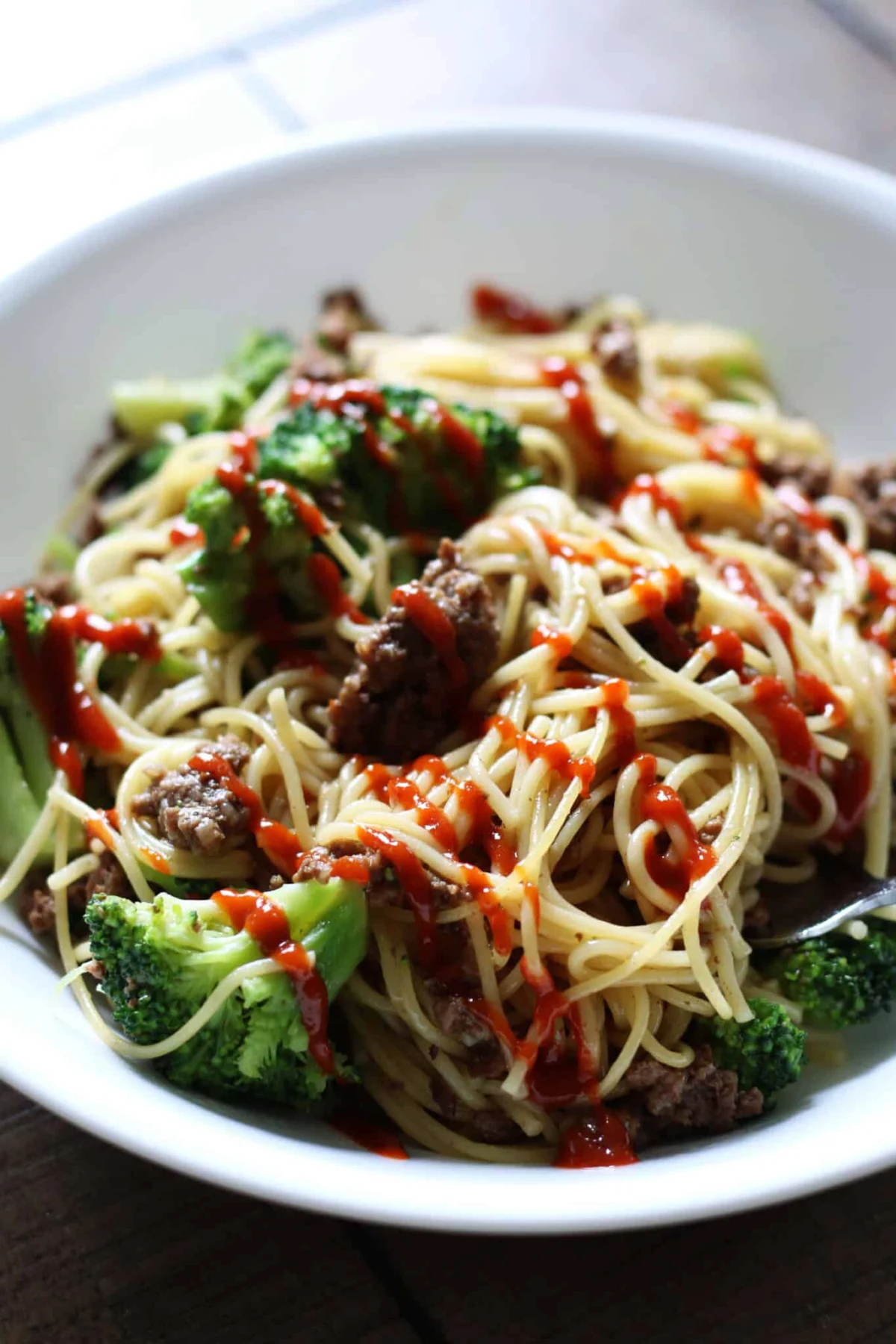
The landscape of weeknight dining has undergone a significant transformation over the last decade, driven largely by the advent of multifunctional pressure cookers and a growing consumer demand for global flavor profiles that do not require hours of preparation. At the forefront of this culinary shift is the emergence of high-efficiency recipes such as Sticky Beef Noodles, an Instant Pot-based dish that combines tender ground beef, sweet chili sauce, and broccoli with delicate angel hair pasta. This particular dish has gained traction among home cooks for its "one-pot" utility, balancing proteins, carbohydrates, and vegetables within a remarkably short two-minute active pressure-cooking window.
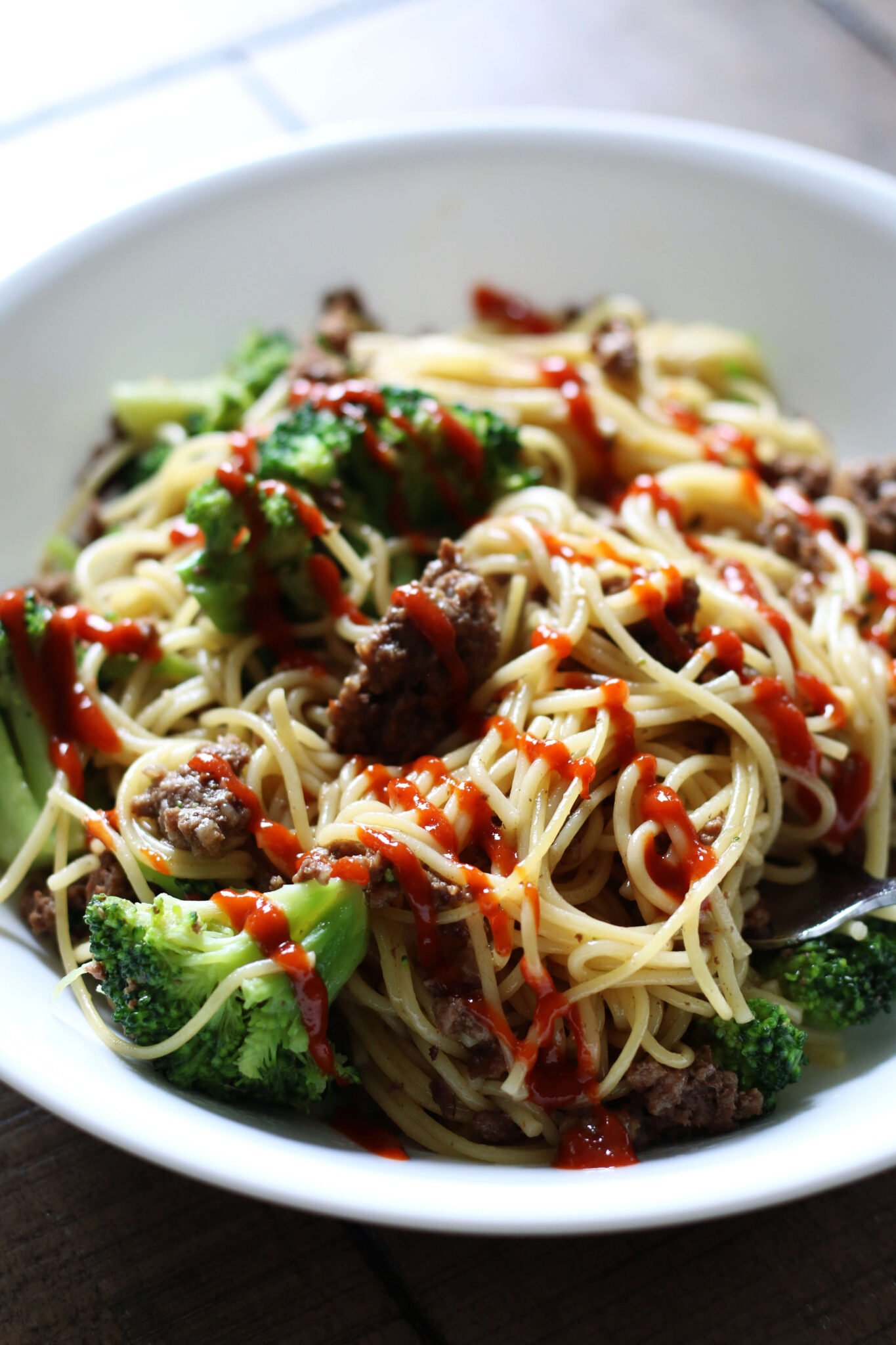
As modern households increasingly prioritize speed without sacrificing nutritional density, the Sticky Beef Noodles recipe represents a broader trend in the "fast-casual" home-cooking movement. By utilizing a sophisticated balance of savory, sweet, and tangy elements, the dish provides an accessible entry point into Asian-fusion cuisine for the average consumer.
Technical Composition and Preparation Methodology
The preparation of Sticky Beef Noodles relies on the specific mechanics of the electric pressure cooker, a device that has revolutionized kitchen efficiency since the mid-2010s. The process begins with the "Sauté" function, a critical feature that allows for the Maillard reaction—the chemical reaction between amino acids and reducing sugars that gives browned food its distinctive flavor.
Phase I: Browning and Aromatics
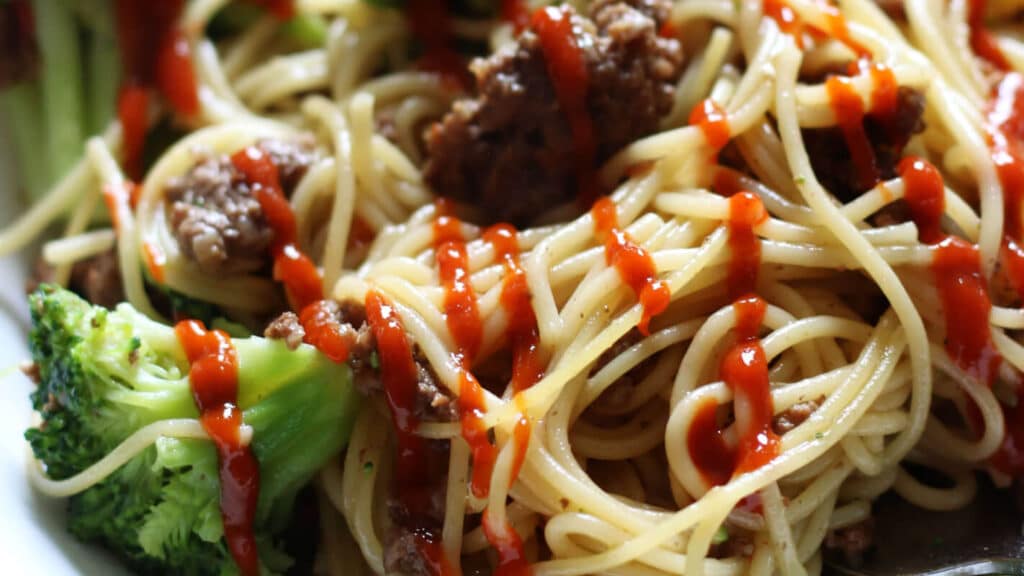
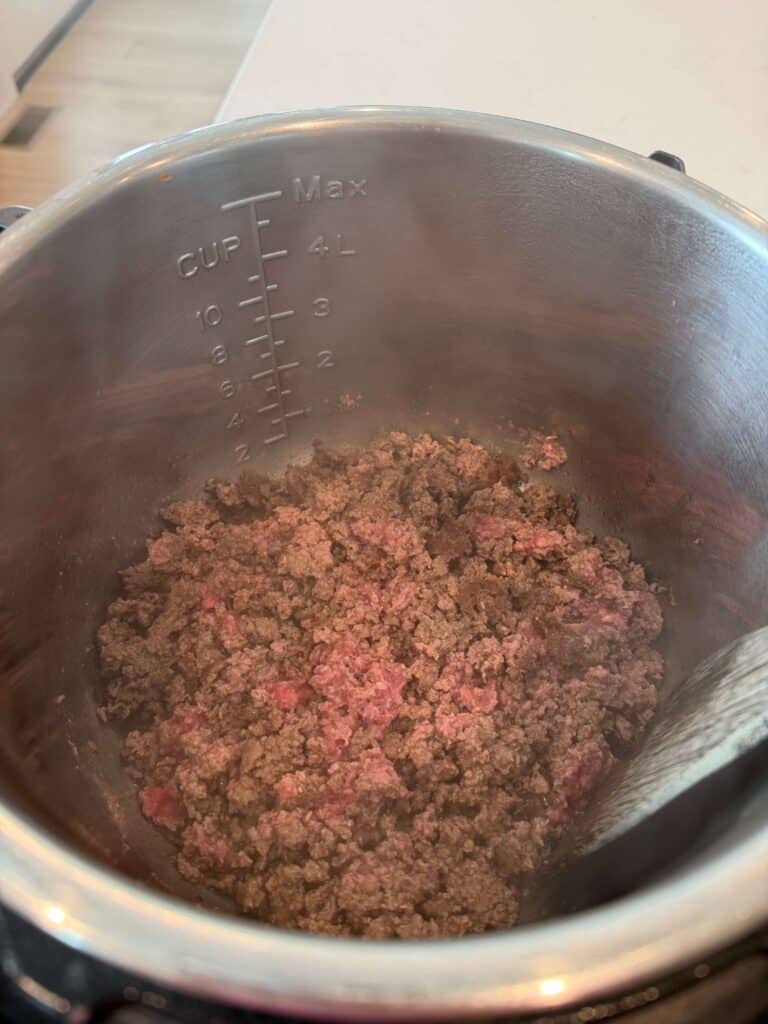
The initial stage requires browning one pound of ground beef. Journalistic observation of culinary trends suggests that ground beef remains a staple for many families due to its relative affordability and versatility. Once the beef is browned and excess lipids are drained, the introduction of fresh garlic and gingerroot provides a foundation of aromatics. These ingredients are foundational to many East Asian culinary traditions and are noted for their anti-inflammatory properties and depth of flavor.
Phase II: Deglazing and Layering
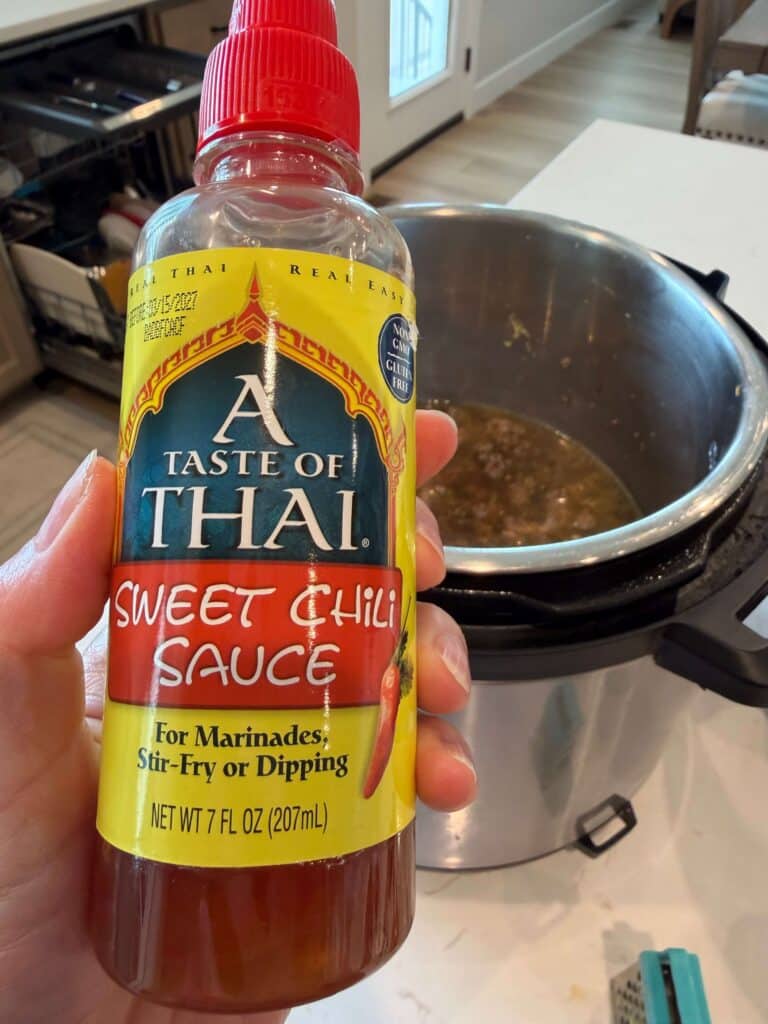
A crucial technical step involves adding water to deglaze the bottom of the stainless steel pot. In pressure cooking, failing to scrape away "fond"—the caramelized bits of meat stuck to the bottom—can trigger the device’s "Burn" sensor, halting the cooking process. Following the deglazing, the sauce components are introduced: brown sugar for sweetness, soy sauce for umami and salinity, and vinegar for acidity.
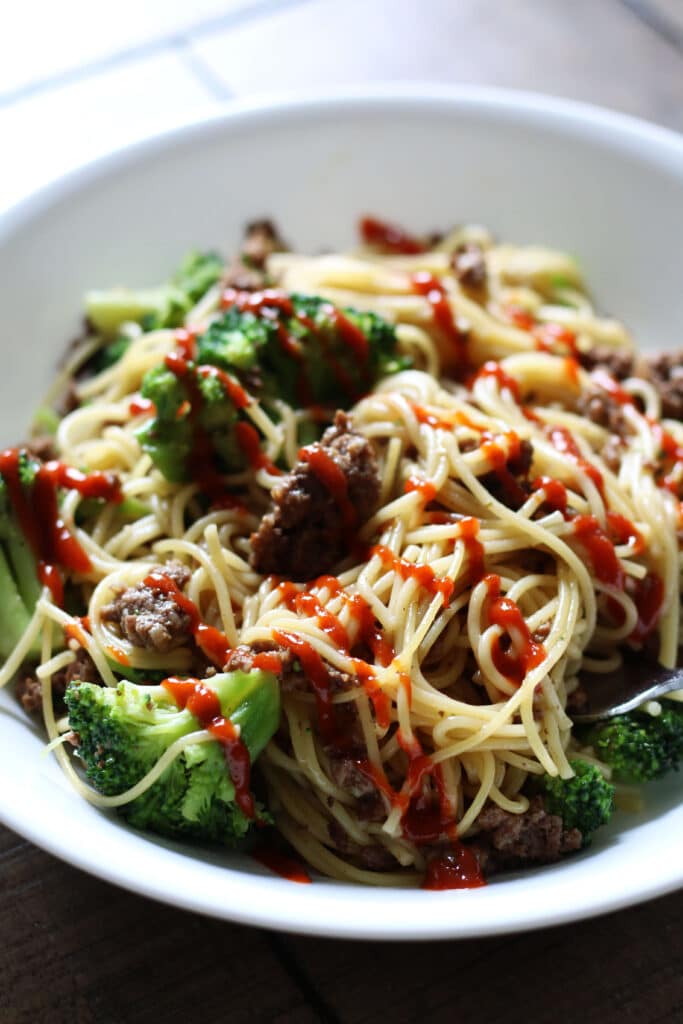
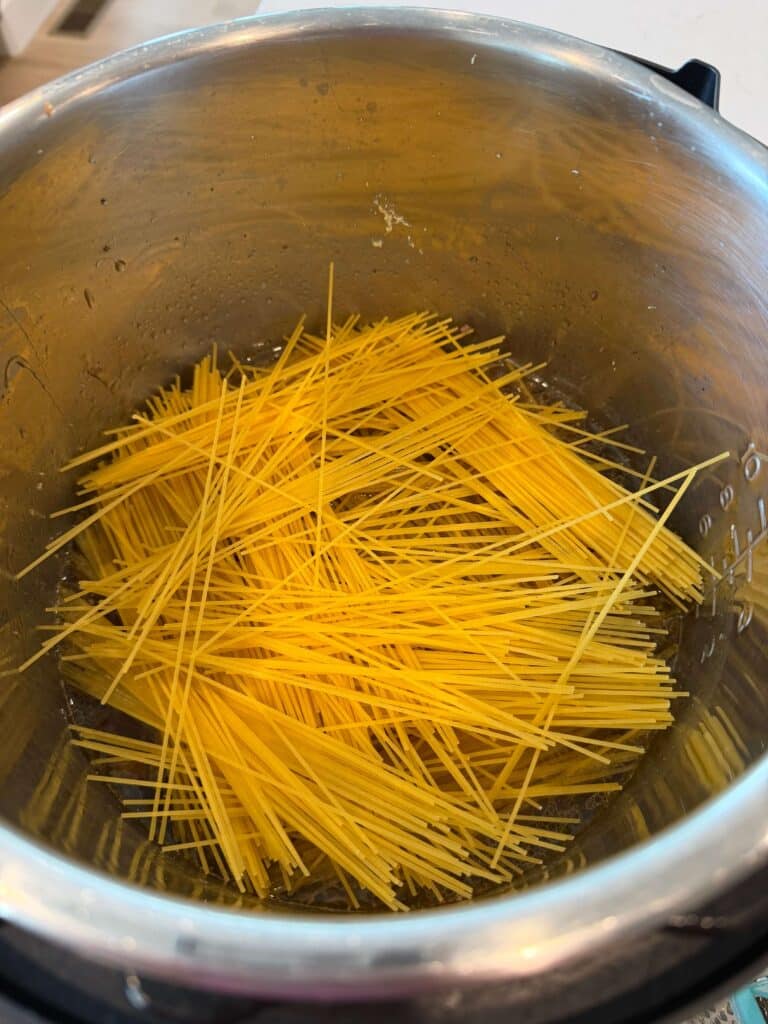
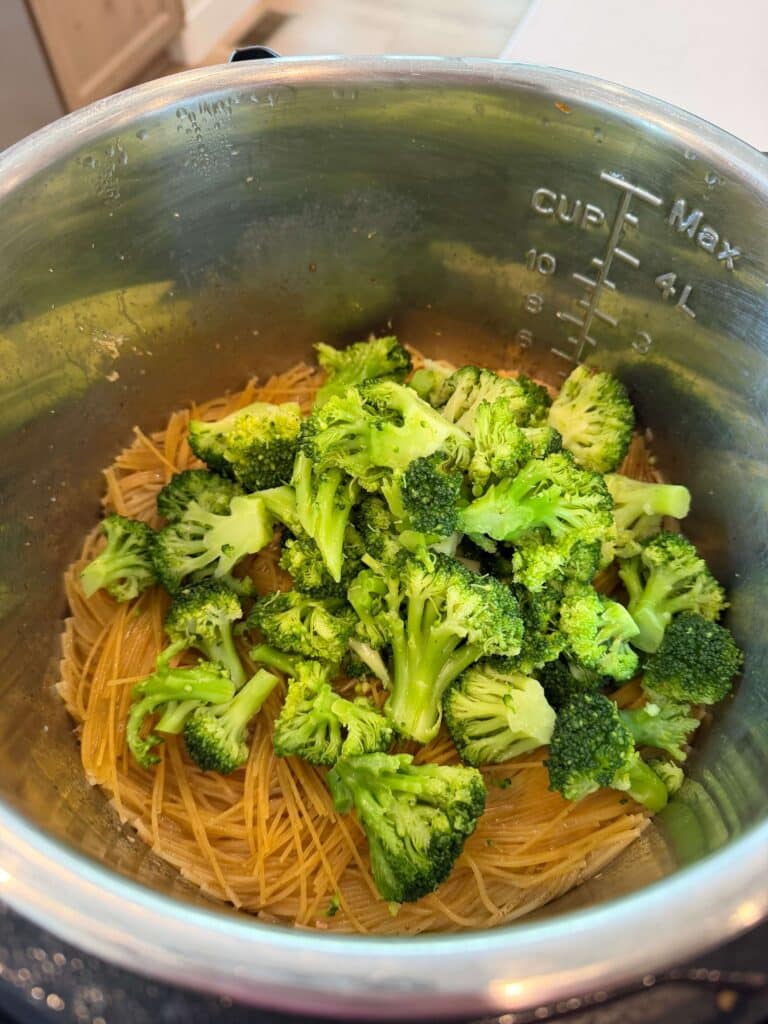
The arrangement of the pasta is a specific point of technical interest. The recipe mandates that angel hair pasta be broken in half and laid in a "criss-cross" pattern. This spatial arrangement is designed to prevent the starch from clumping together, ensuring that the pressurized steam can circulate evenly around each strand of noodle.
Phase III: Pressurized Cooking
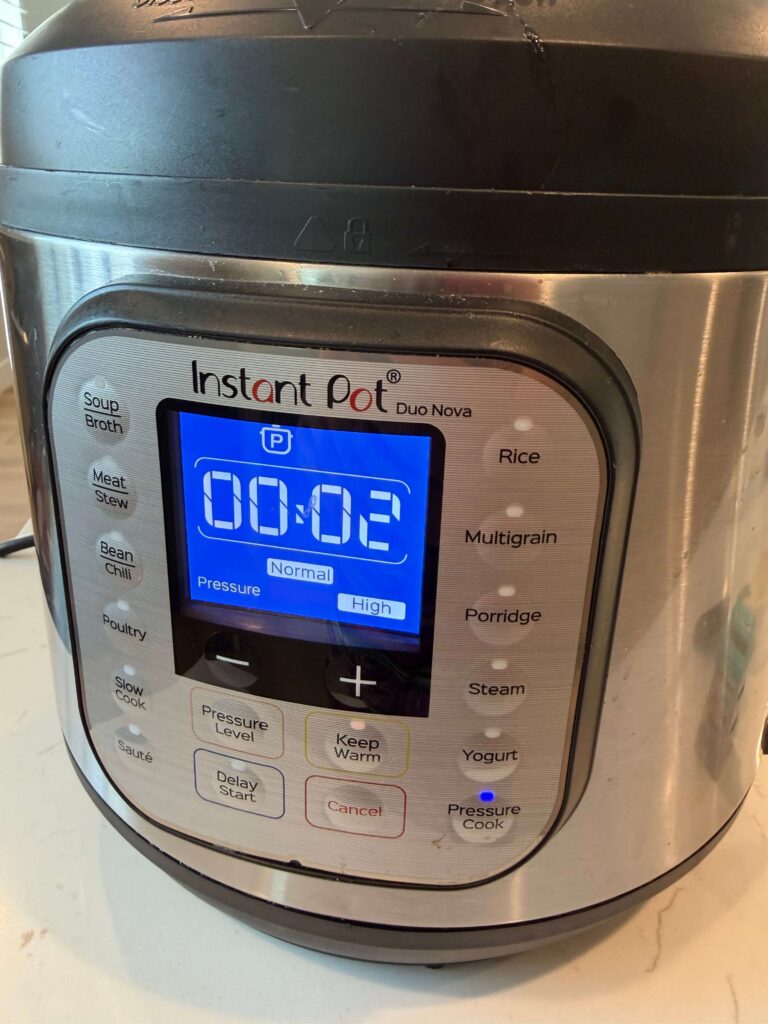
The cooking time is set to a precise two minutes on high pressure. This short duration is dictated by the thinness of angel hair pasta, which cooks significantly faster than standard spaghetti or fettuccine. After the timer expires, a five-minute natural release period is required. This allows the internal pressure to subside gradually, preventing the beef from becoming tough and ensuring the noodles maintain an al dente texture.
The Evolution of the One-Pot Meal: A Chronology
The rise of the Sticky Beef Noodles recipe can be traced through a timeline of technological and cultural milestones in the American kitchen.
- 2010–2014: The Multicooker Boom. The initial release and subsequent viral success of the Instant Pot changed the trajectory of home cooking. Consumers moved away from traditional slow cookers in favor of devices that could perform the same tasks in a fraction of the time.
- 2015–2018: The Rise of Food Blogging. Digital creators, including Karen Petersen of the "365 Days of Crockpot" platform, began experimenting with complex flavor profiles—such as Korean BBQ and Thai-inspired sauces—adapted for pressure cookers. This period saw a massive influx of "one-pot" recipes designed for the working professional.
- 2019–2022: Pandemic-Era Cooking. With more people eating at home, there was a surge in demand for "pantry staple" recipes. Sticky Beef Noodles, which utilizes common items like frozen broccoli and dried pasta, became a go-to solution for supply-chain-conscious cooks.
- 2023–Present: Refinement and Fusion. Current trends show a focus on "sticky" textures—achieved through the reduction of sugars and starches—and the integration of fresh vegetables like broccoli to offset the richness of the meat.
Supporting Data: Market Trends and Nutritional Analysis
The popularity of dishes like Sticky Beef Noodles is supported by significant market data. According to industry reports from 2023, the global multicooker market is projected to reach several billion dollars by 2030, with a compound annual growth rate (CAGR) of over 6%. This growth is mirrored by the "Asian-inspired" segment of the meal-kit and recipe industry, which has seen a 15% increase in consumer interest year-over-year.
Nutritional Balance
From a nutritional standpoint, the dish offers a comprehensive macro-profile.
- Protein: Ground beef provides essential iron and B-vitamins.
- Fiber: The inclusion of broccoli—often steamed separately or microwaved to preserve its cruciferous integrity—adds vitamin C and dietary fiber.
- Carbohydrates: Angel hair noodles provide the necessary glucose for energy, though many modern consumers have begun substituting these with whole-wheat or gluten-free alternatives to meet specific dietary needs.
The use of sweet chili sauce and sriracha as finishing agents allows for a customizable "heat index." Data from spice manufacturers indicate that sriracha consumption has remained high despite recent supply shortages, highlighting a persistent American palate preference for spicy, vinegar-based condiments.
Related Culinary Developments
The Sticky Beef Noodles dish does not exist in a vacuum but is part of a larger ecosystem of Asian-themed Instant Pot recipes developed to simplify the domestic workload. Other notable entries in this category include:
- Fool’s Chicken: A tamari-based dish featuring a garlicky glaze, designed for service over rice.
- Korean BBQ Beef Bowls: A recipe utilizing thinly sliced beef and sesame dressing, emphasizing the "bowl" food trend that has dominated the fast-casual industry.
- Bang Bang Beef Casserole: A spicy-sweet meat and rice dish that utilizes a similar one-pot cooking method.
- Potsticker Soup: A deconstructed version of traditional dumplings, focusing on ginger and garlic-infused broths.
These recipes share a common DNA: they utilize the high-pressure environment to infuse proteins with intense flavor in a manner that would traditionally take hours of marinating or braising.
Industry and Consumer Reactions
Culinary analysts have noted that the success of the Sticky Beef Noodles recipe lies in its "low barrier to entry." Chef and food industry consultant Michael Ruhlman has frequently commented on the importance of "technique over recipe." In this context, the technique of pressure-cooking pasta and meat together is a breakthrough for efficiency.
Consumer feedback on similar platforms suggests a high satisfaction rate regarding the "cleanup-to-meal" ratio. Traditional beef and noodle dishes often require a separate pot for boiling water, a pan for browning meat, and a colander for draining. The Instant Pot methodology reduces this to a single vessel, which resonates with the "minimalist" lifestyle trend currently popular among younger demographics.
Broader Impact and Future Implications
The implications of the Sticky Beef Noodles phenomenon extend beyond the dinner table. It reflects a shift in how cultural flavors are disseminated. What was once considered "exotic" or "takeout-only" is now a standard Tuesday night meal in suburban households. This democratization of flavor is a direct result of the accessibility provided by digital recipe developers and affordable kitchen technology.
Looking forward, the evolution of this dish likely involves further health-conscious modifications. We may see an increase in the use of "zoodles" (zucchini noodles) or hearts of palm pasta as consumers look to reduce caloric density while maintaining the "sticky" sauce profile. Additionally, as the cost of beef fluctuates, the adaptation of this recipe for ground turkey or plant-based meat substitutes is already becoming prevalent in online cooking communities.
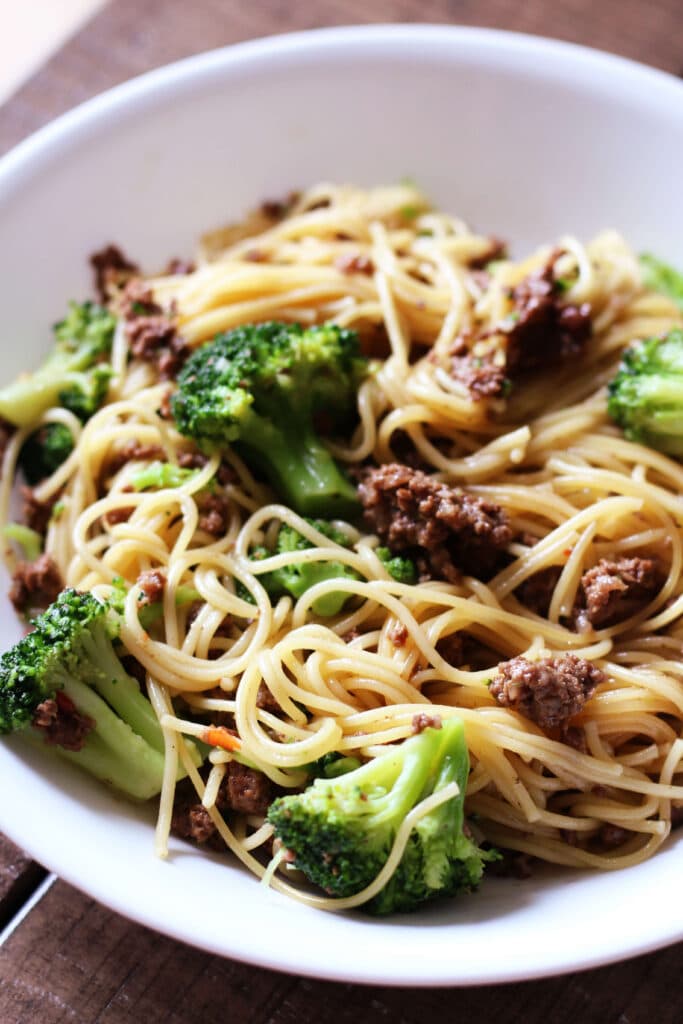
In conclusion, Sticky Beef Noodles is more than a simple recipe; it is a case study in modern culinary efficiency. By combining the mechanical advantages of the Instant Pot with a sophisticated flavor palette and a streamlined workflow, it addresses the primary challenges of the contemporary home cook: time, taste, and nutrition. As the technology of the kitchen continues to advance, the "one-pot" philosophy embodied by this dish will likely remain a cornerstone of the global domestic experience.
