
The Historical Trajectory of Chicken à la King
To understand the significance of Doe’s Chicken à la King, one must examine the dish’s historical roots. While the exact origins of Chicken à la King are a subject of culinary debate, several prominent theories date the dish back to the late 19th century. One prevailing narrative suggests it was created at the Brighton Beach Hotel in New York in the 1890s by chef George Greenwald for the owners, Mr. and Mrs. E. Clark King II. Another theory attributes the creation to William "King" Yeake at the Delmonico restaurant in the 1880s.
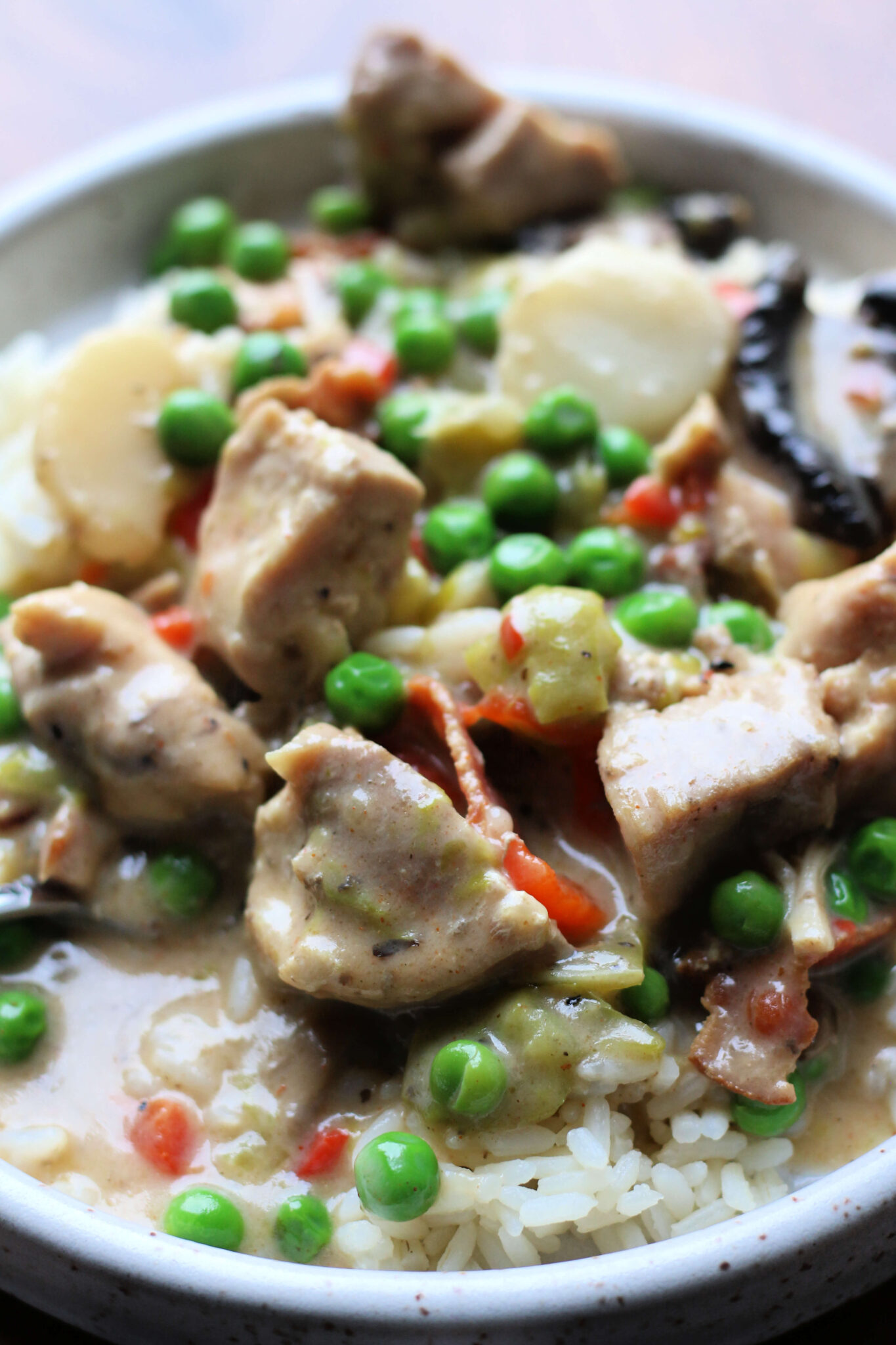
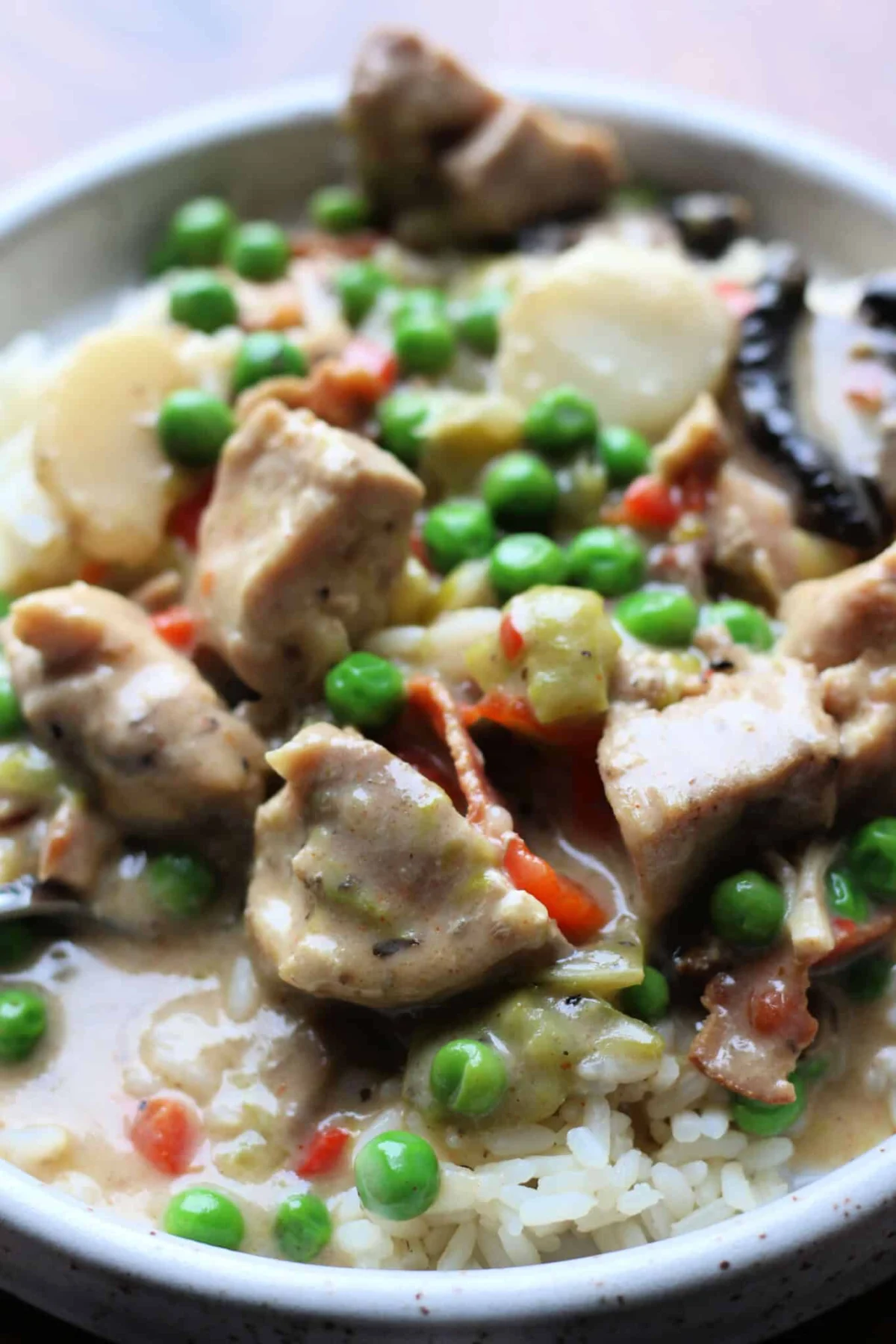
Regardless of its precise origin, the dish traditionally consisted of diced chicken in a cream sauce, often flavored with sherry, mushrooms, and pimentos, served over toast or puff pastry. Throughout the mid-20th century, it became a fixture of hotel menus and formal banquets. However, as domestic life accelerated in the 21st century, the dish underwent a transformation. The labor-intensive stovetop methods of the past have been largely supplanted by "set-it-and-forget-it" technology. Doe’s version exemplifies this shift, utilizing the pressurized environment of the Instant Pot to infuse flavors in a fraction of the time required by traditional braising.
The Architectural Components of the Recipe
The success of Doe’s Chicken à la King lies in its strategic layering of flavors and textures. Unlike more rudimentary versions of the dish that may rely on canned "cream of" soups, this recipe utilizes a base of chicken broth and half-and-half, thickened with a cornstarch slurry. This approach allows for a cleaner flavor profile and better control over sodium levels.

Protein and Savory Elements
The primary protein, boneless skinless chicken breast or thighs, provides a lean foundation. However, the inclusion of bacon is a pivotal departure from the 19th-century original. By sautéing the bacon first and using the rendered fat to soften the vegetables, the cook establishes a smoky, umami-rich base that permeates the entire dish. This technique, often referred to in professional kitchens as "building a fond," ensures that the final sauce has depth and complexity.
Textural Contrast through Vegetables
A frequent criticism of cream-based stews is a lack of varied texture. Doe’s recipe addresses this through a specific selection of vegetables:

- Mushrooms and Celery: These provide the initial aromatic base, softened during the sauté phase to release their moisture and sugars.
- Bell Peppers and Pimentos: These add a mild sweetness and vibrant visual contrast.
- Water Chestnuts: Perhaps the most unique addition, water chestnuts retain their crunch even after pressure cooking, providing a necessary counterpoint to the tender chicken.
- Peas: Added at the final stage, frozen peas provide a "pop" of freshness and color that prevents the dish from appearing monochromatic.
Procedural Chronology: From Preparation to Presentation
The preparation of Doe’s Chicken à la King follows a logical sequence designed to maximize flavor extraction while minimizing active labor.
Phase I: The Sauté and Deglaze
The process begins with the Instant Pot set to its "Sauté" function. Bacon is cooked until the fat has rendered and the meat is crispy. Once the bacon is removed, the mushrooms and celery are introduced to the hot grease. This five-minute window is critical for the Maillard reaction, where the vegetables begin to brown and develop savory notes. Following this, the pot is deglazed with chicken broth. In the context of pressure cooking, this step is mandatory to prevent the "Burn" error, as it clears the bottom of the pot of any caramelized bits that might overheat.

Phase II: The Pressure Cycle
Once the aromatics are prepared, the chicken and primary seasonings—salt, pepper, paprika, poultry seasoning, and garlic powder—are added. The paprika not only adds a subtle earthiness but also gives the sauce a warm, golden hue. The Instant Pot is sealed and set to high pressure for a duration of four minutes. While this may seem brief, the additional 10 minutes of natural pressure release (NPR) allows the chicken to finish cooking gently, ensuring the fibers remain moist rather than becoming rubbery.
Phase III: Tempering and Thickening
The final phase occurs after the pressure has been released. To incorporate the dairy without curdling—a common risk when adding cold cream to a boiling liquid—the recipe employs "tempering." A small amount of the hot liquid is whisked into the half-and-half before the mixture is poured back into the main pot. Finally, a cornstarch slurry is stirred in under the sauté setting to achieve the signature velvety consistency of a "King" sauce.

Comparative Analysis: Instant Pot vs. Slow Cooker
While the Instant Pot is lauded for its speed, the recipe is easily adapted for a slow cooker, appealing to a different demographic of home cooks. In the slow cooker version, the sautéing of bacon and vegetables is typically done on a stovetop before transferring to the ceramic crock.
Data suggests that slow cooking at low heat for 6 to 8 hours results in a slightly more integrated flavor profile, as the low temperature allows the connective tissues in the chicken to break down more thoroughly. Conversely, the Instant Pot method, which takes approximately 45 minutes from start to finish (including pressurization time), is favored by working professionals who require high-quality meals on a limited schedule. Market research indicates that "multicookers" saw a 20% increase in household penetration between 2017 and 2022, largely due to recipes like Chicken à la King that bridge the gap between "fast food" and "slow food."

Nutritional and Economic Implications
From a nutritional standpoint, Doe’s Chicken à la King is a balanced meal, particularly when served over brown rice or whole-grain toast. A standard serving provides high-quality protein from the chicken and a significant array of vitamins (A and C) from the peppers and peas. While the half-and-half and bacon increase the saturated fat content, the dish remains a more wholesome alternative to processed frozen dinners or restaurant "comfort food" which often contain significantly higher caloric loads.
Economically, the dish is highly efficient. Chicken breast, frozen peas, and rice are low-cost staples. By utilizing a single pot, the consumer also reduces water and energy consumption associated with cleanup and multiple burner usage. This "one-pot" philosophy has become a cornerstone of modern domestic economy, especially during periods of rising grocery inflation.

Broader Impact on Modern Culinary Trends
The resurgence of recipes like Doe’s Chicken à la King reflects a broader trend in the culinary world: the "retro-modern" movement. This involves taking "mid-century modern" recipes—those found in the back of 1950s cookbooks—and stripping away the processed ingredients (like condensed soups) in favor of fresh produce and modern spices.
Furthermore, the role of digital platforms cannot be overstated. Authors like Karen Petersen, who operate sites dedicated to slow cooking and pressure cooking, have created a democratization of culinary knowledge. By providing "dump-and-go" instructions alongside more complex sauté-based methods, these creators allow home cooks of varying skill levels to produce restaurant-quality results. The ability to filter recipes by dietary needs (gluten-free, low-carb) further enhances the utility of these modern digital cookbooks.

Conclusion and Final Observations
Doe’s Chicken à la King is more than a simple recipe; it is a synthesis of culinary history and 21st-century technology. It respects the foundational flavors of a century-old classic while embracing the textures and efficiencies demanded by today’s consumers. The addition of water chestnuts for crunch, bacon for smoke, and the use of a pressure cooker for speed results in a dish that is both nostalgic and innovative.
As home cooking continues to evolve, the reliance on versatile, nutrient-dense, and time-effective meals will likely remain a priority. Doe’s Chicken à la King stands as a primary example of how traditional cuisine can be successfully re-engineered for the modern era, ensuring that the legacy of "King" Yeake and George Greenwald lives on in the digital age. Whether prepared in a high-tech pressure cooker or a traditional slow cooker, the dish remains a pinnacle of comfort, providing a warm, creamy, and satisfying experience that transcends its humble one-pot preparation.
