
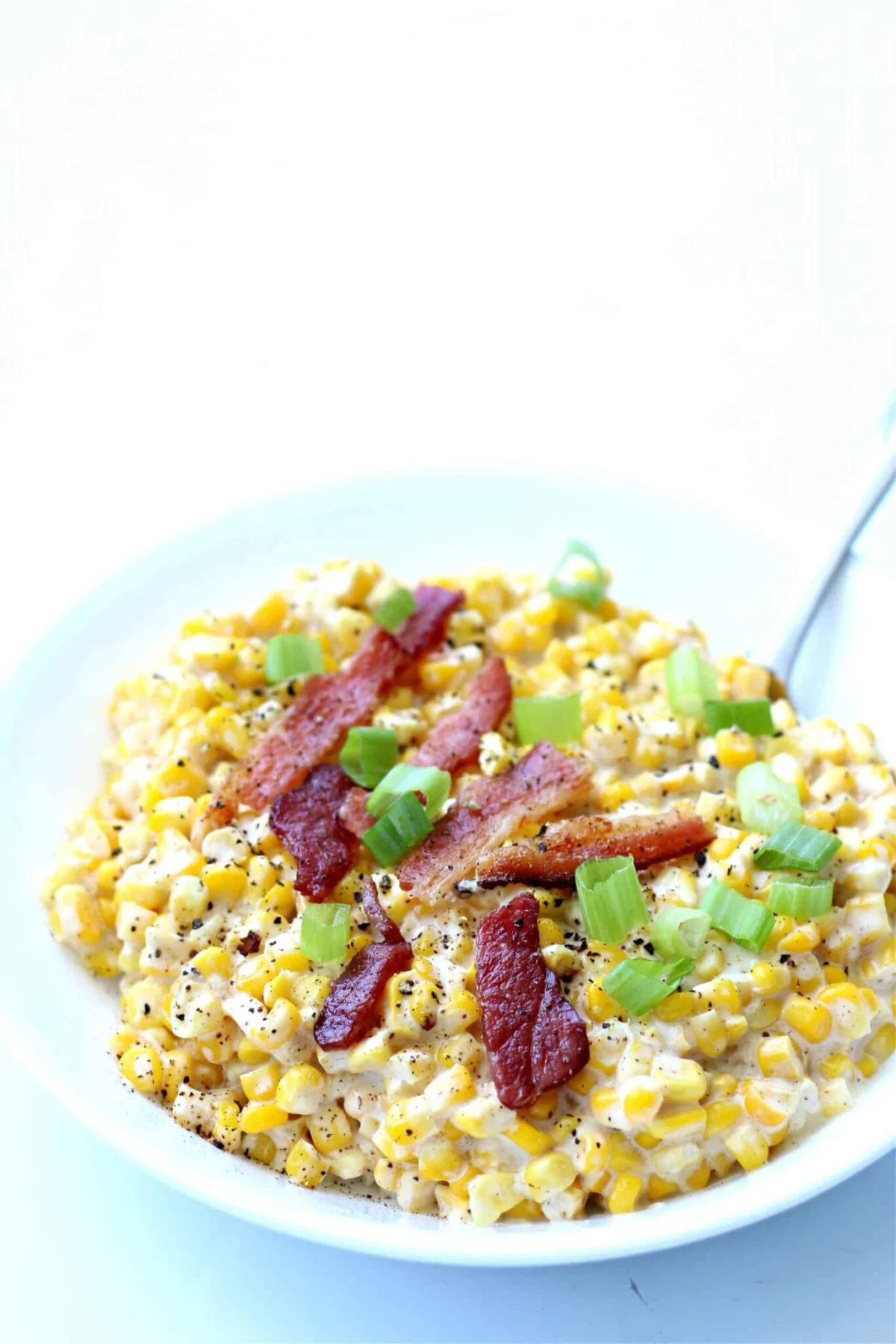
The Cultural Significance and Evolution of Corn-Based Casseroles
To understand the prominence of the Awesome and Easy Creamy Corn Casserole, one must examine the historical trajectory of corn in North American gastronomy. Corn, or maize, has been a dietary staple for millennia, originally cultivated by indigenous populations who developed various methods for processing the grain, including nixtamalization. Early European settlers adapted these techniques to create cornbread, a dish that became a cornerstone of Southern United States cuisine.
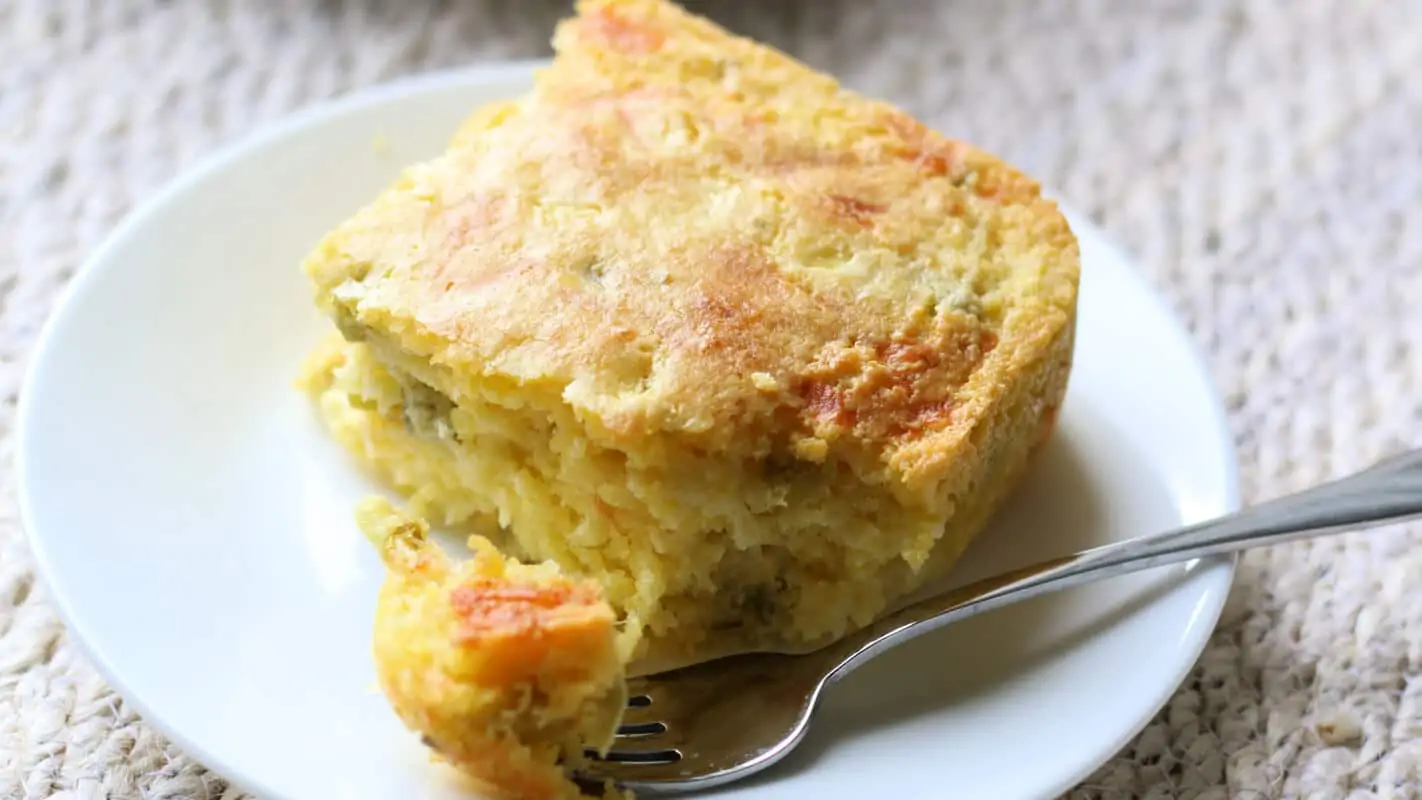
As industrialization progressed in the mid-20th century, the "casserole culture" emerged, driven by the availability of canned goods and the rise of the nuclear family. The 1950s and 1960s saw the introduction of various "corn puddings" and "scalloped corn" dishes, which utilized cream-style corn and crackers or breadcrumbs. The modern iteration of the creamy corn casserole—often referred to as "corn bake" or "jiffy bake"—became a staple of holiday gatherings and potlucks due to its shelf-stable ingredients and crowd-pleasing texture.
The specific variation presented in this recipe reflects a 21st-century culinary trend: the infusion of Southwestern flavors into traditional Americana. The addition of pepper jack cheese and green chiles represents the "fusion" era of home cooking, where home chefs seek to elevate standard recipes with heat and acidity. This evolution is documented in the digital footprint of the recipe, which originated on platforms like All Recipes and has been refined through thousands of user reviews and community feedback.
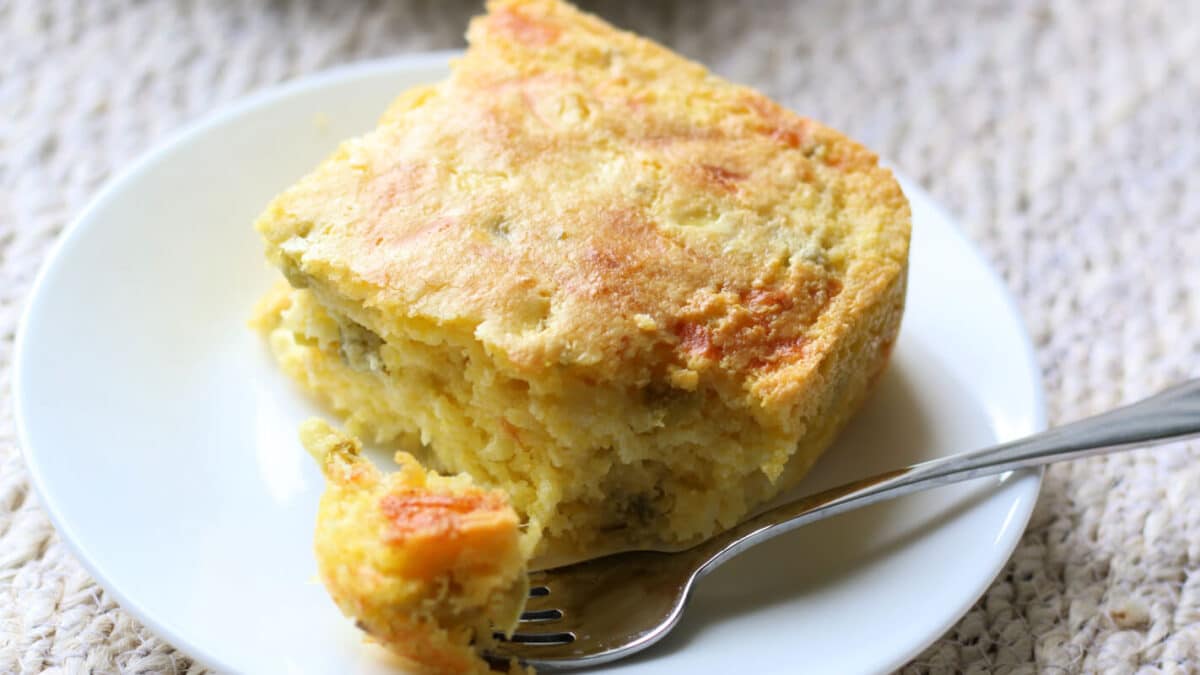
Culinary Mechanics and Ingredient Analysis
The success of the Awesome and Easy Creamy Corn Casserole is rooted in its specific ratios of fats, proteins, and starches. Culinary experts note that the combination of cornmeal and all-purpose flour provides a structural foundation that is both sturdy and tender. The inclusion of baking powder acts as a leavening agent, ensuring the casserole does not become overly dense despite the weight of the wet ingredients.
Key components of the dish include:
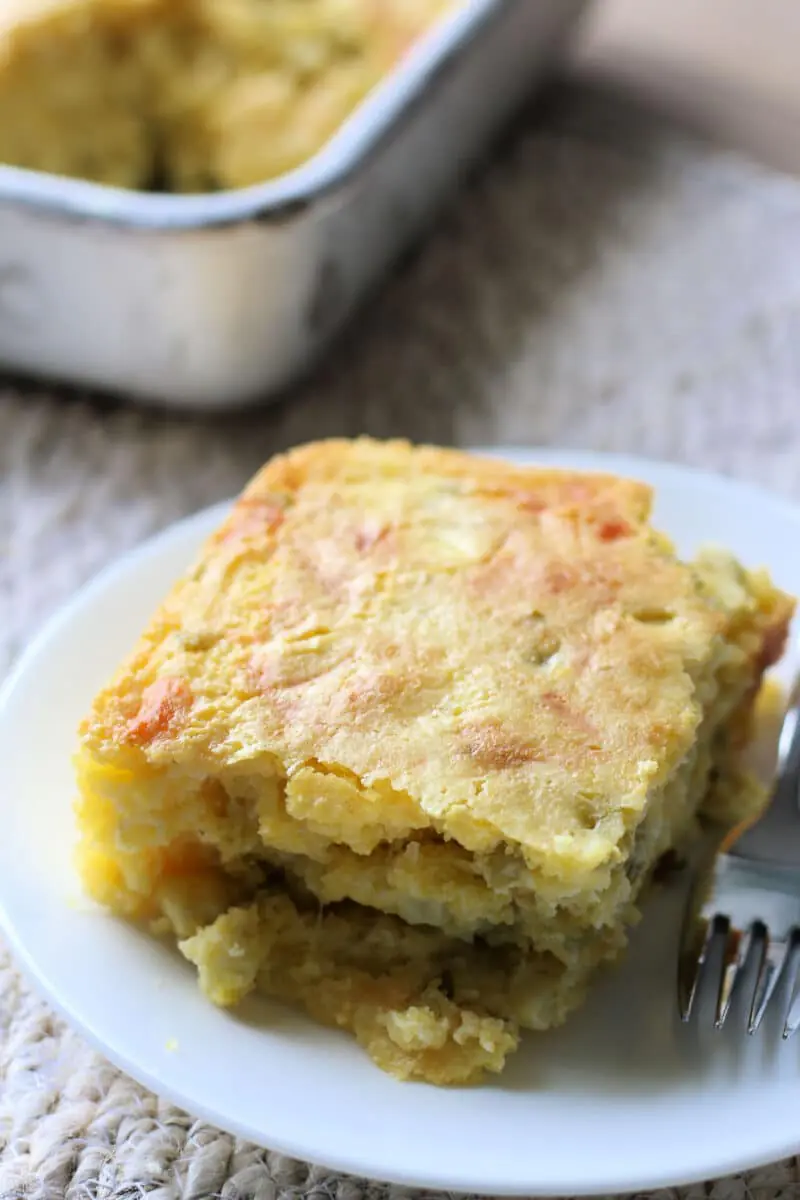
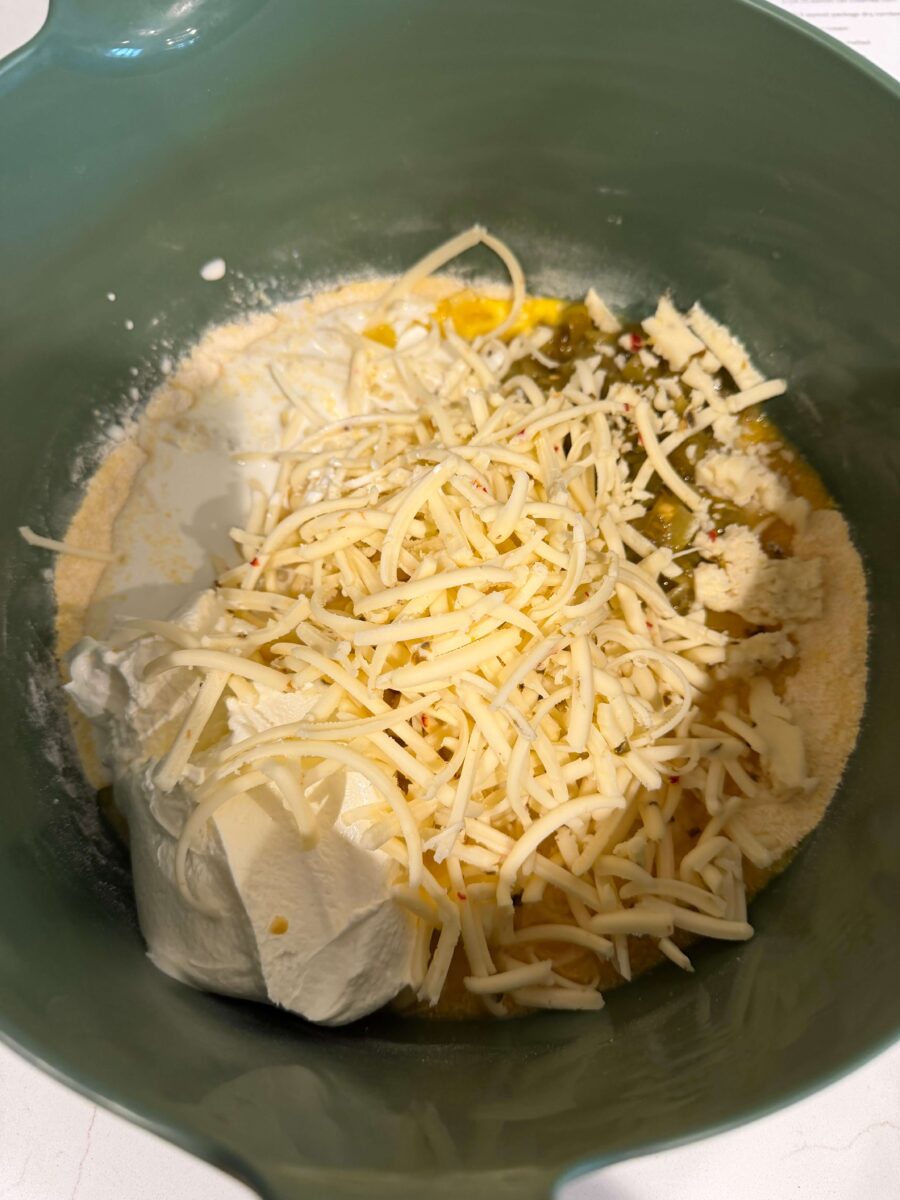
- The Moisture Matrix: Sour cream and melted butter serve as the primary fats. Sour cream, in particular, provides acidity that reacts with the leavening agents and adds a distinct tang, while the butter contributes to the "mouthfeel" and rich flavor profile.
- The Sweet-Savory Balance: Granulated sugar is used not to make the dish a dessert, but to enhance the natural sugars found in the corn kernels. This is countered by the salt and the heat from the pepper jack cheese.
- Textural Contrast: The use of both cornmeal and whole corn kernels creates a multi-layered texture. The cornmeal provides a fine crumb, while the kernels offer "bursts" of sweetness and moisture.
- Flavor Enhancers: Mild green chiles provide a vegetal note and a subtle capsaicin kick, while the pepper jack cheese introduces creaminess and a more aggressive spice profile than traditional cheddar or Monterey Jack.
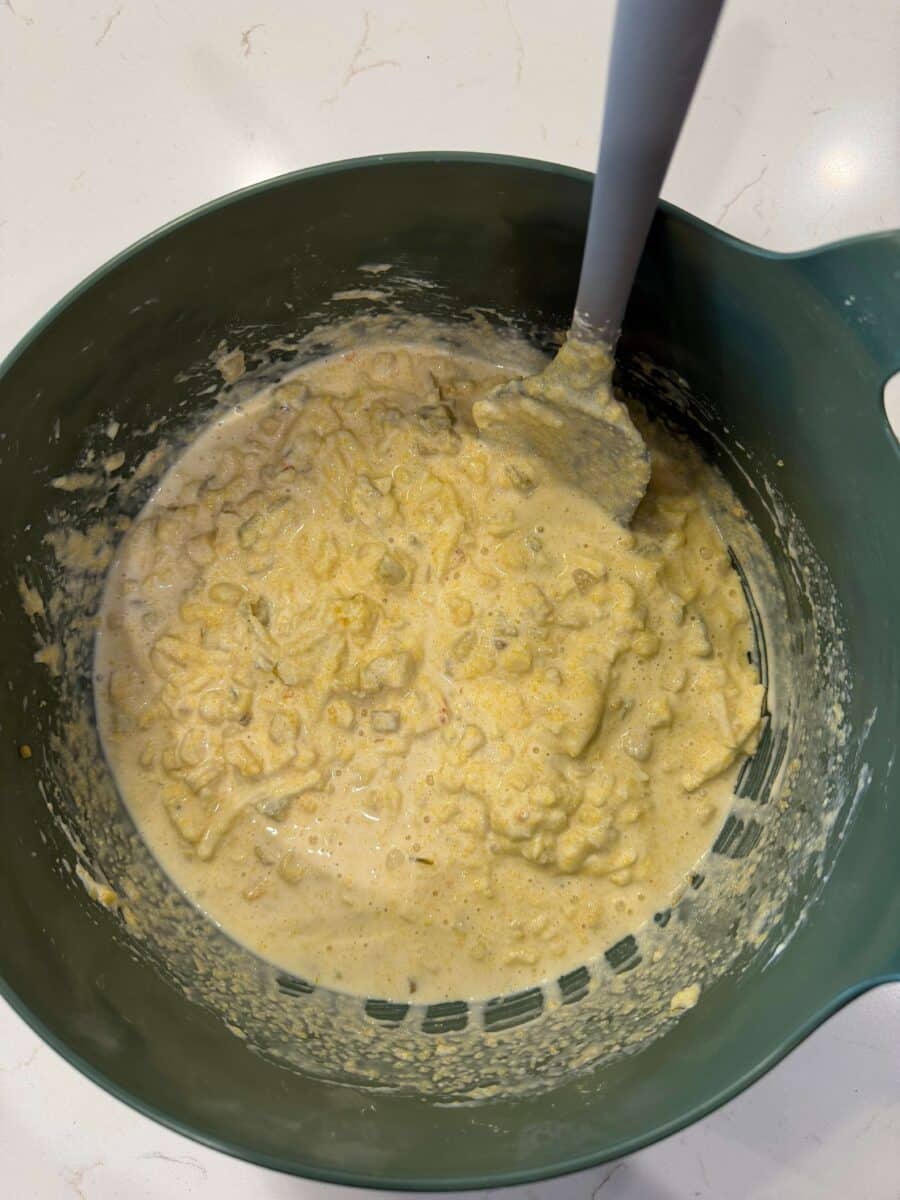
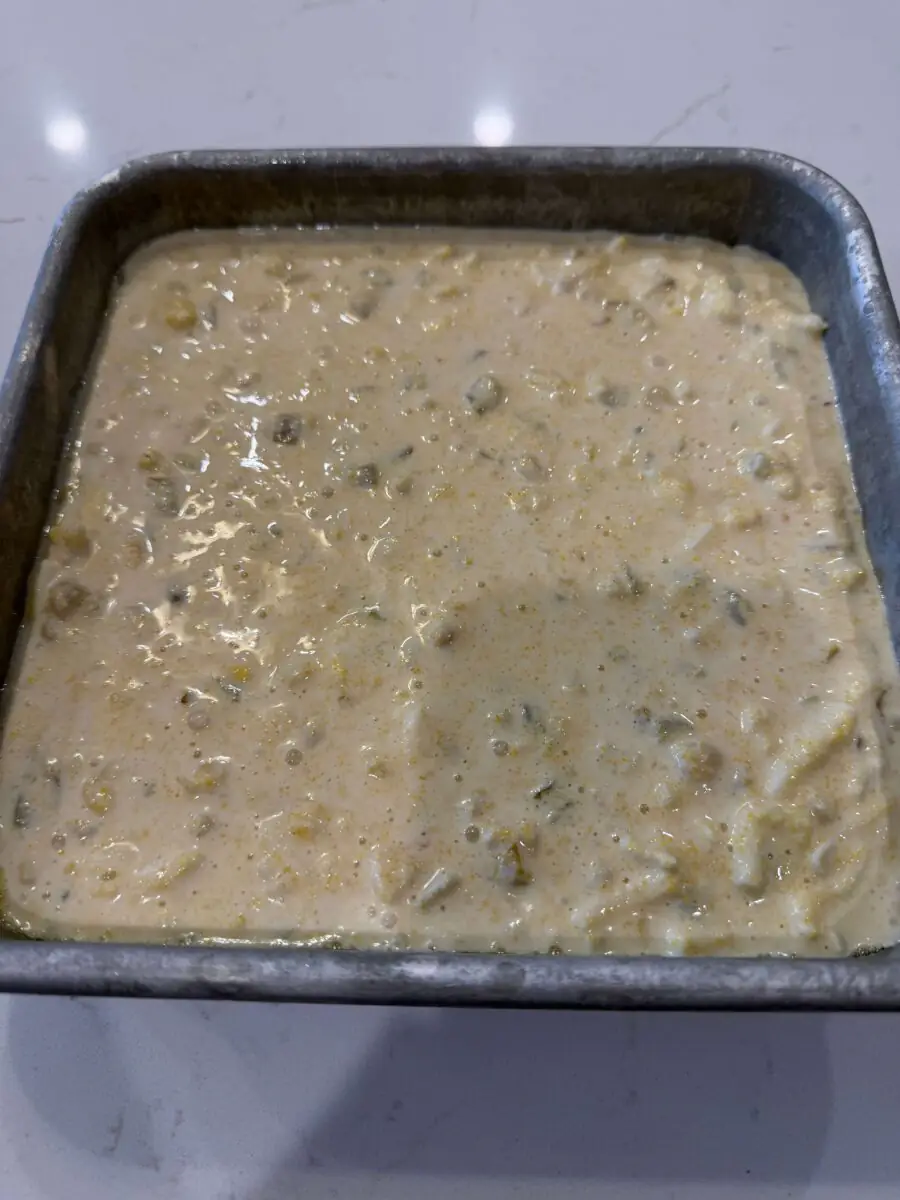
The preparation process—whisking dry ingredients before folding in the wet components—is a standard baking technique designed to prevent over-mixing, which can lead to the overdevelopment of gluten and a tough final product.
Economic and Market Context of Casserole Ingredients
The popularity of dishes like the Awesome and Easy Creamy Corn Casserole is also influenced by the economic landscape of the American food supply. According to data from the United States Department of Agriculture (USDA), corn remains the most widely produced feed grain in the United States, accounting for more than 90 percent of total value and production of feed grains. This abundance ensures that corn products, whether fresh, canned, or frozen, remain highly affordable for the average consumer.
Market research indicates a steady demand for "comfort foods" during periods of economic volatility. Casseroles are viewed as cost-effective meal solutions because they often utilize pantry staples and can serve large groups. Furthermore, the "one-bowl" nature of this specific recipe aligns with the growth of the "convenience cooking" sector, which has seen a 15% increase in consumer interest over the last five years as households look to minimize cleanup time.
The dairy components—sour cream, butter, and cheese—are also subject to market fluctuations. However, the versatility of these ingredients allows for substitutions, such as Greek yogurt for sour cream or various types of milk for the half-and-half, making the recipe adaptable to different budgetary constraints and dietary preferences.
Chronology of Development and Digital Impact
The timeline of this recipe’s rise to prominence can be traced through the evolution of online food media:
- Late 20th Century: Traditional corn pudding recipes circulate in community cookbooks and on the back of cornmeal boxes.
- Early 2000s: Digital recipe repositories like All Recipes begin to host user-submitted versions of "Creamy Corn Casserole."
- 2010s: Social media platforms, particularly Pinterest, turn the corn casserole into a viral sensation, particularly during the Thanksgiving and Christmas seasons.
- 2020s: Home cooks begin to "deconstruct" and "reconstruct" the recipe, moving away from boxed mixes and toward scratch-made versions that incorporate fresh chiles and artisanal cheeses.
The specific version analyzed here is a result of this iterative process. By taking a baseline recipe with over 3,100 reviews and incorporating community-suggested improvements—such as the use of half-and-half for added richness and the substitution of pepper jack for a modern flavor profile—the dish has become a "best of" compilation of user feedback.
Comparative Analysis: Scratch-Made vs. Processed Alternatives
A significant point of discussion among culinary enthusiasts is the comparison between scratch-made casseroles and those using pre-mixed ingredients. Many traditional versions of this dish rely on a box of "Jiffy" corn muffin mix. While convenient, the scratch-made approach used in the Awesome and Easy Creamy Corn Casserole allows for greater control over the nutritional profile and flavor.
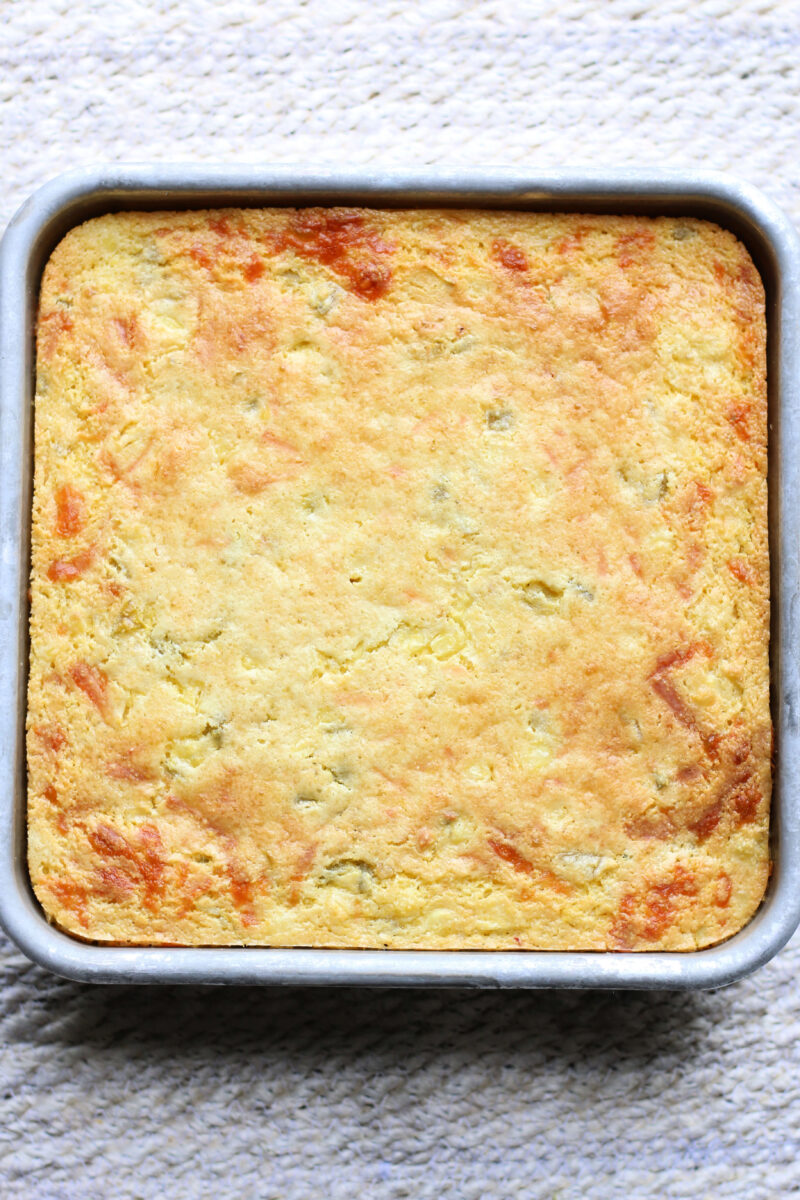
By measuring individual portions of flour, cornmeal, and sugar, the cook can reduce the sodium content and adjust the sweetness to their specific preference. Furthermore, the absence of preservatives often found in pre-mixed boxes results in a cleaner flavor profile. Analysis shows that the scratch-made version typically has a more complex texture, as the ratio of cornmeal to flour can be tuned to achieve a specific "crumb" density.
Broader Implications for Modern Home Cooking
The enduring appeal of the Awesome and Easy Creamy Corn Casserole highlights several key themes in contemporary food culture. First, it demonstrates the democratization of recipe development. No longer are "perfect" recipes dictated solely by professional chefs; instead, they are forged in the fires of public opinion and digital review sections.
Second, it underscores the importance of "versatile sides" in the American diet. This casserole is equally at home next to a Thanksgiving turkey, a summer barbecue brisket, or a simple weekday roasted chicken. Its ability to bridge the gap between different cuisines and occasions ensures its longevity.
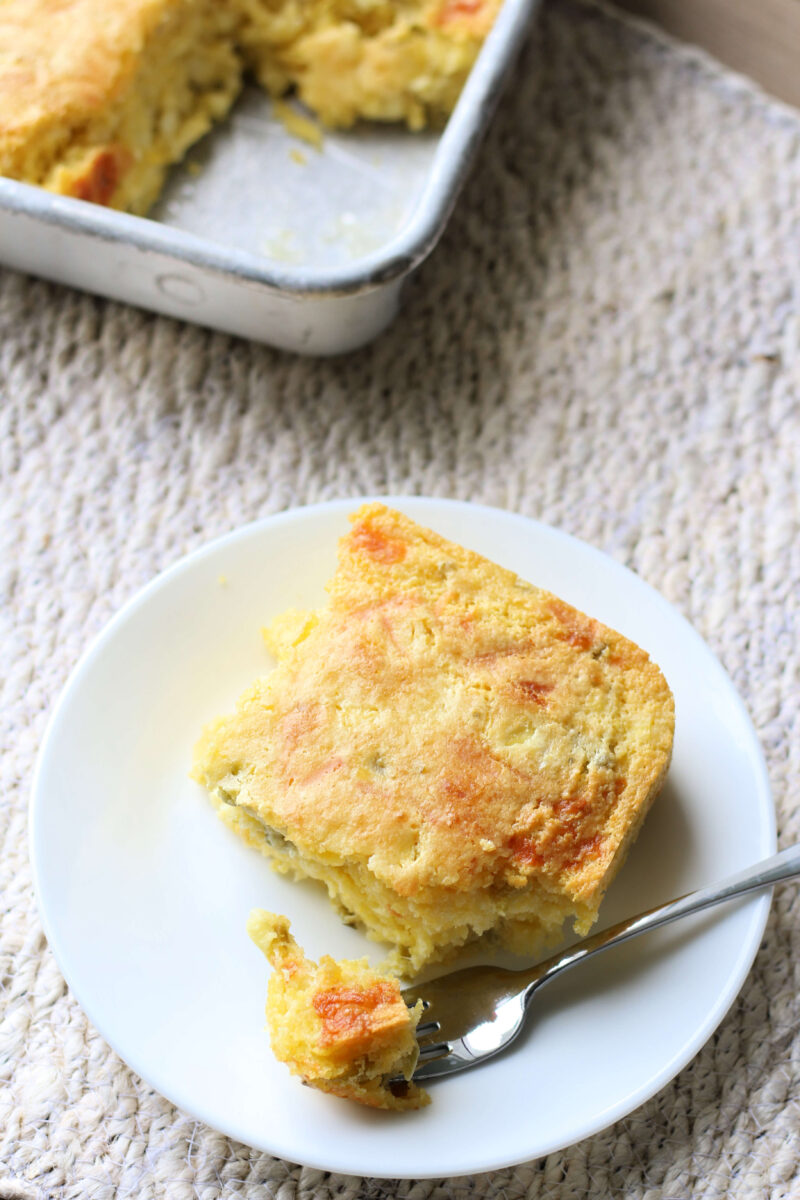
Finally, the dish serves as a case study in the "elevated comfort" trend. Consumers are increasingly looking for ways to take nostalgic dishes from their childhood and update them for a more sophisticated palate. By adding green chiles and pepper jack cheese, this recipe honors the past while acknowledging the globalized flavors of the present.
Nutritional Profile and Dietary Considerations
From a nutritional standpoint, the Awesome and Easy Creamy Corn Casserole is a calorie-dense side dish, primarily providing carbohydrates and fats. A standard serving contains essential minerals from the corn and calcium from the dairy products. However, the inclusion of sugar and butter makes it a dish typically reserved for special occasions rather than daily consumption.
For those with dietary restrictions, the recipe offers several points of intervention. Gluten-free flour blends can be substituted for all-purpose flour, and the sugar can be replaced with alternative sweeteners or omitted entirely for a more savory profile. The use of low-fat sour cream or milk can also reduce the overall caloric load, though culinary experts warn that this may alter the "moistness" for which the dish is famous.
Conclusion
The Awesome and Easy Creamy Corn Casserole is more than a simple side dish; it is a reflection of American culinary history, economic trends, and the power of digital communities. By blending ease of preparation with a sophisticated flavor profile, it meets the demands of the modern home cook while providing the nostalgic comfort of a traditional casserole. As food trends continue to evolve, the adaptability of corn-based dishes ensures that they will remain a staple of the American table for generations to come. The transition from a 3,100-review baseline to this specific, refined version illustrates the ongoing dialogue between tradition and innovation in the kitchen.
