
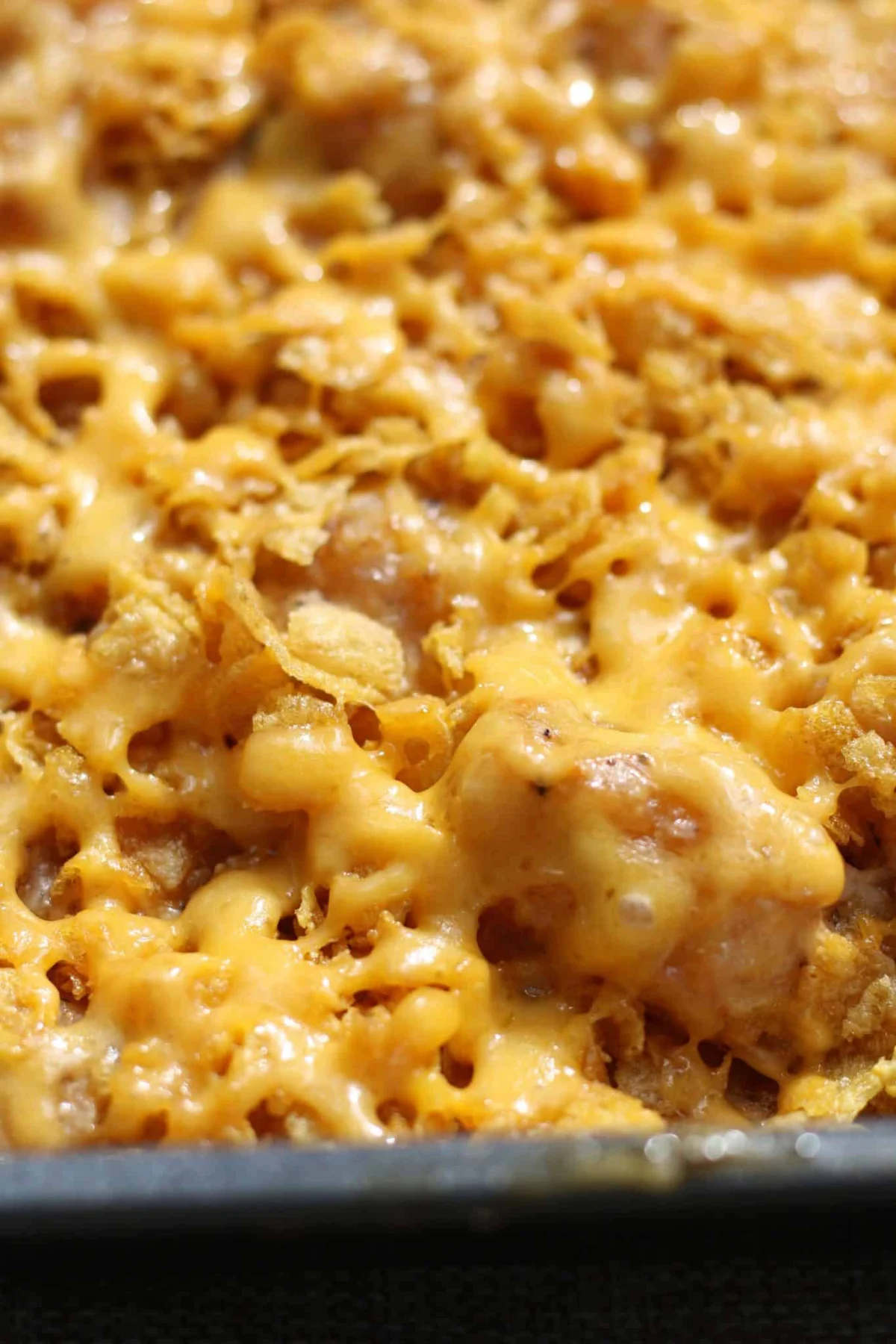
The landscape of American home cooking is frequently defined by the evolution of regional staples, and few dishes illustrate this transition better than the newly popularized "Sort of Aunt Susie’s Casserole." This dish, which leverages the convenience of frozen processed potatoes, has emerged as a contemporary alternative to traditional potato-based side dishes such as the midwestern "funeral potatoes." By substituting conventional shredded hash browns with tater tots and introducing a textural contrast through a buttered cornflake crust, the recipe represents a shift toward time-efficient, shelf-stable ingredient utilization in modern household meal preparation.
The Origins and Culinary Context
The recipe, which gained traction through online community platforms and food-sharing networks, is attributed to informal family culinary traditions. The moniker "Sort of Aunt Susie’s Casserole" highlights the oral history often associated with comfort food recipes, where precise measurements are secondary to the communal experience of the meal. Culinary historians note that this type of "hotdish"—a term primarily utilized in the Upper Midwest—originated in the mid-20th century as a way for families to utilize canned soups and frozen vegetables to create hearty, one-pan meals.
The transition from the traditional hash brown base to tater tots reflects a broader trend in convenience-driven gastronomy. Tater tots, first developed in 1953 by the Ore-Ida company as a method to utilize leftover potato scraps from the production of french fries, have moved from a school-cafeteria staple to a foundational ingredient in modern home cooking.
Preparation and Methodology
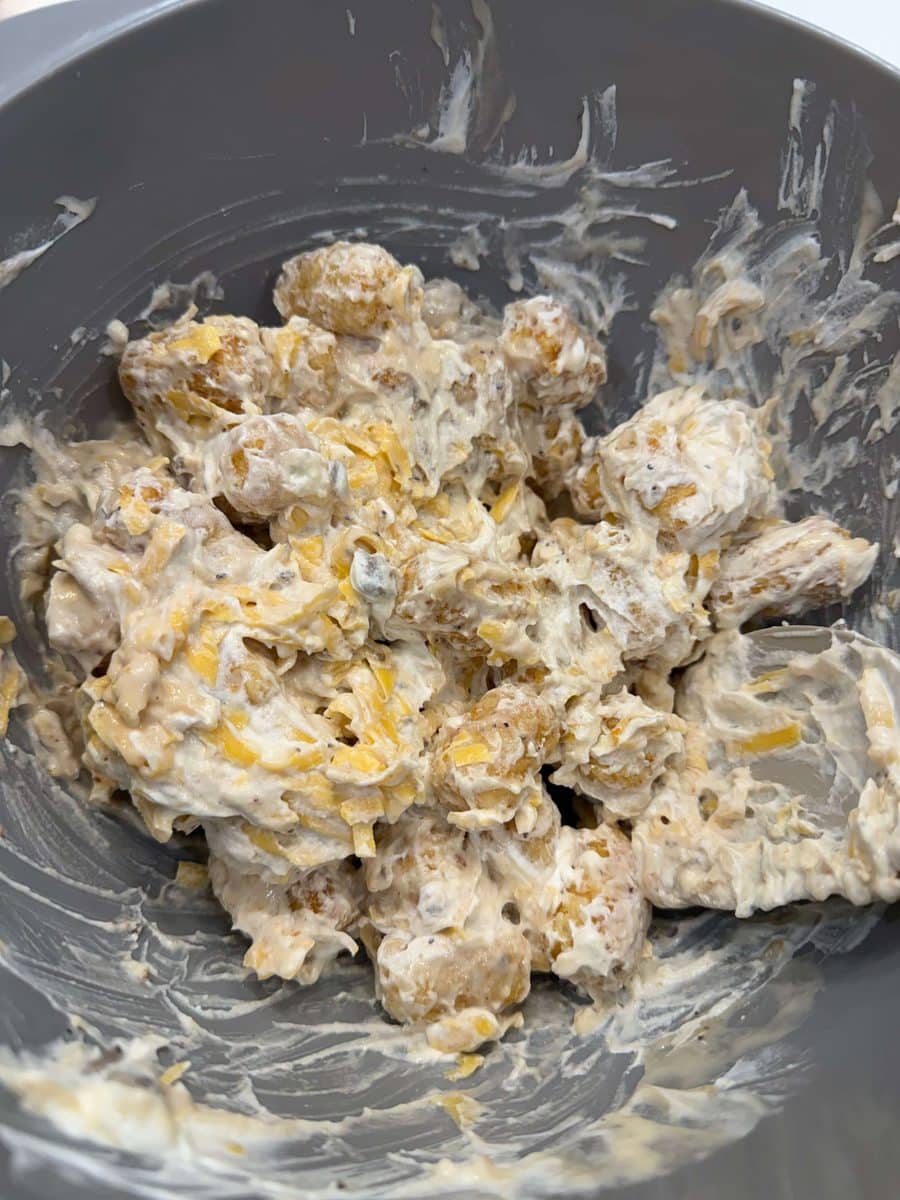
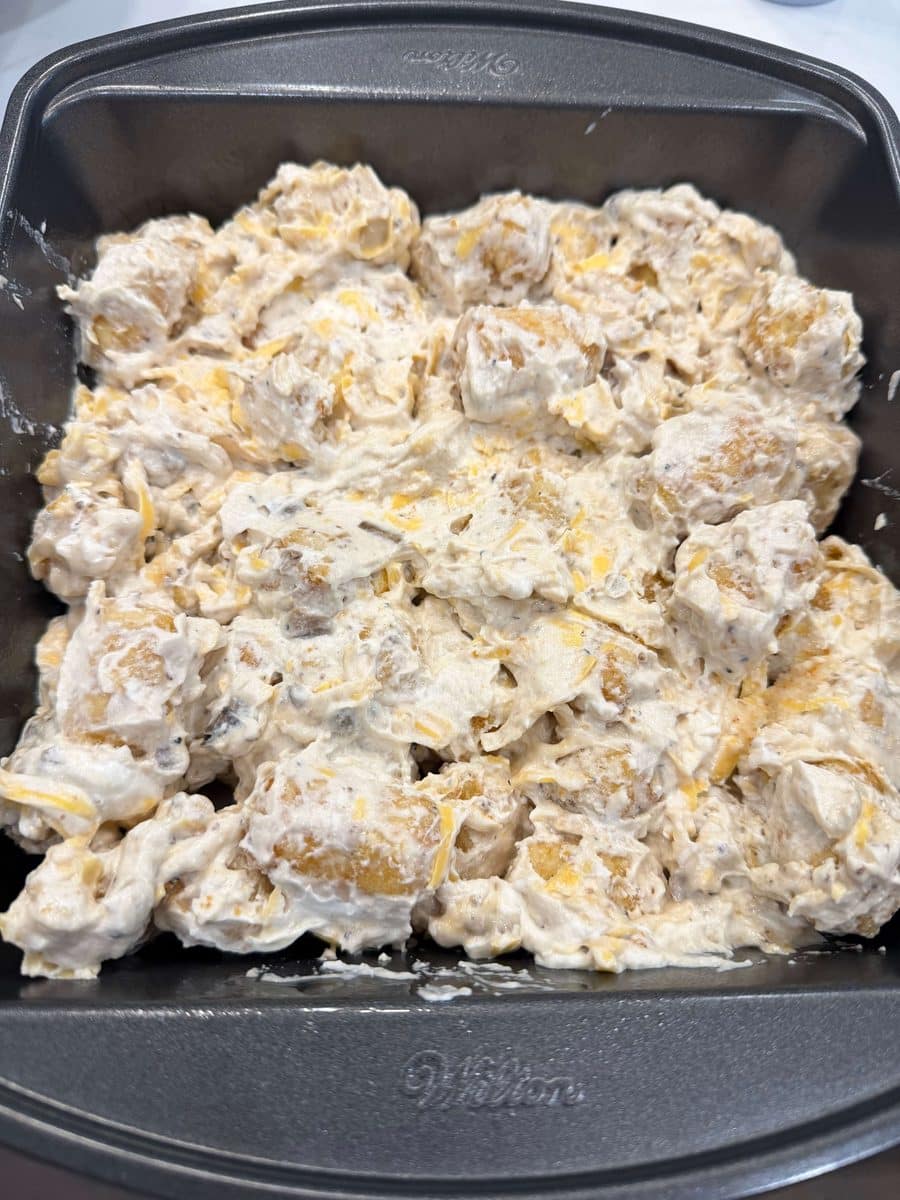
The preparation of the casserole is notable for its departure from traditional cooking techniques, which often require precooking or thawing components. The methodology relies on a "dump-and-bake" approach, where frozen tater tots are combined with cream of mushroom soup, sour cream, and shredded cheddar cheese.
The technical profile of the dish is as follows:
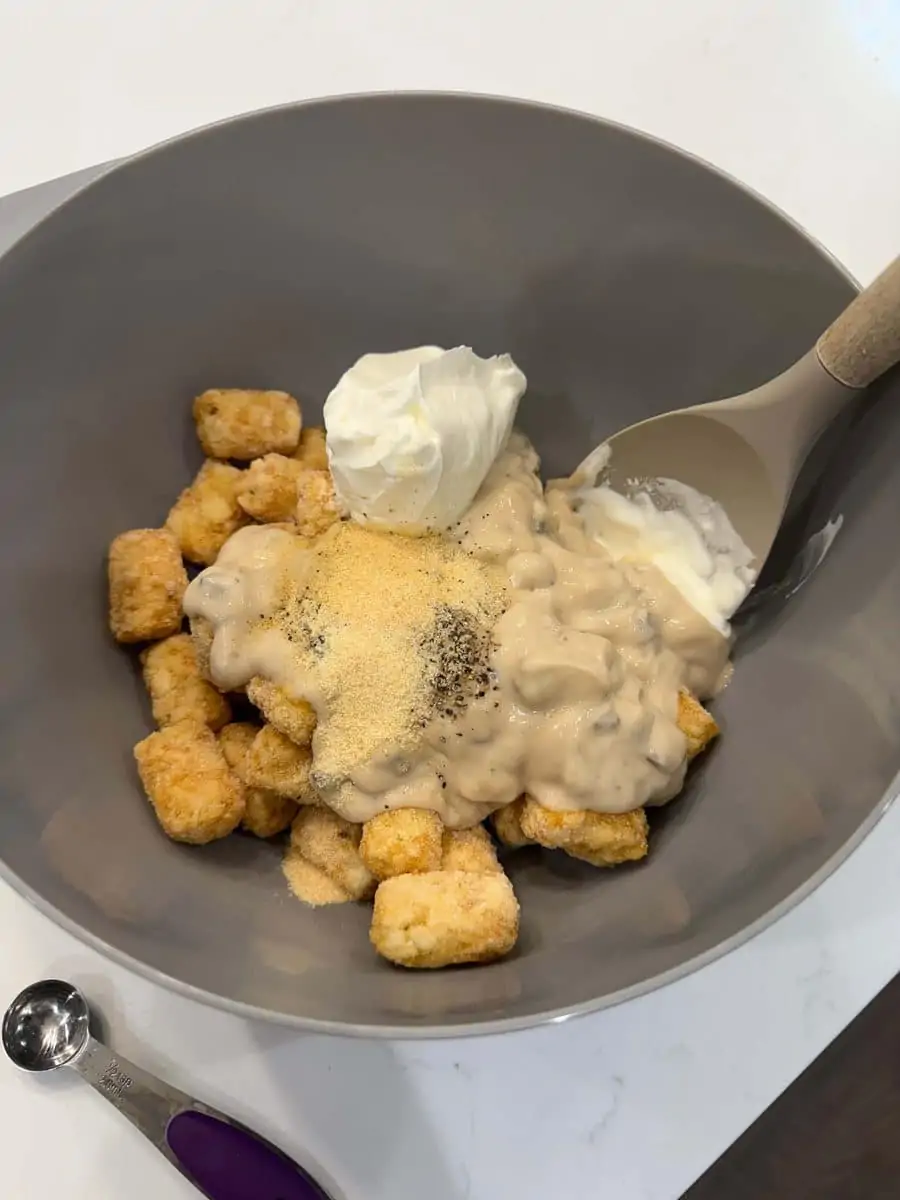
- Base: A mixture of frozen potato cylinders, emulsified fats from the soup and sour cream, and aged cheddar.
- Binding Agents: The condensed cream of mushroom soup acts as a velouté-style base, providing moisture and seasoning.
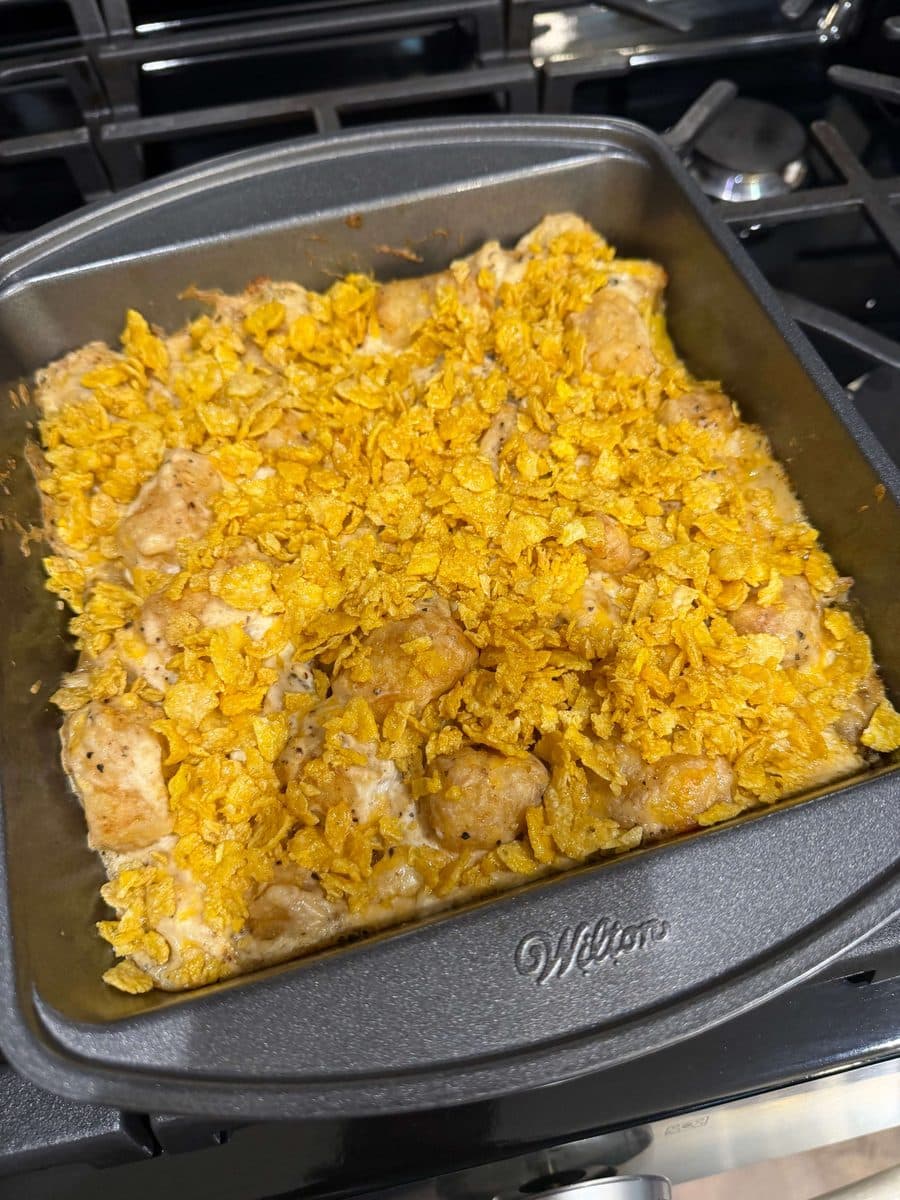
- The Crust: A secondary layer consisting of crushed cornflakes tossed in melted butter is applied halfway through the baking cycle to ensure a Maillard reaction, providing a crunch that contrasts with the soft interior of the potato base.
Whether prepared in a standard 8-by-8-inch baking dish at 375°F or in a slow cooker, the dish requires minimal active labor, making it a subject of interest for home cooks managing time-constrained schedules.
Nutritional and Dietary Implications
From a nutritional standpoint, the casserole is classified as a calorie-dense comfort food. The reliance on canned soups and frozen, pre-fried potatoes means that the dish typically contains high levels of sodium and saturated fats. Culinary analysts suggest that while this dish satisfies the cultural demand for "nostalgia-based" comfort foods, it is rarely positioned as a health-conscious selection.
Recent adaptations have sought to mitigate these concerns. Some home cooks have integrated fibrous vegetables, such as green beans, to replace the density of the potato layer. This adaptation mimics the profile of the classic green bean casserole while maintaining the structural integrity of the potato-based dish. Despite these modifications, the core identity of the meal remains tethered to its status as a high-carbohydrate, high-fat accompaniment to heavier protein-based main courses.
Broader Impact on Home Cooking Trends
The rise of this specific casserole mirrors the growth of the "casserole economy" in digital spaces. Data from recipe-sharing platforms indicates a 15% increase in searches for "easy side dishes" using frozen ingredients over the last five years. This shift is driven by several socioeconomic factors, including the rising cost of fresh produce and the premium placed on labor-saving kitchen shortcuts.
Furthermore, the popularity of the dish demonstrates the influence of the "Instant Pot" and "Crockpot" movements, where convenience is prioritized above traditional slow-cooking methods. By creating a recipe that functions equally well in a high-heat oven or a low-temperature slow cooker, the creators of the recipe have ensured its versatility across various household demographics.
Professional Culinary Perspective
While professional chefs often critique the use of condensed soups and frozen pre-processed ingredients, the social significance of such dishes cannot be understated. In many households, these recipes serve as the bridge between generations. The "Aunt Susie" in the title represents a common archetype in American food culture—the family member who preserves, modifies, and passes down recipes that prioritize accessibility and sensory satisfaction.
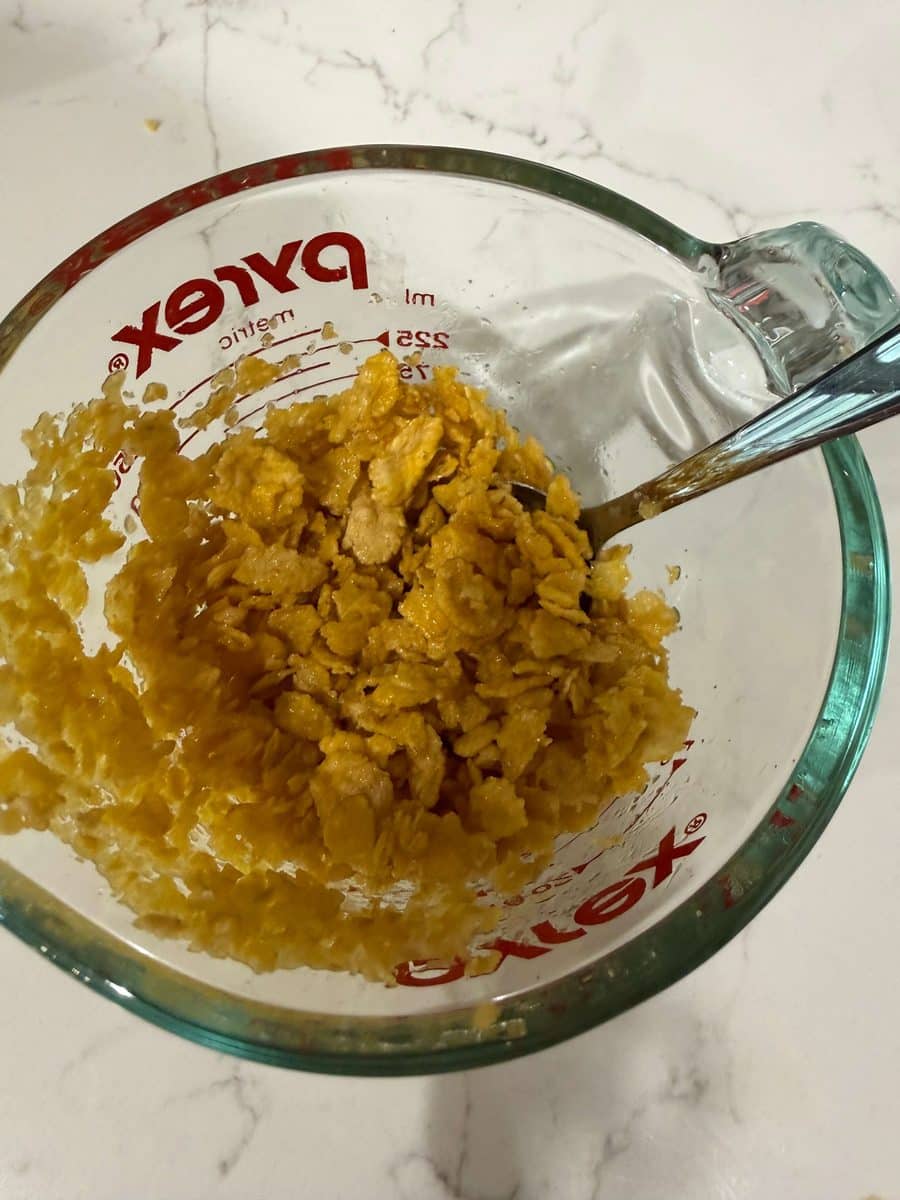
The inclusion of the cornflake topping serves as an important culinary intervention. In texture-based food analysis, the "crunch-to-soft" ratio is a primary driver of consumer satisfaction. By adding the cornflake layer, the recipe addresses the primary criticism of many potato casseroles: that they lack textural variation.
Future Developments
As the popularity of "Sort of Aunt Susie’s Casserole" continues to expand, it is likely that we will see further "fusion" versions of the dish. Already, variations have been documented that incorporate proteins such as ground beef or shredded chicken, effectively moving the dish from a side-item category to a main-course entrée.
The integration of this recipe into the permanent digital catalog of American home cooking serves as a case study for how modern technology—specifically social media and collaborative recipe databases—can cement a local family tradition into a nationally recognized culinary phenomenon. For the home cook, the primary appeal remains consistent: a low-barrier-to-entry recipe that provides high emotional return through familiarity, warmth, and the efficient use of pantry staples.
Ultimately, the longevity of this recipe will be determined by its adaptability. As long as frozen potatoes and canned cream soups remain available in standard grocery retail, the "Sort of Aunt Susie’s Casserole" will likely remain a fixture in the repertoire of home cooks seeking a reliable, crowd-pleasing, and efficient side dish for holiday gatherings and weeknight family dinners. Whether it is viewed as a culinary shortcut or a nostalgic necessity, its place in the modern American kitchen is firmly established.
