

The Evolution of Slow Cooking and Household Efficiency
The popularity of slow-cooker recipes like the Kitchen Sink Casserole is rooted in a broader historical trend of kitchen automation. Since the introduction of the Crock-Pot in the early 1970s, the appliance has transformed from a niche convenience tool into a staple of the American kitchen. Market research indicates that the slow cooker remains one of the most frequently utilized kitchen gadgets, favored for its ability to transform tougher cuts of meat and raw vegetables into cohesive, tender meals with minimal active oversight.
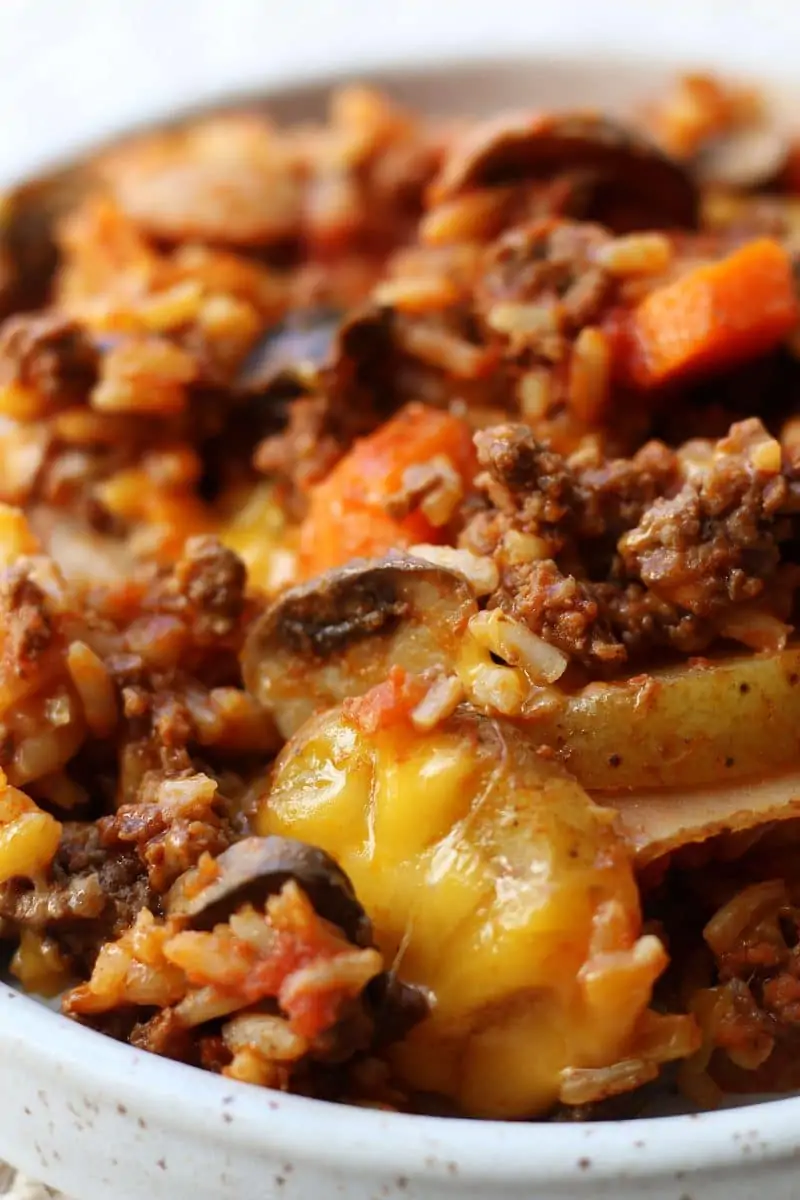
The "kitchen sink" concept—a colloquialism referring to a dish containing a wide variety of ingredients—has gained traction in digital food media as a practical solution to rising food costs. By utilizing a single pound of ground beef as the primary protein, the dish acts as a mechanism for "stretching" groceries. The inclusion of nutrient-dense vegetables such as potatoes, carrots, and mushrooms allows for a balanced macronutrient profile, while the addition of rice serves as an effective thickening agent that absorbs the savory liquids and tomato-based sauce, resulting in a dense, filling texture.
Chronology of Preparation and Culinary Methodology
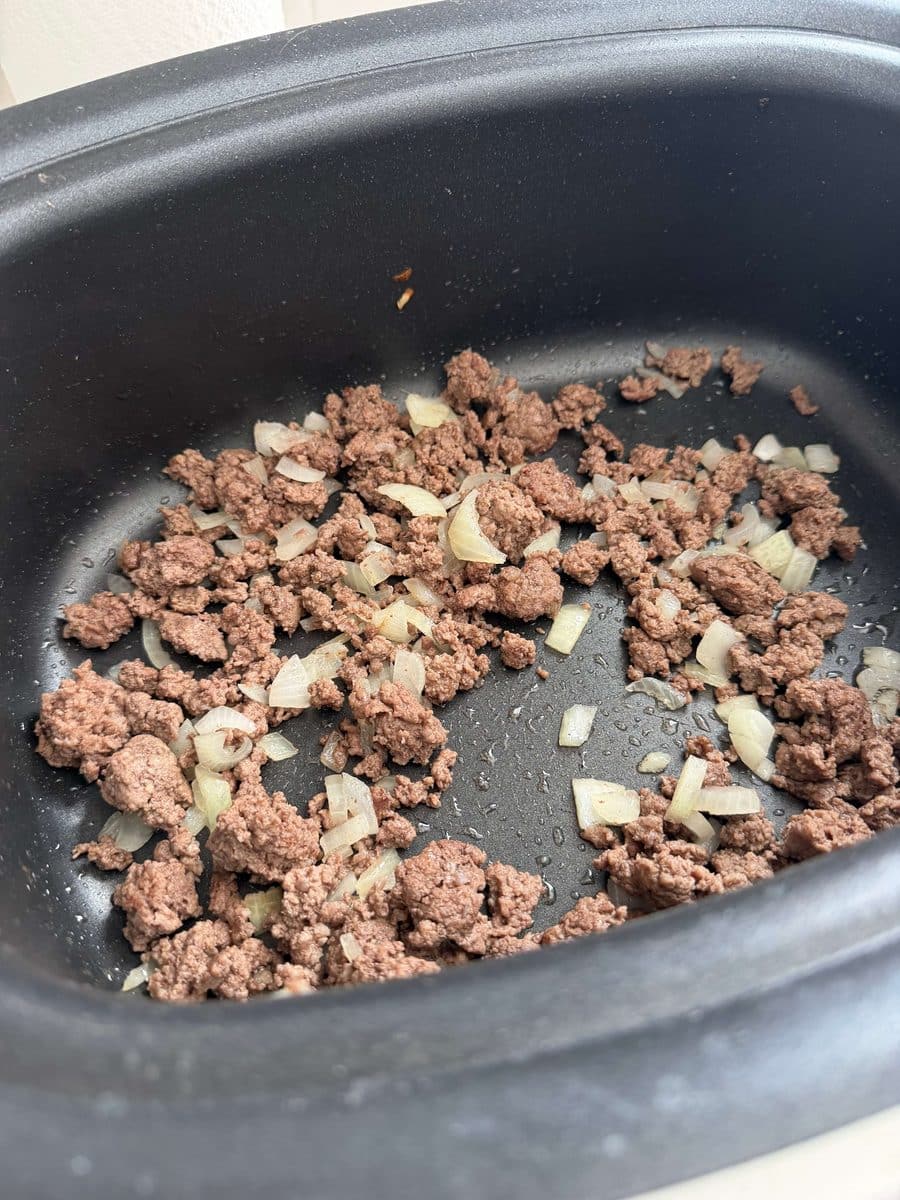
The systematic preparation of this dish follows a rigorous timeline designed to optimize both flavor extraction and food safety. The process begins with the browning of ground beef, a critical step that facilitates the Maillard reaction—a chemical reaction between amino acids and reducing sugars that gives browned food its distinctive flavor.
- Initial Preparation (0–15 minutes): The beef is cooked over medium-high heat with aromatics such as onions. Modern slow cookers with integrated stovetop-safe inserts have streamlined this phase, allowing the cook to perform the browning process in the same vessel that will be used for the duration of the cooking cycle.
- Seasoning and Integration (15–20 minutes): Once the meat is browned and excess fats are drained—a necessary step to ensure the final consistency of the sauce—the protein is seasoned with steak sauce, onion powder, garlic powder, and seasoned salt. This seasoning profile is selected to complement the umami profile of the mushrooms and the acidity of the tomato sauce.
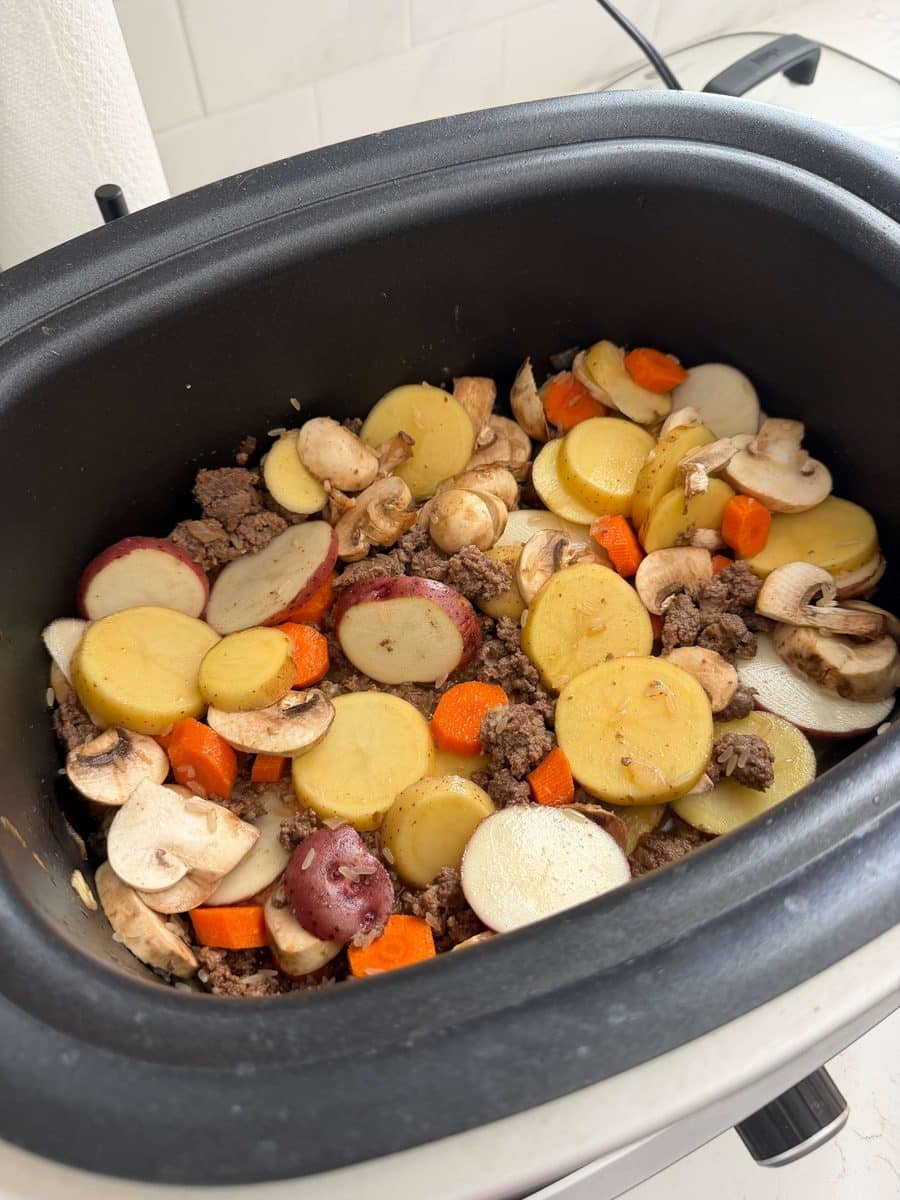
- Assembly (20–30 minutes): The remaining raw ingredients—potatoes, carrots, mushrooms, and rice—are introduced into the pot. The order of operations is vital; the heavier, denser vegetables and rice are placed to ensure they are adequately submerged in the cooking liquid.
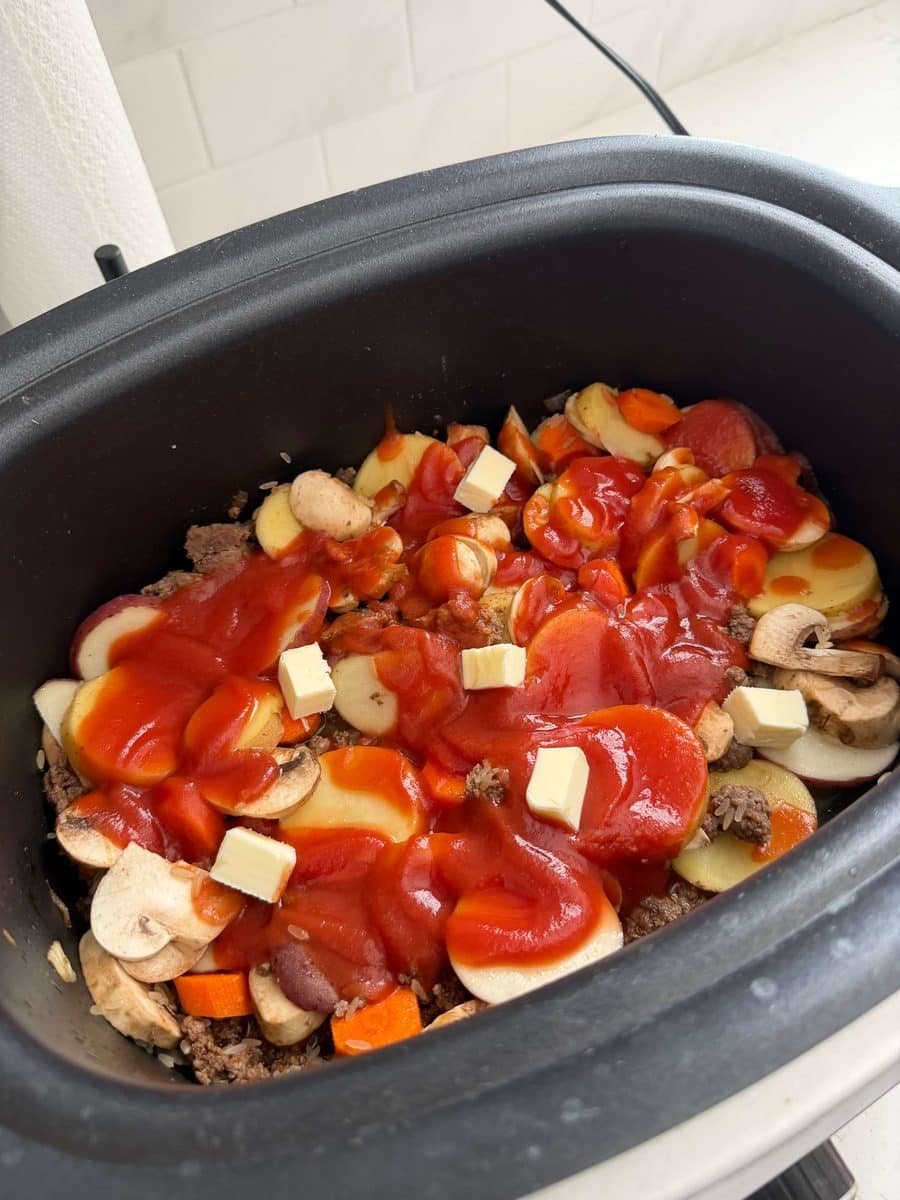
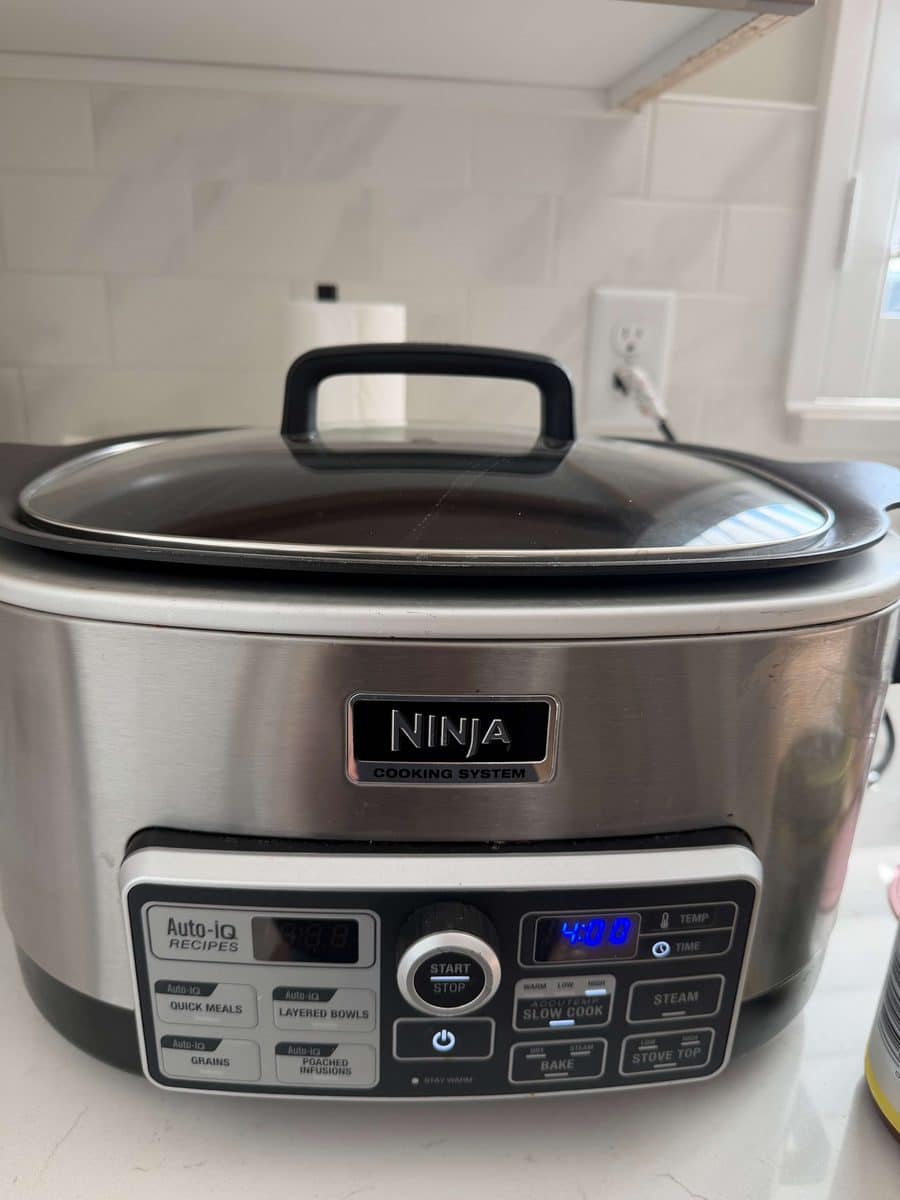
- The Slow-Cook Phase (2–3 hours): The assembly is topped with tomato sauce and butter, then covered to create a pressurized, moisture-rich environment. Cooking on the high setting for 2 to 3 hours allows the rice to reach a tender consistency while ensuring the starch in the potatoes is fully gelatinized.
- Final Finishing (Final minutes): The final step involves the incorporation of cheddar cheese. By adding the cheese only once the other ingredients are fully cooked, the chef ensures the cheese melts evenly without separating or becoming overly oily.
Nutritional Profile and Economic Implications
From a nutritional standpoint, the Kitchen Sink Casserole offers a diverse array of essential vitamins and minerals. Yukon Gold potatoes provide a source of complex carbohydrates and potassium, while carrots offer significant amounts of Vitamin A in the form of beta-carotene. The use of mushrooms adds a source of fiber and subtle B-vitamins, and the ground beef provides a high-quality protein source necessary for muscle maintenance.
Economically, the dish reflects an ongoing effort by home cooks to combat food waste. According to data from the U.S. Department of Agriculture (USDA), a significant portion of household food waste consists of vegetables that have reached the end of their peak freshness. A recipe of this nature serves as a "waste-mitigation" strategy, as the prolonged cooking time renders the texture of slightly aged produce irrelevant, effectively revitalizing ingredients that might otherwise be discarded.
Culinary Analysis and Broader Impact
Food scientists note that the "one-pot" method is increasingly preferred by households managing dual-income schedules. The reduction in active cooking time—often limited to less than 30 minutes of labor—is a significant advantage in a society where time poverty is a growing concern. Furthermore, the reliance on basic pantry items—rice, dried seasonings, and tomato sauce—insulates the recipe from the volatility of fresh food supply chains, as these components can be stored for extended periods.
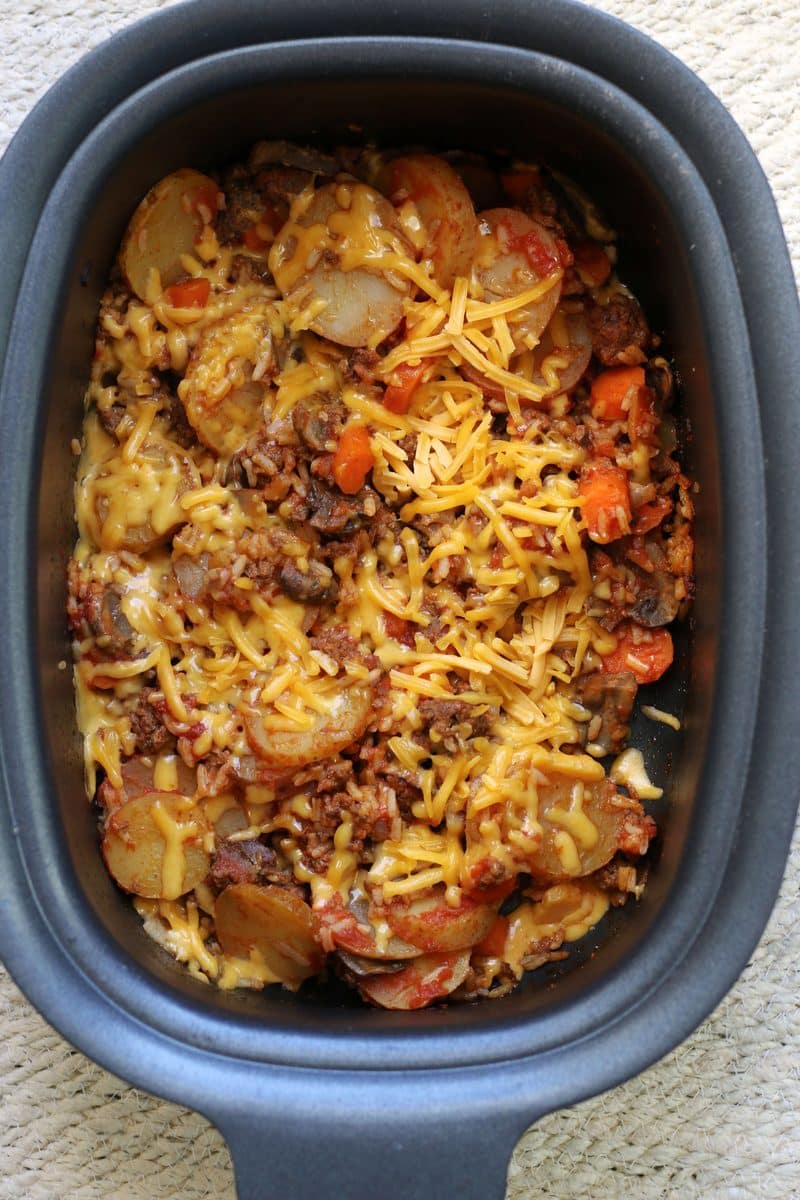
Critics of such "dump-and-go" recipes sometimes point to the lack of textural variation, as all ingredients are cooked to a uniform softness. However, proponents argue that the efficiency and comfort-food profile of the dish outweigh these aesthetic considerations. The success of this specific recipe in online spaces, such as Pinterest, confirms a demographic preference for reliable, high-yield, and low-complexity meals.

Official Guidance on Slow Cooker Safety
While the convenience of slow cookers is well-documented, food safety experts, including those from the CDC and USDA, offer specific guidelines for successful outcomes. It is imperative that the cooker be filled to the appropriate level—usually between half-full and two-thirds full—to ensure even heat distribution. Additionally, when using a slow cooker, it is recommended to keep the lid closed as much as possible; every time the lid is removed, the internal temperature drops, necessitating an additional 15 to 20 minutes of recovery time to return to the safe cooking temperature.

For those looking to adapt the recipe, the versatility of the "kitchen sink" approach allows for numerous variations. Home cooks often substitute the protein with ground turkey or plant-based alternatives, or incorporate additional vegetables such as peas, corn, or bell peppers. This adaptability is the hallmark of the recipe’s longevity, as it allows it to remain relevant regardless of dietary trends or specific household preferences.

Conclusion
The Crock Pot Kitchen Sink Casserole stands as a testament to the enduring appeal of practical, efficient home cooking. By integrating disparate ingredients into a unified, flavorful meal, it addresses the intersection of economic necessity, time management, and nutritional balance. As the culinary landscape continues to prioritize convenience, such slow-cooker classics are likely to remain central to the domestic experience, serving as a reliable resource for families seeking to optimize their resources without sacrificing the quality of their home-cooked meals. Through simple, consistent methodology, this dish effectively manages to convert minimal effort into a substantial, cohesive dinner, reinforcing the value of the slow cooker in the modern culinary toolkit.
